15 Fermented Foods with Strange Origins
Ever wonder how we ended up eating some of this stuff? Most fermented foods exist because someone, somewhere, really messed up. Or got desperate. Or both. The stories behind these foods are honestly pretty ridiculous when you think about it.
Here is a list of 15 fermented foods whose origins make zero sense until you hear the whole story.
Kefir
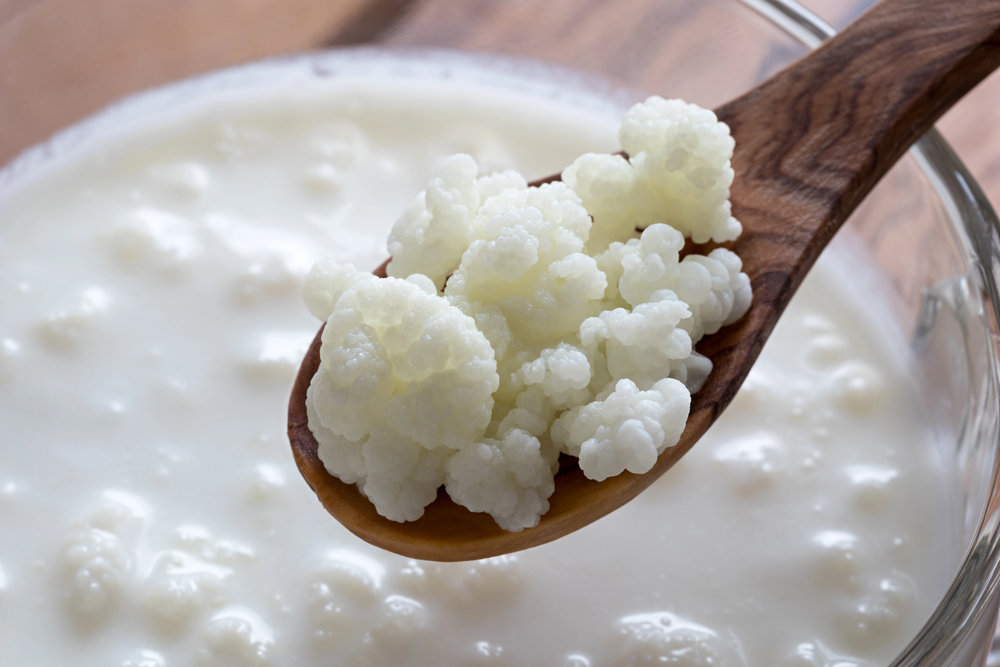
These strange little grain objects were owned by some families in the Caucasus Mountains. For more than a millennium, they protected them like the crown jewels.
They believed that the grains would cease to function if they were distributed to the incorrect individuals. A group of Russian dairy farmers became so irate in 1908 that they essentially staged a kidnapping in order to obtain these grains.
Century Eggs
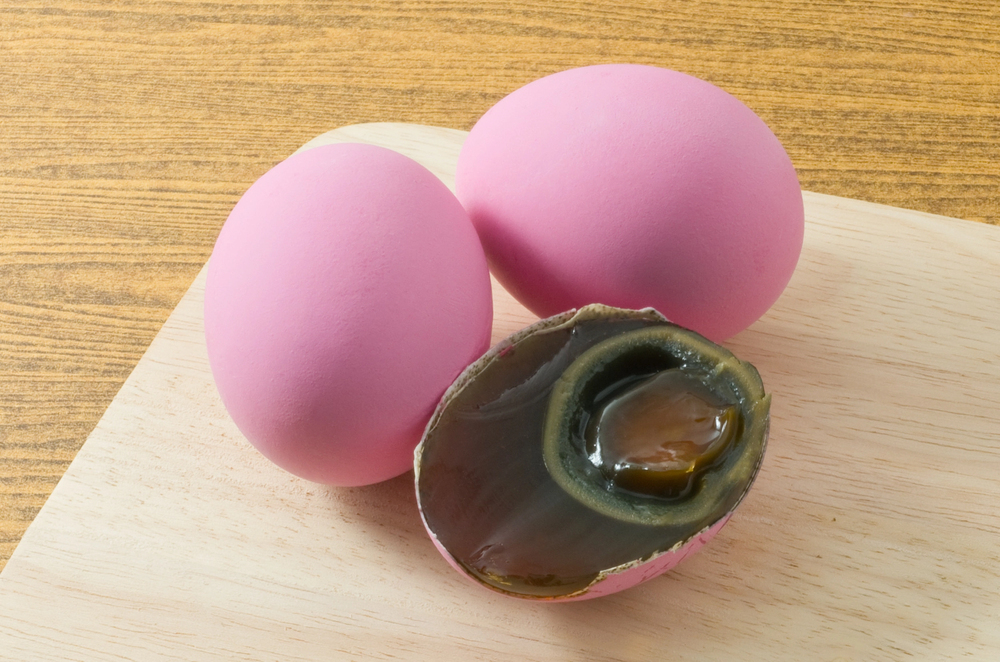
A homeowner in China was building his house back in the Ming Dynasty. Duck eggs fell into the lime mortar he was using for construction.
Two months later, he’s cleaning up and finds these eggs that look absolutely disgusting. Does he throw them out? Nope. Eat them.
Surströmming
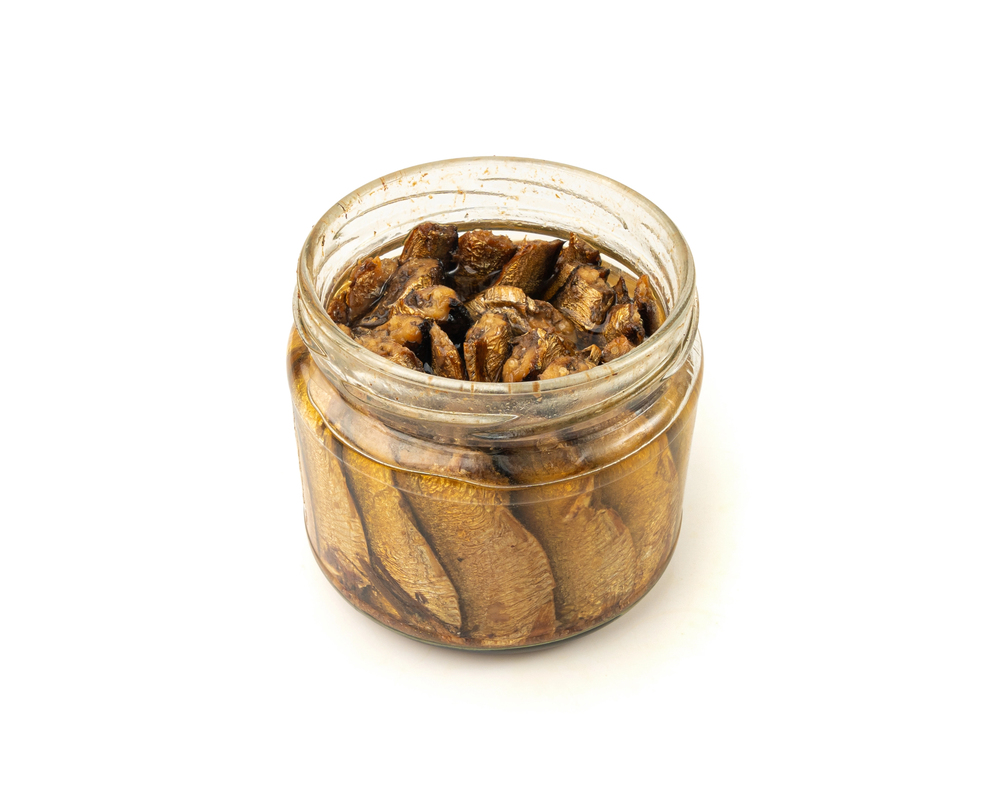
Picture this: 16th-century Swedish fishermen catch way too much herring. They don’t have enough salt to preserve it all properly.
The fish starts going rancid on the boat. Their regular customers won’t buy it because it smells horrible.
Tempeh
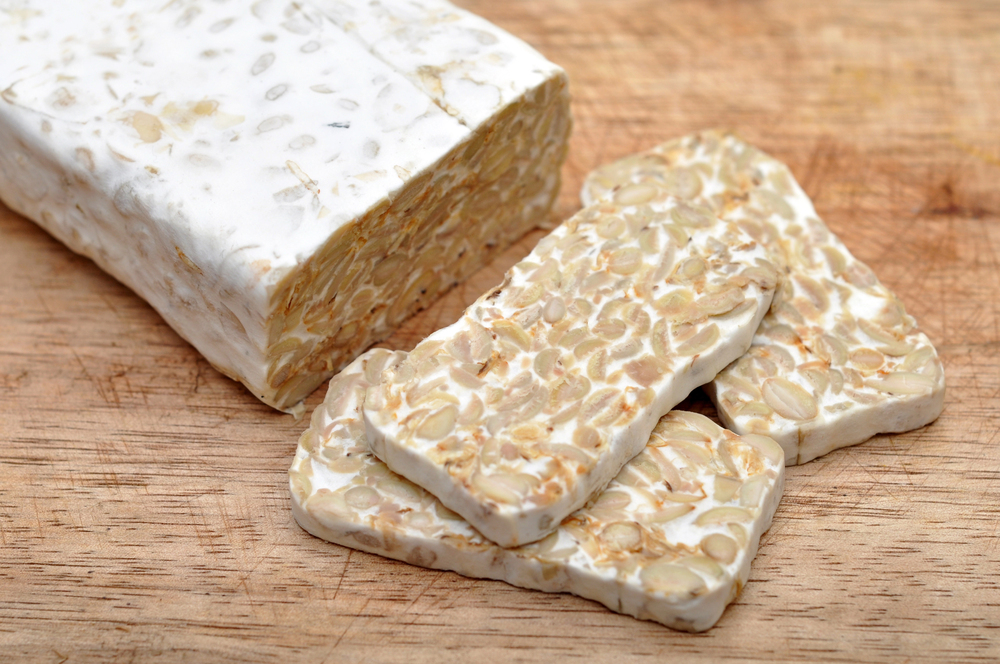
Someone in Indonesia was making tofu and completely forgot about a batch of cooked soybeans. The hot, humid weather did its thing.
Random mold floating around decided to make itself at home. The beans got all stuck together in a solid cake.
Natto

Nobody can agree on how this happened. One story says a samurai packed soybeans in straw bags for a trip.
The bacteria in the straw made the beans all sticky and stringy during the journey. Another story claims a god made it during a famine.
Kimchi

Koreans have been accidentally fermenting vegetables for about 8,000 years. They’d stuff cabbage in salty seawater hoping it wouldn’t rot over winter.
Had no idea what bacteria were or how fermentation worked. Just knew it somehow made vegetables taste better and last longer.
Garum
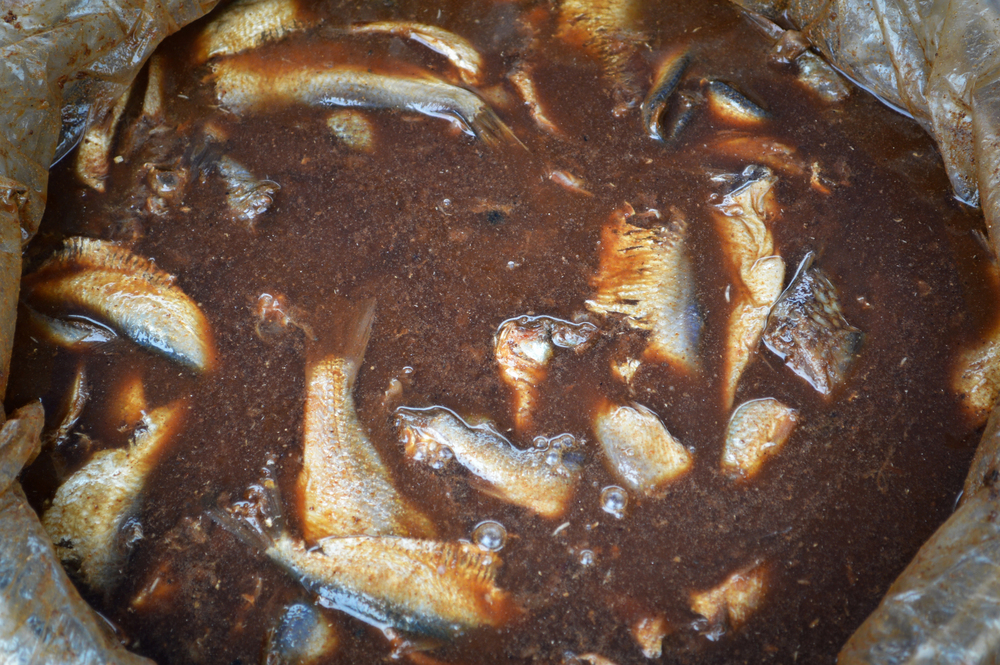
Romans took all the fish parts nobody wanted – guts, blood, heads, the works – and left them sitting in clay pots under the Mediterranean sun for months. The smell was so bad they had to make it outside the city.
But somehow this fish gut slurry became a luxury item that wealthy Romans imported from all over the empire. Ancient taste buds were apparently different.
Kombucha
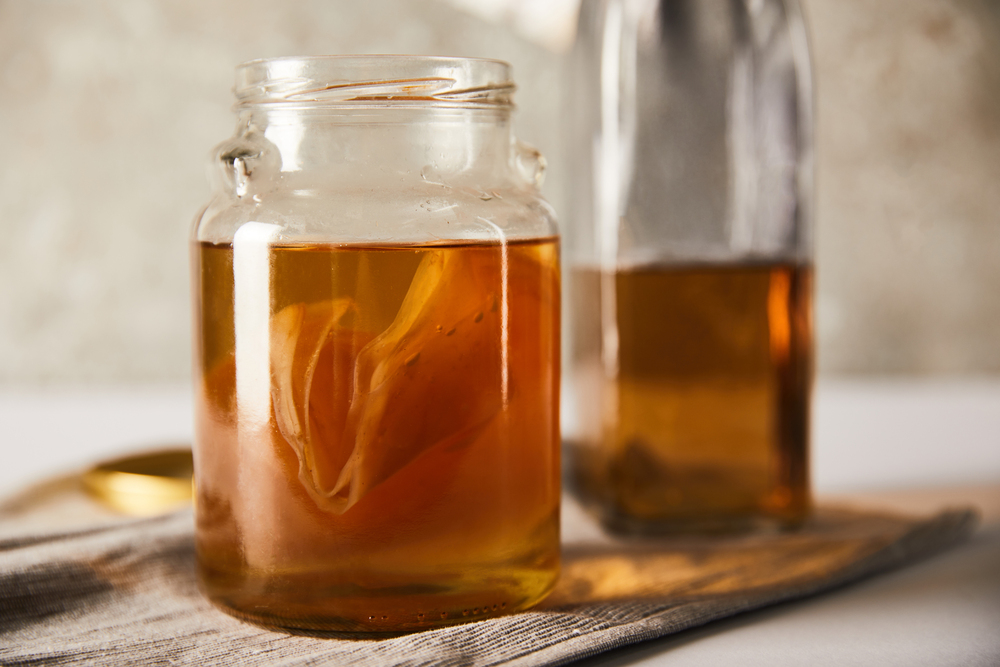
Some Chinese emperor’s tea got contaminated with bacteria and yeast. Instead of making fresh tea like a normal person, someone drank the contaminated batch.
It was fizzy and slightly alcoholic. They decided this was actually an improvement.
Sake
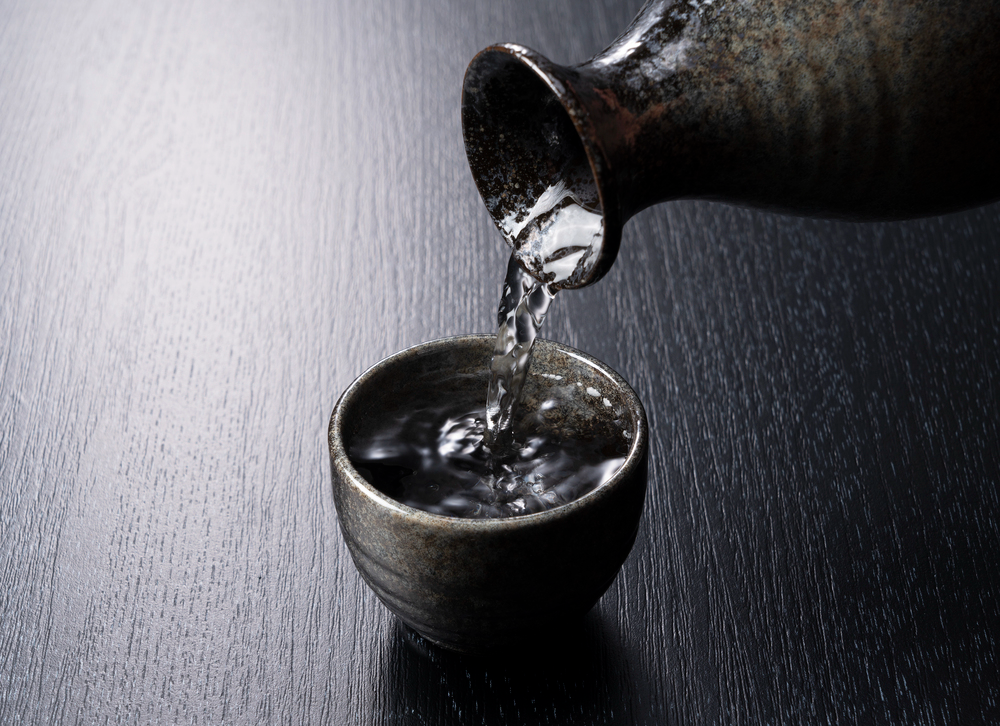
Japanese temple priests kept leaving rice offerings out too long. The rice would start fermenting naturally.
Instead of admitting they’d been sloppy with temple duties, they decided the gods were performing miracles. This religious spin probably made the cleanup process more interesting than it needed to be.
Cheese
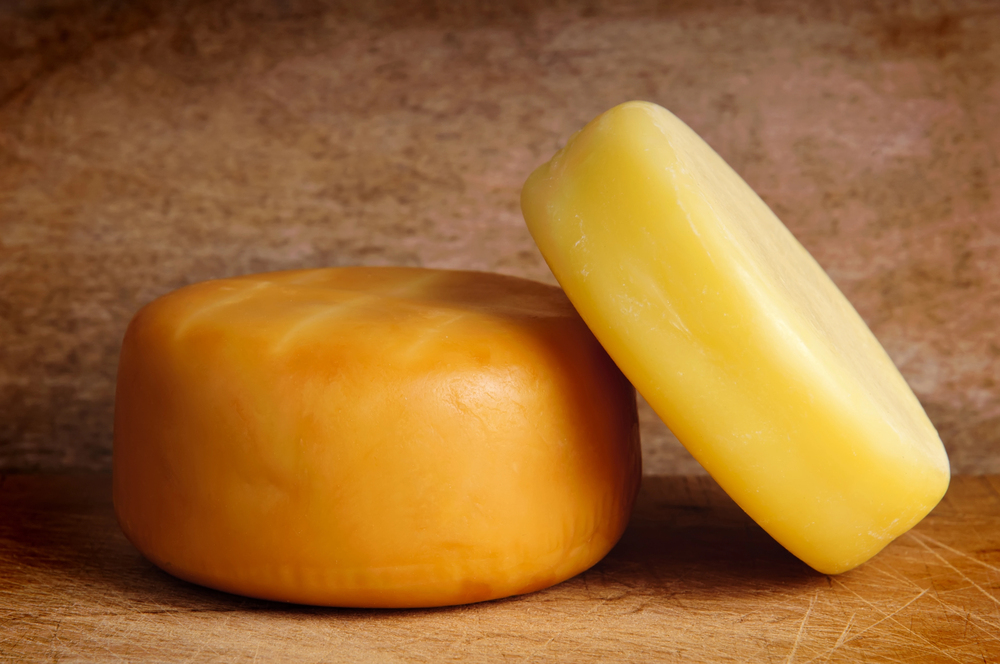
An Arabian merchant was crossing the desert with milk stored in a sheep stomach pouch. The desert heat, camel movement, and stomach enzymes turned his milk into chunks.
He could’ve been upset about his ruined drink. Instead, he tried the chunks and realized he’d accidentally made something that tasted good and lasted longer than milk.
Mead
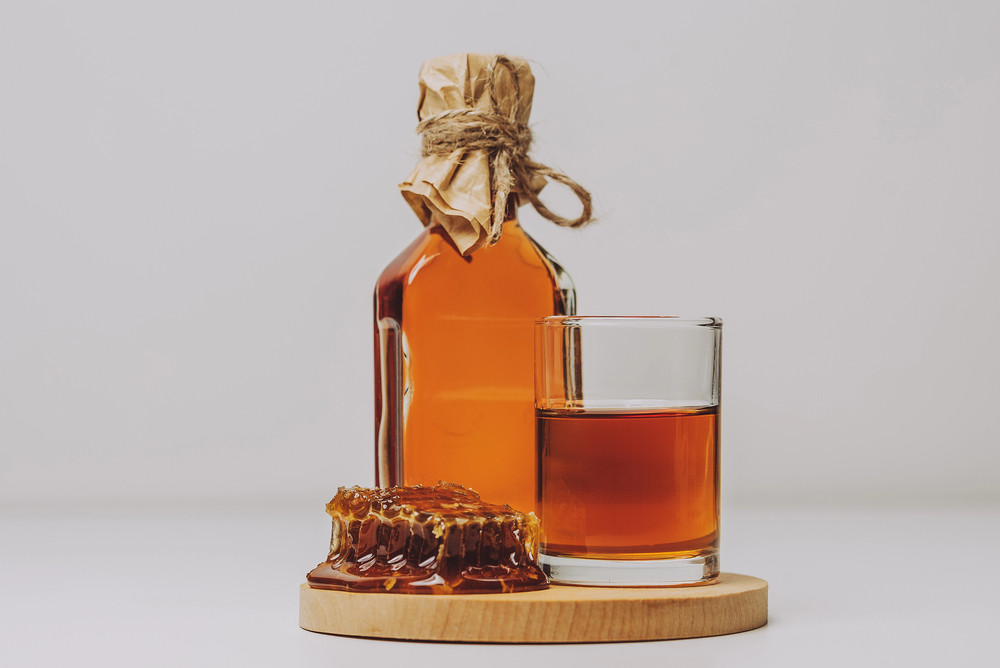
Early humans found tree hollows where rainwater had mixed with wild honey. Natural yeast fermented it into alcoholic honey water.
They probably thought they’d discovered magic trees. Archaeological evidence suggests they spent a lot of time hanging around bee colonies after that, looking for more magic honey.
Yogurt
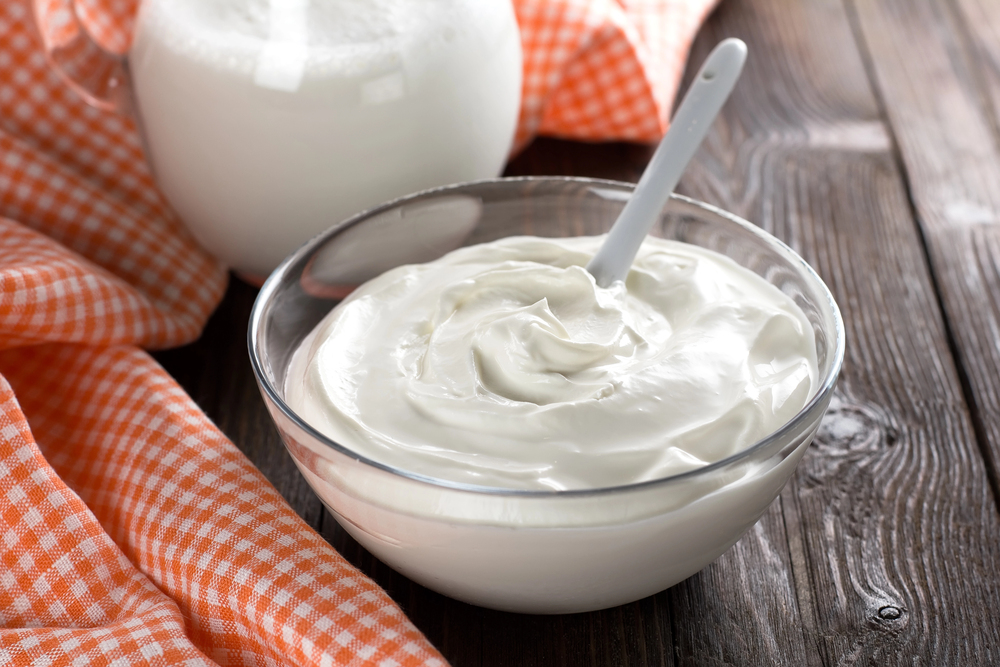
Turkish nomads carried milk in animal stomach pouches while traveling across grasslands. The constant bouncing, stomach bacteria, and temperature changes turned their milk thick and tangy.
They opened their milk containers expecting a drink and found pudding instead. But it didn’t spoil as fast, so they rolled with it.
Sourdough
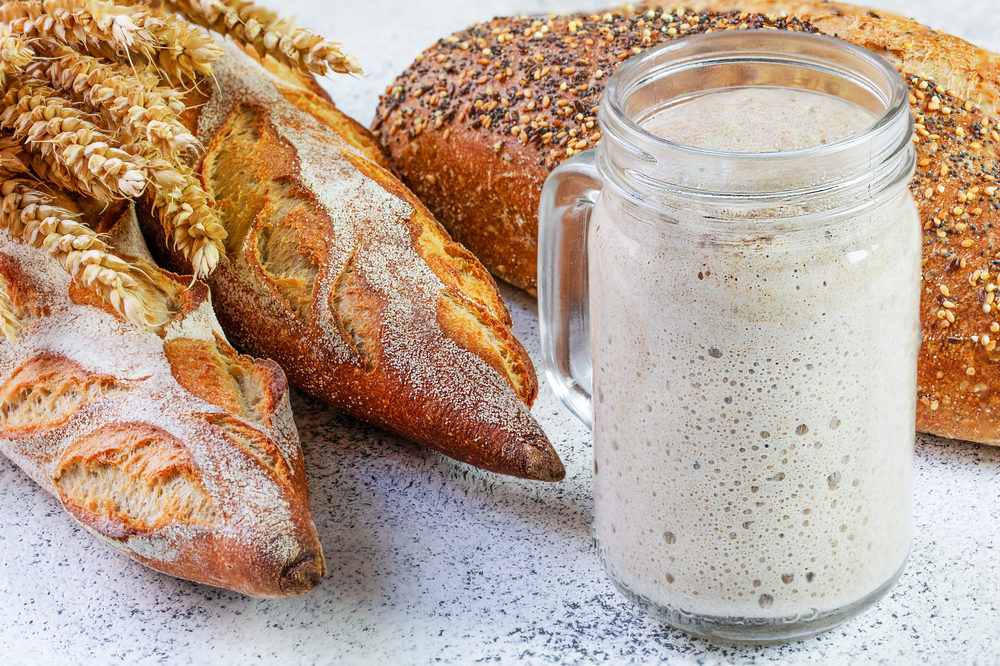
California gold miners were too obsessed with finding gold to pay proper attention to food prep. They’d leave flour and water sitting around for days, come back to find it bubbling and sour.
They were too hungry and too broke to throw it away, so they baked it anyway. The bread turned out better than what they’d been eating before.
Sauerkraut
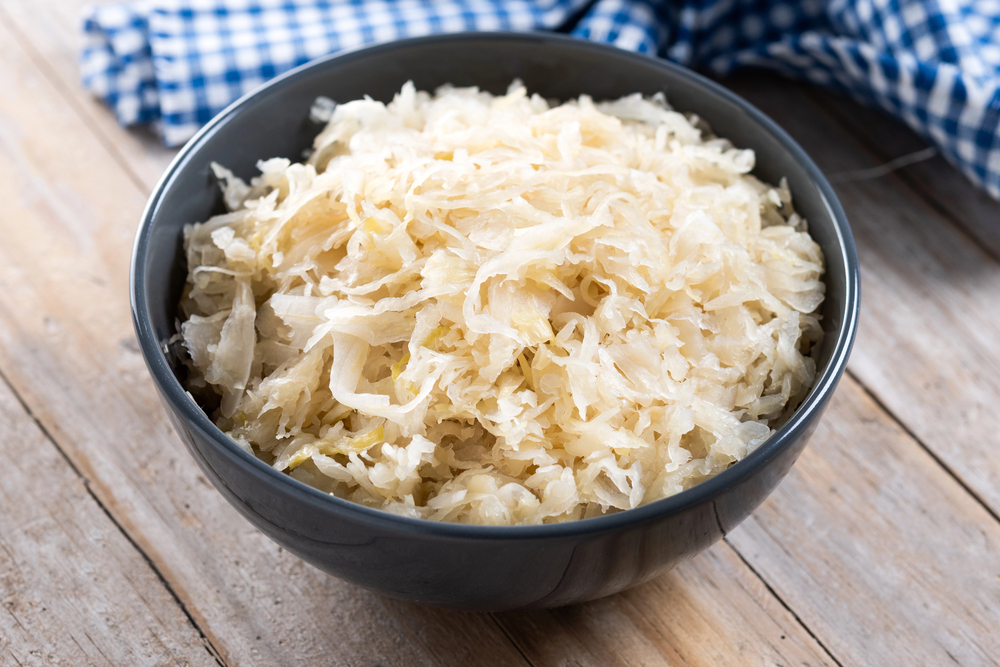
Chinese workers building the Great Wall fermented cabbage in rice wine to make it last through long construction jobs. The idea traveled west through trade routes.
Europeans probably figured out the salt-and-cabbage trick independently when facing brutal winters with no fresh vegetables. Desperation breeds innovation.
Tepache

When Mexican chefs saw pineapple cores and rinds that most people throw away, they came up with a new idea. They created a mildly alcoholic beverage by adding sugar and spices and allowing the wild yeast on the pineapple skin to do its thing.
Refusing to waste things can sometimes lead to the best solutions.
Accidents That Shaped Civilization

These foods exist because people made mistakes, got desperate, or stumbled onto something weird and decided to go with it. Construction accidents, travel disasters, forgotten meals, kitchen scraps – all became massive food industries.
Your ancestors were apparently way more willing to eat questionable-looking stuff than most people today. Which explains both our survival and some really bizarre eating habits we still have.
More from Go2Tutors!

- The Romanov Crown Jewels and Their Tragic Fate
- 13 Historical Mysteries That Science Still Can’t Solve
- Famous Hoaxes That Fooled the World for Years
- 15 Child Stars with Tragic Adult Lives
- 16 Famous Jewelry Pieces in History
Like Go2Tutors’s content? Follow us on MSN.