World Records Tied to Marathon Eating Contests
Watching someone eat 76 hot dogs in ten minutes sounds absurd until you see it happen. These contests push the human body past what seems reasonable, and the records keep climbing.
What started as county fair entertainment has turned into a serious competitive sport with athletes, training regimens, and prize money. The records themselves tell strange stories.
Some involve foods you’d never think to eat in bulk. Others showcase endurance that seems superhuman.
Behind each number sits a person who trained for months, maybe years, to achieve something most of us can’t imagine attempting.
The Hot Dog Standard
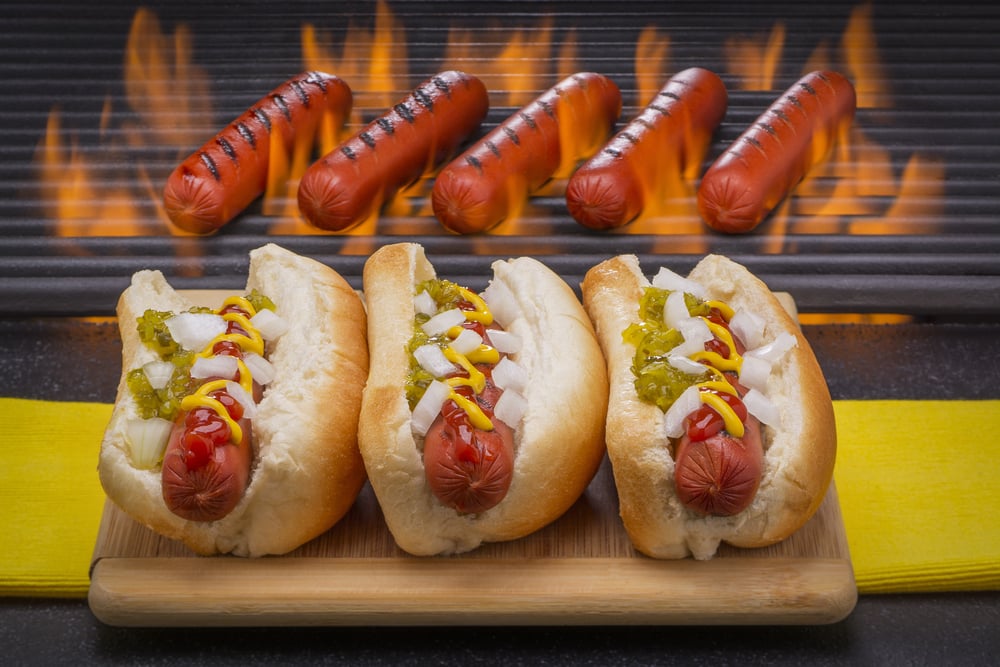
Joey Chestnut ate 76 hot dogs and buns in ten minutes at the 2021 Nathan’s Famous contest. That’s more than seven hot dogs per minute.
The number breaks down to a hot dog every eight seconds, bun included. His technique involves dunking the buns in water, which makes them easier to swallow.
He also breaks the hot dogs in half before eating them. These strategies save precious seconds and reduce the effort needed to chew.
The Nathan’s contest runs every Fourth of July at Coney Island. It started in 1916 and has become the Super Bowl of competitive eating.
Television networks broadcast it live. Thousands of people show up to watch in person.
The winner gets a prize, but the real reward is the title.
Pizza by the Slice
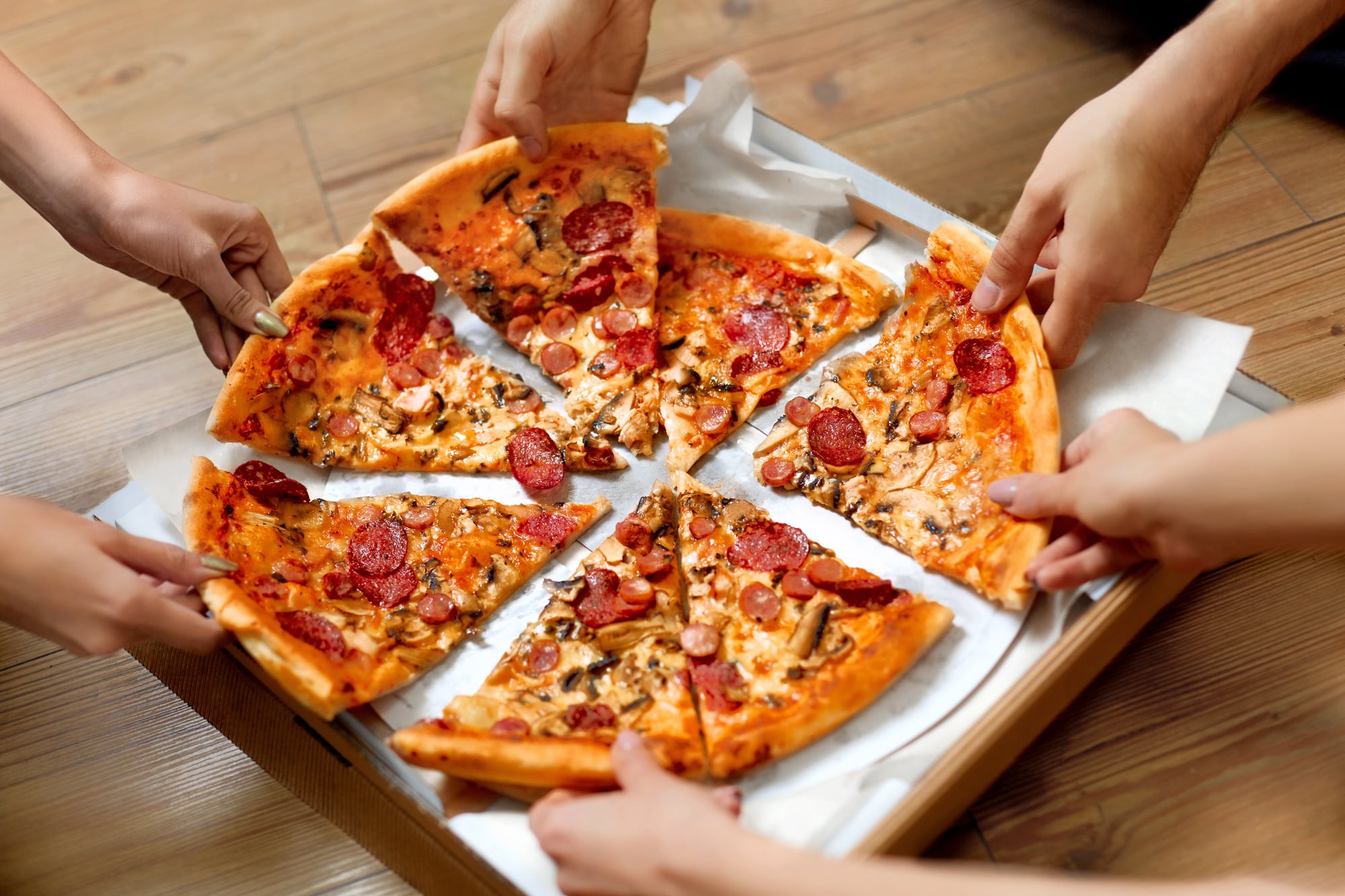
The pizza eating record belongs to Geoffrey Esper, who consumed 19.25 slices of 16-inch pizza in ten minutes. Each slice weighed about a quarter pound before he started eating.
The math works out to roughly five pounds of pizza in total. Pizza presents unique challenges.
The cheese can stick to your throat. The crust requires more chewing than other foods.
The temperature matters too—pizza straight from the oven can burn your mouth, but cold pizza takes longer to swallow. Competitive eaters often fold the slices in half, creating what they call “pizza tacos.”
This method reduces surface area and makes the slices easier to manage. Some competitors also remove excess cheese to speed up the process.
Wings Without Limits
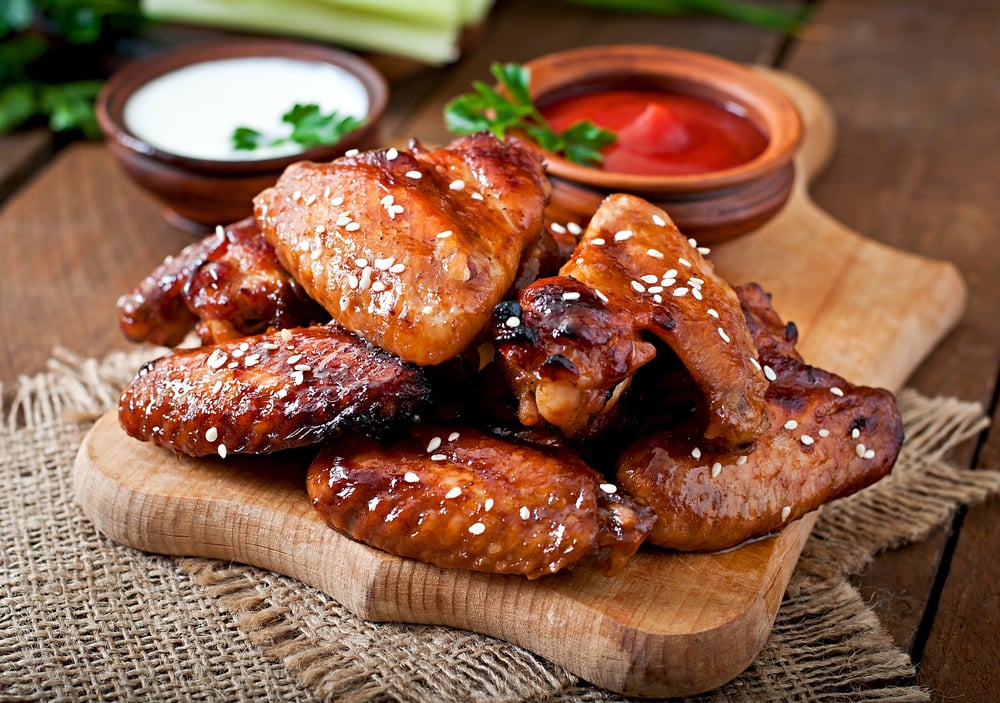
Molly Schuyler holds the chicken wing record at 501 wings in 30 minutes. That’s more than 16 wings per minute.
The wings came with bones, which means she had to strip the meat while maintaining speed. The wing challenge differs from other contests because you can’t just swallow chunks whole.
You need to remove the meat from the bone efficiently. Most competitors develop a technique where they scrape the wing clean with their teeth in one motion.
Buffalo wings became a competitive eating staple in the 1990s. The combination of meat and sauce creates additional obstacles.
Too much hot sauce can slow you down, but you still need to finish whatever coating comes on the wings.
Cold and Fast

The ice cream eating record stands at 1.75 gallons in eight minutes. Matt Stonie set this record in 2017.
He consumed the ice cream at room temperature, which sounds counterintuitive but makes sense when you consider the goal. Cold ice cream takes longer to eat.
Your body needs time to warm it up, and brain freeze becomes a real problem at competitive speeds. Room temperature ice cream melts into a consistency that’s easier to swallow quickly.
Stonie trained for this record by practicing with similar dairy products. He built up tolerance to the brain freeze sensation and developed techniques for managing the volume.
The record required him to consume roughly 240 ounces of ice cream in less than ten minutes.
Thanksgiving in Minutes
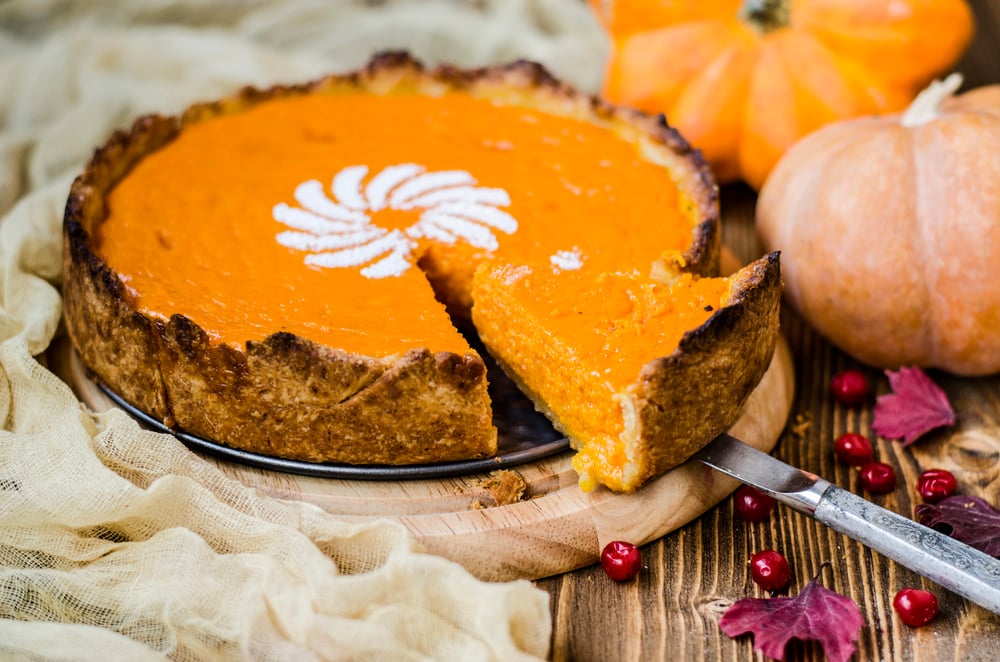
The pumpkin pie record belongs to Matt Stonie as well—a 9-pound pie in just over five minutes. The pie measured 16 inches across and stood three inches tall.
He finished it faster than most people eat a single slice at Thanksgiving dinner. Pumpkin pie creates a unique texture challenge.
The filling is dense and sticky. The crust requires chewing.
The combination can dry out your mouth quickly, which slows everything down. Competitors often drink water between bites to keep their mouths moist.
Some eat the filling separately from the crust to maintain speed. The strategy changes based on personal preference and what works for each person’s swallowing style.
Straight from the Shell
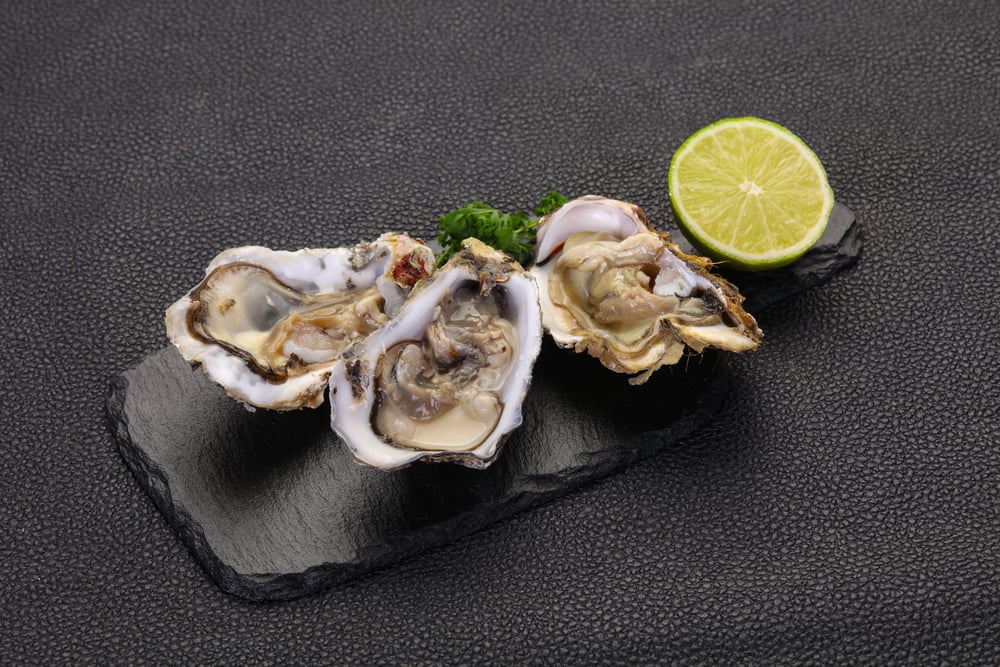
Joey Chestnut also holds the oyster eating record at 552 oysters in eight minutes. He consumed them raw, straight from the shell.
Each oyster had to be shucked before he could eat it, which added complexity to the challenge. Raw oysters slide down easily once you get them out of the shell.
But opening 552 oysters in eight minutes requires speed beyond the eating itself. The shucking process becomes as important as the swallowing.
This record happened in 2013 at the Hillsborough Oyster Eating Competition. The contest provides pre-shucked oysters to competitors, which eliminates the opening step.
Without that advantage, the numbers would drop significantly.
Summer Fruit Speed Run
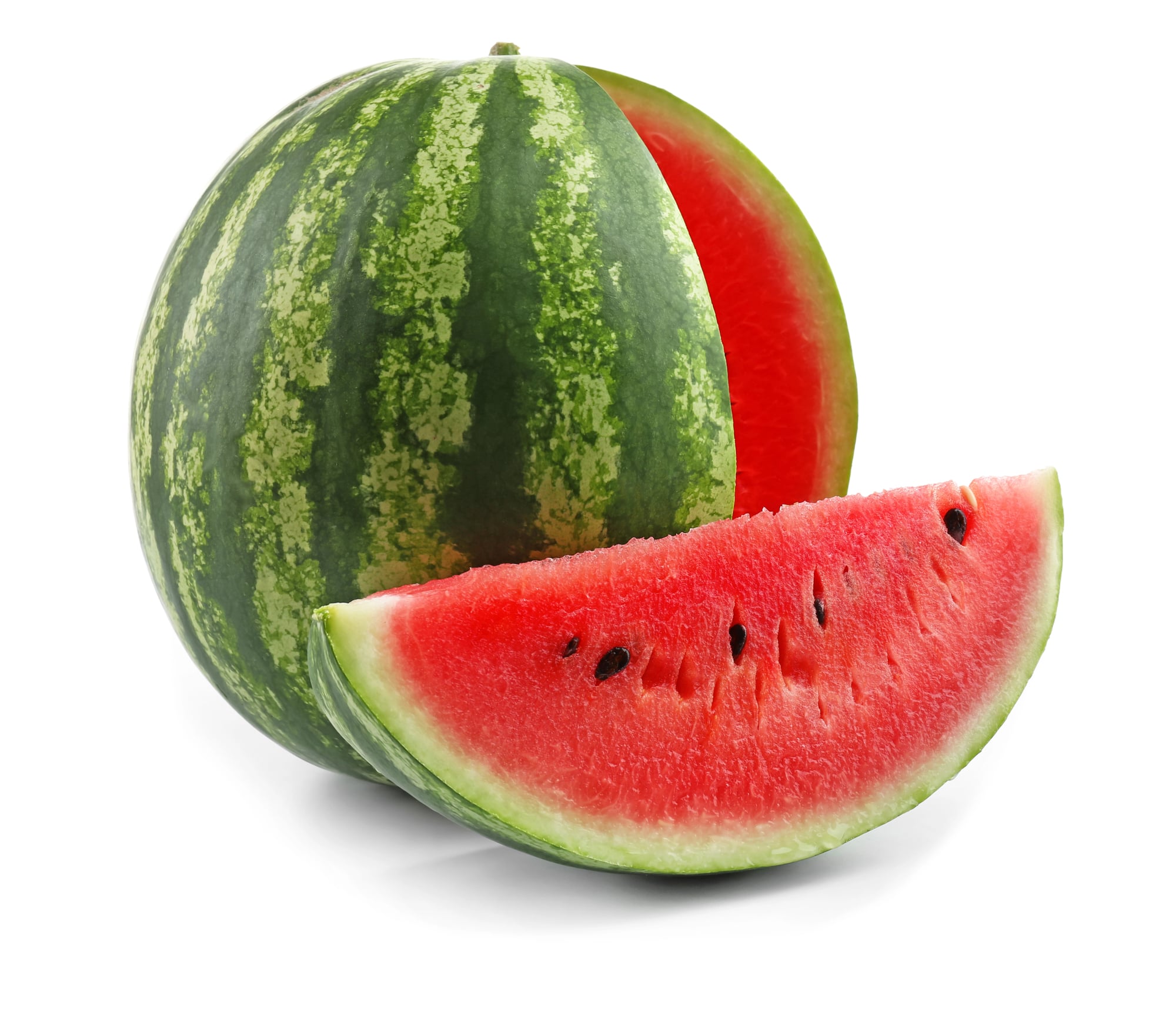
The watermelon eating record stands at 13.22 pounds in five minutes. Tina Lipsky set this record, and it remains one of the more visually impressive feats in competitive eating.
Watermelon has high water content, which helps and hurts at the same time. The water content means less actual solid food to swallow.
But it also means more liquid filling your stomach. Managing that volume becomes the main challenge.
Competitors need to pace themselves to avoid getting overwhelmed by the fluid. Watermelon also requires strategic eating.
The rind needs to be removed. The seeds create obstacles.
Most competitors cut the fruit into manageable chunks before starting, which saves time during the actual eating portion.
Ribs and Bones
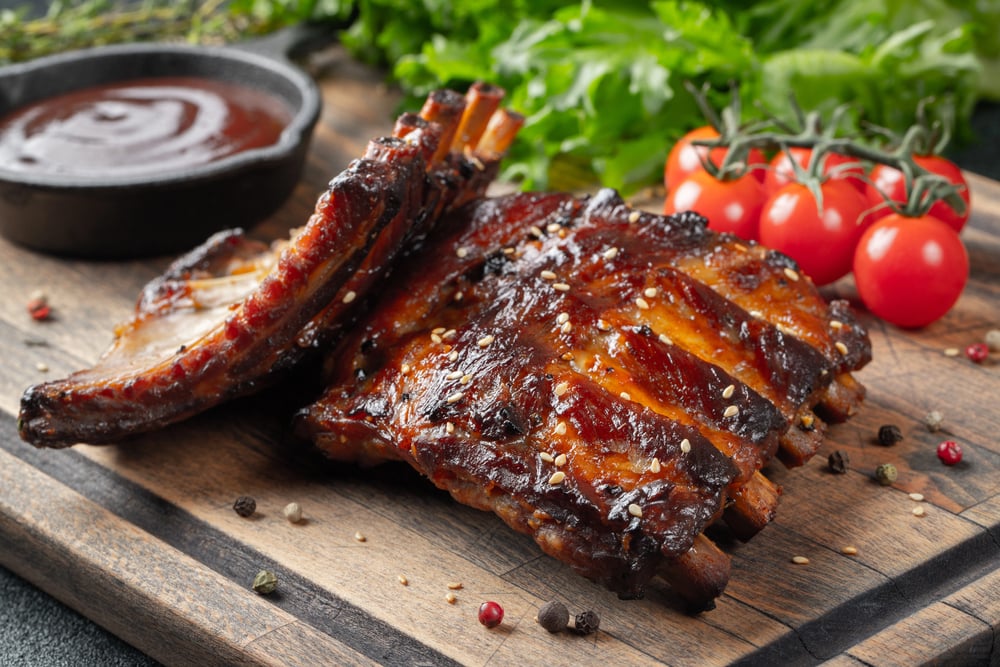
The rib eating record belongs to Bob Shoudt, who ate 11.68 pounds of ribs in twelve minutes. The weight included the bones, but he only needed to eat the meat.
The challenge required him to strip the meat quickly while maintaining speed. Ribs present similar challenges to chicken wings.
You need to remove the meat efficiently. The sauce adds another layer of difficulty.
Most rib contests use heavily sauced ribs, which can make your hands slippery and hard to manage. Shoudt developed a technique where he holds the rib vertically and scrapes the meat off with his teeth.
This method proved faster than trying to bite pieces off the bone. The record required him to process nearly a pound of ribs per minute.
Stacks on Stacks
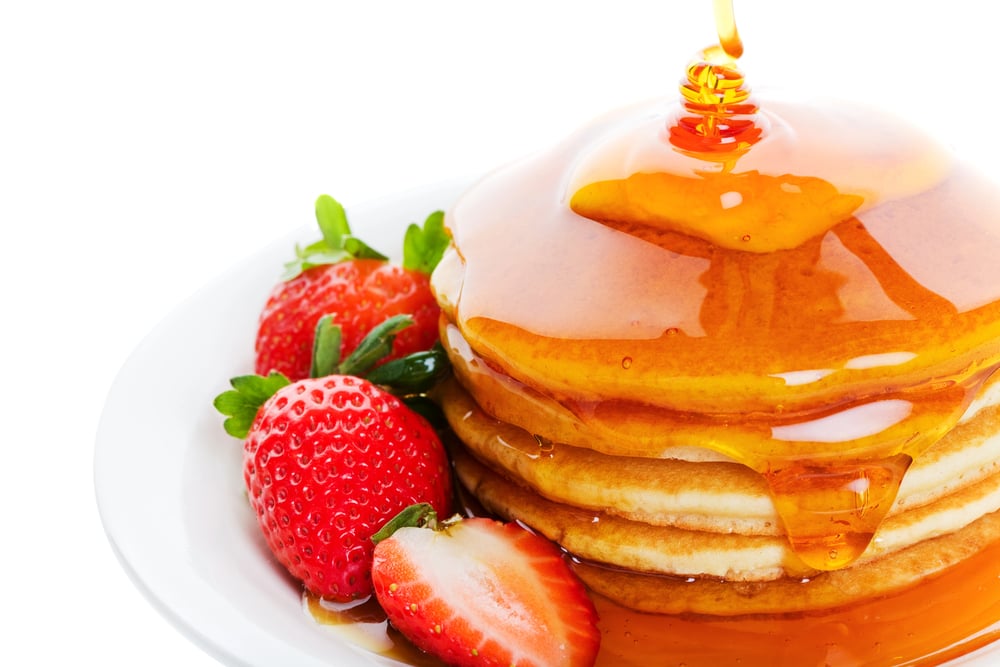
The pancake eating record stands at 113 pancakes in eight minutes. Matt Stonie (yes, him again) set this record in 2016.
Each pancake measured four inches across and weighed roughly two ounces. The total came to more than 14 pounds of pancakes.
Pancakes soak up moisture in your mouth quickly. They stick to your throat.
They expand slightly as you chew them. All of these factors make pancakes harder to eat than their soft texture suggests.
Competitors often dunk pancakes in water or milk to make them easier to swallow. Some roll them up like cigars.
Others fold them in half. The technique matters less than finding a method that works consistently.
Tacos by the Dozen

Joey Chestnut holds the taco eating record at 71 tacos in ten minutes. The tacos were hard shell, which added a crunching factor to the challenge.
Each taco contained ground beef, lettuce, cheese, and a small amount of sauce. Hard shell tacos break apart as you eat them.
Managing the falling pieces becomes part of the strategy. Some competitors crush the shells slightly before eating to make them easier to manage.
Others try to keep them intact and fold them into their mouths. The filling creates its own problems.
Ground beef can be dry. Lettuce adds volume without much substance.
Cheese can stick to your teeth. The combination requires careful management to maintain speed throughout the contest.
Burgers and Buns

The hamburger eating record stands at 32 Big Macs in 38 minutes. The record holder consumed the burgers with all the standard toppings—lettuce, cheese, sauce, pickles, and bun.
Each Big Mac weighs about 7.5 ounces, bringing the total to 15 pounds of food. Big Macs present unique challenges because of their size and construction.
The two-layer burger with the middle bun creates a lot of bread to get through. The sauce helps with swallowing but adds calories and can make you feel full faster.
Most competitors disassemble the burgers partially. They eat the patties separately from some of the buns.
This strategy reduces the dry bread factor and makes it easier to maintain speed. The middle bun usually gets removed completely.
Glazed and Confused

The donut eating record belongs to Geoffrey Esper at 293 glazed donuts in eight minutes. That’s more than 36 donuts per minute.
Each donut weighed about two ounces, bringing the total to roughly 36 pounds of donuts. Glazed donuts have a deceptive difficulty level.
They’re soft and sweet, which seems easy. But the sugar content becomes overwhelming quickly.
The glaze can stick to your throat. The dough absorbs moisture from your mouth.
Competitors often dunk donuts in water or coffee to make them easier to swallow. The liquid helps break down the dough and reduces the sticky factor.
Some people tear the donuts into smaller pieces before eating, while others try to swallow them whole.
Peanut Butter Power

One minute. Six peanut butter sandwiches downed. Not slow. Three spoonfuls pressed inside each pair of bread halves.
Crunch or soft – doesn’t matter here. Over twelve ounces of sticky spread swallowed fast.
A clock ticking ends it. No second attempts. Just speed, hands moving, mouth full. That much peanut butter gone before you check your watch.
Sticky stuff clings hard to the roof of your mouth. That thickness pulls every drop of wetness right out.
Downing six sandwich portions fast means you’ve trained long beforehand. How someone handles that goo says a lot about their practice.
A few contestants sip milk right after chewing, just to clear the peanut butter from their mouth. Others spread jelly on the bread so it goes down without sticking much.
One winner practiced every day for weeks, getting used to how thick it felt while learning when to swallow quickly. He did not rush at first.
The Human Capacity Question

What can the body really take? This kind of training reshapes stomach capacity.
Over time, the urge to vomit fades a little more. Pushing through fullness becomes routine – most would have quit long before.
Still no clear answer on health effects. Digestive stress troubles certain physicians.
Yet many pro eaters prepare thoroughly, understanding personal boundaries. Records fall more often now – proof we might still push further.
One minute you’re chewing, the next you’re fighting your own reflexes. Hot dog after hot dog disappears, not because it’s enjoyable, but because stopping feels like losing.
Bodies weren’t built for this, yet minds show up ready anyway. A clock ticks while hands move faster than reason allows.
Pain signals flood in, ignored like background noise. Victory isn’t tasty – it’s measured in bites swallowed under pressure.
More from Go2Tutors!

- The Romanov Crown Jewels and Their Tragic Fate
- 13 Historical Mysteries That Science Still Can’t Solve
- Famous Hoaxes That Fooled the World for Years
- 15 Child Stars with Tragic Adult Lives
- 16 Famous Jewelry Pieces in History
Like Go2Tutors’s content? Follow us on MSN.