16 Countries Where Few Speak the Official Tongue
Walking through the streets of Paraguay, you might hear animated conversations flowing in Guaraní while official government documents sit written in Spanish. It’s a fascinating contradiction that plays out across the globe — countries where the language of law, education, and formal communication exists almost separately from the language of daily life.
These aren’t just quirks of history but living examples of how political boundaries and cultural realities don’t always align.
Paraguay
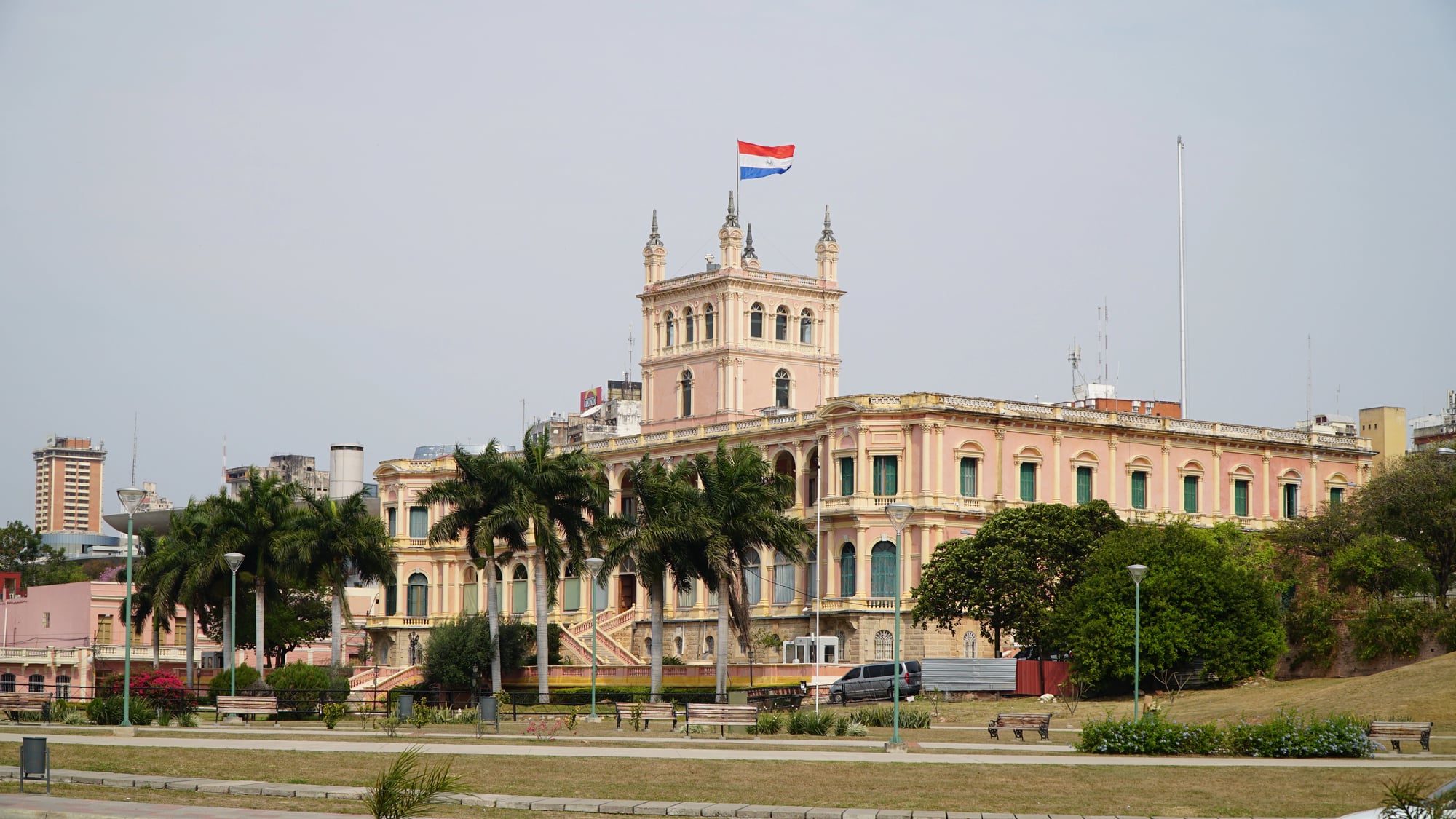
Spanish holds official status, but Guaraní dominates everyday conversation. Most Paraguayans switch between both languages naturally, though many feel more comfortable expressing themselves in their indigenous tongue.
The constitution recognizes both languages as official. Yet Spanish remains the language of formal education and government bureaucracy, creating an interesting linguistic divide between official and authentic Paraguay.
Papua New Guinea
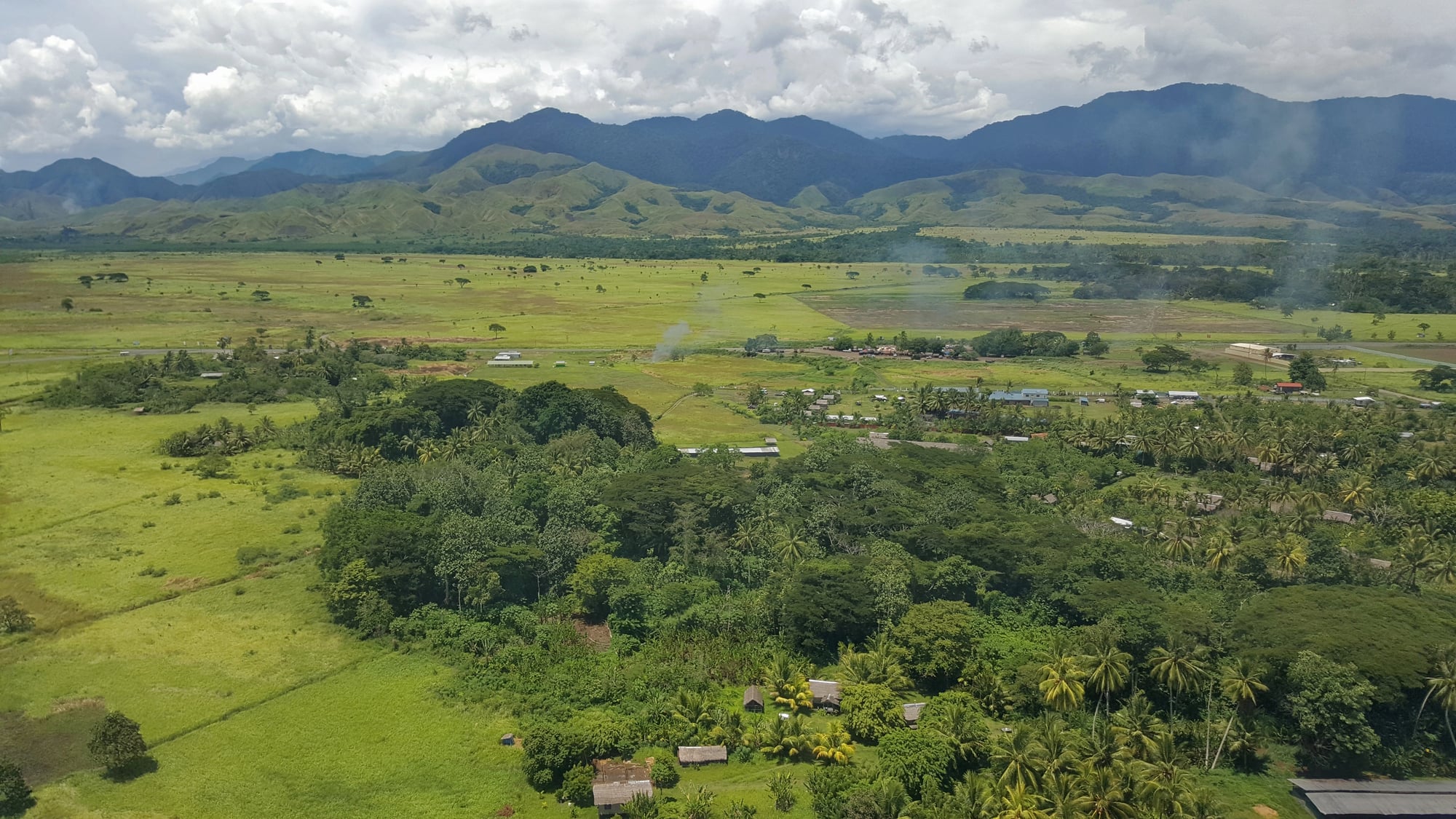
English serves as the official language in a country where over 800 indigenous languages flourish. Most Papua New Guineans speak Tok Pisin (a creole language) or their local tribal language in daily interactions — English remains largely confined to government offices and schools.
The linguistic diversity here is staggering, and (as it happens) English often feels like an outsider language imposed rather than adopted, which makes perfect sense when you consider that many remote communities had limited contact with English-speaking colonizers compared to other Pacific nations. English fluency drops dramatically once you leave urban centers.
And yet it’s the language that appears on all official documents, creating a peculiar disconnect between what’s legally recognized and what’s actually spoken in the highlands and villages where most people live.
Ireland
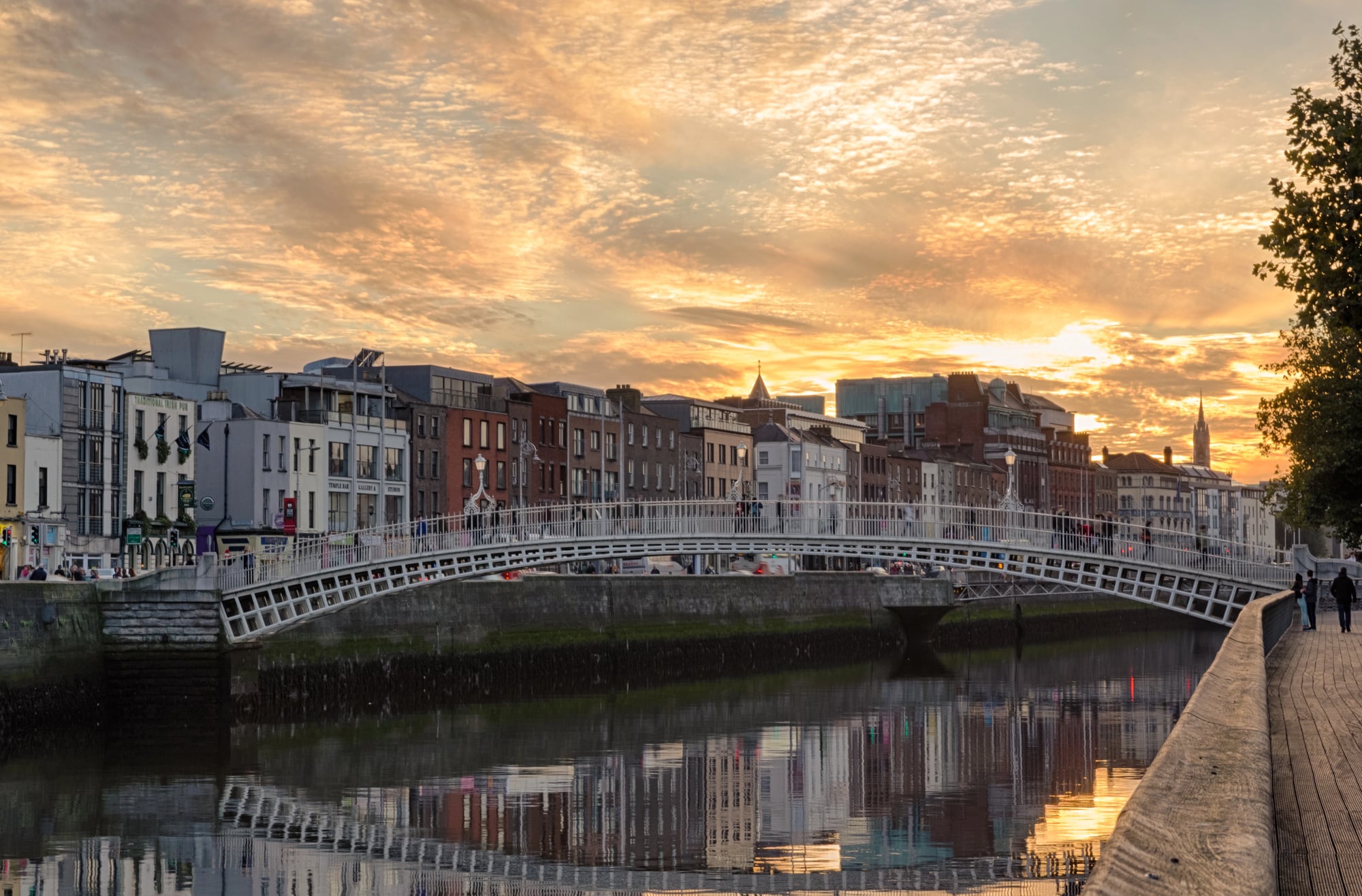
Irish Gaelic sits proudly as the first official language, yet English dominates daily life across most of the island. The language that survived centuries of suppression now struggles with a different challenge — relevance in modern Irish society.
You’ll find Irish on street signs and government documents, woven into the cultural identity of the nation like an old song everyone knows the chorus to but few can sing completely. The western Gaeltacht regions keep the language alive in conversation, while elsewhere it lives more as a symbol than a spoken reality.
There’s something both beautiful and melancholic about a country that honors its ancestral tongue in law while conducting most of its life in the language of former occupiers.
Singapore

English is the working language and medium of instruction, but it’s not what most Singaporeans learned at their grandmother’s knee. Mandarin, Malay, Tamil, and various Chinese dialects dominate household conversations.
The government’s bilingual policy means everyone learns English, but emotional conversations happen in other languages. English becomes the common ground between ethnic groups rather than anyone’s mother tongue.
Luxembourg
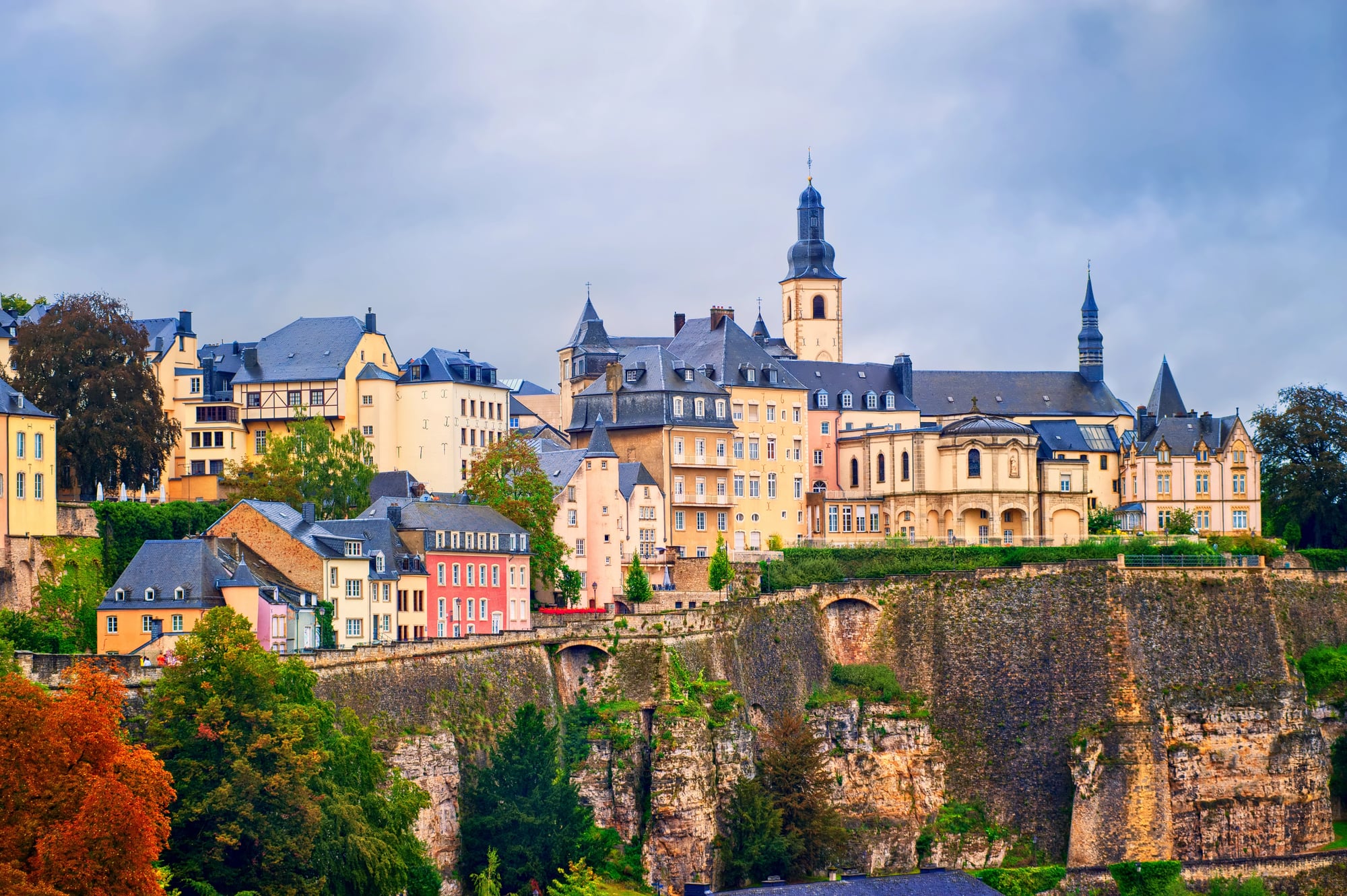
Luxembourgish is the national language, French handles legal matters, and German manages administrative tasks (though many official interactions actually happen in French, which makes the whole system even more complicated than it sounds on paper). English increasingly appears in business settings, creating a four-language juggling act that somehow works.
Most Luxembourgers speak all of them. But here’s the thing: tourists and new residents often struggle to figure out which language to use in which situation — the locals just switch naturally between languages mid-conversation, while the rest of us stand there wondering if we should respond in the language we were addressed in or the one we’re most comfortable with.
South Africa

English serves as the de facto official language for government and business, but it’s a home language for less than 10 percent of the population. Zulu, Xhosa, and Afrikaans dominate daily conversations across different regions.
The country recognizes eleven official languages, yet English maintains disproportionate influence in education and formal settings. Most South Africans are multilingual by necessity, switching between languages depending on context and company.
India
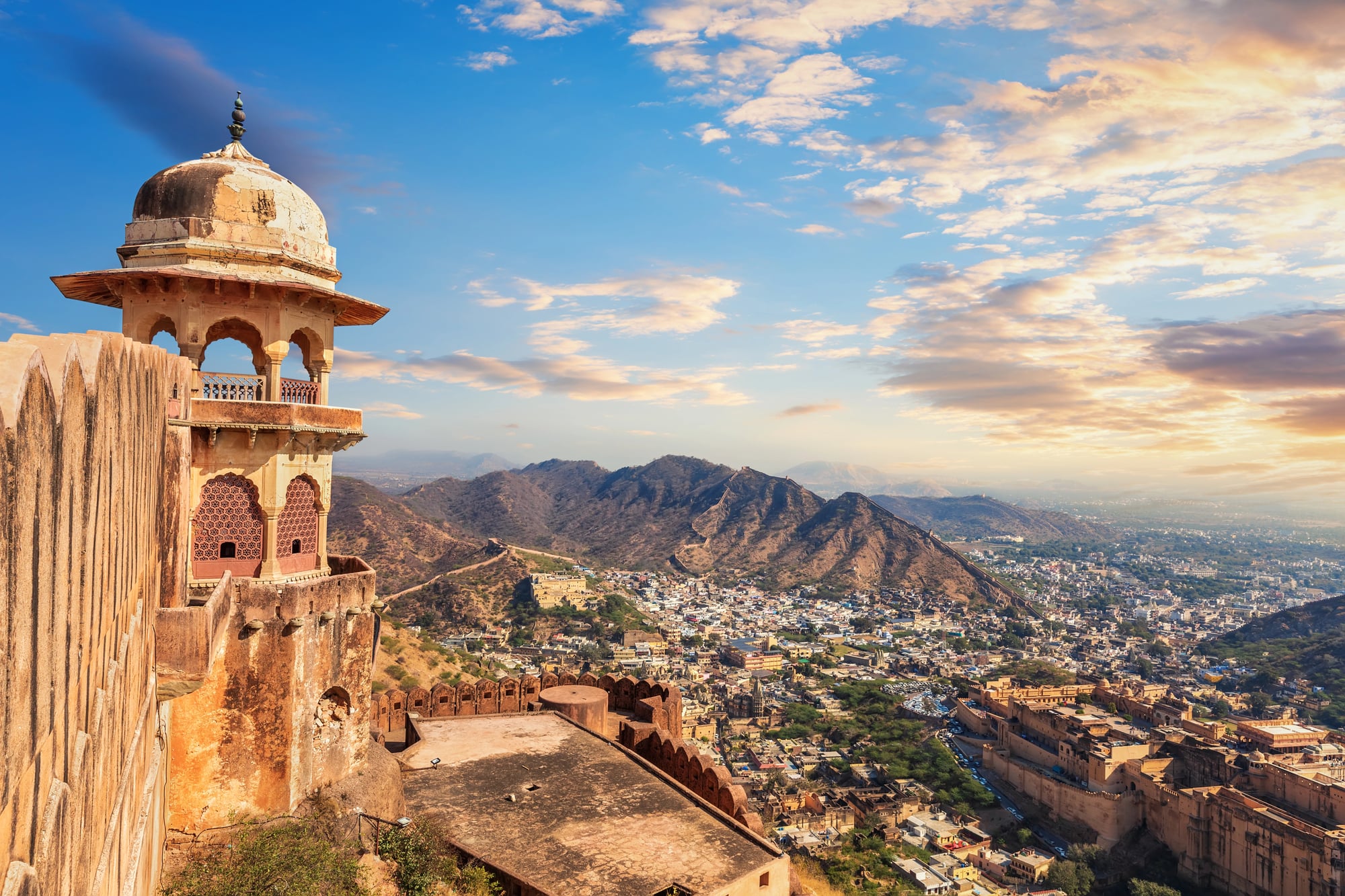
Hindi and English share official status at the federal level, but the reality is far more complex. Each state has its own official language, and English often serves as the neutral ground between regions that don’t share linguistic traditions.
In southern states like Tamil Nadu, English feels more welcome than Hindi, which many view as northern linguistic imperialism. The result is a country where the Constitution lists two official languages that millions of citizens can’t speak fluently, while regional languages carry the real weight of daily communication.
English becomes the language of aspiration and interstate commerce — necessary but not native.
Philippines
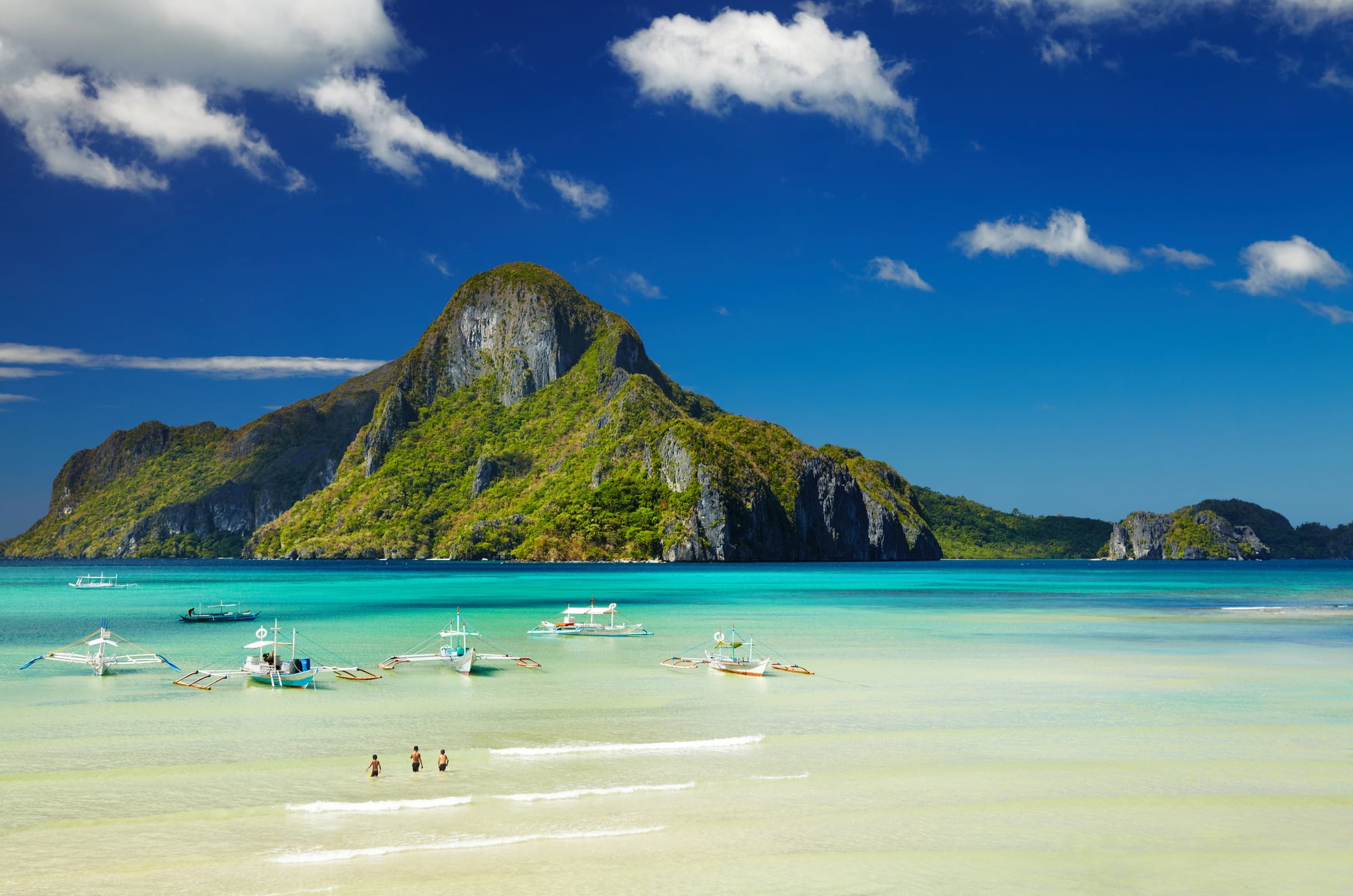
English and Filipino hold official status, but over 175 languages exist across the archipelago. Most Filipinos speak their regional language at home — Cebuano, Ilocano, Hiligaynon — while using English for formal education and Filipino for national media.
The American colonial period embedded English deeply into education and government. Yet step outside Manila, and you’ll find communities where English exists primarily on official signs and school curriculums rather than in conversation.
Tanzania
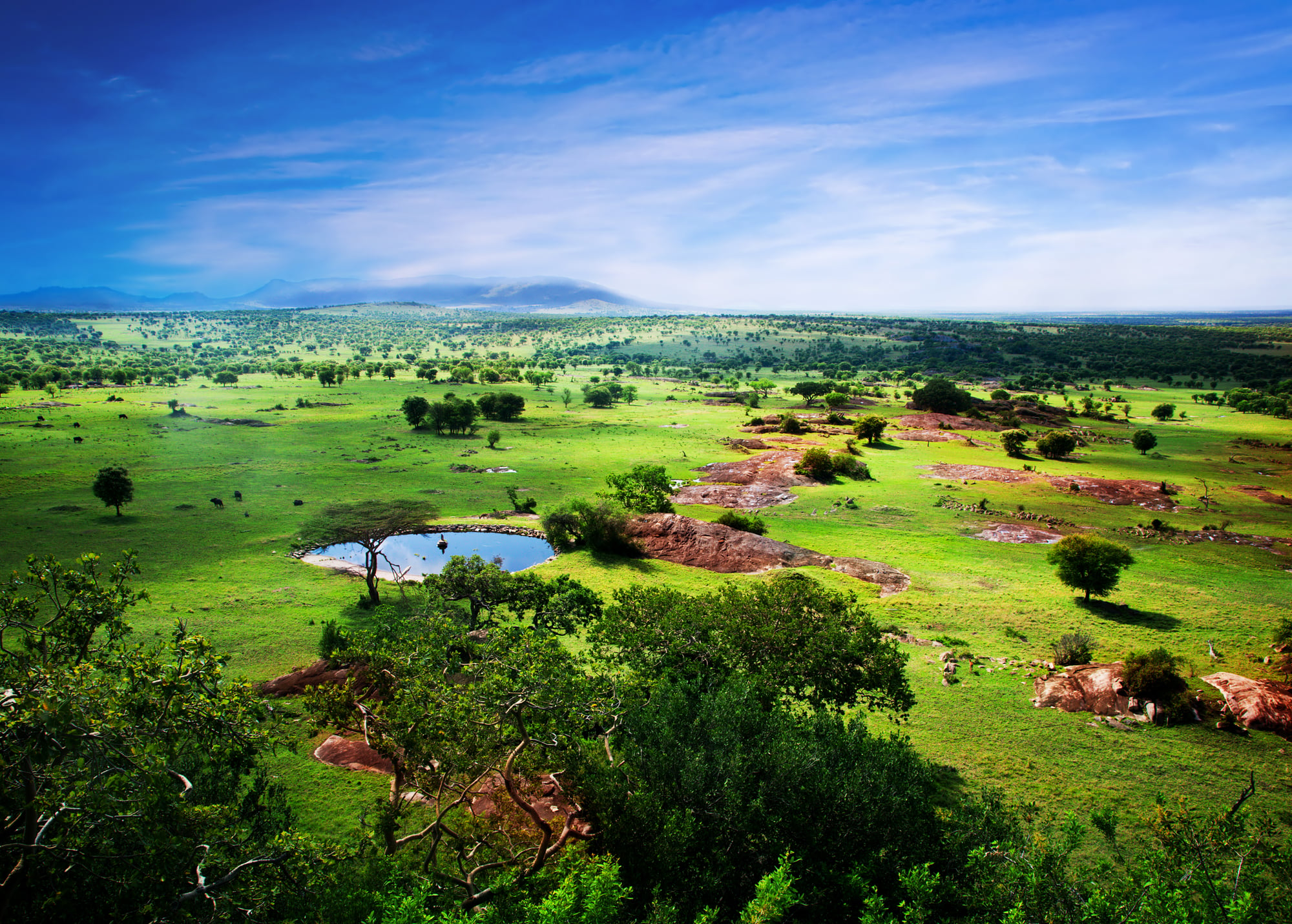
Swahili is the official language, but English handles higher education, legal proceedings, and international business (which creates an odd situation where a student might learn basic concepts in Swahili but encounter advanced ideas only in English, making higher learning feel like a language barrier rather than an educational challenge). Most Tanzanians speak a tribal language at home.
Rural areas often have limited Swahili fluency, despite its official status. So you end up with a country that conducts its official business in a language that many citizens speak as a second or third option, if at all.
Madagascar
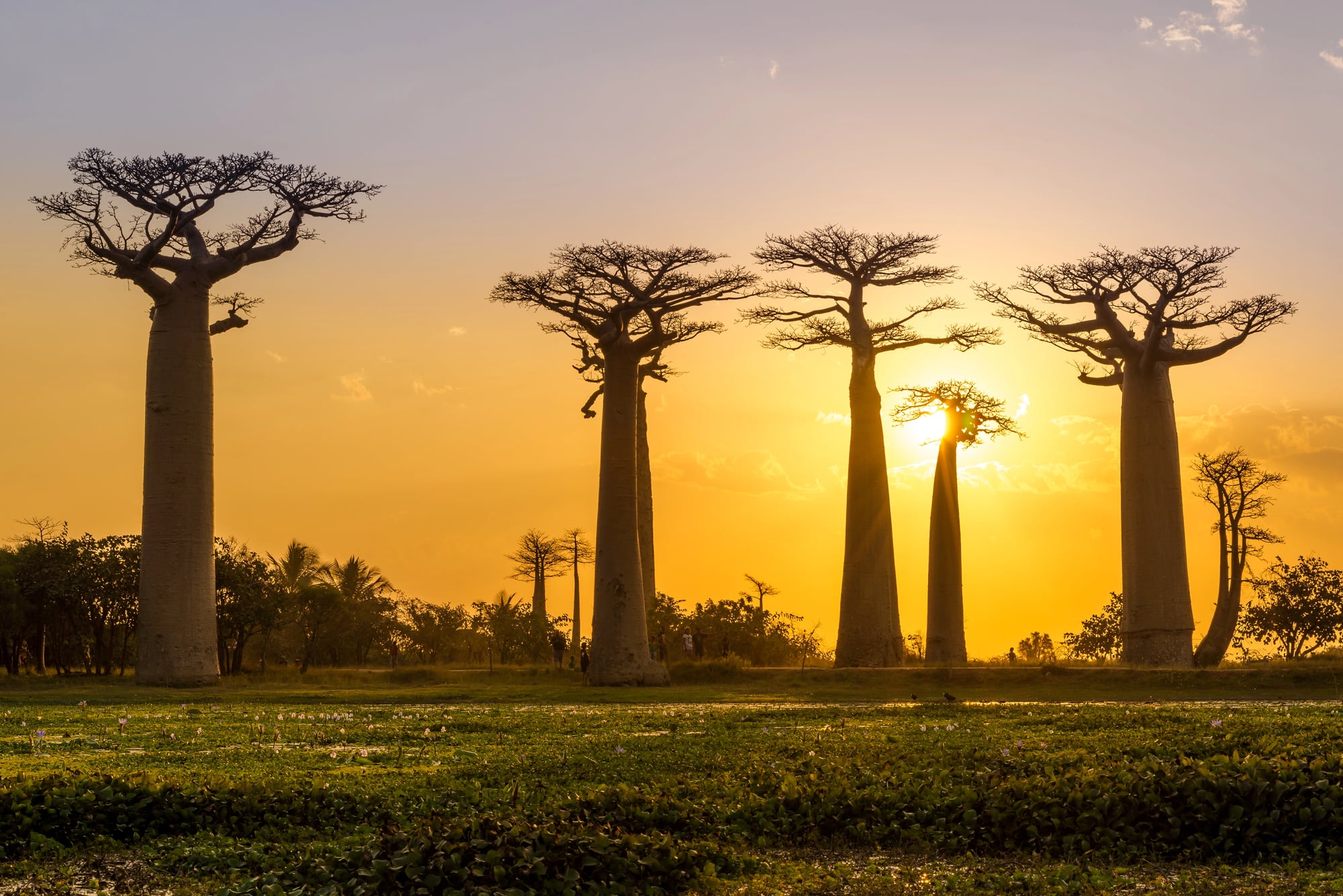
Malagasy and French both hold official status, but French dominates formal education and government administration. Most Malagasies speak Malagasy at home and struggle with French proficiency despite its prominence in official settings.
The colonial legacy persists in courtrooms and classrooms where French remains the language of authority. This creates educational barriers for rural students who encounter French primarily in school rather than daily life.
Morocco
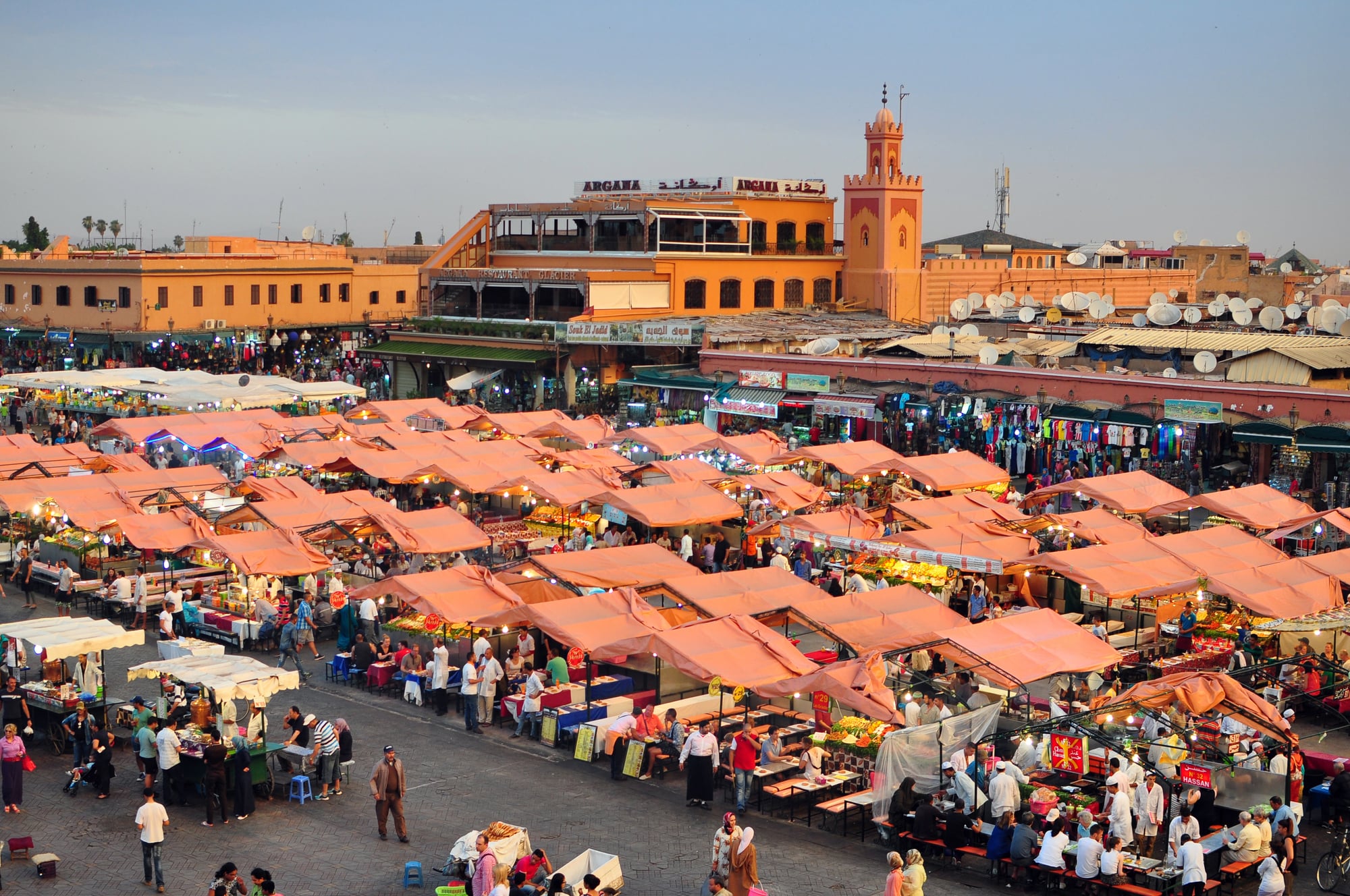
Arabic is the official language, but the reality on the ground tells a different story entirely. Moroccan Darija (the local Arabic dialect) sounds foreign to speakers of Modern Standard Arabic, while Berber languages like Tamazight claim indigenous status and French maintains colonial influence in business and education.
The Arabic taught in schools feels formal and distant compared to the Darija that flows through markets and neighborhoods. French continues to open doors in professional settings, creating a linguistic hierarchy that doesn’t match the official designation.
Many Moroccans navigate three or four languages daily while the constitution recognizes just two.
Chad

French and Arabic share official status in a country where neither language reflects the linguistic reality of daily life. Over 120 indigenous languages exist, and most Chadians speak Sara, Kanembu, or other local languages at home.
French remains the language of education and government administration, a colonial remnant that persists decades after independence. Arabic carries religious significance but limited conversational use outside specific regions, leaving most Chadians functioning in languages that receive no official recognition.
Mauritania
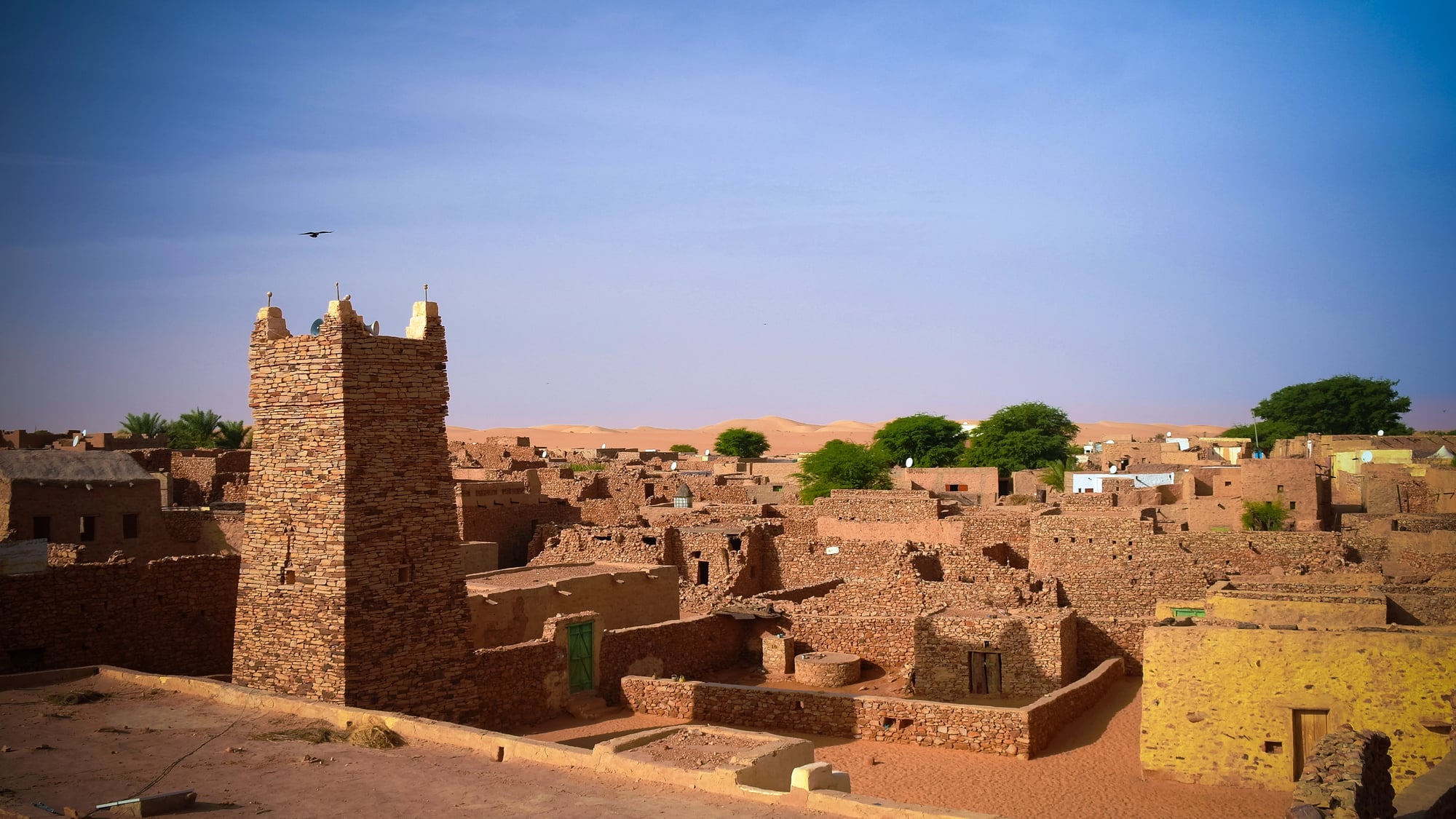
Arabic holds official status, but Hassaniya Arabic (the local dialect) dominates conversation along with Pulaar, Soninke, and Wolof. French maintains unofficial influence in business and education despite lacking official recognition.
The gap between Modern Standard Arabic and Hassaniya creates educational challenges similar to those found in other North African countries. Students learn to read and write in a version of Arabic that differs significantly from their spoken language.
Mali
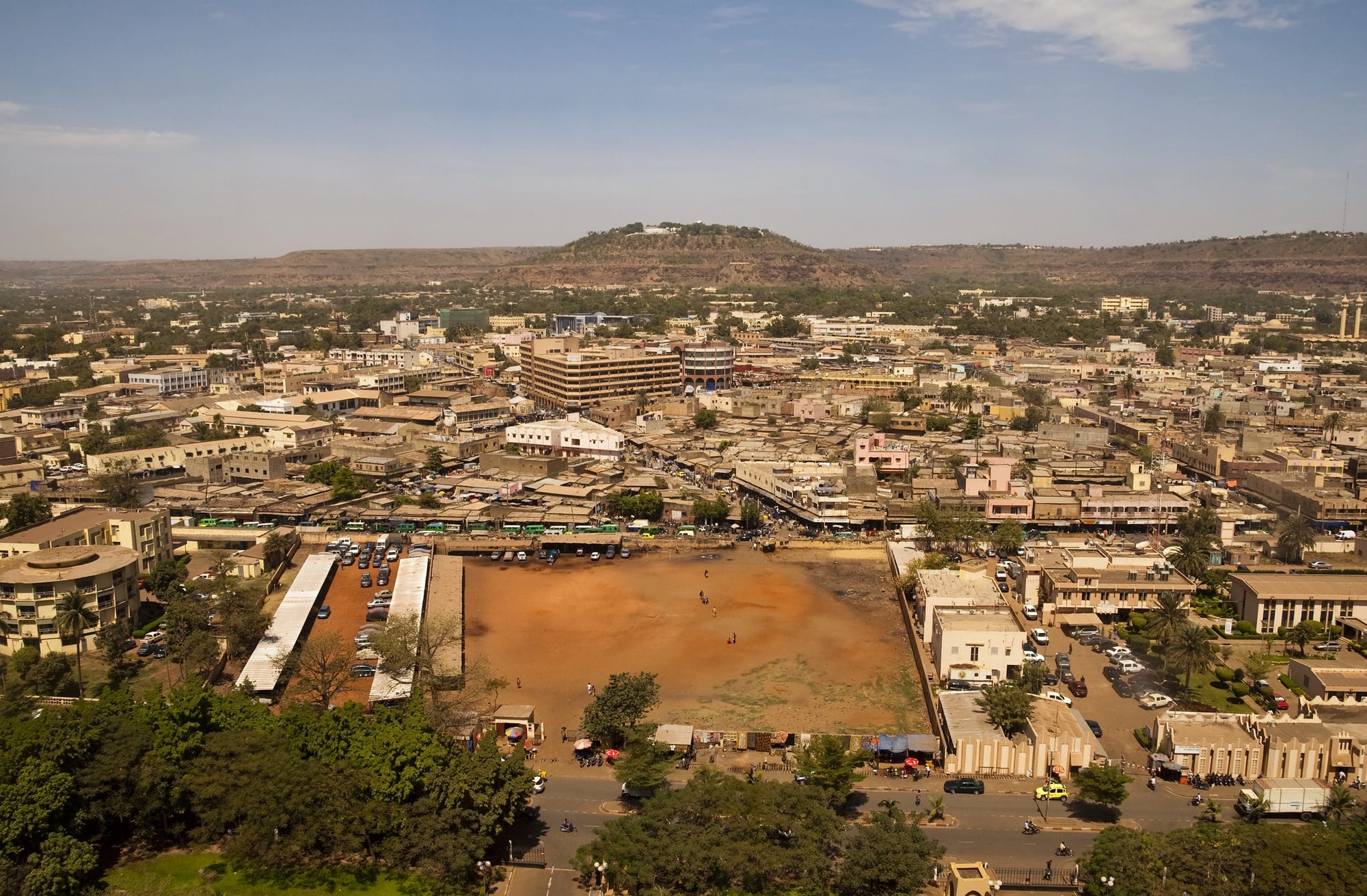
French serves as the official language in a country where Bambara dominates daily conversation. Most Malians speak Bambara, Fulfulde, or other indigenous languages at home while encountering French primarily in formal settings.
Rural areas have particularly limited French proficiency, yet government services and legal proceedings happen in French. This creates barriers to civic participation for citizens who never needed French for daily survival but require it for official interactions.
Rwanda
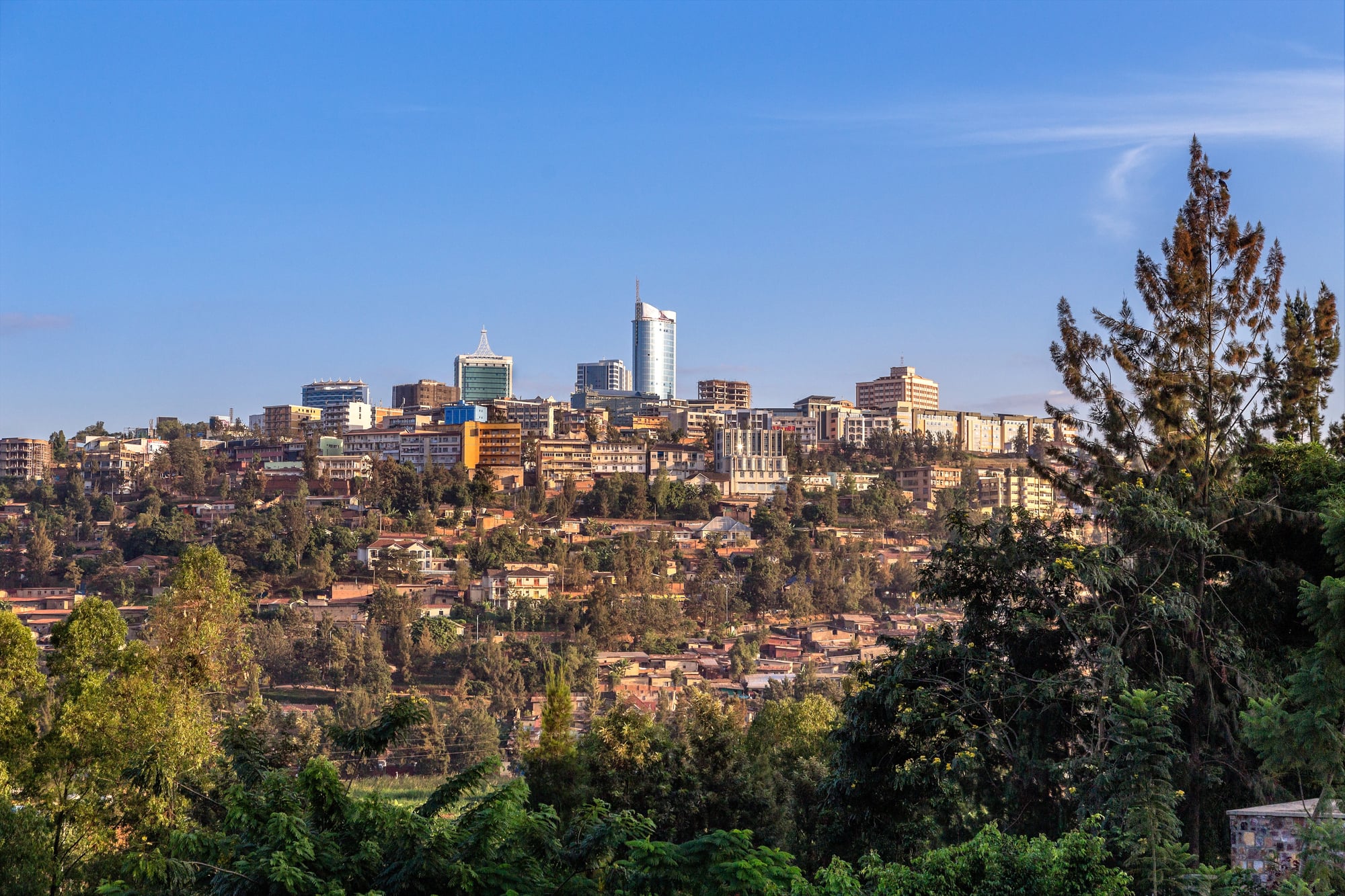
Kinyarwanda, French, and English all hold official status, but the government’s recent push toward English has created interesting dynamics. Most Rwandans speak Kinyarwanda naturally while learning English and French as additional languages.
The shift from French to English as the preferred international language reflects political realignments rather than popular preference. Many older Rwandans learned French while younger generations focus on English, creating generational linguistic divides.
Burundi
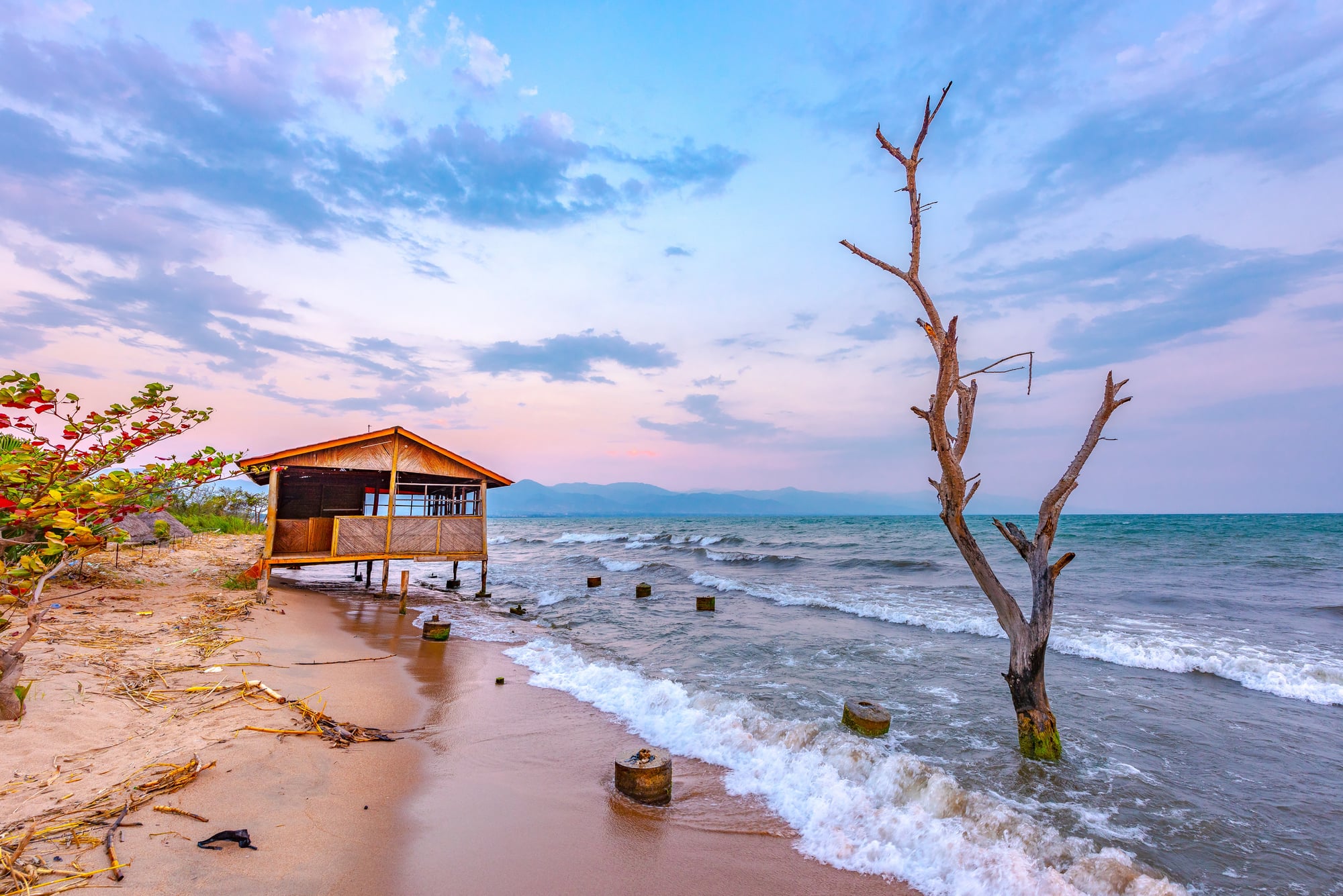
Kirundi and French share official status, with Kirundi dominating daily conversation and French handling formal administration. Most Burundians are more comfortable expressing themselves in Kirundi, using French primarily for official interactions and education.
The colonial language persists in government and higher education despite limited popular fluency. This creates similar barriers to those found in other Francophone African countries where the official language serves administrative rather than communicative purposes.
The Persistence of Colonial Echoes
These linguistic contradictions reveal something deeper than administrative convenience. They show how power, history, and daily life exist in separate spheres — how a language can govern a people without being spoken by them, how official recognition doesn’t guarantee actual use.
The countries on this list navigate multiple identities daily, switching between the language of law and the language of life, between what’s official and what’s authentic. Their citizens become linguistic acrobats by necessity, maintaining cultural roots while operating in imposed systems that never quite fit.
More from Go2Tutors!

- The Romanov Crown Jewels and Their Tragic Fate
- 13 Historical Mysteries That Science Still Can’t Solve
- Famous Hoaxes That Fooled the World for Years
- 15 Child Stars with Tragic Adult Lives
- 16 Famous Jewelry Pieces in History
Like Go2Tutors’s content? Follow us on MSN.