Trivia Facts About Famous Global Clock Towers
Clock towers have a way of stopping you in your tracks. Not just because they mark the hour, but because they carry stories that most people walking past never hear.
These structures were built to be seen and heard — and behind each one is a history far stranger and more interesting than the time they keep.
Big Ben Isn’t Actually the Clock
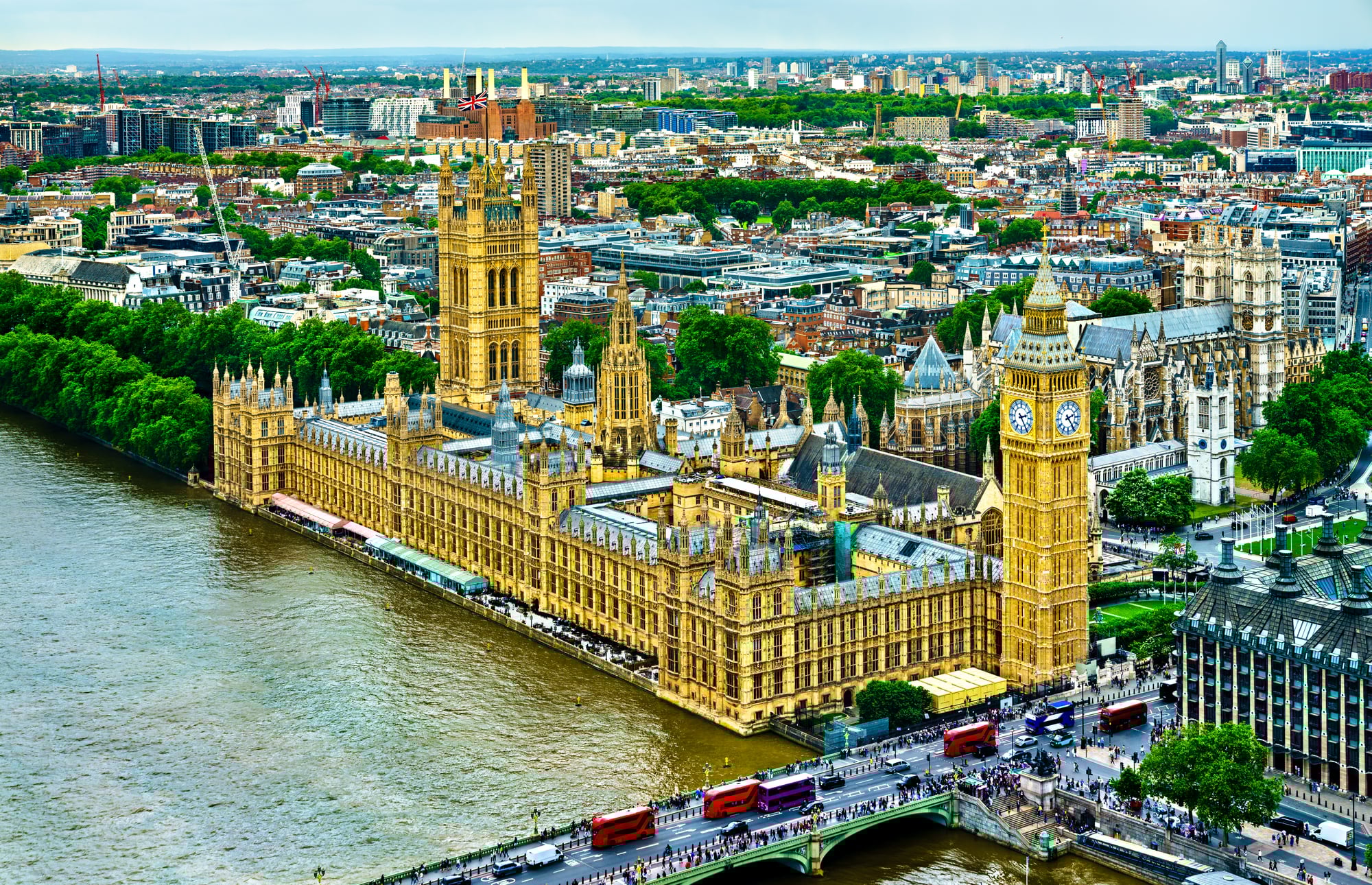
Most people call the whole tower in London “Big Ben,” but that name belongs only to the main bell inside. The tower itself was called the Clock Tower for most of its life before being renamed Elizabeth Tower in 2012 to honor Queen Elizabeth II’s Diamond Jubilee.
Big Ben, the bell, weighs around 13.7 tonnes and cracked shortly after being installed — the crack was never fully repaired, but the bell was rotated so the hammer hits a different spot.
The Leaning Tower of Pisa Has a Clock — Sort Of

Everyone knows the tower leans. Fewer people know it was originally built as a freestanding bell tower for the nearby cathedral.
It has a bell chamber at the top, making it technically a campanile — a bell tower. But it never served much functional timekeeping purpose.
Its fame came entirely from the tilt, which began during construction in the 12th century because the soil on one side was too soft.
Prague’s Astronomical Clock Shows the Universe, Not Just the Time
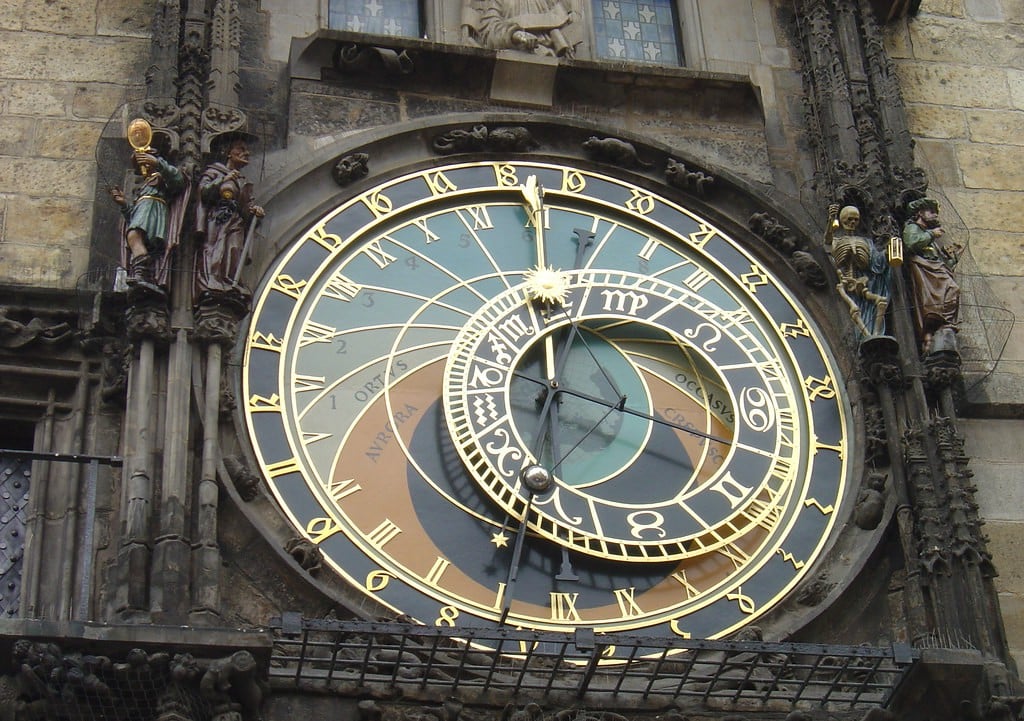
The Orloj in Prague, installed in 1410, is one of the oldest working astronomical clocks in the world. It doesn’t just tell the time — it tracks the movement of the sun and moon, shows the current zodiac sign, and displays Old Czech time, Babylonian time, and Central European time all at once.
Every hour, a procession of animated figures appears, including a skeleton that rings a bell. The clock was nearly destroyed in World War II but was painstakingly restored by Czech craftsmen.
The Kremlin Chimes Were Composed, Not Invented
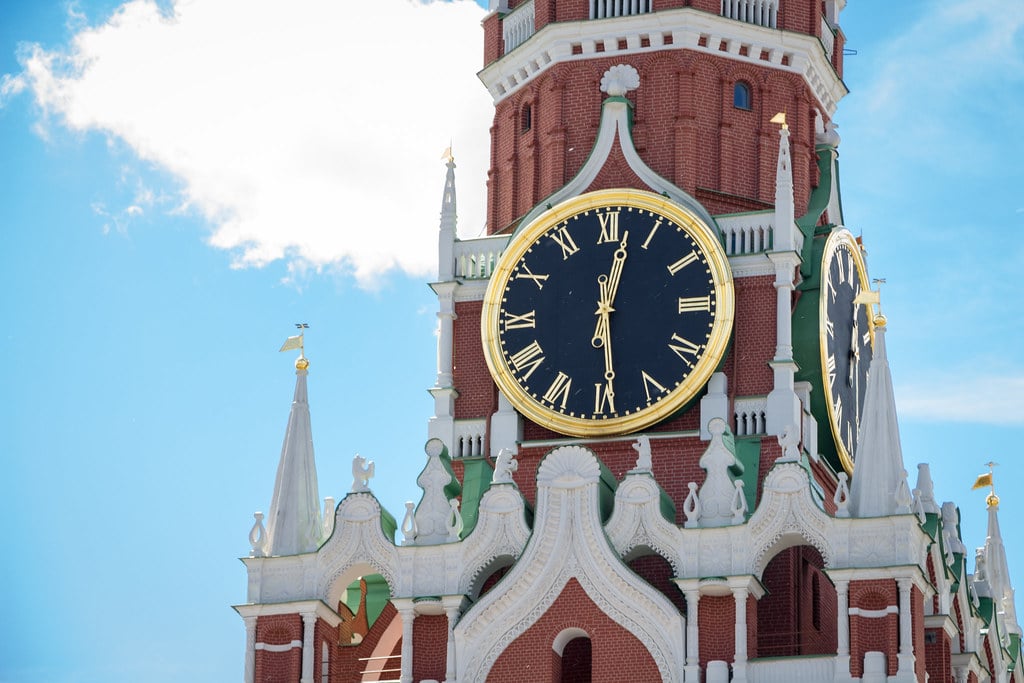
The Spasskaya Tower in Moscow has chimed since the 17th century, but the melody you hear today — played every 15 minutes — is based on a patriotic Russian hymn. During the Soviet era, the chimes were changed to play “The Internationale” and later a different Soviet anthem.
After 1991, authorities switched the tune again, settling on the melody that plays now. So the same bells have marked three entirely different political eras.
Rajabai Clock Tower Was Inspired by a Person’s Devotion
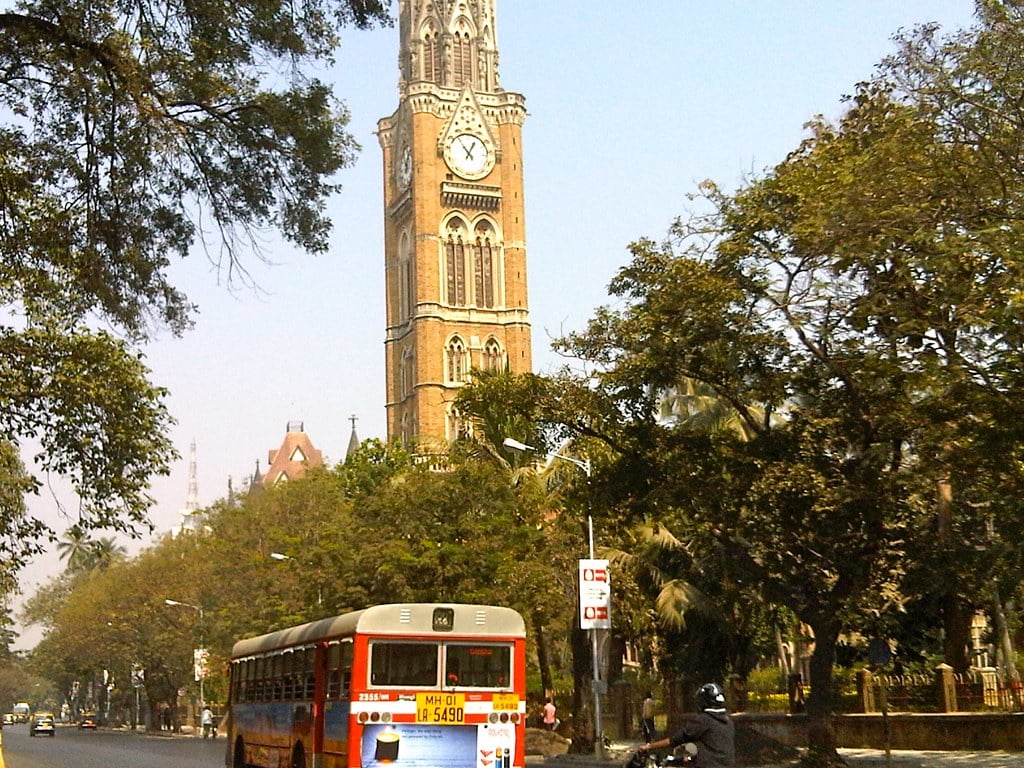
The Rajabai Clock Tower in Mumbai, completed in 1878, was funded by a wealthy Jain merchant named Premchand Roychand. He named it after his mother, Rajabai, who was blind and relied on the tower’s chimes to know when it was time for her prayers.
The tower was designed in a Gothic style and once played different tunes at different hours, including “Rule, Britannia” — which feels like a very different kind of devotion.
The Clock Tower in Mecca Is One of the Tallest Buildings on Earth
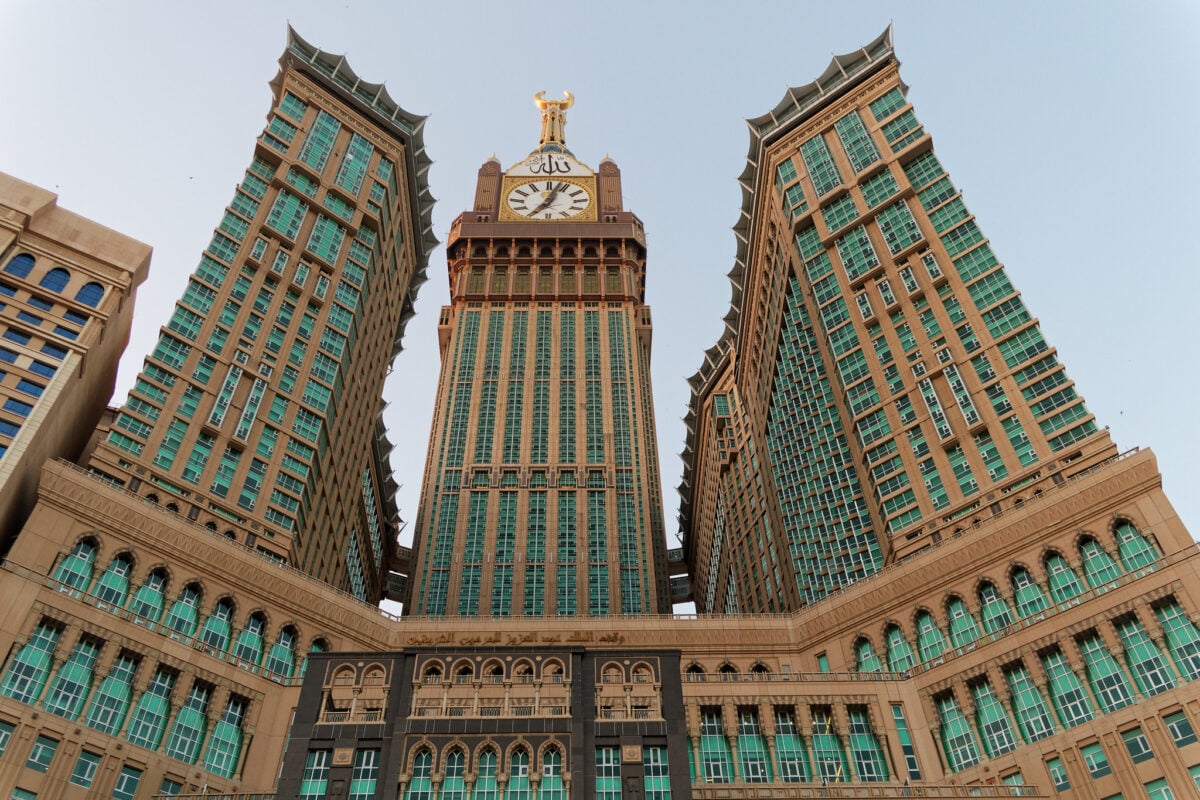
The Abraj Al-Bait Clock Tower in Mecca, Saudi Arabia, stands at over 600 meters and holds the world’s largest clock faces, each measuring 43 meters in diameter. The clock dials are visible from 25 kilometers away.
The complex was built to accommodate the millions of pilgrims who visit the area each year, and the clock serves a practical function — it was set up partly in an effort to get the world to adopt Mecca time rather than Greenwich Mean Time.
Bern’s Clock Tower Predates the City Itself
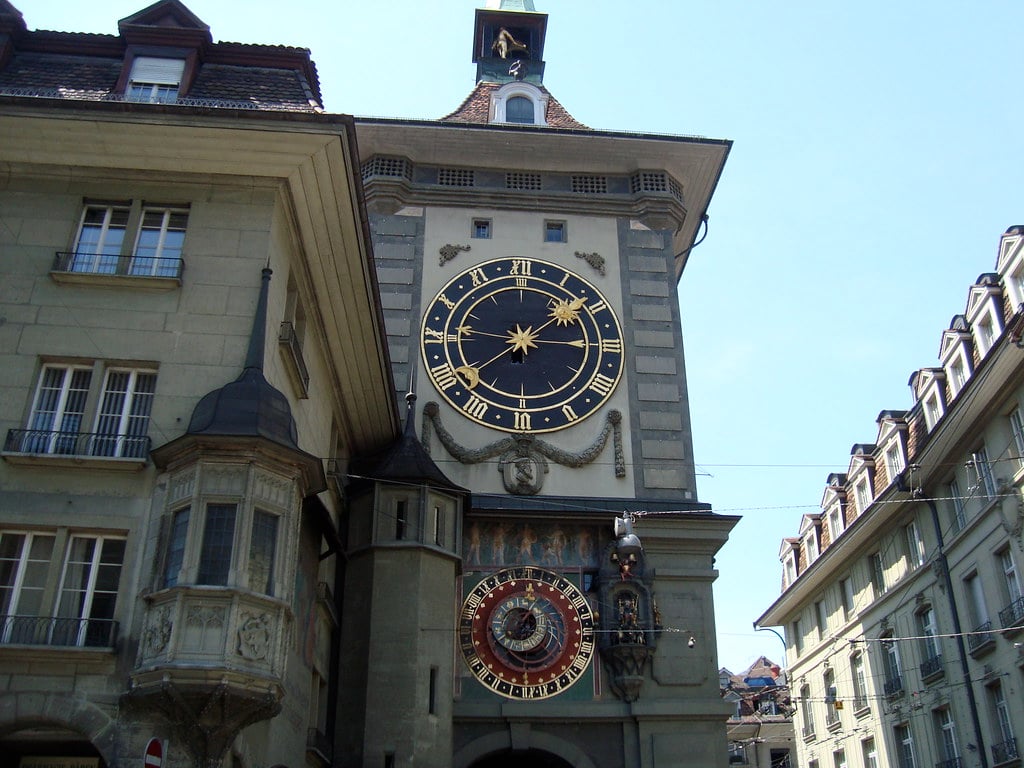
The Zytglogge in Bern, Switzerland, dates back to the early 13th century and is older than most of the city around it. It originally served as a city gate and watchtower before becoming a prison and then a clock tower.
The astronomical clock on its eastern face was added in the 16th century and still works today. Albert Einstein lived nearby and reportedly drew inspiration from thinking about clock towers and light while developing his theory of special relativity.
Big Ben Has Been Silent for Years at a Time
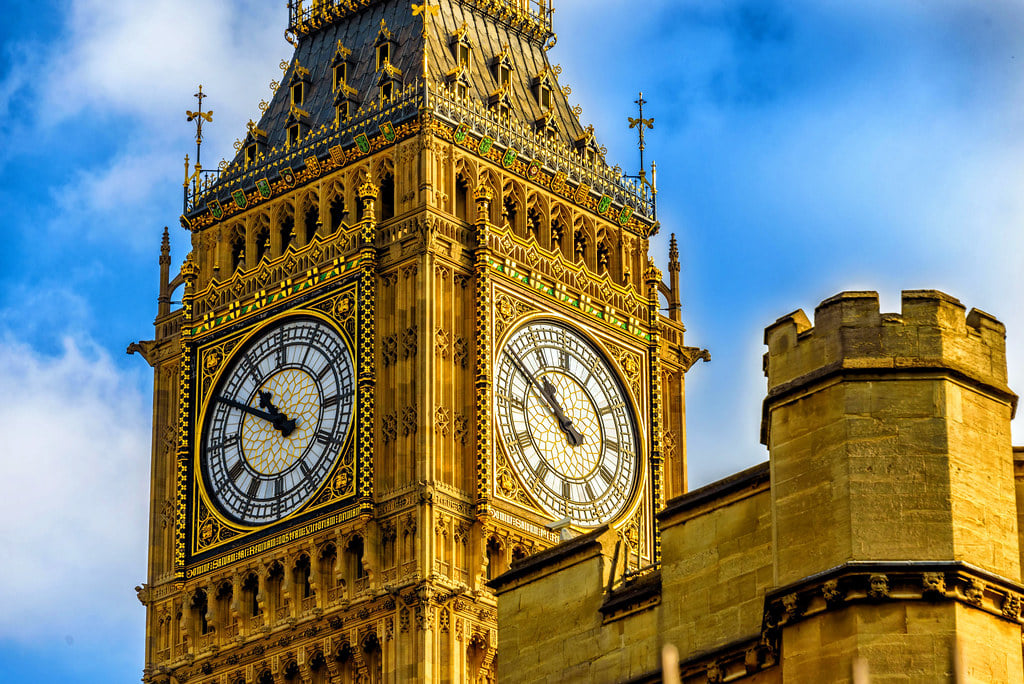
The Elizabeth Tower underwent a major renovation starting in 2017, silencing Big Ben for most of a four-year period. The silence caused an unusual public reaction — people wrote letters, debated the decision in Parliament, and some mourned the absence of the chimes as though a neighbor had moved away.
The bells were finally restored in 2022, and their return was treated as a cultural moment.
The Cuckoo Clock Didn’t Come from the Black Forest
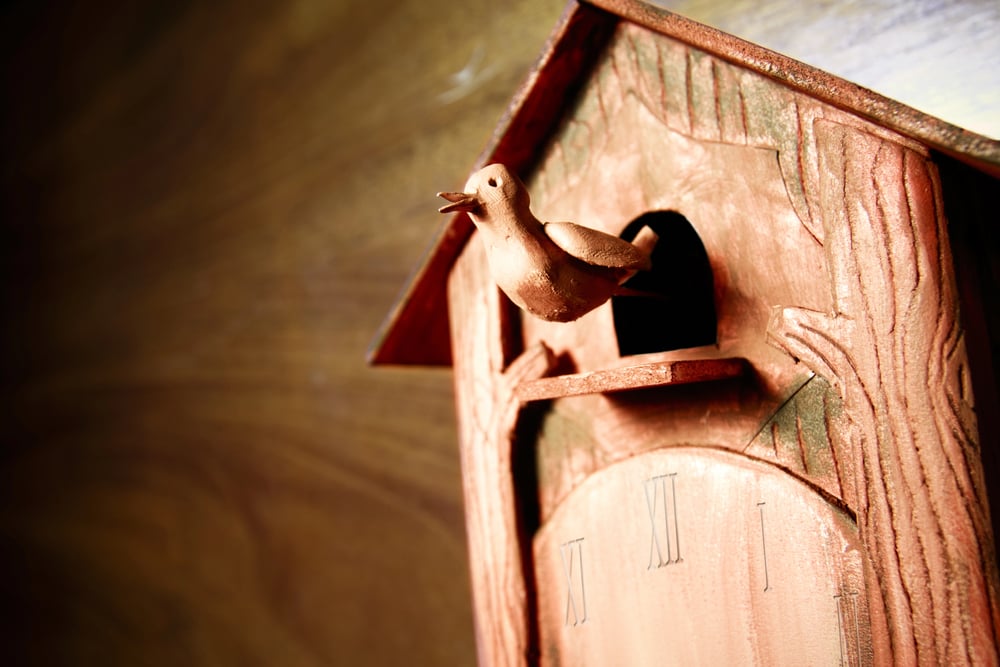
This one is technically about cuckoo clocks, not towers — but it belongs in the trivia pile. Despite the common belief that cuckoo clocks originated in Germany’s Black Forest region, the original inventor is disputed, and some historians trace the design to Bohemia.
The Black Forest did popularize and commercialize them on a massive scale, and the association stuck. The clock in “The Third Man” where Orson Welles credits the cuckoo clock to the Swiss is historically inaccurate on multiple levels.
The Clock on Philadelphia’s City Hall Went Unlit for Decades
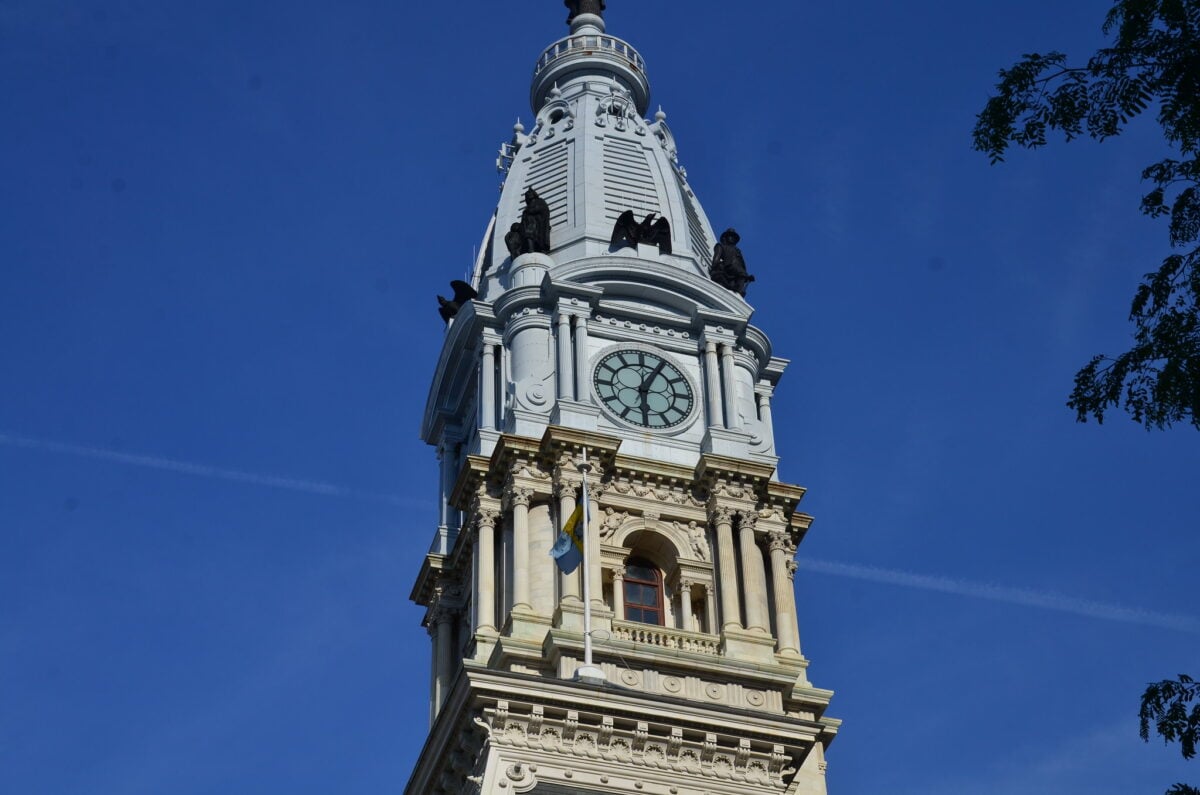
Philadelphia City Hall has a clock tower that sits atop one of the largest masonry buildings in the world. For much of the 20th century, the clock was poorly maintained and its faces were barely illuminated at night.
It took a series of restoration projects to bring the tower back to proper working order and visibility. The building itself took 30 years to construct and was briefly the tallest structure in the United States when it was completed in 1901.
Venice Has a Clock Tower That Forecasts the Zodiac

The Torre dell’Orologio on St. Mark’s Square in Venice was built in the late 15th century and shows the lunar phase and the current zodiac sign in addition to the time. At the very top, two bronze figures called the Moors strike a large bell on the hour.
The term “Moors” was used because of the dark patina of the bronze statues — not because of any cultural reference. The clock has been functioning, with repairs and restorations, for over 500 years.
The Clock Tower in Allen, Texas Is New — and Famous for One Reason

Not all notable clock towers are ancient. The Allen Premium Outlets in Texas has a clock tower that became briefly famous online when photos circulated showing it had no clock face. It was purely decorative.
The situation became a minor internet joke about the gap between architectural ambition and functional design. A clock face was eventually added, closing what had become an unexpected chapter in clock tower history.
Japan’s Clock Towers Ring With Precision
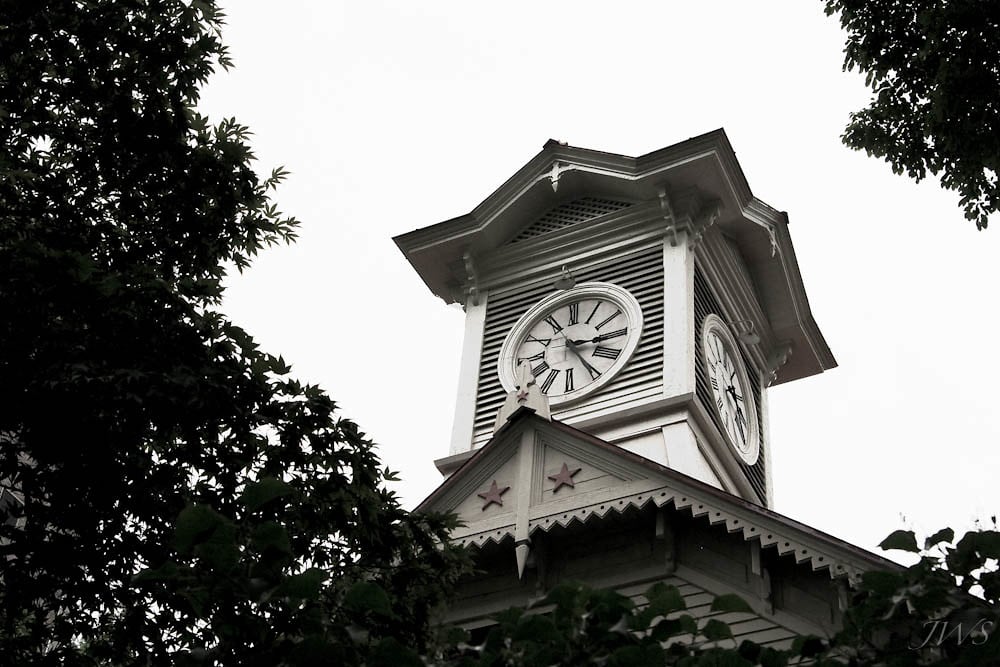
Japan takes timekeeping seriously, and its public clock towers are famously accurate. Several cities maintain mechanical and digital tower clocks synchronized to atomic time signals. Some Japanese clock towers also feature elaborate automated performances — moving figures, animated scenes, and music — that run at specific hours.
The country’s relationship with precision time is tied to its broader culture around punctuality, where a one-minute train delay warrants a formal apology from the railway company.
The Big Clock in Gdańsk Survived World War II Hidden Away
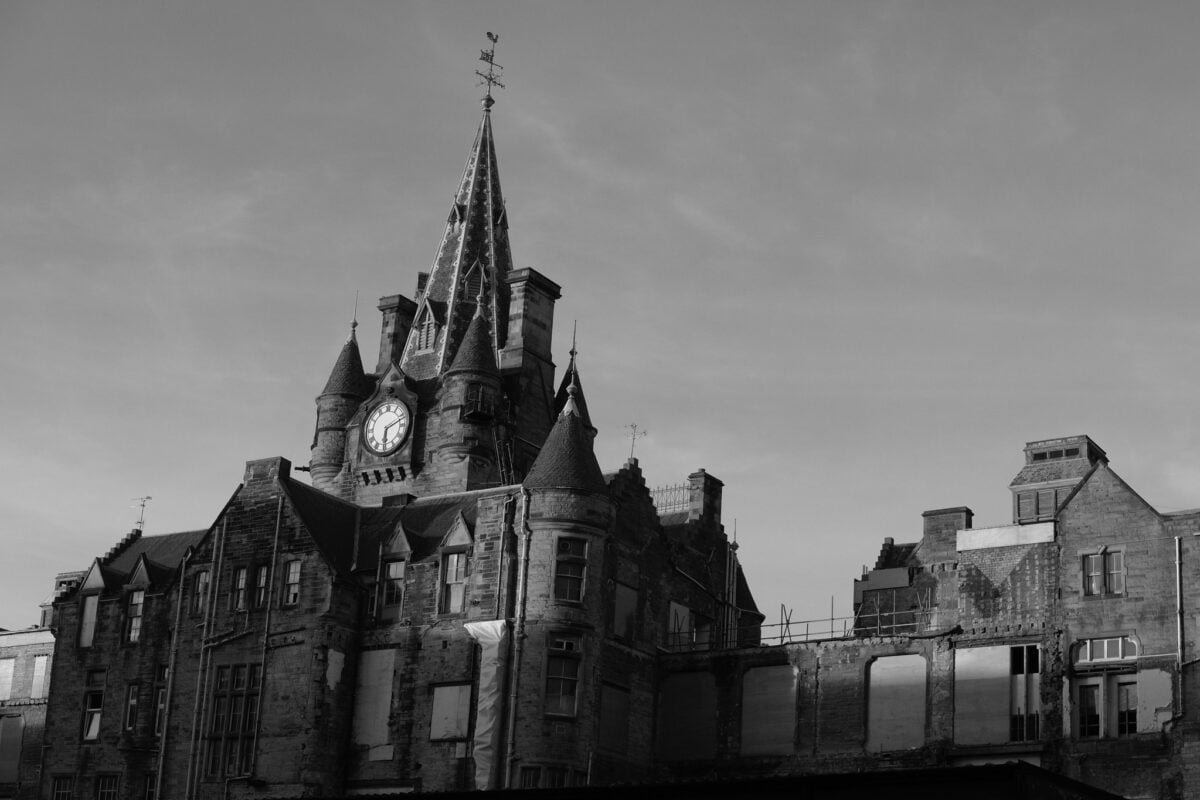
The astronomical clock in St. Mary’s Church in Gdańsk, Poland, is one of the largest Gothic clocks in the world. During World War II, with the city facing destruction, the clock’s most important components were disassembled and hidden to protect them. Much of Gdańsk was leveled, but the clock survived because of the foresight of those who moved its parts.
After the war, it was reassembled and restored, and it still runs today.
Time Keeps Moving, Even When We Forget to Look
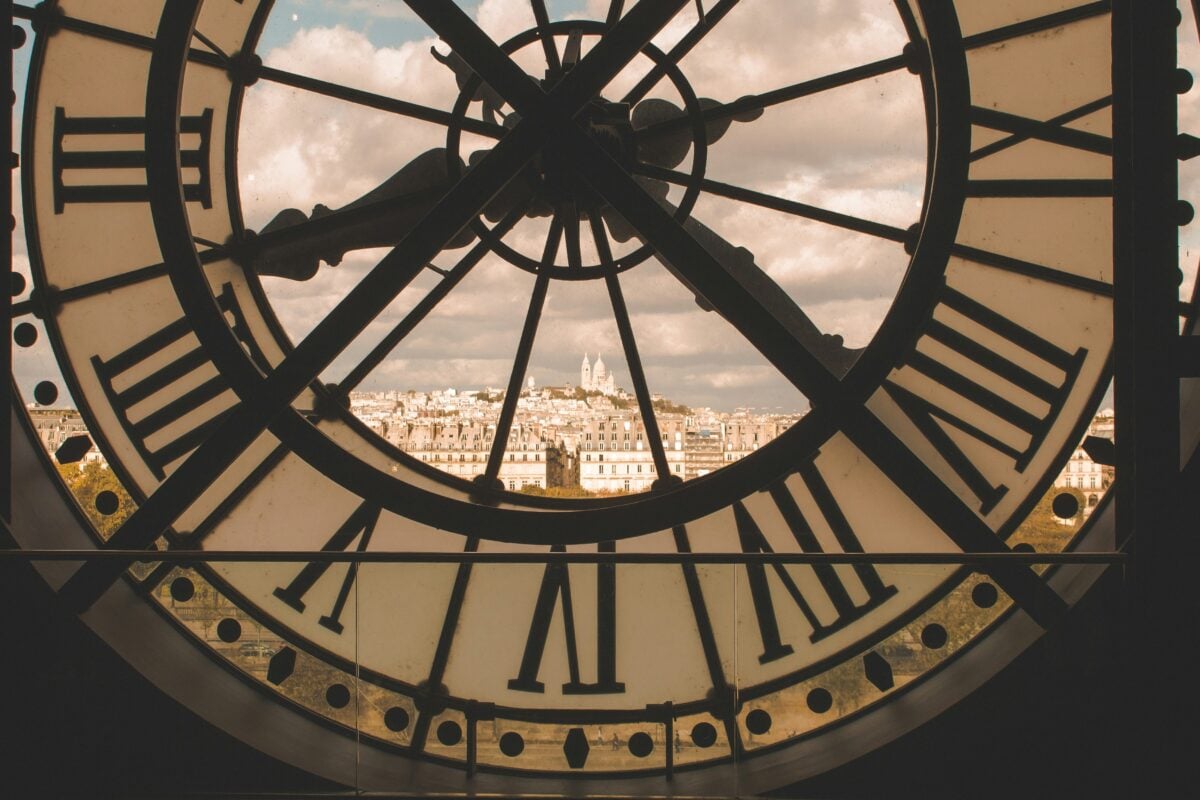
Clock towers were built to impose order on daily life — to tell farmers when to wake, merchants when to open, and laborers when to stop. But the most interesting thing about them is how much else they ended up carrying: political identity, personal grief, engineering ambition, religious practice, and sometimes, just a very public mistake.
The next time you pass one, it’s worth looking past the hands to what the whole structure is actually saying.
More from Go2Tutors!

- The Romanov Crown Jewels and Their Tragic Fate
- 13 Historical Mysteries That Science Still Can’t Solve
- Famous Hoaxes That Fooled the World for Years
- 15 Child Stars with Tragic Adult Lives
- 16 Famous Jewelry Pieces in History
Like Go2Tutors’s content? Follow us on MSN.



