Strange Food Laws That are Real
Food connects people everywhere.
Sometimes the rules around it can get downright weird.
Some of these laws started out with good reasons.
Others sound like they were made after a long.
Confusing meeting.
Either way, they’re real.
They make the world’s dining habits a lot more interesting.
So, let’s take a fun trip through some of the strangest food laws still hanging around today.
Some are funny.
Others head-scratching.
All of them prove that people take their meals a little too seriously sometimes.
No chewing gum in Singapore

Back in 1992, Singapore decided gum was more trouble than it was worth.
Chewed-up gum was ending up on sidewalks.
Trains.
Even under seats.
The government banned it completely.
Except for a few medical types.
Today, you can get fined for bringing or selling it.
On the bright side, the streets are spotless.
No ketchup in French schools
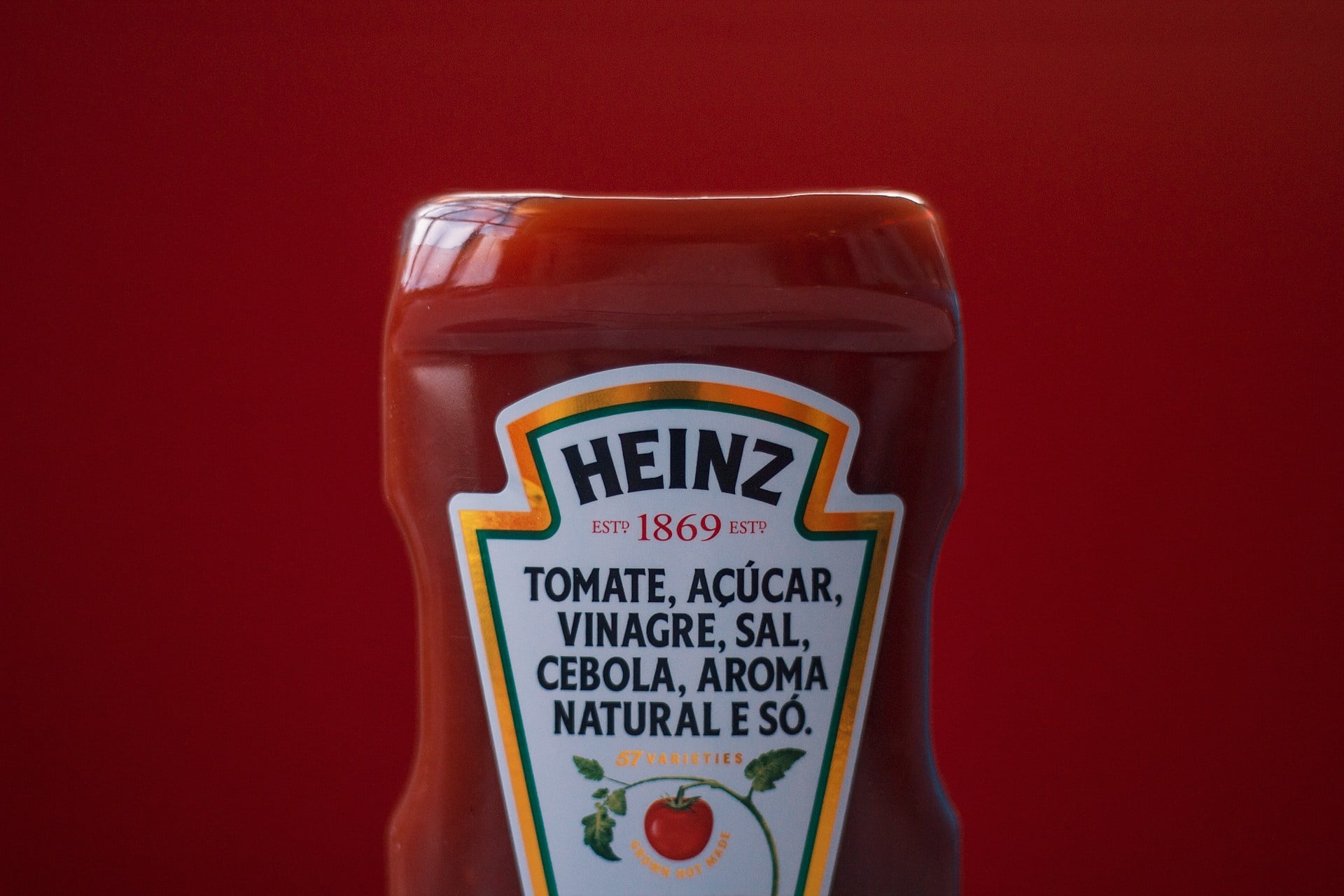
France loves its food traditions.
Ketchup just didn’t fit the plan.
In 2011, schools banned it to make sure kids learned the real taste of French cooking instead of drowning everything in tomato sauce.
They still let students have it once a week with fries.
Even France knows fries need a little dip sometimes.
No slicing cucumbers the wrong way in Georgia
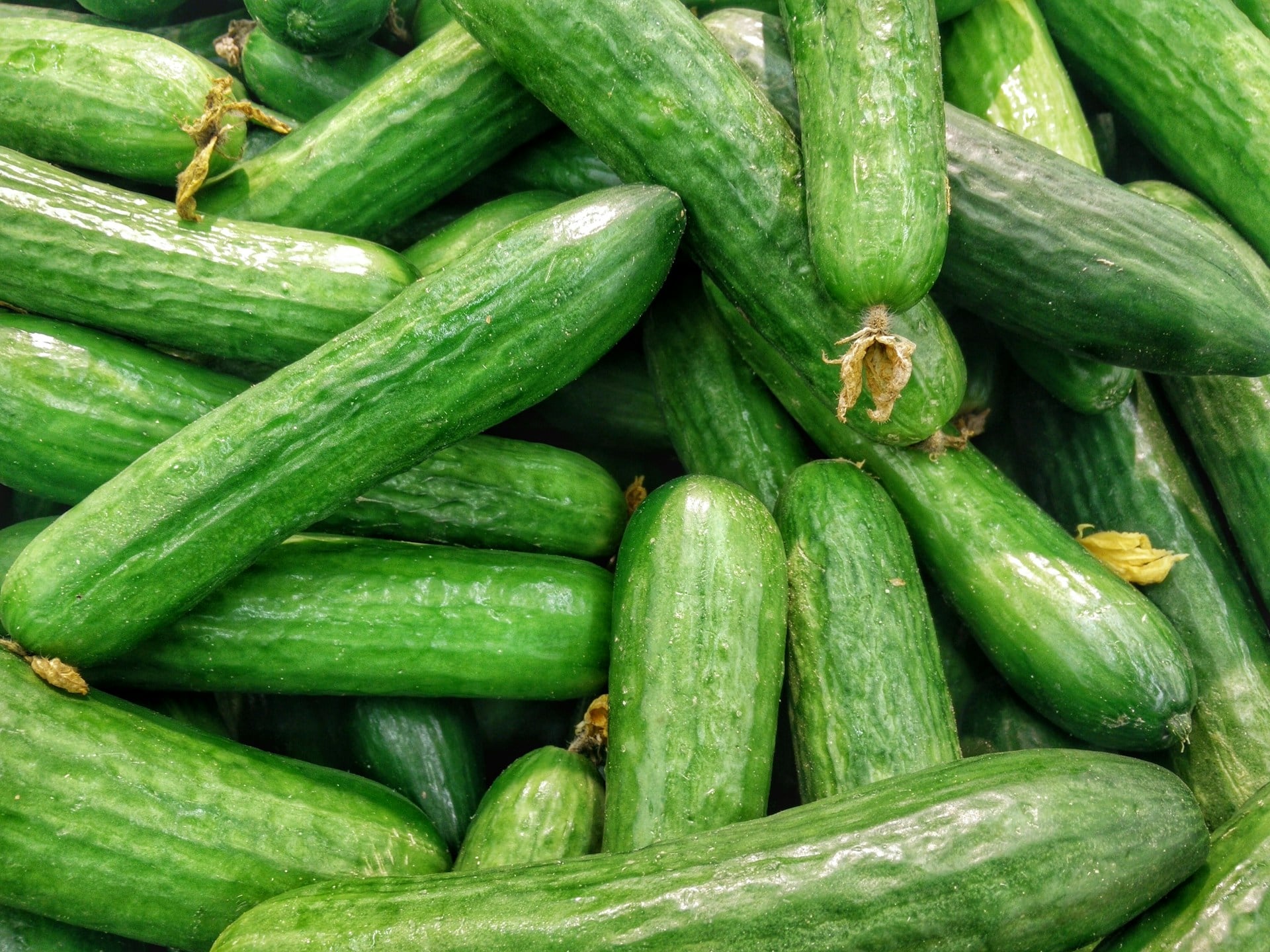
Some old Georgia towns still have laws that sound like they came from another planet.
One says you can’t slice cucumbers crosswise on Sundays.
The rule likely started as part of old religious customs.
Nobody’s actually getting arrested over salad prep.
It’s still on the books.
No peanut butter and jelly on the same bread in Oregon
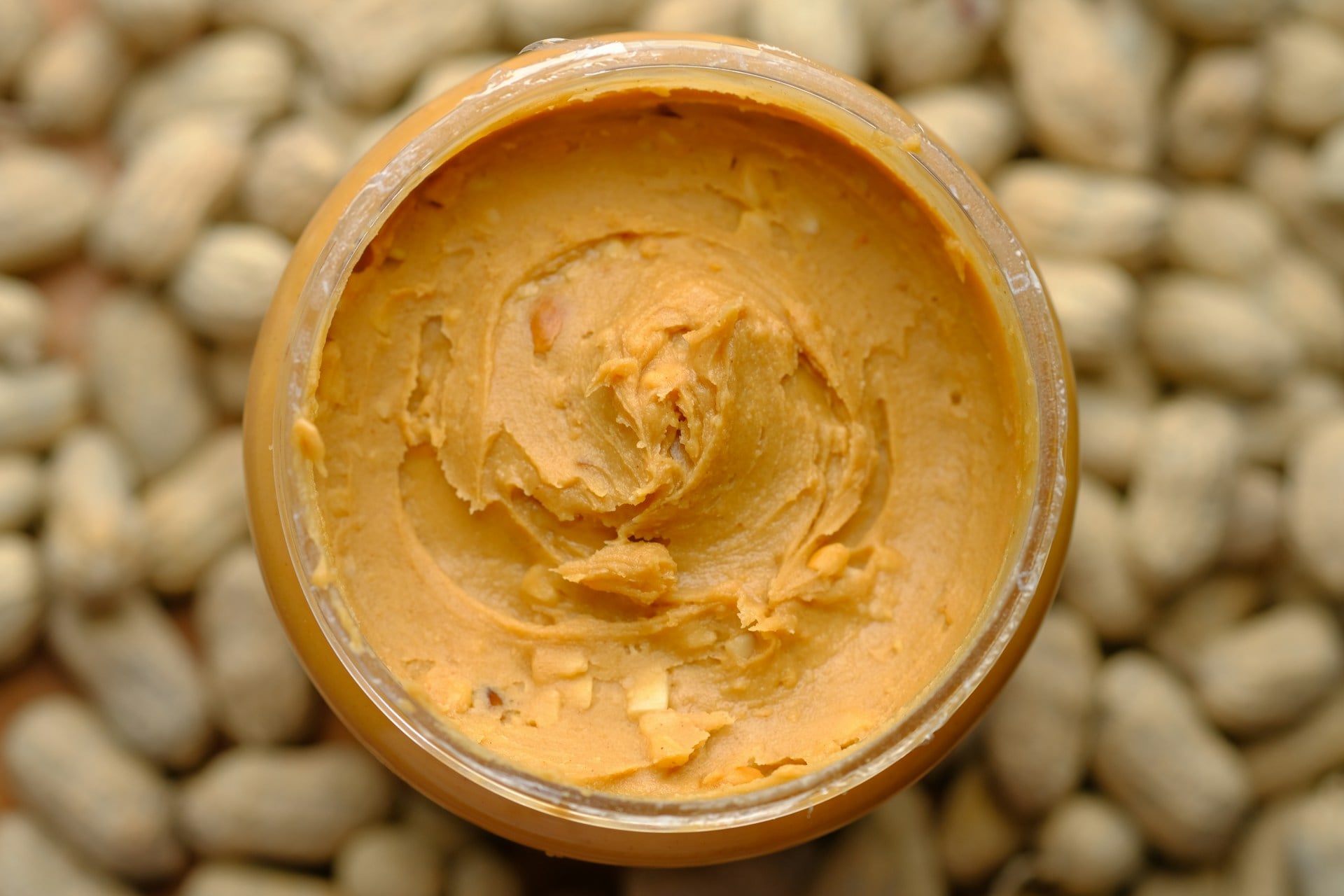
A few Oregon schools once banned the classic peanut butter and jelly combo because of allergy concerns and to be more culturally inclusive.
Instead, lunchrooms encouraged kids to learn about food from different countries.
It wasn’t a hit with everyone.
It did make lunchtime more educational.
No eating while walking in Japan

In cities like Kamakura and Nara, it’s considered rude to walk around while eating.
Sometimes it is restricted.
Locals prefer that people stand still and enjoy their food properly.
It keeps the streets clean and avoids spills.
It turns even a quick snack into a peaceful little break.
No feeding pigeons in Venice
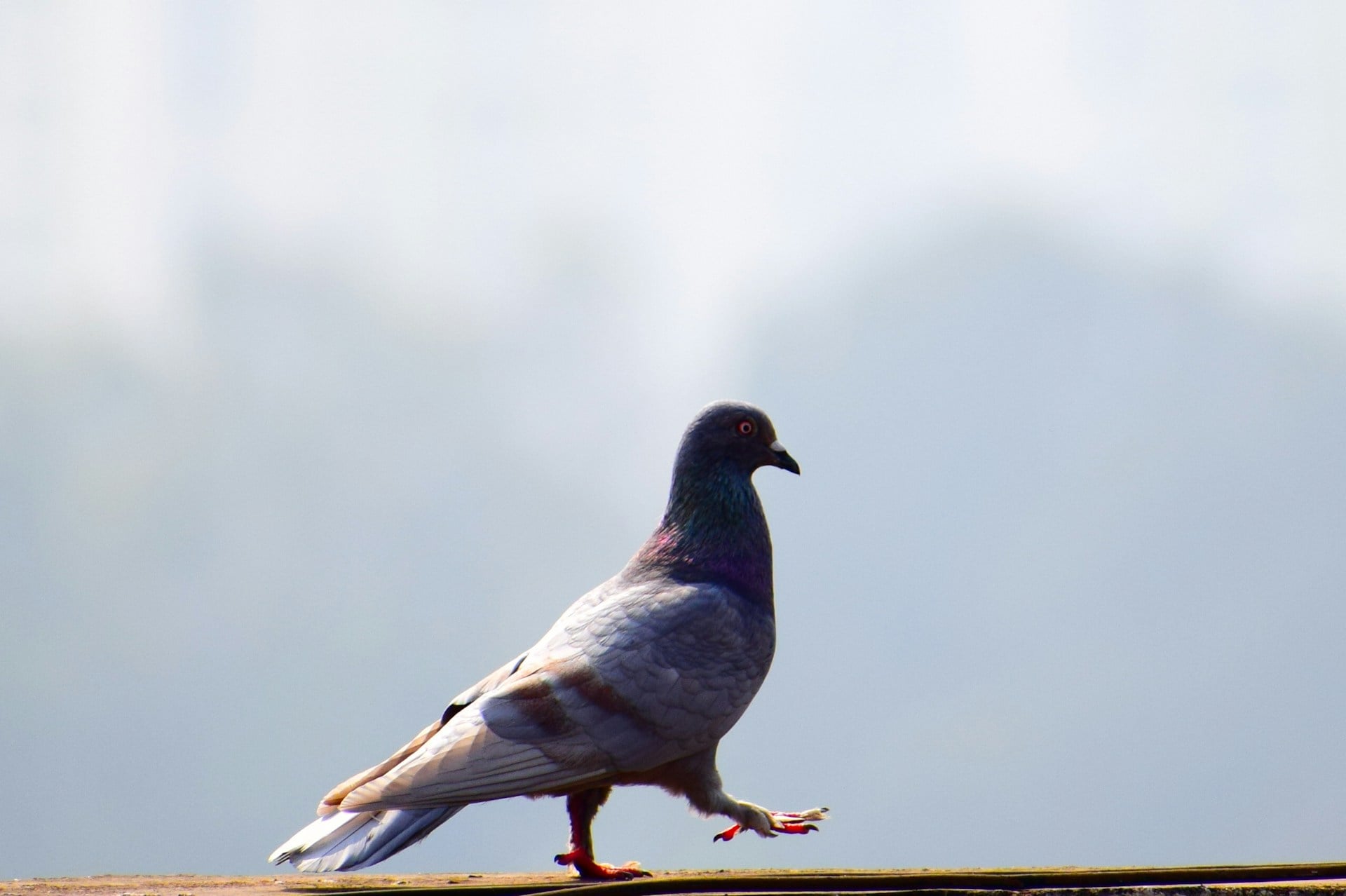
Venice officially banned feeding pigeons in 2008 after years of tourists tossing breadcrumbs in St. Mark’s Square.
The birds were damaging historic buildings with droppings and nests.
Now, if you’re caught handing out crumbs, you can get hit with a big fine.
The pigeons definitely noticed.
No importing Kinder Surprise eggs in the U.S.

For years, Americans couldn’t legally bring in Kinder Surprise eggs.
The chocolate treats have a toy hidden inside.
This goes against U.S. rules about putting non-food items in food.
Customs officers have confiscated thousands.
A safer version, Kinder Joy, is allowed now.
The surprise isn’t quite the same.
No eating frogs in California

In California, it’s illegal to eat a frog that dies during a frog-jumping contest.
The law comes from the famous Calaveras County Frog Jump where people race frogs for fun.
If your frog doesn’t make it, you can’t turn it into dinner.
Fair enough.
These frogs work hard.
No mince pies on Christmas in England

A law from the 1600s technically bans eating mince pies on Christmas Day.
It came from Oliver Cromwell’s strict rules against festive celebrations.
The law’s not enforced anymore.
It still exists on paper.
Most Brits happily ignore it with a smile and a slice.
No chickens crossing the road in Georgia
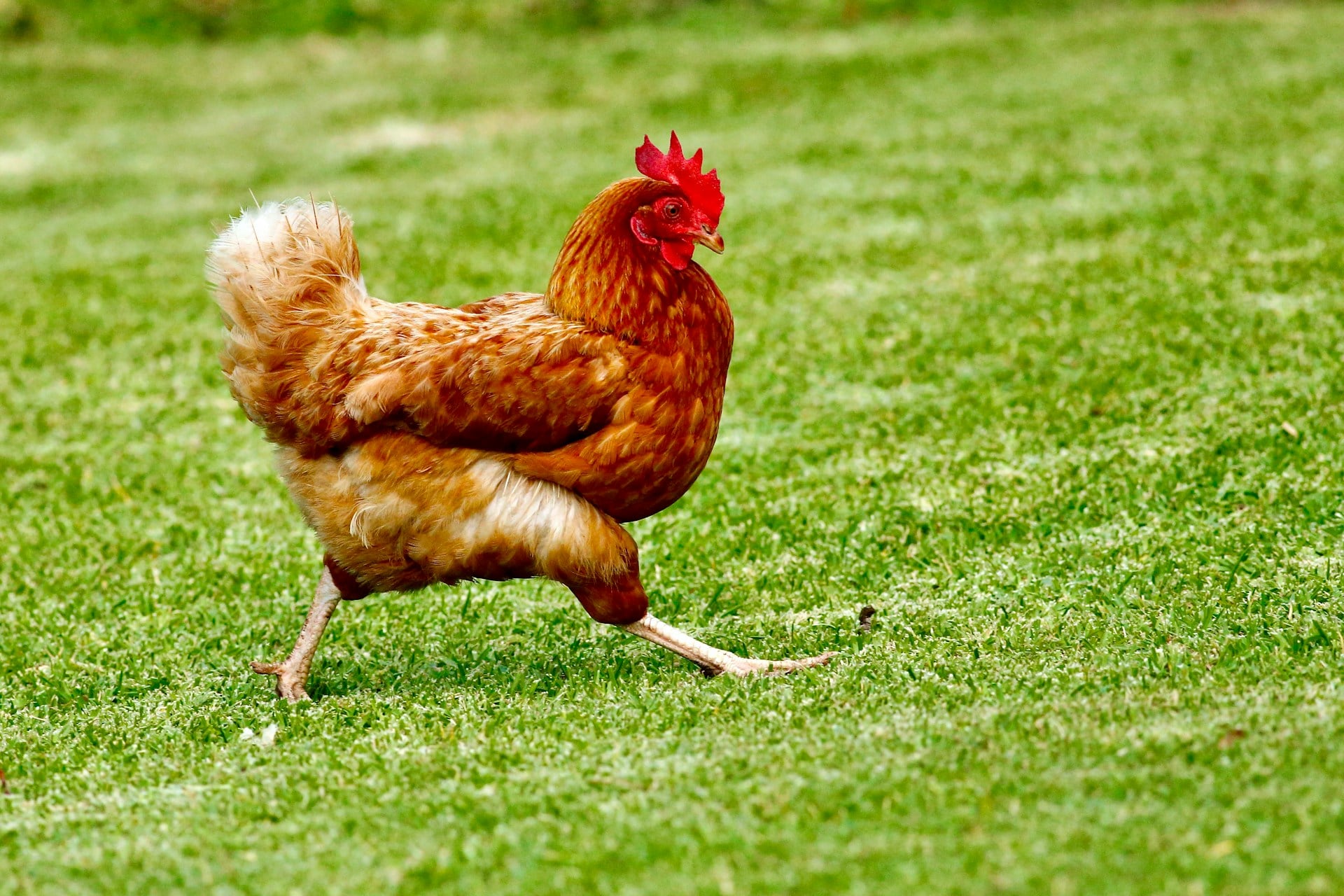
In Gainesville, Georgia, an old local rule says it’s illegal for chickens to cross the road.
The town takes pride in its poultry industry.
This rule was meant to protect valuable livestock.
It sounds like a joke.
It’s a real ordinance.
It is the perfect punchline to an old joke.
No clams in hotel rooms in Connecticut

At one time, Connecticut had a rule banning clams in hotel rooms.
It was meant to stop guests from storing or cooking seafood that could spoil and stink up the place.
Probably a wise move.
Nobody wants their room smelling like low tide.
No salt in New York restaurants for a time

In 2010, a New York law tried to limit how much salt restaurants could use in their food.
The idea was to help people eat healthier.
Chefs weren’t happy.
They argued that salt is part of good cooking.
The rule didn’t last long.
It got people talking about flavor and health.
No honey collecting on Sundays in North Carolina
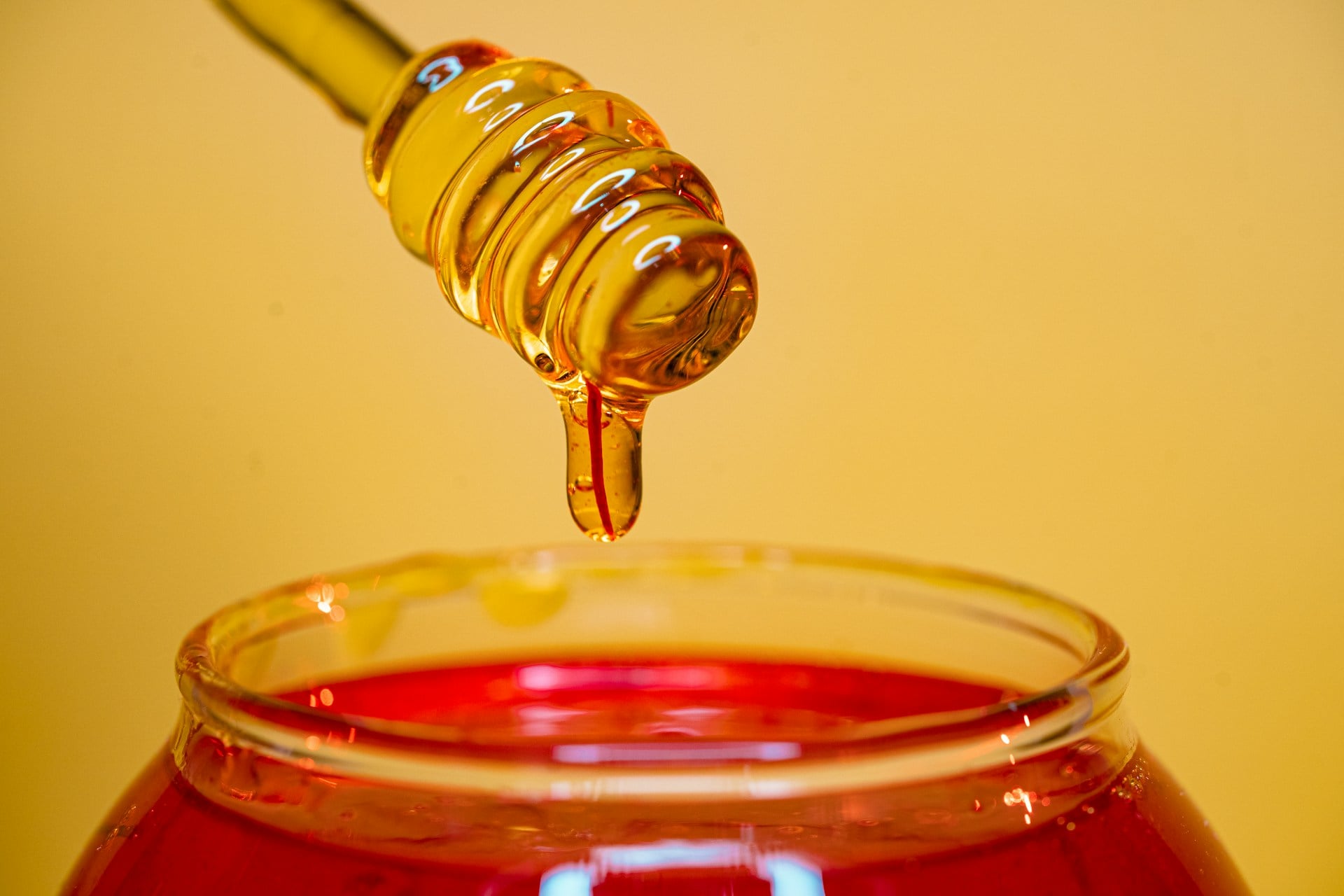
Old local laws in parts of North Carolina once banned taking honey from beehives on Sundays.
The rule came from religious customs about rest days and respecting nature.
These days, beekeepers don’t follow it.
It’s a sweet reminder of how times change.
No ice cream in your back pocket in Kentucky

Kentucky once banned putting ice cream in your back pocket.
Back in the 1800s, people used it to trick horses into following them away from their owners.
Since they didn’t technically steal the horse, it was a loophole.
The law closed that gap.
It saved a lot of melted messes.
No cold beer in Oklahoma until recently

Until 2018, Oklahoma grocery stores could only sell weak beer at room temperature.
If you wanted a cold one, you had to visit a liquor store.
When the law changed, residents celebrated with chilled six-packs.
They released a collective sigh of relief.
No meat on Fridays in Argentina schools

In some parts of Argentina, public schools skip meat on Fridays.
It’s a tradition tied to religion and a push for healthier eating.
Students get fish or veggie dishes instead.
Many families have even adopted the same habit at home.
No boiling lobsters alive in Switzerland

Switzerland made it illegal in 2018 to boil lobsters while they’re still alive.
Chefs must stun them first to reduce pain.
It changed kitchen routines across the country.
Many people agreed.
It was a small act of kindness for the crustaceans.
No durian on public transport in Singapore

Durian is a tropical fruit famous for its powerful smell.
It’s so strong that Singapore banned it on buses, trains, and in many hotels.
Signs with a crossed-out durian icon are everywhere.
Fans still love it.
Everyone else is thankful for the rule.
When food meets the law

These strange food rules show just how creative people can get when trying to keep order.
They also try to protect their traditions.
From ketchup bans to frog jump protections, every law tells a tiny story about culture and history.
Some may sound silly today.
They remind us how deeply food is tied to who we are.
That’s what makes these odd little laws worth remembering.
More from Go2Tutors!

- The Romanov Crown Jewels and Their Tragic Fate
- 13 Historical Mysteries That Science Still Can’t Solve
- Famous Hoaxes That Fooled the World for Years
- 15 Child Stars with Tragic Adult Lives
- 16 Famous Jewelry Pieces in History
Like Go2Tutors’s content? Follow us on MSN.