17 Mountain Peaks That Were Climbed for Scientific Research
Mountains have always captured human imagination, but not every climb was made for glory or adventure. Throughout history, scientists and researchers have scaled some of the world’s most challenging peaks in pursuit of knowledge, turning treacherous summits into outdoor laboratories.
These expeditions have revolutionized our understanding of everything from weather patterns to plant biology, often at great personal risk to the researchers involved. From early naturalists carrying heavy equipment up volcanic slopes to modern climate researchers studying glacial retreat, these scientific ascents have contributed immensely to human knowledge.
Here is a list of 17 mountain peaks that were climbed specifically for scientific research purposes.
Mount Chimborazo
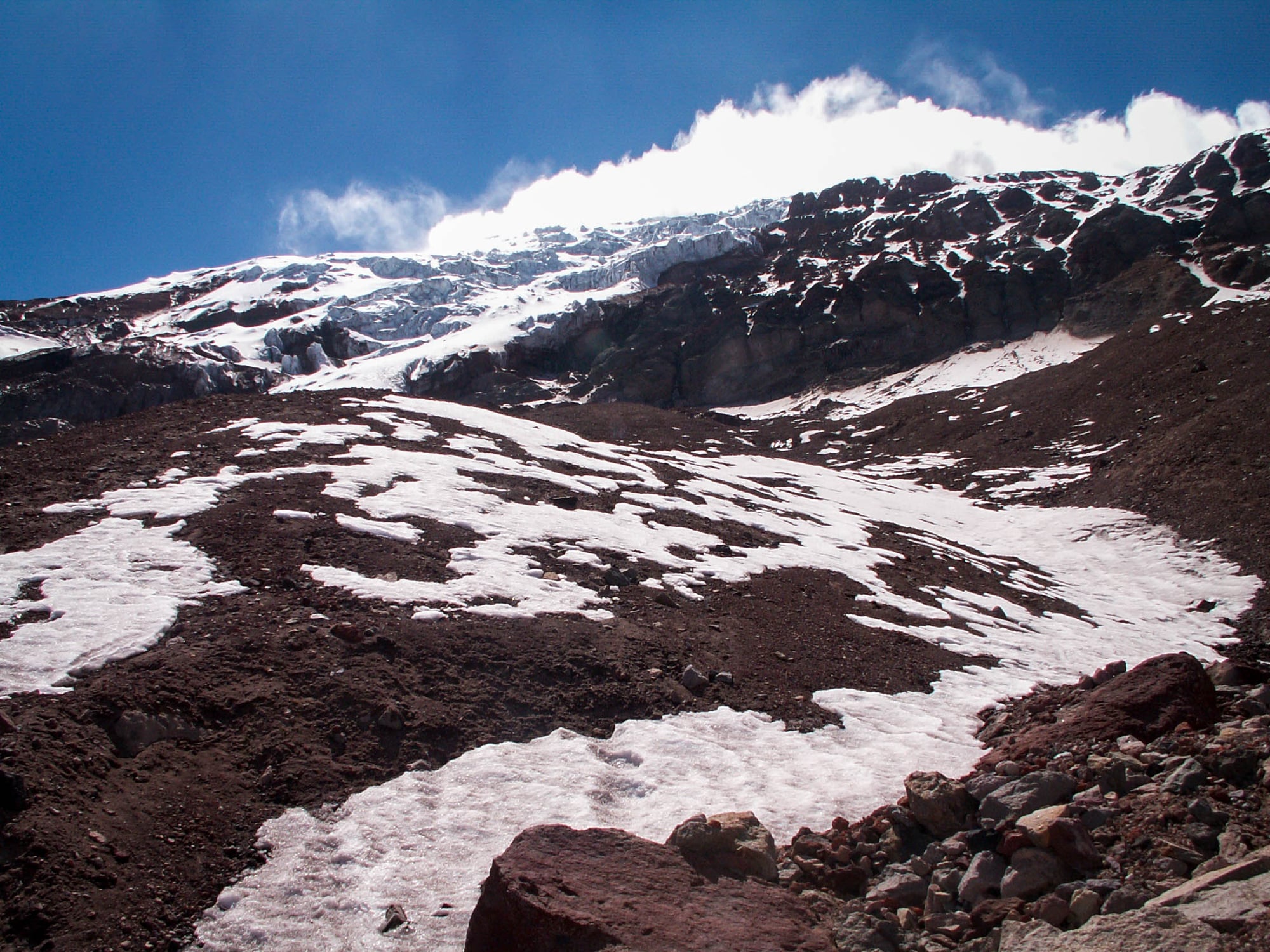
Alexander von Humboldt’s 1802 ascent of Mount Chimborazo in Ecuador wasn’t just about reaching new heights—it was about revolutionizing science itself. Humboldt and his companion Aimé Bonpland climbed to 19,286 feet, establishing a world altitude record for Westerners at the time.
This expedition allowed Humboldt to develop his groundbreaking theories about vegetation zones and how altitude affects climate, essentially founding the field of biogeography. His detailed observations of how plant life changed with elevation became the foundation for modern ecological science.
Mont Blanc

The first scientific ascent of Mont Blanc came shortly after its initial conquest in 1786, when scientists began using Europe’s highest peak as a natural laboratory. Researchers climbed the 15,777-foot summit to study atmospheric pressure, temperature variations, and the effects of altitude on the human body.
These early Alpine expeditions laid the groundwork for understanding how air pressure decreases with elevation and helped establish the basic principles of mountain meteorology.
Mount Washington
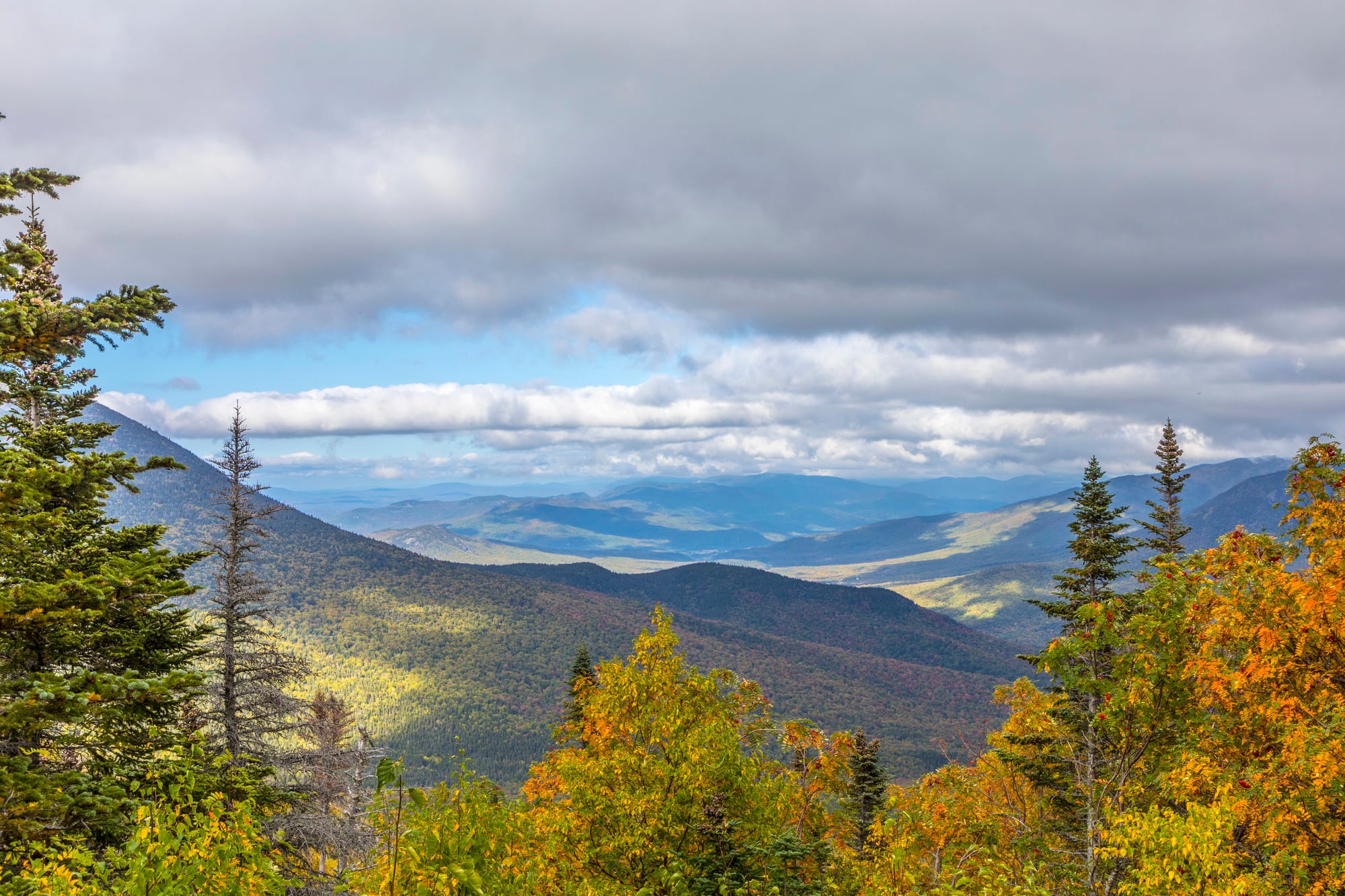
New Hampshire’s Mount Washington became a crucial site for weather research due to its notoriously harsh conditions and accessibility. Scientists have been climbing this 6,288-foot peak since the 1800s to study extreme weather phenomena, including some of the strongest winds ever recorded on Earth.
The mountain’s weather observatory, established through decades of scientific ascents, continues to provide vital data for understanding severe weather patterns across the northeastern United States.
Mauna Loa
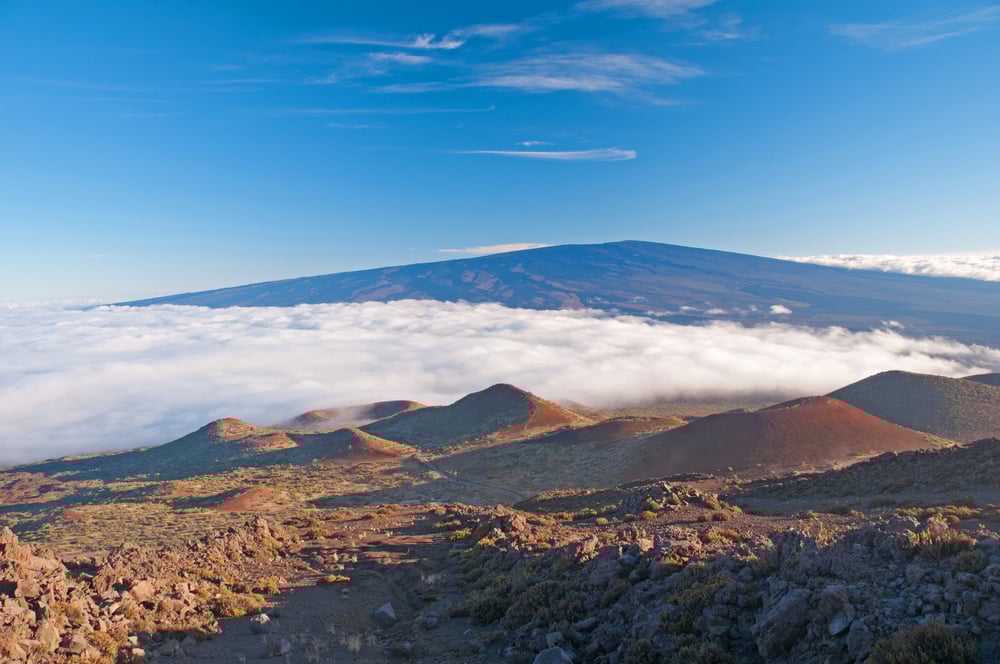
Hawaiian researchers have been climbing Mauna Loa for over a century to study volcanic activity and atmospheric conditions. This 13,679-foot shield volcano serves as home to one of the world’s most important climate monitoring stations, established through numerous scientific expeditions.
The mountain’s isolation in the Pacific Ocean makes it perfect for measuring atmospheric carbon dioxide levels, providing crucial data for climate change research.
Mount Elbert
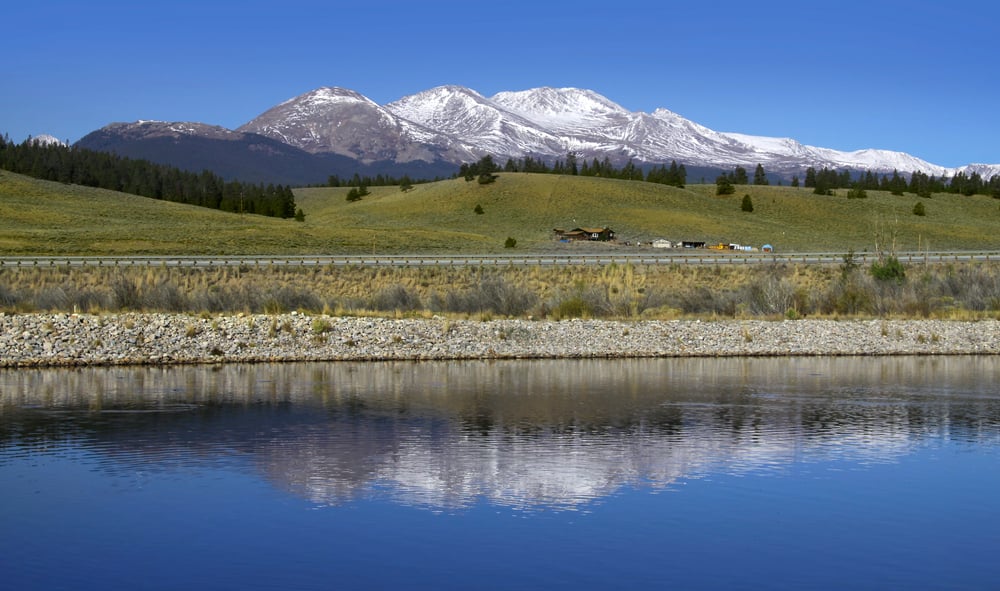
Colorado’s highest peak at 14,440 feet has been climbed extensively by researchers studying high-altitude physiology and mountain ecology. Scientists use Mount Elbert as a testing ground for understanding how the human body adapts to thin air and extreme conditions.
The peak’s relatively accessible location in the Rockies makes it an ideal laboratory for studying alpine plant communities and their responses to climate change.
Kilimanjaro
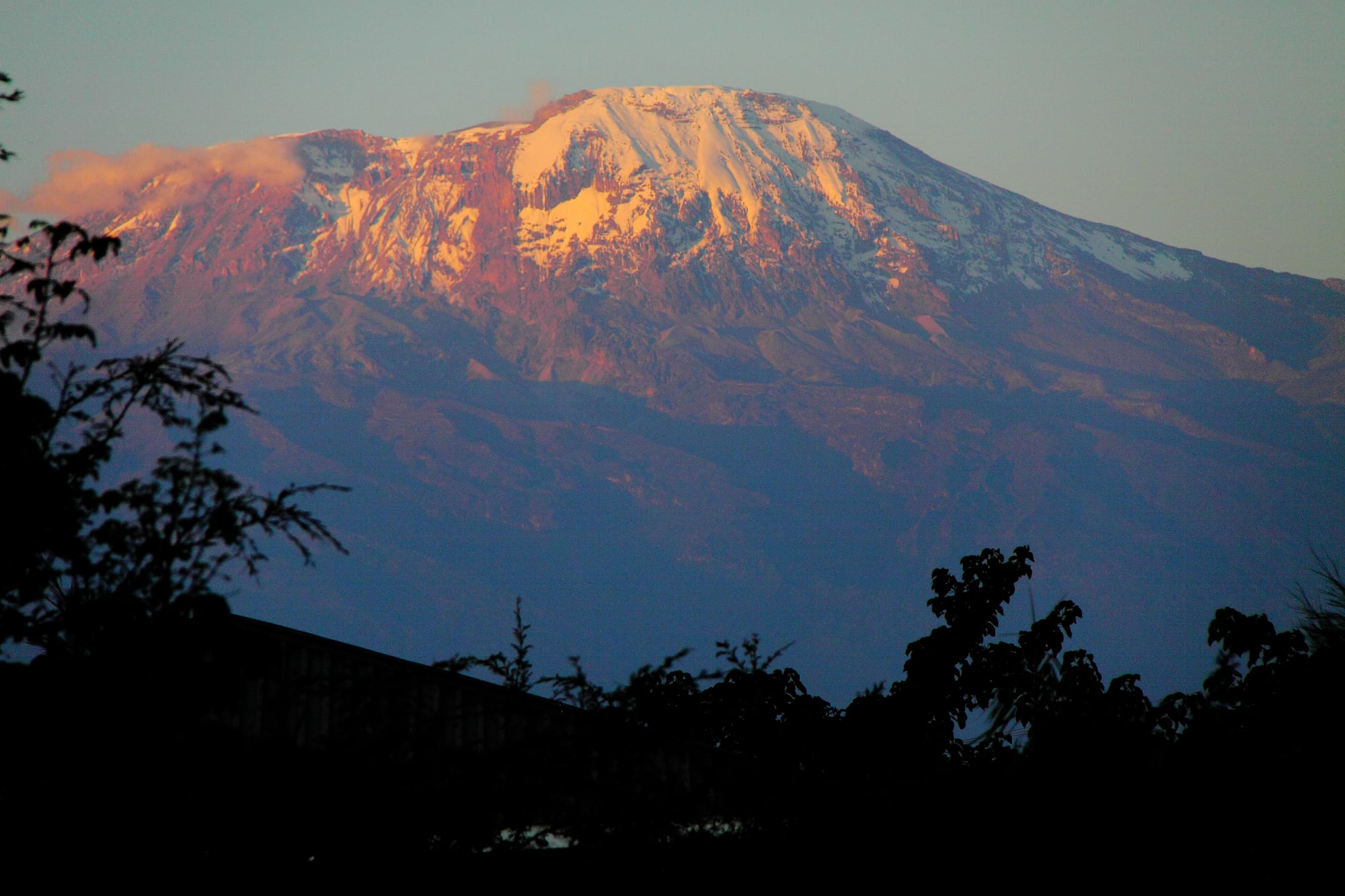
German geographer Hans Meyer’s 1889 ascent of Kilimanjaro wasn’t just about conquering Africa’s highest peak—it was a scientific expedition that mapped the mountain’s unique ecosystems. Researchers have continued climbing this 19,341-foot volcano to study how tropical mountains support such diverse plant and animal life.
The mountain’s distinct climate zones, from tropical base to arctic summit, provide scientists with a compressed view of how ecosystems change with latitude.
Mount McKinley (Denali)
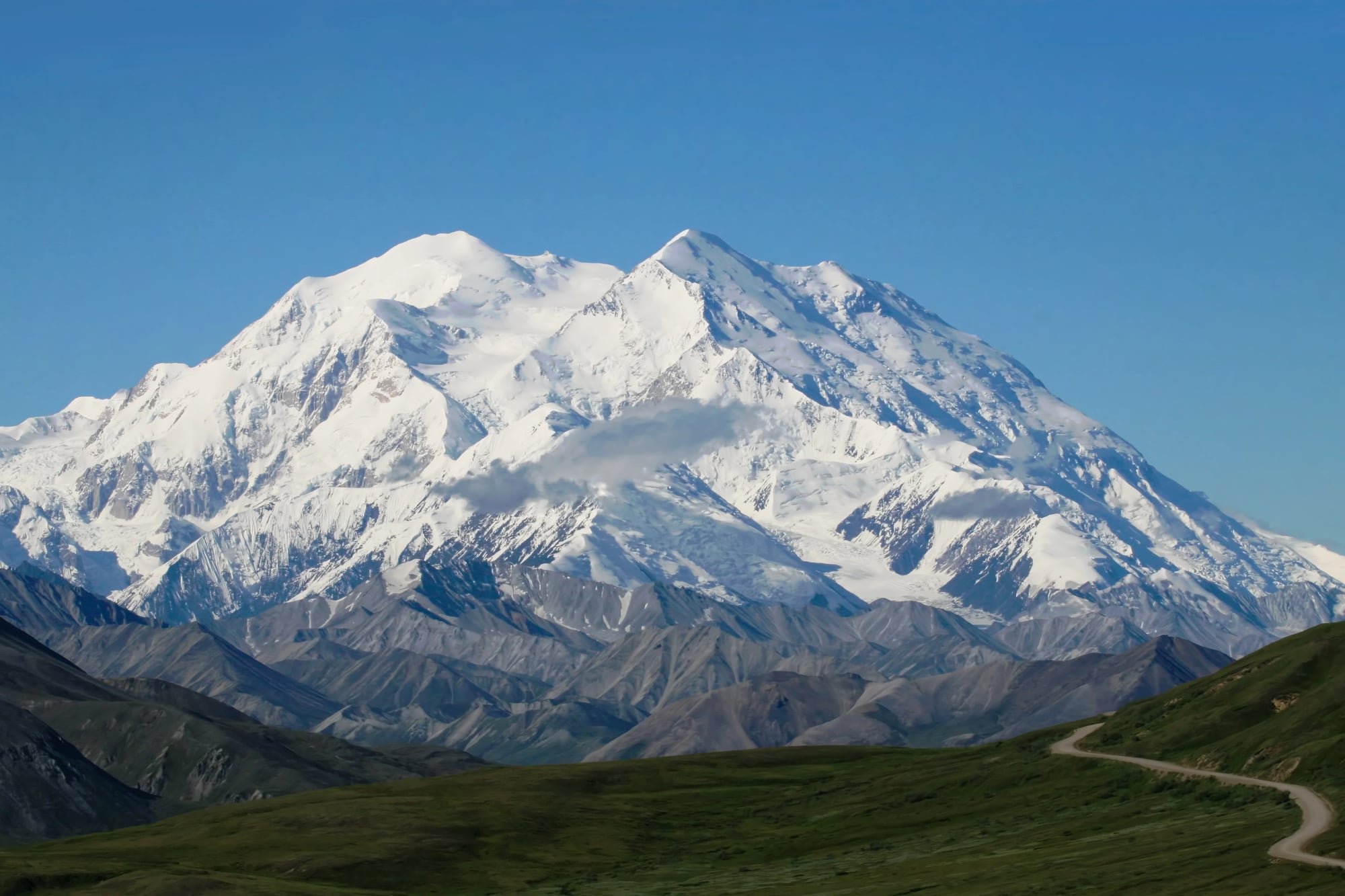
Early scientific expeditions to North America’s highest peak focused on mapping Alaska’s interior and understanding extreme cold-weather conditions. At 20,310 feet, Denali presents researchers with some of the most challenging conditions on Earth, making it perfect for studying how life survives in extreme environments.
Modern scientists continue to climb the mountain to research climate change effects on subarctic ecosystems and glacial behavior.
Mount Fuji
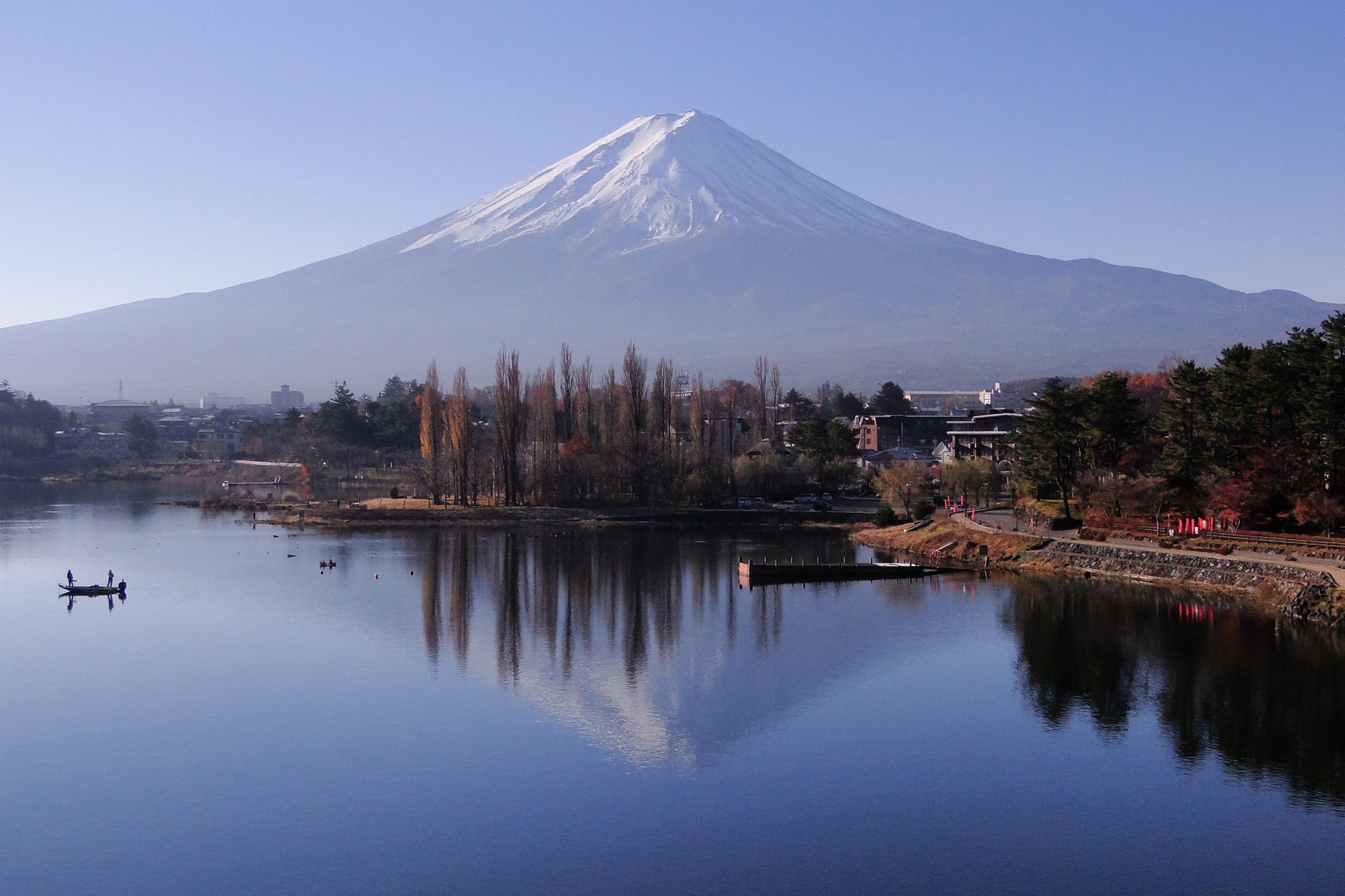
Japanese researchers have been climbing Mount Fuji for centuries to study volcanic activity and seismic patterns. This 12,389-foot stratovolcano serves as a natural laboratory for understanding how volcanic systems work and predicting eruptions.
Scientists regularly ascend Fuji to collect gas samples, monitor ground temperature, and study the mountain’s impact on regional weather patterns.
Mount Vesuvius
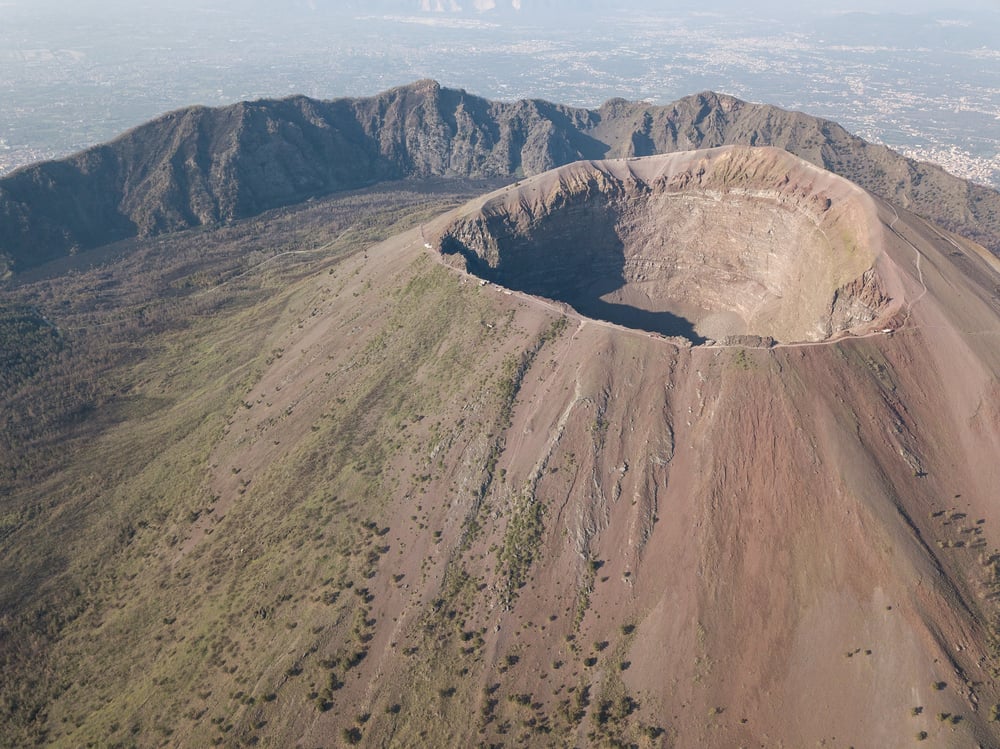
Following its famous eruption that destroyed Pompeii, scientists have been climbing Mount Vesuvius to understand volcanic behavior and improve eruption predictions. This 4,203-foot volcano near Naples has been scaled countless times by volcanologists studying lava composition and gas emissions.
The mountain’s proximity to populated areas makes these scientific climbs crucial for public safety and disaster preparedness.
Mount Rainier
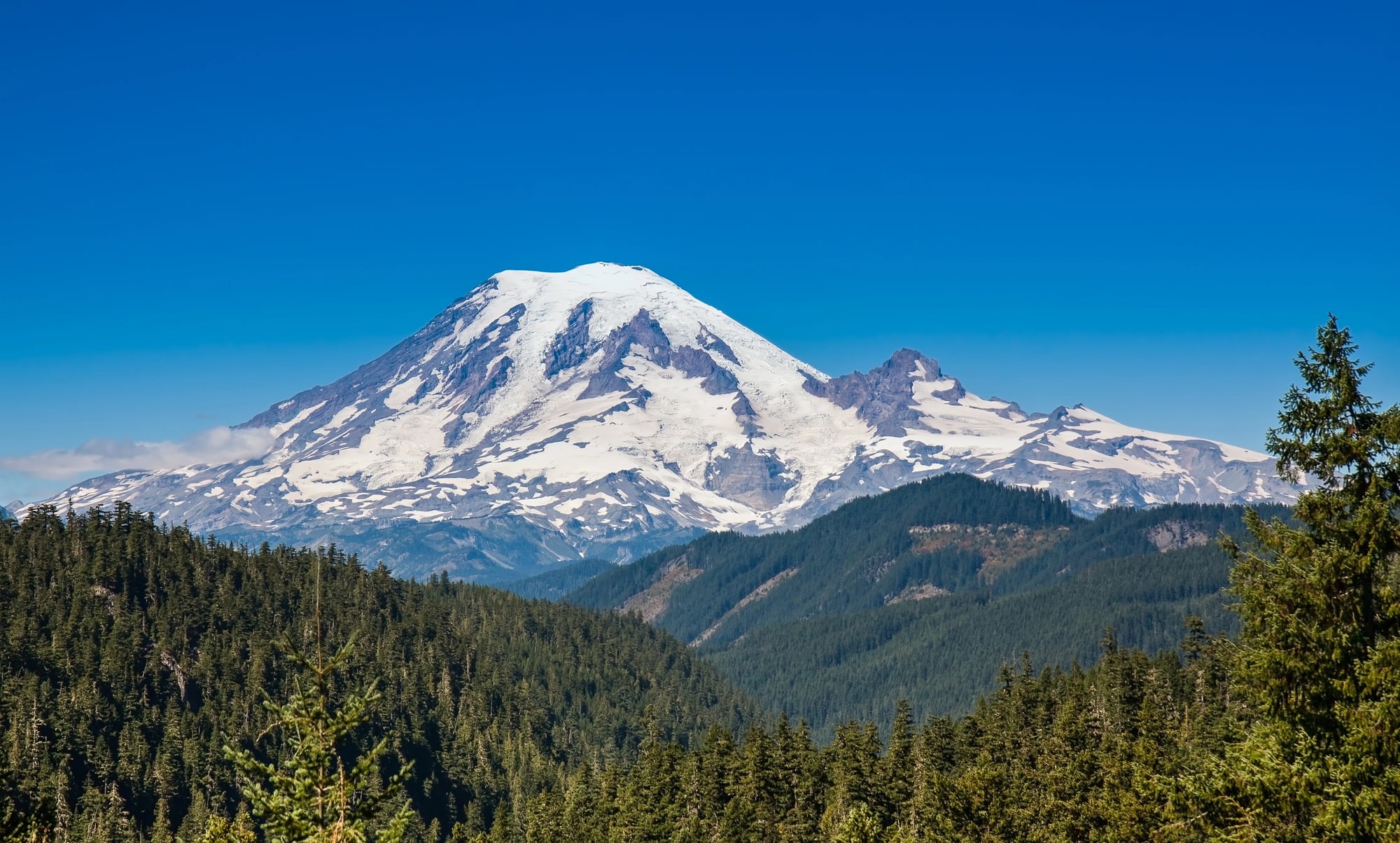
Scientists climb this 14,411-foot Cascade volcano primarily to study glacial systems and climate change impacts. Mount Rainier supports the largest glacial system in the contiguous United States, making it invaluable for understanding how ice behaves under changing conditions.
Researchers regularly ascend various routes to measure glacier thickness, movement rates, and the effects of warming temperatures on ice formation.
Mount Shasta
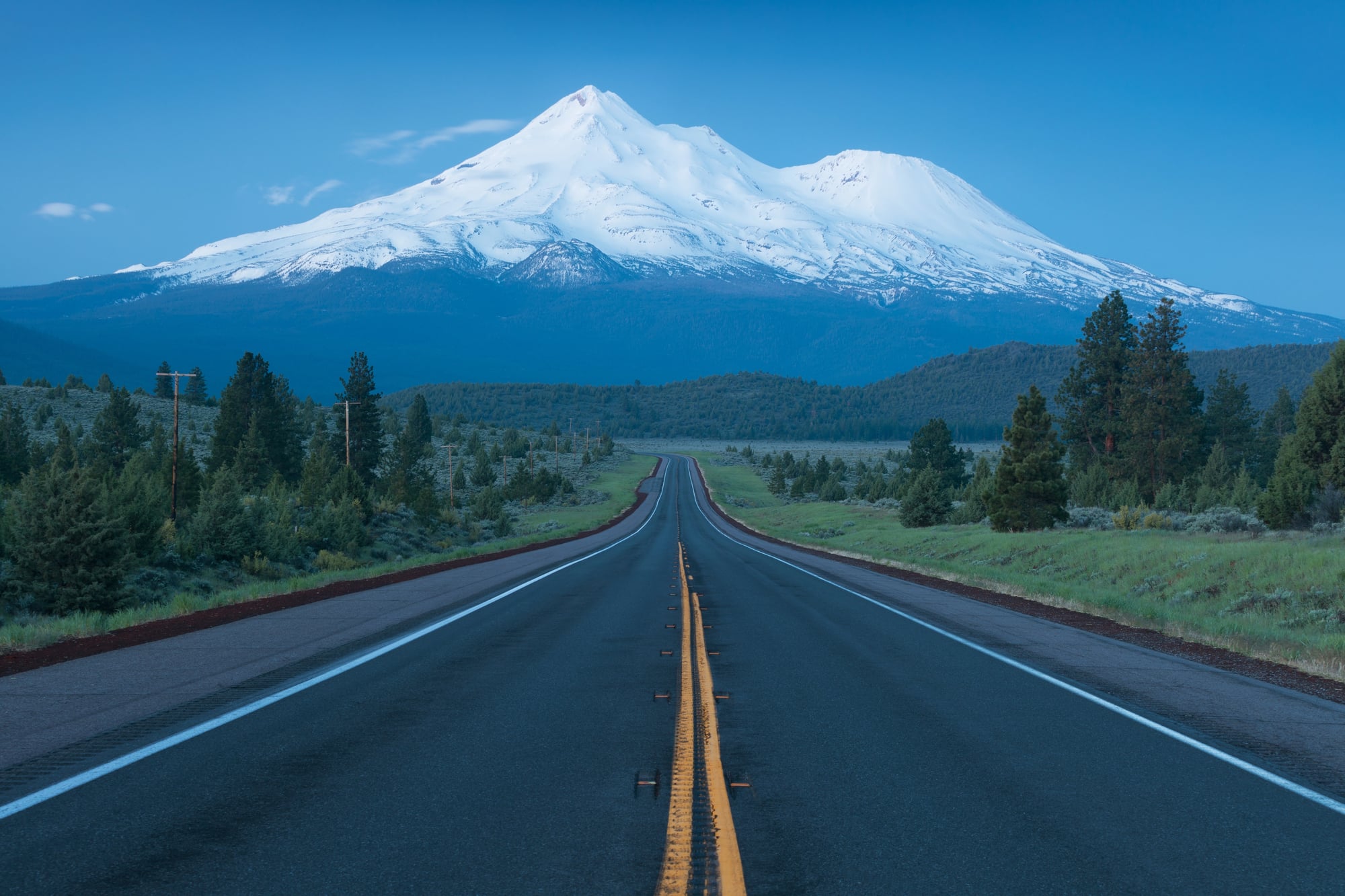
California’s Mount Shasta has attracted scientific expeditions focused on studying volcanic hazards and mountain meteorology. At 14,179 feet, this isolated peak creates its own weather systems, making it perfect for atmospheric research.
Geologists climb Shasta to study its volcanic history and assess future eruption potential, while meteorologists use the mountain to understand how topography influences weather patterns.
Pico de Orizaba
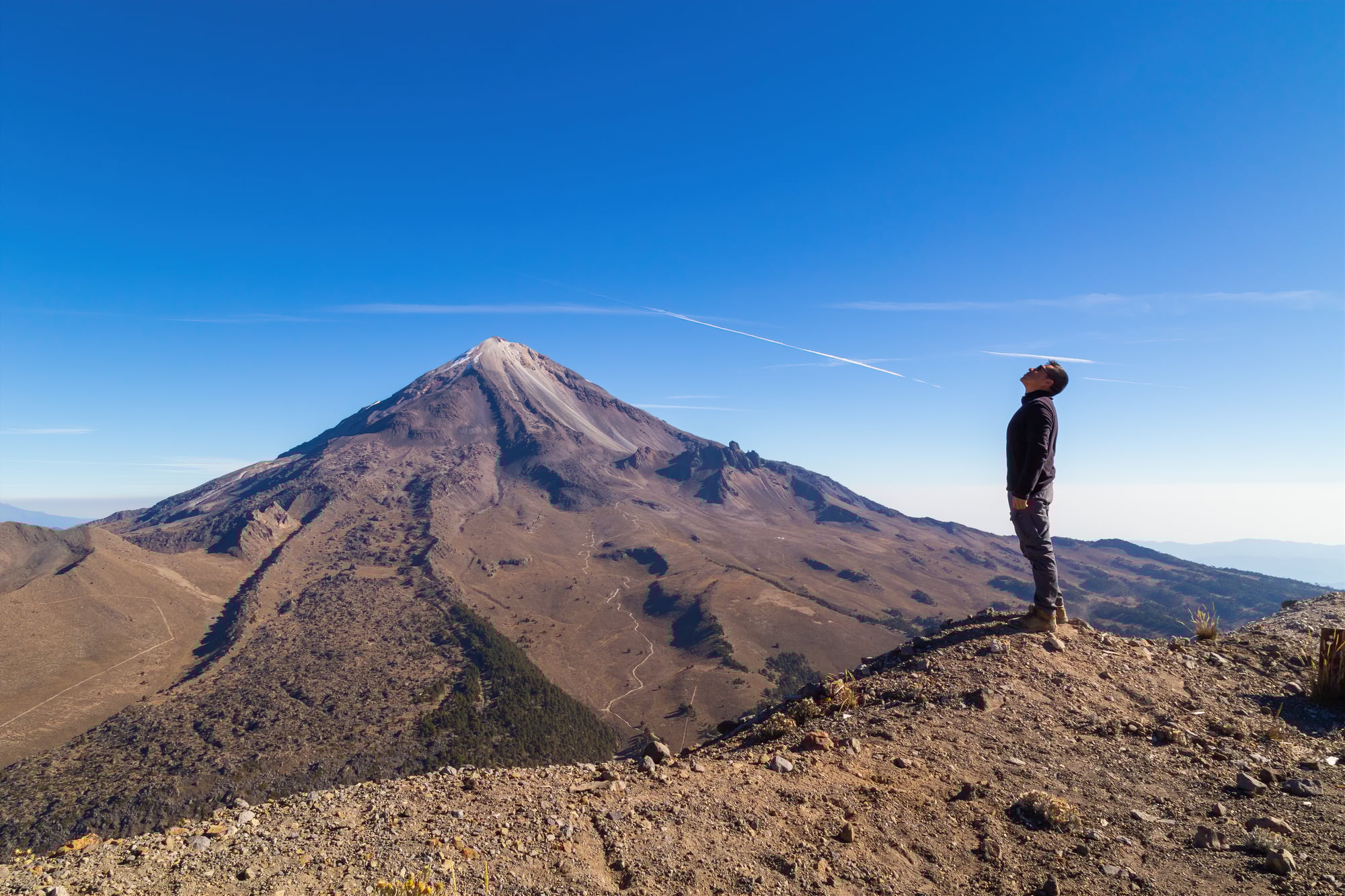
Mexico’s highest peak has been climbed by researchers studying tropical glaciology and volcanic activity. At 18,491 feet, Pico de Orizaba supports one of the few remaining glaciers in Mexico, making it crucial for climate change research.
Scientists regularly ascend this stratovolcano to monitor glacial retreat and study how warming temperatures affect ice at tropical latitudes.
Mount Hood
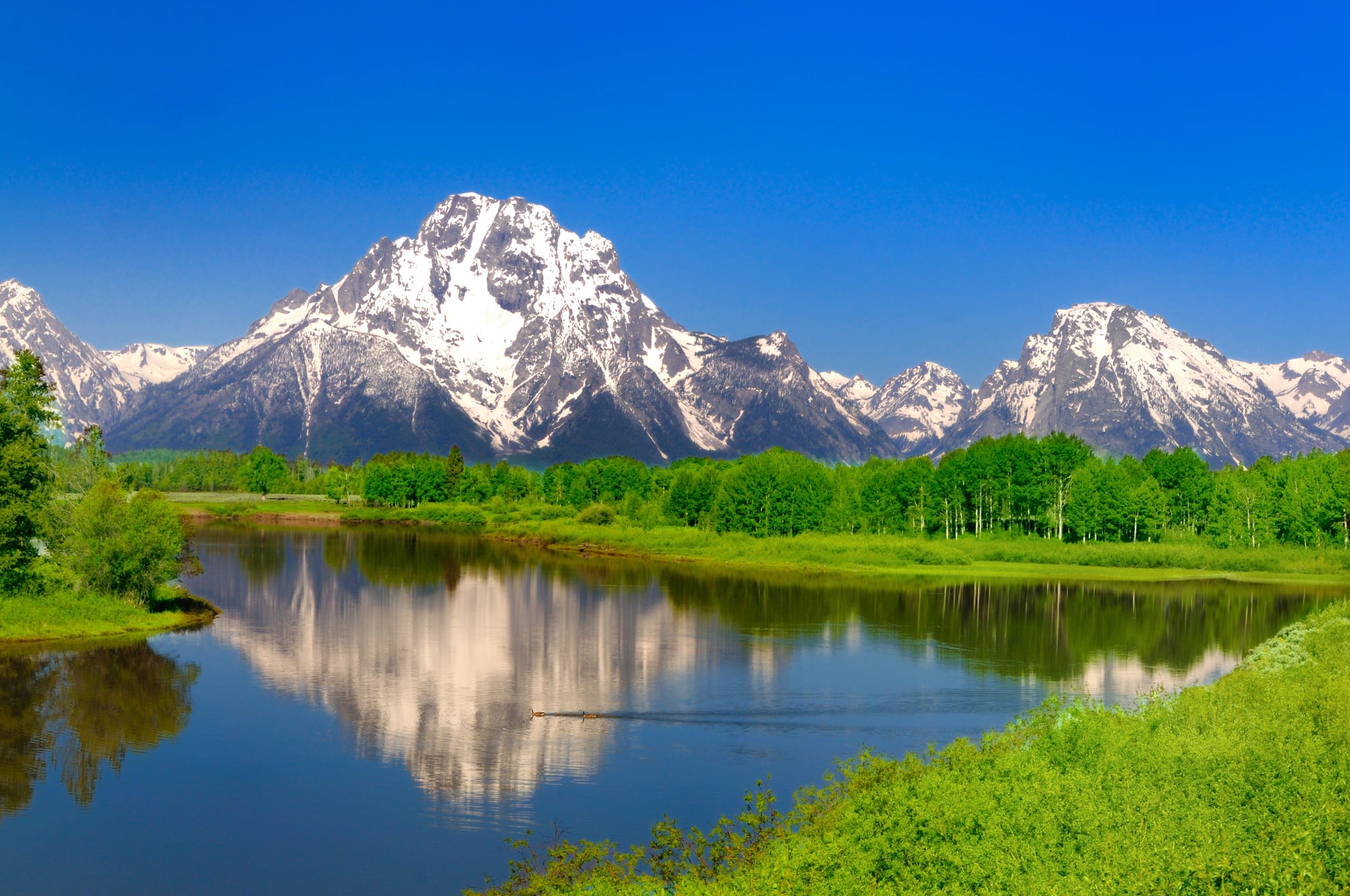
Oregon’s Mount Hood serves as a natural laboratory for studying volcanic hazards and glacial behavior in the Cascade Range. Scientists climb this 11,240-foot peak to monitor ground deformation, gas emissions, and glacial changes that could indicate future volcanic activity.
The mountain’s proximity to Portland makes these research climbs essential for understanding regional geological risks.
Mount Baker
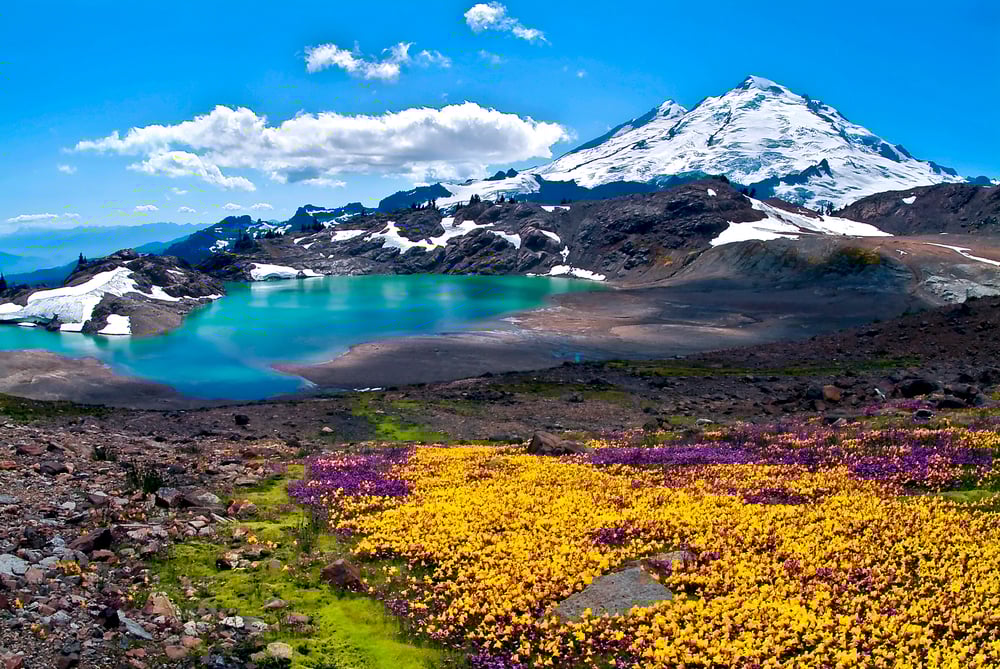
Researchers climb Mount Baker to study one of the most heavily glaciated peaks in the Cascades and its volcanic potential. This 10,781-foot volcano supports extensive ice fields that provide valuable data about climate change impacts on mountain glaciers.
Scientists regularly ascend Baker to collect ice core samples and monitor volcanic gas emissions that could signal increased activity.
Lassen Peak
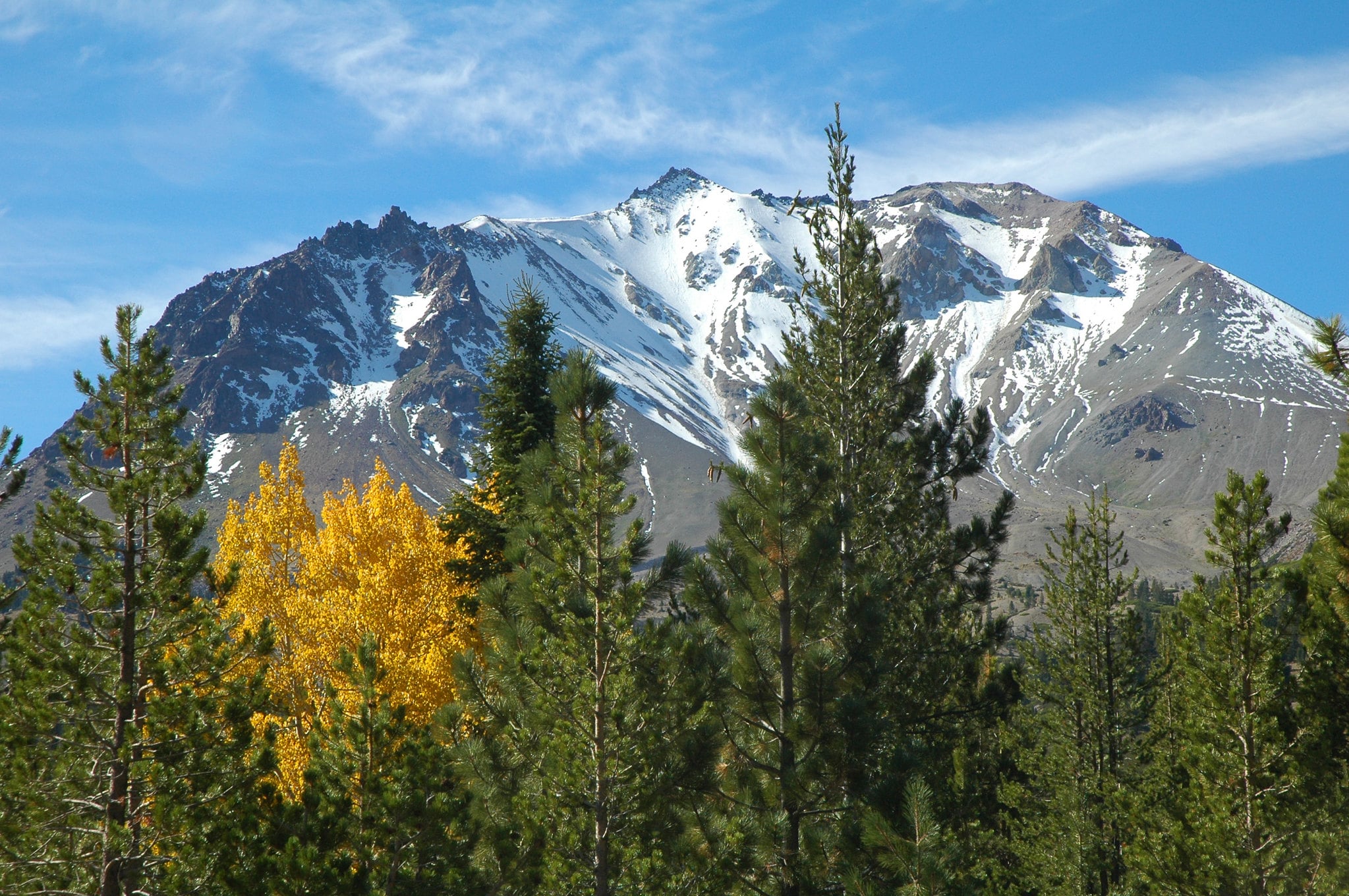
California’s Lassen Peak attracts volcanologists studying the southernmost volcano in the Cascade Range. At 10,457 feet, this dome volcano provides insights into a different type of volcanic system compared to its taller neighbors.
Scientists climb Lassen to study hydrothermal features, monitor ground temperature changes, and understand how dome volcanoes behave differently from stratovolcanoes.
Mount Evans
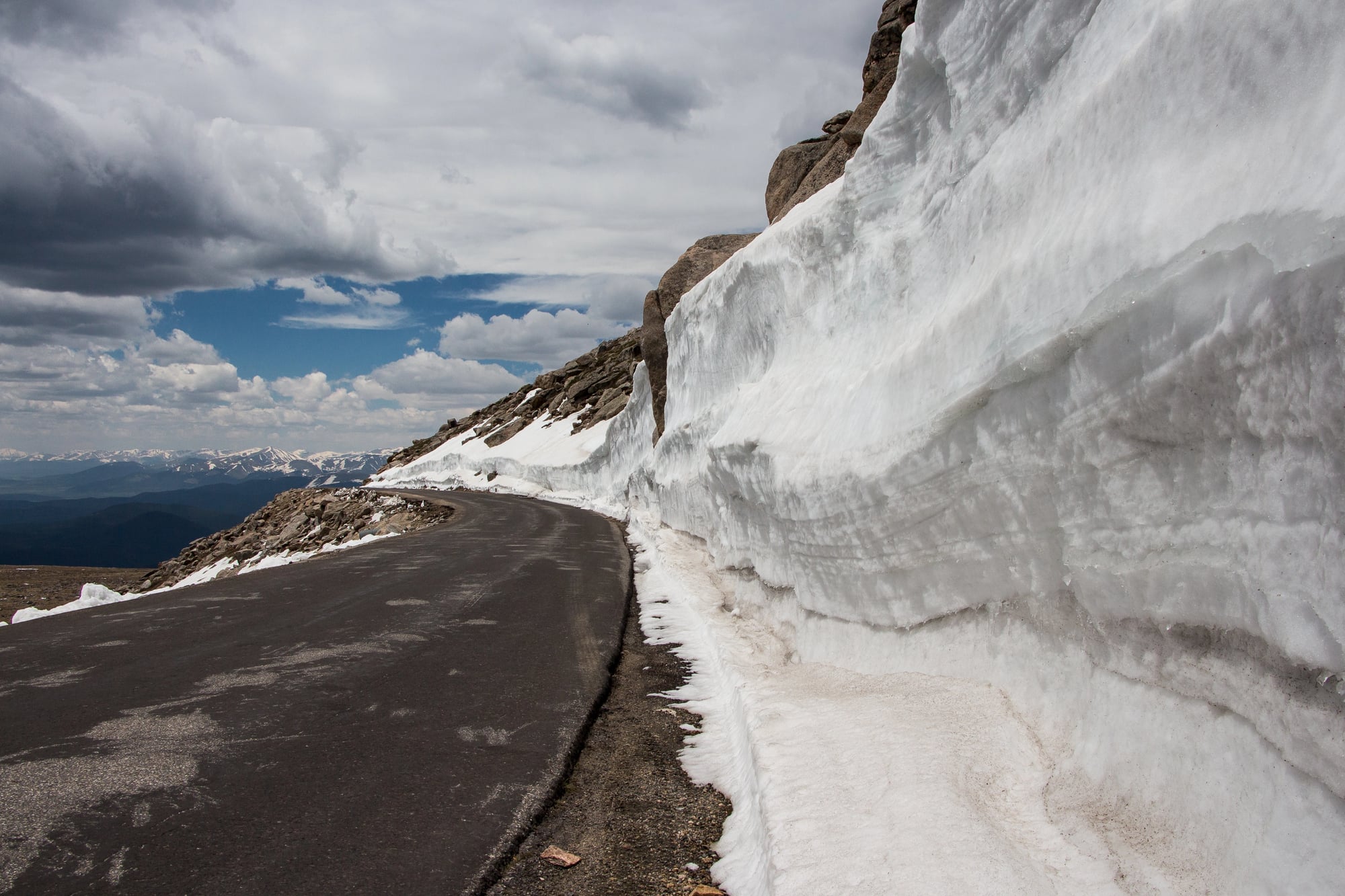
Colorado’s Mount Evans has been climbed extensively by researchers studying high-altitude ecology and atmospheric conditions. At 14,264 feet, this peak offers easy access for scientists studying how plants and animals adapt to extreme altitude.
The mountain’s road access allows researchers to transport equipment easily while still conducting studies at elevations where most life struggles to survive.
Mount Katahdin
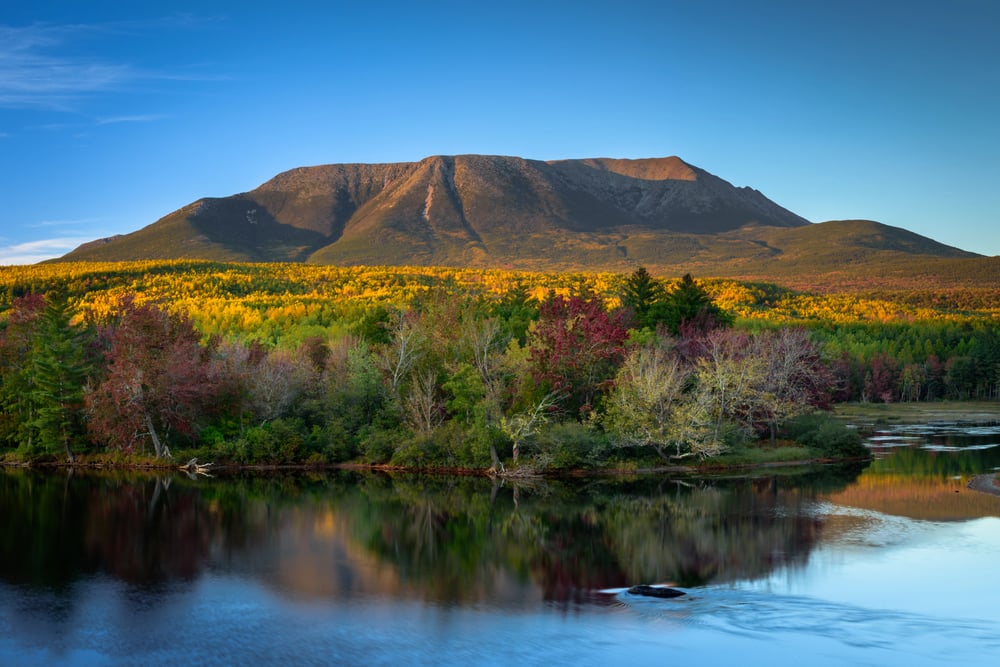
Maine’s highest peak attracts researchers studying northeastern forest ecology and climate change impacts on mountain ecosystems. At 5,267 feet, Mount Katahdin may not be the tallest mountain, but its position at the northern end of the Appalachian range makes it crucial for understanding how climate affects mountain forests.
Scientists climb Katahdin to study treeline changes and monitor how warming temperatures alter high-elevation plant communities.
Where Science Meets Sky
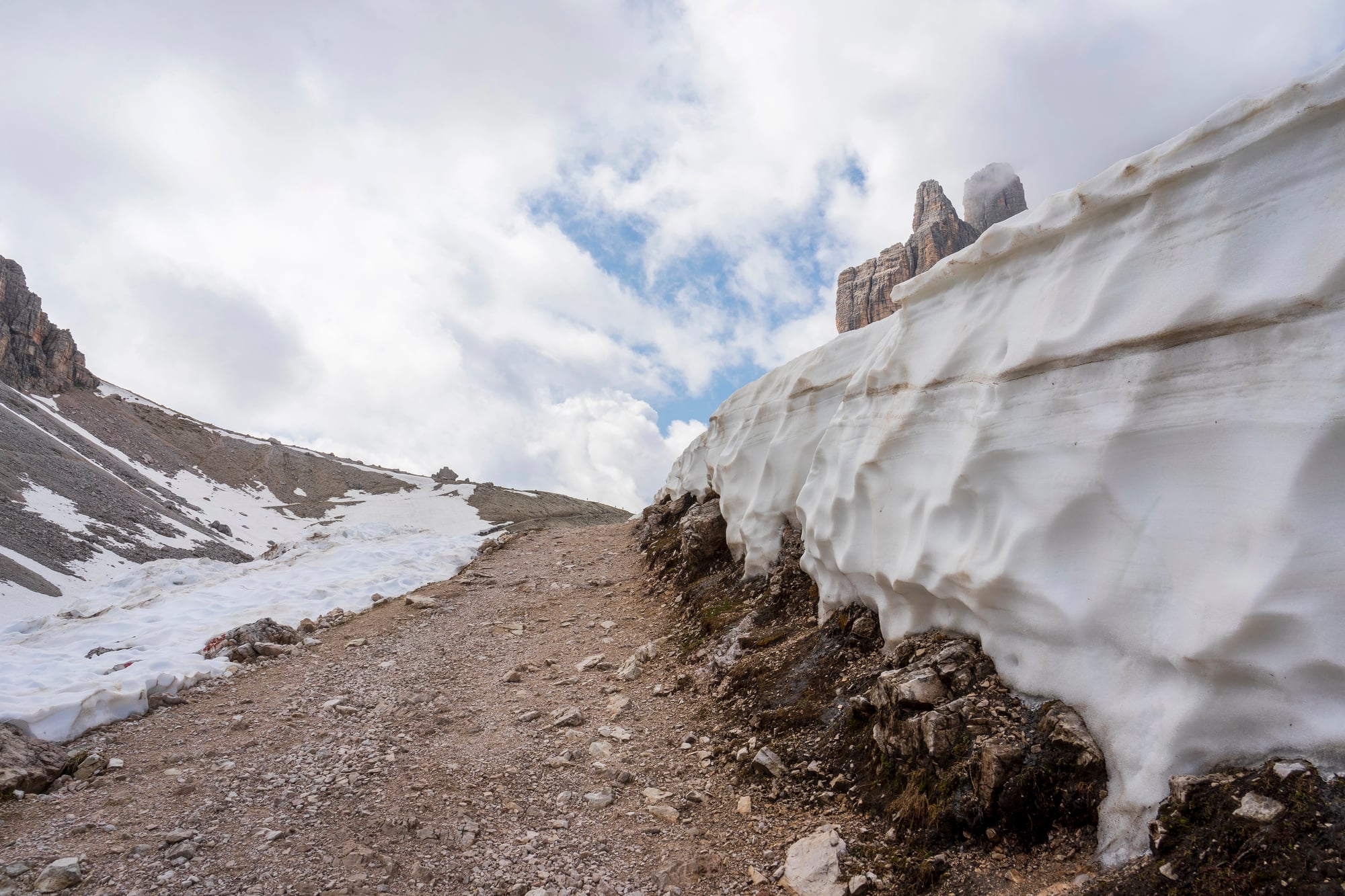
These scientific ascents have fundamentally changed how we understand our planet, from the atmosphere above to the molten rock below. Early naturalists like Humboldt risked their lives carrying primitive instruments up dangerous slopes, while modern researchers use sophisticated technology to unlock mountains’ secrets.
Their combined efforts have given us weather forecasting, climate change models, and eruption prediction systems that save countless lives today. The next time you check a weather app or hear about volcanic activity warnings, remember that much of that knowledge came from scientists willing to climb toward the clouds in pursuit of understanding.
More from Go2Tutors!

- The Romanov Crown Jewels and Their Tragic Fate
- 13 Historical Mysteries That Science Still Can’t Solve
- Famous Hoaxes That Fooled the World for Years
- 15 Child Stars with Tragic Adult Lives
- 16 Famous Jewelry Pieces in History
Like Go2Tutors’s content? Follow us on MSN.