Images Of 15 Cars From The 80s That Looked Like The Future
The 1980s were a strange time for car design. Computers were becoming mainstream, sci-fi movies painted pictures of sleek chrome futures, and automakers decided to throw caution to the wind.
Some of the most radical, space-age vehicles ever produced rolled off assembly lines during this decade. These weren’t just cars with sharp angles or digital dashboards — they were transportation devices that seemed beamed down from another century entirely.
Looking back, many of these designs feel more futuristic today than when they first appeared on showroom floors.
Lamborghini Countach
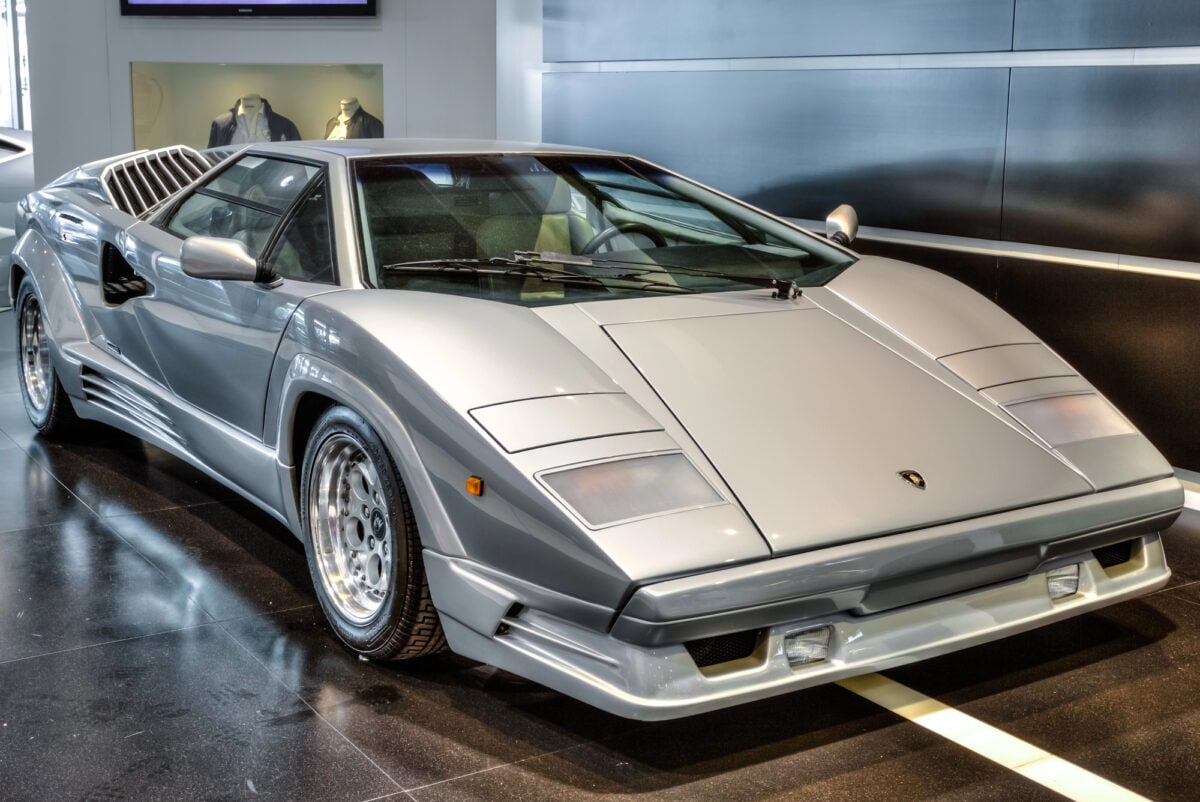
The Countach wasn’t subtle about anything. Sharp angles cut through air like a knife, doors opened upward like spacecraft hatches, and the entire vehicle sat so low it barely cleared speed bumps.
This wasn’t transportation — it was sculpture.
DeLorean DMC-12
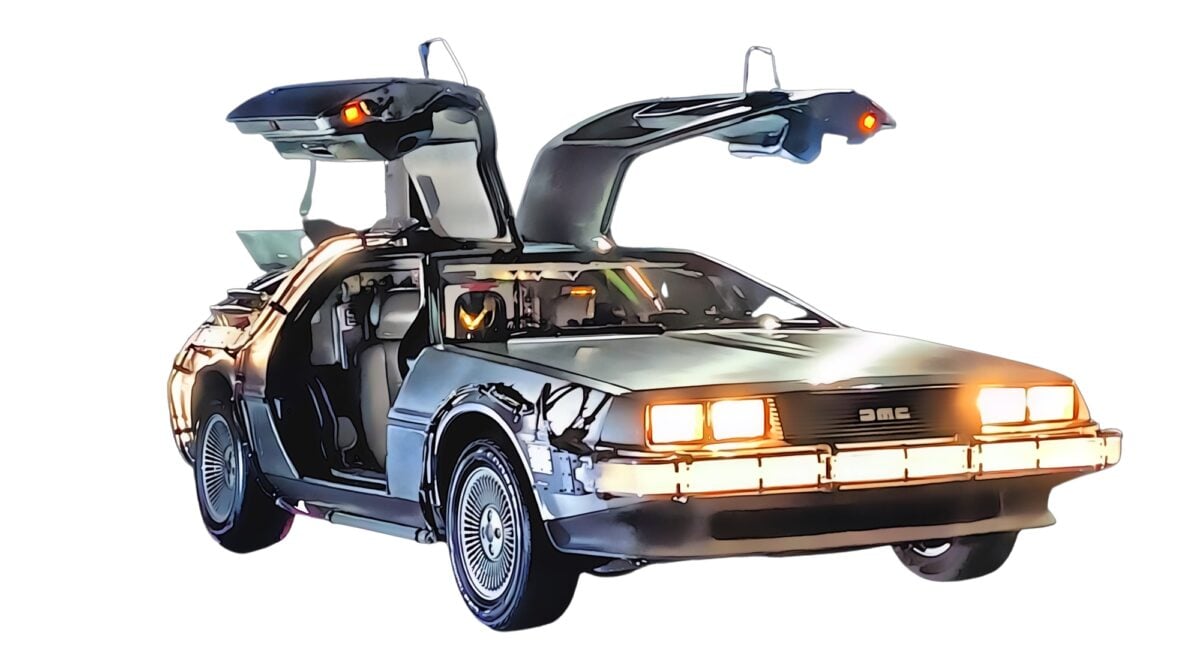
That brushed stainless steel body made every other car look ordinary. The gull-wing doors opened like metal wings, and the entire vehicle had this industrial, unfinished quality that somehow felt more advanced than polished chrome.
Even without the time travel associations, the DMC-12 looked like it belonged in a different decade.
Lotus Esprit Turbo
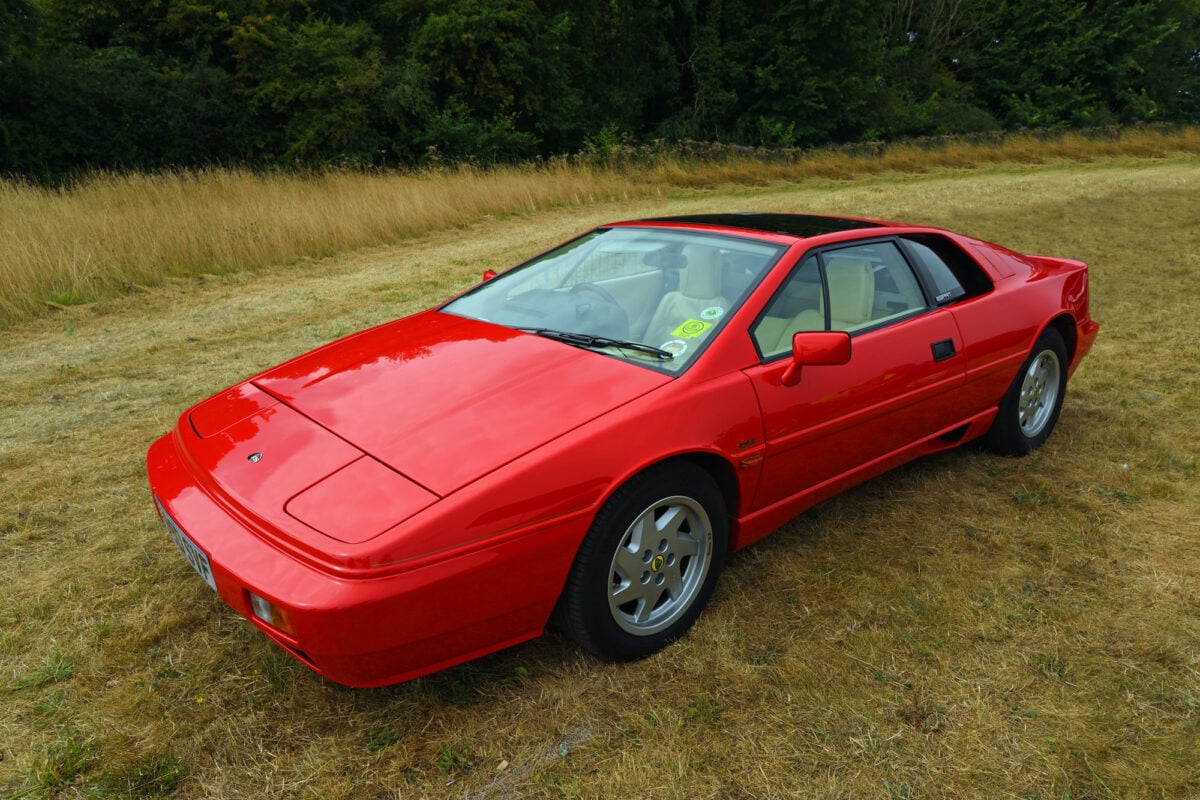
Here was a car that seemed designed by someone who’d spent too much time sketching triangles, and the result was something that looked capable of underwater travel (which, in one famous movie appearance, it actually was). The Esprit’s wedge shape was so extreme that it made other sports cars look rounded by comparison.
When you watched one drive past, there was this brief moment where your brain had to process whether you’d just seen a vehicle or some kind of low-flying aircraft that had momentarily touched down on the highway.
But what made the Esprit truly feel like tomorrow’s transportation wasn’t just the aggressive geometry — it was the way all those sharp lines seemed to serve a purpose, as if aerodynamics had been taken to their logical extreme and this sleek, predatory shape was the inevitable result. Even parked, it looked fast.
Vector W8
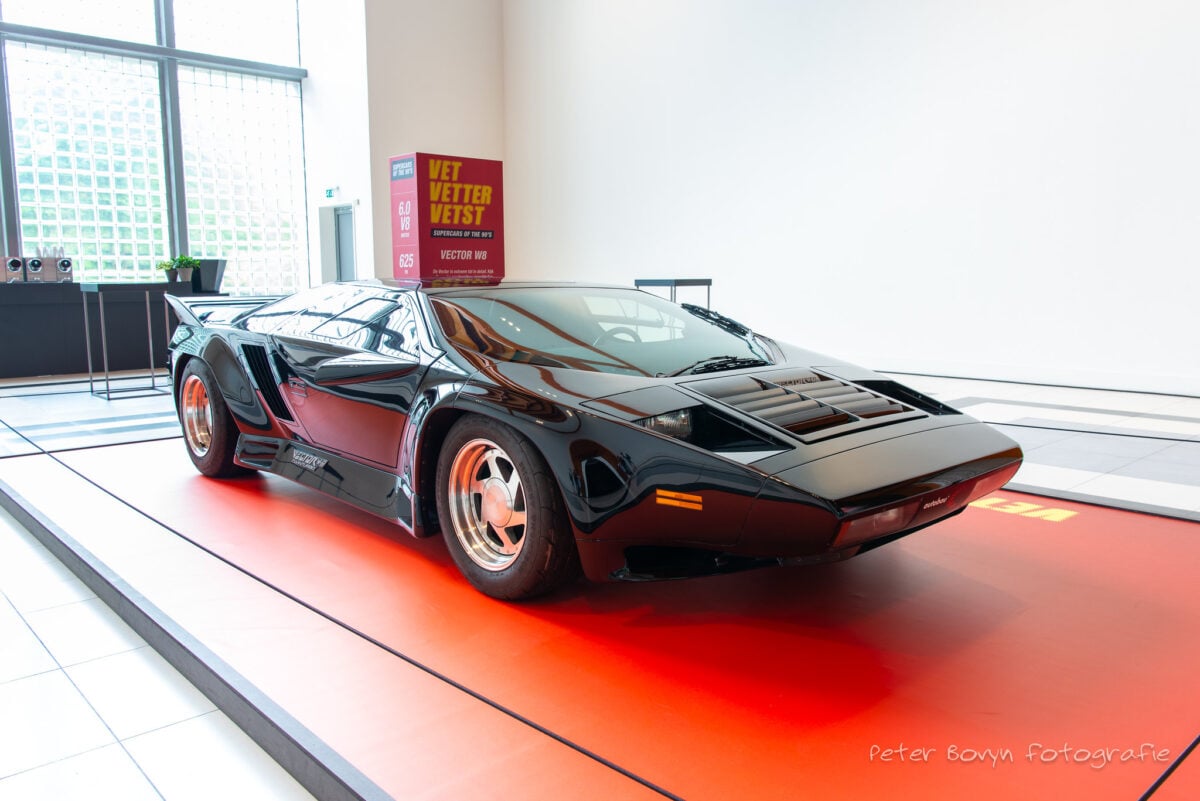
Vector took the concept of automotive excess and turned it into engineering philosophy. Twin turbochargers, aerospace-grade materials, and a top speed that made highway patrol officers nervous.
The W8 looked like a fighter jet that had lost its wings.
BMW M1

The M1 proved that German engineering could produce something genuinely wild. Those distinctive side vents weren’t just decoration — they were functional art.
The entire vehicle managed to look both aggressive and refined, like a business suit designed for someone who regularly exceeded triple-digit speeds.
Aston Martin Bulldog
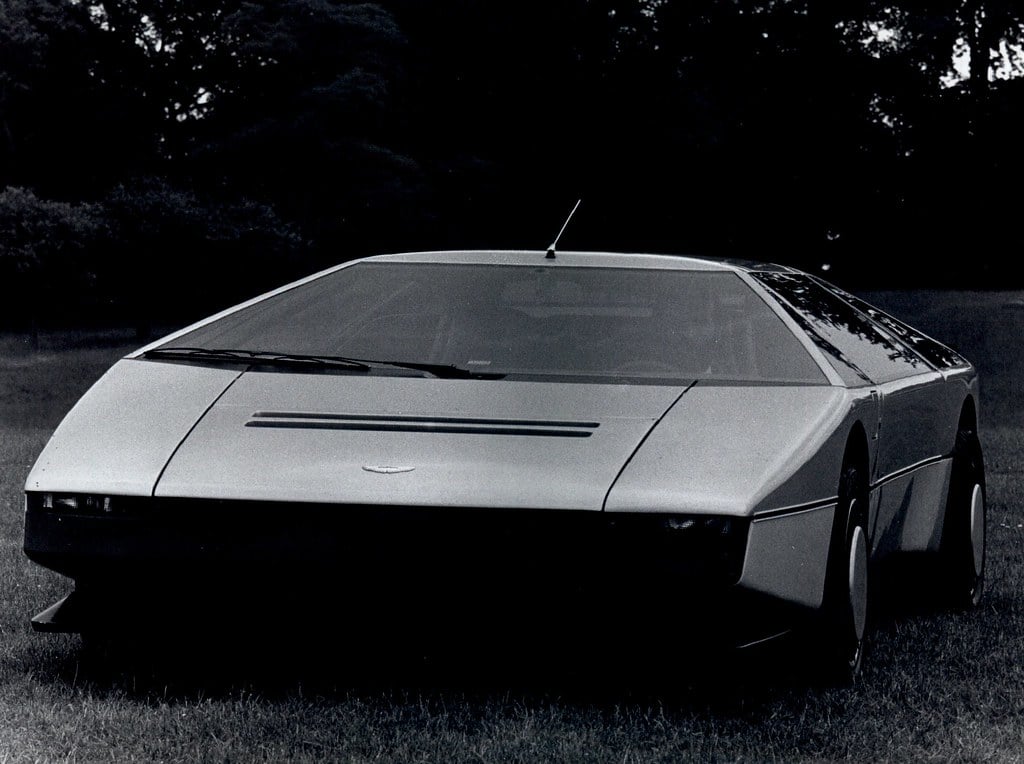
Only one was ever built, which makes sense because the world probably wasn’t ready for more than that. The Bulldog was Aston Martin’s attempt to out-futurize everyone else, and the result was a vehicle that looked like it had been designed by someone who took the concept of “aerodynamic” and ran it through a computer until all the curves had been replaced by precise angles and dramatic lines that seemed to bend light around them.
The most striking thing about the Bulldog wasn’t any single design element — it was the way everything worked together to create something that looked fast even when sitting perfectly still.
Those pop-up headlights, when raised, gave the front end an almost insect-like quality, and the overall proportions were so low and wide that it seemed to hug the ground like it was afraid of accidentally taking flight.
Ferrari Testarossa
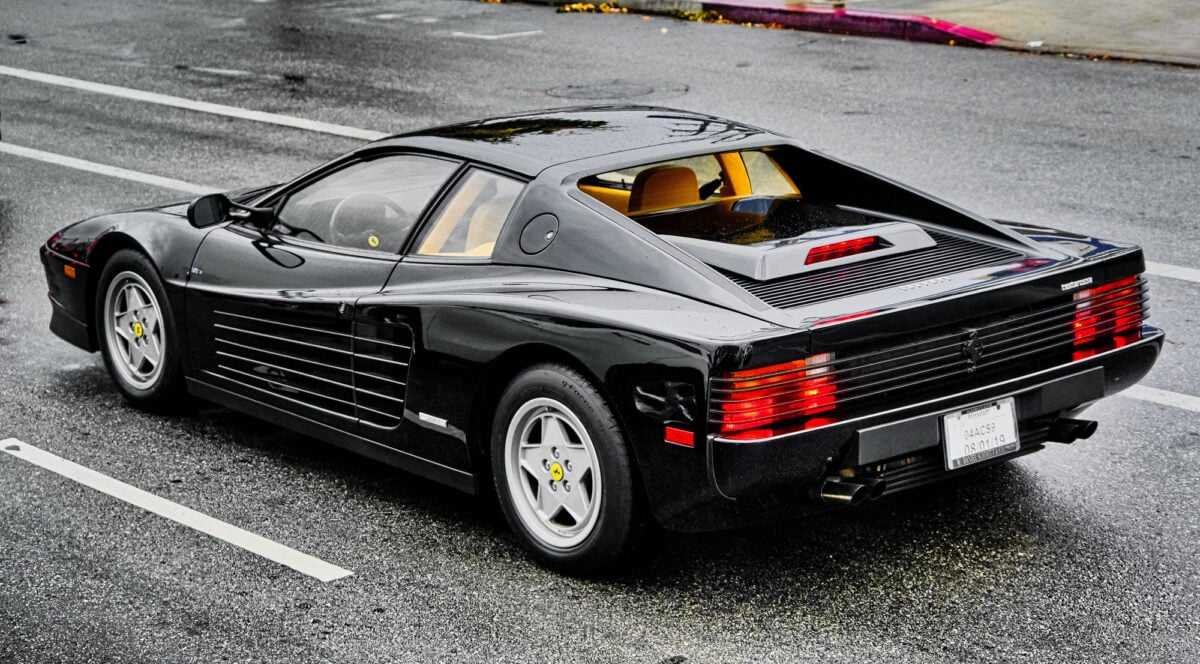
Those side strakes became instantly recognizable. Twelve cylinders, red cam covers visible through the rear window, and proportions that made every other car look timid.
The Testarossa didn’t just look fast — it looked expensive in a way that suggested speed was just one of many luxuries it offered.
Pontiac Fiero
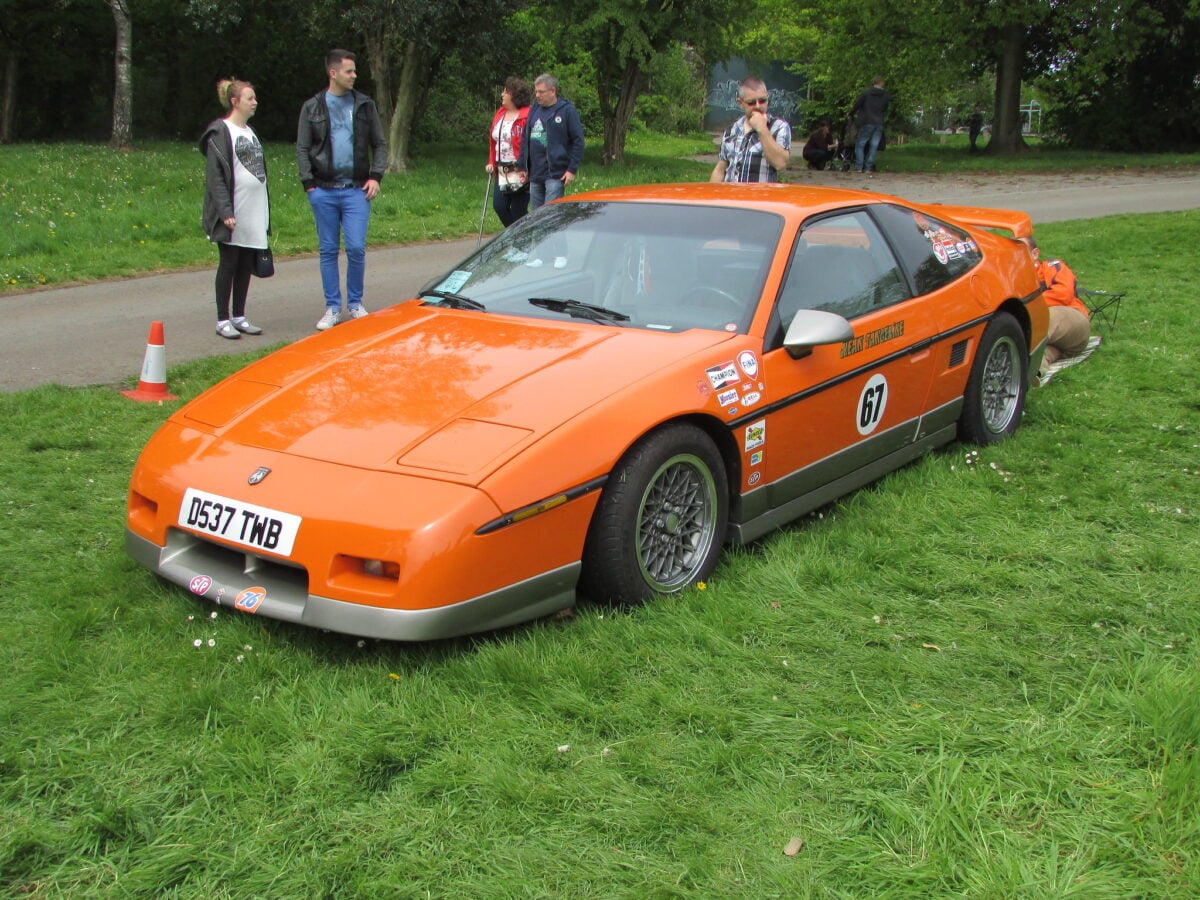
General Motors decided to build a mid-engine sports car and somehow made it look like personal transportation from the year 2050. The Fiero’s plastic body panels and angular design felt more like industrial design than automotive styling.
It was affordable futurism for the masses.
Buick Questor
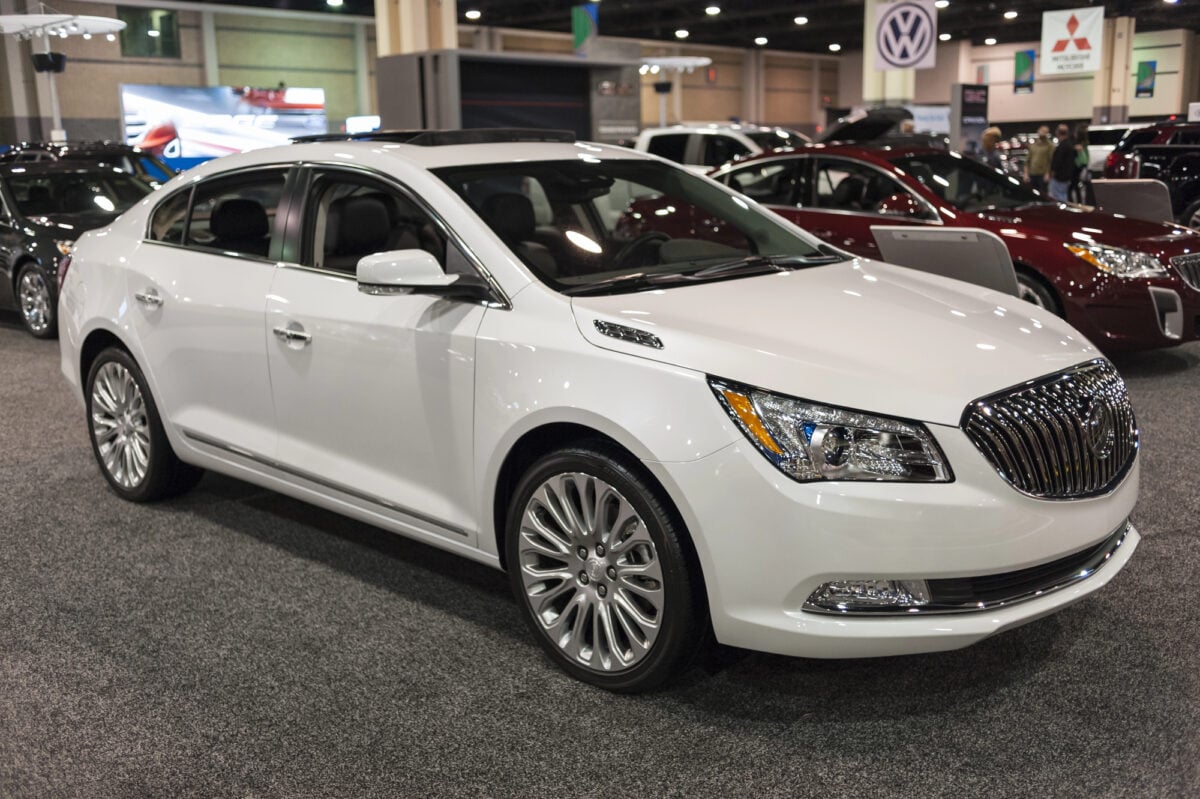
This concept car existed in that strange space between dream and reality, where automotive designers get to ignore practical concerns like “will people actually buy this” and focus entirely on answering the question of what transportation might look like if freed from conventional thinking.
The Questor’s most striking feature was how it managed to look both organic and mechanical at the same time, with curves that seemed natural until you realized they’d been calculated to achieve something no natural form would ever need to achieve.
The interior was equally unconventional, with controls and displays that seemed borrowed from aircraft cockpits rather than traditional automotive dashboards.
Ford Probe IV

Ford’s concept division apparently decided that aerodynamics were more important than looking like anything that had ever been called a car before. The Probe IV achieved a drag coefficient that made engineers happy and a visual impact that made everyone else wonder what they were looking at.
Pure function, translated into form.
Citroën BX
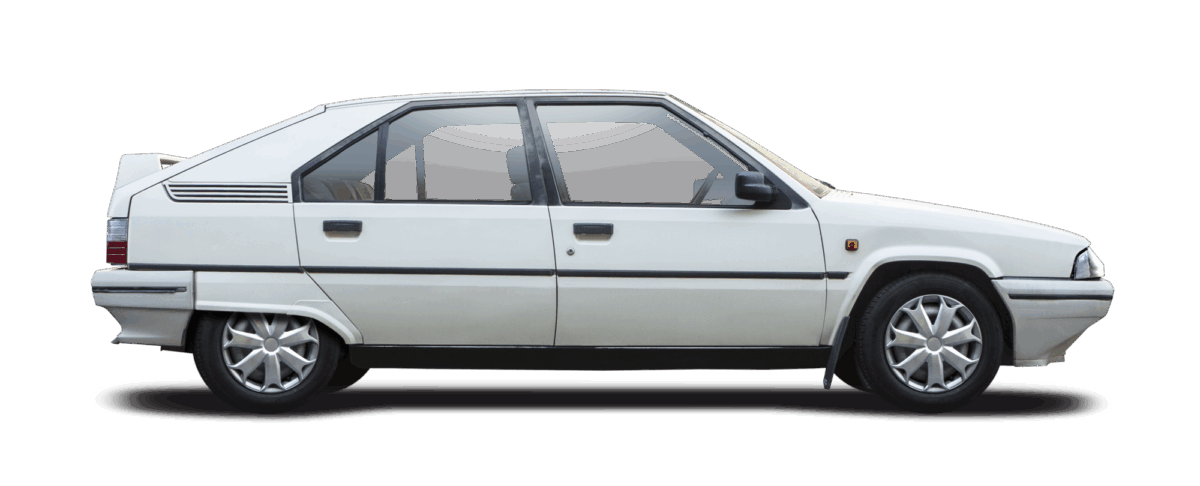
French automotive design has always followed its own logic. The BX took that independence and turned it into something that looked like it had been transported from several decades in the future.
Angular, efficient, and completely uninterested in looking like anything else on the road.
Lancia Stratos HF
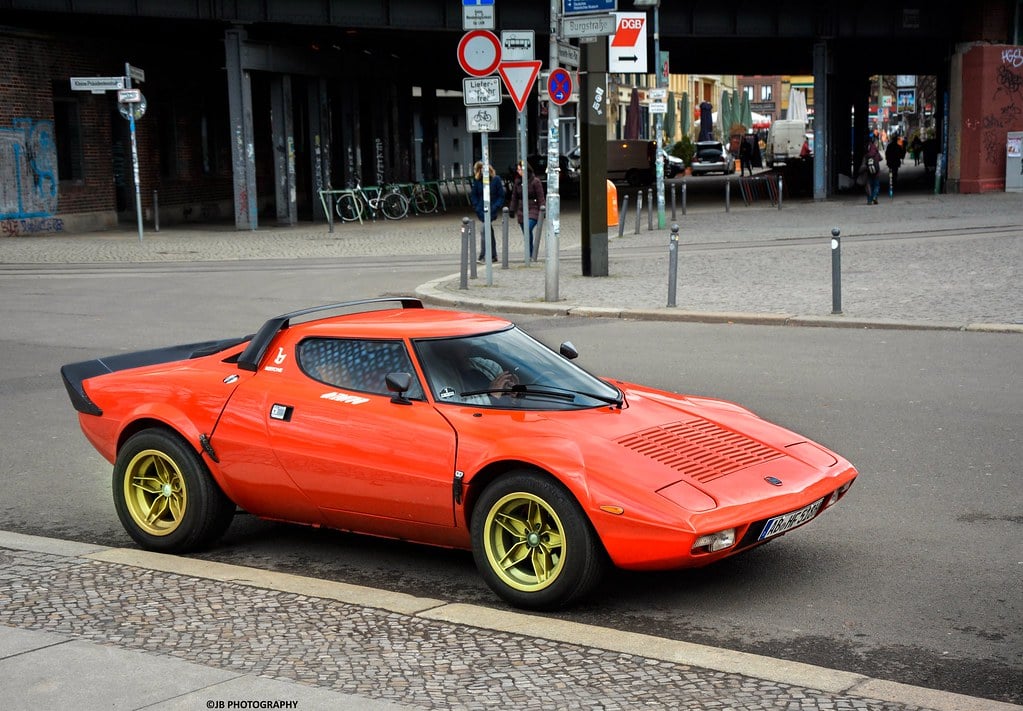
Rally racing demanded something that could handle any terrain at high speed, so Lancia built what was essentially a race car with license plates. The Stratos was short, wide, and looked like it had been designed by someone who understood that sometimes the most beautiful solution is also the most functional one.
The wedge shape wasn’t just dramatic — it was purposeful in ways that became obvious the moment you watched one navigate a tight mountain road.
Every line served performance, but the result was something that looked like sculpture in motion.
Nissan MID4
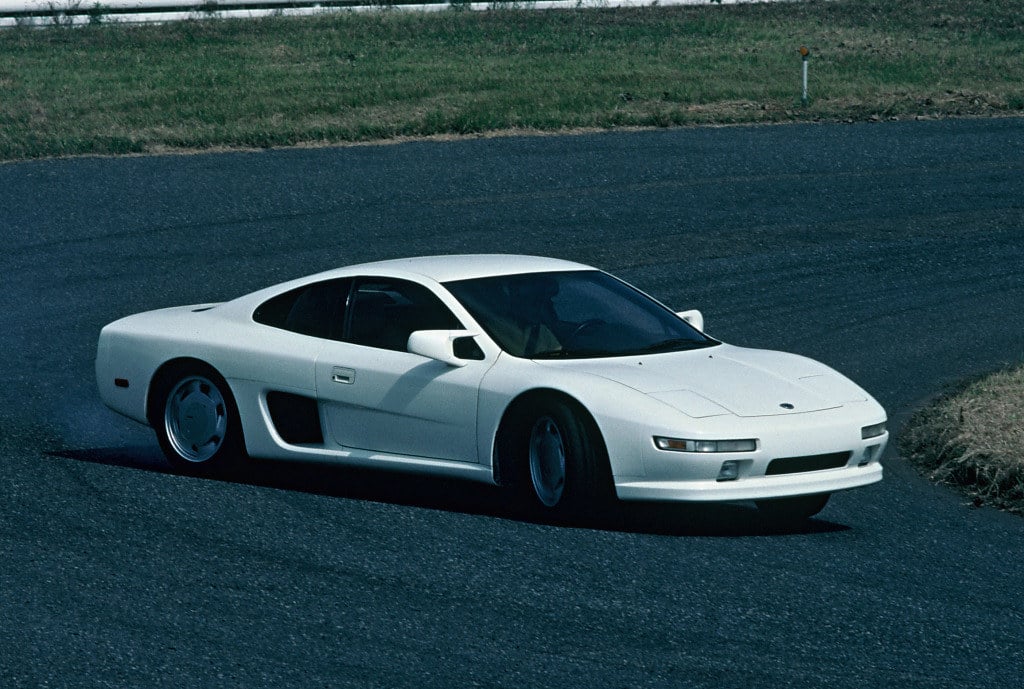
Nissan’s engineers apparently looked at the concept of all-wheel drive and decided it needed to be reimagined from the ground up, then wrapped their mechanical innovations in bodywork that seemed determined to make every other sports car look conservative.
The MID4 combined technical sophistication with visual drama in ways that suggested the future of performance driving would be both faster and more complex than anything currently available.
But the most impressive thing about the MID4 wasn’t its advanced drivetrain or striking appearance — it was how those elements worked together to create something that felt inevitable, as if this particular combination of technology and design represented a logical next step that everyone else had somehow missed.
The interior felt equally advanced, with digital displays and controls that seemed borrowed from much more expensive vehicles.
Maserati Boomerang
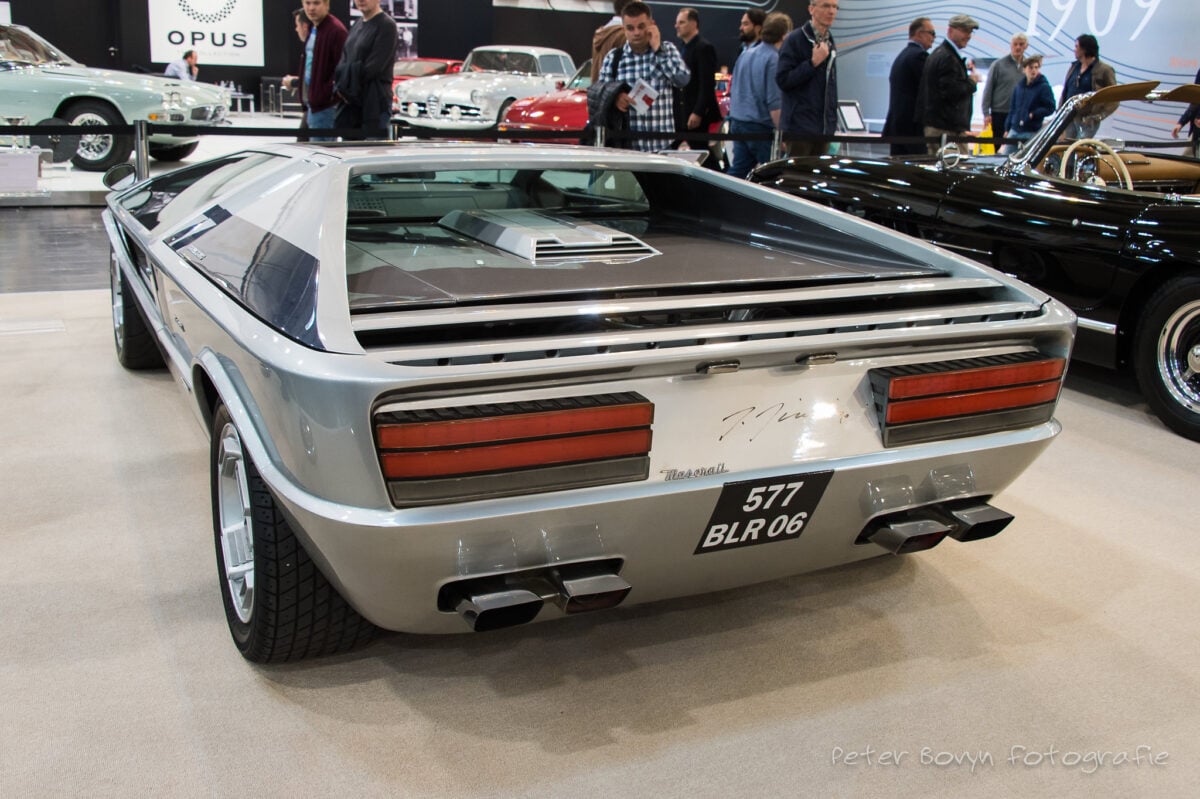
Sharp angles don’t get much sharper than this. The Boomerang looked like automotive origami, with creases and folds that created dramatic shadow lines along every surface.
Maserati proved that Italian design could embrace geometric precision without losing emotional impact.
Alfa Romeo Carabo
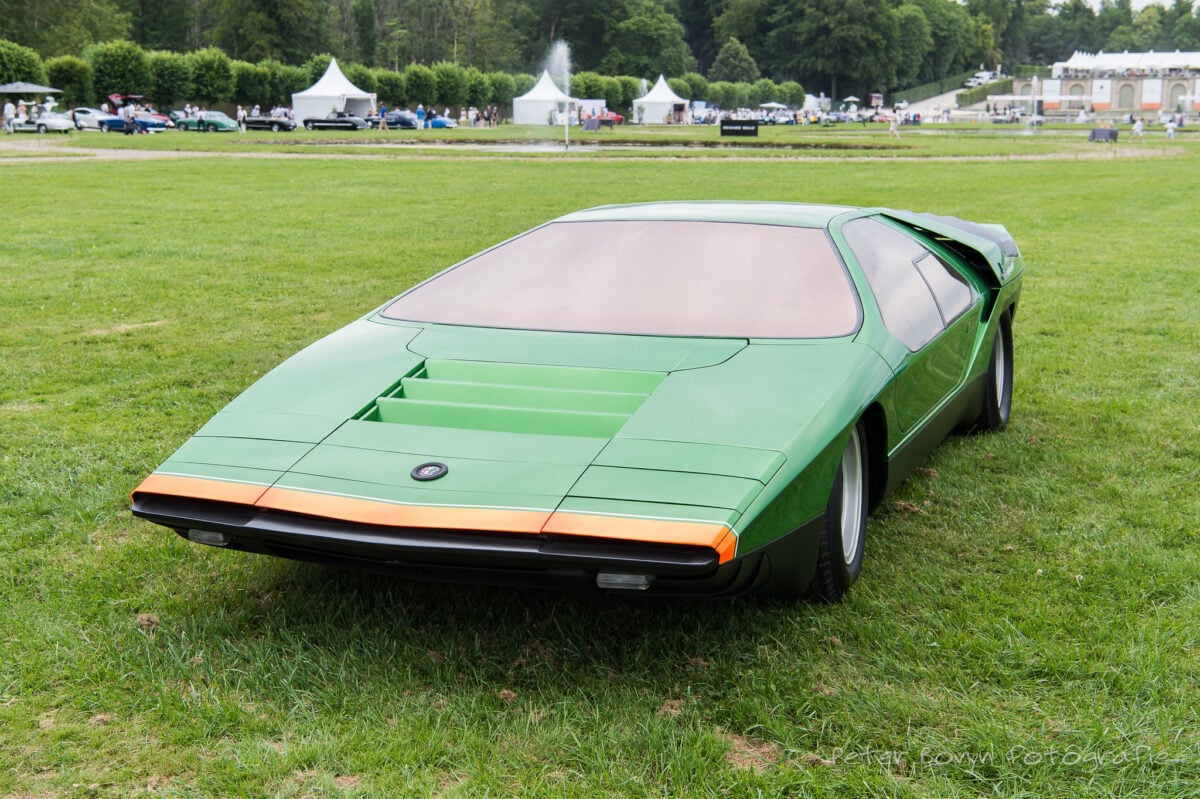
The Carabo took the wedge shape to its logical extreme and then kept going. Bertone’s design house created something that looked more like a land-speed record car than regular transportation.
Those dramatic proportions and that distinctive orange paint made it impossible to ignore.
When Tomorrow Arrived Ahead Of Schedule
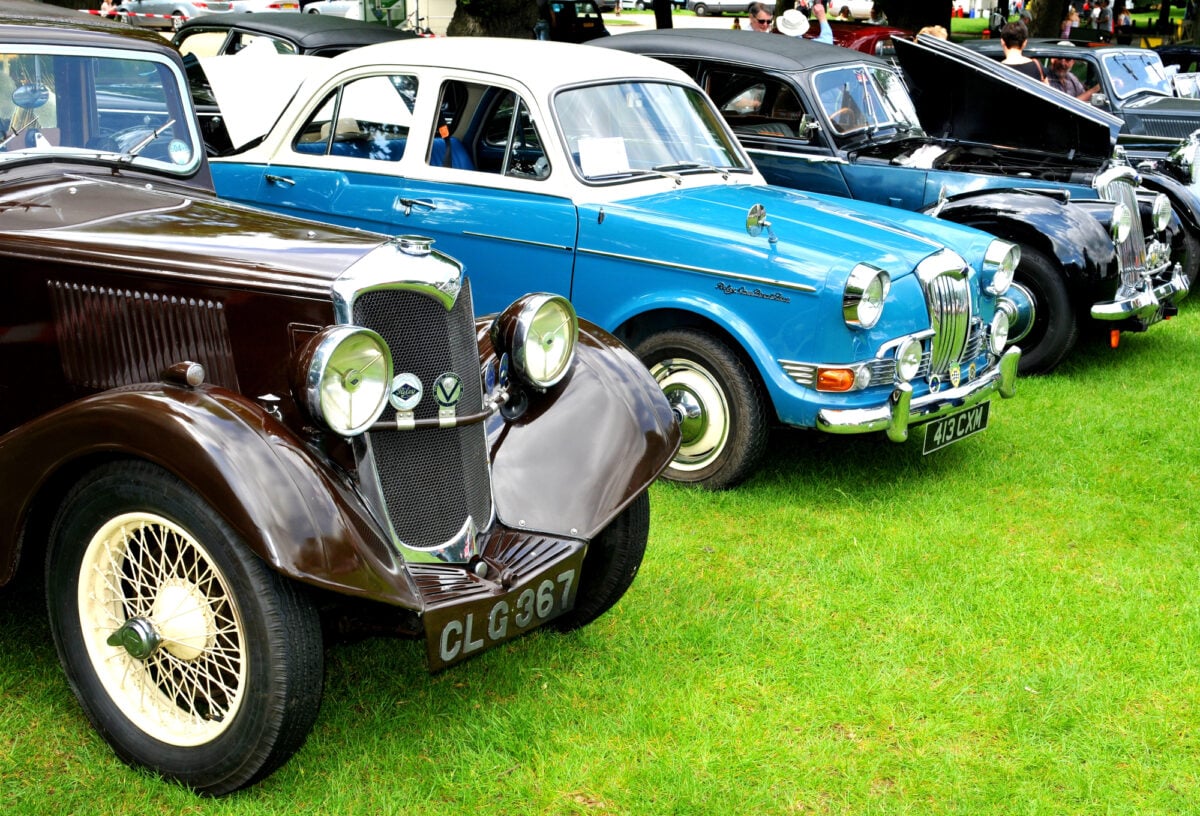
These vehicles represented something more than automotive design — they were attempts to materialize the future in the present tense. Some succeeded commercially, others remained concepts or curiosities, but all of them pushed the boundaries of what cars could look like when freed from conventional expectations.
Looking at them now, decades later, many still appear more advanced than vehicles rolling off assembly lines today. That kind of lasting visual impact is rare in any field, but in automotive design, where function and form must coexist, it borders on miraculous.
More from Go2Tutors!

- The Romanov Crown Jewels and Their Tragic Fate
- 13 Historical Mysteries That Science Still Can’t Solve
- Famous Hoaxes That Fooled the World for Years
- 15 Child Stars with Tragic Adult Lives
- 16 Famous Jewelry Pieces in History
Like Go2Tutors’s content? Follow us on MSN.



