16 Forgotten Civil War Sites Across the American South and Their Stories
The Civil War left scars across the Southern landscape that time has both healed and hidden. While Gettysburg and Antietam draw crowds with their polished visitor centers and well-marked trails, dozens of equally significant battlefields and historic sites sit quietly in rural counties, marked only by weathered monuments or nothing at all.
These forgotten places hold stories just as compelling as their famous counterparts — tales of desperate charges, unlikely heroes, and moments that shifted the war’s trajectory in ways historians are still uncovering.
Fort De Russy
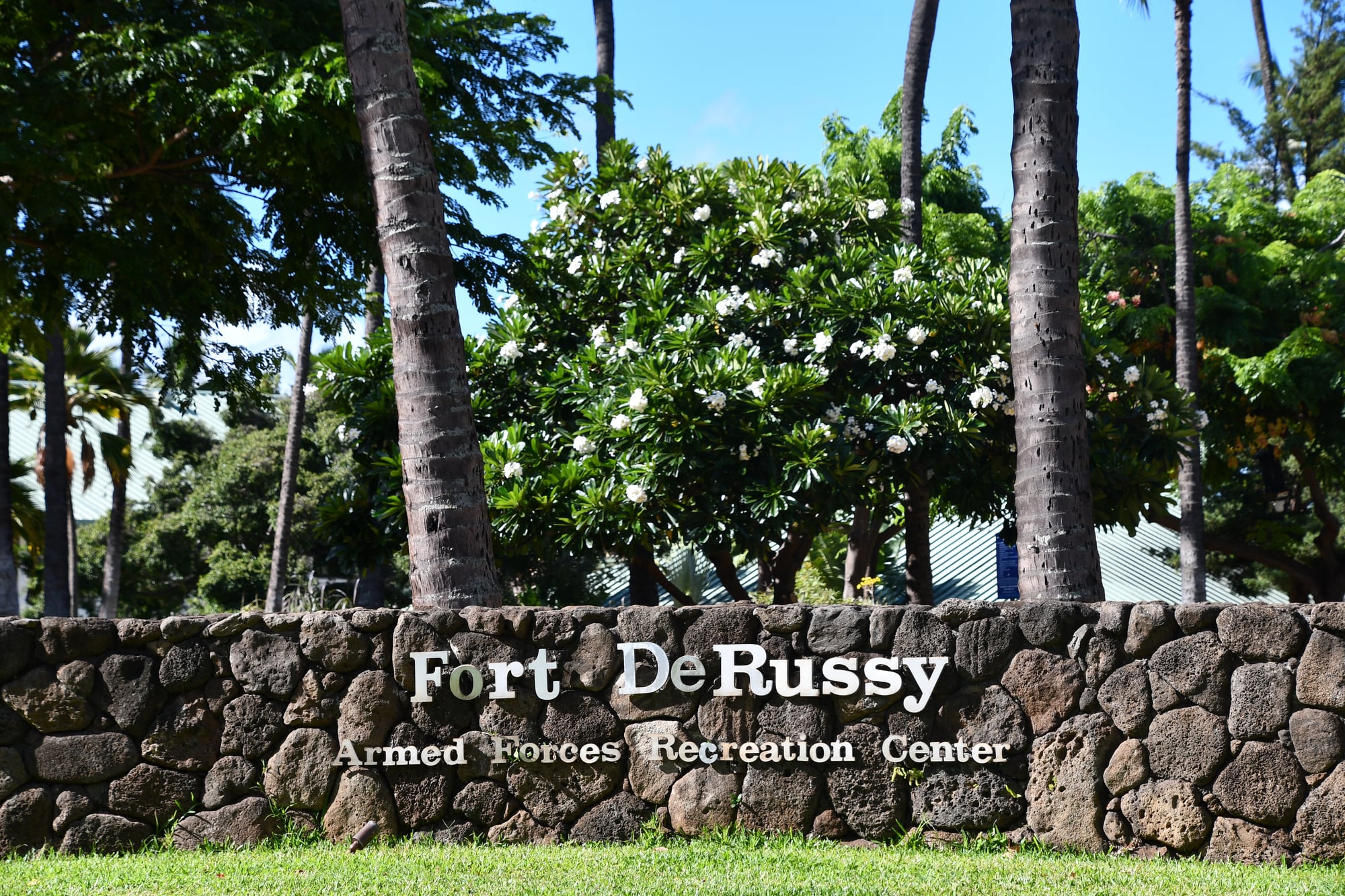
Louisiana’s Red River Campaign produced more obscure battles than memorable ones. Fort De Russy stands out for all the wrong reasons — it fell in a single afternoon to Union forces who barely had to try.
The Confederate engineers had built an impressive earthwork fortress, complete with multiple gun positions and reinforced walls that should have held for weeks. The problem wasn’t the fort. It was the 300 defenders who found themselves facing 10,000 Union troops with naval support.
They surrendered before dinner.
Poison Spring
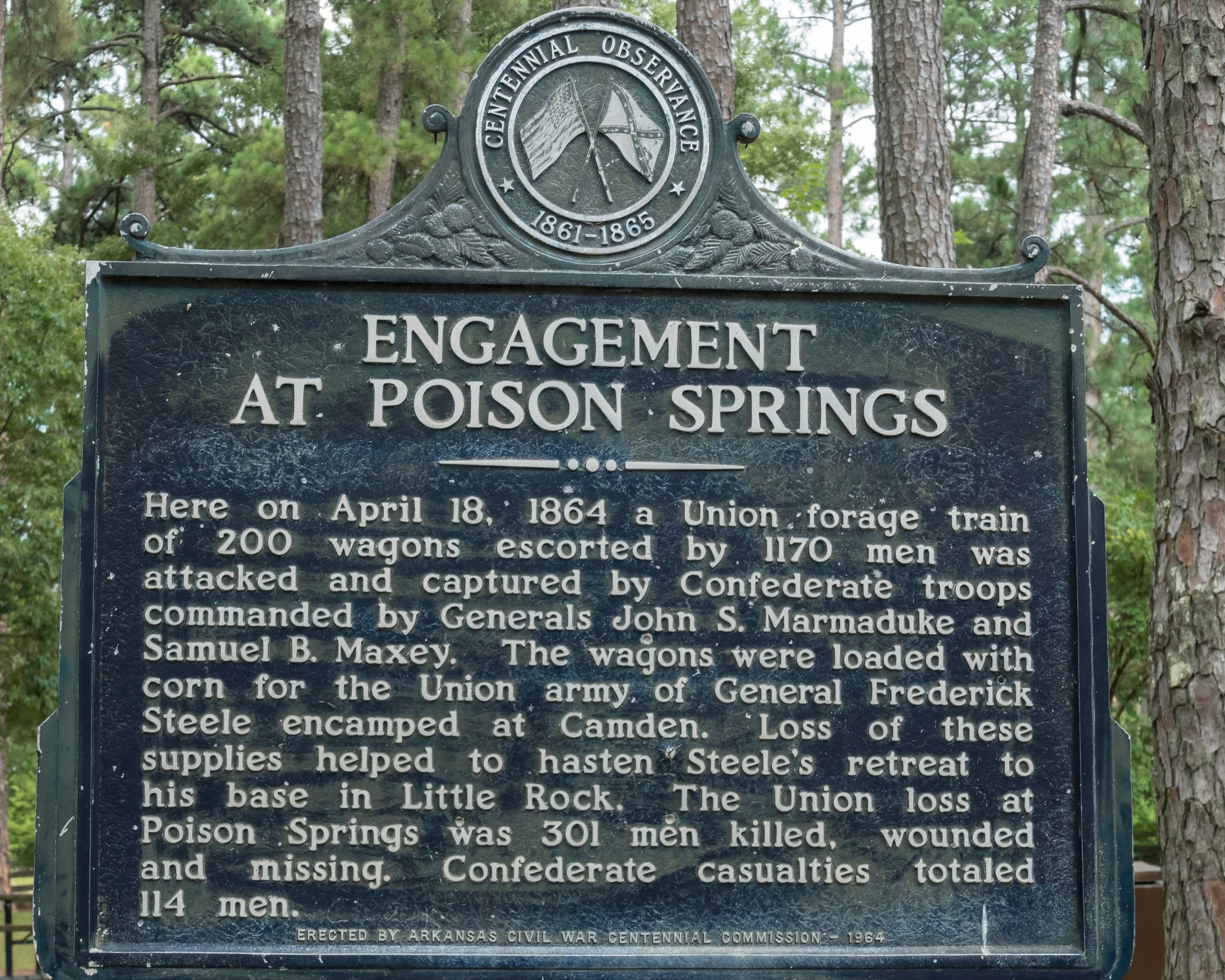
The name tells you everything about how this Arkansas battlefield earned its reputation. Union forces foraging for supplies ran straight into a Confederate ambush that turned a routine supply mission into a massacre.
What makes Poison Spring particularly grim (and historically significant) is that it involved one of the war’s first major engagements featuring African American troops — and the Confederates weren’t taking prisoners that day. The site remains largely unchanged since 1864, which means walking through woods where you can still find metal fragments and uniform buttons scattered in the undergrowth, assuming you know where to look and don’t mind the snakes that gave the spring its name long before the battle arrived.
Natural Bridge
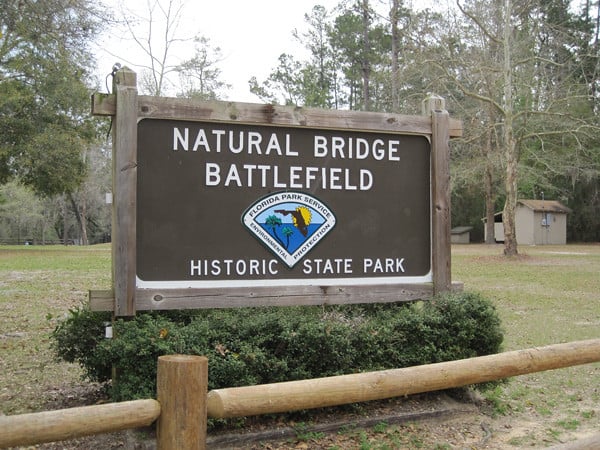
There’s something almost theatrical about Florida’s Natural Bridge battlefield — a limestone formation that spans the St. Marks River, defended by a mix of Confederate regulars, old men, and teenage cadets from the local military academy. The Union plan was straightforward: land troops on the coast, march inland, and capture Tallahassee before anyone noticed.
The plan fell apart when the Confederates managed to hold a single narrow bridge against overwhelming odds. Picture this: boys who should have been in geometry class instead found themselves loading muskets in a swamp at 3 a.m., knowing that their state capital (and possibly their families) depended on keeping a few hundred Union sailors from crossing twenty feet of water.
They held. Tallahassee remained the only Confederate capital east of the Mississippi River never captured during the war, which sounds impressive until you remember it’s Tallahassee.
Prairie Grove
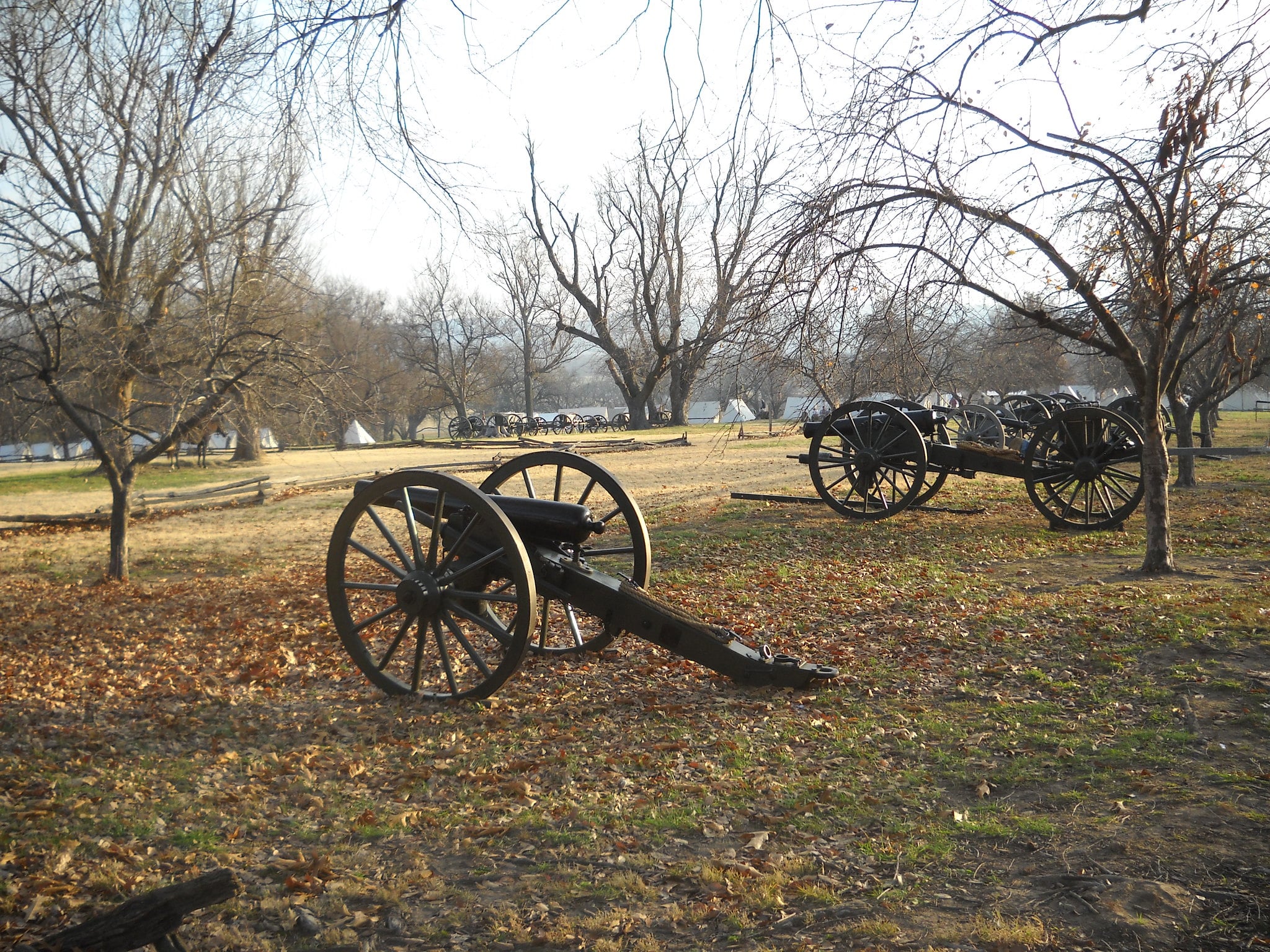
Arkansas’s Prairie Grove presents one of those historical ironies that feel almost scripted — two Confederate armies marching to unite their forces, two Union armies trying to prevent exactly that, and all four converging on the same rural valley by pure coincidence. Neither side planned to fight there. Both sides had been maneuvering for better positions when they stumbled into each other near a country church.
The battle lasted all day and solved nothing (armies tend to retreat rather than achieve decisive victories when everyone’s confused about what they’re fighting for in the first place). But Prairie Grove marked the moment when Union forces gained permanent control of northwestern Arkansas, which mattered more than anyone realized at the time.
The Confederacy lost a crucial supply region and recruitment area. The war in Arkansas was effectively over, though it took two more years for anyone to admit it.
Jenkins’ Ferry
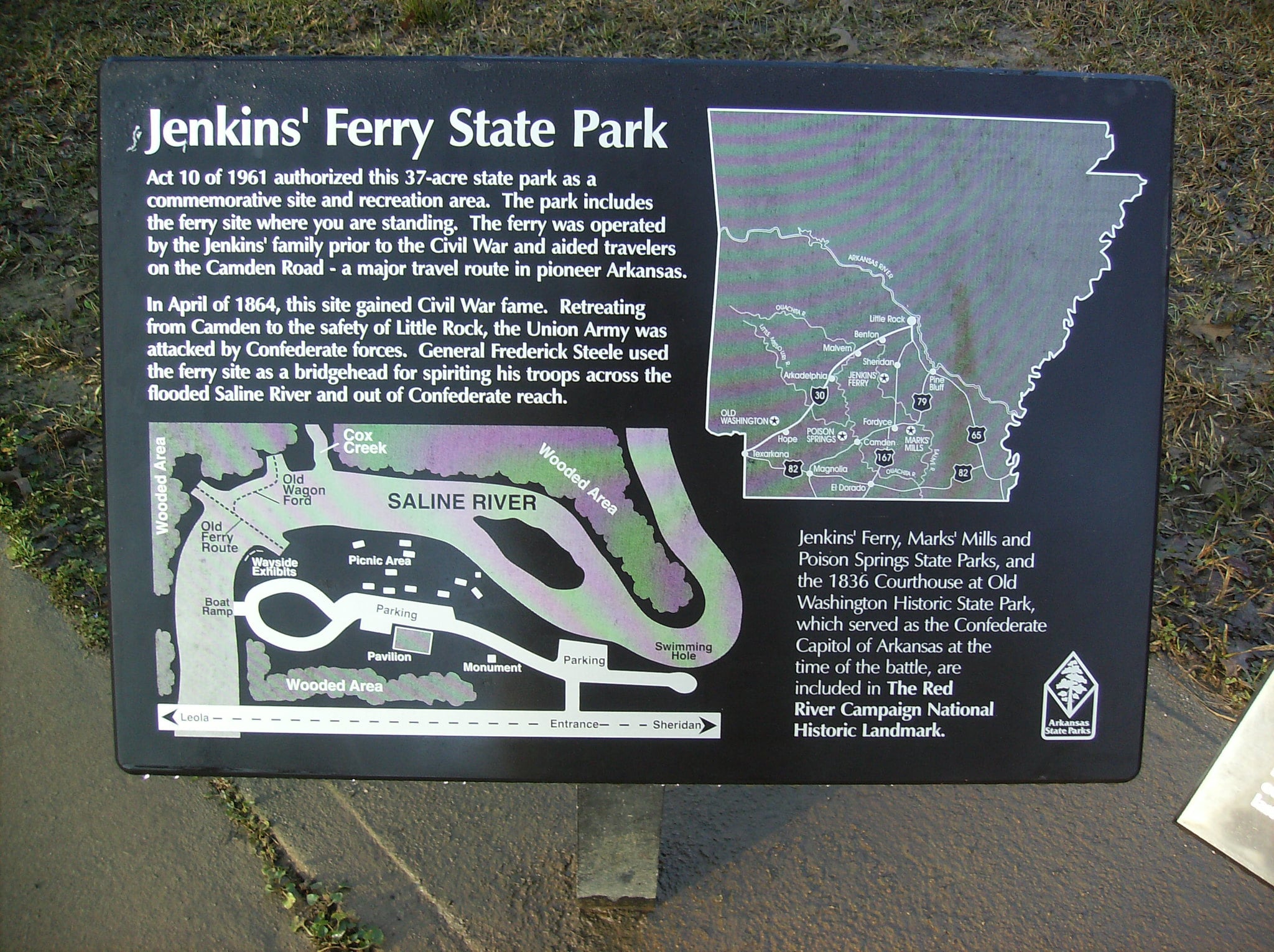
Some Civil War battles earned their place in history through tactical brilliance or strategic importance. Jenkins’ Ferry earned its place by being absolutely miserable for everyone involved. The engagement happened because Union forces were retreating through Arkansas swampland during spring floods, and Confederate cavalry kept harassing their supply trains — so the Union commander decided to turn around and fight rather than keep losing wagons to mud and bushwhackers.
Both armies fought knee-deep in swamp water. Soldiers couldn’t tell if they were blood or just covered in mud. Artillery pieces sank into the ground faster than crews could reload them. And yet the fighting continued for hours, because neither side could retreat effectively through terrain that had turned into a vast bog.
The Union forces eventually won by default — the Confederates ran out of dry powder first.
Port Hudson

Louisiana’s Port Hudson gets overshadowed by Vicksburg, which is unfortunate since Port Hudson’s siege lasted longer and cost more lives for less strategic gain. The Confederate garrison held a bend in the Mississippi River that didn’t actually control river traffic (Union ships could run past the guns at night), but both sides treated it like a vital fortress anyway.
The Union assaults were particularly pointless. Charging uphill against entrenched positions protected by ravines and fallen trees, attackers faced Confederate artillery that had months to calculate exact ranges for every approach route. The first assault failed completely. The second assault failed completely.
The third assault also failed completely, but by then Vicksburg had fallen and Port Hudson surrendered rather than continue a siege that no longer served any purpose. Stubbornness kept 30,000 Union troops occupied for eight weeks to capture a position that became strategically worthless halfway through the siege.
Honey Springs
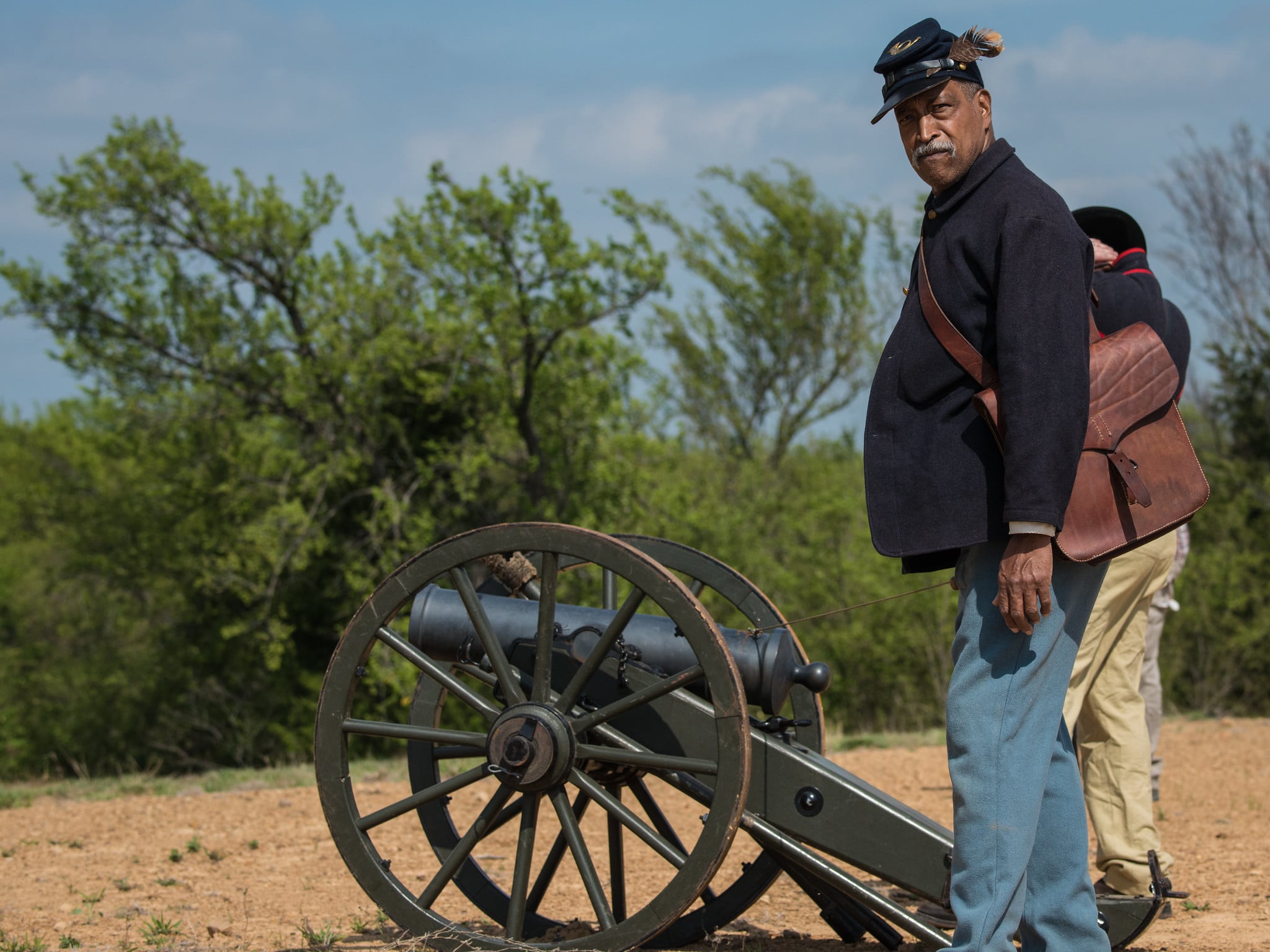
Oklahoma’s Honey Springs offers a glimpse into the war’s complexity that textbooks usually skip — Confederate forces that included Cherokee, Creek, and Seminole warriors fighting alongside Texas cavalry, facing Union troops that included Kansas abolitionists and freed slaves from Arkansas. The battle lines reflected alliances that had nothing to do with North versus South and everything to do with older grievances and tribal politics that predated the war by decades.
The Confederates lost because their gunpowder got wet during a thunderstorm the night before the battle. Muskets that won’t fire tend to limit tactical options. But Honey Springs mattered less for its military outcome than for what it revealed about the war’s expansion beyond simple regional conflict into something approaching a continental upheaval — Native American nations choosing sides based on treaties signed in Washington, freed slaves fighting former masters, and European immigrants settling scores that originated in completely different wars.
Averasboro
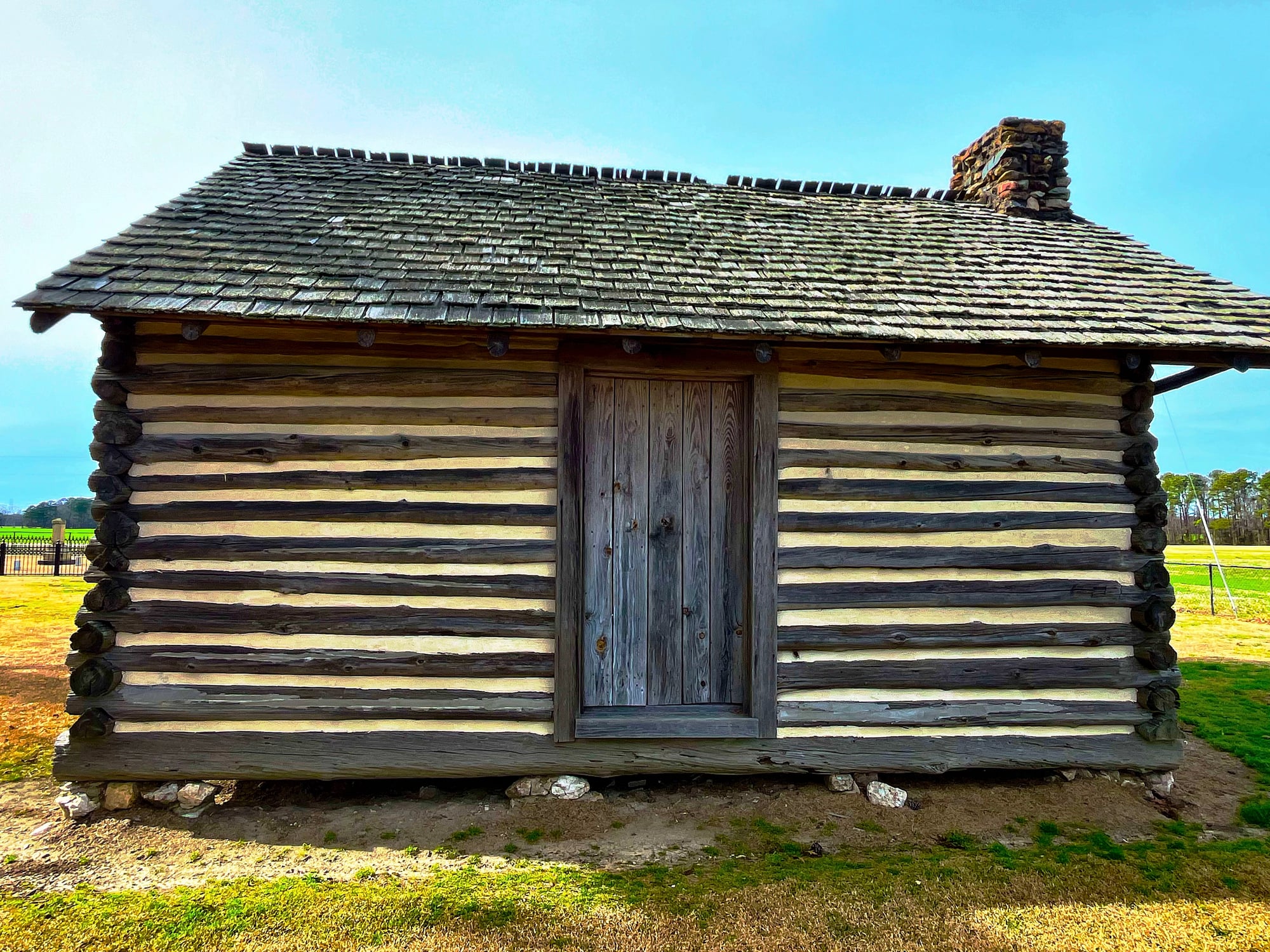
North Carolina’s Averasboro represents the Confederacy’s last genuine attempt to stop Sherman’s march through the Carolinas. General Joe Johnston had scraped together every available unit — regular army remnants, local militia, teenage conscripts, and walking wounded from other battles — for one final defensive stand before Sherman reached the state capital.
The position was well-chosen: a narrow corridor between swamps that forced attackers into a predictable approach route, with Confederate artillery positioned to cover every yard of open ground. Johnston’s plan was tactically sound and his troops were desperate enough to fight effectively.
The plan failed because Sherman had learned to avoid frontal assaults entirely — he sent one division to pin down the Confederate defenders while the rest of his army simply walked around the entire position through swampland that was supposed to be impassable. So Johnston’s carefully prepared defenses became irrelevant, his troops had to retreat anyway, and Sherman continued his march having lost fewer men to combat than to snakebites during the flanking movement through the swamps.
Which pretty much summarized Confederate strategic options by 1865: even when they did everything right, they still lost.
Olustee
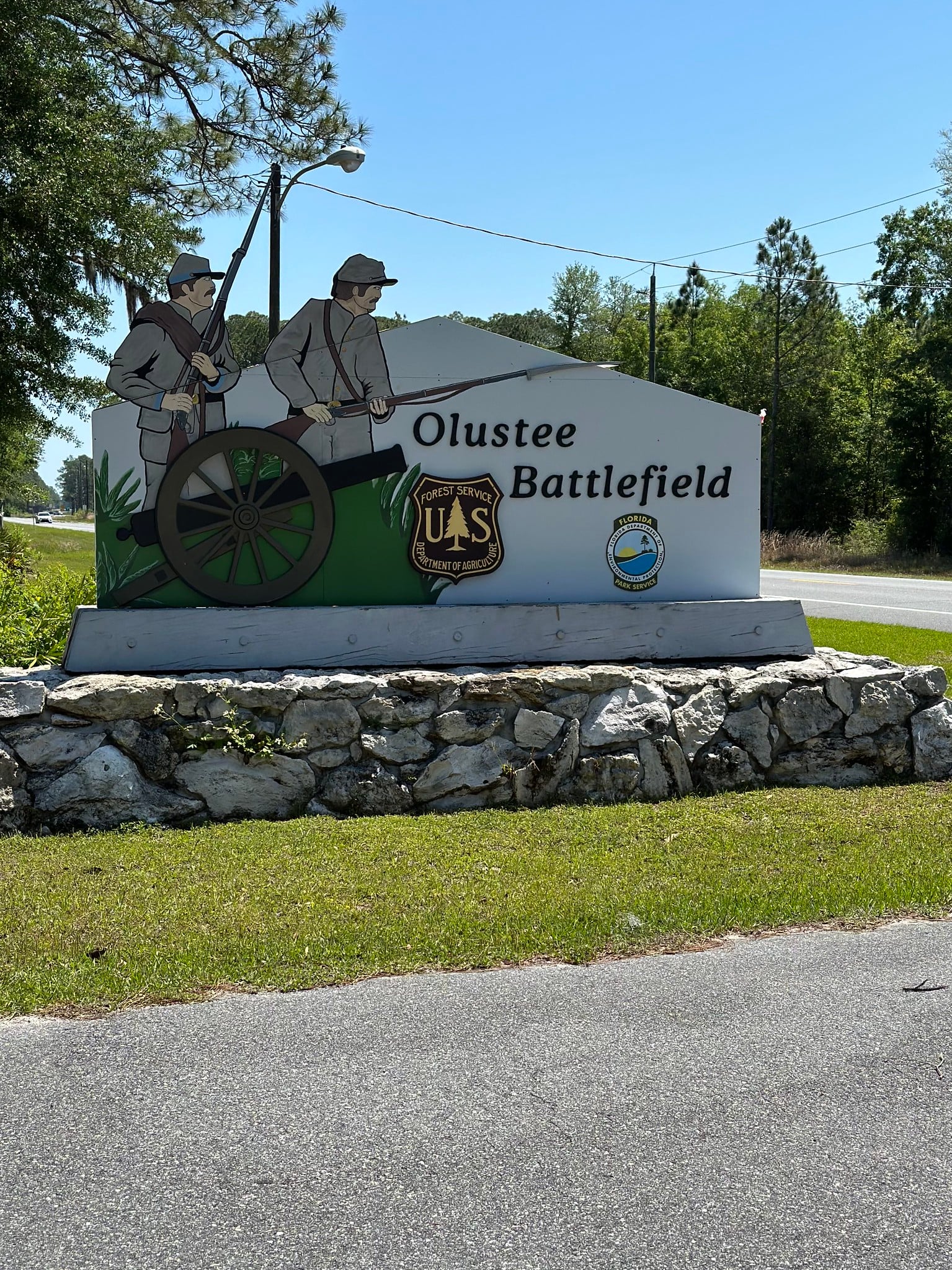
Florida’s Olustee stands as the state’s largest Civil War battle, which sounds more impressive than it actually was given that most of Florida spent the war supplying beef and salt rather than hosting major engagements. The Union expedition into the Florida interior had multiple objectives — recruit African American troops, establish a base for raiding Confederate supply lines, and possibly capture enough territory to form a Unionist state government.
The Confederate response was swift and decisive, partly because Florida’s defenders included veterans transferred from more active theaters who were experienced in woodland fighting. The battle took place in pine forests where visibility was limited and artillery was nearly useless — the kind of environment that favored troops who knew the terrain over those who relied on superior numbers and equipment.
Union forces retreated to the coast having accomplished none of their objectives, and Florida remained securely Confederate until the war’s end. But Olustee’s real significance lies in its aftermath: the engagement proved that Confederate forces could still win decisive victories in 1864, even against better-equipped opponents, when they chose favorable ground and avoided the kind of positional warfare that played to Union advantages.
Too bad for the Confederacy that most of their commanders had forgotten this lesson by then.
Sabine Crossroads
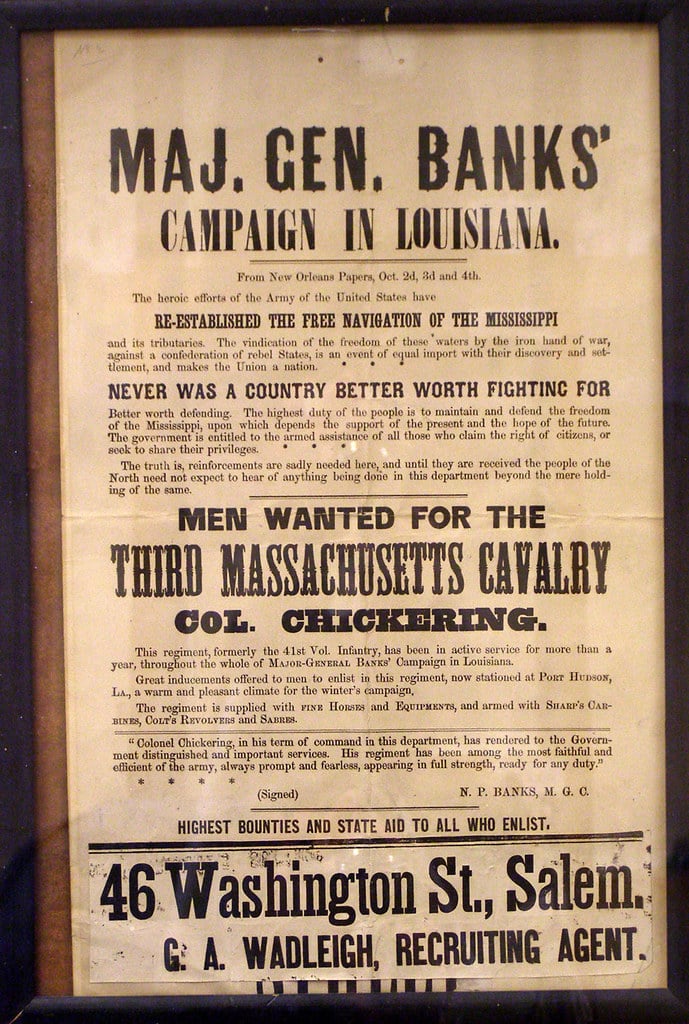
Louisiana’s Sabine Crossroads catches your attention because of how completely the Union forces mismanaged what should have been a straightforward advance. The Red River Campaign was supposed to be a coordinated movement involving army and navy units moving up the river valley to capture Shreveport and establish Union control over eastern Texas.
Instead, the army got separated from the navy, the supply train got stuck in mud, and advance units blundered into Confederate forces that had been waiting in prepared positions for three days. The Union retreat turned into a rout when panicked artillery crews abandoned their guns rather than risk capture, which created a traffic jam that blocked the only decent road for miles.
Confederate cavalry spent the afternoon capturing supply wagons whose drivers had decided walking home to Illinois beat dying for Louisiana real estate they couldn’t pronounce correctly. The engagement essentially ended Union attempts to invade Texas, which meant Confederate forces west of the Mississippi could continue operating independently through the war’s end.
All because someone decided that advancing through unmarked swampland without adequate reconnaissance was an acceptable risk. Military history is full of brilliant strategies undone by tactical incompetence, but Sabine Crossroads manages to be both strategically pointless and tactically embarrassing.
Mansfield
Louisiana’s Mansfield proved that Confederate General Richard Taylor had inherited his father’s talent for battlefield command along with his famous name (his father being Zachary Taylor, the Mexican War hero and former president). Taylor had been retreating for weeks ahead of a superior Union force, trading space for time while looking for favorable ground to make a stand.
He found it at Mansfield — a clearing surrounded by woods that would force attacking Union troops to advance across open ground under concentrated fire, with no room to deploy their numerical advantage effectively. Taylor’s army was smaller, less well-equipped, and composed largely of units that had been retreating for so long they barely resembled organized military formations.
They won anyway. Union forces advanced piecemeal into what amounted to a carefully prepared killing zone, took heavy casualties without gaining ground, and retreated in confusion when Confederate counterattacks threatened to cut off their line of retreat.
Taylor’s victory was complete enough to end the Union’s Red River Campaign and secure Confederate control of western Louisiana through the war’s end. Sometimes tactical skill matters more than strategic resources, though the Confederacy learned this lesson too late to change the war’s ultimate outcome.
Pleasant Hill
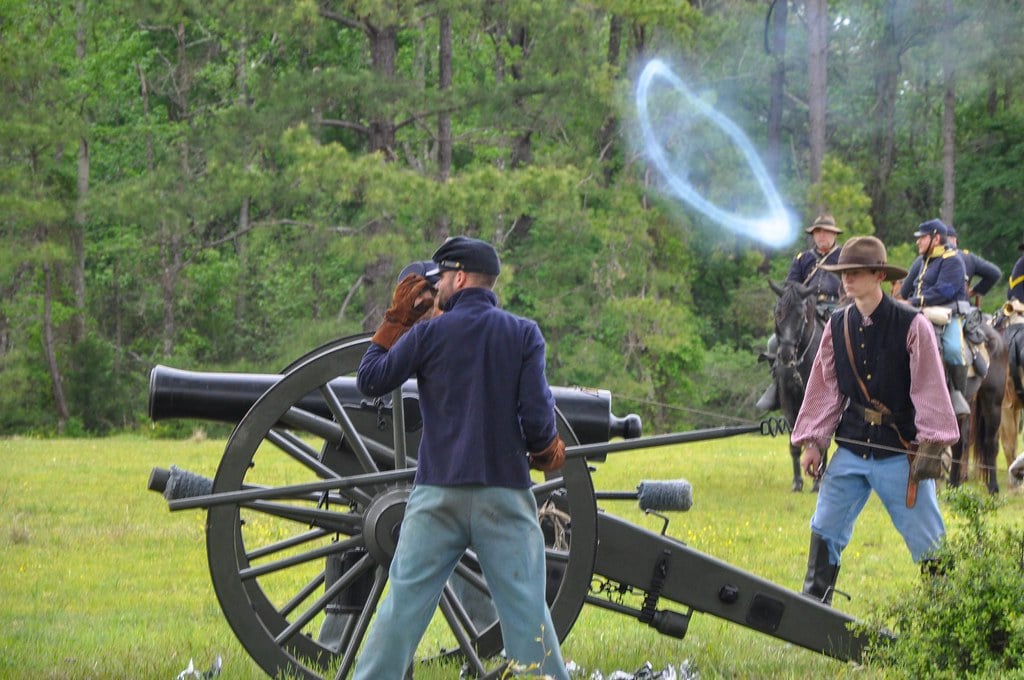
The day after their victory at Mansfield, Confederate forces under Richard Taylor made the mistake of assuming that beating the Union army once meant they could do it again immediately. Pleasant Hill offered a different kind of terrain — more open ground that allowed Union artillery to deploy effectively and gave attacking Confederate forces fewer options for using cover during their advance.
Taylor’s troops were also exhausted from the previous day’s fighting and overconfident from their recent success, which proved to be a dangerous combination when facing Union forces that had spent the night reorganizing and were now fighting with the desperation of an army that couldn’t afford to lose two battles in a row.
The Confederate assault was repulsed decisively, and Taylor’s army found itself retreating through the same woods where they had celebrated victory twenty-four hours earlier. Pleasant Hill demonstrates one of the Civil War’s recurring themes: tactical victories that couldn’t be sustained because the winning side lacked the resources to exploit success or defend against counterattacks.
The Confederacy won individual battles throughout the war, but they couldn’t win campaigns — and campaigns determine wars, not battles.
Milliken’s Bend

Louisiana’s Milliken’s Bend deserves recognition for featuring some of the war’s most desperate fighting, involving newly recruited African American troops defending a Union supply depot against Confederate forces determined to recapture the position before it could be reinforced. The engagement was essentially a large-scale raid that escalated into a full battle when neither side was willing to withdraw.
What makes Milliken’s Bend particularly significant is that it was one of the first major engagements where African American troops fought as organized units rather than support personnel, and their performance under fire helped convince skeptical Union commanders that former slaves could serve effectively as combat soldiers. The fighting was hand-to-hand in many cases, with bayonets and rifle butts when ammunition ran low.
The Confederate assault was repulsed, but barely — Union forces held their positions by yards rather than decisive margins. Both sides took heavy casualties relative to the numbers involved, and both sides claimed victory in their reports (Confederates for inflicting significant damage, Union for holding the field). Military historians generally call Milliken’s Bend a Union victory, but it was the kind of victory that felt like defeat to everyone who survived it.
Irish Bend
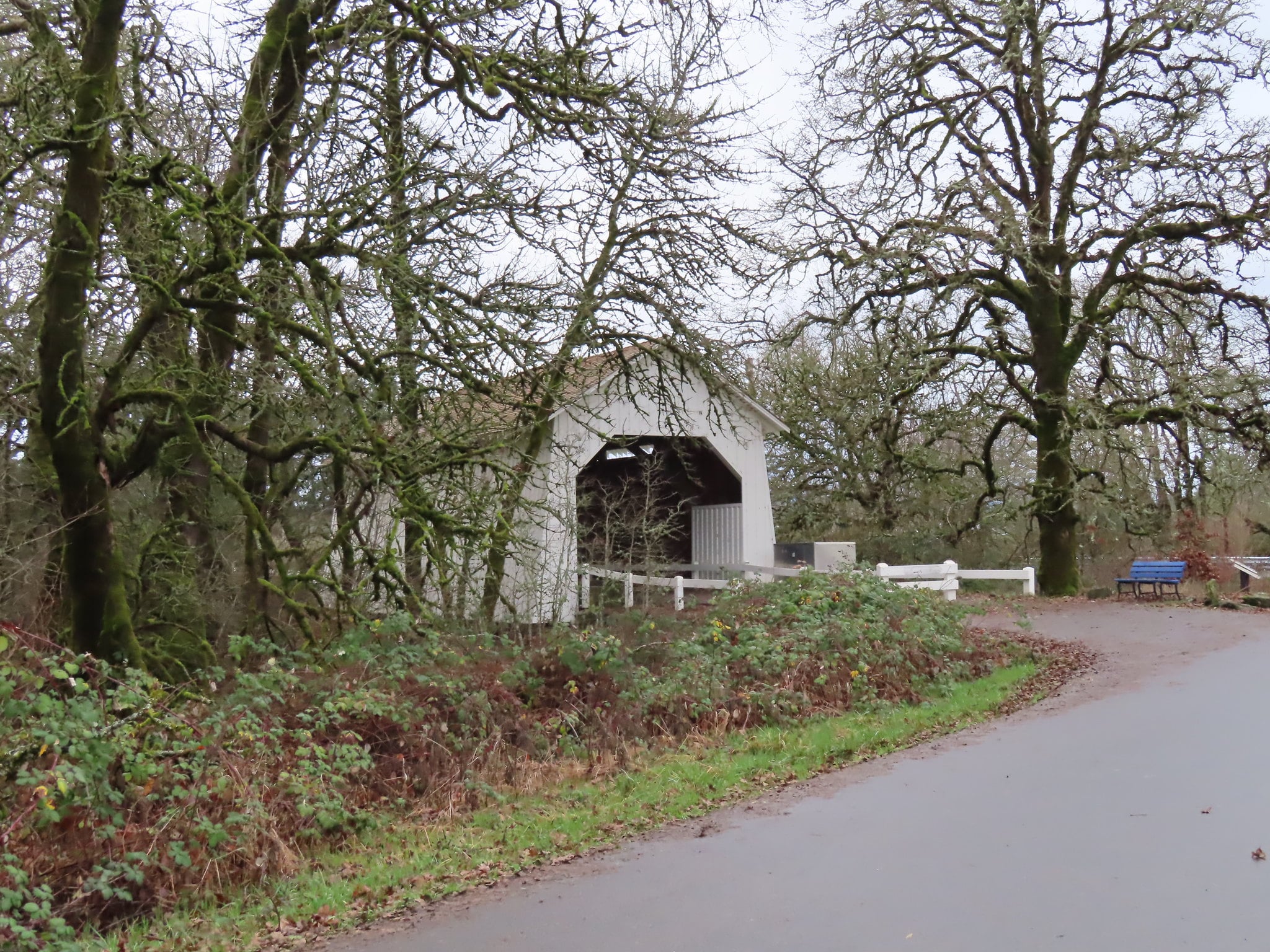
Louisiana’s Irish Bend gets forgotten because it was overshadowed by the naval action at Fort Bisland happening simultaneously, but the land battle determined whether Union forces could establish permanent control over the Atchafalaya River valley. Confederate defenders had prepared a strong position blocking the only practical route for Union advance, and their plan was to hold long enough for reinforcements to arrive from other theaters.
The plan failed because Union forces had learned to coordinate land and naval operations more effectively than Confederate commanders anticipated. While Confederate troops focused on repelling frontal attacks, Union gunboats worked their way upriver to positions where they could shell Confederate supply lines and retreat routes.
Defenders found themselves caught between attacking infantry and naval artillery, with no good options for withdrawal. Irish Bend marked the point when Confederate resistance in southern Louisiana collapsed entirely — not because they couldn’t win individual engagements, but because they couldn’t prevent Union forces from using naval superiority to outflank defensive positions that should have been impregnable.
Rivers that had protected Louisiana from invasion became highways for conquest once the Union controlled them.
Yellow Bayou
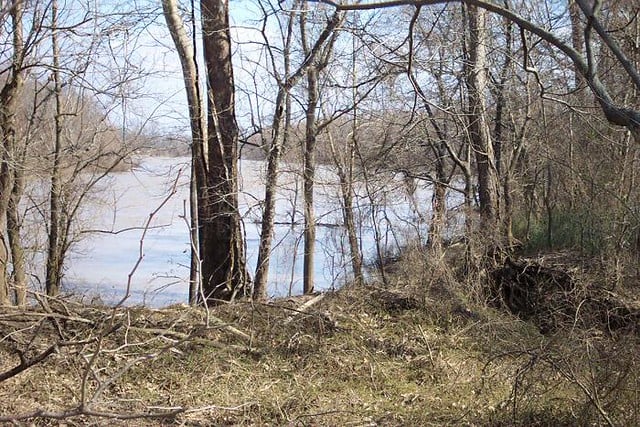
Louisiana’s Yellow Bayou represents the Red River Campaign’s final engagement — a confused affair where both sides were trying to disengage from a campaign that had already failed its strategic objectives. Union forces were retreating toward the Mississippi River, Confederate forces were harassing their withdrawal, and neither side particularly wanted to fight a major battle over terrain that wouldn’t matter once the retreat was completed.
The engagement happened because cavalry units from both armies stumbled into each other near a river crossing that everyone needed to use, and what started as a skirmish escalated when neither side could withdraw without exposing themselves to attack. Fighting continued for several hours not because anyone thought tactical victory would change strategic outcomes, but because disengaging from combat is often more difficult than starting it.
Yellow Bayou was technically a Confederate victory — they held the field when fighting ended and inflicted more casualties than they received. But the victory was meaningless since Union forces completed their withdrawal anyway, and Confederate forces lacked the strength to pursue effectively. The engagement perfectly captured the war’s later stages: the Confederacy could still win battles but couldn’t prevent Union forces from accomplishing their larger objectives.
Camden Expedition

Arkansas’s Camden Expedition demonstrates what happened when Union planners decided that capturing every Confederate stronghold was necessary for victory, even when those strongholds served no strategic purpose and their capture would require resources better used elsewhere. Camden was a Confederate supply depot and recruitment center, but taking it would neither shorten the war nor significantly weaken Confederate resistance.
Union forces captured Camden after minimal resistance, then discovered that holding it required keeping supply lines open through hostile territory while Confederate cavalry units attacked convoys and isolated outposts. The occupation became more expensive than the position was worth, and Union commanders found themselves defending a town they didn’t need against enemies who couldn’t actually threaten anything important.
The expedition ended when Union forces abandoned Camden and retreated to more defensible positions, having accomplished nothing except demonstrating that controlling territory means less than controlling the resources and population that make territory valuable. Camden returned to Confederate control by default, but it remained strategically irrelevant — which had been true before the expedition began.
Echoes in the Pines
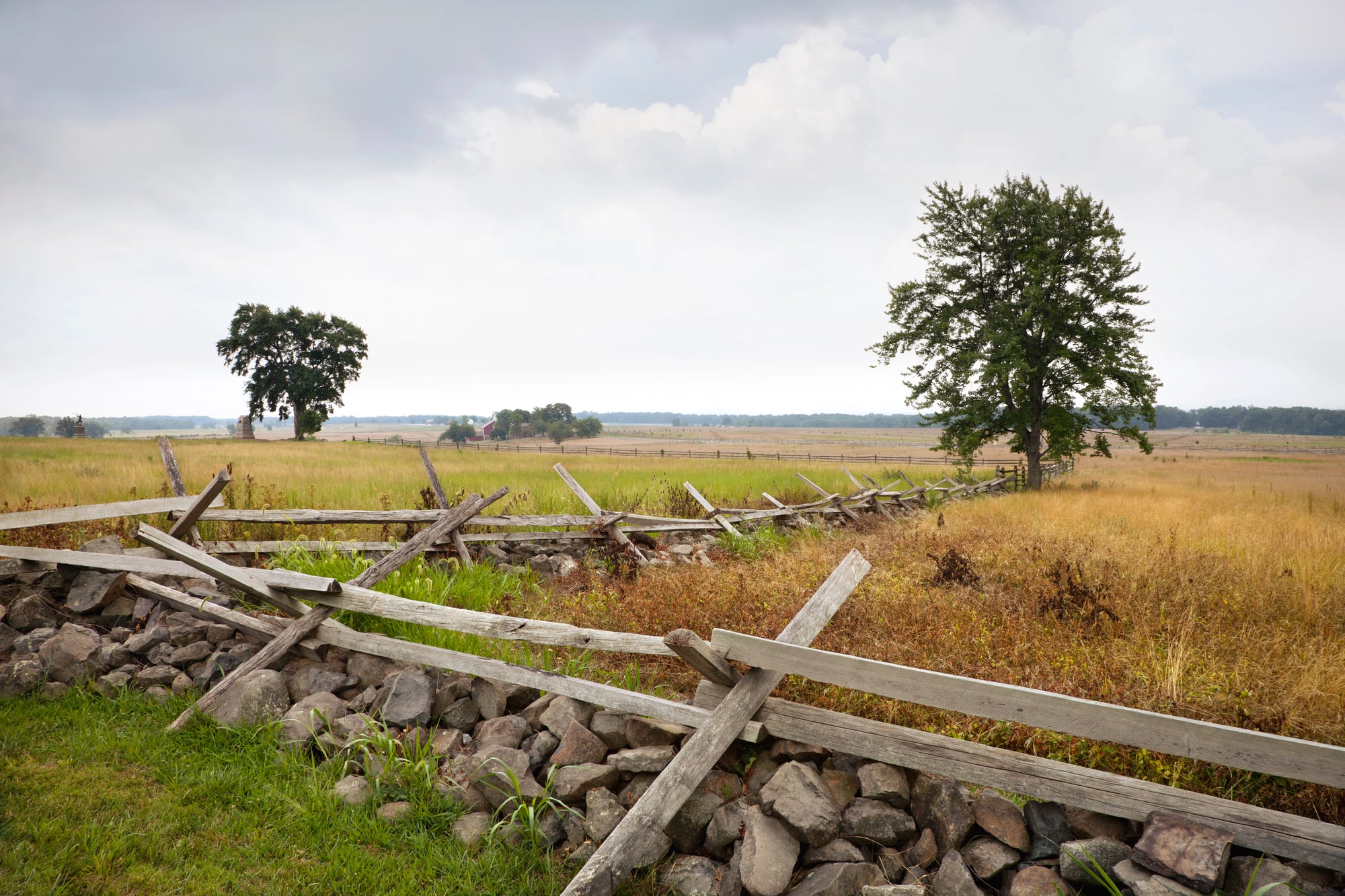
These sixteen sites share more than geographic proximity and historical neglect. They represent the war’s complexity beyond the familiar narrative of industrial North defeating agricultural South through superior resources and manpower. Many of these battles were won by the sides that should have lost them — Confederate forces defeating larger, better-equipped Union armies through tactical skill or favorable terrain, Union forces holding positions that seemed indefensible through determination and coordination.
What strikes you most when visiting these places is their ordinariness. No marble monuments or interpretive trails, just fields and forests where extraordinary events happened to people who were mostly ordinary themselves. The Civil War’s forgotten battlefields remind you that history occurs in unremarkable locations, shaped by decisions made by individuals whose names never appeared in textbooks but whose actions determined outcomes that affected millions.
More from Go2Tutors!

- The Romanov Crown Jewels and Their Tragic Fate
- 13 Historical Mysteries That Science Still Can’t Solve
- Famous Hoaxes That Fooled the World for Years
- 15 Child Stars with Tragic Adult Lives
- 16 Famous Jewelry Pieces in History
Like Go2Tutors’s content? Follow us on MSN.