16 Logical Fallacies Politicians Use Daily
Politics is full of fast talk, grand gestures, and clever comebacks. But underneath all the noise, there’s often some sneaky logic being used to shape what people think. These tricks don’t always show up as lies, but they can twist the truth just enough to make things sound better—or worse—than they really are.
To cut through the noise, it helps to know the mental shortcuts politicians rely on to win support. Here’s a list of 16 common fallacies that show up in debates, speeches, and interviews almost every single day.
Straw Man
This one shows up when a politician attacks a weaker version of their opponent’s argument rather than what was actually said. Instead of responding directly, they twist the original message into something easier to knock down.
It’s like being accused of saying “we should reduce military spending” and hearing back “my opponent wants to leave our country defenseless.” The goal isn’t clarity—it’s control.
False Dilemma
Also known as the either-or fallacy, this move forces a choice between two extreme options when there are actually more available. Politicians use it to push urgency or oversimplify complex topics.
They might say, “You’re either with us or against us,” leaving no space for middle ground or mixed opinions. It shuts down thoughtful discussion before it begins.
Appeal to Fear

This fallacy stirs up fear to sway people’s decisions, often by warning of terrible outcomes if a certain policy isn’t followed. Instead of providing a logical reason, it focuses on what could go wrong.
Claims like “If we let that bill pass, criminals will flood our streets” aim more at emotion than evidence. Fear makes people act fast, not always smart.
Slippery Slope
Here, one action is presented as the first step in a downhill slide to disaster. Politicians argue that small changes will lead to extreme consequences. Saying something like “If we raise taxes on the rich, next thing you know, no one will have any money left” pushes people to imagine chaos.
But not all changes spiral out of control—many stop exactly where they’re supposed to.
Ad Hominem

Rather than dealing with someone’s ideas, this fallacy goes straight for the person. It focuses on personality, background, or past mistakes to discredit the message. A common example is “We can’t trust her on education reform—she never even went to public school.”
It distracts from the real issue and keeps things personal instead of productive.
Bandwagon
This one leans on popularity. It suggests that because many people believe or support something, it must be the right choice. You’ll hear phrases like “The majority of citizens agree with me” as if numbers alone equal truth.
But just because an idea is popular doesn’t mean it’s good—or even accurate.
Appeal to Tradition

Politicians love to use history to defend their choices. They argue that because something has always been done a certain way, it must still be the best option. Saying “We’ve always done it this way” cuts off progress by avoiding the real question—does it still work?
Tradition can be comforting, but it doesn’t guarantee results.
Red Herring

This fallacy changes the subject—intentionally. When the heat’s on, politicians might throw out an unrelated topic to distract from the issue at hand. If asked about rising costs, they might pivot to national security.
The shift sounds important but pulls attention away from what actually needs answering.
Post Hoc

This fallacy mixes up cause and effect. It assumes that just because one thing happened after another, the first must have caused it. A politician might say, “Ever since I took office, unemployment dropped,” without proving any link.
It’s tempting to connect the dots, but timing alone doesn’t mean one thing caused the other.
Circular Reasoning

This happens when the argument just keeps going in circles. Instead of giving a reason, the conclusion repeats itself in different words. A politician might claim, “This policy works because it’s effective.”
That sounds like something, but really it’s just the same idea said twice. It gives the illusion of logic while delivering none.
False Equivalence
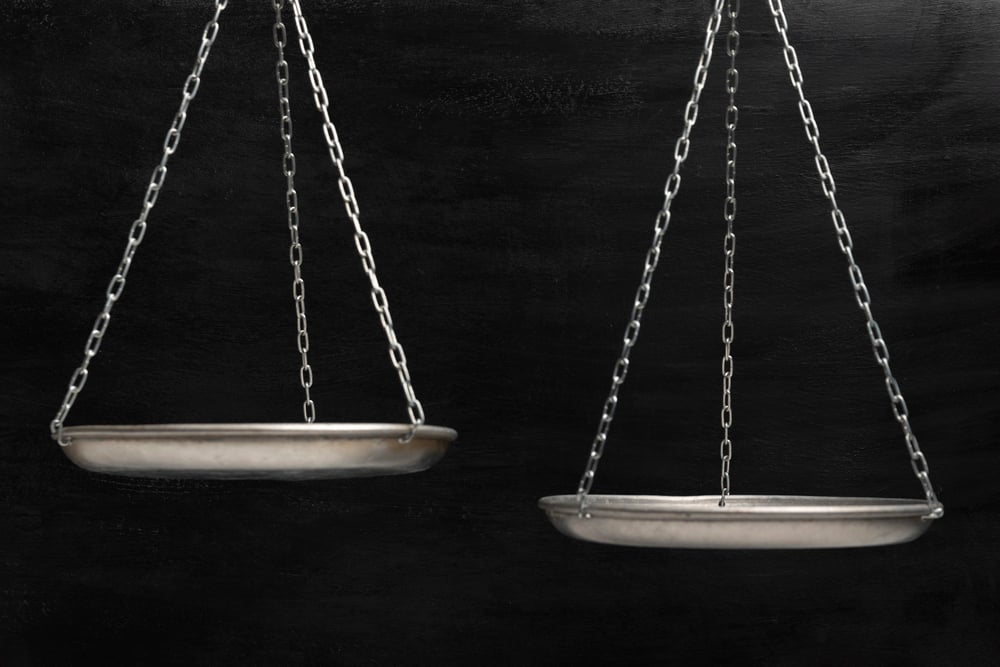
Here, two things that aren’t truly alike are compared as if they are. Politicians use it to soften criticism or blur lines. They might say, “Both parties have problems with corruption,” when one clearly has more severe issues.
It makes everything sound equal, even when the facts say otherwise.
Appeal to Ignorance

This fallacy uses a lack of evidence as proof. If something hasn’t been proven false, a politician might argue it must be true—and vice versa. For instance, “There’s no proof this policy will hurt the economy, so it must be safe.”
But not knowing isn’t the same as knowing. Real understanding takes more than silence.
Hasty Generalization

With this one, a broad conclusion is made from too little data. A politician might meet two small business owners and say, “All small business owners support my plan.”
One or two examples don’t speak for everyone. It’s a shortcut that skips over the full picture.
Appeal to Authority

This fallacy leans on experts or famous figures, not to explain things, but to end the conversation. A politician might say, “This scientist supports my view, so I must be right,” without showing how or why.
Respecting authority is fine, but blind trust without context can be misleading.
No True Scotsman

When someone shifts the goalposts to protect their argument, this fallacy shows up. For example, if a supporter of a group does something bad, a politician might say, “Well, no real member of our party would ever do that.”
It’s a way to dodge responsibility while keeping their argument intact.
Loaded Question

This trick sneaks a hidden accusation into a question. Asking, “Why did you finally decide to stop opposing the bill?” assumes the person was always against it—whether that’s true or not.
It’s a way to trap the other person into looking guilty no matter how they answer.
Truth Needs a Closer Look Now More Than Ever

Politics has always involved persuasion, but today’s world moves faster, and so do the tricks. What once took a long speech now fits in a 10-second soundbite. Knowing these fallacies makes it easier to slow things down and spot the spin before it sticks.
The words may be clever, but the truth shouldn’t need a trap to make its case. In a world full of voices fighting to be heard, being able to tell what’s real isn’t just helpful—it’s essential.
More from Go2Tutors!

- The Romanov Crown Jewels and Their Tragic Fate
- 13 Historical Mysteries That Science Still Can’t Solve
- Famous Hoaxes That Fooled the World for Years
- 15 Child Stars with Tragic Adult Lives
- 16 Famous Jewelry Pieces in History
Like Go2Tutors’s content? Follow us on MSN.



