15 Forgotten TV Shows That Defined Their Generation
Television history gets written by the shows that lasted the longest or made the biggest splash in reruns. Some of the most influential programs barely survived their original runs, though they managed to nail exactly what their era was all about.
People talked about these shows at work the next day. They quoted catchphrases until something newer came along. Here is a list of 15 forgotten TV shows that defined their generation before fading from memory.
The Honeymooners

Before Ralph Kramden became a TV legend, ‘The Honeymooners’ was just a sketch on ‘The Jackie Gleason Show’ that got its own shot in 1955. Only 39 episodes were made—yet Jackie Gleason’s bus driver with big dreams became the template for every working-class sitcom dad who followed.
The show’s Brooklyn apartment setting and blue-collar struggles resonated with audiences who saw their own lives reflected on screen. Revolutionary stuff for 1950s television.
Your Show of Shows

Saturday nights belonged to Sid Caesar from 1950 to 1954, when ‘Your Show of Shows’ ruled live television. The 90-minute variety program launched careers for writers like Mel Brooks and Neil Simon—though most viewers just knew it as the funniest thing on TV.
Caesar’s physical comedy influenced generations of comedians who grew up watching him stumble through sketches that were being written hours before airtime.
Like Go2Tutors’s content? Follow us on MSN.
Playhouse 90

‘Playhouse 90’ ran from 1956 to 1961 and proved that television could be as serious as Broadway. Maybe more so. This live anthology show put on original dramas that tackled controversial subjects like racism and mental illness—topics that movies wouldn’t touch for years.
Future stars like Rod Serling learned their craft here before moving on to ‘The Twilight Zone,’ and actors got chances to do serious work that weekly series never offered.
The Ernie Kovacs Show

Kovacs figured out what television could do that radio and stage shows couldn’t. He made the camera part of the joke. From 1952 to 1962, Kovacs experimented with weird visual jokes and camera tricks that you can still see in David Letterman’s stupid pet tricks and ‘Saturday Night Live’ sketches.
He showed everyone that TV didn’t need to be radio with pictures—it could be something completely different.
East Side/West Side
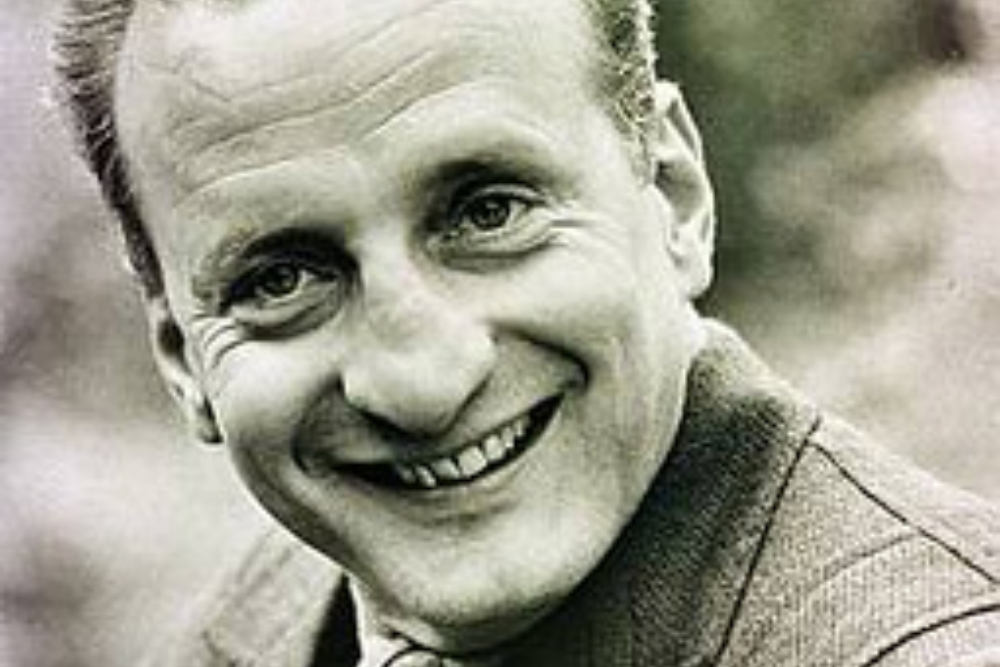
‘East Side/West Side’ lasted only one season in 1963, though it packed more social consciousness into 26 episodes than most shows manage in their entire runs. George C. Scott played a social worker dealing with urban poverty and racial tension at a time when most TV families lived in suburban comfort.
CBS cancelled the show despite critical acclaim—sponsors didn’t want their products associated with such harsh realities.
Like Go2Tutors’s content? Follow us on MSN.
The Outer Limits

While ‘The Twilight Zone’ gets remembered as the definitive science fiction anthology, ‘The Outer Limits’ pushed boundaries that Serling wouldn’t approach. Running from 1963 to 1965, the show featured monsters that were genuinely scary.
Stories that questioned humanity’s place in the universe. Its opening narration about controlling your television set became part of pop culture, yet the show itself vanished from most people’s memories.
That Was the Week That Was

‘That Was the Week That Was’ brought British-style satirical news to American television in 1964—decades before ‘Saturday Night Live’ or ‘The Daily Show’ existed. The live program mocked politicians and current events with a sharpness that made network executives nervous.
Which probably explains why it only lasted two seasons. Host David Frost became a star, though the show’s influence on television comedy took years to fully emerge.
The Smothers Brothers Comedy Hour

The Smothers Brothers seemed harmless enough. Two folk singers who told jokes and argued with each other like actual siblings. Their variety show ran from 1967 to 1969, during which time it became one of the most controversial programs on television.
Tom and Dick Smothers used their platform to criticize the Vietnam War—leading to constant battles with CBS censors that eventually got them cancelled.
Like Go2Tutors’s content? Follow us on MSN.
Julia

‘Julia’ broke television ground in 1968 by featuring an African American woman as the lead character in a situation comedy. Something that hadn’t been attempted since ‘Amos ‘n’ Andy’ decades earlier.
Diahann Carroll played a widowed nurse raising her son—presenting a vision of middle-class Black life that was revolutionary for its time. The show ran for three seasons and influenced how television would approach racial representation for decades to come.
Room 222

High school dramas weren’t new when ‘Room 222’ premiered in 1969, yet none had tackled issues like interracial dating and student protests with such honesty. The show followed teachers and students at an integrated Los Angeles high school, dealing with social problems that other programs ignored.
Problems that were making headlines every night on the news. It ran for five seasons and won multiple Emmy Awards, though somehow disappeared from television history.
All in the Family
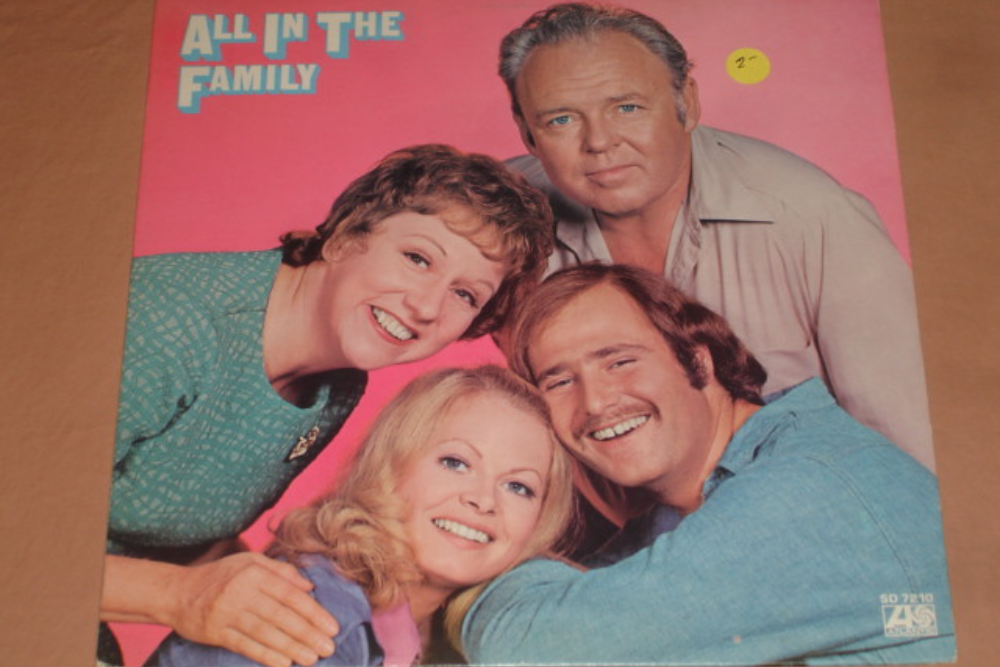
‘All in the Family’ changed television forever when it premiered in 1971. Many people forget just how shocking Archie Bunker was at the time. Norman Lear’s sitcom about a bigoted loading dock worker forced America to confront its own prejudices through uncomfortable laughter.
The show tackled rape, homosexuality, and racism with a directness that made previous sitcoms look quaint. Comedy as a vehicle for social change.
Like Go2Tutors’s content? Follow us on MSN.
Maude

Bea Arthur’s Maude Findlay was Archie Bunker’s liberal cousin, and her show pushed boundaries that even ‘All in the Family’ wouldn’t cross. Running from 1972 to 1978, ‘Maude’ featured television’s first abortion storyline and took on alcoholism, domestic violence, and mental health with unflinching honesty.
The character became a feminist icon, though the show’s frank discussions of controversial topics made it too hot for syndication.
Mary Hartman, Mary Hartman

‘Mary Hartman, Mary Hartman’ was unlike anything else on television when it premiered in 1976. Norman Lear’s soap opera parody featured a housewife dealing with kitchen floor wax buildup and mass murders with equal concern.
The show satirized both suburban life and television itself. Its surreal humor influenced alternative comedy for decades, though its late-night time slot kept it from reaching mainstream audiences.
Fernwood 2 Night

After ‘Mary Hartman’ ended, creator Norman Lear continued the story with ‘Fernwood 2 Night.’ A talk show parody hosted by Martin Mull’s Barth Gimble in 1977.
The series mocked small-town television and celebrity culture with savage precision, featuring guests who were either completely ordinary or utterly bizarre. The show’s deadpan humor and improvised feel influenced comedy shows that wouldn’t appear for another decade.
Like Go2Tutors’s content? Follow us on MSN.
Soap

‘Soap’ premiered in 1977 amid protests from religious groups who objected to its frank treatment of sexuality and family dysfunction. The nighttime serial followed two families whose problems included adultery, murder, and demonic possession—all played for laughs rather than drama.
The show launched Billy Crystal’s career and proved that sitcoms could tackle adult themes without losing their sense of humor. Its controversial content kept it from achieving the cultural impact it deserved.
When Television Dared to Be Different

These shows didn’t just entertain. They challenged viewers to think differently about what television could be and do. Their writers and producers understood that the medium’s power came not just from its ability to reach millions of people, but from its capacity to start conversations that continued long after the credits rolled.
Though most of these programs have been forgotten by mainstream culture, their influence can be seen in every show that dares to push boundaries or tackle difficult subjects. Television’s golden age wasn’t just about the shows that survived—it was about the ones brave enough to try something completely new.
More from Go2Tutors!

- 16 Restaurant Chains That Went Too Fast
- 12 Things Sold in the 80s That Are Now Illegal
- 15 Strange Things People Have Tried to Ban (And Failed)
- 16 Collectibles People Tossed Out Too Soon
- 17 Myths from Your Childhood That Were Actually Based on Real Things
Like Go2Tutors’s content? Follow us on MSN.