Hidden Histories of Moscow’s Kremlin
Moscow’s Kremlin stands as one of the world’s most recognizable landmarks, but beneath its red walls lie stories that most visitors never hear. This ancient fortress has witnessed centuries of power struggles, royal scandals, and state secrets that would make any spy thriller seem tame.
From buried rivers to lost libraries, the Kremlin holds mysteries that historians are still trying to solve. Behind those imposing walls, Russia’s rulers have hidden treasures, built secret tunnels, and made decisions that changed world history.
Time to peek behind the curtain and discover what really happened in the heart of Russian power.
The fortress started as a wooden fort

Prince Yury Vladimirovich Dolgoruky founded the city of Moscow in 1156 and had workers build the Kremlin’s first walls of wood. These early fortifications looked nothing like today’s red brick walls.
The wooden walls were burned down by the Tatar (Mongol) army during its invasion of Russia in 1236–40. The site got rebuilt multiple times, each version stronger than the last. What began as a simple wooden stockade eventually became the most fortified complex in Russia.
A buried river flows beneath the grounds
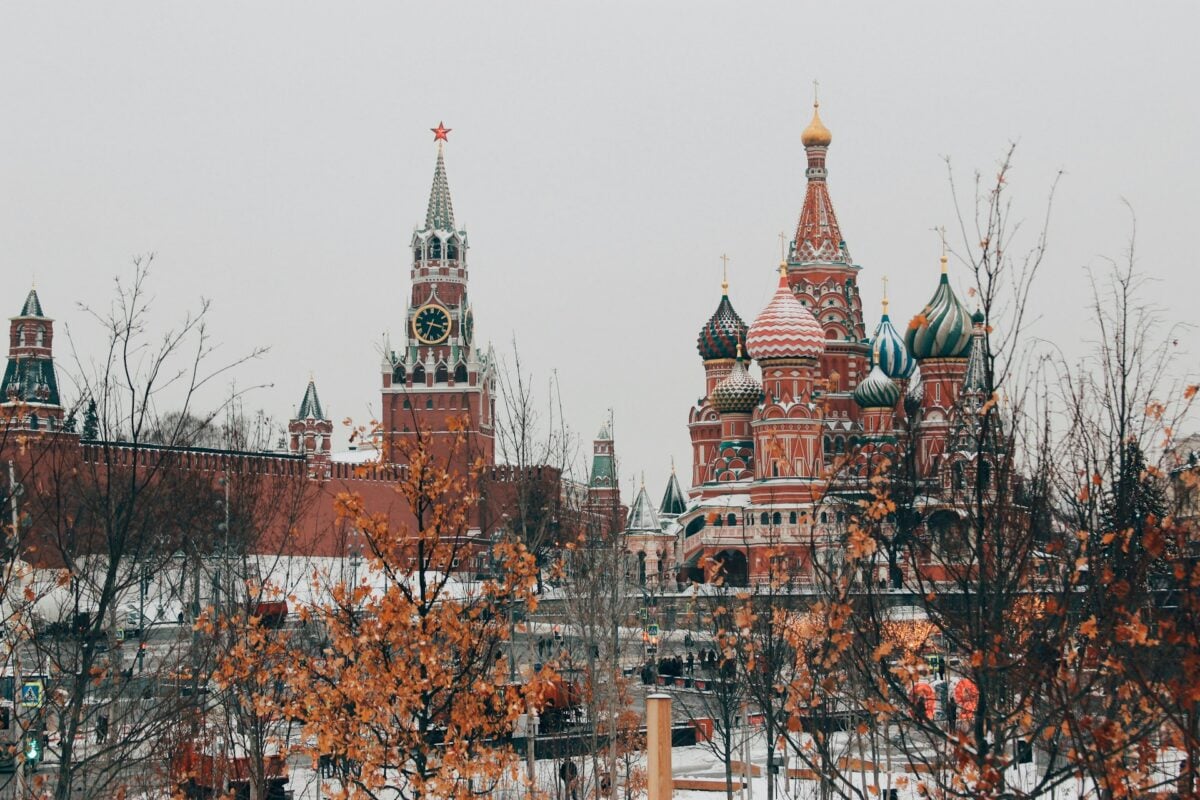
The Neglinnaya River once flowed openly through Moscow, but city planners decided to bury it completely in the early 1800s. Initially this tunnel served as a sewer as well; for 70 years it channeled foul water into the Moskva, until the construction of dedicated sewers in 1887.
The first tunnels were created from 1817-19, and soon enough the full 7.5 km of the Neglinnaya River had been buried, hidden from sight. Today this underground waterway still flows beneath the Kremlin, creating a natural moat that few people know exists.
The buried river has become the subject of countless urban legends and ghost stories over the years.
Like Go2Tutors’s content? Follow us on MSN.
Ivan the Terrible built a secret torture chamber

In the late 1500s, Ivan the Terrible constructed a torture chamber deep underground. Legend has it that he executed everyone who worked on its construction, to prevent anyone from identifying its exact location.
From 1525, the underground vaults of the Beklemishevskaya Tower were used as a dungeon and a torture chamber. It was here that Ivan the Terrible had his enemy, Prince Andrei Khovansky, kept as prisoner.
The exact location of Ivan’s personal torture chamber remains unknown to this day. Some historians believe multiple such chambers existed throughout the complex.
The red walls weren’t always red

The Kremlin’s distinctive red color only appeared in the 1680s when the walls were painted for the first time. Before that, the brick walls showed their natural color, which was much lighter.
The red paint became a symbol of Russian power and has been maintained ever since. During major renovations, workers discovered that some sections had been painted different colors at various points in history.
A massive library disappeared without a trace

Ivan IV purportedly had been hiding multitudes of weapons underneath the Kremlin, but he also supposedly collected one of the world’s greatest libraries. The legendary Byzantine Liberia contained thousands of ancient books and manuscripts that Ivan inherited through his grandmother.
Its location was lost sometime in the 1500s. Treasure hunters and historians have searched for centuries without finding a single book from this lost collection.
Some believe the library was destroyed during one of Moscow’s many fires.
Like Go2Tutors’s content? Follow us on MSN.
Secret tunnels connected towers and buildings

The Kremlin’s first tower, built in 1485, got its name from the word taina, meaning ‘secret’: a well and secret passage were dug under the tower to provide water and an exit during sieges. Between 1930 – 1933 these were filled in.
The neighboring Konstantino-Eleninsky Tower is connected to the Beklemishevskaya Tower by underground passages. Many of these tunnels were sealed or destroyed during Soviet renovations.
The existence and exact location of these tunnels are shrouded in mystery, with their entrances well hidden from public knowledge.
Stalin built an underground railway system

The result was a secret underground railway system code-named D-6, which, by the 1980s, featured three lines crisscrossing the city, according to historians, former government officials and underground explorers who have studied the system. Accessible only by senior officials and military personnel, this “Metro-2” connected the Kremlin to key government facilities.
In 1991 a pneumatic mail tube was constructed between the CPSU Central Committee building in Moscow’s Old Square and the Kremlin. The system allowed leaders to travel across Moscow without being seen by the public.
The famous red stars replaced imperial eagles

Atop the Kremlin towers, you’ll notice the glowing red stars made of ruby glass. These stars replaced the double-headed eagle, a tsarist symbol, during the Soviet era in the 1930s.
The five stars on top of the Kremlin weigh one ton each and are made of ruby to enhance their shine. Each star measures up to 3.75 meters in diameter and contains special lighting systems.
In their 80 year existence, the illumination of the Kremlin stars has only been turned off during wartime blackouts
Like Go2Tutors’s content? Follow us on MSN..
World War II camouflage fooled enemy planes

During World War II, Soviet authorities transformed the Kremlin into a giant disguise to confuse German bombers. The domes and towers were painted brown and grey, and fake doors and windows disguised the Kremlin walls.
They added wooden constructions to the Red Square, like a film set, to make it less conspicuous too. The Kremlin grounds, then paved with cobblestone, were covered up with sand and painted to look like regular city blocks.
The elaborate deception worked so well that some German pilots reported being unable to locate the Kremlin during bombing runs.
Underground explorers still discover new tunnels
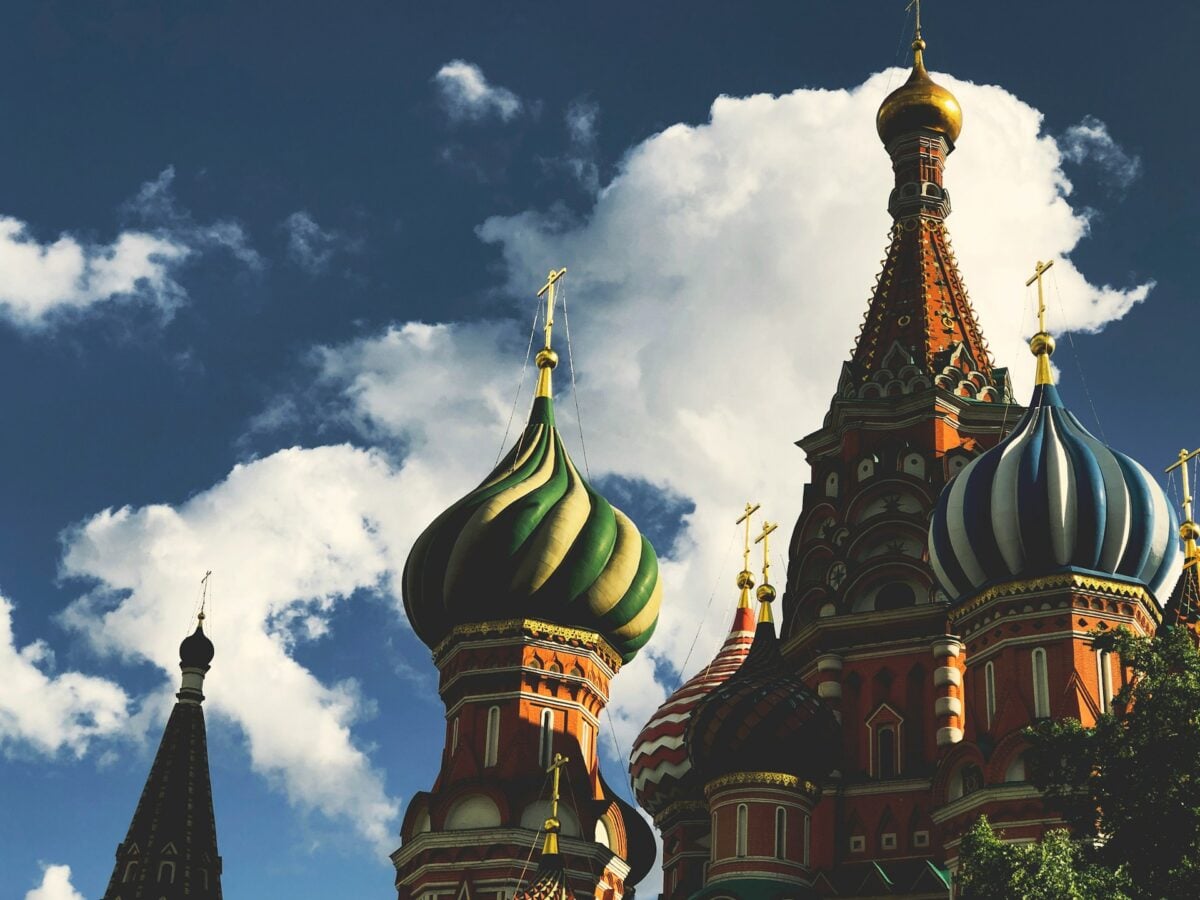
Ivan is a member of an informal community known as “Diggers,” underground enthusiasts whose hobby is exploring and documenting the vast network of tunnels that lie under Moscow. These range from drainage systems and subterranean rivers to secret Soviet bunker complexes and “Metro-2,” Modern urban explorers continue to find previously unknown passages and chambers beneath the city.
Back in the summer of 1933, two young men discovered an entrance to a centuries-old underground tunnel within sight of the red Kremlin walls. Many discoveries remain classified by Russian authorities.
The Kremlin contains multiple palaces and cathedrals

The Kremlin isn’t just one building but a complex of palaces, cathedrals, and government offices. The Grand Kremlin Palace serves as the ceremonial residence of the Russian president.
Three cathedrals date back to the 15th and 16th centuries and contain priceless religious artifacts. The Palace of Congress was built in 1961 by the Soviet government after some historical monuments were destroyed to make room.
Surprisingly, half of the building (at least five floors) is underground.
Like Go2Tutors’s content? Follow us on MSN.
Ancient frescoes stayed hidden for centuries

Behind false walls and under layers of paint, restorers have found medieval artwork that survived centuries of political changes. Some frescoes were deliberately covered during religious reforms, while others were simply painted over during renovations.
The discovery of these hidden artworks continues to this day as restoration projects peel back layers of history. Each newly revealed fresco provides fresh insights into medieval Russian religious and court life.
From fortress to power center, secrets remain
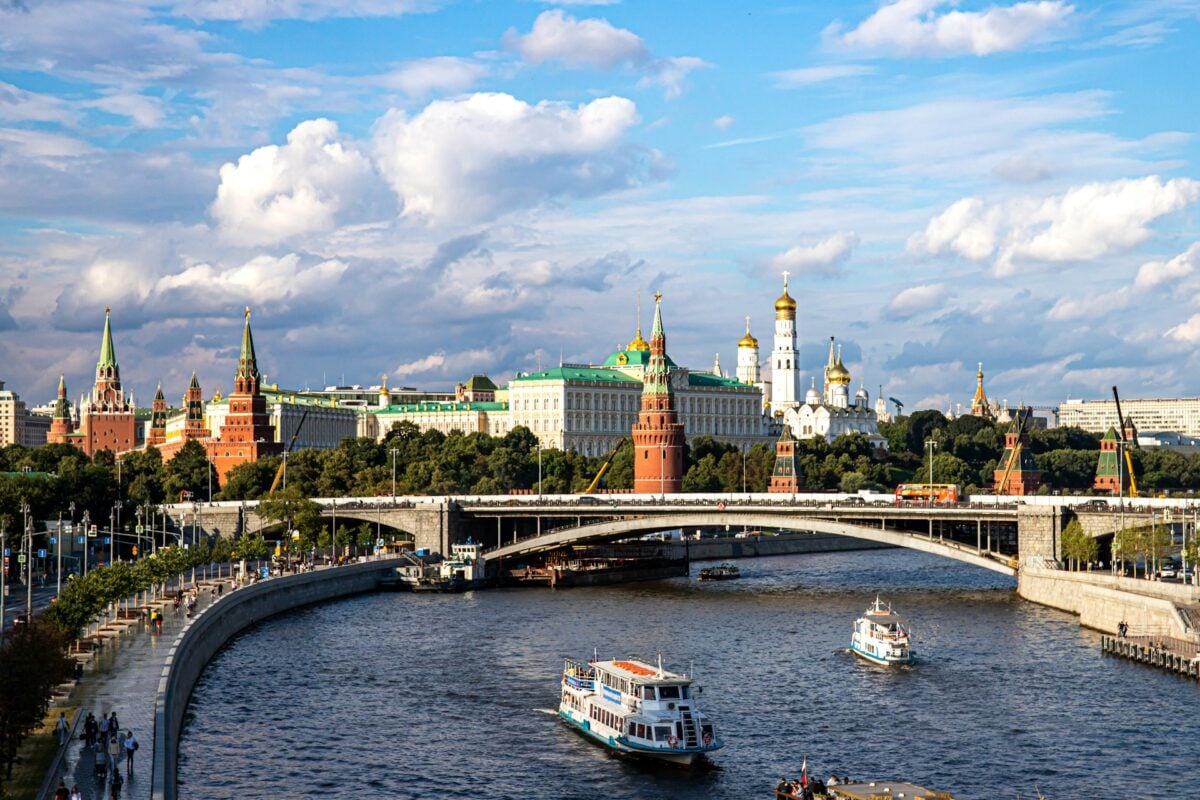
The Kremlin’s transformation from medieval fortress to modern seat of power mirrors Russia’s own complex history, yet many of its deepest secrets remain buried beneath centuries of political change. What began as a wooden fort on a hill has evolved into one of the world’s most secure and mysterious government complexes.
The underground tunnels, hidden chambers, and lost treasures that fill its depths continue to capture imaginations and fuel ongoing investigations. Today’s Kremlin still guards its secrets as carefully as any medieval fortress, proving that some mysteries are designed to last forever.
More from Go2Tutors!

- 16 Historical Figures Who Were Nothing Like You Think
- 12 Things Sold in the 80s That Are Now Illegal
- 15 VHS Tapes That Could Be Worth Thousands
- 17 Historical “What Ifs” That Would Have Changed Everything
- 18 TV Shows That Vanished Without a Finale
Like Go2Tutors’s content? Follow us on MSN.



