15 Frontier Forts Still Standing in America
Most frontier forts were built fast, used hard, and abandoned the moment the army found a better address. Adobe melted, timber rotted, and settlers hauled away the good lumber for barns.
The ones that remain are the exceptions, and each survived for its own odd reason.
Some stand as crumbling ruins at the end of a dusty trail. Others have barracks, officers’ houses, and parade grounds so intact that a lost cavalry sergeant would feel right at home.
Fort Laramie, Wyoming
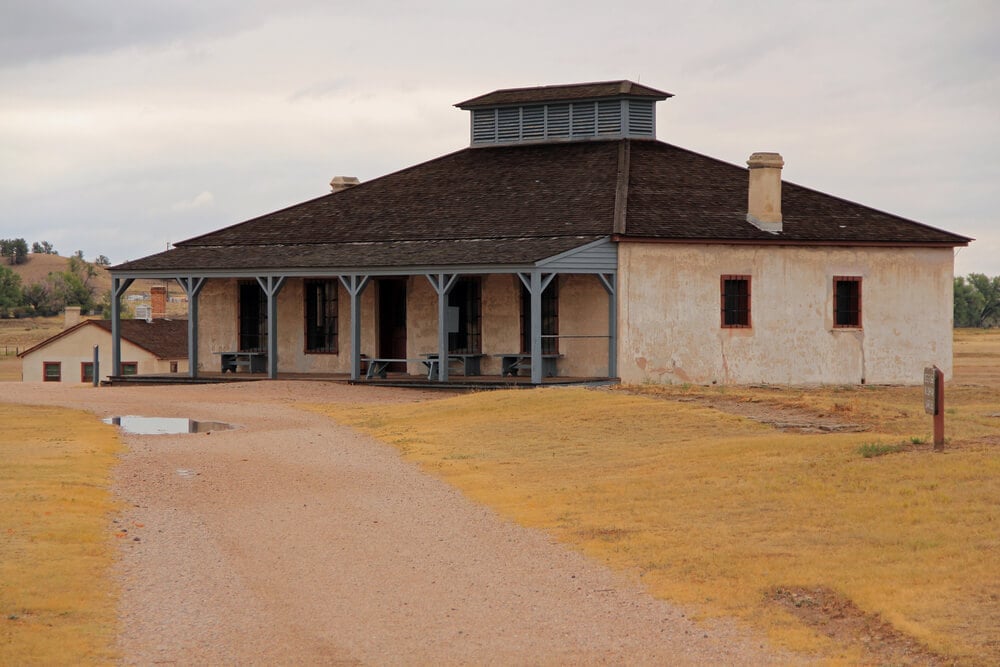
Fort Laramie began as a fur trading post before the Army took it over and turned it into one of the most important stops on the Oregon Trail. A bachelor officers’ quarters still standing on the grounds is nicknamed Old Bedlam, a name that hints at how lively life behind its walls could get.
Emigrants, Pony Express riders, and treaty negotiators all passed through the same gates. The fort now operates as a National Historic Site, with a surprising number of original buildings scattered across its grounds.
Fort Larned, Kansas
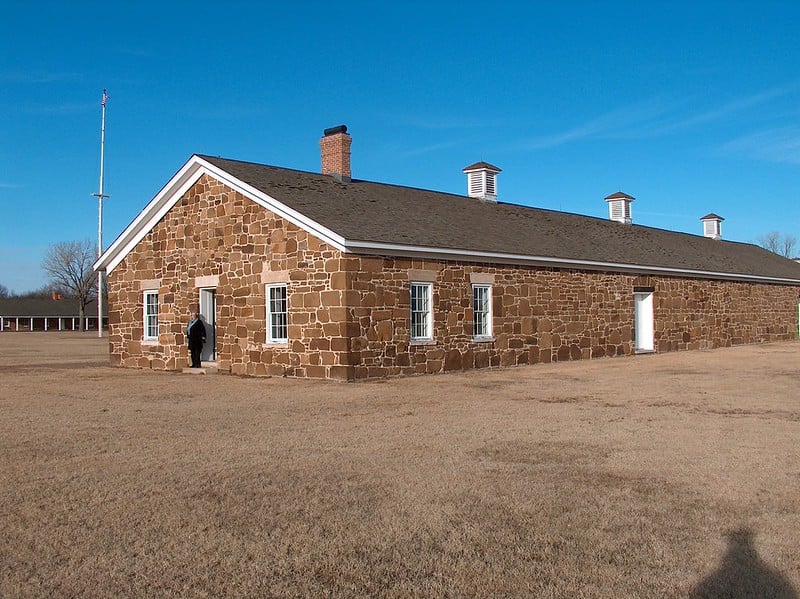
Fort Larned guarded a dangerous stretch of the Santa Fe Trail, and its barracks and shops were built from local sandstone rather than wood. Those stone buildings are still there, arranged around a square parade ground much as they were in the 1860s.
The post also served as an agency where the government issued annuity goods to Plains tribes, which made it as much a diplomatic stage as a military one. Few frontier forts look this complete from the road.
Fort Davis, Texas
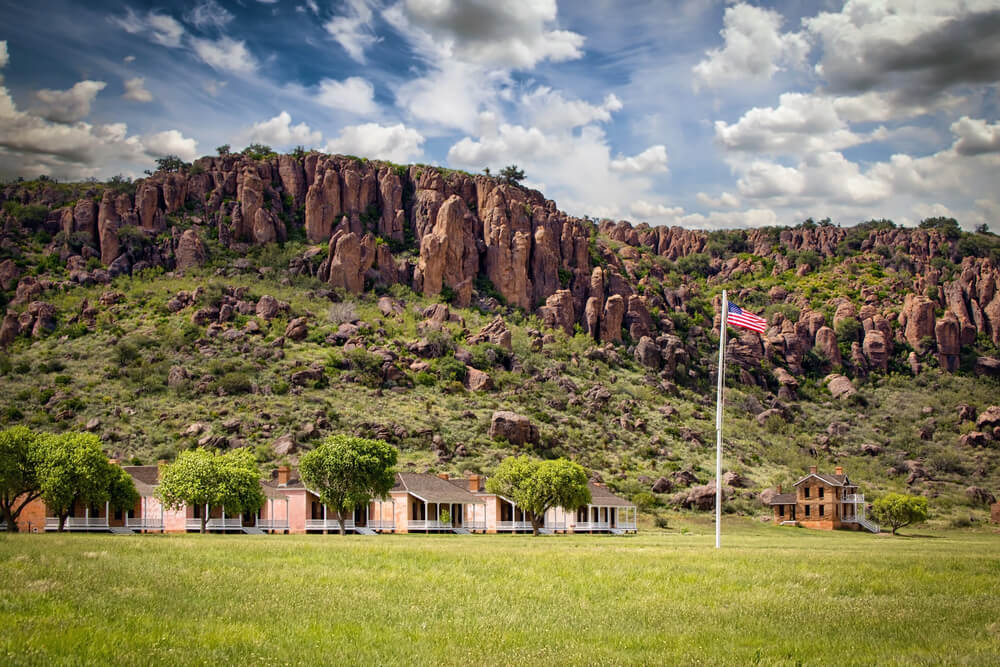
Set in the Davis Mountains and named for Secretary of War Jefferson Davis, this post was abandoned at the start of the Civil War and later reoccupied. Black regiments known as Buffalo Soldiers garrisoned it for years afterward.
Among its officers was Lieutenant Henry Flipper, the first Black graduate of West Point, who was court-martialed here and dismissed from the Army. His name was not cleared until a presidential pardon arrived in 1999, long after his death.
Fort Union Trading Post, North Dakota and Montana
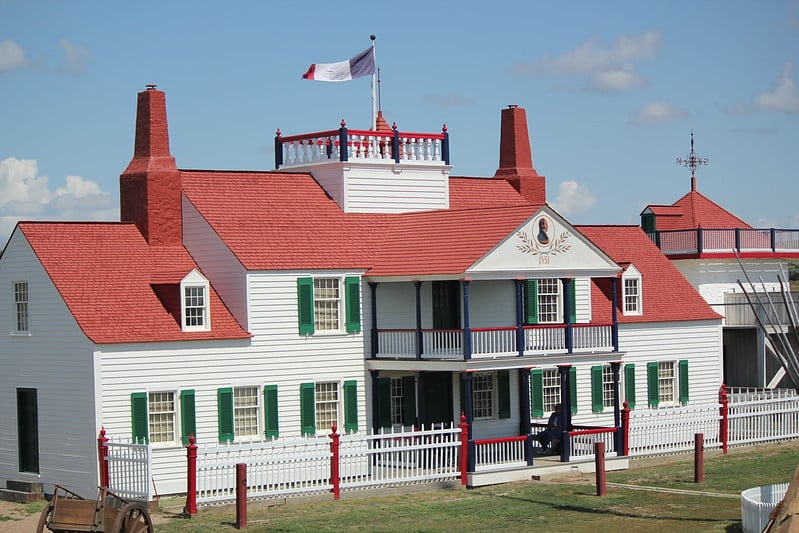
Built by Kenneth McKenzie for the American Fur Company, this trading post sat where the Yellowstone River meets the Missouri and straddles today’s border between North Dakota and Montana. McKenzie ran it so grandly that he earned the nickname King of the Missouri.
Naturalist John James Audubon stayed here while collecting specimens during his journey up the river. The buildings visitors see today were reconstructed on the original site, but the setting remains remarkably unchanged.
Fort Ross, California
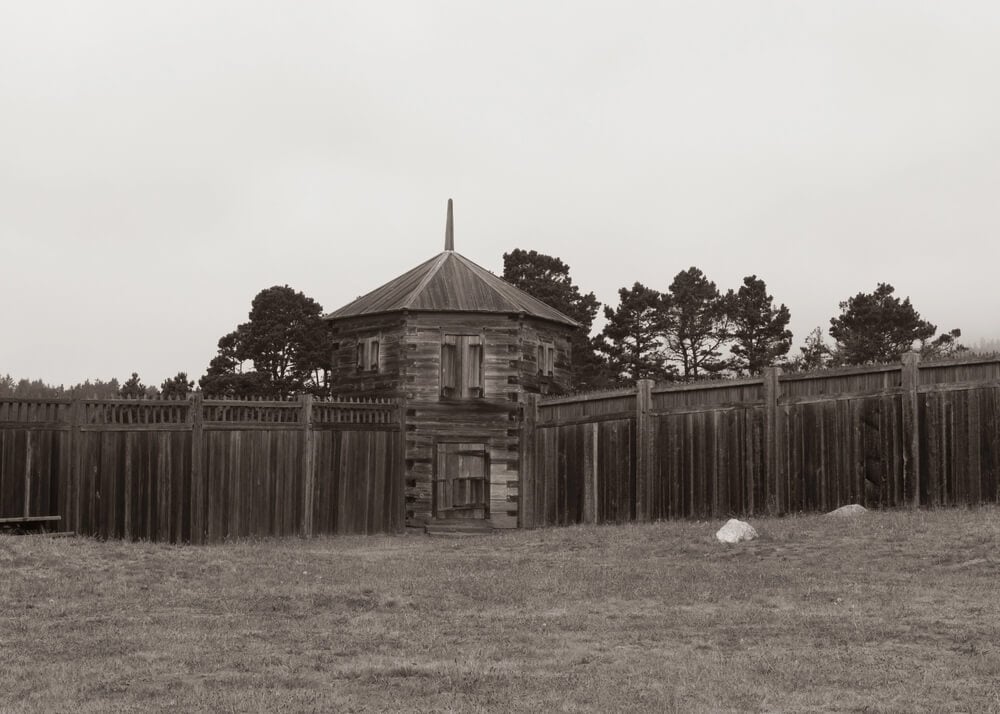
Russian fur hunters founded Fort Ross in 1812 on the Sonoma coast, and its name comes from Rossiya, an old word for Russia. The colony hunted sea otters and grew grain to supply Russian settlements in Alaska before it was sold in 1841.
The Rotchev House, home of the last Russian manager, is the original structure that survives, while the stockade and chapel have been rebuilt. A Russian fort on the California coast still catches people off guard.
Fort Smith, Arkansas
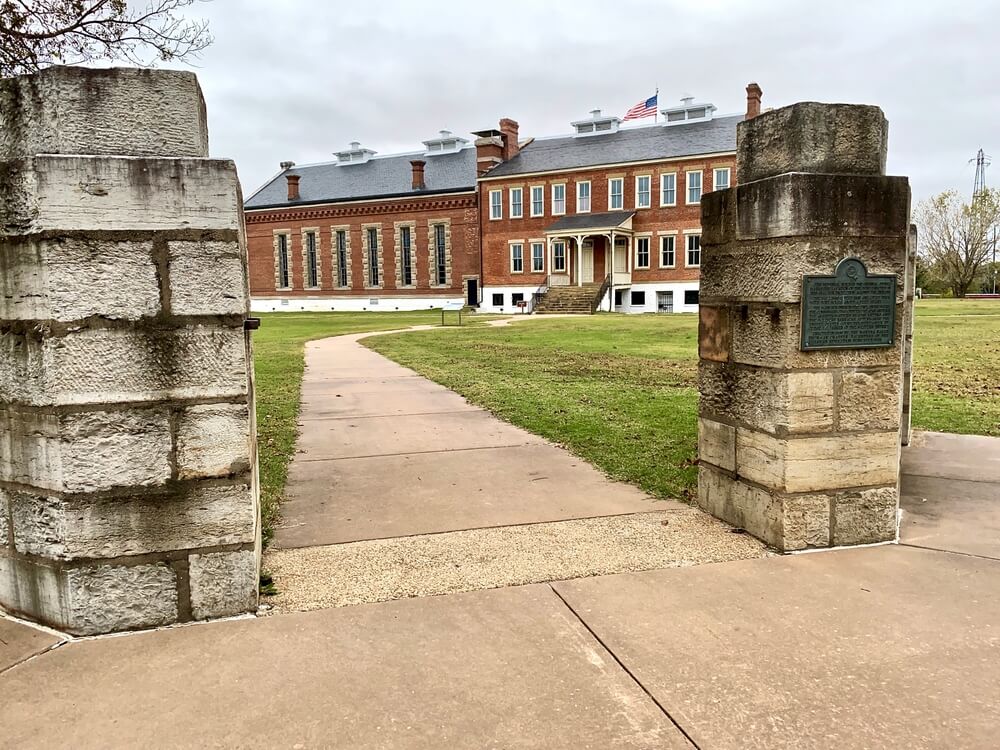
Fort Smith began as an army post on the Arkansas River, then found its fame when Judge Isaac Parker held court in a former military building there. His court sentenced scores of people to death, and dozens were hanged.
Deputy marshals such as Bass Reeves rode out from here into Indian Territory and brought defendants back to face him. The basement jail was known as Hell on the Border, and the site is now a National Historic Site.
Fort Verde, Arizona
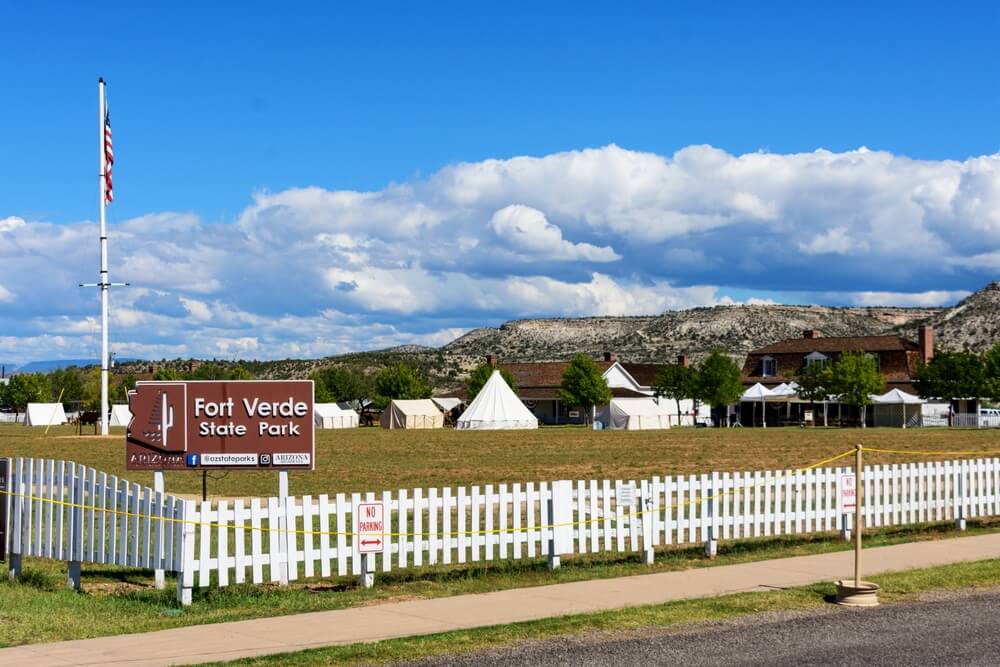
Fort Verde served as a base for General George Crook’s campaigns against Apache and Yavapai bands in central Arizona. Several of its original officers’ quarters and administrative buildings survive, and the park was dedicated to the public on October 10, 1970.
Yavapai and Apache people were later marched from the Verde Valley to San Carlos, an episode that remains central to Yavapai history. The fort’s tidy buildings make it one of the most complete army posts in the Southwest.
Fort Scott, Kansas
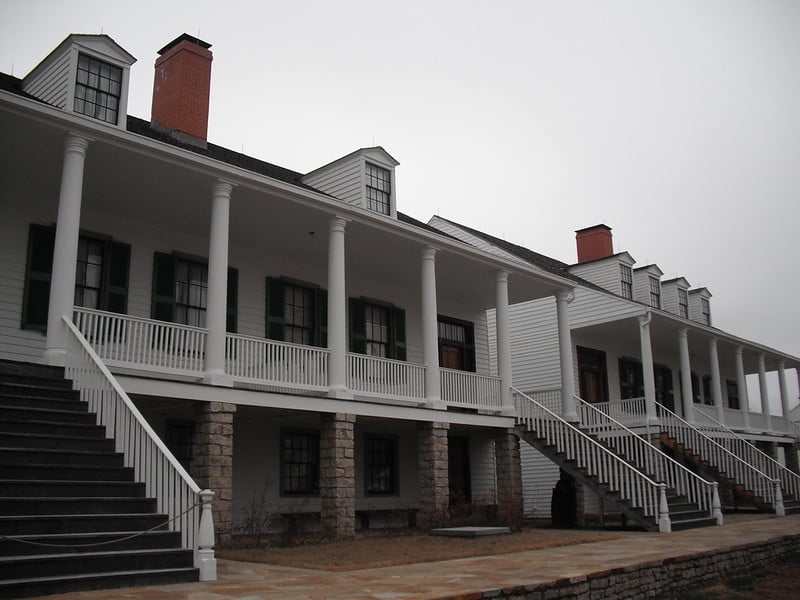
Named for General Winfield Scott, Fort Scott never had a stockade or walls, just buildings arranged around an open parade ground. After the Army left, the buildings were sold off, and the town grew up around them, using them as homes and hotels.
The Army returned during the Civil War, and the National Park Service has since restored the surviving structures along with a stretch of tallgrass prairie. It makes a rare case of a fort that became a town before becoming a museum.
Fort Concho, Texas
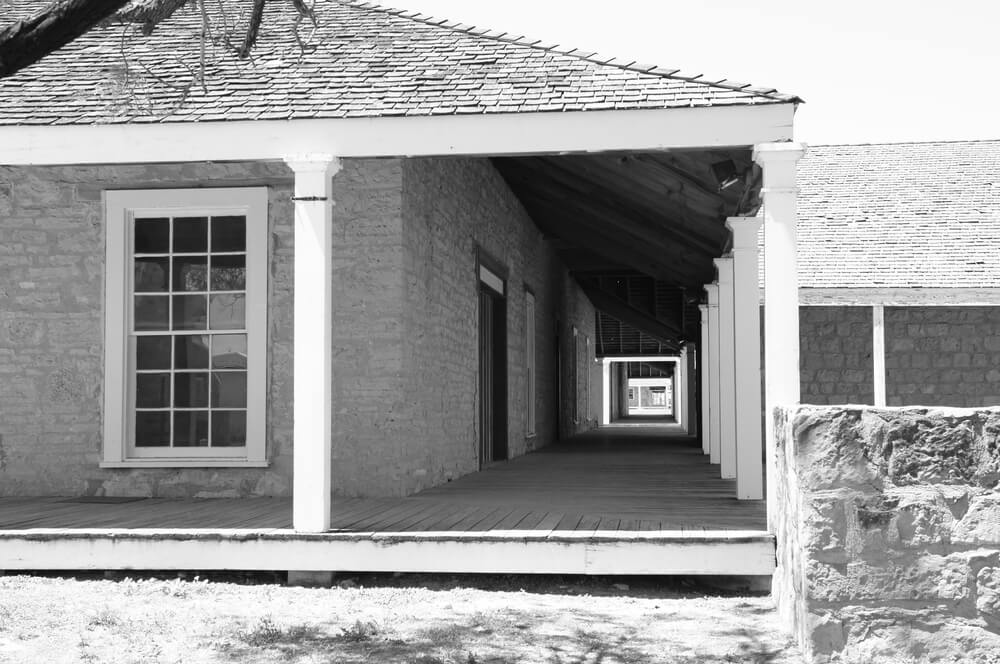
Fort Concho sits at the meeting of the North and South Concho Rivers, and 23 of its original buildings still stand in San Angelo. The post housed Buffalo Soldier regiments and served as a base for patrols across West Texas.
When the Army left, local residents moved into some of the vacated structures, which helped preserve them. Today it is a National Historic Landmark with restored barracks, hospital, and officers’ quarters.
Fort Bowie, Arizona
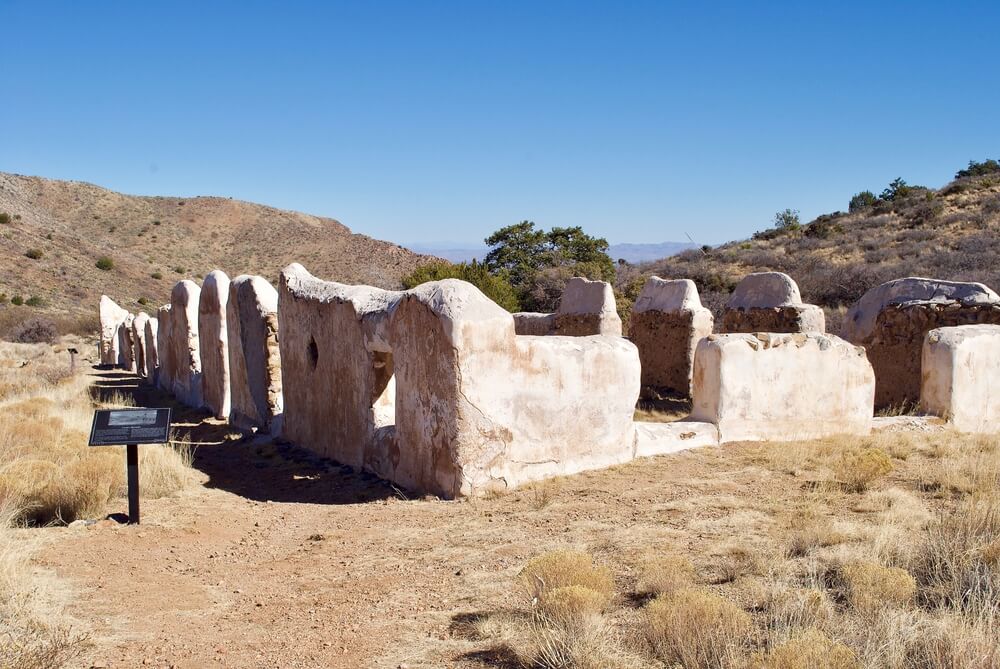
Fort Bowie was built to protect Apache Pass, a narrow route with one of the few reliable springs in southeastern Arizona. Visitors cannot drive to the ruins; they have to hike a trail past a cemetery and the remains of a stage station.
After Geronimo’s surrender in 1886, he and other Chiricahua Apaches were brought through Fort Bowie before being shipped by rail to Florida. The Army eventually abandoned the post, leaving adobe walls that now stand in quiet desert.
Fort Snelling, Minnesota
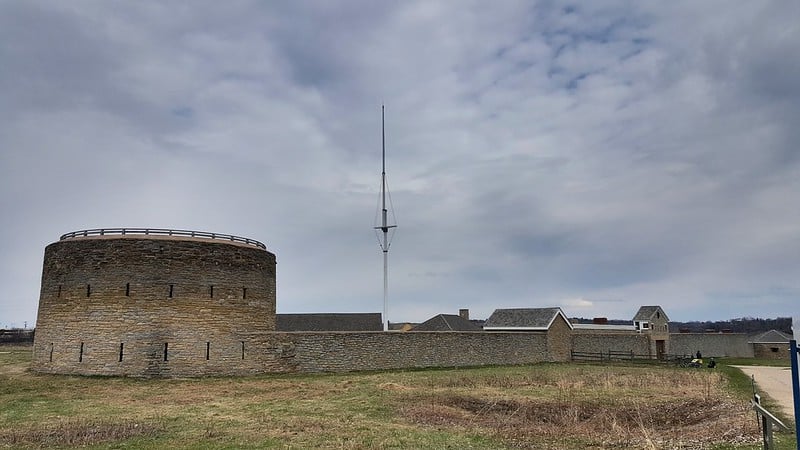
Sitting on a bluff above the meeting of the Mississippi and Minnesota Rivers, Fort Snelling still has a stone Round Tower from its earliest years. Dred Scott and his wife Harriet lived here while his enslaver, an Army surgeon, was stationed at the fort, and that residence in free territory became the basis for their famous freedom suit.
During World War II the site also hosted a military language school that trained Japanese American linguists for the Pacific war. It is among the few places in the country where so many chapters of American history overlap on one hilltop.
Fort Union, New Mexico
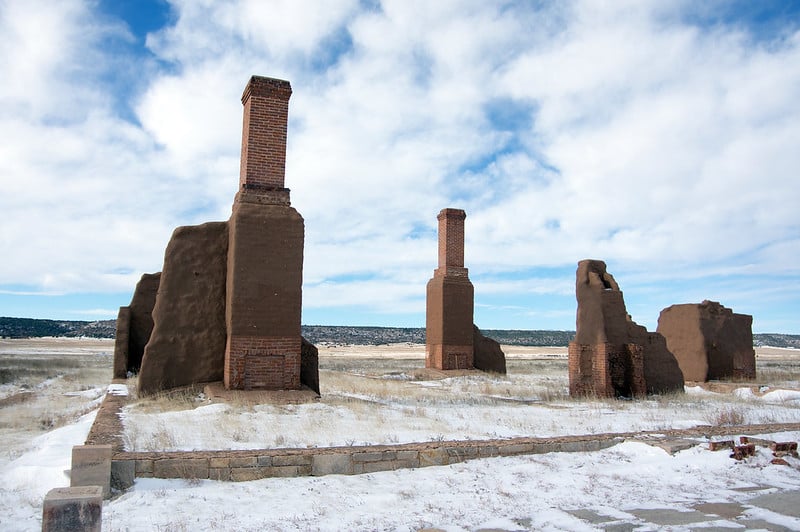
Fort Union anchored the Santa Fe Trail and was rebuilt more than once, including a hurried earthwork fort meant to counter a Confederate invasion. That threat ended at the Battle of Glorieta Pass in March 1862, and the earthwork was never needed.
The adobe ruins of the third and largest fort still stand on a high plain, and the wagon ruts of the trail are still visible in the grass. The wind here is the only soundtrack, and it carries well.
Fort Robinson, Nebraska
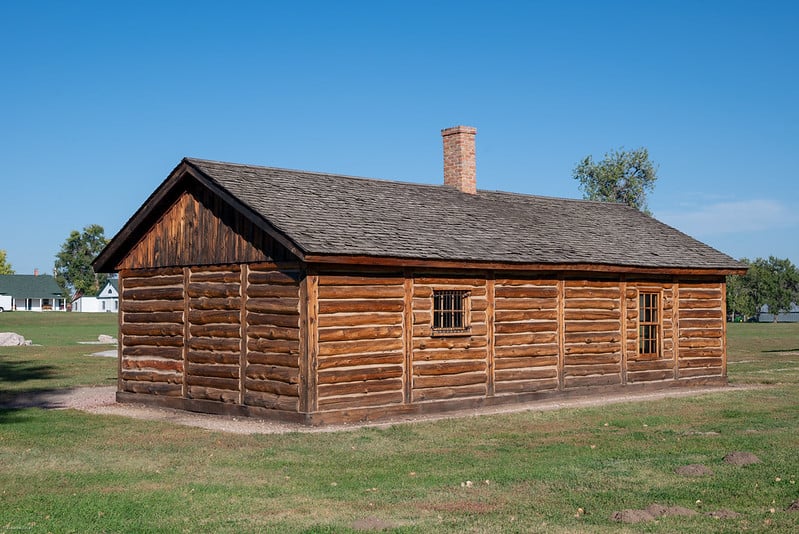
Established in 1874 as Camp Robinson, this post is where the Oglala leader Crazy Horse was killed in September 1877. Not long afterward, a group of Northern Cheyenne held in a barracks broke out in a desperate escape attempt that ended in deaths in the snow.
During World War II the site became a training center for military dogs. Visitors today can stay overnight in some of the historic buildings inside Fort Robinson State Park.
Fort Sisseton, South Dakota
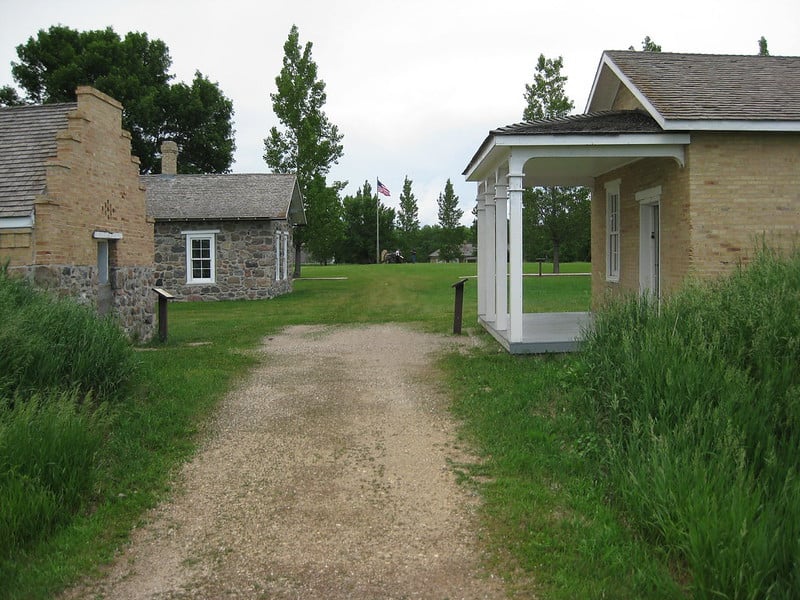
The Army built this post in 1864 as Fort Wadsworth, then renamed it in 1876 for the Sisseton band of the Dakota people. It was constructed of brick and local fieldstone in the middle of the northern prairie, and many of those buildings remain.
Work crews restored parts of the site in the 1930s, and it is now a state historic park. An annual festival in June brings reenactors who stage military drills and frontier crafts on the parade ground.
Fort Missoula, Montana
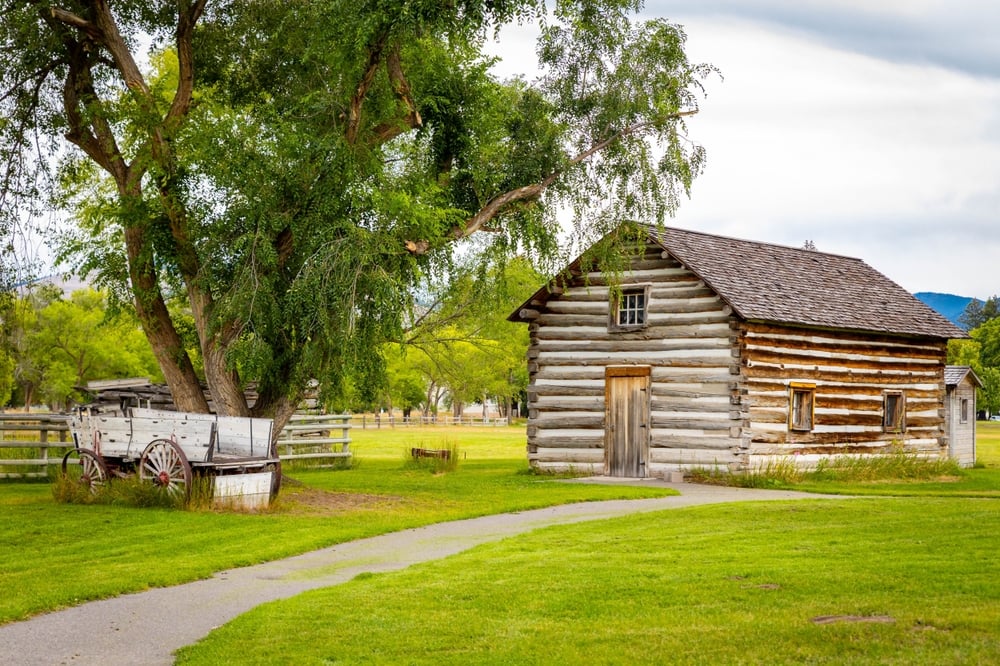
Fort Missoula opened in the 1870s to protect settlers in western Montana, but it is best known for stranger chapters. In 1897, a unit of the 25th Infantry, an all-Black regiment, set out from here on bicycles on an experimental ride to St. Louis.
During World War II the post held Italian and Japanese nationals as an internment camp. Some of its older structures survive and now form part of a historical museum.
What Survives Is Rarely an Accident
Looking across these fifteen sites, a pattern appears: preservation usually followed a surprise. Sometimes the buildings were made of stone instead of wood, sometimes they sat too far from anyone who needed the lumber, and sometimes a town or a state decided late that they mattered.
Almost none were saved because someone planned to keep them from the start.
That makes each fort a lucky witness to a messy period that textbooks tend to tidy up. The walls hold fur traders, cavalrymen, treaty negotiators, internees, and people who were forced out of their homelands.
Visiting means walking through all of that at once, usually on a quiet afternoon with nobody else around.
More from Go2Tutors!

- The Romanov Crown Jewels and Their Tragic Fate
- 13 Historical Mysteries That Science Still Can’t Solve
- Famous Hoaxes That Fooled the World for Years
- 15 Child Stars with Tragic Adult Lives
- 16 Famous Jewelry Pieces in History
Like Go2Tutors’s content? Follow us on MSN.