15 Castles Built on Isolated Sea Stacks
Picture this: you’re a medieval architect with an impossible brief—build a castle that’s literally unreachable except by the most determined enemies. Your solution? Find a sea stack. These towering pillars of rock jut straight up from the ocean like nature’s own skyscrapers, carved by thousands of years of relentless waves into perfect natural fortresses. Building on one meant your castle would be surrounded by churning water, accessible only by the most treacherous boat landings or narrow bridges that could be easily defended or destroyed.
Here’s a list of 15 remarkable castles that took the phrase ‘natural fortress’ to spectacular new heights—whether built on true sea stacks, tidal islands, or rocky outcrops that may as well be sea stacks in spirit.
Stack Rock Fort

Rising from a lone outcrop in the waters of Milford Haven, Stack Rock Fort looks like a misplaced piece of a battleship. This 19th-century fort was built directly on a sea stack to protect the harbor from naval threats.
With waves lapping at its stone base and no natural access, it’s the textbook definition of “unreachable.” Even abandoned, it remains a fortress in exile.
Taureau Castle
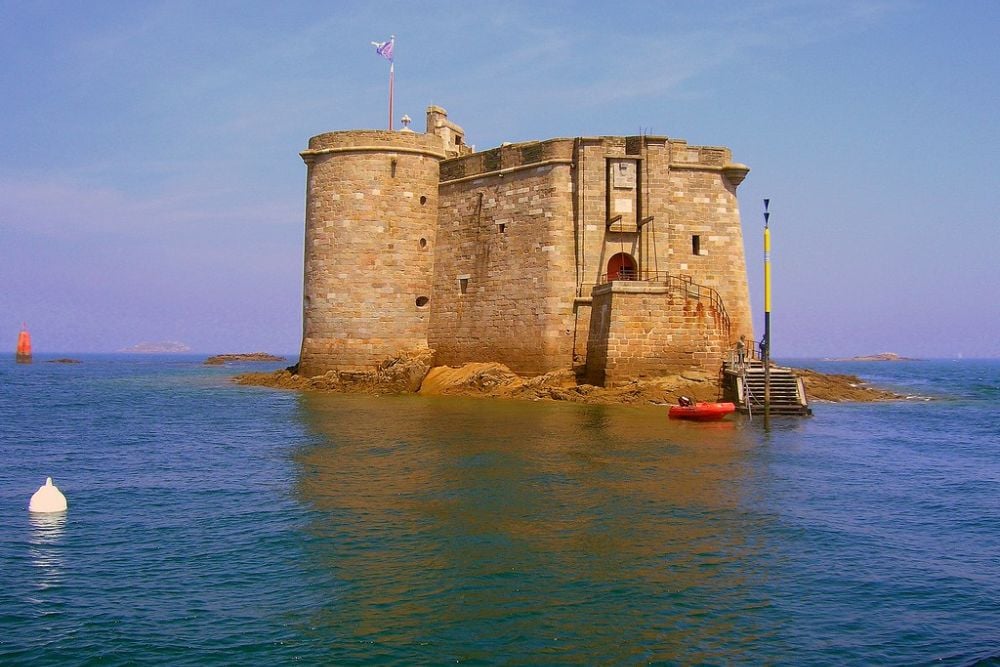
Taureau Castle stands on a wave-beaten islet off the coast of Brittany, like a ship made of stone. Built in the 16th century to fend off English raiders, it perches atop a rocky sea stack so narrow it seems to rise straight from the sea.
Today, it’s only reachable by boat, and when fog rolls in, it vanishes like a ghost fortress. The sea made it a guardian, and still guards it today.
Like Go2Tutors’s content? Follow us on MSN.
Dunnottar Castle

Perched on a 160-foot cliff along Scotland’s northeastern coast, Dunnottar Castle commands one of the most dramatic positions in all of Europe. The medieval fortress sits on a rocky promontory that’s nearly cut off from the mainland, accessible only by a steep, narrow path that would make any invading army think twice.
This strategic location helped protect Scotland’s crown jewels during Cromwell’s invasion in the 1650s, when they were smuggled out right under the noses of besieging English forces.
Tintagel Castle
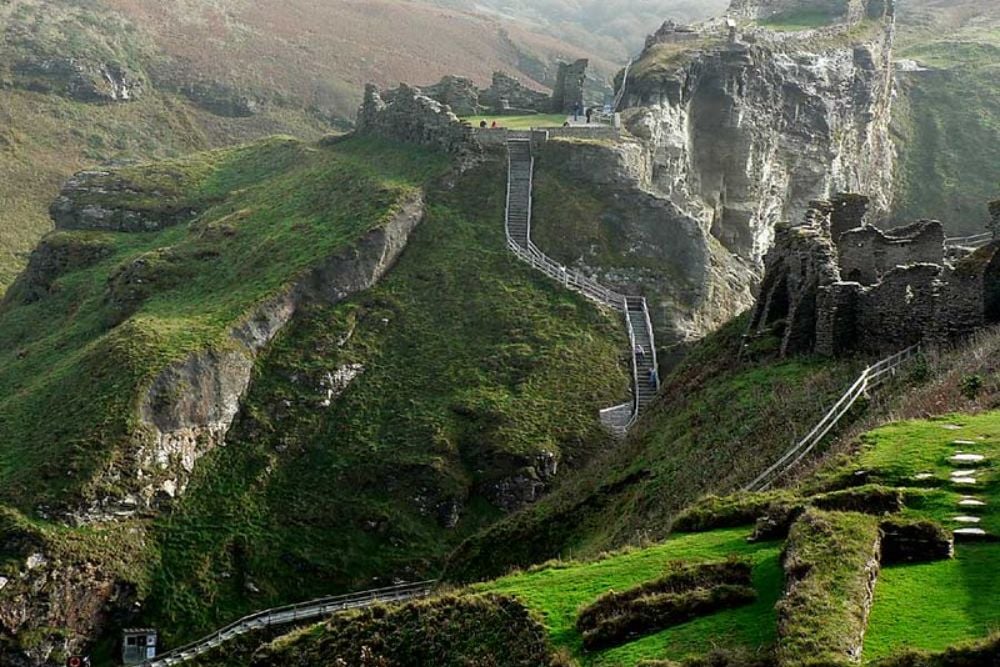
Cornwall’s Tintagel Castle occupies a sea stack connected to the mainland by a narrow rocky bridge that’s been partially reinforced over the centuries. The castle ruins sprawl across both the mainland cliff and the isolated rock island, linked by what locals call “the bridge to nowhere” when the fog rolls in.
Archaeological evidence suggests people have been fortifying this spot since Roman times, and it’s famously linked to Arthurian legend as the supposed birthplace of King Arthur.
O’Donnell’s Castle
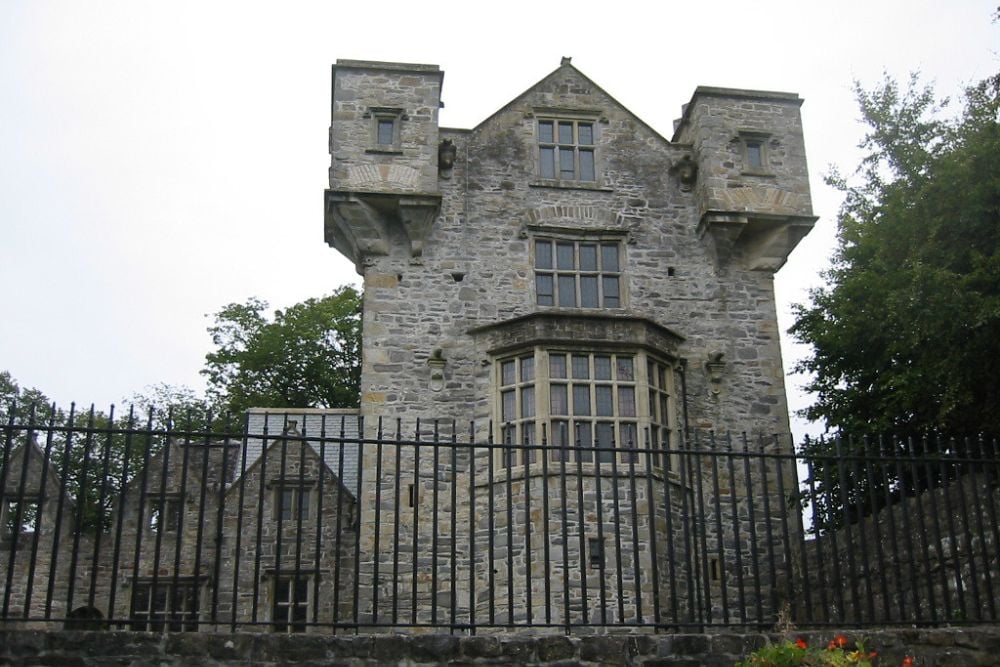
The original 15th-century version of Donegal Castle once stood on a natural sea stack at the edge of the River Eske, where the estuary meets the Atlantic. Though today’s structure is inland, the ruins of the old sea-stack tower remain offshore, clinging to a jagged column of stone.
High tides and rough seas isolated it completely, making it nearly untouchable. Pirates tried to take it—and none succeeded.
Like Go2Tutors’s content? Follow us on MSN.
Mont-Saint-Michel

This UNESCO World Heritage site in Normandy, France, represents the ultimate evolution of sea stack castle building. The medieval abbey and fortified town rise from a rocky tidal island, accessible by causeway only during low tide.
When the tide comes in, Mont-Saint-Michel becomes a true island fortress, surrounded by some of Europe’s most dramatic tidal changes that can shift the waterline by nearly 50 feet.
Ailsa Craig Castle

Built on Scotland’s dome-shaped sea stack in the Firth of Clyde, this 16th-century castle sits atop a 1,100-foot volcanic plug that rises straight from the sea like a massive stone egg. The only landing spot is a tiny harbor carved into the rock, accessible only during calm weather and low tide.
The castle served as both fortress and prison, its isolation making escape virtually impossible and rescue equally unlikely.
Stalker Castle
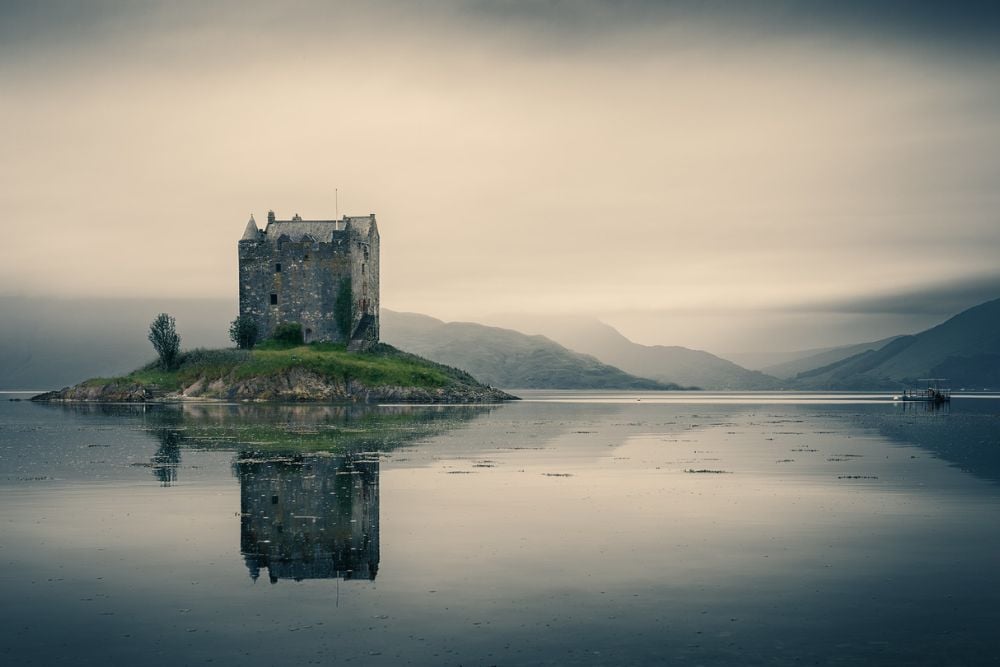
This four-story tower house sits on a tiny tidal island in Scotland’s Loch Laich, accessible only by boat or a treacherous wade during the lowest tides. Built in the 14th century, Castle Stalker looks like something from a fairy tale, rising straight from the water with perfect symmetry.
The restoration in the 1960s turned it from a romantic ruin into a functional residence, though getting groceries delivered still requires careful tide planning.
Like Go2Tutors’s content? Follow us on MSN.
Bass Rock Castle
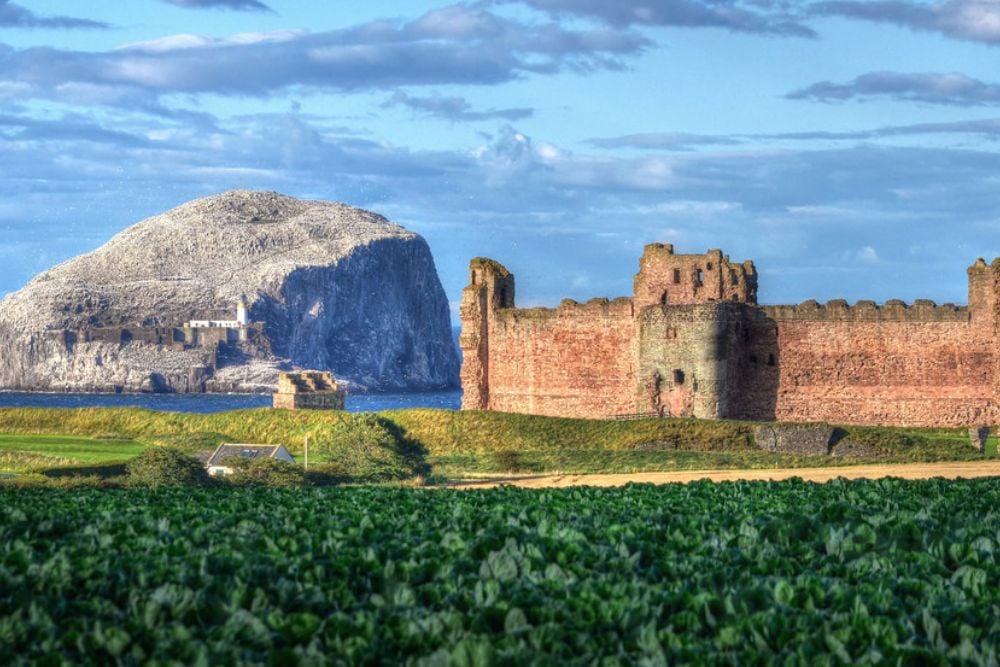
This fortress sat on one of Scotland’s most intimidating sea stacks—a massive volcanic plug rising 350 feet straight out of the Firth of Forth. The medieval castle crowned this natural Gibraltar, accessible only by a treacherous boat landing that required calm seas and nerves of steel.
Though the castle ruins are minimal today, the rock itself remains an imposing sight, home to one of the world’s largest gannet colonies. Medieval prisoners held here must have felt like they were suspended between earth and sky, surrounded by nothing but seabirds and churning water.
Lindisfarne Castle
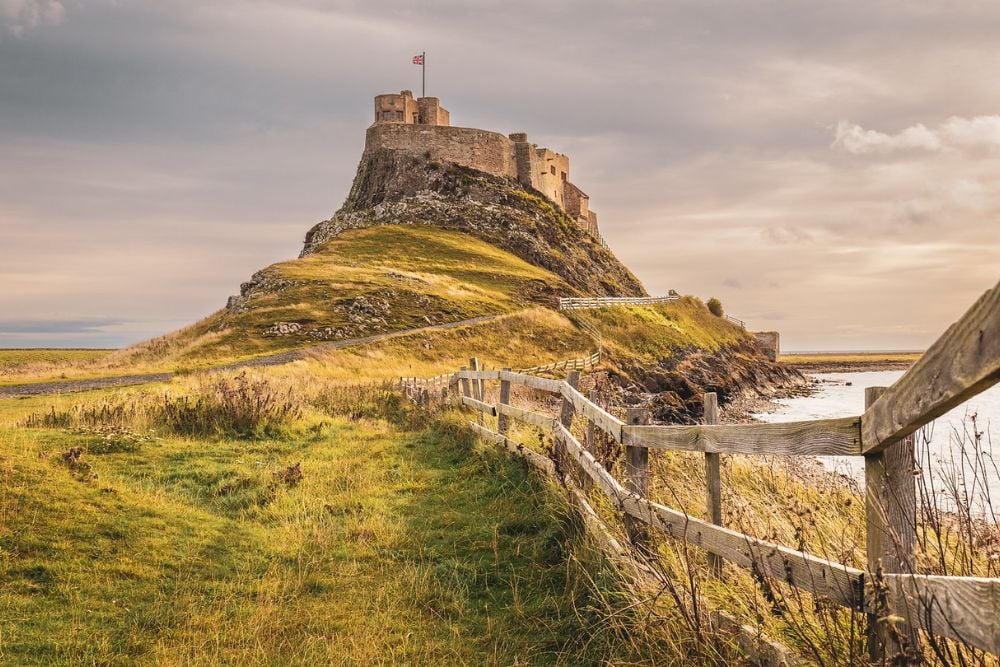
Built on a volcanic mound that becomes a true island twice daily, Lindisfarne Castle off England’s Northumberland coast epitomizes the sea stack fortress concept. The 16th-century fort sits on Beblowe Crag, a rocky outcrop that’s cut off from Holy Island during high tide, which is itself cut off from the mainland.
It’s like a castle on an island on an island—medieval builders really went all-in on the isolation concept here. The dramatic tidal causeway disappears completely under several feet of water, making timing your visit as crucial today as it was for medieval defenders.
Kisimul Castle
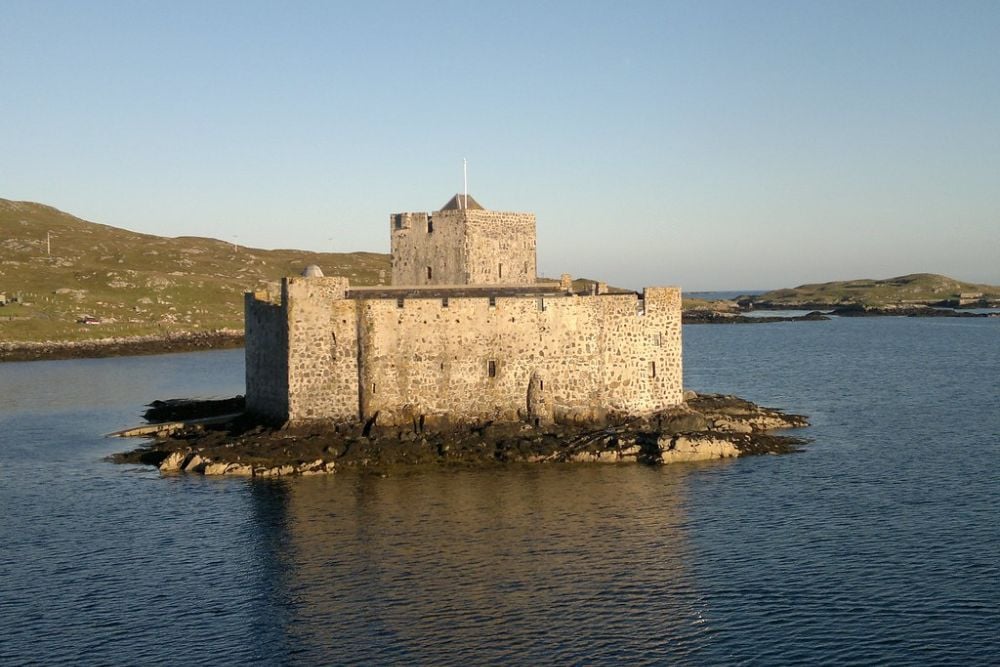
Sitting on a small rocky island in Scotland’s Outer Hebrides, Kisimul Castle represents the ultimate in clan strongholds. The medieval fortress occupies nearly the entire tiny island in Castle Bay, with walls that rise directly from the sea-lashed rocks.
Clan MacNeil built their seat of power here in the 11th century, creating a base that was both a symbol of their maritime dominance and a practical refuge during clan warfare.
Like Go2Tutors’s content? Follow us on MSN.
Castle of San Juan de Gaztelugatxe
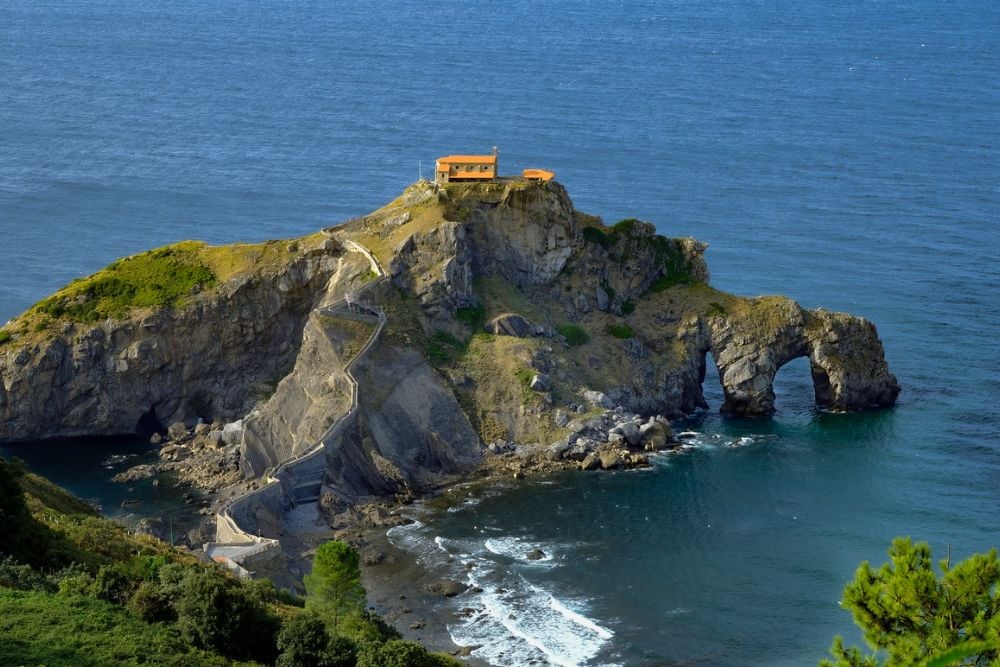
Technically a hermitage, this stone fortress on Spain’s northern coast sits atop a sea stack linked to the mainland by only 241 winding steps. The rock is built on juts steeply from the sea, flanked by crashing waves on every side.
Over centuries, it served as a lookout, refuge, and holy site—all while being nearly impossible to reach. These days, it’s better known as Dragonstone from Game of Thrones.
Dunluce Castle
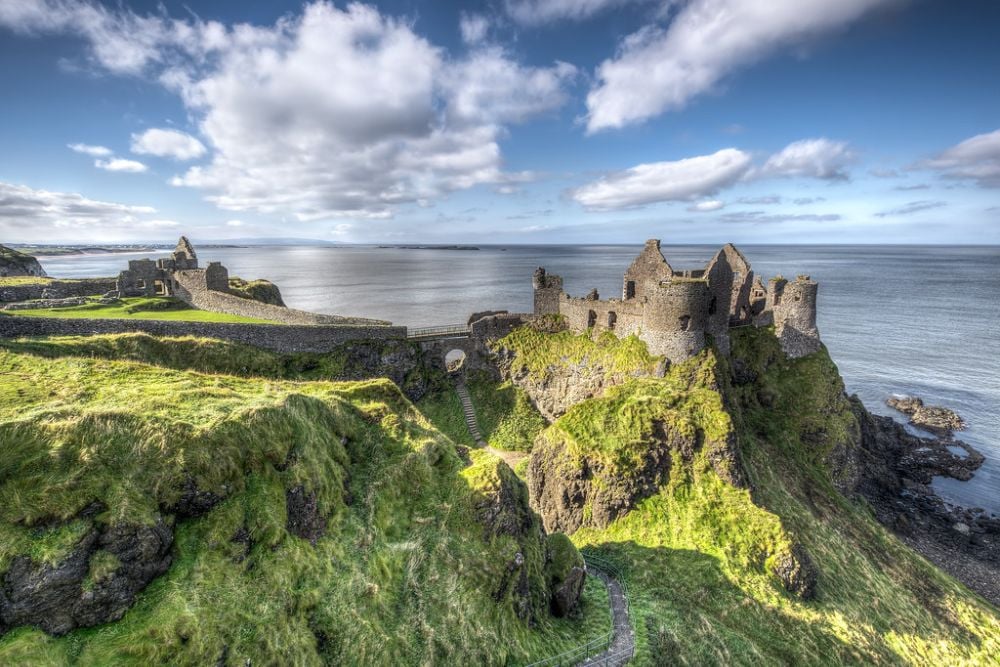
Perched on dramatic basalt cliffs along Northern Ireland’s coast, Dunluce Castle represents both the ambition and the risks of extreme coastal castle building. Part of the medieval kitchen actually fell into the sea during a storm in 1639, taking several servants with it and convincing the family to abandon their spectacular but precarious home.
The ruins that remain still showcase some of the most daring castle architecture ever attempted on the British Isles.
Castle of Santa Catalina
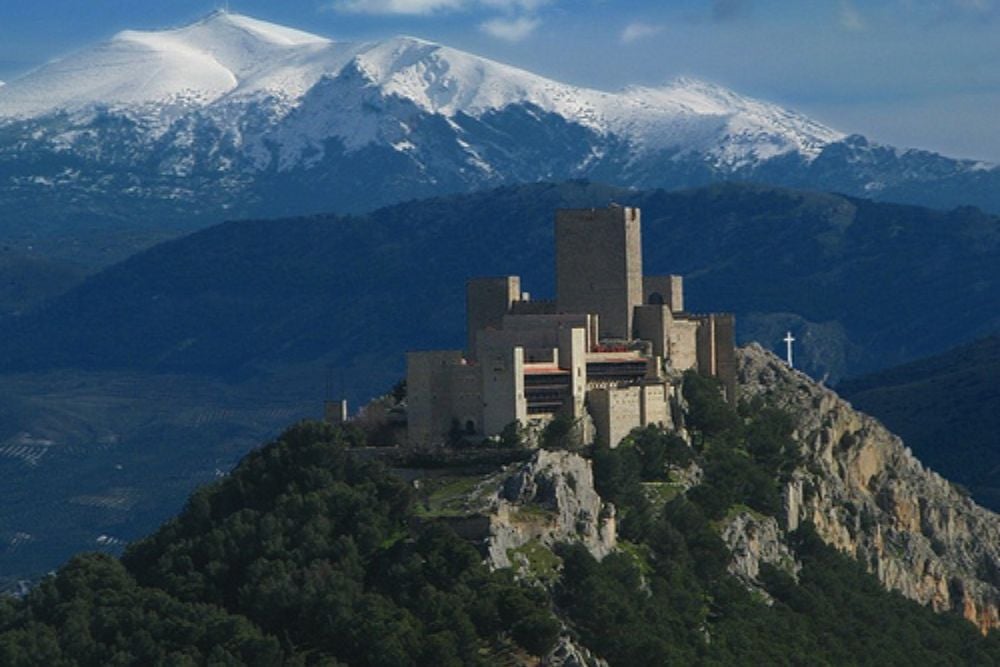
Off the shore of Cádiz, the Castle of Santa Catalina is situated on a spit of volcanic rock that rises sharply from the sea. Shaped like a star and surrounded by water, the fortress once guarded the city from pirate raids. Even today, it looks like it’s barely clinging to the edge of the ocean.
When the tide’s high and storms hit, it’s hard to tell where the castle ends and the sea begins.
Like Go2Tutors’s content? Follow us on MSN.
Castle Tioram
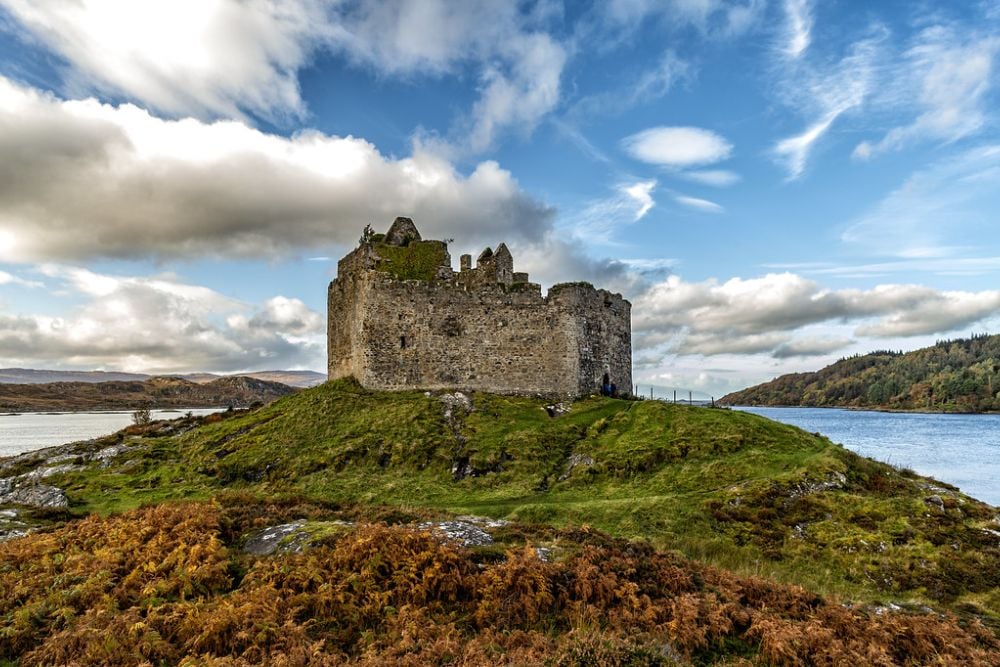
Built on a tidal island in Scotland’s Loch Moidart, Castle Tioram becomes accessible on foot only during the lowest tides of each month. The 13th-century stronghold served as the seat of Clan MacDonald of Clanranald until it was deliberately burned in 1715 to prevent it from falling into government hands after the Jacobite uprising.
Today, the romantic ruins rise from their island setting like a Scottish Atlantis, appearing and disappearing behind the mists that roll up the sea loch.
Where Ocean Meets Ambition
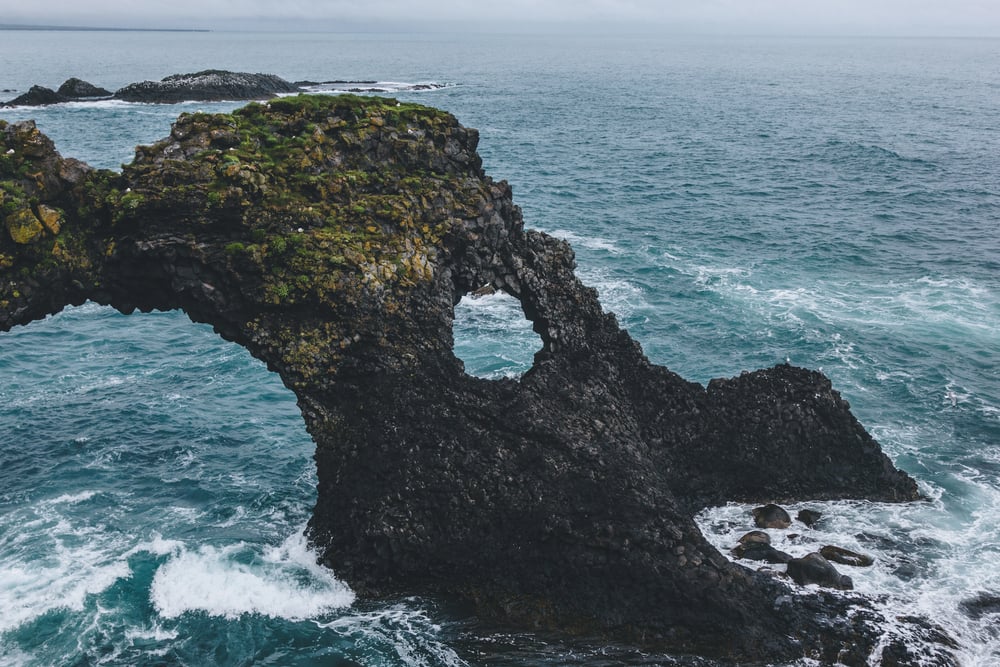
These remarkable fortresses remind us that medieval builders were willing to tackle extraordinary engineering challenges for the ultimate in natural security. While modern military technology has made such defensive positions obsolete, these castles continue to captivate visitors with their dramatic marriage of human ambition and natural grandeur.
They stand as testaments to an age when the perfect castle site was worth almost any risk or expense to achieve.
More from Go2Tutors!

- 16 Restaurant Chains That Went Too Fast
- 12 Things Sold in the 80s That Are Now Illegal
- 15 Strange Things People Have Tried to Ban (And Failed)
- 16 Collectibles People Tossed Out Too Soon
- 17 Myths from Your Childhood That Were Actually Based on Real Things
Like Go2Tutors’s content? Follow us on MSN.