16 Buildings That Make No Sense Unless You Know What They Used to Be
Modern cities are filled with architectural oddities that seem out of place or strangely designed. Many of these puzzling structures exist because they’ve been repurposed from their original function, creating a fascinating mismatch between appearance and current use.
These buildings tell stories of urban evolution, changing needs, and creative adaptation. Here is a list of 16 buildings that might leave you scratching your head until you learn about their original purpose.
Water Tower Homes
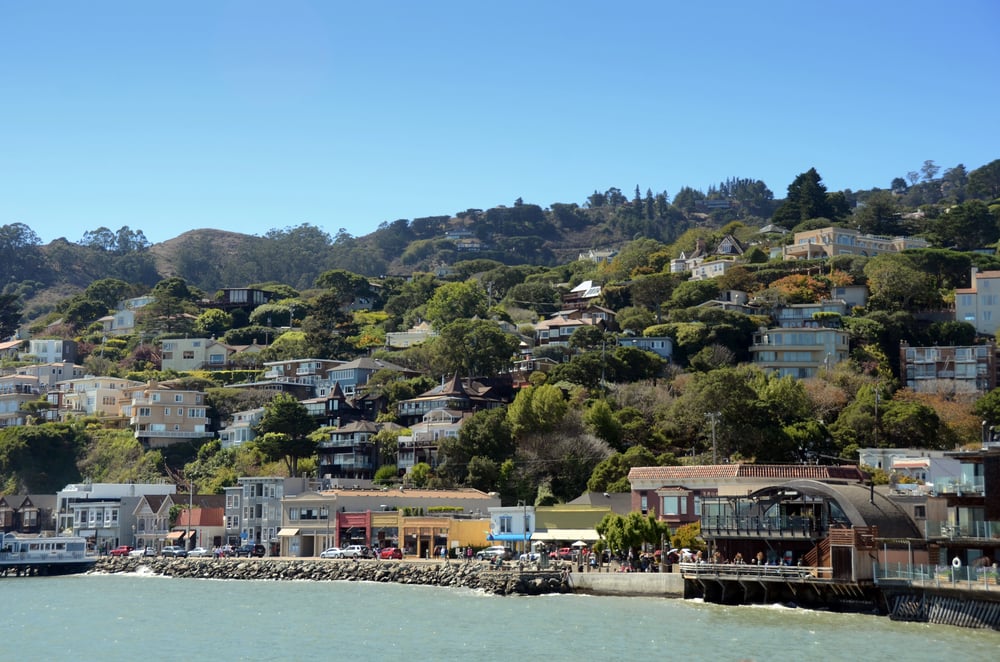
Those cylindrical houses perched atop thin stilts aren’t modern architectural experiments. They’re former water towers converted into unique living spaces. These structures once used gravity to create water pressure for surrounding neighborhoods and now offer panoramic views from their elevated positions.
The circular living areas create interesting interior layouts that conventional homes simply can’t match.
Fire Station Restaurants
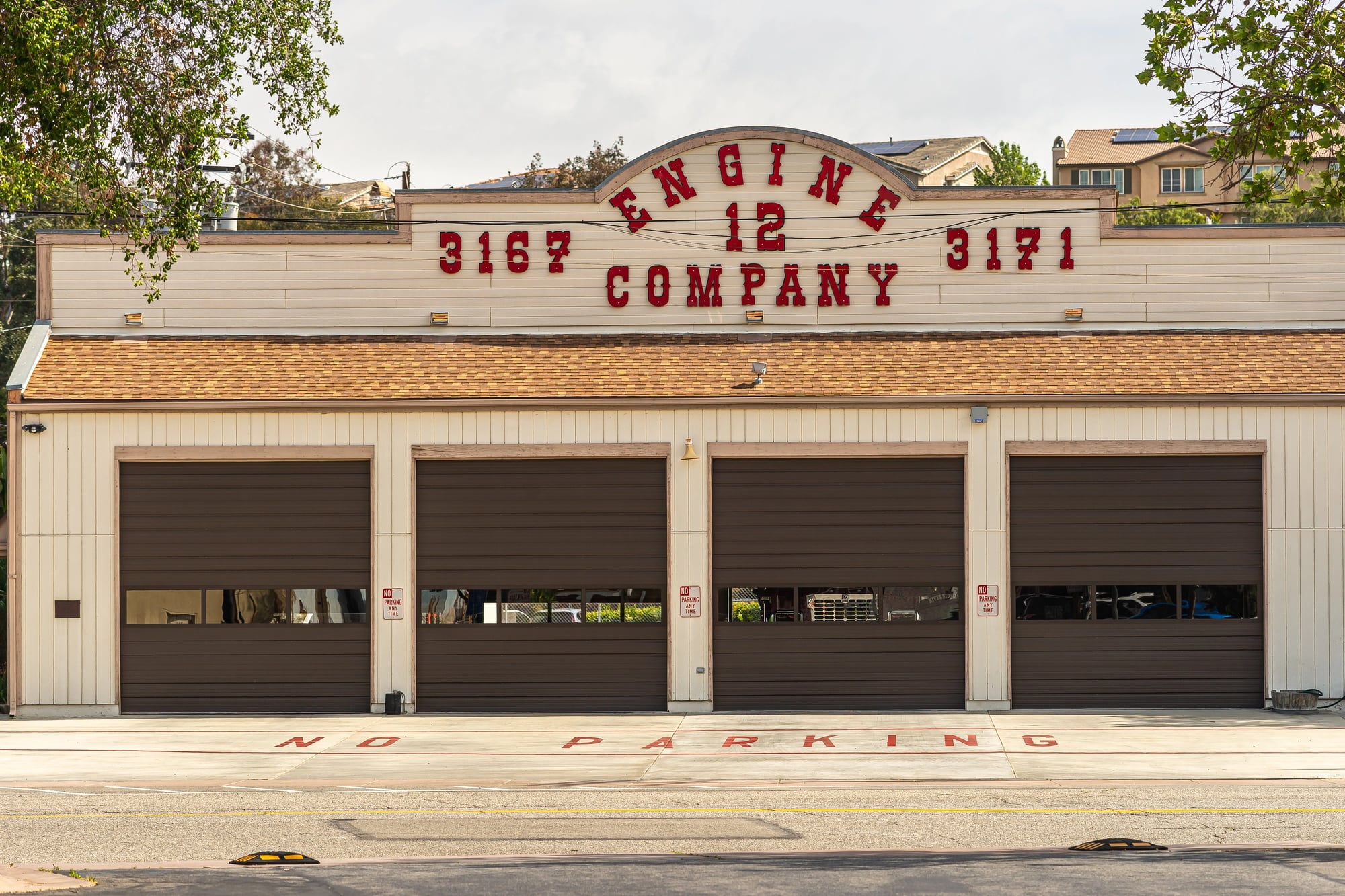
That restaurant with the unusually wide entrance and tall ceilings might have housed fire engines, not diners. Former fire stations make excellent eateries because of their open floor plans and central locations in neighborhoods.
The pole holes are often preserved as quirky design features, sometimes with glass floor sections allowing patrons to peek through to lower levels.
Bank Breweries
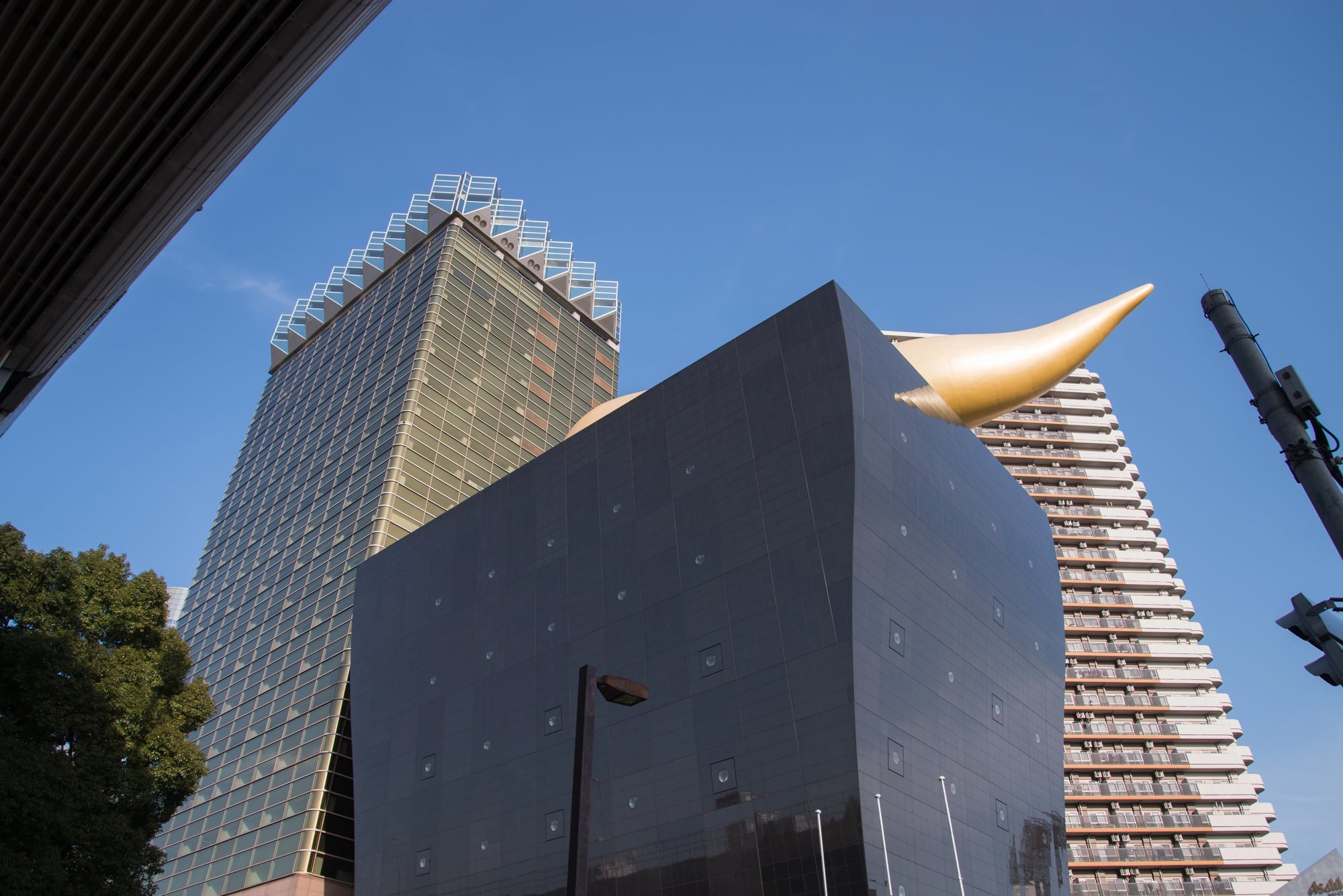
The imposing stone building with massive columns and a vault door leading to the restrooms was likely a bank before serving beer. Old banks convert wells into breweries and pubs thanks to their grand architecture, which creates an impressive atmosphere.
The thick walls meant to protect money now help maintain consistent temperatures for brewing, while the vaults often become perfect wine cellars or private dining areas.
Church Bookstores
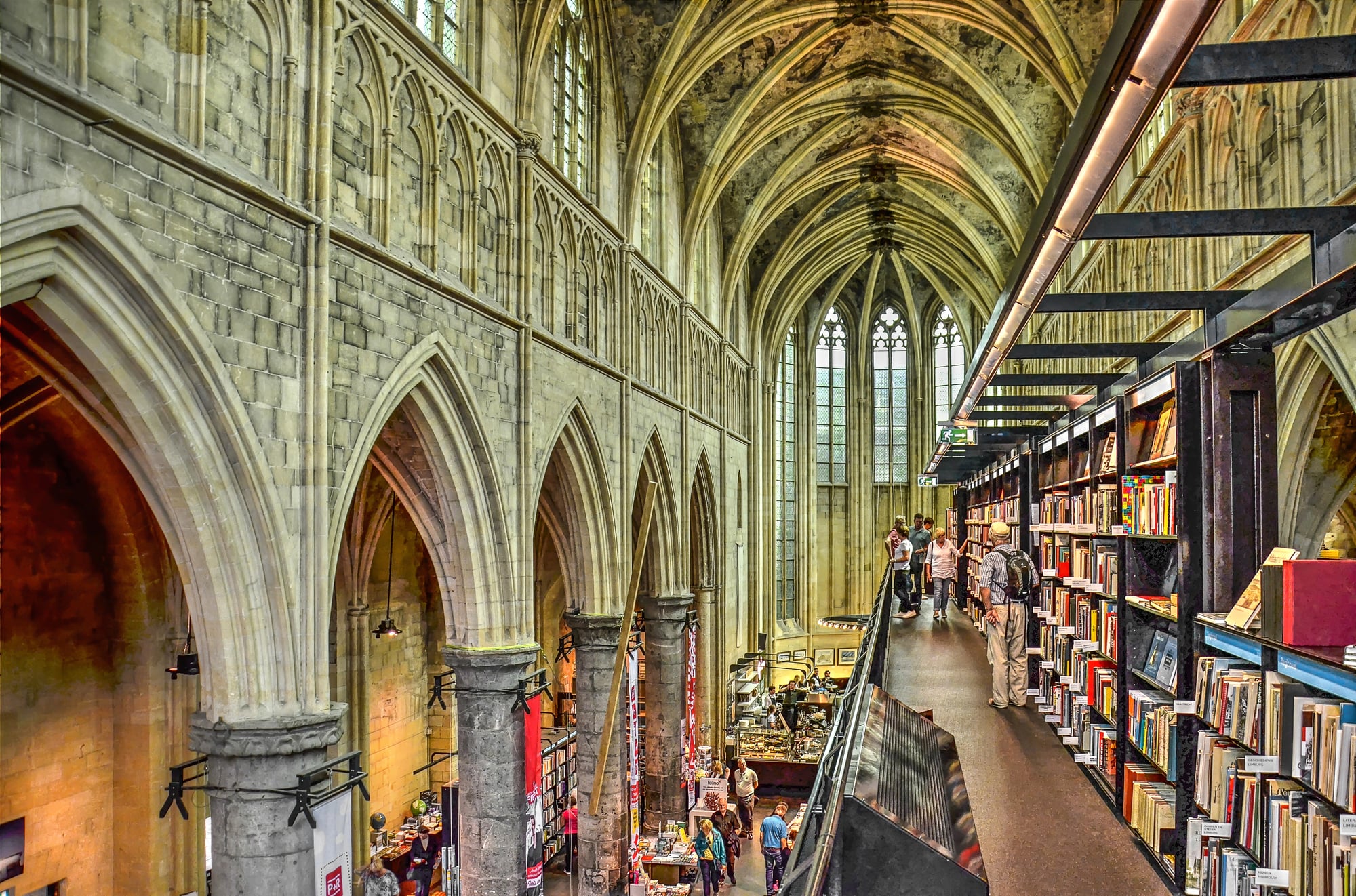
Bookstores with soaring ceilings, stained glass windows, and reading nooks in what were clearly once confession booths started their lives as places of worship. Former churches make spectacular retail spaces, particularly for bookstores where the reverent atmosphere complements quiet browsing.
The excellent acoustics that once carried sermons now create cozy reading spaces where even whispers seem to hang in the air.
Prison Hotels

That hotel with narrow corridors, unusually thick walls, and small windows might have once housed inmates rather than guests. Former prisons converted to hotels offer a macabre yet fascinating overnight experience.
While the accommodations have been significantly upgraded, the original architecture remains, creating a strange juxtaposition between comfort and confinement.
Railway Stations Turned Libraries
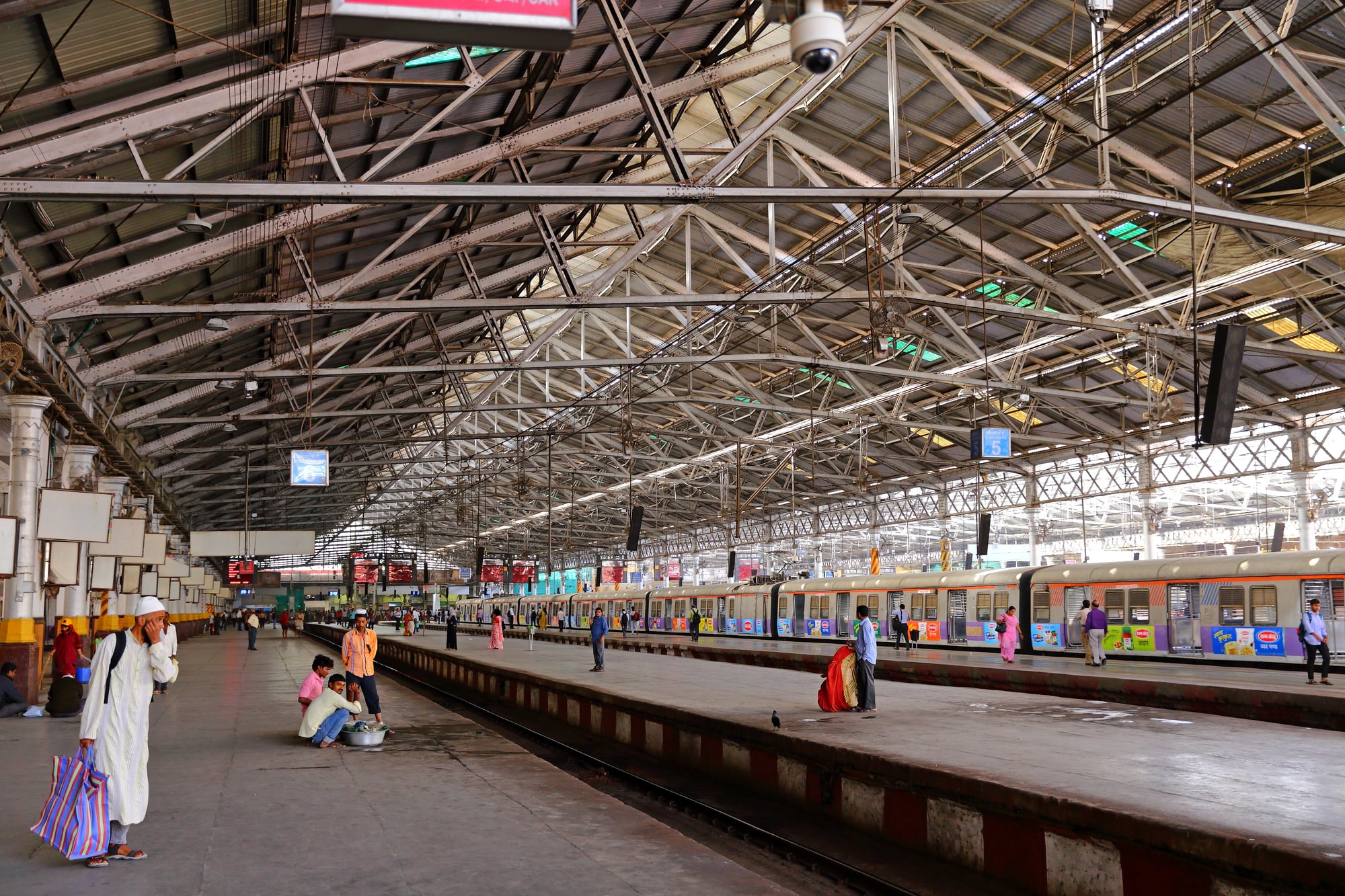
The grand building with a central hall that seems too large for its current purpose might have once echoed with train announcements. With their high ceilings and impressive architecture, old railway stations make perfect libraries.
The platforms that once housed departing trains now hold rows of bookshelves, while ticket counters have become checkout desks.
Lighthouse Bed and Breakfasts

Those narrow, spiral-staircase accommodations with panoramic ocean views and unusual circular rooms were built to guide ships to safety. Former lighthouses make for unique lodging experiences, though guests must be prepared for the workout of climbing all those stairs.
The small but cleverly designed spaces offer unmatched coastal views that more than make up for the compact quarters.
Factories Converted to Loft Apartments
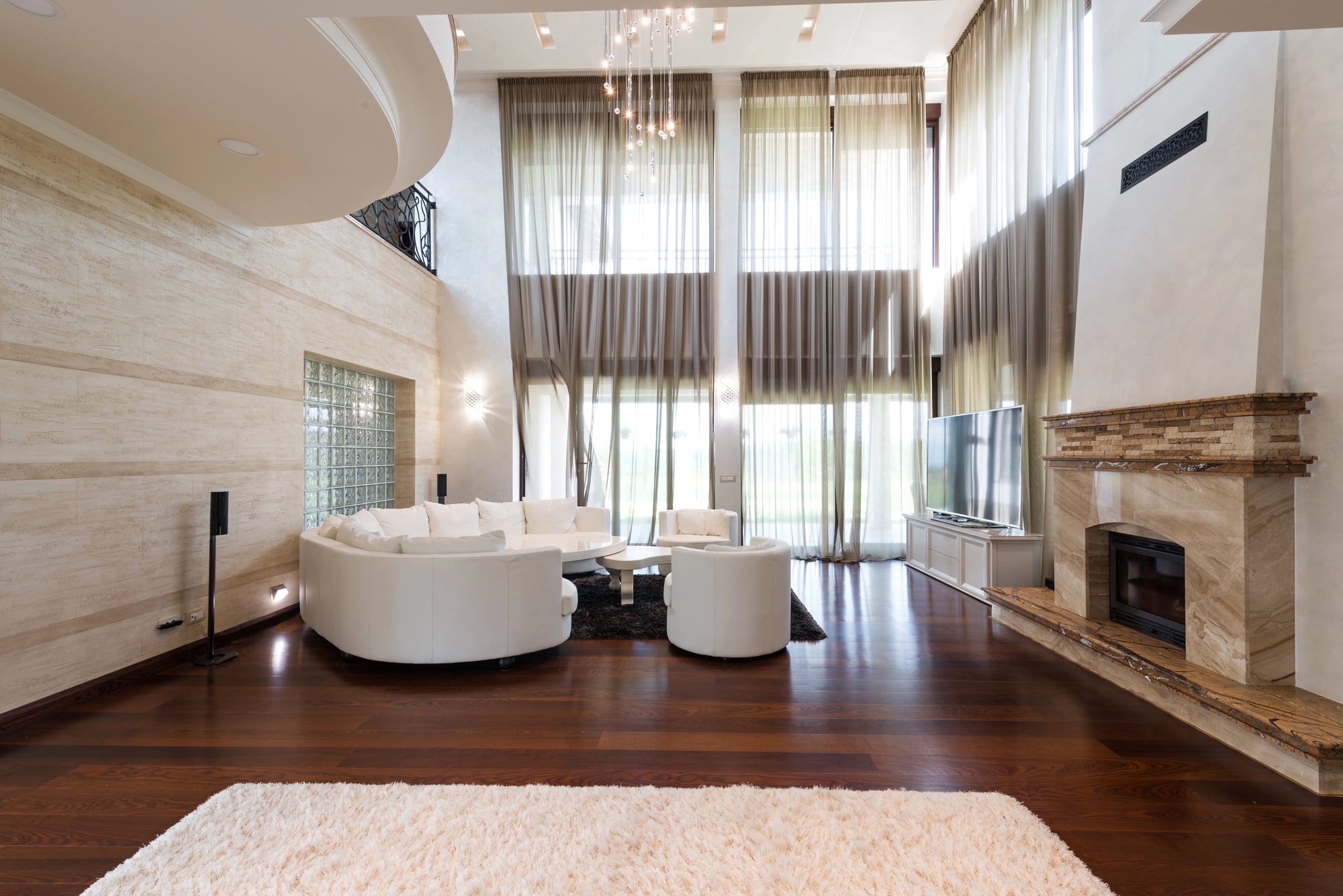
The exposed masonry, huge windows, and extremely high ceilings of the apartment buildings were probably formerly manufacturing areas. The open floor designs and industrial spirit of former factories and warehouses make them ideal foundations for contemporary loft living.
Living rooms now receive an abundance of natural light from the enormous windows that formerly lit work areas.
Power Plants Transformed into Museums
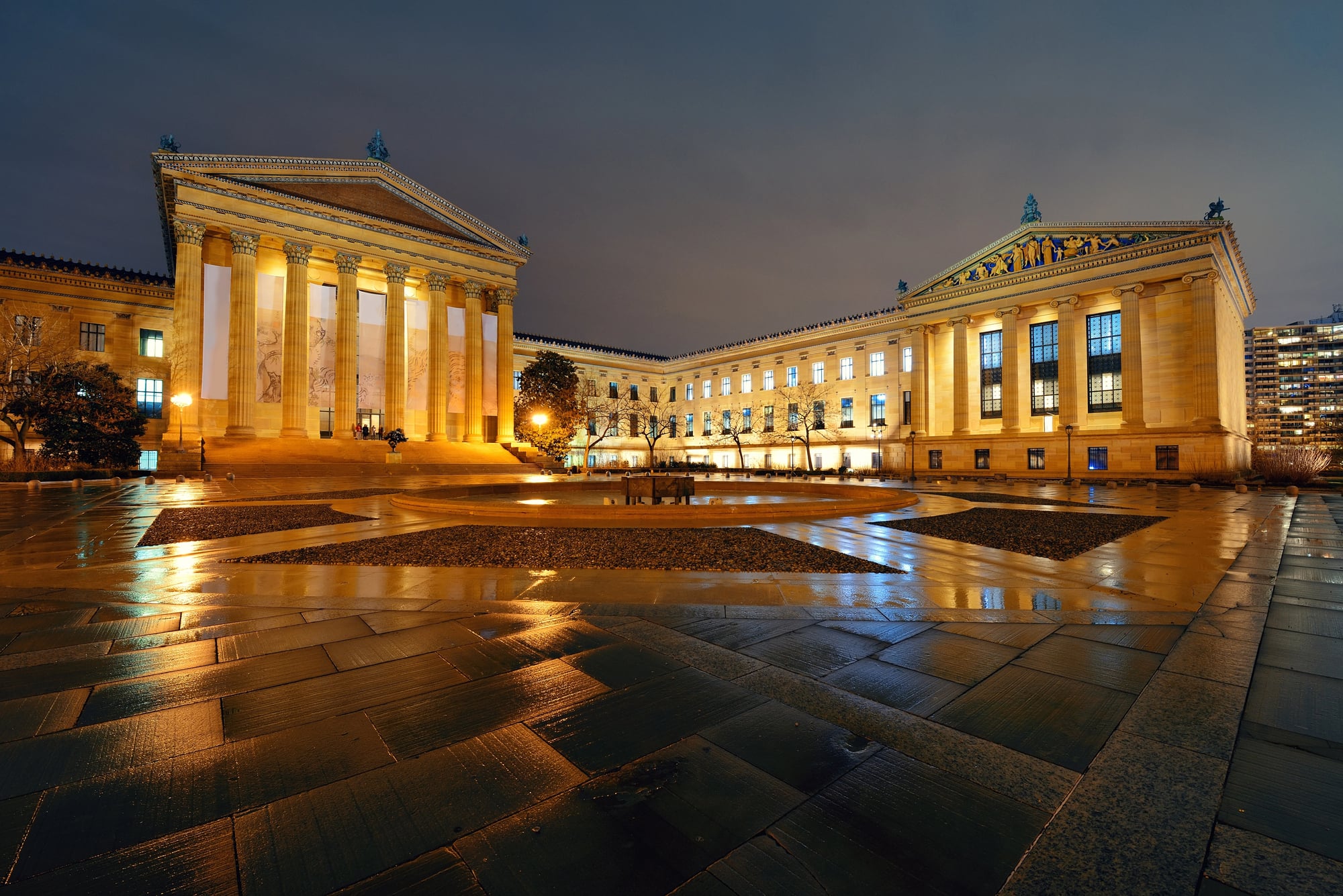
That museum with cathedral-like interiors, massive turbine halls, and industrial aesthetics once supplied electricity to the surrounding city. Decommissioned power plants offer dramatic spaces for art and historical exhibitions.
The scale of these buildings creates impressive galleries where even the largest installations have room to breathe.
Bunkers Repurposed as Data Centers

Nondescript buildings with few windows, thick concrete walls, and serious security measures might have once been military bunkers. These fortified structures make ideal modern data centers because they’re already designed to protect what’s inside.
The reinforced construction that once sheltered people now protects servers, with the added benefit of natural cooling from thick concrete walls.
School Gymnasiums as Wedding Venues
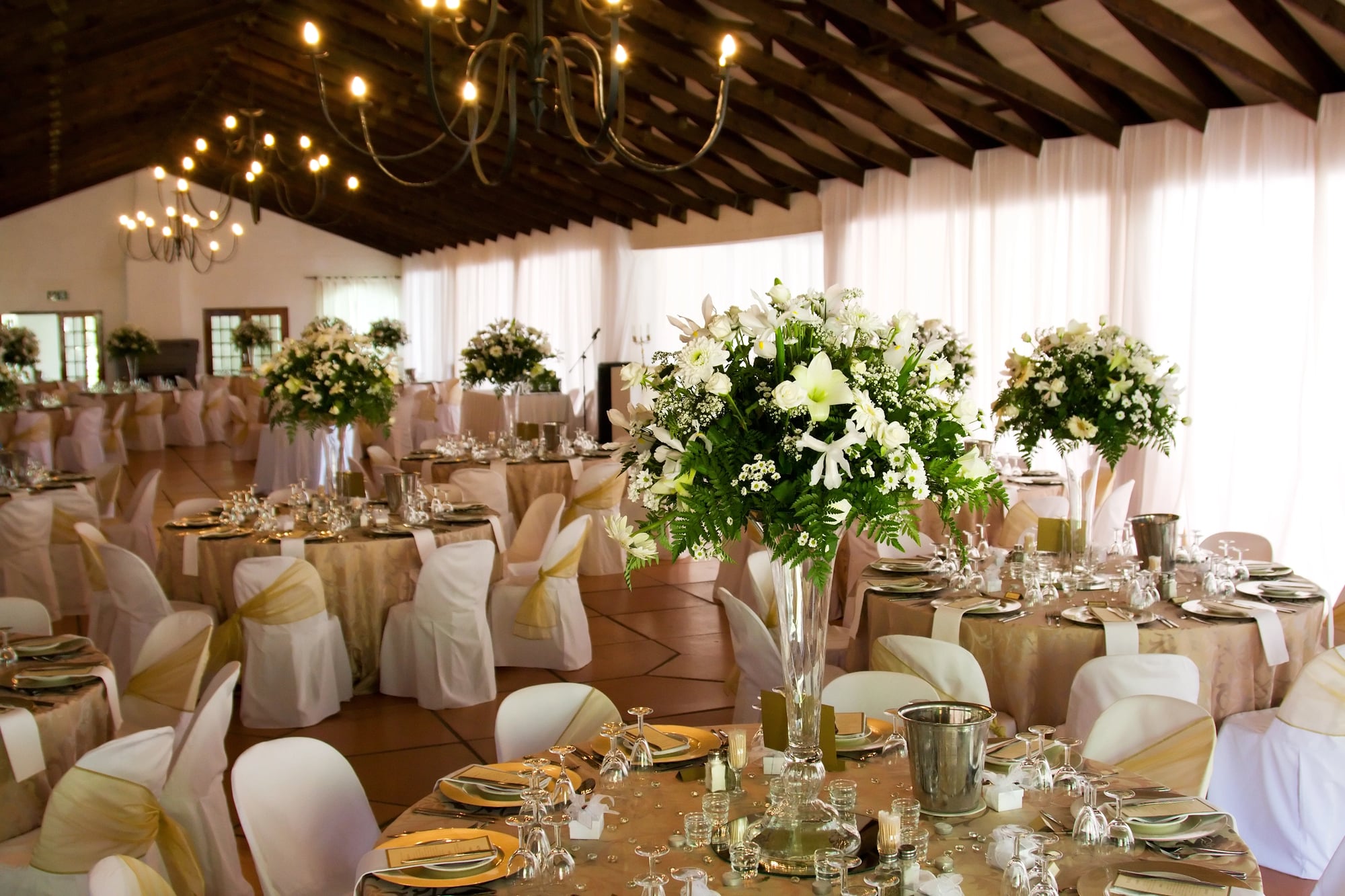
That elegant event space with unusually high ceilings and a slightly springy floor was likely where kids once played dodgeball. Former school gymnasiums transform surprisingly well into wedding and event venues.
The large open spaces accommodate hundreds of guests, while the wooden floors are perfect for dancing.
Gas Stations Turned Diners
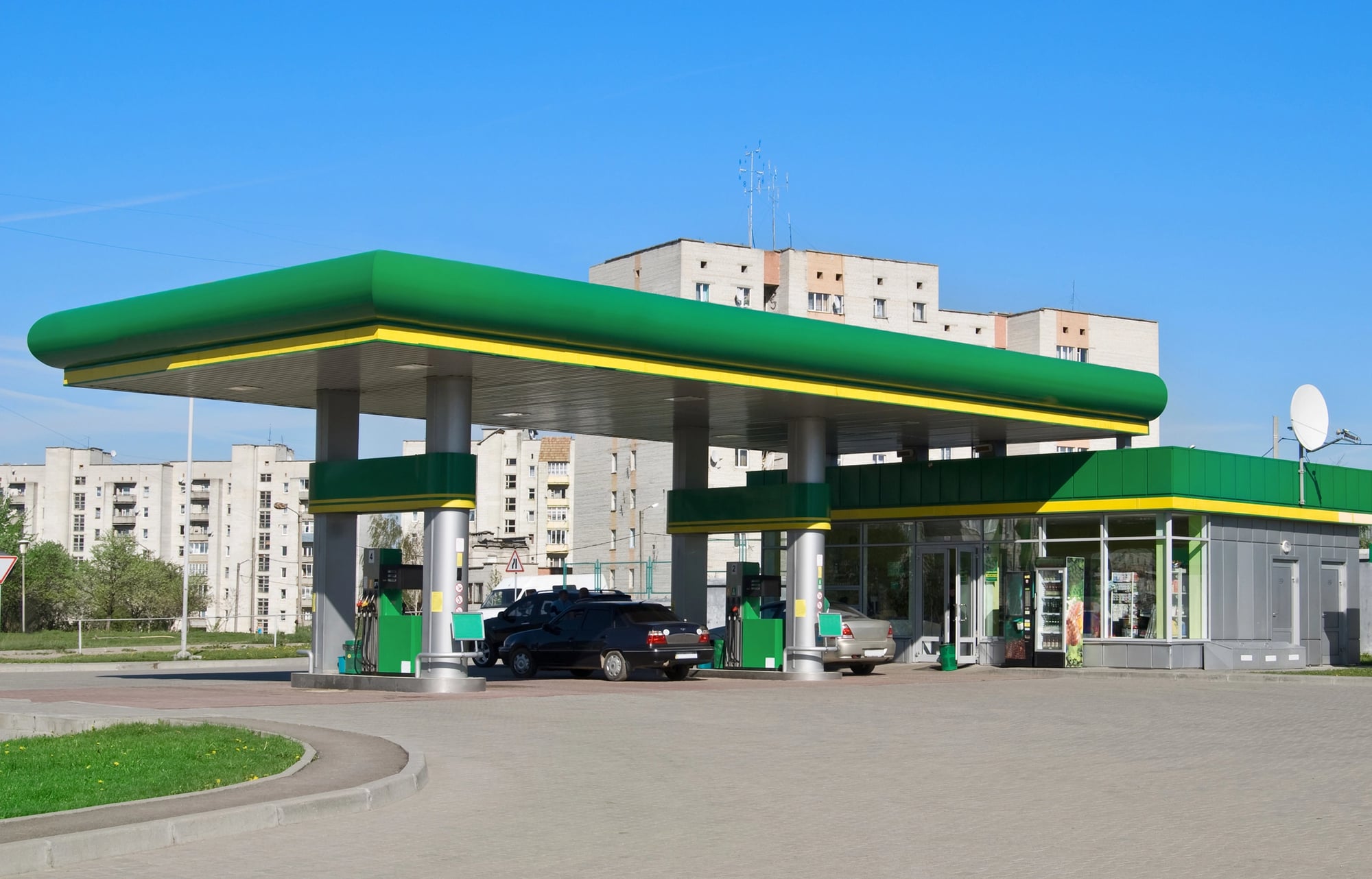
Once upon a time, the odd restaurant with a notably slanted roof and big front windows may have powered cars rather than humans. Small eateries and coffee businesses have found former petrol stations to be popular sites.
While the big windows that formerly displayed goods now show pleased customers, the covered sections where pumps originally stood create ideal patios.
Missile Silos as Luxury Homes
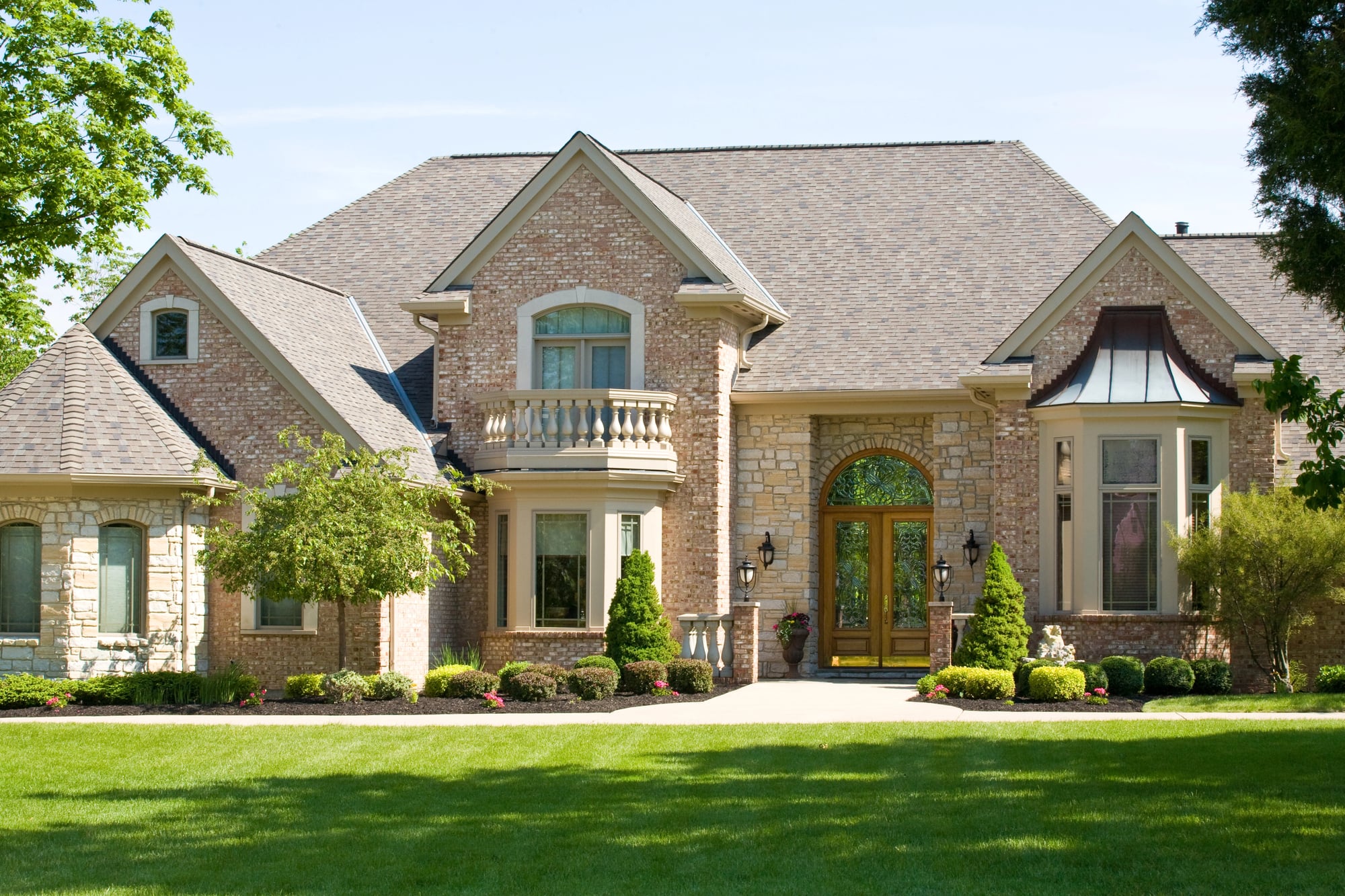
That unassuming entrance in a rural area that leads to an underground luxury home likely once housed intercontinental ballistic missiles. These military relics have been transformed into some of the most secure homes on the planet.
The reinforced concrete structures built to withstand nuclear attacks now provide unparalleled safety features for homeowners seeking ultimate privacy.
Barns Converted to Entertainment Venues
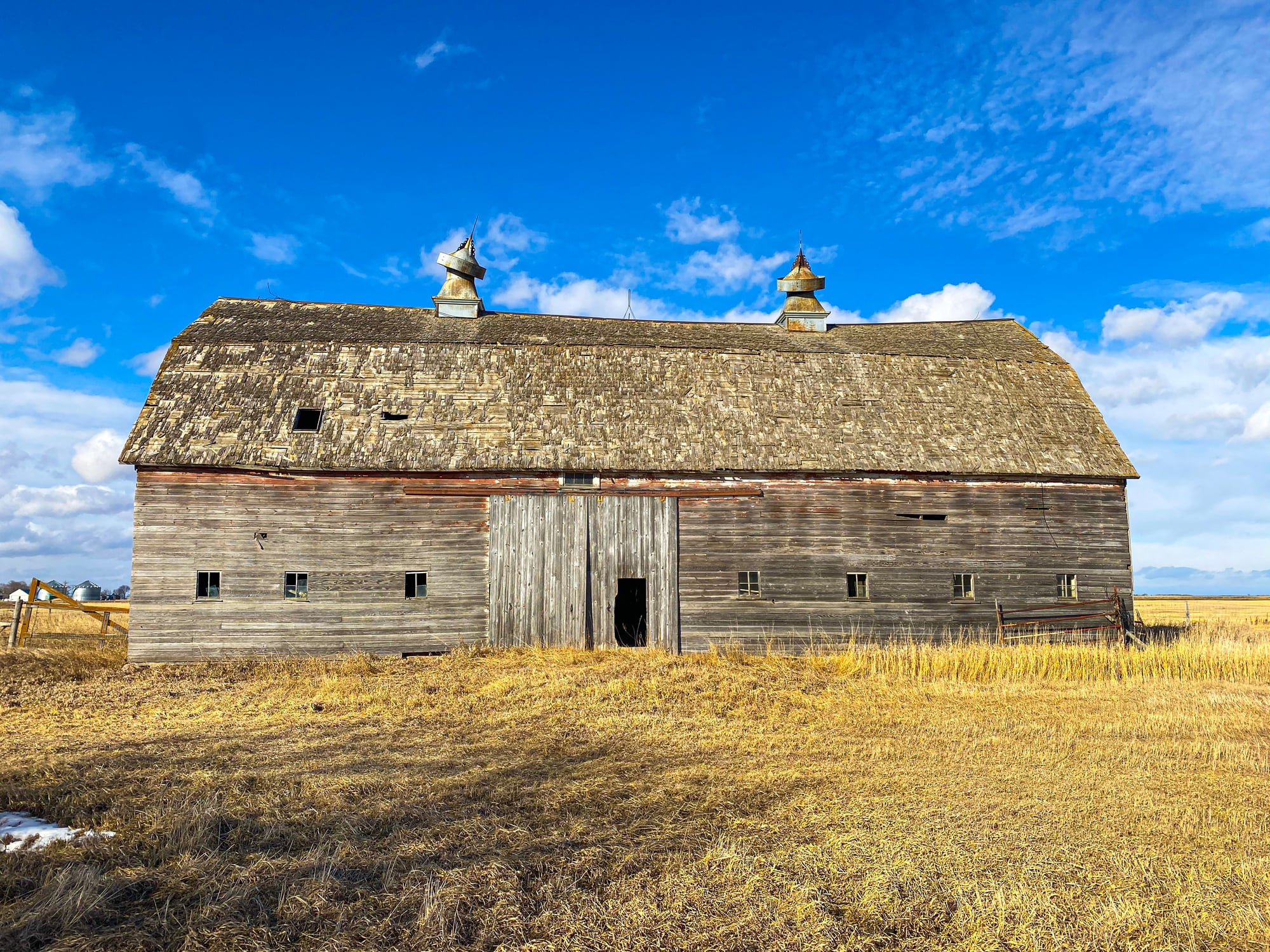
The performance venue with dramatic wooden beams and excellent acoustics might have housed livestock in its previous life. Old barns make spectacular music venues and event spaces due to their unique acoustics and rustic charm.
The open floor plans easily accommodate audiences, while the wooden structures create a warm, resonant sound environment.
Shipping Containers as Retail Spaces

Those modular retail spaces with unusual proportions and industrial hardware details spent years crossing oceans before settling down as shops. Shipping containers have become popular building blocks for hip urban developments.
Their standardized dimensions create a puzzle-like aesthetic while their sturdy construction makes them relatively easy to modify.
Grain Silos Transformed into Hotels

The cylindrical hotel with unusual room layouts and industrial elements once stored thousands of bushels of grain. These agricultural structures convert into eye-catching accommodations despite their challenging circular footprints.
The vertical nature of silos creates interesting multi-level suites, while their industrial heritage provides unique design elements that can’t be replicated.
The New Lives of Old Spaces
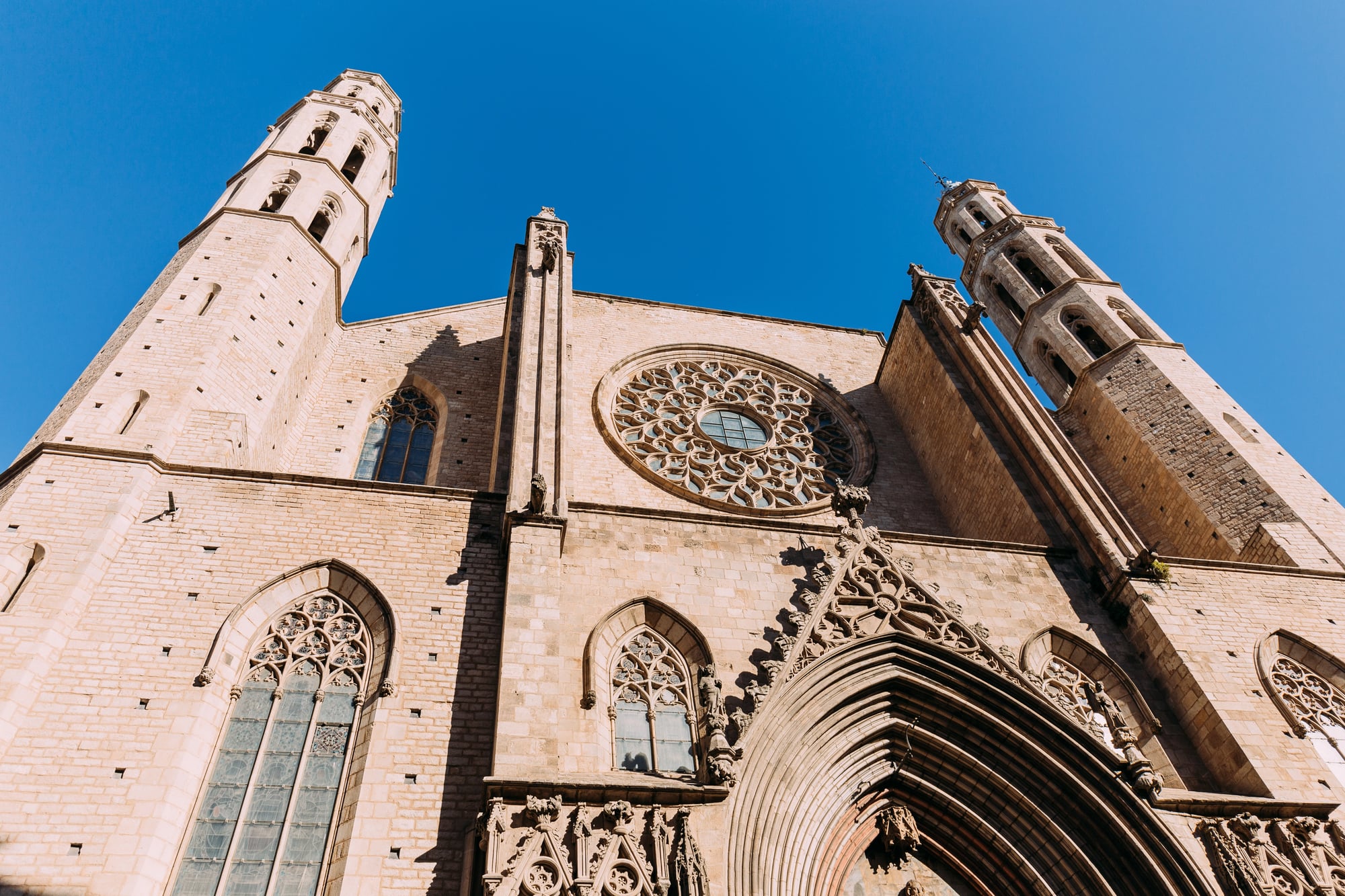
Adaptive reuse of buildings connects us to our architectural heritage while reducing waste and preserving neighborhood character. These transformations show remarkable creativity in solving design challenges posed by structures originally built for entirely different purposes.
The next time you encounter a building that seems oddly designed for its current use, consider what it might have been in its first life—the answer often explains the quirks that make it special.
More from Go2Tutors!

- The Romanov Crown Jewels and Their Tragic Fate
- 13 Historical Mysteries That Science Still Can’t Solve
- Famous Hoaxes That Fooled the World for Years
- 15 Child Stars with Tragic Adult Lives
- 16 Famous Jewelry Pieces in History
Like Go2Tutors’s content? Follow us on MSN.



