15 Grooming Habits From Ancient Elites
Personal care wasn’t just about hygiene in the ancient world—it was a visible performance of wealth, identity, and authority. From fragrant oils that clung to skin long after use to hairstyles so elaborate they required hidden supports, grooming carried as much weight as jewels or titles. Some customs feel oddly familiar, while others seem extreme. Still, they all reveal how far people would go to look the part of power.
Here is a list of 15 grooming habits from ancient elites that show just how much appearances mattered in the past.
Perfumed oils
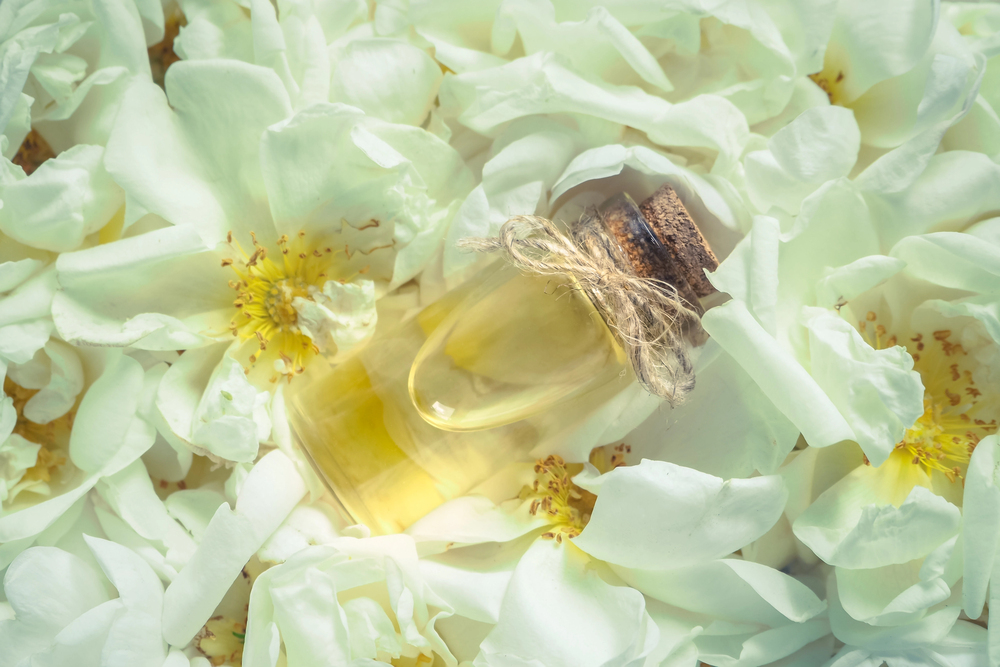
Egyptian and Mesopotamian nobles drenched themselves in oils infused with lavender, rose, or myrrh. The scents lingered for hours—marking social standing as clearly as fine clothing. In hot, arid climates, the oils also softened the skin while adding a touch of glamour.
Kohl eyeliner
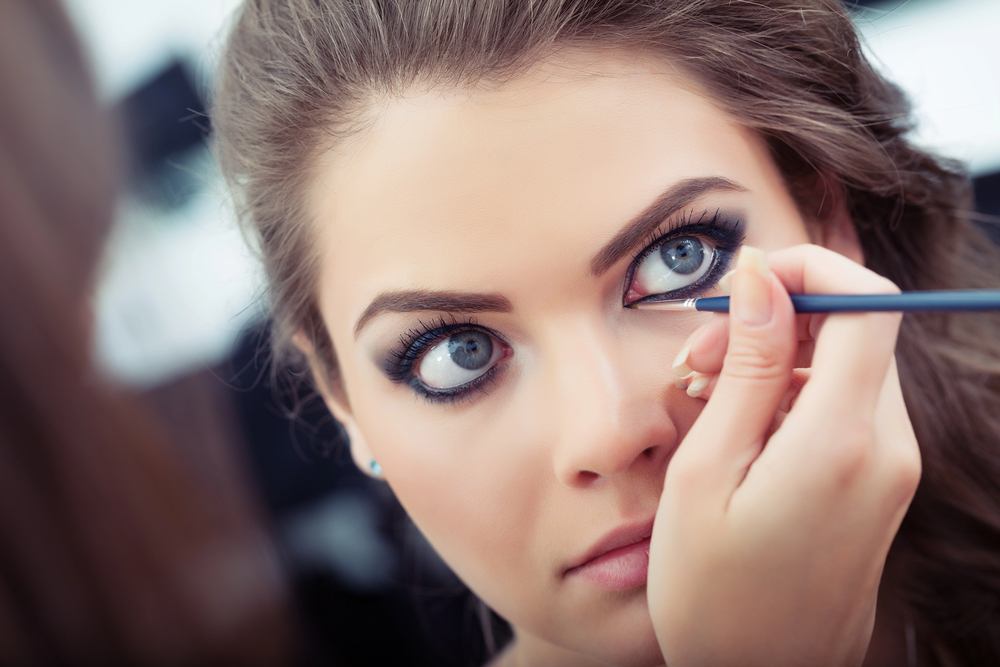
Dark lines encircling the eyes weren’t only decoration. In Egypt, kohl shielded against harsh sunlight and even helped prevent eye infections. Yet the striking look also projected mystery and divine association, giving elites an edge in both style and symbolism.
Elaborate wigs
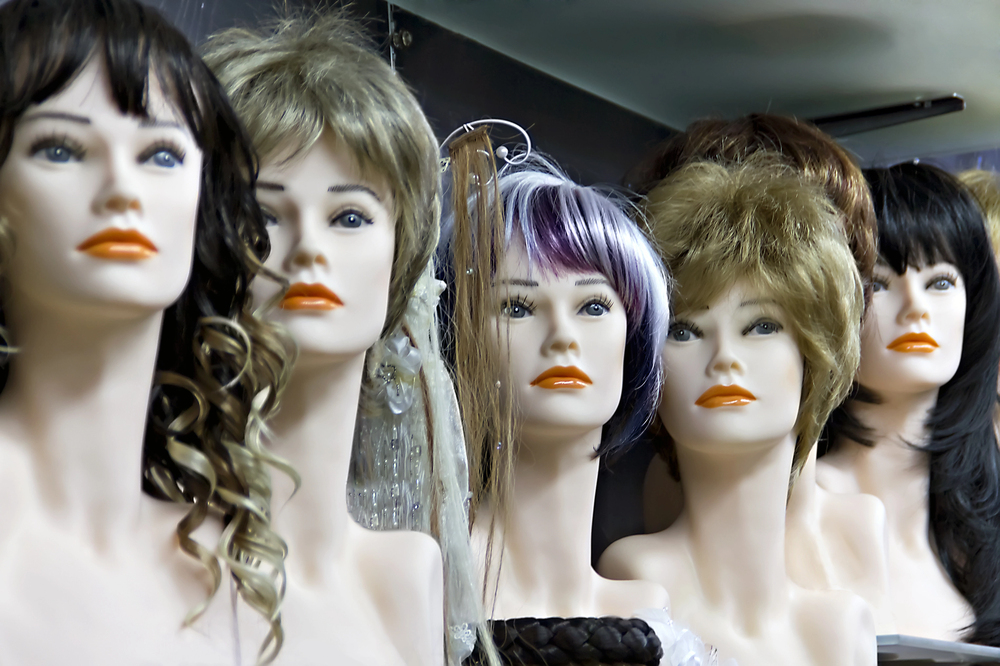
Royal courts adored wigs woven from human hair, wool, or palm fibers. Some were towering, studded with ornaments that made walking awkward—comfort wasn’t always the priority. By shaving natural hair to avoid lice, wigs served hygiene as well as prestige.
Golden razors
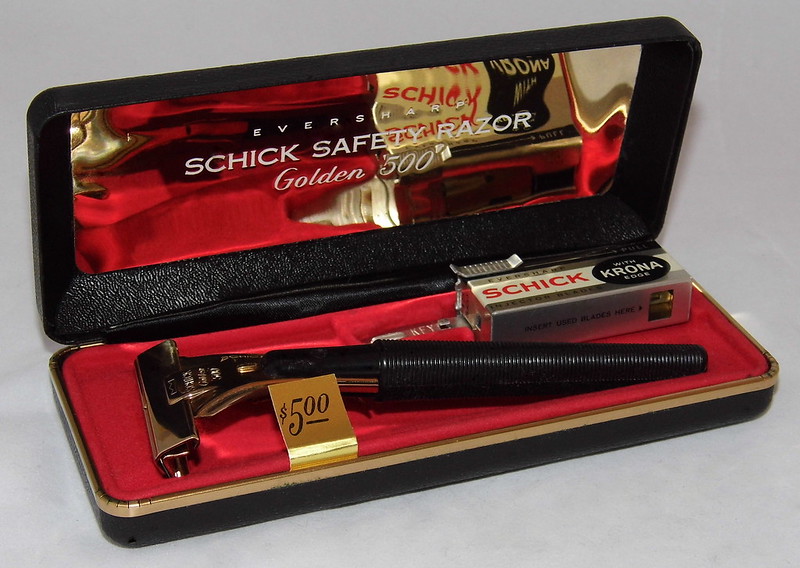
Persian and Egyptian elites shaved with razors crafted from precious metals. A gold blade turned a simple task into a ritual, transforming routine grooming into a display of refinement. Even the tools became part of the performance of wealth.
Bathing rituals

Romans elevated bathing into a spectacle. Elites moved from steaming hot rooms to cold plunge pools in vast bathhouses that buzzed with gossip and negotiation. Cleanliness mattered, yes, but these rituals doubled as social and political arenas.
Skin scrapers
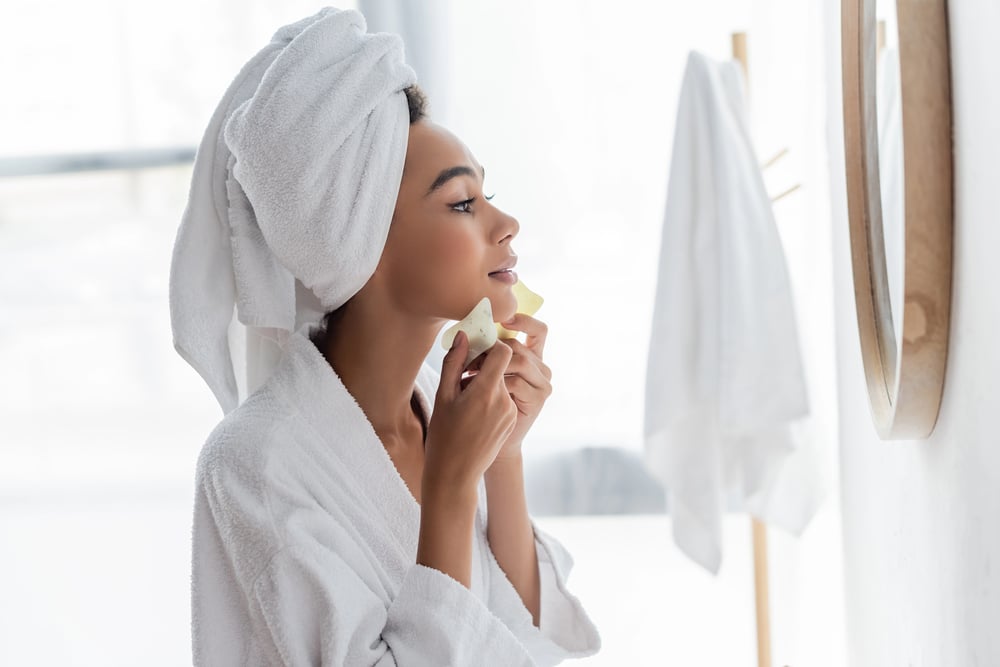
Greek athletes and aristocrats relied on strigils—curved bronze scrapers—to clear sweat and oil after exercise. The scraping could be harsh, leaving skin raw or polished depending on the technique. Still, it showed that being well-kept mattered, even mid-training.
Hair dyes
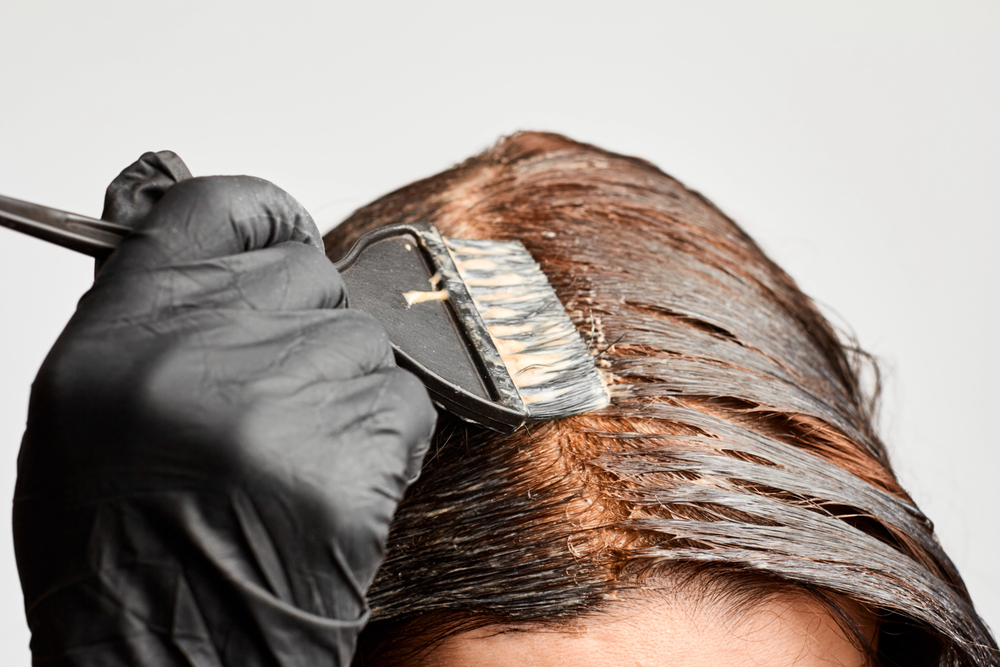
Romans and Greeks dabbled with dyes from plants and minerals to alter their hair color. Blonde shades were especially admired, echoing the look of northern tribes. Some mixtures damaged hair irreparably—yet the trend held strong despite the risk.
Beard styling
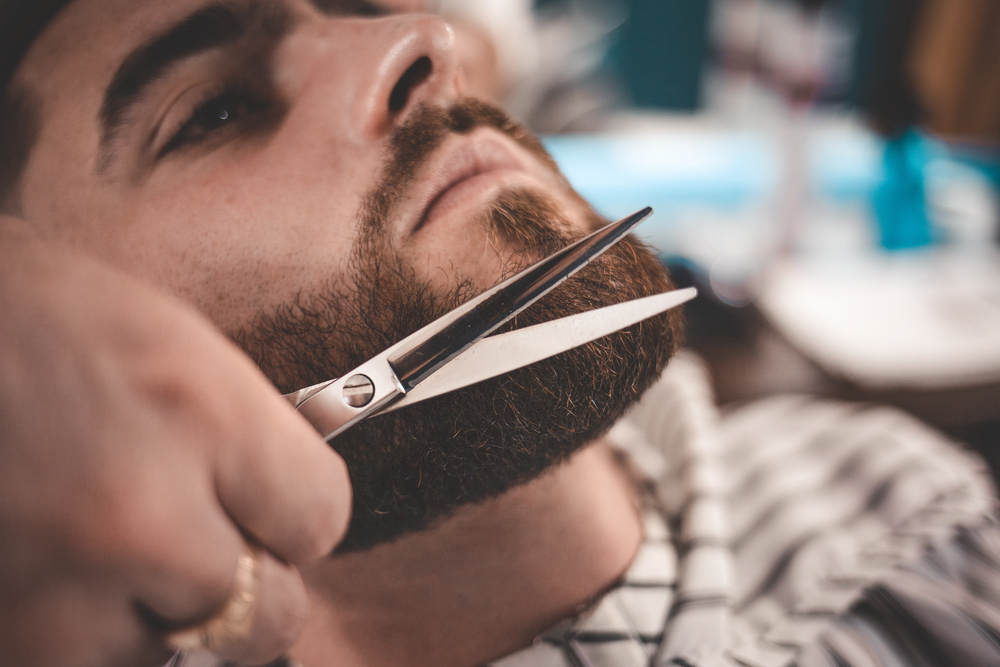
In Mesopotamia, beards weren’t just grown, they were engineered. Elites oiled, curled, and dusted them with powders, sculpting sharp geometric patterns. A lavish beard acted like a public statement of authority and sophistication.
Nail care
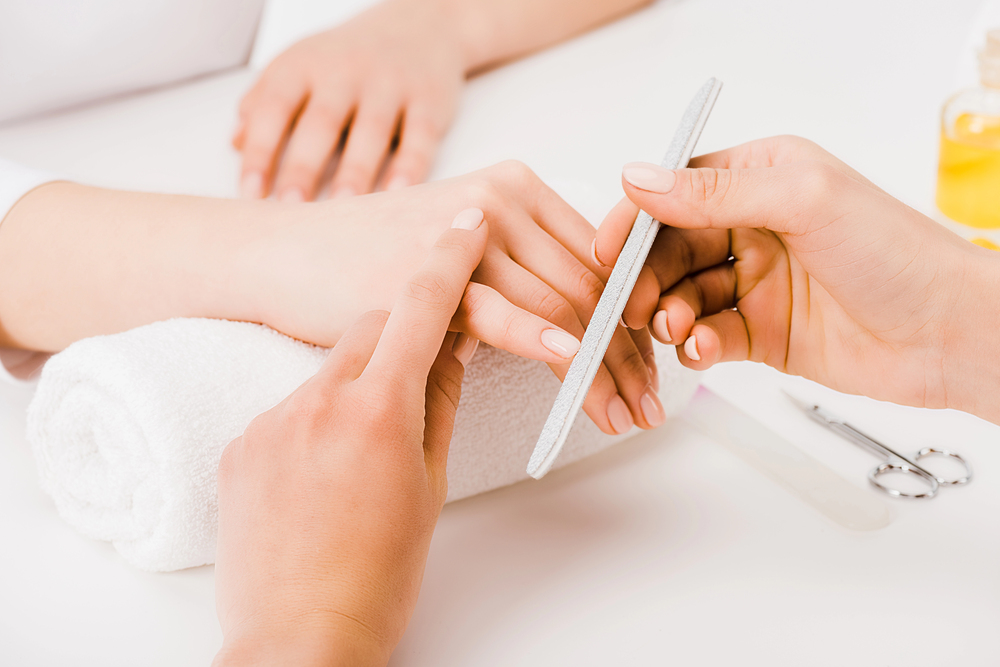
In ancient China, long manicured nails signaled that the wearer did no manual work. Nobles sometimes fitted golden or jade guards to protect them—miniature shields of leisure. The longer and more carefully kept, the higher the status implied.
Silk robes

Silk, though technically clothing, intertwined with grooming by highlighting the body’s refinement. Chinese elites wore shimmering robes that magnified the effect of smooth skin and graceful posture. Every fold and shimmer reinforced elegance and rank.
Tooth powders
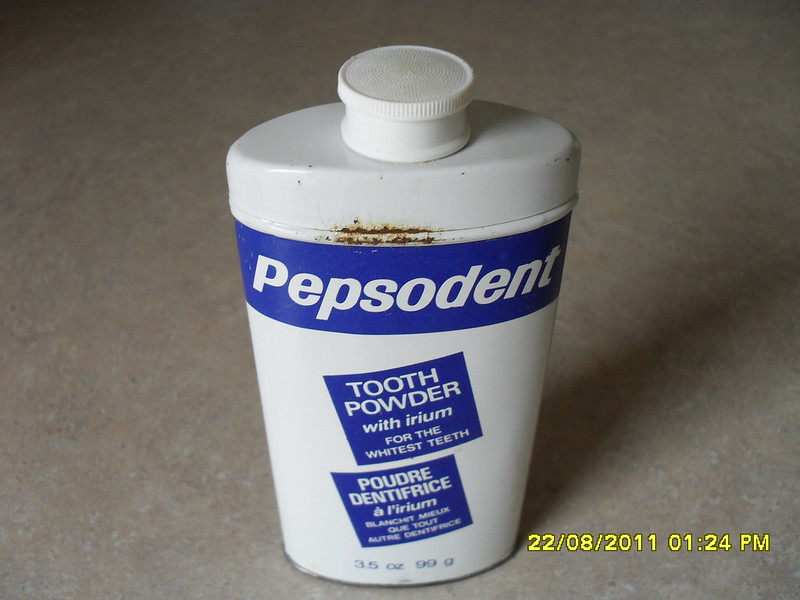
Roman elites mixed oyster shells, crushed bones, and charcoal into tooth-cleaning powders. Results varied: enamel sometimes eroded, but fresh breath and a whiter smile were worth the gamble. Even dental care became part of personal display.
Elaborate hairstyles
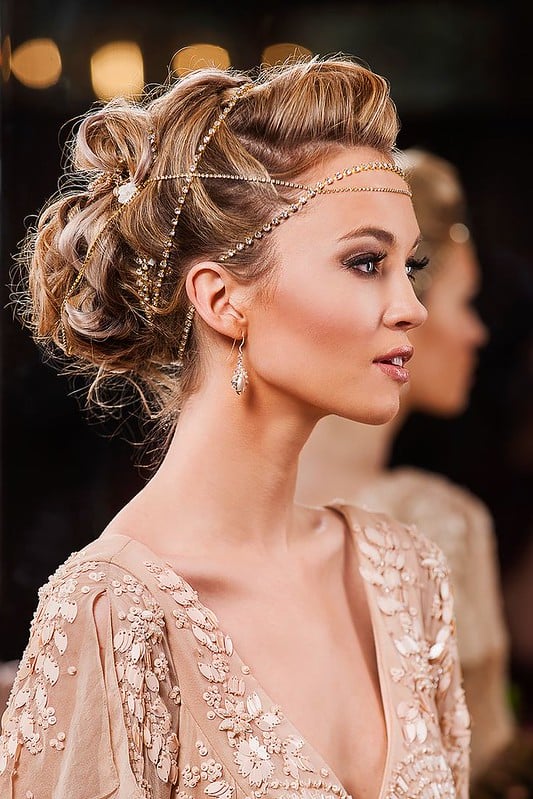
Roman noblewomen piled their hair into architectural arrangements that reached dizzying heights. Supported by hidden wires, the curls and coils announced privilege as loudly as jewels. Time-consuming and impractical, these styles were nevertheless a cornerstone of elite beauty.
Exfoliation with sand

Egyptians polished their skin using fine sand blended into oils. The method exfoliated, leaving the body smoother to touch. Painful at times, invigorating at others—it captured the extremes people would embrace in pursuit of radiance.
Jewelry adornment
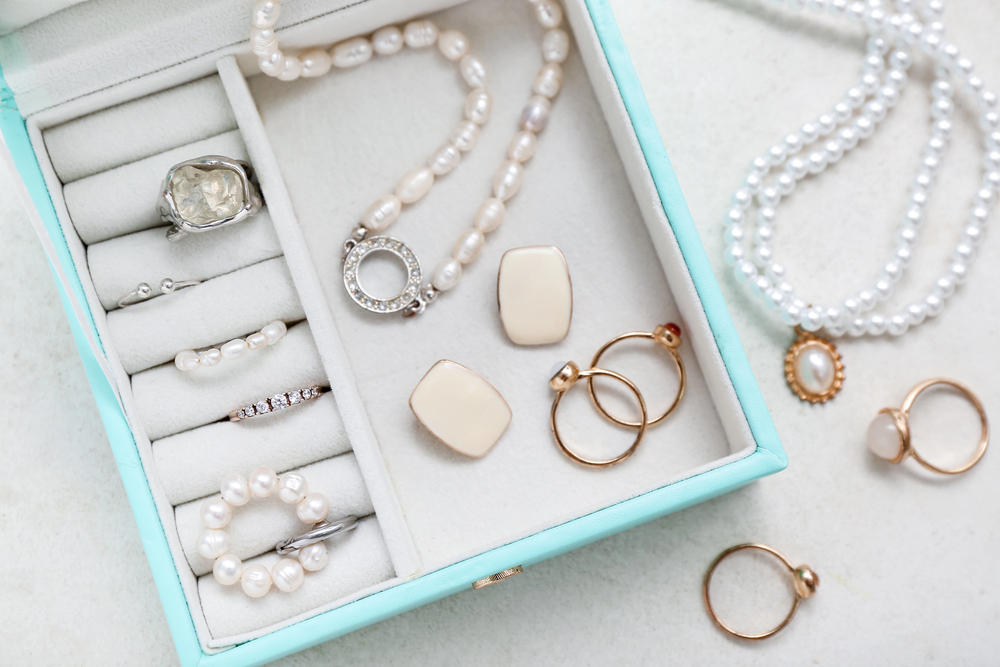
Necklaces, rings, and armlets were essential to elite grooming. They weren’t only decoration but portable credentials, each piece signaling wealth and divine favor. Without this final layer of sparkle, the look felt incomplete.
Painted faces

In Greece and Rome, pale powders and vivid rouges reshaped complexions. White lead lightened skin while red pigments brought vitality—health risks aside. Pale skin meant privilege, while color added a carefully curated glow.
Echoes today
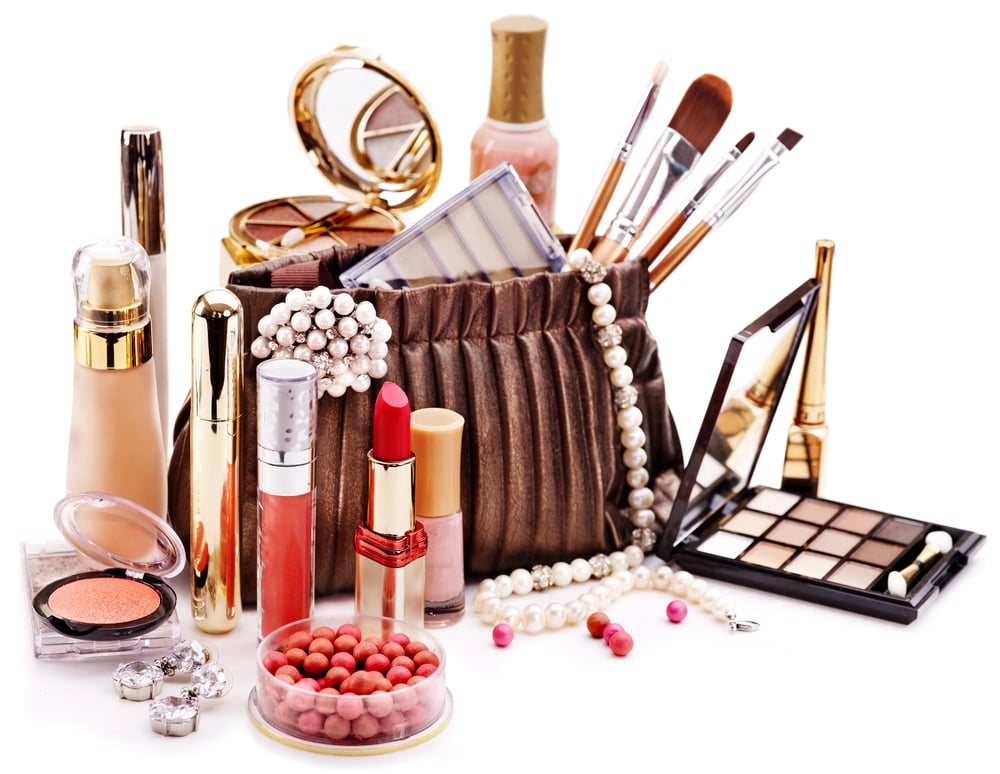
From perfumed oils to luxury skincare, the thread of grooming runs unbroken through history. Modern spa rituals, fashion, and cosmetics echo ancient practices, though with safer materials and quicker routines. What hasn’t changed is the link between appearance, influence, and identity—reminders that grooming has always been more than vanity.
More from Go2Tutors!

- The Romanov Crown Jewels and Their Tragic Fate
- 13 Historical Mysteries That Science Still Can’t Solve
- Famous Hoaxes That Fooled the World for Years
- 15 Child Stars with Tragic Adult Lives
- 16 Famous Jewelry Pieces in History
Like Go2Tutors’s content? Follow us on MSN.



