Slang Words from the 1920s
The 1920s changed everything about how Americans talked to each other. Jazz filled the speakeasies, hemlines rose, and a whole new vocabulary emerged to match the energy of the decade.
Young people crafted their own language, much to the confusion of their parents. These words weren’t just trendy expressions—they captured the spirit of an entire generation breaking free from Victorian restraint.
The Cat’s Pajamas
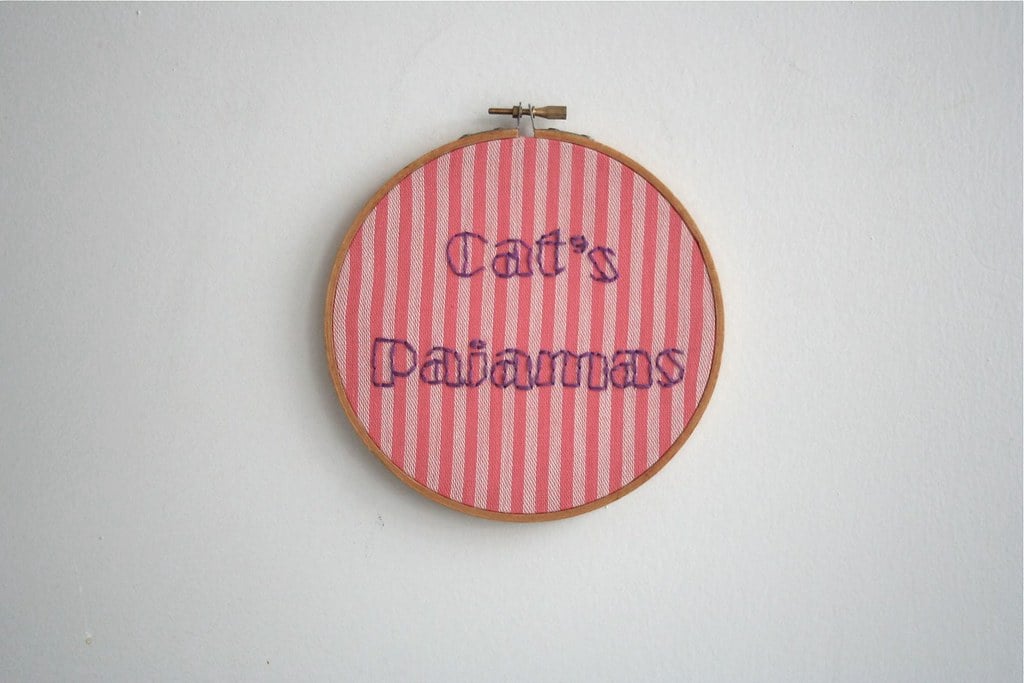
When something was absolutely perfect, you called it “the cat’s pajamas.” This phrase showed up everywhere in the 1920s, describing anything from a new automobile to a clever idea to a charming person.
The phrase made no practical sense, which was part of its appeal. People also said “the cat’s meow” or “the bee’s knees” to express the same sentiment, and all three competed for popularity throughout the decade.
Berries

Here’s a word that means the same thing as the cat’s pajamas, but shorter. “That’s berries” meant something was excellent or pleasing.
You used it as a quick stamp of approval. The simplicity made it stick around longer than some of the more elaborate phrases from the era.
Bee’s Knees

The bee’s knees ranked right up there with the cat’s pajamas as the ultimate compliment. When you wanted to praise someone or something, this phrase did the job.
The image of a bee’s knees—tiny, precise, essential to the insect’s movement—somehow became code for excellence. Language works in mysterious ways.
Applesauce
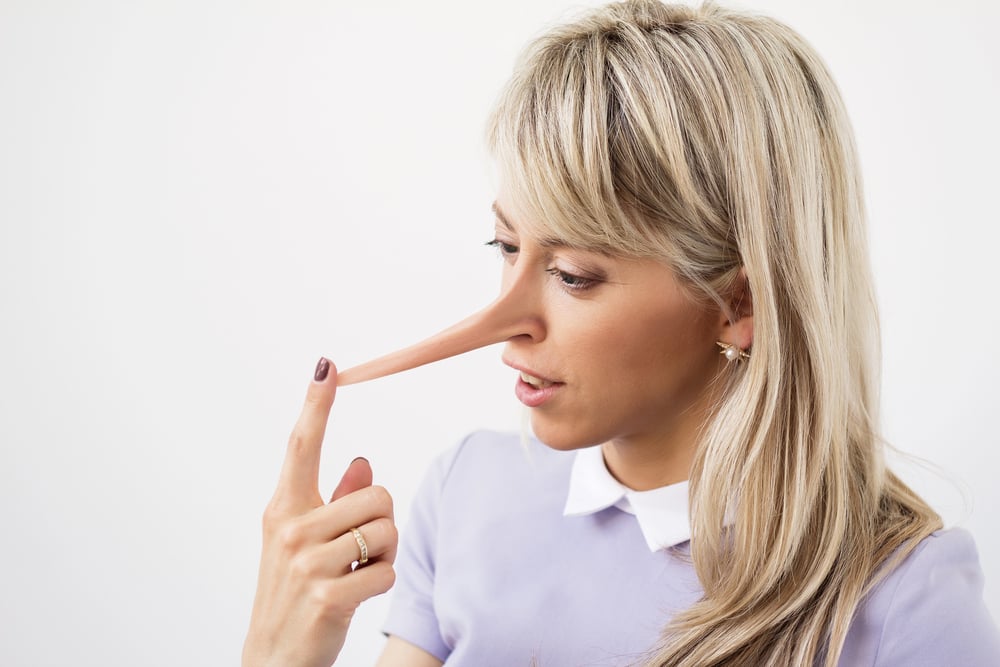
When someone fed you nonsense or lies, you called it “applesauce.” The term worked as both a noun and an exclamation.
Someone spinning tall tales? Applesauce.
A politician making empty promises? Pure applesauce. The word gave people a playful way to call out dishonesty without getting too serious about it.
Giggle Water
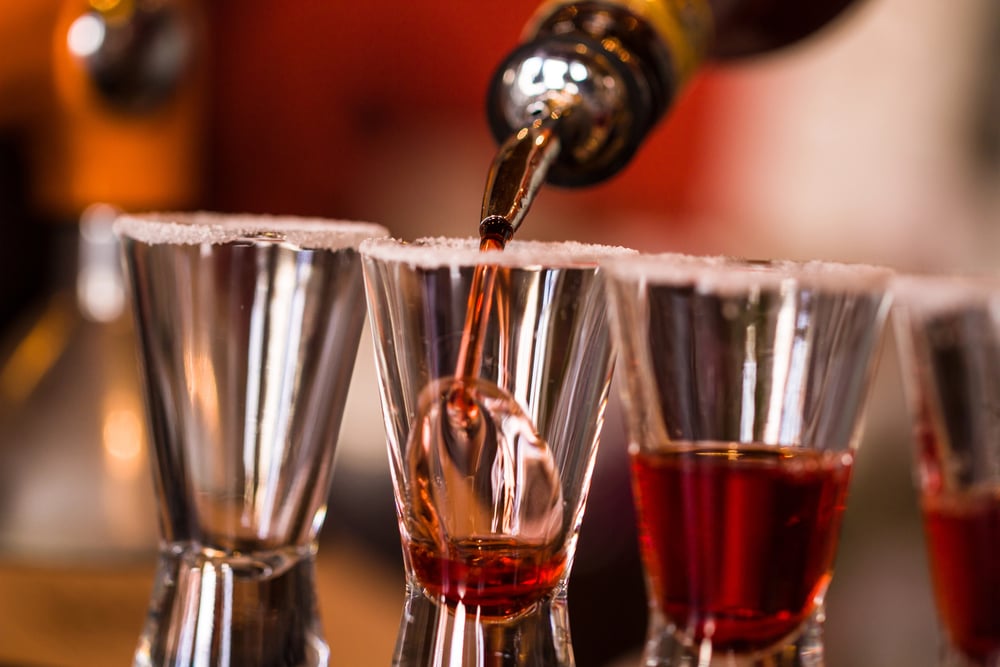
Prohibition made drinking illegal but definitely not unpopular. “Giggle water” became one of many colorful terms for alcohol during the dry years.
The phrase captured what happened after a few drinks—people got giggly, loose, happy. Other terms like “hooch” and “moonshine” focused on the illegal nature of the drink, but giggle water emphasized the fun.
Spiffy

You already know this one, even if you didn’t realize it came from the 1920s. “Spiffy” described someone or something that looked sharp, elegant, well-dressed.
A man in a new suit looked spiffy. A freshly waxed car was spiffy.
The word survived the decade and became part of permanent American vocabulary.
Keen
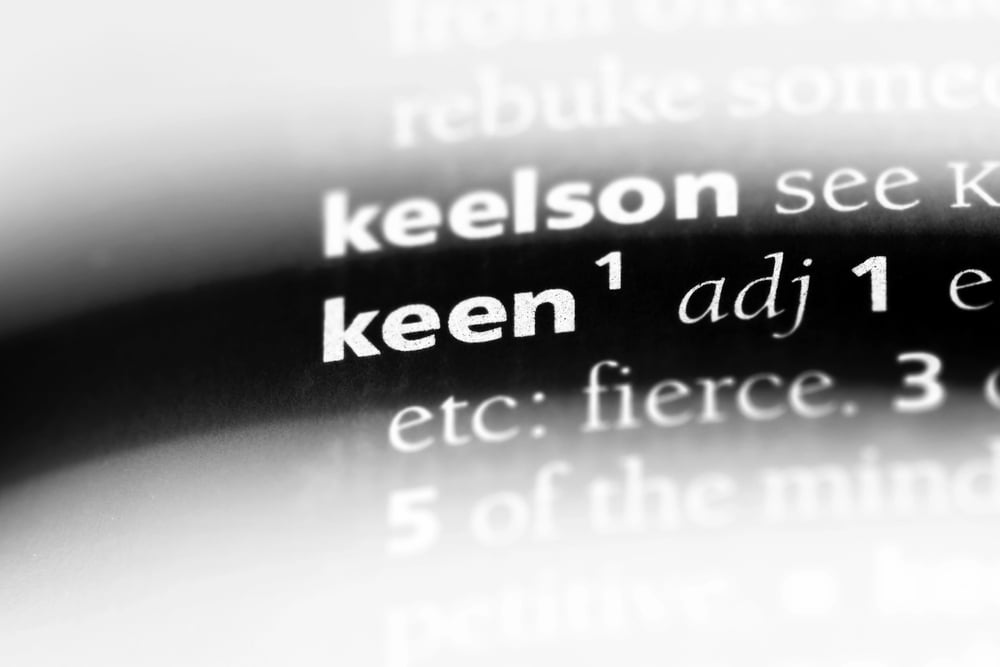
Before “cool” took over, “keen” served as the go-to word for expressing enthusiasm. You used it the same way modern speakers use “awesome” or “great.”
Something exciting coming up? Keen.
Someone you found attractive? Also keen. The word was short, punchy, and got your point across fast.
Gams

Flappers showed their legs in a way previous generations never had, so naturally, slang for legs became popular. “Gams” referred specifically to a woman’s legs, usually with admiring intent.
The shorter skirts of the 1920s meant gams got noticed, and the word spread quickly through jazz clubs and dance halls.
Jake

When everything was fine, it was “jake.” This simple word meant okay, satisfactory, or legitimate.
“Is everything jake?” became a common way to check if things were going smoothly. The term also appeared in “jake joint,” which meant a respectable establishment—though in the speakeasy era, “respectable” had flexible definitions.
Bearcat

A “bearcat” was a hot-tempered or fiery person, usually a woman. The term carried some admiration mixed with caution.
You didn’t mess with a bearcat. The phrase came from an actual animal called a bearcat, though the connection between the fierce temperament and the animal’s behavior was loose at best.
Wet Blanket

This phrase survived the 1920s and still gets used today, though maybe not as often as it should. A wet blanket was someone who ruined the fun, who brought down the mood at a party or gathering.
The image of a wet blanket smothering a fire gave people a perfect metaphor for party killers.
Hooch

While giggle water focused on the effects of drinking, “hooch” described the alcohol itself, particularly the homemade or illegally obtained kind. The word came from “hoochinoo,” a type of liquor made by Alaskan natives, but by the 1920s it applied to any bootleg booze.
Quality varied wildly—some hooch was relatively safe, some could blind you.
Dolled Up
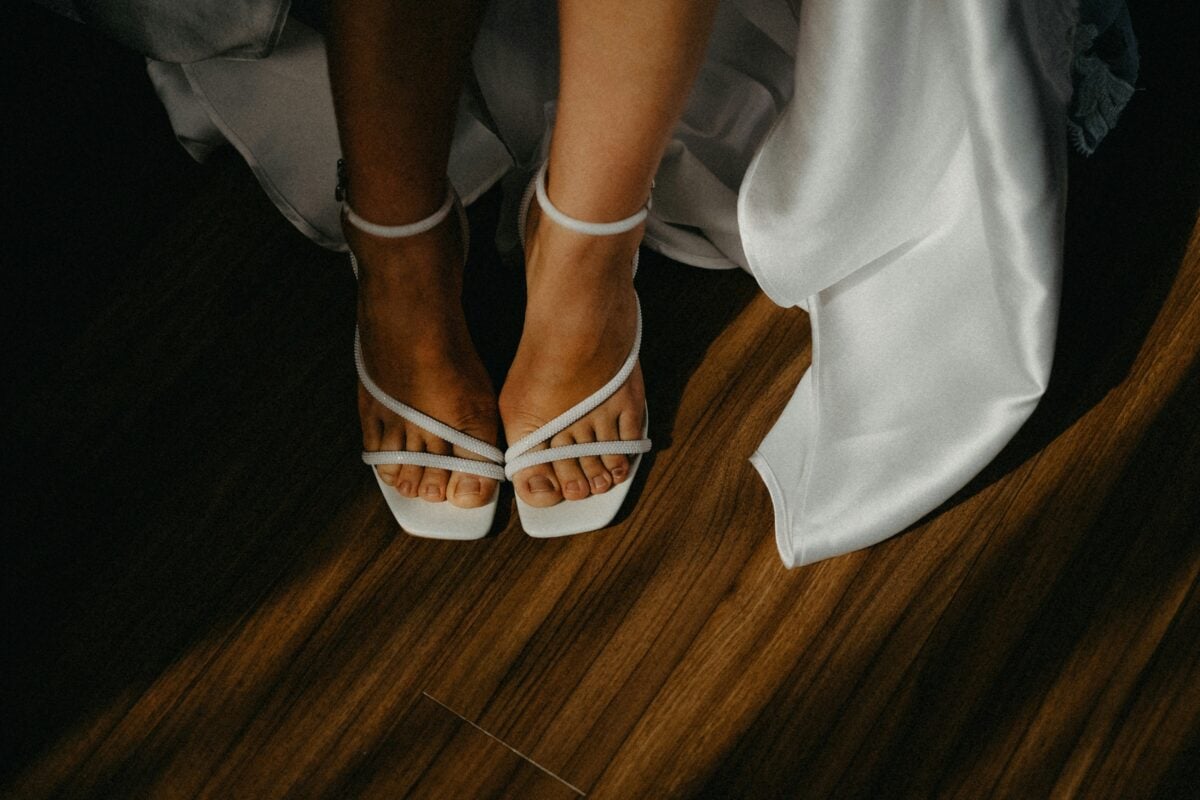
Getting “dolled up” meant dressing in your finest clothes and putting extra effort into your appearance. Women applied makeup, fixed their hair, put on their best dresses.
Men shined their shoes and wore their sharpest suits. The phrase suggested transformation—you weren’t just dressed, you were dolled up, turned into a more glamorous version of yourself.
Ritzy
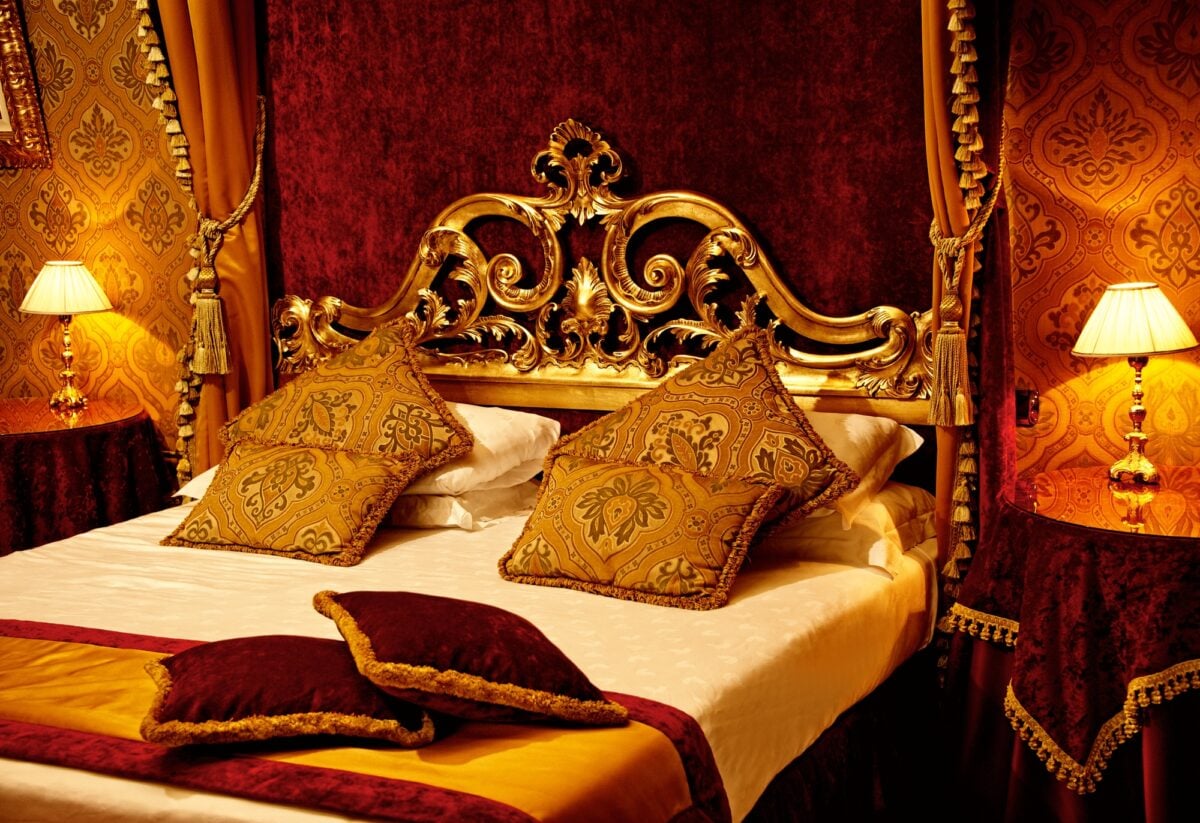
Fancy, expensive, high-class—that’s what “ritzy” meant. The word came from the Ritz hotels, which set the standard for luxury in the early 20th century.
When something or someone seemed too upscale or pretentious, you called it ritzy. The term could be complimentary or slightly mocking, depending on your tone.
Cheaters
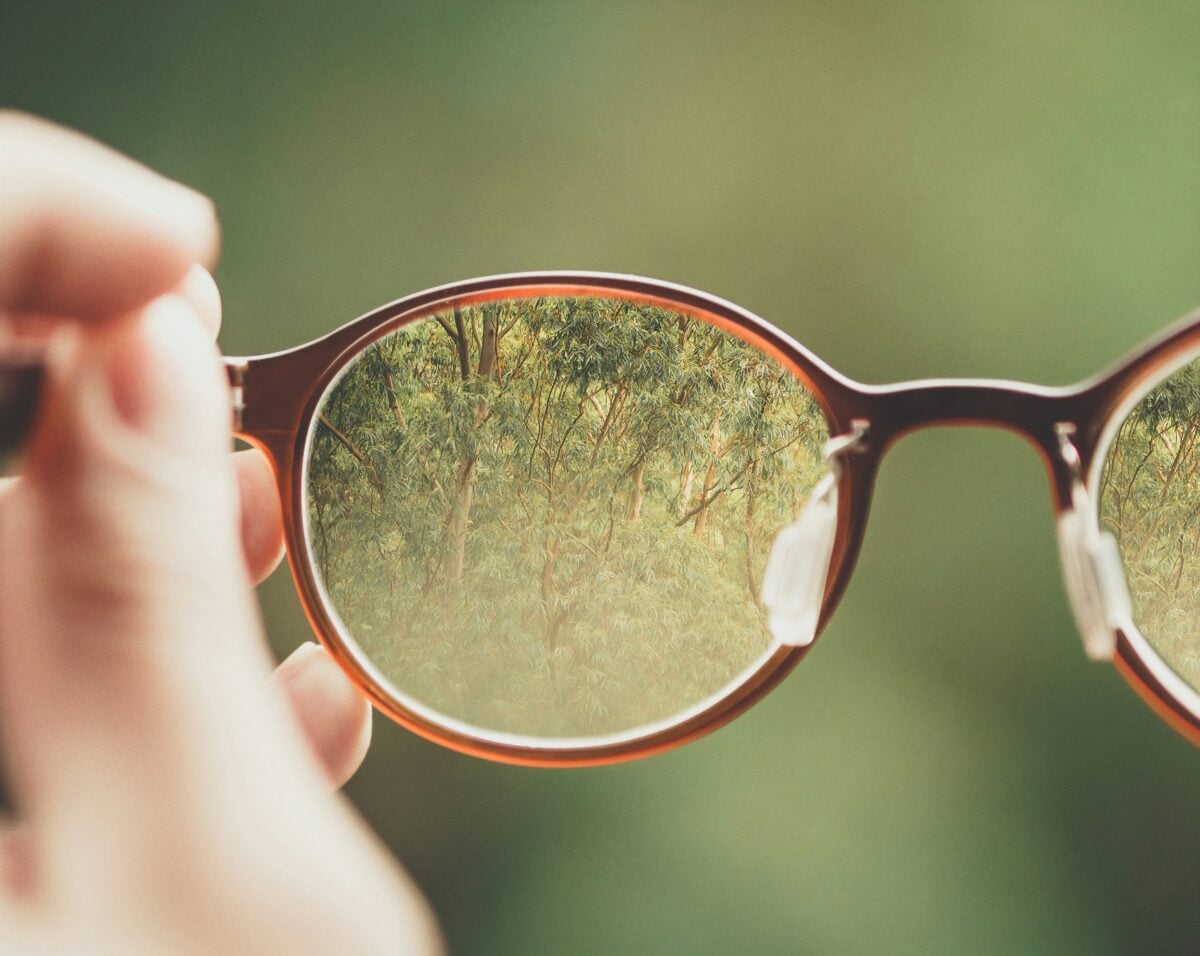
Folks called glasses “cheaters” way back when, long before the label stuck to those bending school rules. They figured a sharper sight without effort seemed unfair – kinda like sneaking an advantage.
It wasn’t a serious name, sure didn’t swap out terms like specs or lenses. Still, it revealed how folks in the ’20s loved giving cheeky nicknames to common stuff.
When Words Capture Time

Back in the 1920s, speech felt fresh; today, it feels like a throwback, kinda fake when someone tries it on. Yet those terms weren’t just noise – they meant something back then.
Using them showed you were up-to-date, sharp, part of the crowd that got it. Jump ahead one hundred years, and they’re snapshots of their moment, proof each era builds its own slang.
The phrases shift, sure – though the urge doesn’t – teens keep remixing talk, simply because they can.
The 1920s changed everything about how Americans talked to each other. Jazz filled the speakeasies, hemlines rose, and a whole new vocabulary emerged to match the energy of the decade.
Young people crafted their own language, much to the confusion of their parents. These words weren’t just trendy expressions—they captured the spirit of an entire generation breaking free from Victorian restraint
More from Go2Tutors!

- The Romanov Crown Jewels and Their Tragic Fate
- 13 Historical Mysteries That Science Still Can’t Solve
- Famous Hoaxes That Fooled the World for Years
- 15 Child Stars with Tragic Adult Lives
- 16 Famous Jewelry Pieces in History
Like Go2Tutors’s content? Follow us on MSN.



