15 Heater Types And Which is Right for You
Picking the right heater for your home can be overwhelming when faced with dozens of options, conflicting advice, and unfamiliar technical terms. The reality is that the perfect heating solution depends on your specific situation—your home size, insulation rating, local climate, energy costs, and budget are all considerations in determining the best solution for you.
Being aware of what is available allows you to make an informed decision that will keep you warm without depleting your finances in the form of energy bills. The key to selecting the ideal heating system is acquiring the right technology appropriate to your actual requirements and not always the newest or trendiest one.
Some heaters will warm up huge spaces very efficiently, and others would be better suited for local heating or warming specific areas. Below is the list of 15 different types of heaters, their pros, and optimal applications to help you choose the best one for your home heating needs.
Gas furnace systems
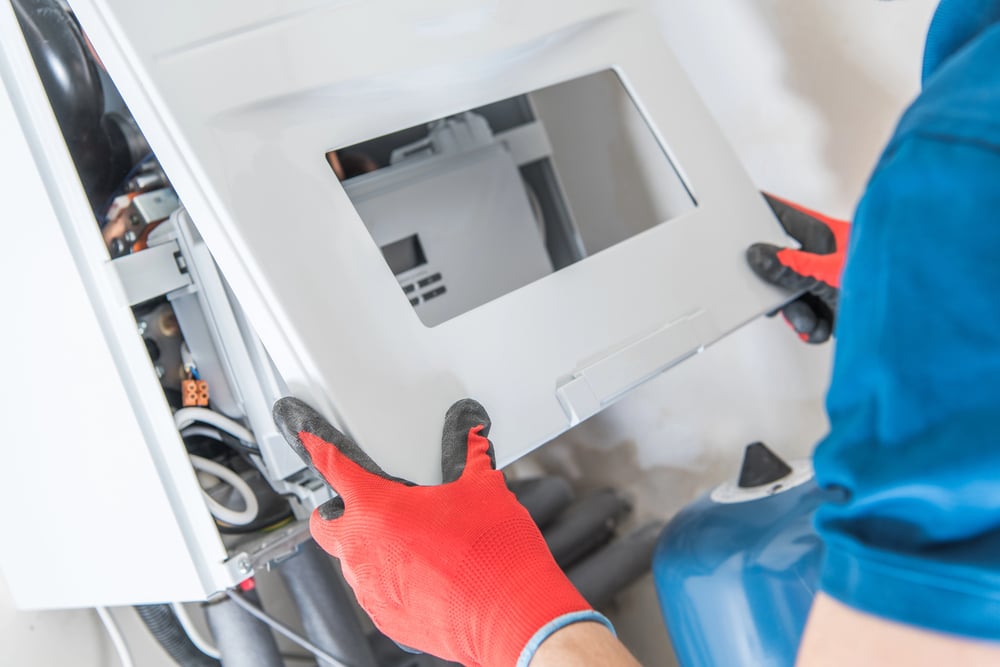
Gas furnaces remain the most common heating solution for U.S. homes because they provide economical, dependable heat for whole-house warmth. They work by burning natural gas to heat air, which is then circulated via ductwork to all areas of the home.
They’re ideal for big homes in cold climates where even robust heat is essential, though installation requires existing gas lines and ductwork.
Electric heat pumps
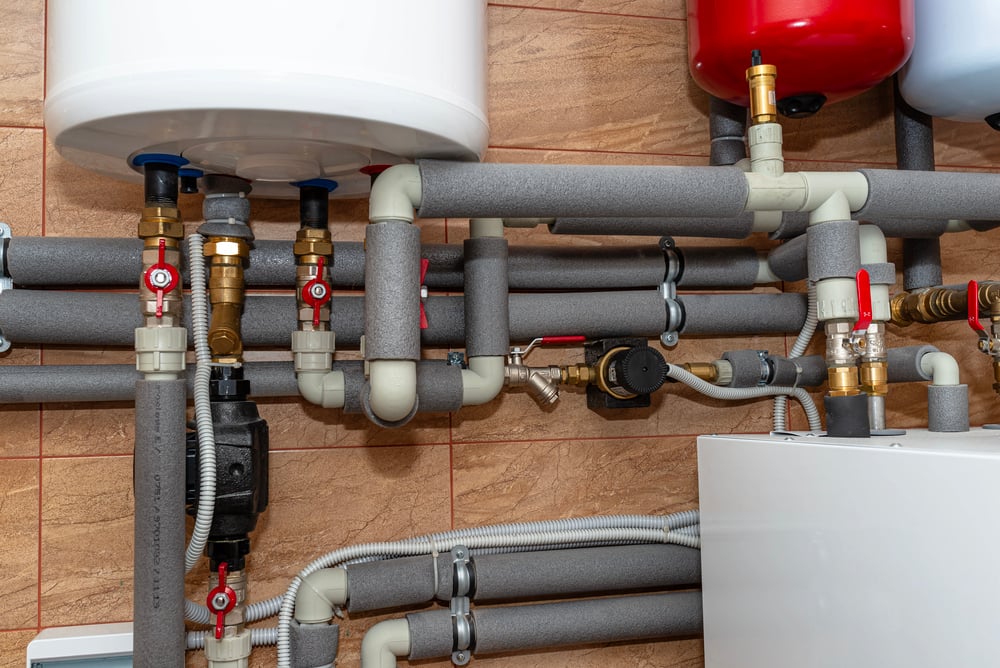
Heat pumps extract heat from outside air even at freezing temperatures, making them highly energy efficient compared to standard electric heat. They work as heat pumps, moving heat around rather than creating heat by combustion or electric resistance.
Heat pump systems work efficiently in temperate climates where the temperatures rarely dip below freezing, although they could struggle with efficiency in frigid temperatures.
Oil boiler heating
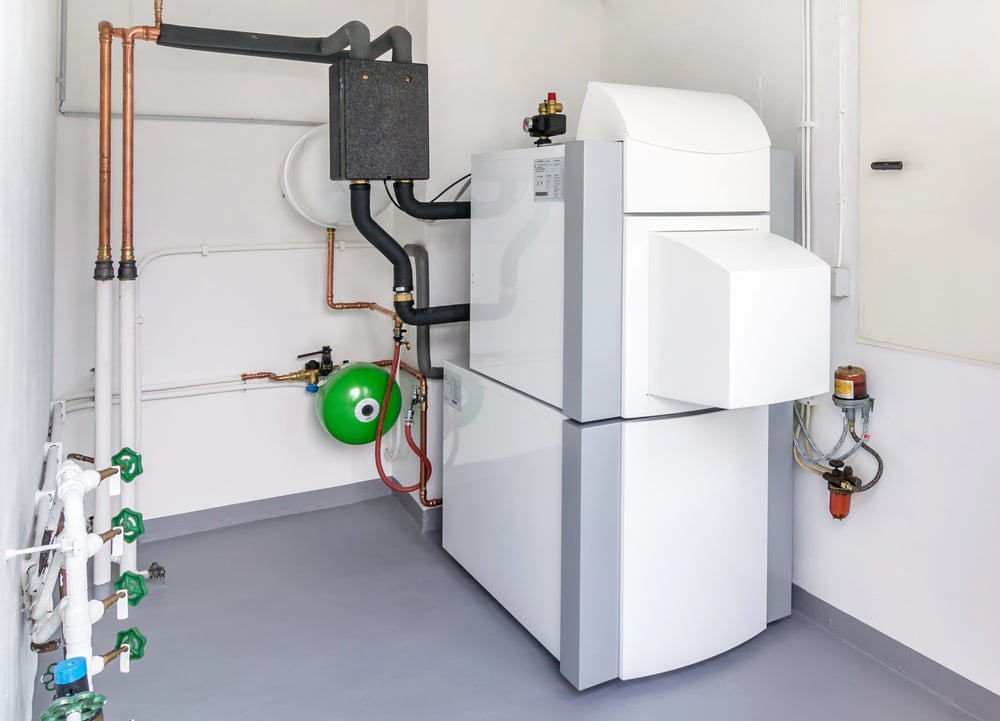
Oil boilers heat water or create steam that circulates through radiators or baseboard units in your house. They provide consistent, warm heat and are a decent option for regions without access to natural gas, though they require regular fuel deliveries and storage space.
This kind of heat is particularly well-suited to old homes with already fitted radiator systems, while regions with affordably priced heating oil render them most economical.
Electric baseboard heaters
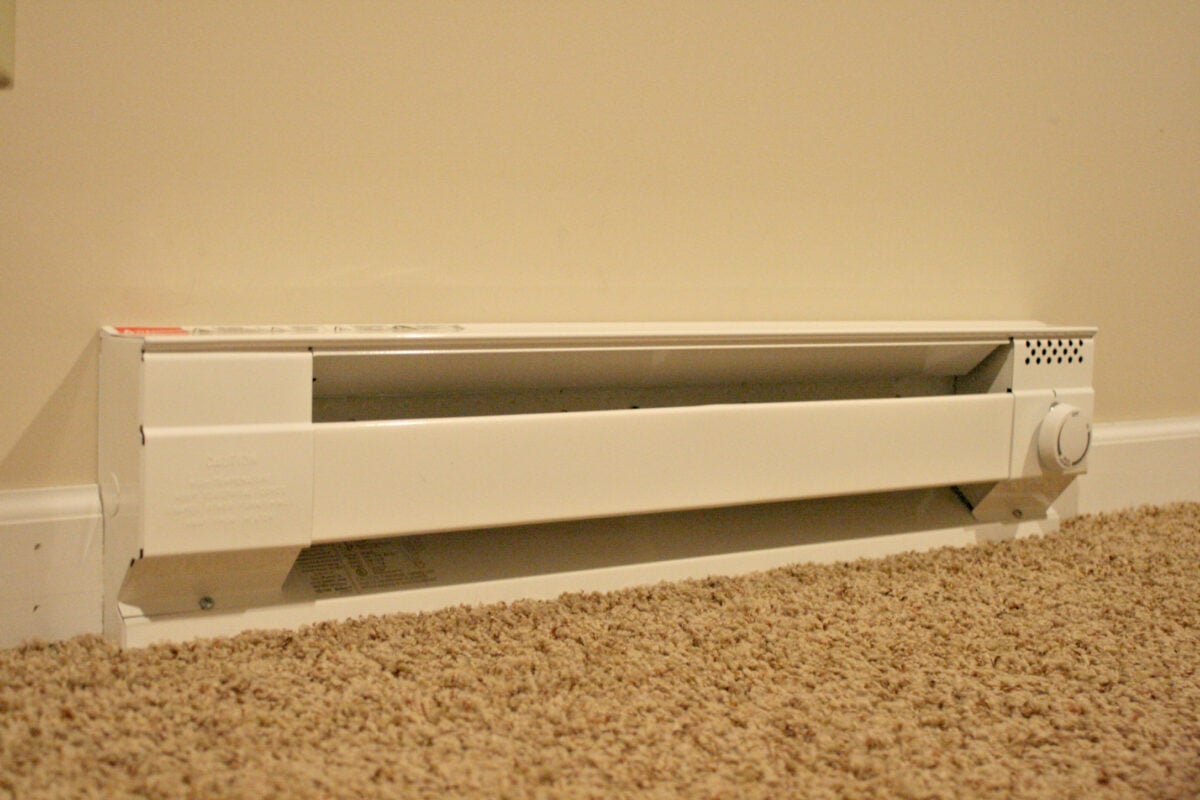
Electric baseboard heaters are mounted along walls and provide zone heating for individual rooms or spaces. They’re relatively inexpensive to purchase and install, requiring no ductwork or complicated installation.
Electric heaters are best used as supplemental heat, additions, or homes where it is not feasible to extend central heating systems. Still, operating costs may be high in areas with high electricity prices.
Radiant floor heating
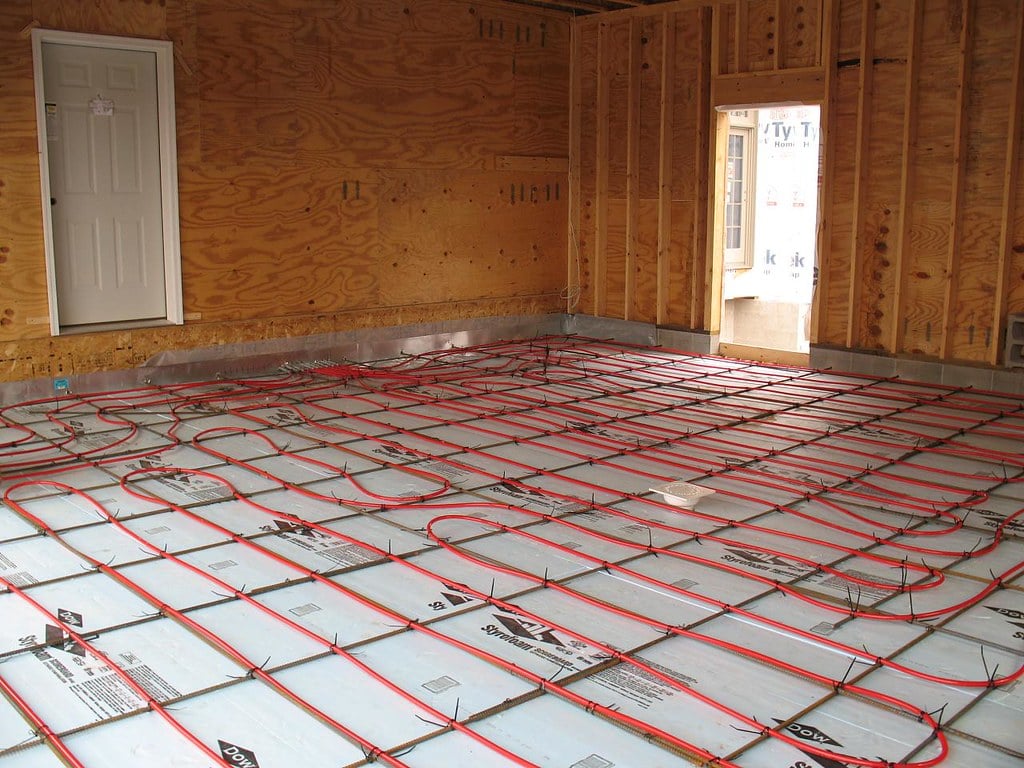
Radiant systems warm floors with hot water pipes or electric cables beneath the floor material. The system provides uniform, cozy heat that circulates naturally through the room—leading to consistent temperatures with no hot spots or drafts.
The system works well with tile or concrete floors and appeals to those wanting luxury comfort, though installation is expensive in retrofit homes.
Wood-burning stoves
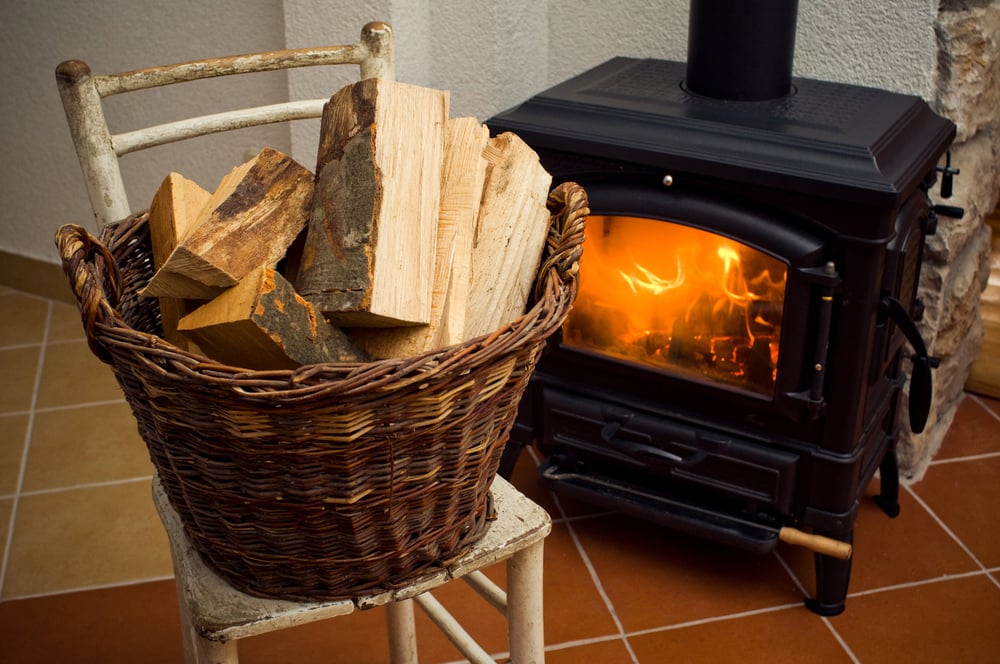
Modern wood stoves provide efficient, renewable heat along with a cozy ambiance that many homeowners love. They can heat large areas when properly sized and installed, but they require regular wood supply, daily maintenance, and careful attention to safety requirements.
The stoves fit best for homeowners who enjoy hands-on heat control, while access to cheap, seasoned firewood becomes a necessity.
Propane space heaters
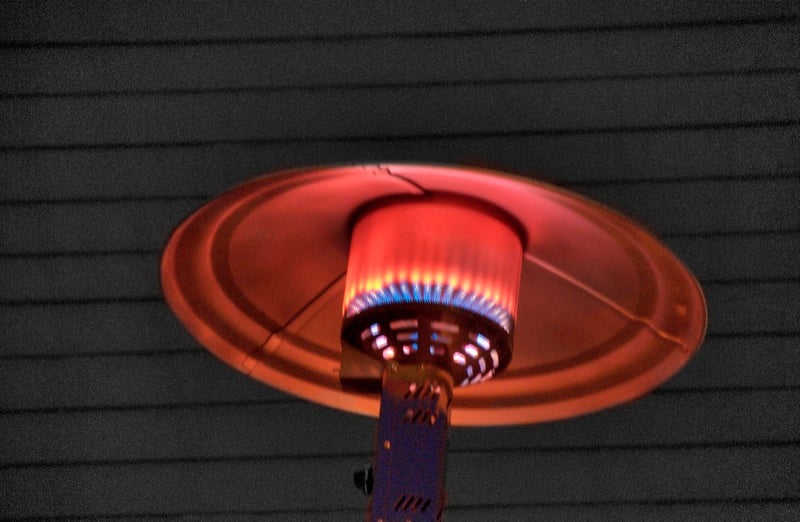
Portable propane heaters provide versatile heating options for garages, workshops, or auxiliary use when central heating systems break down. They supply instant heat without the need for electricity and are therefore useful during power outages or in remote areas.
Nonetheless, they must have proper ventilation to operate safely and frequent propane tank refills, while their use indoors demands specifically engineered models for residential use.
Ductless mini-split systems

Mini-split heat pumps provide heating and cooling without ducts—great for additions to homes or for older houses. The separate indoor units can be operated independently, allowing finely tuned temperature control for rooms or zones.
They’re extremely energy efficient and great for supplemental heat, but indoor units are exposed on walls, and costs are high up front.
Geothermal heat pumps

Geothermal systems leverage stable earth temperatures to provide very efficient cooling and heating throughout the year. They operate silently and provide consistent comfort while significantly reducing energy bills, but they require a high up-front investment and suitable ground conditions for installation.
The systems are ideal for those homeowners who live for extended periods, where optimum efficiency and environmental benefits become the most compelling selling point.
Electric wall heaters
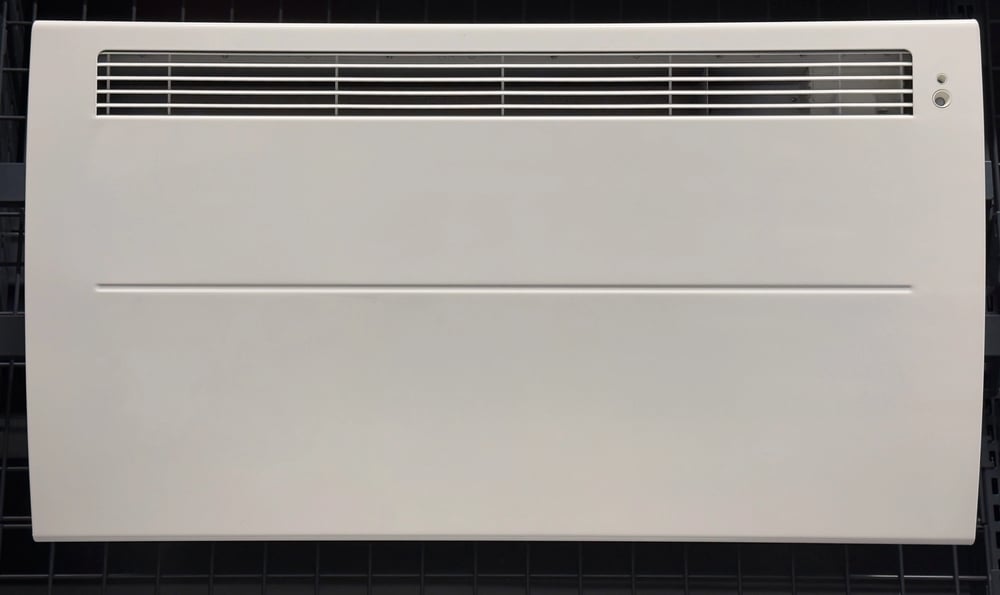
Wall electric heaters provide zone heating for individual rooms, such as bathrooms, bedrooms, or offices. They install easily into wall openings and provide precise temperature control for single zones—though they’re most economical when used for supplemental or occasional heating rather than primary home heating.
The units work well for heating small areas quickly without affecting other spaces.
Pellet stoves
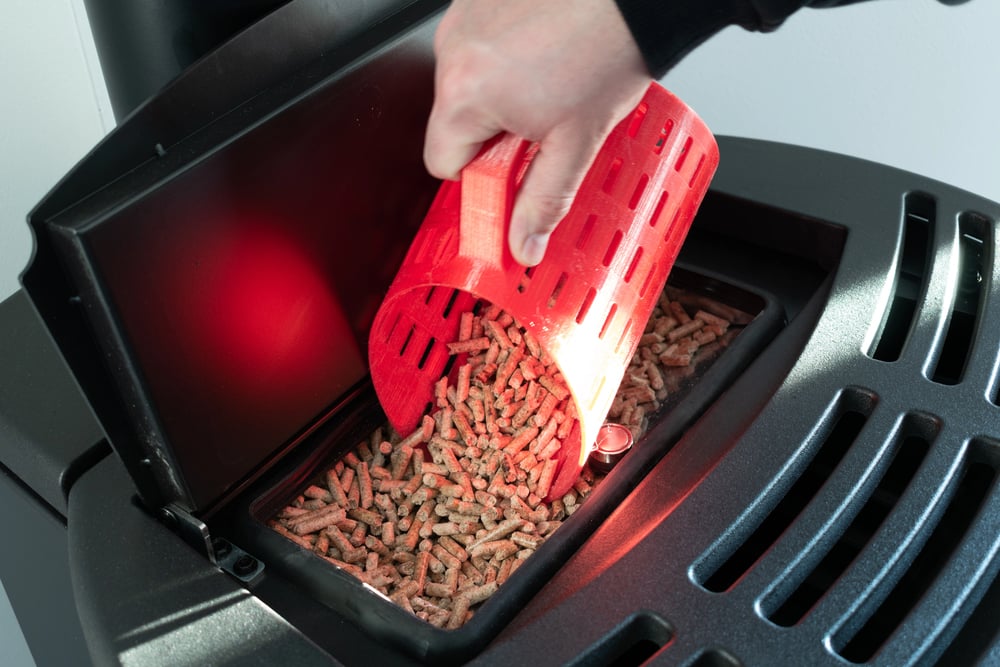
Pellet stoves combust compressed wood pellets for convenient, automated heat with less trouble than traditional wood stoves. They are equipped with automatically fed fuel from hoppers and electronic controls for steady temperature control.
This heating is appealing to residents who want refined wood heating convenience without the daily labor of traditional firewood but require electricity for operation and regular pellet deliveries.
Infrared heaters
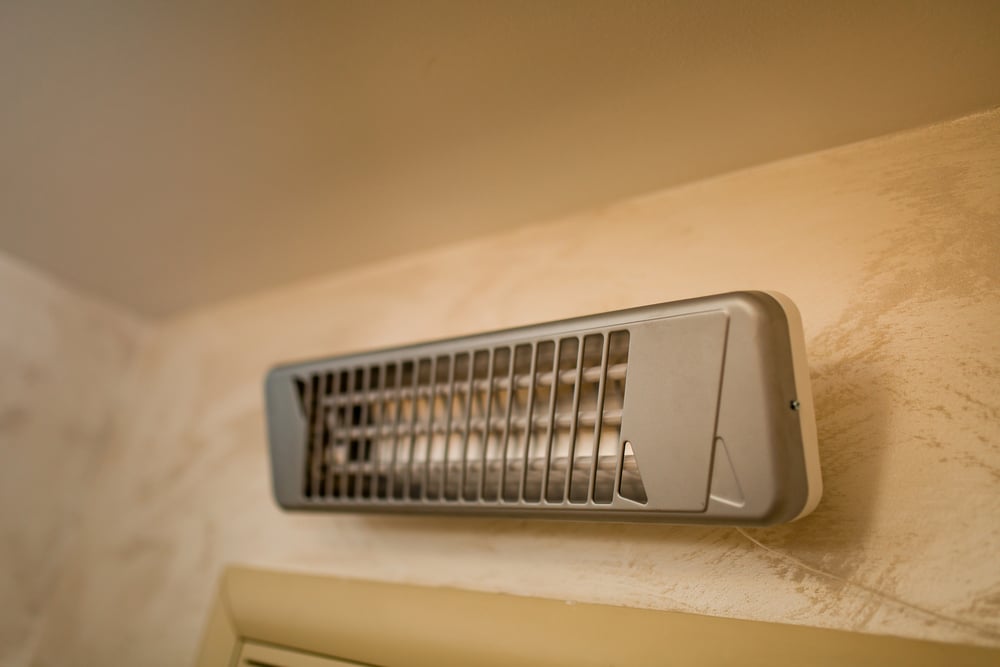
Infrared heating panels warm objects and people directly rather than heating air, providing immediate comfort and energy efficiency. They work particularly well for high-ceiling spaces, outdoor patios, or rooms where quick heating is desired, though they don’t warm the air effectively for whole-room comfort.
These heaters excel in workshops, garages, or as supplemental heating in specific seating areas.
Solar heating systems
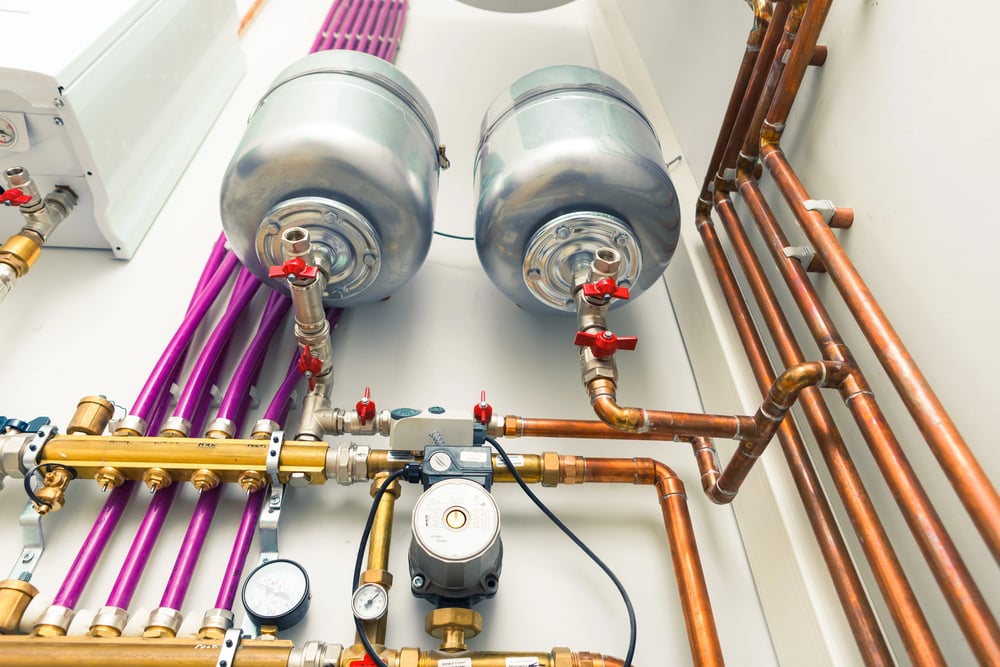
Active solar heating systems employ collectors and pumps to move heated fluid through your home heating system. They can noticeably cut heating bills in sunny climates while delivering ecologically sound heat.
They function best in sun-drenched southern locations and for property owners dedicated to renewable energy solutions—though they need backup heating systems for overcast weather conditions and nighttime.
Kerosene heaters
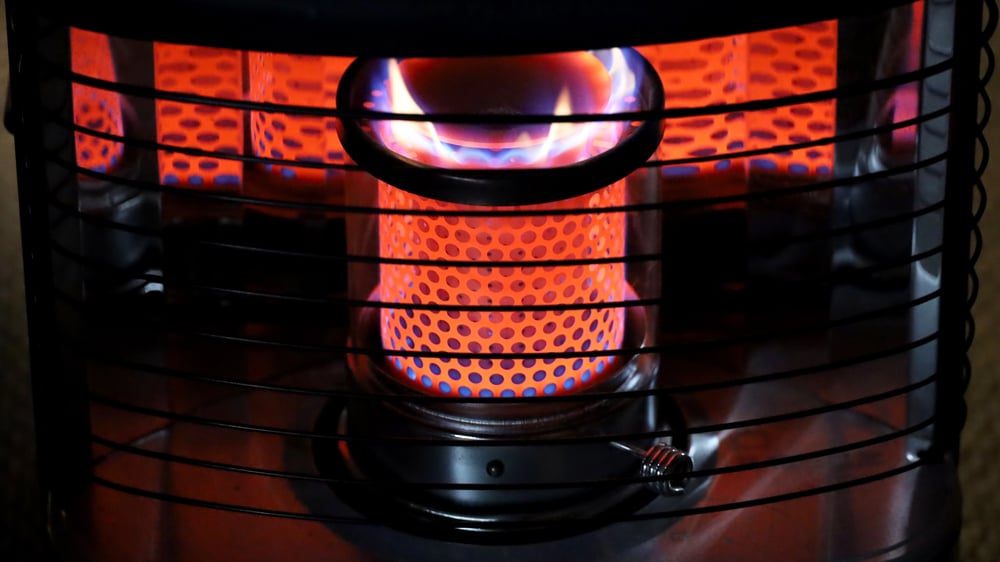
Portable kerosene heaters supply emergency heat or supplementary heat for particular locations in case of power loss or in unheated areas. They are independent of electricity and can warm large areas quite well, although they need to be well-ventilated, require frequent fuel buys, and require strict adherence to safety measures.
The heaters are best used as auxiliary heat supplies or for warming workshops and the like.
Steam radiator systems
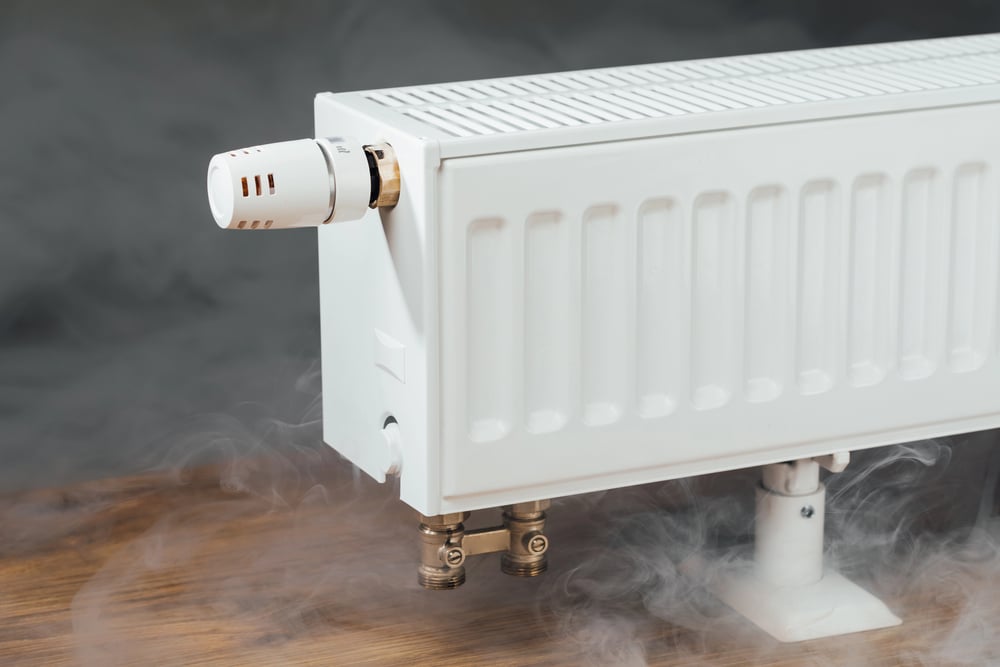
Traditional steam heating systems use boilers to generate steam that flows through pipes to radiators throughout the home. They provide gentle, even heat and work well in older homes with existing radiator systems.
It remains a popular form of heating in older homes and urban areas where the systems are already installed—although they are noisy and require ongoing valve and pipe upkeep.
Finding your ideal heating match

The ideal heating solution is a juggling act between initial cost, running cost, installation requirements, and your household’s comfort needs to meet your specific situation. Climate does play a considerable part—what’s ideal in Florida won’t do in Minnesota, and what works in dry climates won’t do in humid ones.
Above all, proper selection is based on the honest assessment of your home’s heating requirements, budget requirements, and long-term plans for your home. Take some time to consider not just purchase prices but installation costs, maintenance requirements, and projected energy expenses to make the best decision for you in the long run.
More from Go2Tutors!

- The Romanov Crown Jewels and Their Tragic Fate
- 13 Historical Mysteries That Science Still Can’t Solve
- Famous Hoaxes That Fooled the World for Years
- 15 Child Stars with Tragic Adult Lives
- 16 Famous Jewelry Pieces in History
Like Go2Tutors’s content? Follow us on MSN.