16 Strange Country Flags with Hidden Meanings Most People Miss
Flags wave overhead every day, reduced to background noise in a world that moves too fast to notice. But these aren’t just colored fabric catching wind.
Each one carries stories, secrets, and symbols that entire nations decided mattered enough to display forever. Some meanings hide in plain sight, while others require knowing where to look.
The most fascinating flags often belong to countries that packed their entire identity into a design most people glance at and forget.
Nepal
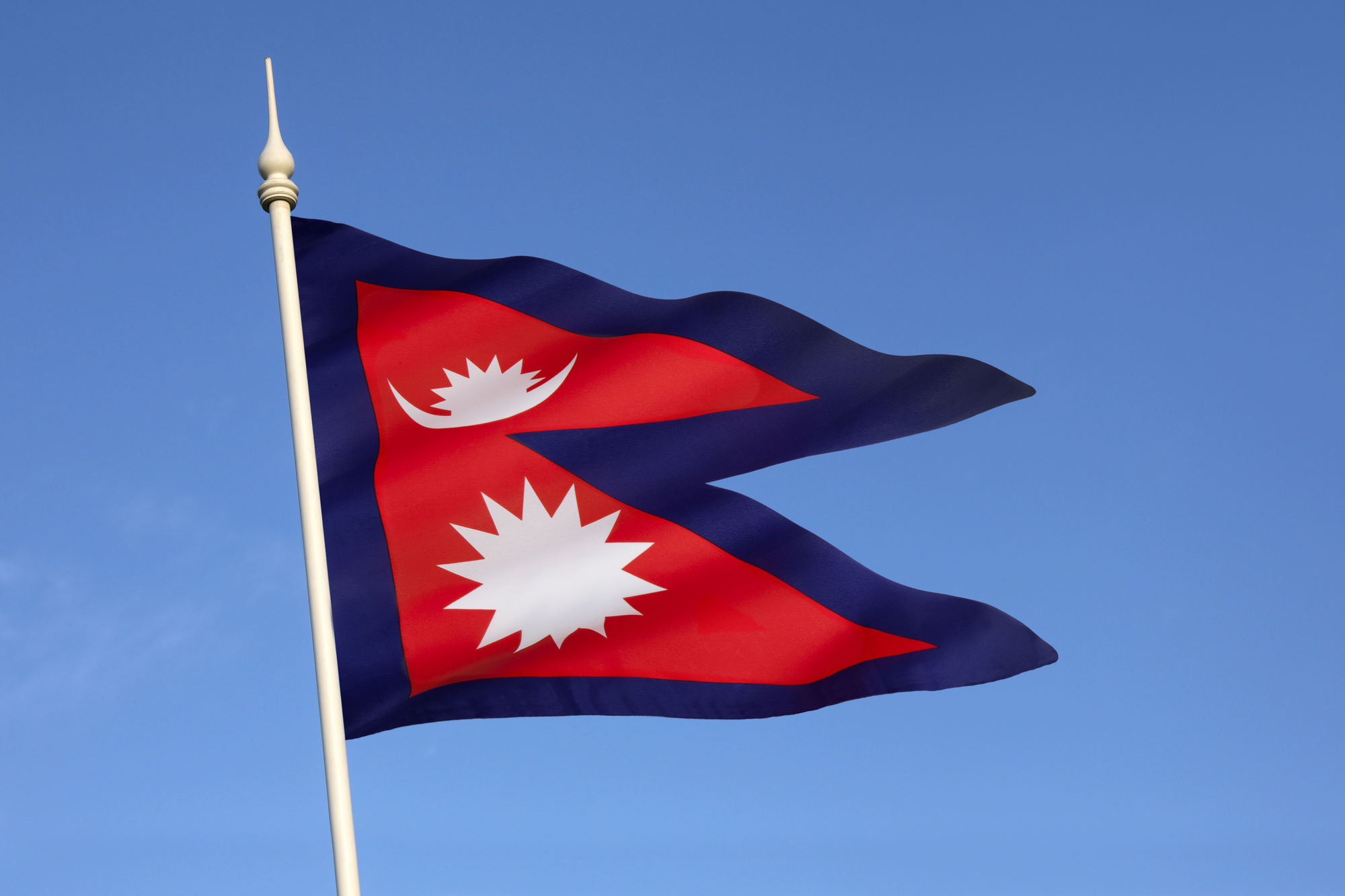
Nepal’s flag breaks every rule. Two triangles stacked on top of each other instead of the standard rectangle that every other nation settled for.
The shape represents the Himalayan mountains. The blue border symbolizes peace, while the red interior stands for the courage of the Nepalese people.
But here’s what most people miss: those aren’t just decorative celestial symbols. The moon in the upper triangle represents the royal house, while the sun in the lower triangle represents the Rana family that once ruled as prime ministers.
The flag essentially displays Nepal’s entire political structure from the 19th century, frozen in fabric.
Bhutan
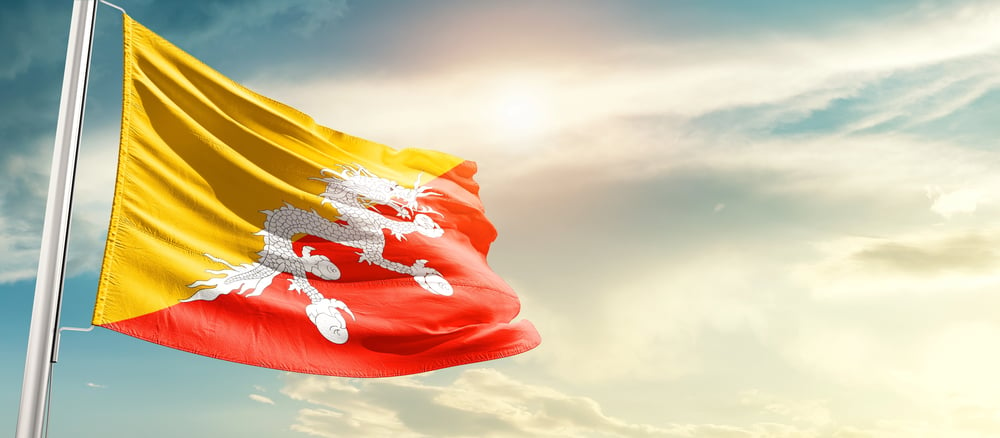
The dragon sprawled across Bhutan’s flag looks like medieval fantasy, but it carries the country’s entire philosophy (and if you think about it, most national symbols should feel this intentional, though they rarely do). This isn’t just any dragon — it’s Druk, the Thunder Dragon, which gives Bhutan its local name: Druk Yul, or “Land of the Thunder Dragon.”
The dragon’s white color represents purity and loyalty. But here’s the detail that reveals everything: notice how the dragon holds jewels in its claws.
Those jewels represent Bhutan’s wealth, but not the kind you’d expect. They symbolize the country’s commitment to Gross National Happiness over Gross Domestic Product — a policy Bhutan actually follows.
The flag announces their priorities before you even know what country you’re looking at.
Mozambique
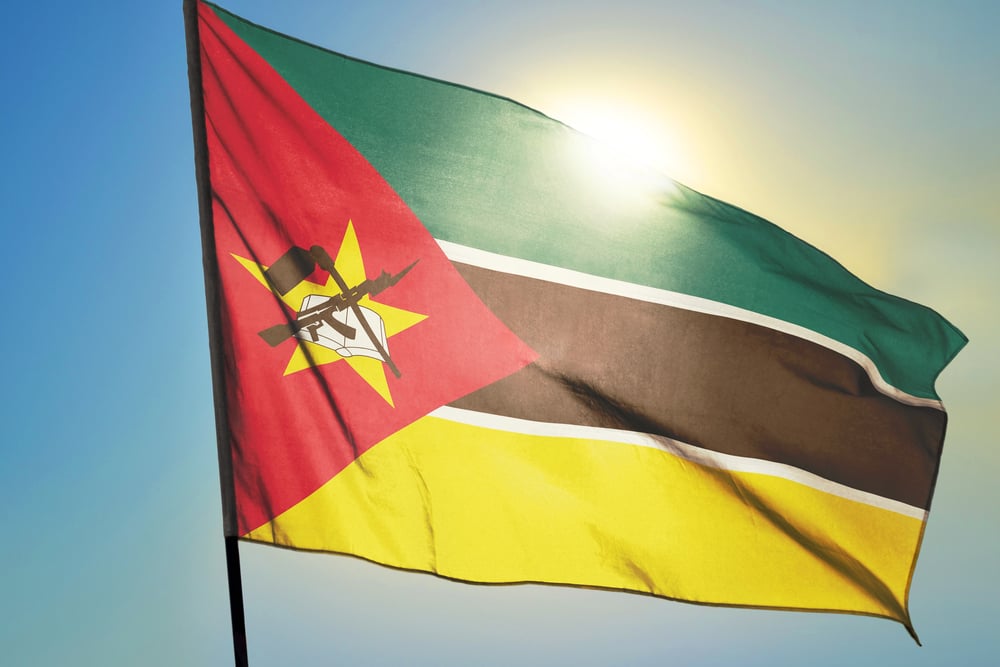
An AK-47 rifle sits prominently on Mozambique’s flag. No other nation puts an assault weapon front and center on their national symbol.
The rifle represents defense and vigilance. The book beneath it stands for education.
The hoe represents agriculture.
Most people see the gun and stop looking. But the combination tells a specific story: the tools needed to build a nation after independence.
The rifle for protection, the book for knowledge, the hoe for sustenance. It’s a post-colonial blueprint displayed as national identity.
Cyprus
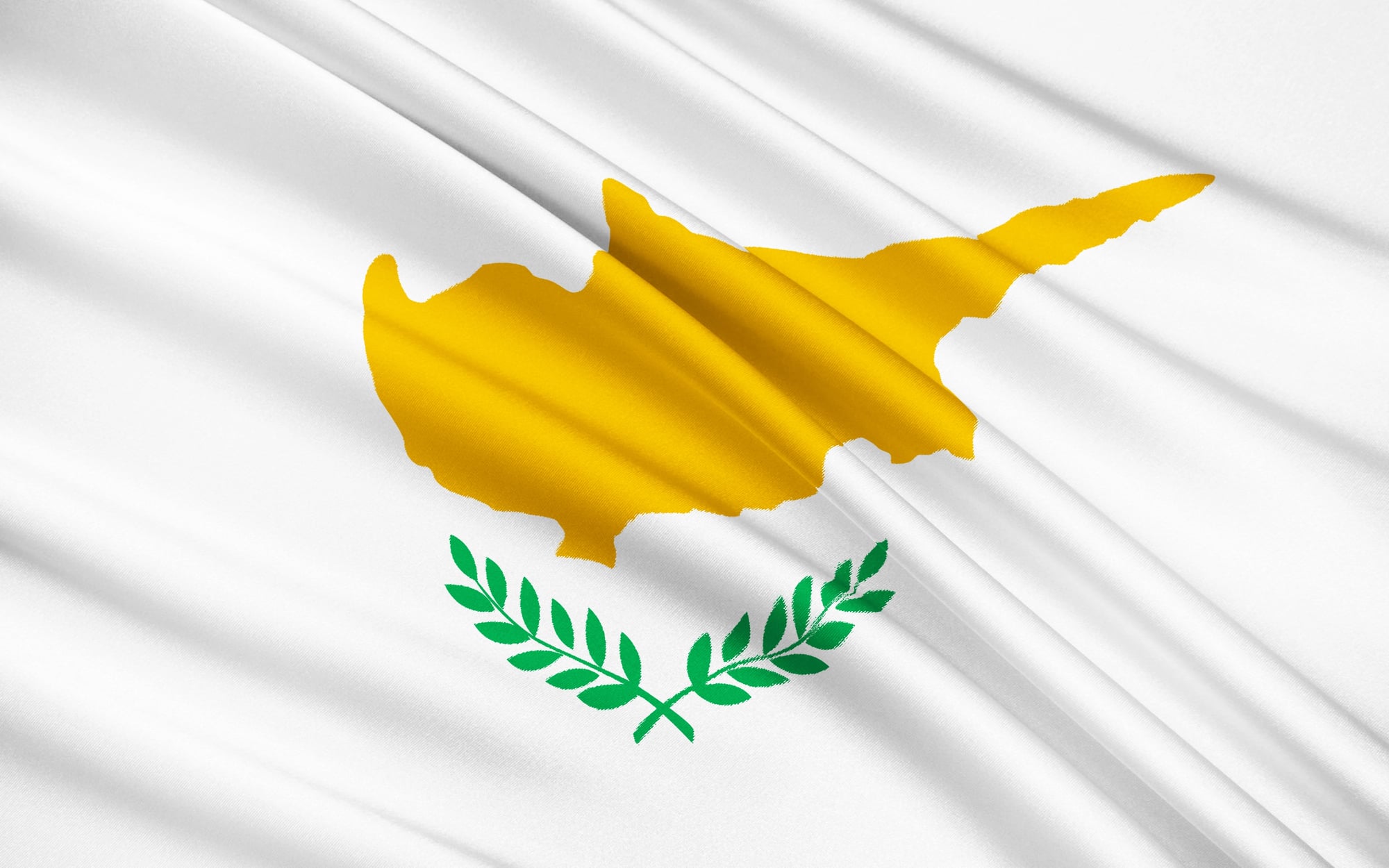
Cyprus displays its own map on its flag, which feels like the geographical equivalent of wearing a t-shirt with your own face on it — bold, slightly awkward, but undeniably clear about what you’re representing. The island appears in copper-orange, and that color choice isn’t accidental (Cyprus gets its name from the Greek word for copper, since the island was once the primary source of the metal for the entire Mediterranean, which explains why they’d want to remind everyone of that particular historical advantage).
But here’s what the design really accomplishes: by showing the entire island, Cyprus makes a political statement. The flag includes the northern region that Turkey has occupied since 1974, territory that Cyprus still claims.
So what looks like simple geography is actually a diplomatic position, displayed every time the flag flies.
Kiribati
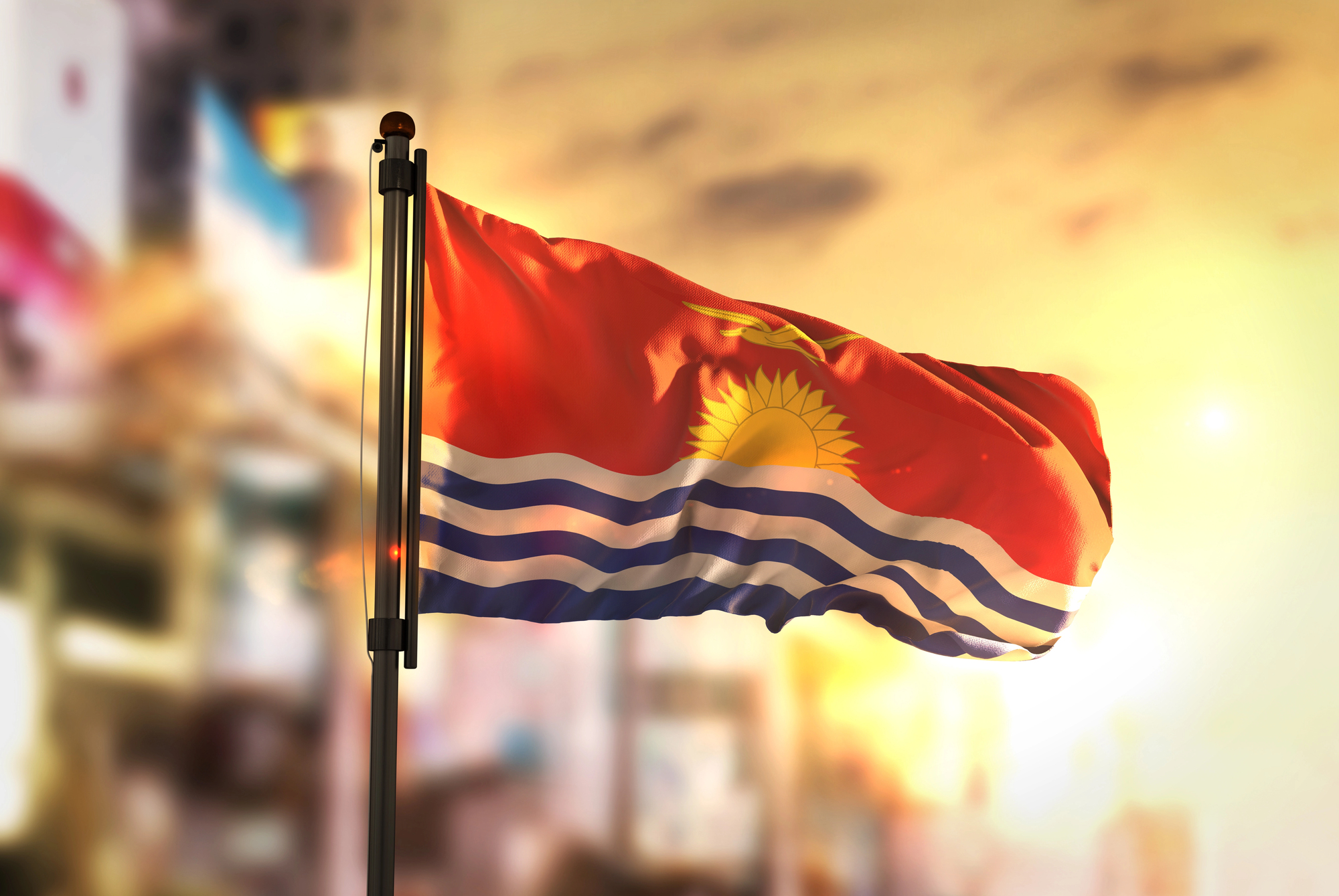
Kiribati’s flag shows a golden frigatebird soaring over ocean waves under a rising sun. The bird represents freedom, strength, and the country’s connection to the sea.
But the hidden meaning lies in the waves. Kiribati consists of 32 coral atolls and one raised coral island, scattered across 3.5 million square kilometers of Pacific Ocean.
Most of these islands rise barely two meters above sea level. Those stylized blue and white waves aren’t just decorative — they represent the existential reality of a nation that climate change threatens to erase entirely.
The rising sun symbolizes hope, but it’s hope for survival as much as prosperity.
Wales
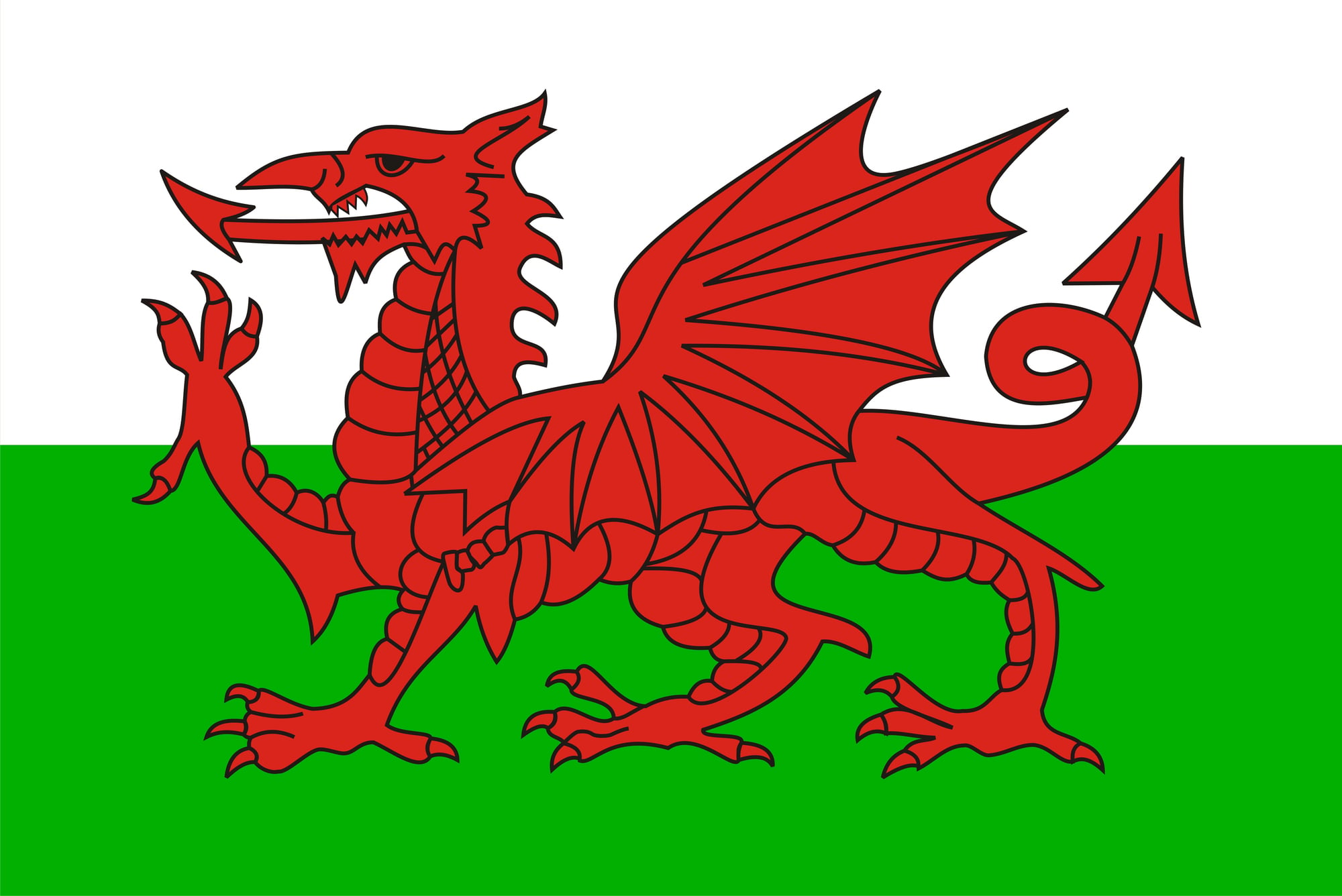
The Welsh dragon burns red against a background of green and white, and dragons don’t typically symbolize modern democratic values, but Wales has carried this particular beast for over a thousand years (making it one of the oldest national symbols in continuous use, which gives it the kind of historical weight that makes changing it nearly impossible, even if someone thought a dragon felt outdated for a country that exports mostly sheep and coal). The red dragon — Y Ddraig Goch in Welsh — appears in the Mabinogion, medieval Welsh literature that predates most European national identities.
But here’s the detail that matters: the dragon faces left, toward the hoist, which in heraldic terms means it’s advancing forward. Most heraldic beasts face right, toward the fly.
Wales chose to have their dragon move in the opposite direction, symbolically charging toward whatever comes next rather than retreating into tradition. And yet the symbol itself is ancient mythology.
It’s a perfect contradiction — progressive movement wrapped in ancient imagery.
Seychelles
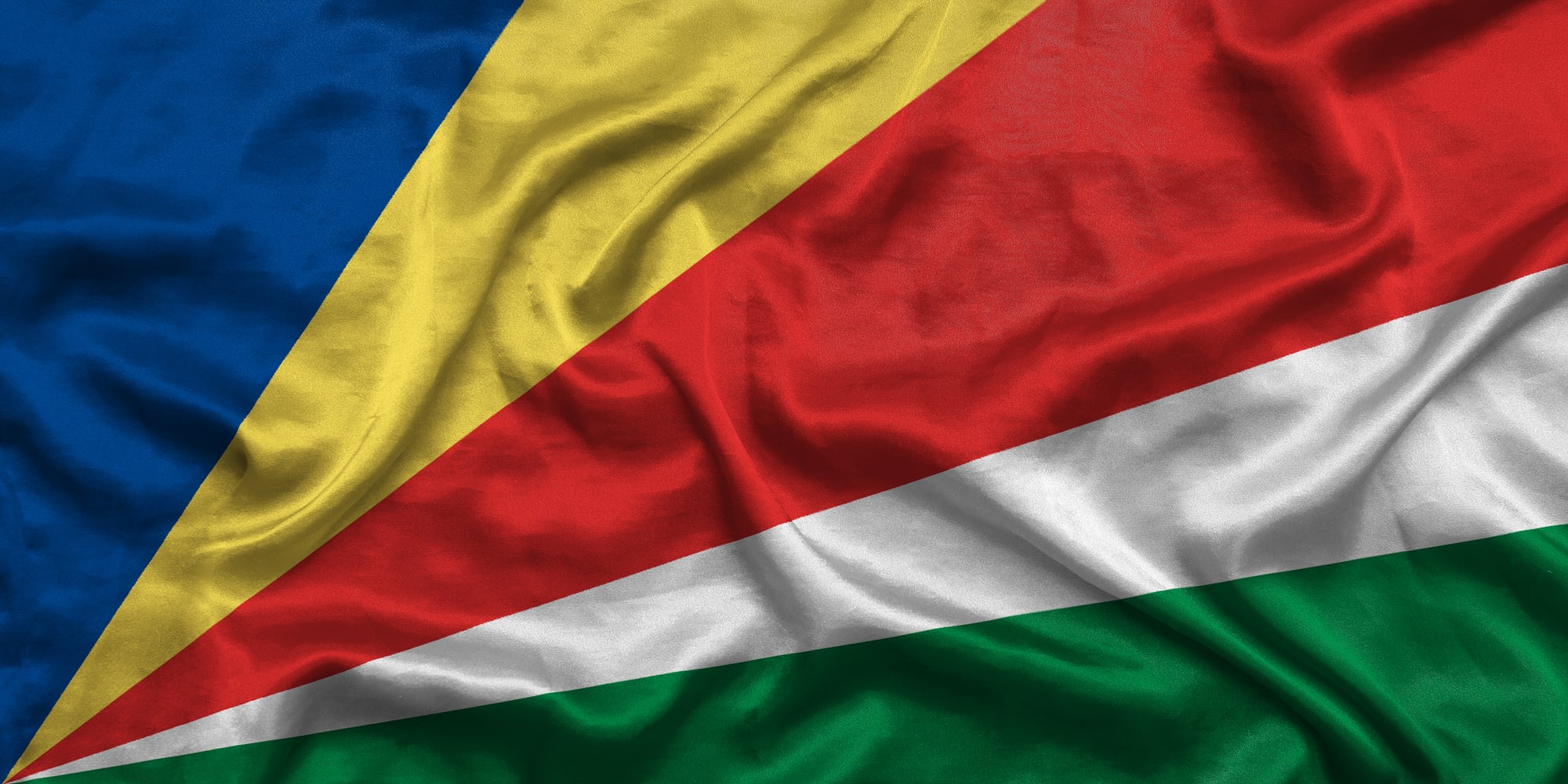
Five diagonal bands of color radiate from the bottom left corner like a sunrise, or like someone took a standard flag design and tilted it until it felt dynamic. Each color represents something specific: blue for the ocean, yellow for the sun, red for the people’s determination, white for social justice, and green for the natural environment.
The genius lies in the arrangement. Instead of horizontal or vertical stripes that divide a flag into separate sections, these diagonal bands all emerge from the same point.
The design suggests that all these elements — ocean, sun, people, justice, environment — spring from a single source. It’s national unity rendered in geometry, and it works because the flag actually looks like energy radiating outward rather than parts held in static balance.
Palau
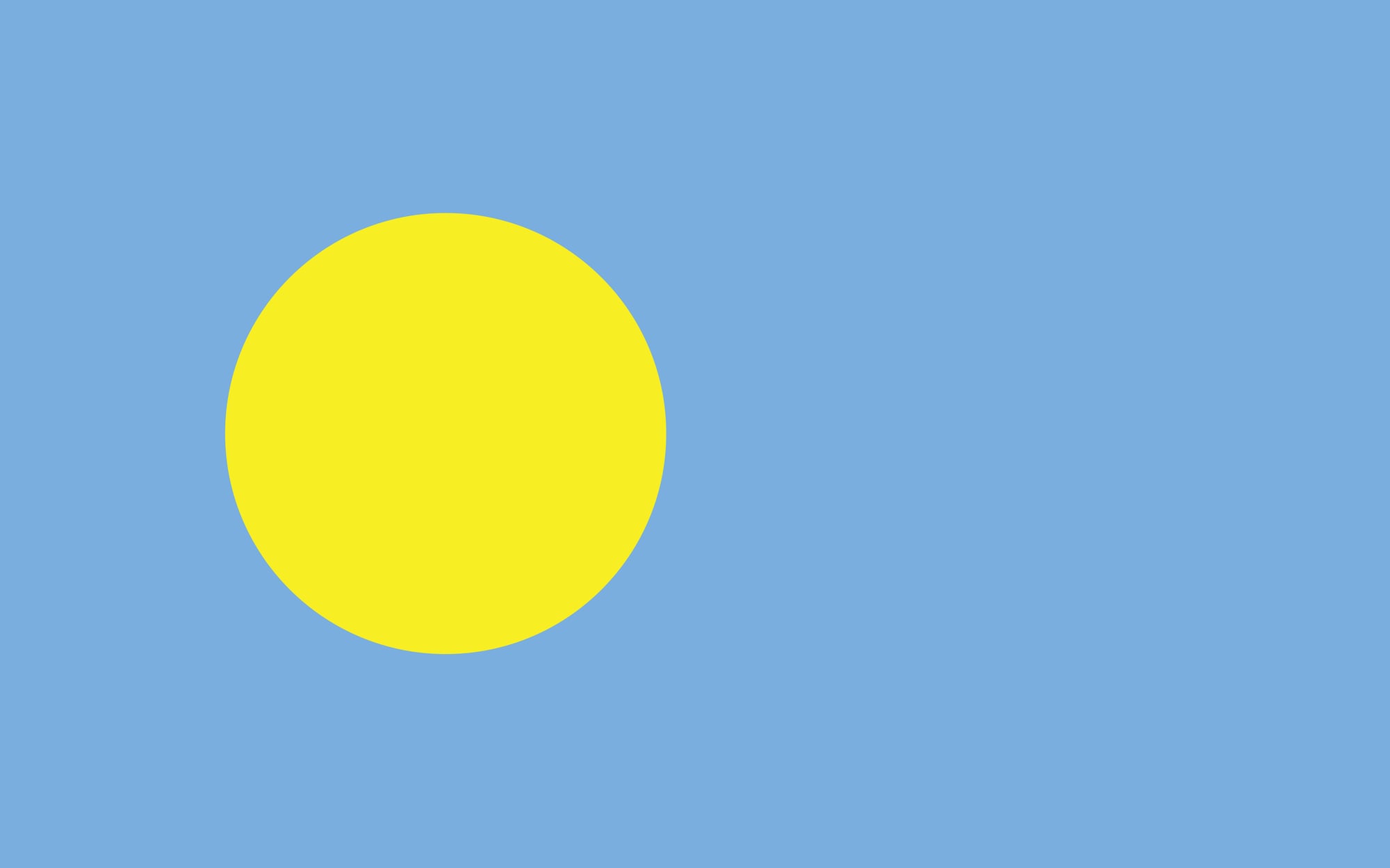
Palau’s flag displays a yellow circle positioned slightly off-center on a field of blue. Most people assume the circle represents the sun, but it’s actually the moon.
The blue represents the Pacific Ocean. The yellow circle represents the full moon, which Palauans consider the optimal time for human activity — fishing, harvesting, celebrating, making important decisions.
The off-center positioning is deliberate. The moon appears exactly where it would sit in the sky at the moment it rises above the horizon.
The flag captures a specific moment in time, the monthly instant when the full moon first becomes visible each month. It’s astronomy presented as national identity.
Saudi Arabia
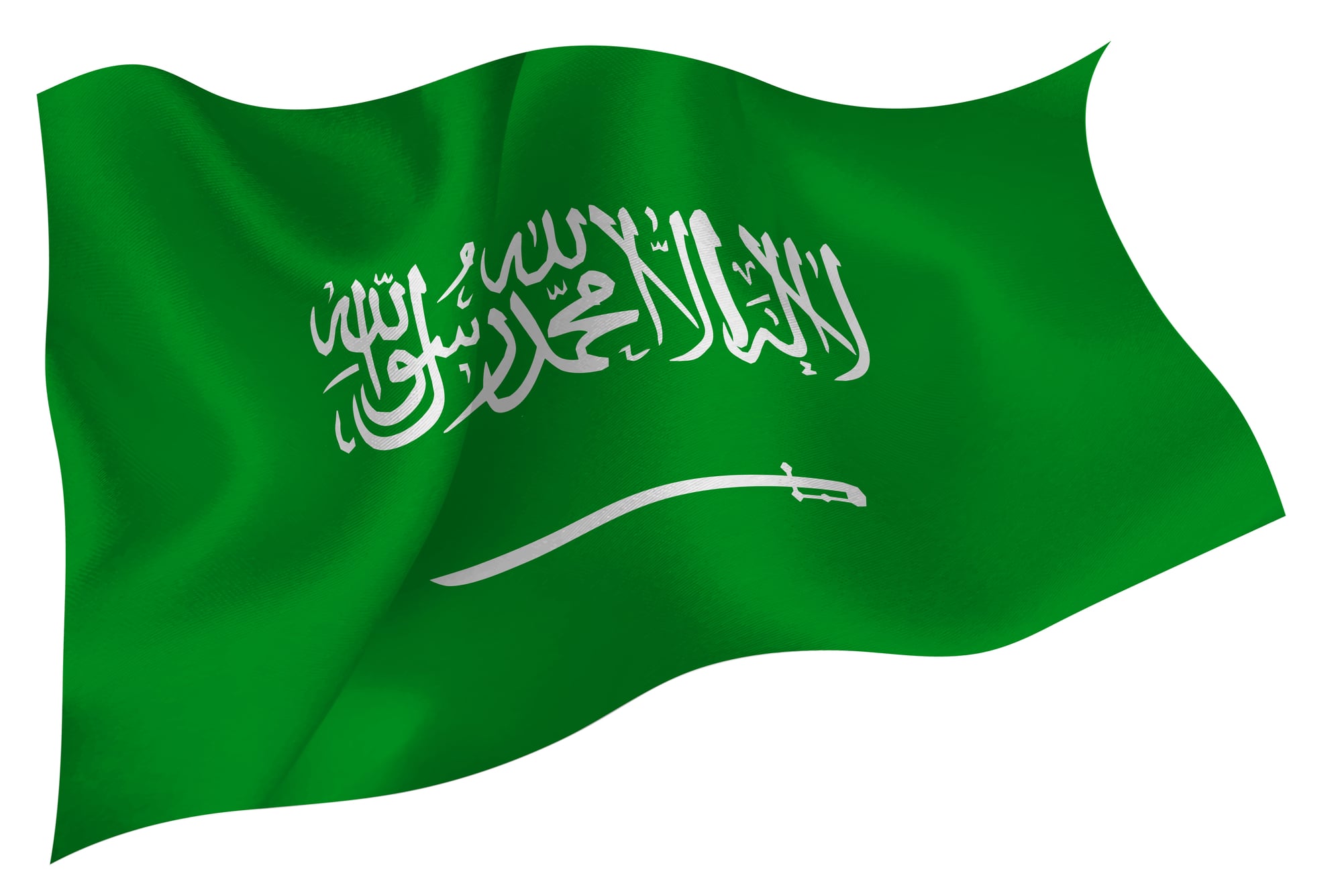
Arabic script dominates Saudi Arabia’s flag, declaring “There is no god but Allah, and Muhammad is his prophet” — the Shahada, Islam’s fundamental statement of faith. Below the text sits a white sword.
The green background represents Islam and the vegetation of paradise. Most people understand these elements.
But the hidden meaning lies in flag protocol.
Because the flag contains sacred text, it never flies at half-mast, even during national mourning. It’s never allowed to touch the ground.
It’s never displayed horizontally or used for decoration. The flag itself has become a religious object, subject to the same respect requirements as holy scripture.
Saudi Arabia created a flag that functions as both national symbol and religious artifact.
Grenada
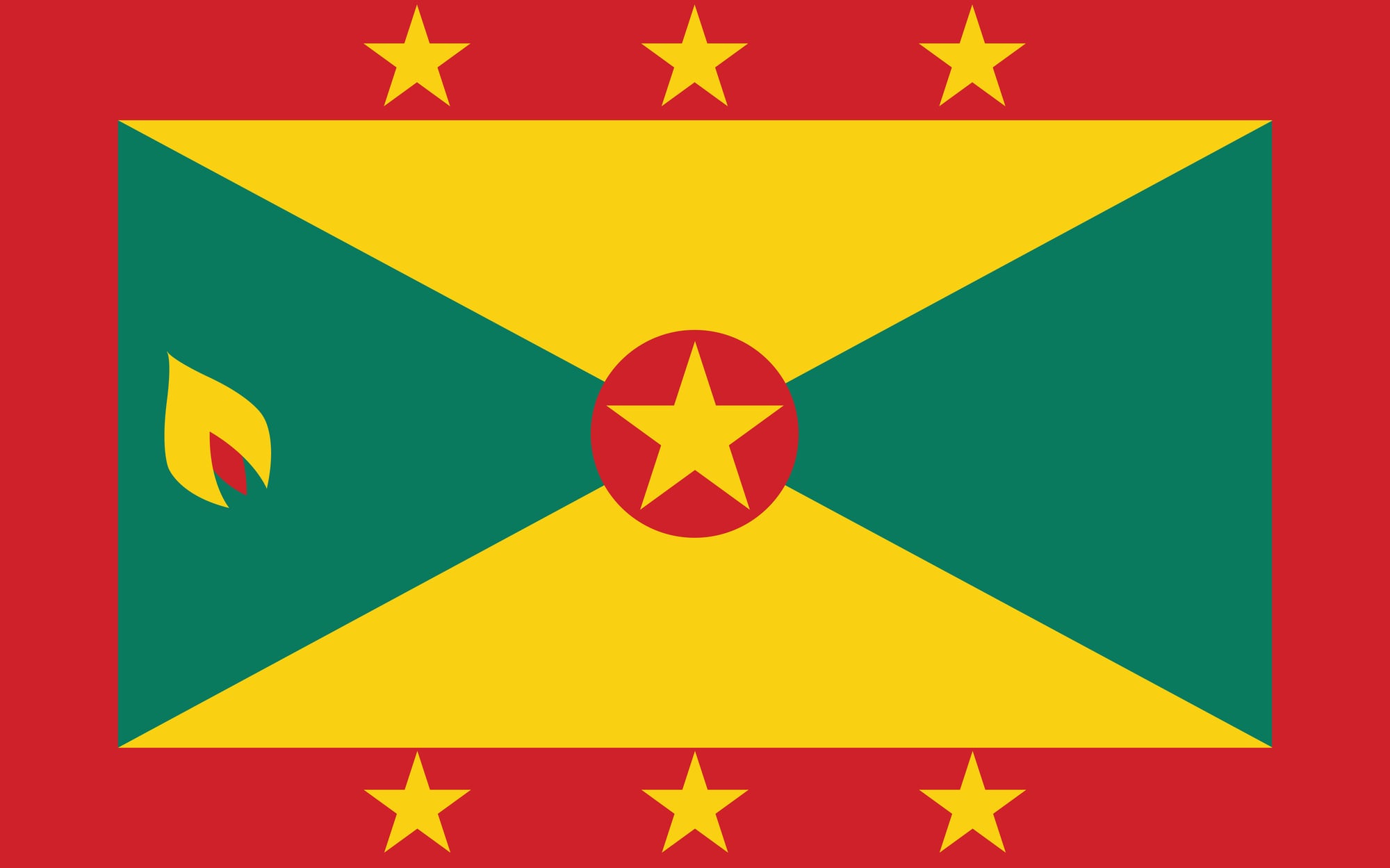
Grenada’s flag contains seven stars and a nutmeg. The nutmeg appears in the left triangle, small enough that most people miss it entirely.
But that tiny nutmeg represents the foundation of Grenada’s economy. The country produces approximately 20-25% of the world’s nutmeg supply.
The spice trade built the nation’s wealth and remains its primary export.
The seven stars represent the seven parishes of Grenada. The nutmeg reminds everyone that some countries built their entire identity around a single agricultural product.
Geography became destiny, and the flag makes sure nobody forgets which plant made it possible.
Cambodia
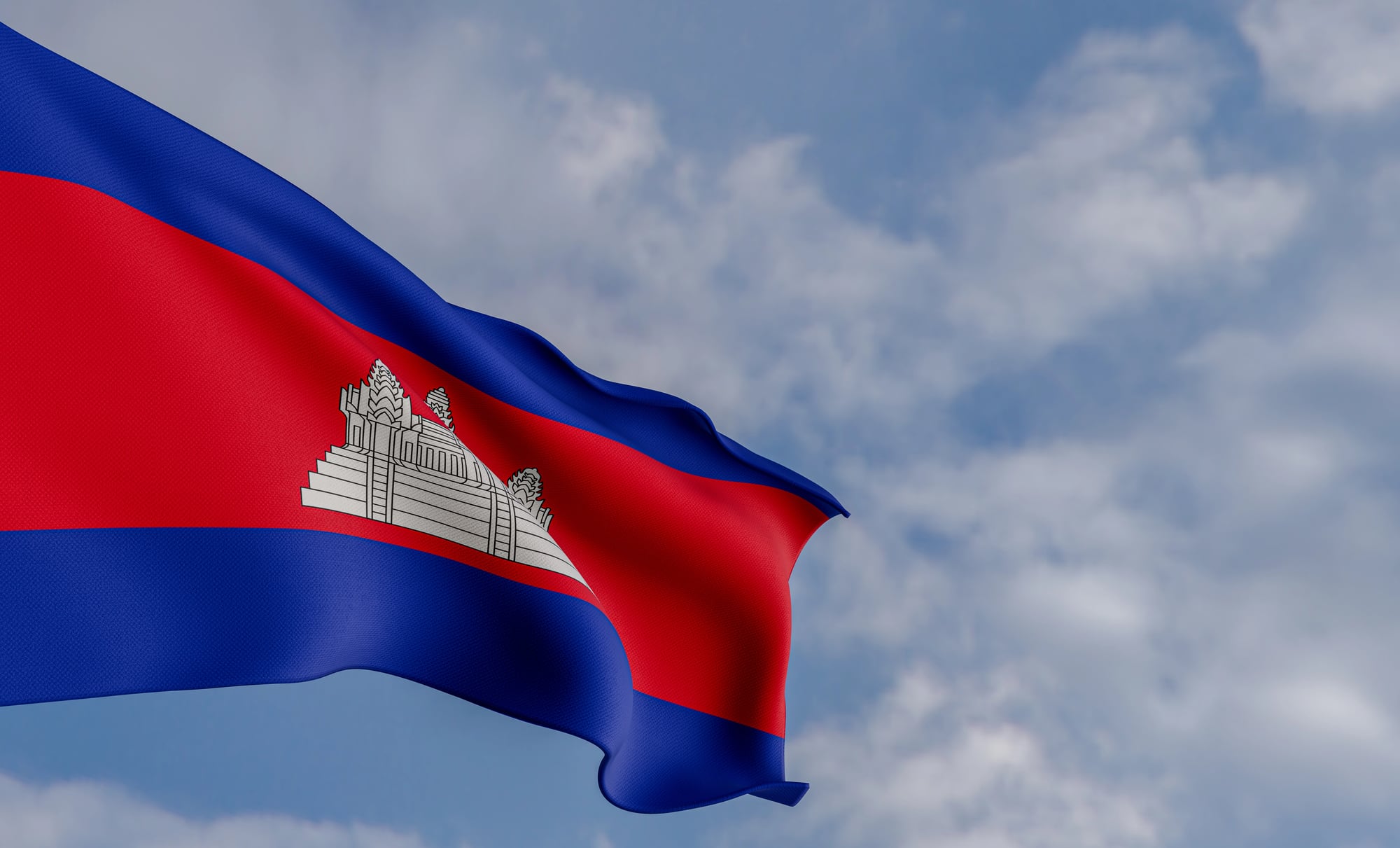
Cambodia’s flag displays Angkor Wat, the 12th-century temple complex that represents the height of the Khmer Empire. The temple appears in white silhouette against bands of blue and red.
But here’s what most people don’t realize: Cambodia is the only country that displays an actual building on its flag. Not a stylized structure or architectural symbol, but a specific, recognizable temple complex that tourists can visit.
The flag essentially functions as architectural preservation.
Even if Angkor Wat crumbled tomorrow, its image would continue flying on flagpoles worldwide. The flag serves as both national symbol and historical documentation, preserving the silhouette of Cambodia’s greatest achievement for as long as the country exists.
Lebanon
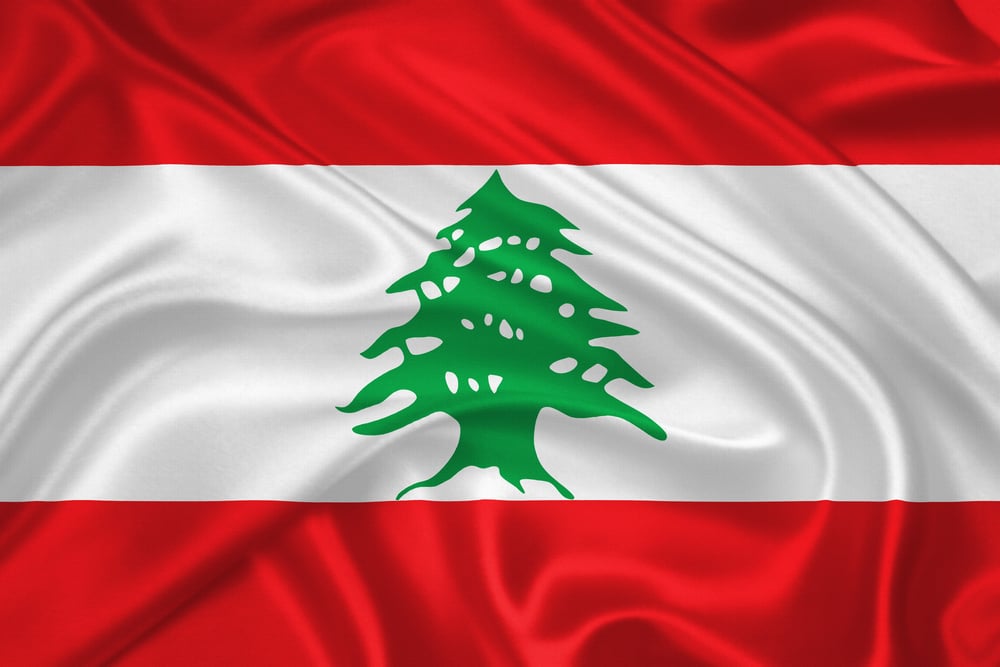
A cedar tree stands centered on Lebanon’s flag between two horizontal red stripes and a white background. Cedar trees don’t typically symbolize nations, but Lebanon built its identity around these particular trees.
Lebanese cedars appear throughout ancient literature — the Epic of Gilgamesh, the Bible, Egyptian texts. These trees provided timber for Solomon’s Temple, Egyptian sarcophagi, and Phoenician ships.
Lebanon’s forests supplied wood for the entire ancient Mediterranean world.
But here’s the hidden meaning: only a few hundred Lebanese cedar trees survive today. The flag displays a species the country nearly extinct through export.
It’s simultaneously a symbol of Lebanon’s historical importance and a reminder of what that importance cost.
Papua New Guinea
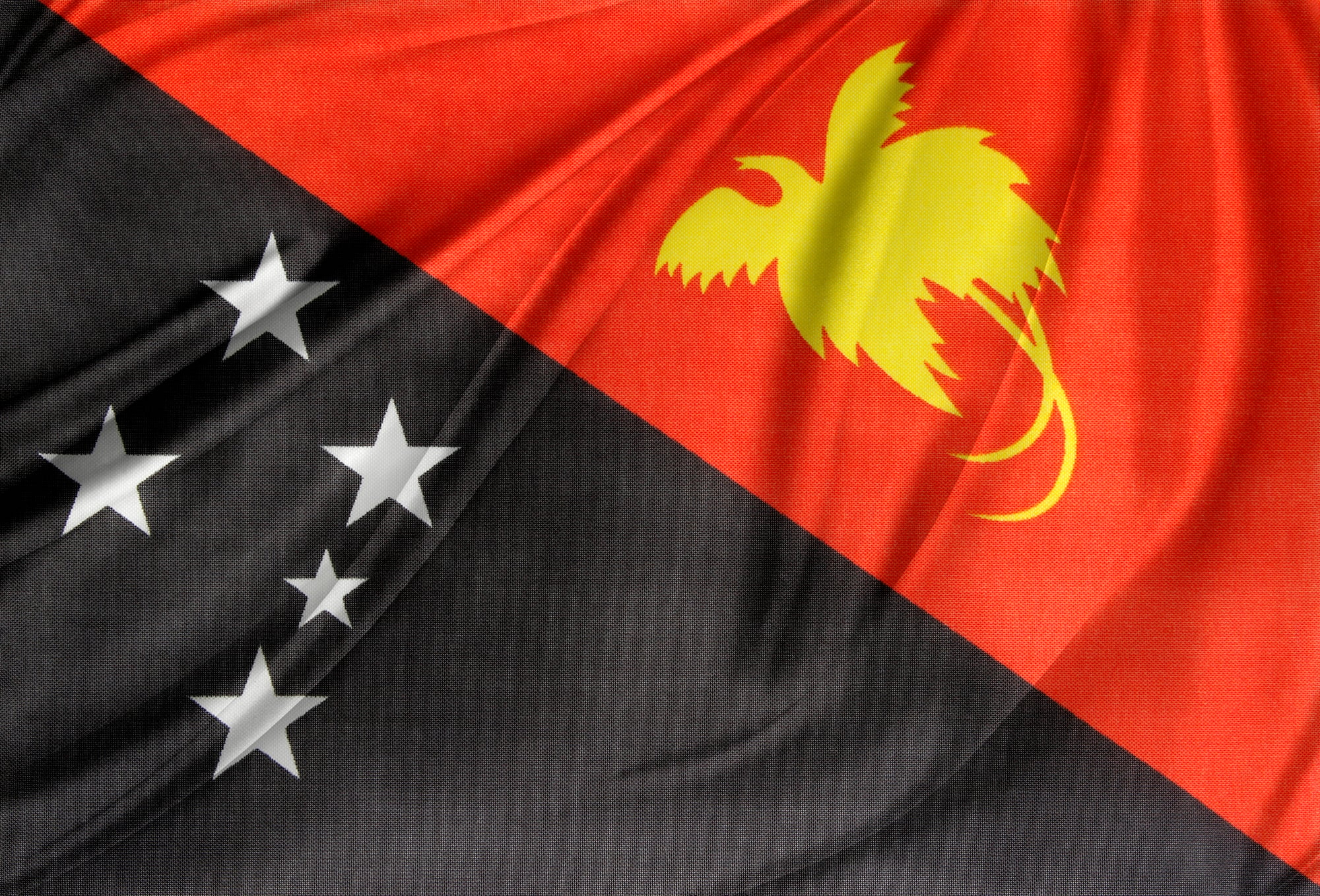
Papua New Guinea combines a bird of paradise with the Southern Cross constellation. The bird of paradise represents the country’s unique wildlife, while the stars represent its position in the southern hemisphere.
But the flag’s real innovation lies in its asymmetry. The diagonal line dividing the flag runs from the upper left to the lower right, creating two triangular sections — red and black — that feel dynamic rather than static.
The design suggests movement, as if the flag itself is flying even when hanging still. It’s visual energy created through color placement, and it works because Papua New Guinea chose to abandon the balanced, symmetrical designs that most flags default to.
Sri Lanka
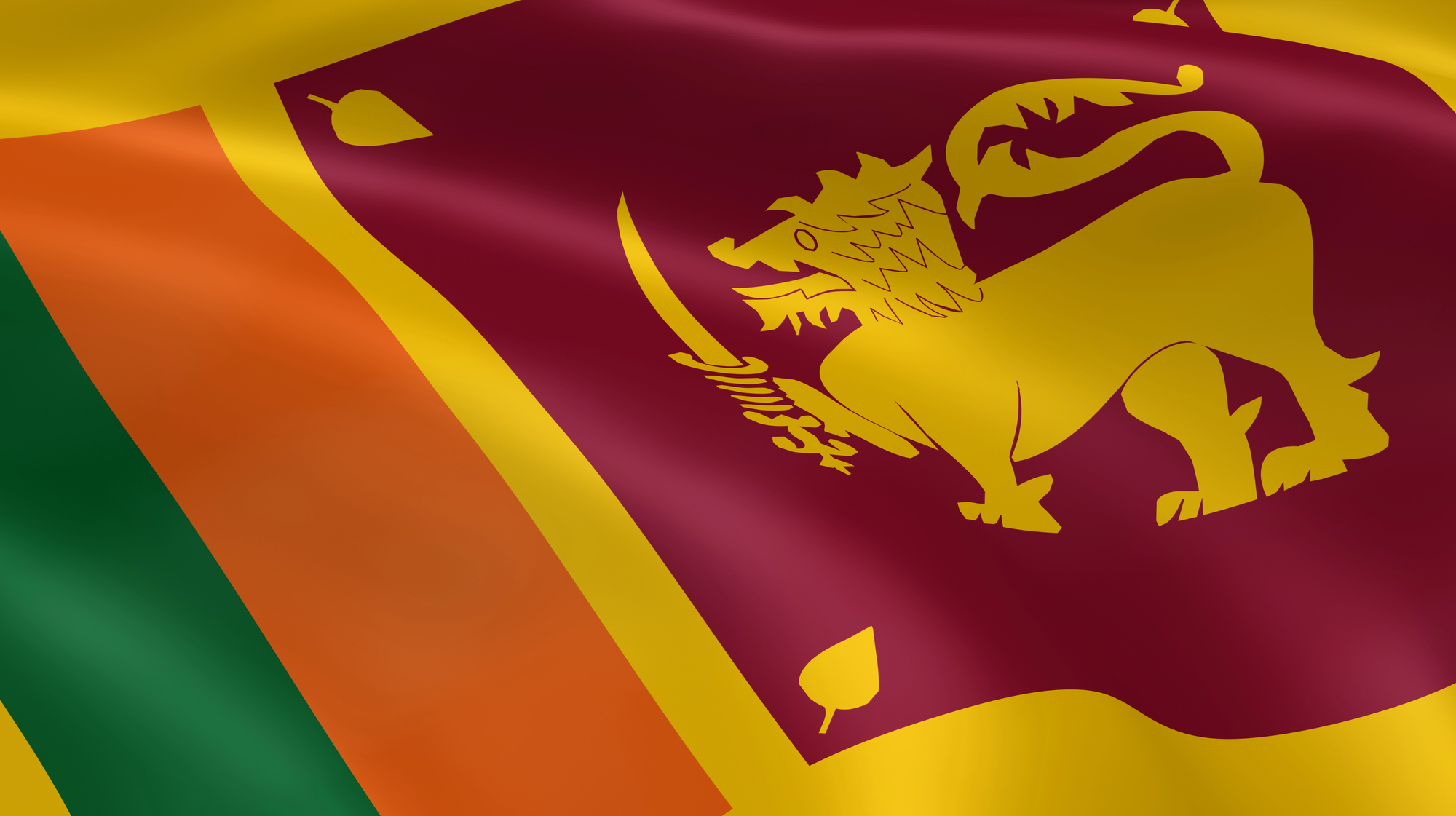
Sri Lanka’s flag displays a golden lion holding a sword, surrounded by four bo leaves in each corner. The lion represents bravery, while the bo leaves represent Buddhism.
But the hidden meaning lies in the lion’s stance. The lion stands on its hind legs, facing forward, with its right front paw raised.
This specific pose appears in ancient Sinhalese art and represents the original Lion Kingdom that gave Sri Lanka its name.
The sword in the lion’s right paw points upward, symbolizing the righteousness of authority. The curly mane and tail follow artistic conventions established over a thousand years ago.
The flag preserves not just a symbol, but a specific artistic tradition that might otherwise disappear.
South Africa
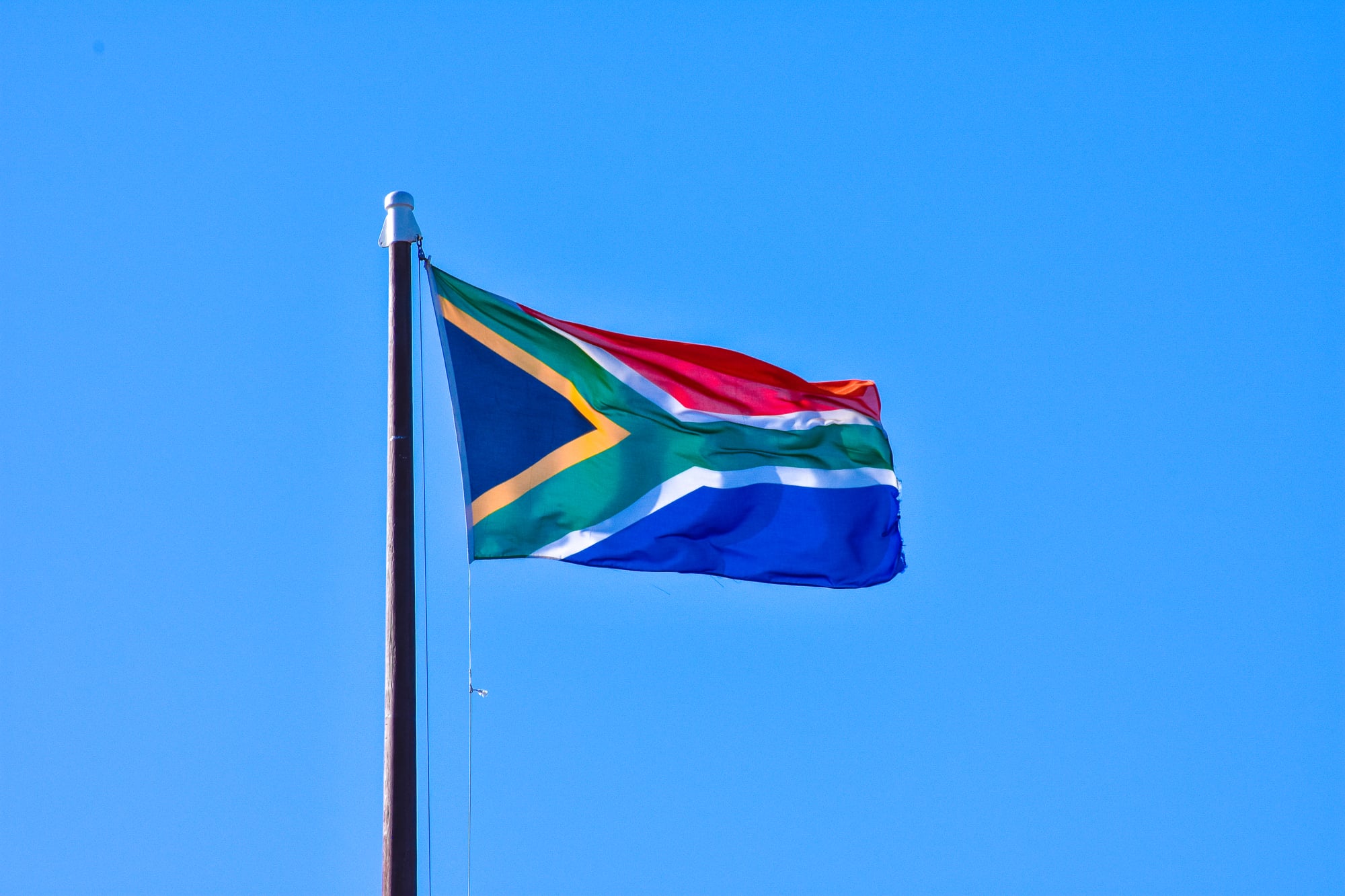
South Africa’s flag merges six colors in a Y-shaped design that converges toward the flagpole. The design looks like movement frozen in fabric, and that visual effect was intentional.
The flag was created during South Africa’s transition from apartheid to democracy. The Y-shape symbolizes the convergence of diverse elements into a unified path forward.
The six colors include elements from all the major flags in South African history — the Union Jack, Dutch flag, and African National Congress colors.
But here’s what makes it work: the flag avoids placing any symbol or emblem at its center. Instead, the design itself becomes the symbol.
Unity achieved through geometry rather than imposed through imagery. It’s a flag that looks like the solution to a problem, which is exactly what South Africa needed in 1994.
Flags as Time Machines
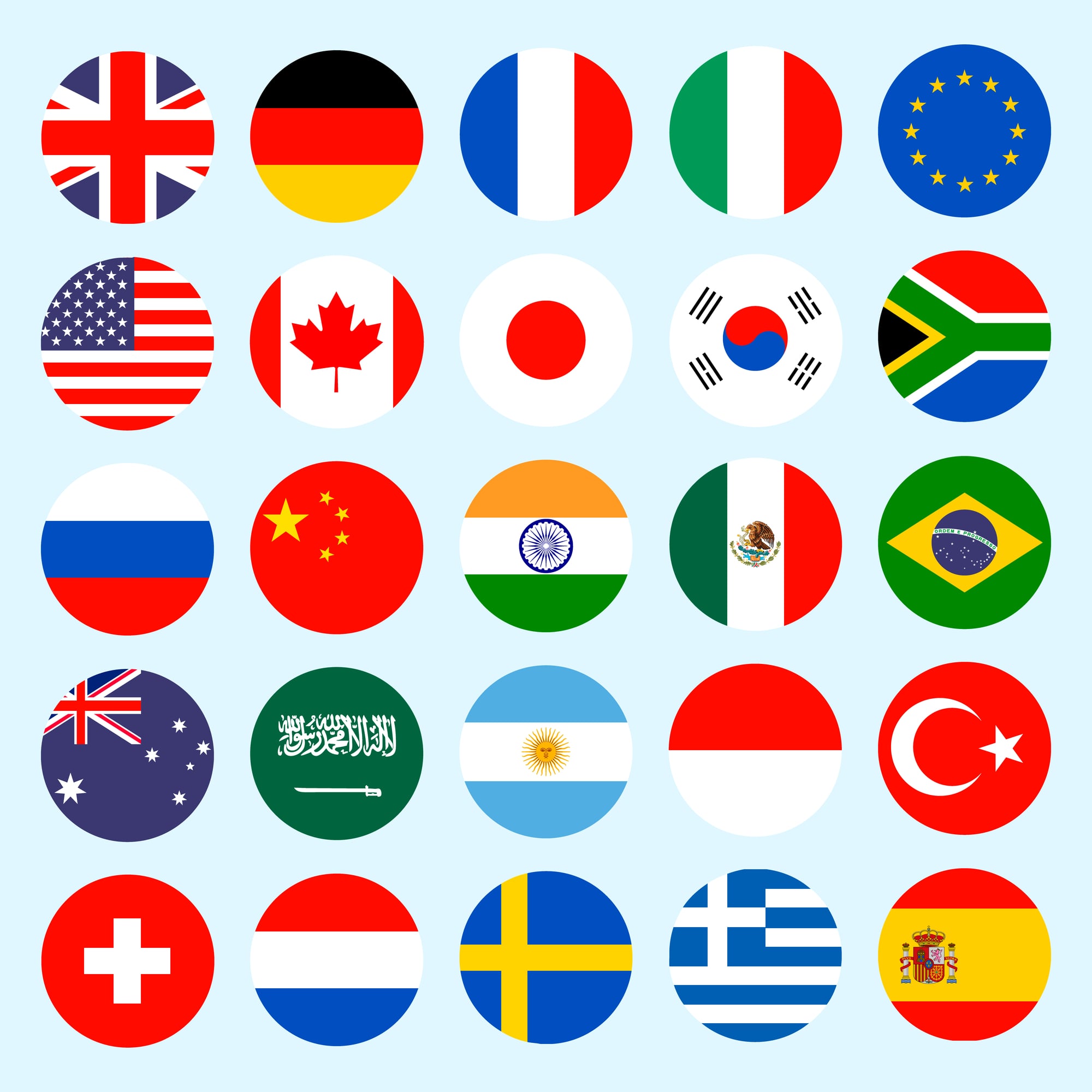
These flags function as historical documents disguised as national symbols, preserving everything from endangered species to ancient artistic techniques to political structures that no longer exist. They’re time machines that travel forward instead of backward, carrying the past into the future whether anyone remembers to look or not.
And maybe that’s the point — flags keep flying long after people forget what they mean, which makes them perfect vessels for the stories countries decide they can’t afford to lose.
More from Go2Tutors!

- The Romanov Crown Jewels and Their Tragic Fate
- 13 Historical Mysteries That Science Still Can’t Solve
- Famous Hoaxes That Fooled the World for Years
- 15 Child Stars with Tragic Adult Lives
- 16 Famous Jewelry Pieces in History
Like Go2Tutors’s content? Follow us on MSN.



