15 Historical Artifacts Hidden In Plain Sight
History hides in plain sight, though few notice. A cracked slab near a bench.
Above an entrance, marks carved long ago fade under rain and sun. Along the harbor edge, metal sleeps beneath moss and salt.
These bits remain silent. Folks pass close, eyes down, thoughts elsewhere.
What once mattered rests where feet tread daily. Open air holds stories nobody asks about.
A few astonishing pieces of history sit openly in view, far from locked display cases. Some stand quietly where people pass every day, unseen yet obvious.
These objects survived centuries only to blend into plain sight now. Instead of velvet ropes, they meet sidewalks and streetlights.
Ordinary locations host extraordinary pasts, often ignored by those walking nearby. Time wore them down, but attention wears thinner still.
Cleopatra S Needles Obelisks

One of Cleopatra’s Needles stands where kids run across grassy slopes, while another leans against London’s river path under gray skies. Though named for a queen, these stone pillars rose long before her time – crafted when Thutmose III ruled Egypt thousands of years ago.
People pass by every day, some hurrying to work, others pausing only briefly near the one in New York. It rests quietly among trees, ignored except by pigeons and wind-blown leaves.
Few bother studying the carvings along its edges, symbols etched centuries before Rome even existed. Tourists point cameras at tall buildings behind it, never turning the lens toward what’s right in front.
The Appian Way Stones
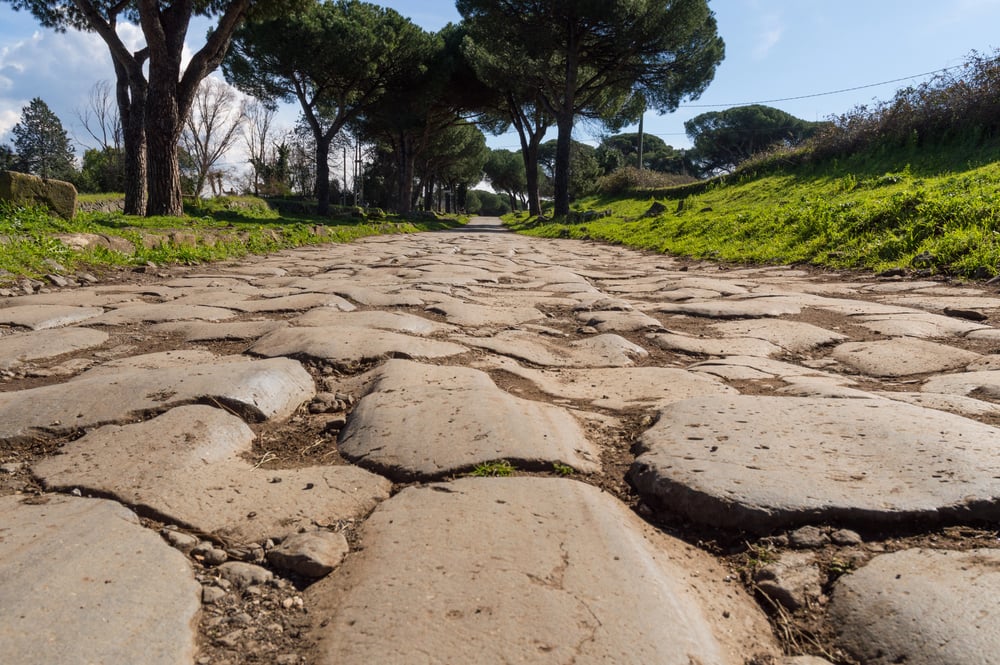
Outside Rome, the old Appian Path keeps its first-layer stones intact – stepped on long ago by soldiers, traders, even those forced to labor. Miles unfold ahead, still free to enter, where people now stroll or ride bikes just like any neighborhood trail.
Over time, wagon wheels gouged grooves into the rock, marking how often carts rolled across. You won’t find gates or tickets required; simply arrive and move along stretches much as travelers did ages back.
The Pantheon’s Dome Made Of Concrete
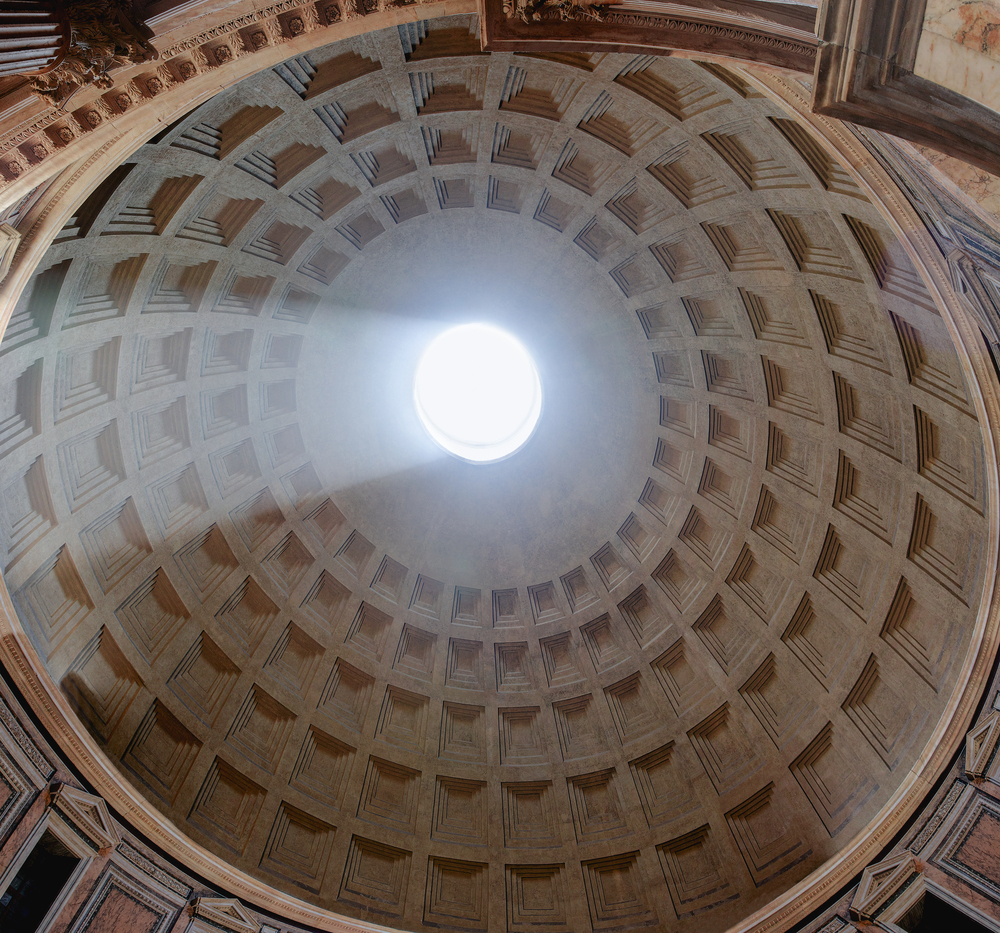
Nearly two millennia have passed since the Pantheon first rose in Rome, yet its massive concrete dome remains unmatched today. A visitor might step inside during daylight hours, finding themselves beneath an ancient roof with nothing above but sky through the central opening.
Engineers keep returning to examine how such old materials managed what modern ones often fail to do. Though crowds pass by without noticing, drawn instead to coffee stands and market carts, the temple holds steady amid everyday noise.
Few pause to consider they’re sheltered by architecture older than most nations. Above them, rain sometimes falls straight into the interior when storms roll through the city.
The Lewis Chessmen Displayed At The British Museum

On a beach in Scotland, long after waves shifted the sand, these small carvings turned up – walrus teeth shaped into kings and queens around nine hundred years ago. Founded in 1831, they now live behind glass in London, where anyone can walk in and look without paying.
Their faces pop with surprise, some scowling like old men annoyed by noise. Carved probably in Norway, each piece holds stories older than most buildings nearby.
Holding one would mean touching something built during sagas and sea raids. Now under museum lights, far from icy winds, they rest – quiet, watchful, strangely alive.
The Roman Wall Beneath London
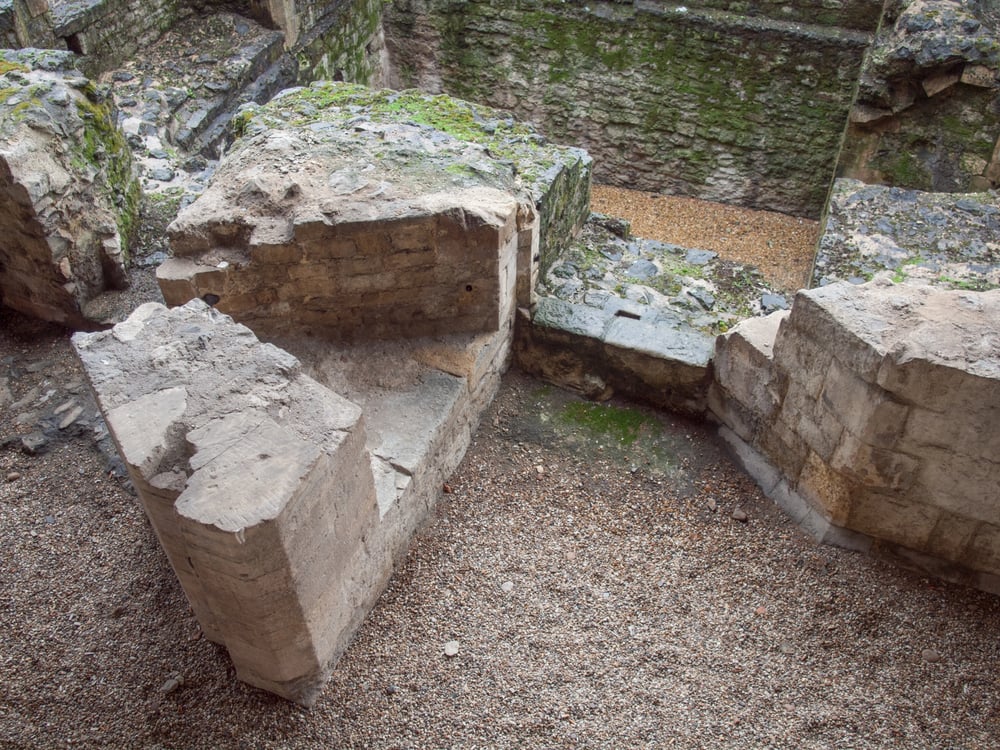
Under London’s sidewalks, pieces of an old Roman barrier from about two thousand years ago remain upright. Some stretches peek out at ground height or hide below new structures in underground rooms.
Close to Tower Hill subway stop, people rushing to work walk just steps away from stone that has been there since ancient times. Certain workplaces have tucked bits of the wall right inside their entrance halls, so daily meals happen beside weathered blocks laid by soldiers long gone.
History from Rome isn’t locked in glass cases somewhere far off – it holds up walls here, underfoot, part of today’s streets.
The Rosetta Stone

Inside the British Museum, tucked among busy walkways, rests the Rosetta Stone – seen by countless visitors who often pass by too quickly to grasp its meaning. From 196 BC, this chunk of granodiorite carries identical words carved in three forms: Egyptian hieroglyphs, Demotic, and ancient Greek.
Because of that mix, researchers cracked hieroglyphic code after hundreds of years lost in mystery; few discoveries have meant so much for understanding dead languages. Heavy at nearly 1,700 pounds, it resembles nothing more than an ordinary gray boulder – this plain look might explain why some barely pause when walking past.
The Viking Runestones Of Sweden
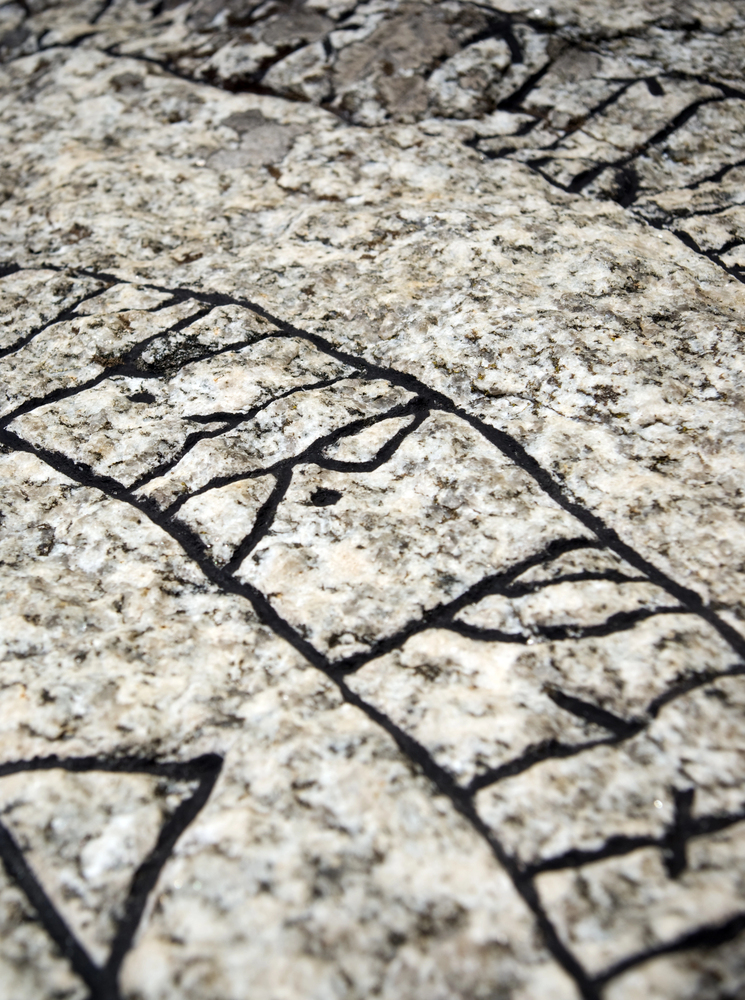
Scattered through Sweden’s open land, runestones appear near country lanes, among crops, behind old churches – silent for more than ten centuries. Carved messages on these rocks speak of people, distant travels, remembrances, etched in runes from an ancient northern tongue.
Though some wear protective rails around them, none block the view nor demand entry payment. Over time, several found new purpose within church masonry; worship spaces now hold fragments of Iron Age tributes built right into their walls.
The Nazca Lines
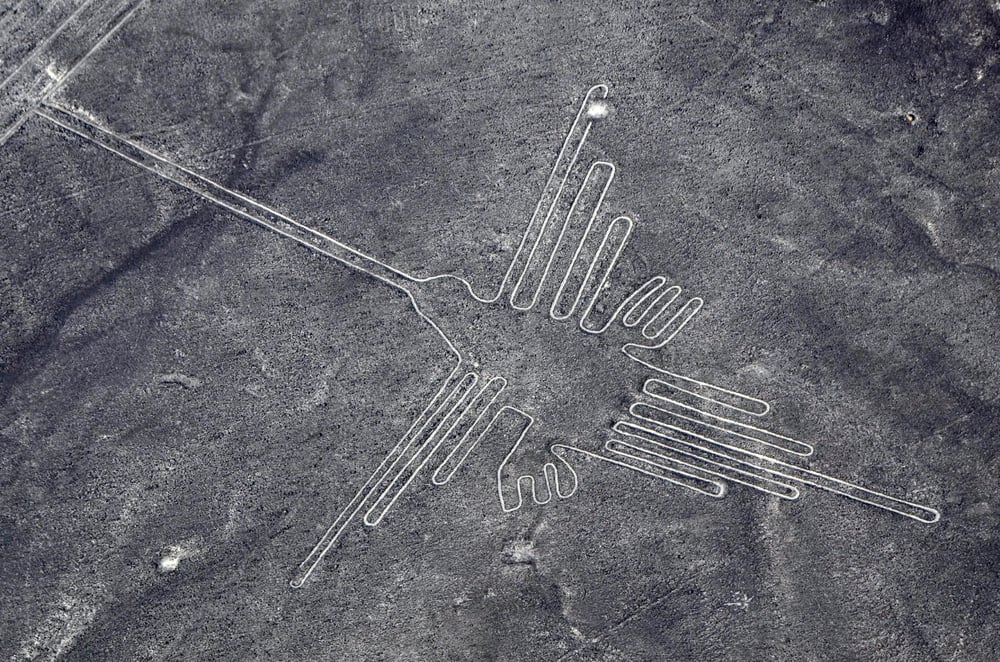
The Nazca Lines in southern Peru are enormous geoglyphs etched into the desert floor, some stretching over half a mile long. They depict animals, plants, and geometric shapes that can only be fully understood from the air, yet they sit in an open desert accessible to anyone who travels to the region.
The lines were created by the Nazca people between 500 BC and 500 AD by removing the reddish surface pebbles to reveal the lighter ground beneath. Travelers on the nearby Pan-American Highway cross directly over some of the lines without realizing the ground under their tires is part of one of the world’s most studied ancient sites.
The Sutton Hoo Helmet Replica
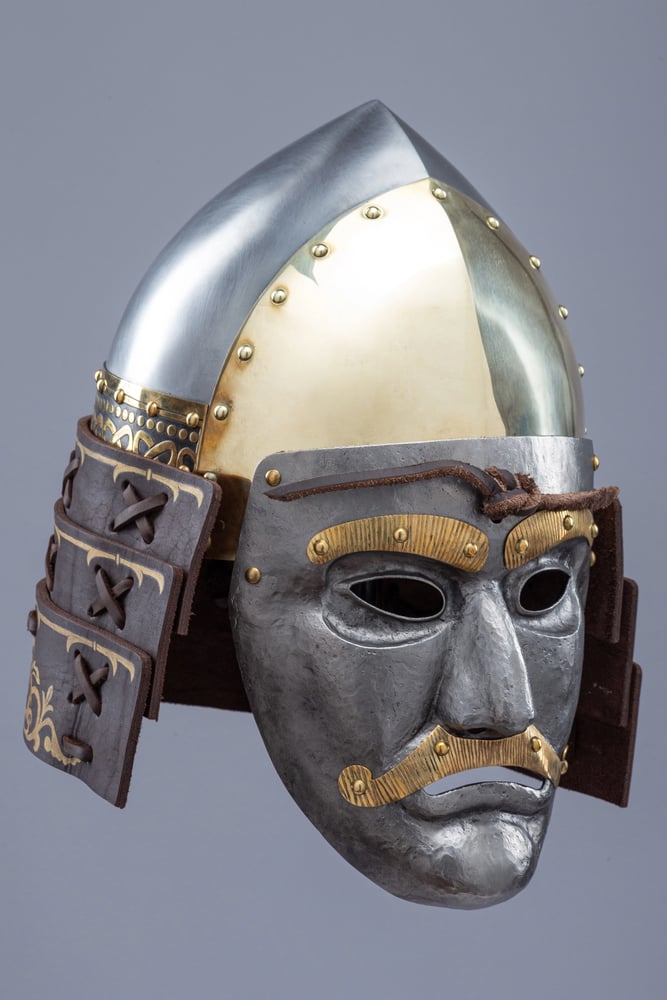
The original Sutton Hoo helmet, discovered in a 7th-century Anglo-Saxon ship burial in Suffolk, England, sits in the British Museum, and the burial mounds themselves remain open to visitors in the English countryside. The site looks like gentle grassy hills at first glance, but those mounds hold the remains of one of the most significant archaeological finds in British history.
The ship burial revealed gold artifacts, armor, and weapons belonging to a king-level figure, likely King Raedwald of East Anglia. Anyone can walk around those mounds on a regular afternoon, standing on top of a site that rewrote the understanding of early medieval England.
The Antikythera Mechanism
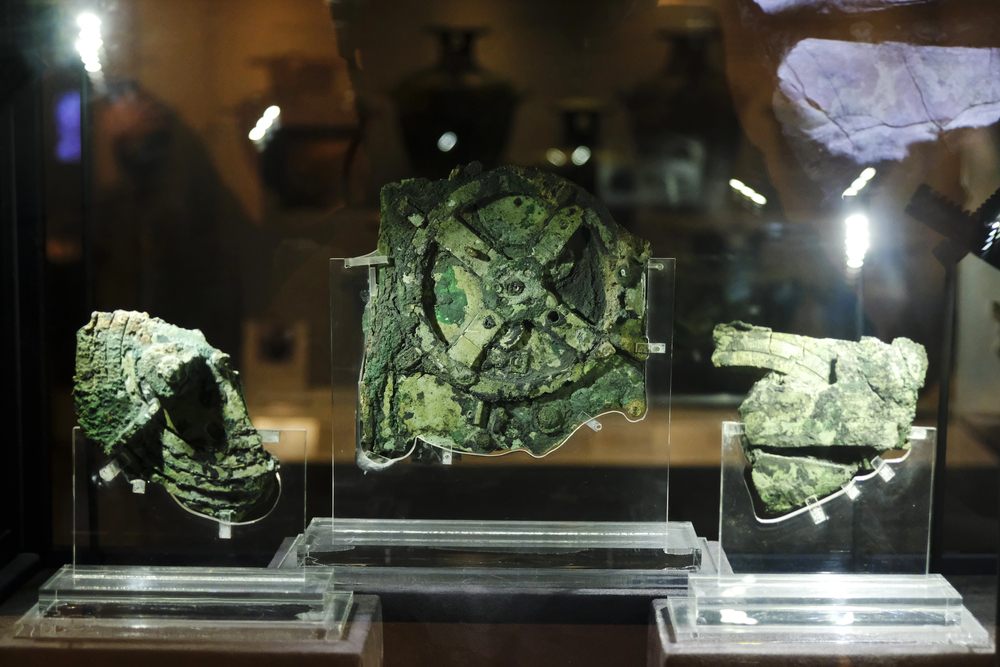
The Antikythera Mechanism is a 2,000-year-old Greek device recovered from a shipwreck off the island of Antikythera in 1901. It is an ancient analog computer, built with dozens of interlocking bronze gears, designed to track astronomical positions and predict eclipses.
The corroded fragments sit in the National Archaeological Museum in Athens, and for decades people assumed it was just a lump of corroded bronze. Modern X-ray technology eventually revealed the complexity inside, which changed the entire understanding of what ancient Greek engineers were capable of building.
The Stirling Castle Graffiti

Stirling Castle in Scotland contains a great hall whose original medieval walls carry centuries of carved graffiti, left by soldiers, servants, and prisoners who lived and worked there. Some of the carvings date back to the 16th century, including names, dates, and small drawings scratched into the stone.
While graffiti today tends to be treated as vandalism, this particular collection is now considered a historical record worth preserving. Visitors walk through the great hall and can spot the carvings if they look closely, tucked between restored tapestries and exhibition displays.
The Shroud Of Turin
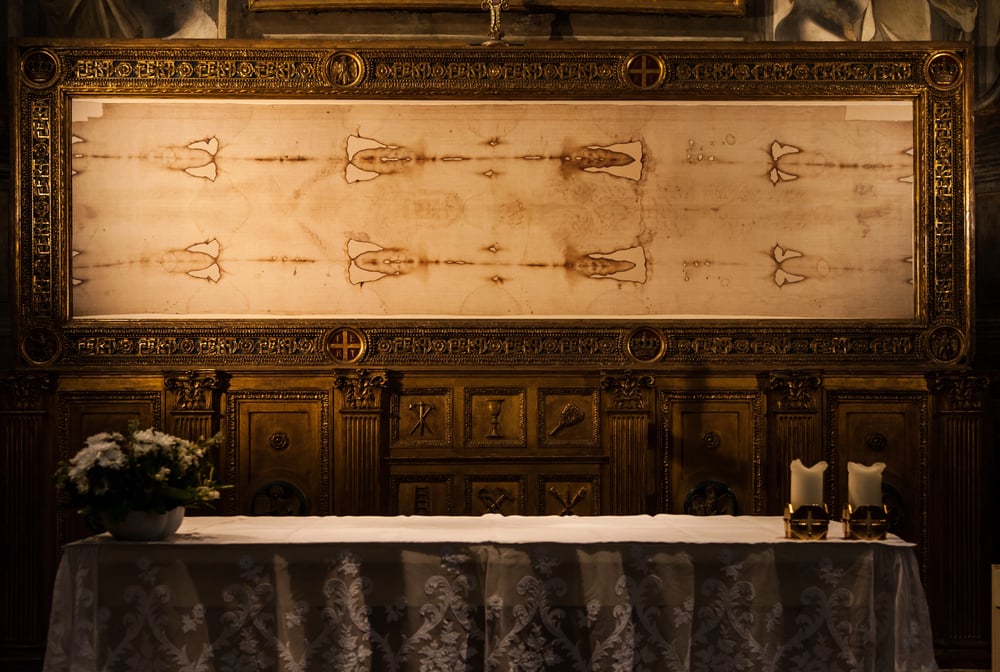
The Shroud of Turin is a length of linen cloth kept in the Cathedral of Saint John the Baptist in Turin, Italy, and it bears the faint image of a man that millions believe to be Jesus of Nazareth. It is not always on public display, but when it is, people queue for hours to see it.
Scientists and historians have debated its origins for over a century, with carbon dating and linen analysis producing conflicting results that keep the argument very much alive. Whatever its origin, it remains one of the most studied pieces of cloth in human history, sitting inside a working church in a northern Italian city.
The Derinkuyu Underground City
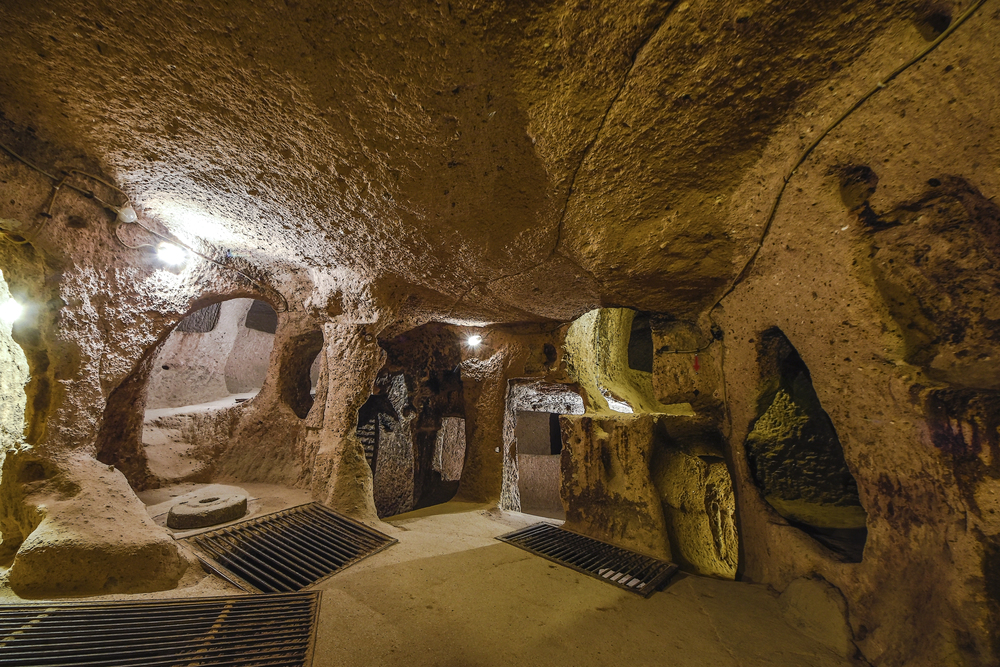
Derinkuyu in Turkey is an ancient underground city carved roughly 200 feet deep into the volcanic rock of Cappadocia, large enough to have sheltered around 20,000 people. It contains stables, churches, wine presses, and ventilation shafts, all built between the 7th and 8th centuries BC.
The city was discovered in 1963 when a local resident knocked down a wall in his house and found a room behind it, which eventually led to the entire network being uncovered. Parts of it are open to tourists today, meaning visitors can walk through ancient underground streets that functioned as a fully self-sufficient city.
The Voynich Manuscript

The Voynich Manuscript is a handwritten illustrated book from the early 15th century, written in an unknown script that no linguist, codebreaker, or historian has ever deciphered. It sits in the Beinecke Rare Book and Manuscript Library at Yale University, and high-resolution scans of it are freely available online for anyone to study.
The book contains detailed illustrations of plants, astronomical charts, and human figures, none of which match any known species or recognized system. Thousands of researchers have spent careers on it, and the manuscript still has not given up a single confirmed word of its meaning.
The Easter Island Statues
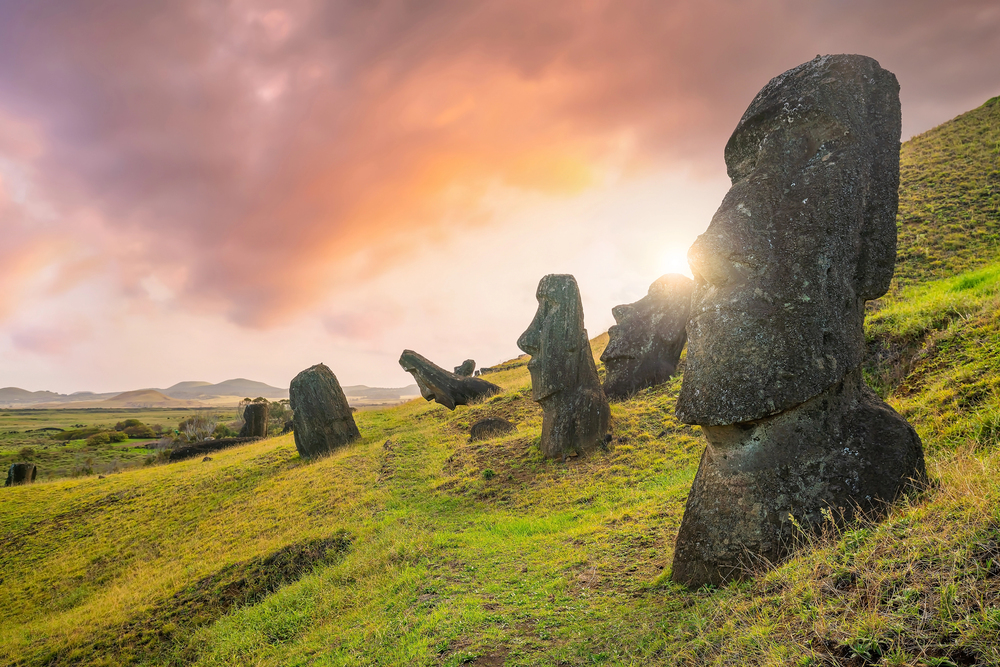
The Easter Island moai are among the most recognized images in the world, yet the full story of how the Rapa Nui people moved and erected nearly 1,000 stone statues across a remote Pacific island remains only partially understood. The statues average about 13 feet tall and weigh around 14 tons each, carved from compressed volcanic ash.
Most people know the iconic head images, but many of the moai actually have full bodies buried beneath the soil, a fact that surprises almost everyone who learns it. The island is a Chilean territory located about 2,300 miles off the coast of South America, and visitors can walk among the statues on an open landscape that feels genuinely unlike anywhere else on earth.
Still Out There, Still Waiting

The most remarkable thing about these artifacts is not that they survived — it is that they are still accessible. History did not seal itself behind thick glass and high ticket prices in every case.
Some of it is standing in a field, carved into a wall, or sitting in a library where anyone with curiosity and a library card can look at it. The next time something old catches the eye on a walk or a trip, it is worth slowing down, because what looks like just another rock or rusty fragment might carry more weight than any display label could fully explain.
More from Go2Tutors!

- The Romanov Crown Jewels and Their Tragic Fate
- 13 Historical Mysteries That Science Still Can’t Solve
- Famous Hoaxes That Fooled the World for Years
- 15 Child Stars with Tragic Adult Lives
- 16 Famous Jewelry Pieces in History
Like Go2Tutors’s content? Follow us on MSN.