15 Historical Hoaxes People Believed for Years
Throughout history, human gullibility has been tested by elaborate deceptions that captured public imagination. These fabrications weren’t just momentary misunderstandings but enduring misconceptions that persisted for years, sometimes decades, before finally being exposed as false.
The psychology behind why we fall for such trickery reveals much about our desire to believe in the extraordinary. Here is a list of 15 historical hoaxes that fooled people for extended periods, showing just how convincing a well-crafted deception can be.
Venera

The Soviet Union’s Venera 13 accomplished the seemingly impossible in 1982 by surviving on Venus’s surface for 127 minutes. Operating in temperatures hot enough to melt lead and under crushing atmospheric pressure, it transmitted the first color photographs from another planet’s surface.
The images revealed orange-tinted rocks scattered across a flat, desolate landscape that remains one of our only direct glimpses of Venus’s mysterious terrain.
ISEE
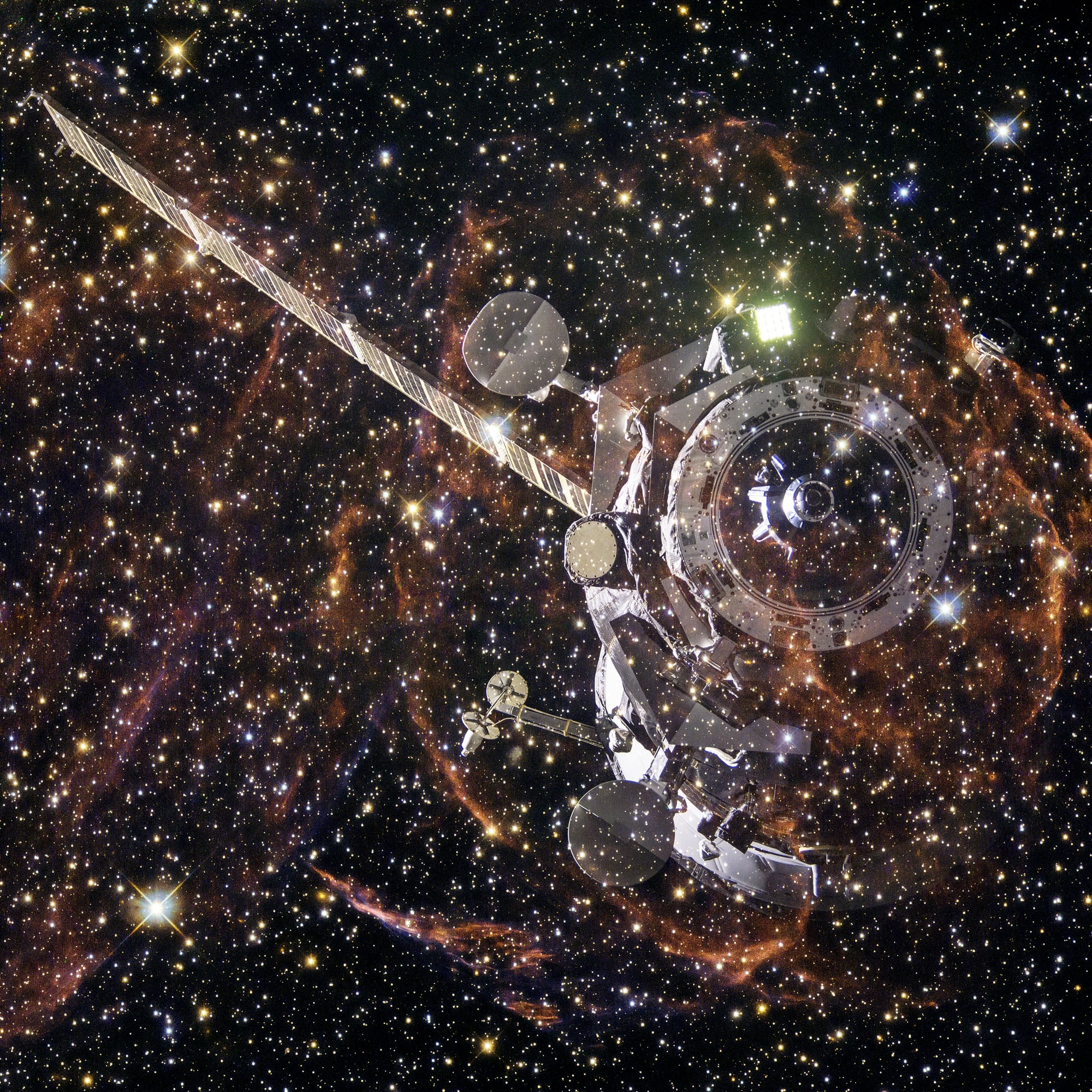
Originally designed to study interactions between Earth’s magnetic field and the solar wind, the International Sun-Earth Explorer 3 was repurposed in an unprecedented move. NASA engineers altered its trajectory to become the first spacecraft to visit a comet, passing through the tail of Comet Giacobini-Zinner in 1985.
Even more remarkably, civilian scientists briefly reestablished contact with the abandoned spacecraft in 2014, nearly four decades after its launch.
Like Go2Tutors’s content? Follow us on MSN.
Vega
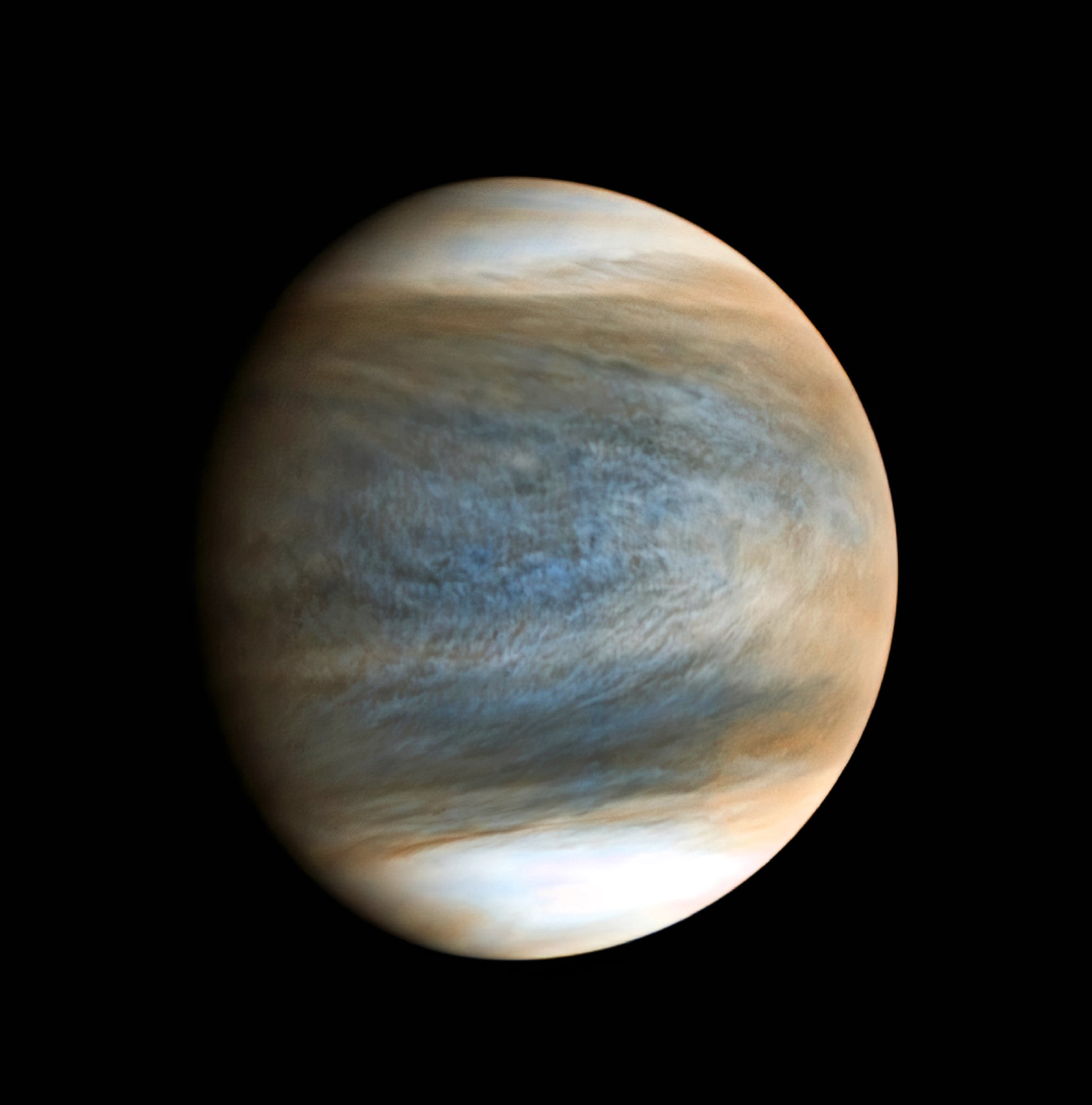
These ingenious Soviet missions performed a cosmic double-duty in 1985-86. Each spacecraft dropped instrumented balloons into Venus’s dense atmosphere before continuing onward to encounter Halley’s Comet.
The balloon probes drifted through Venus’s clouds for over two days, measuring weather patterns that would otherwise remain hidden from human observation. Their comet observations formed part of the international Halley Armada, providing crucial data about the famous comet’s composition.
Magsat

This unassuming NASA satellite created the first comprehensive global map of Earth’s magnetic field in 1979. During its seven-month mission, it measured tiny variations in our planet’s magnetism with unprecedented precision.
Magsat’s data revealed unexpected weaknesses in Earth’s magnetic shield and continues to inform models of how our planet’s molten core generates the field that protects all life from harmful solar radiation.
Stardust
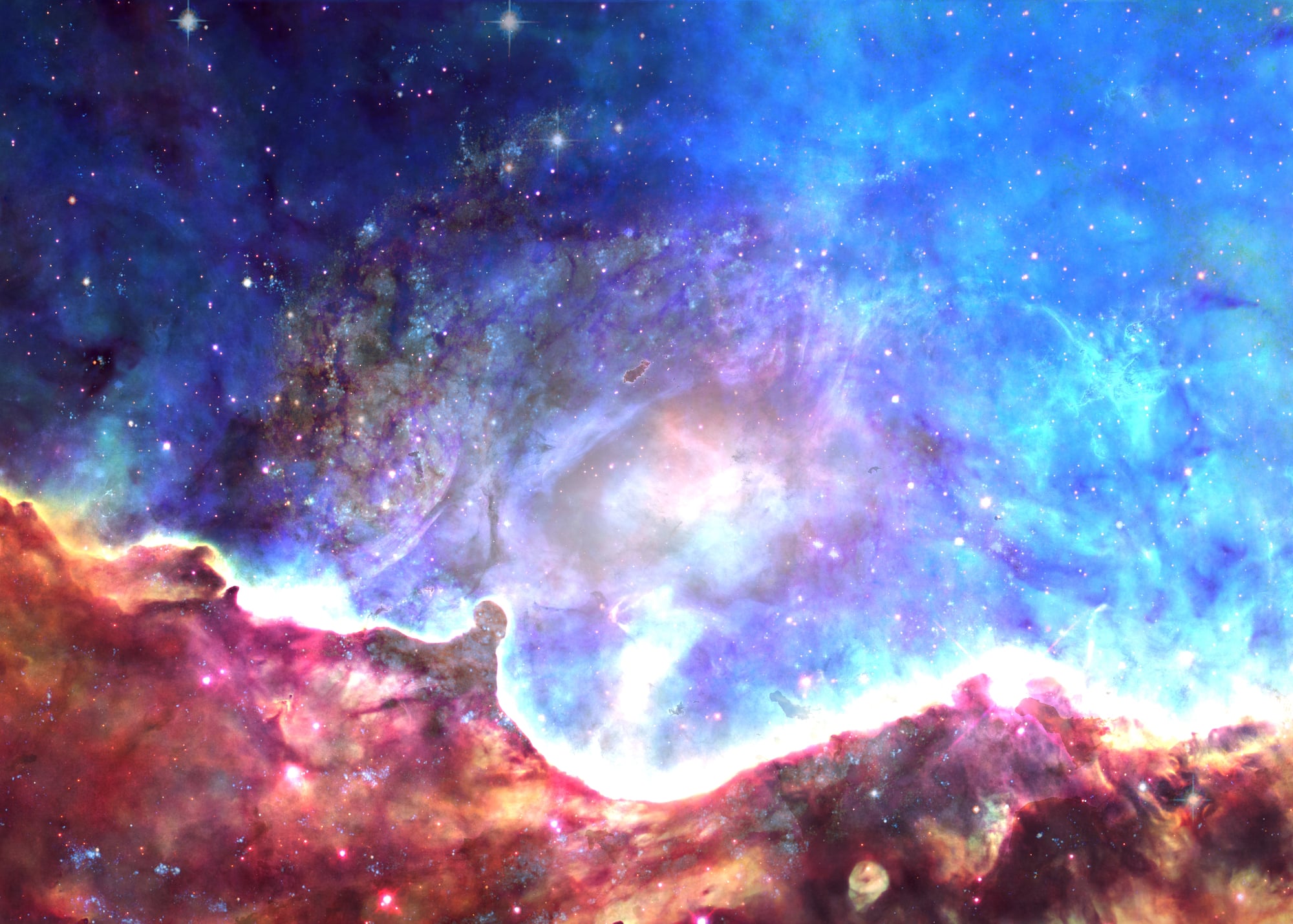
NASA’s Stardust performed an astonishing feat of cosmic collection and delivery. Launched in 1999, it flew through the dust cloud surrounding Comet Wild 2, capturing tiny particles in a substance called aerogel before sending its precious cargo back to Earth in 2006.
Analysis of these samples overturned conventional wisdom by showing that comets contain materials formed near the sun, suggesting complex mixing throughout the early solar system.
Like Go2Tutors’s content? Follow us on MSN.
SOHO
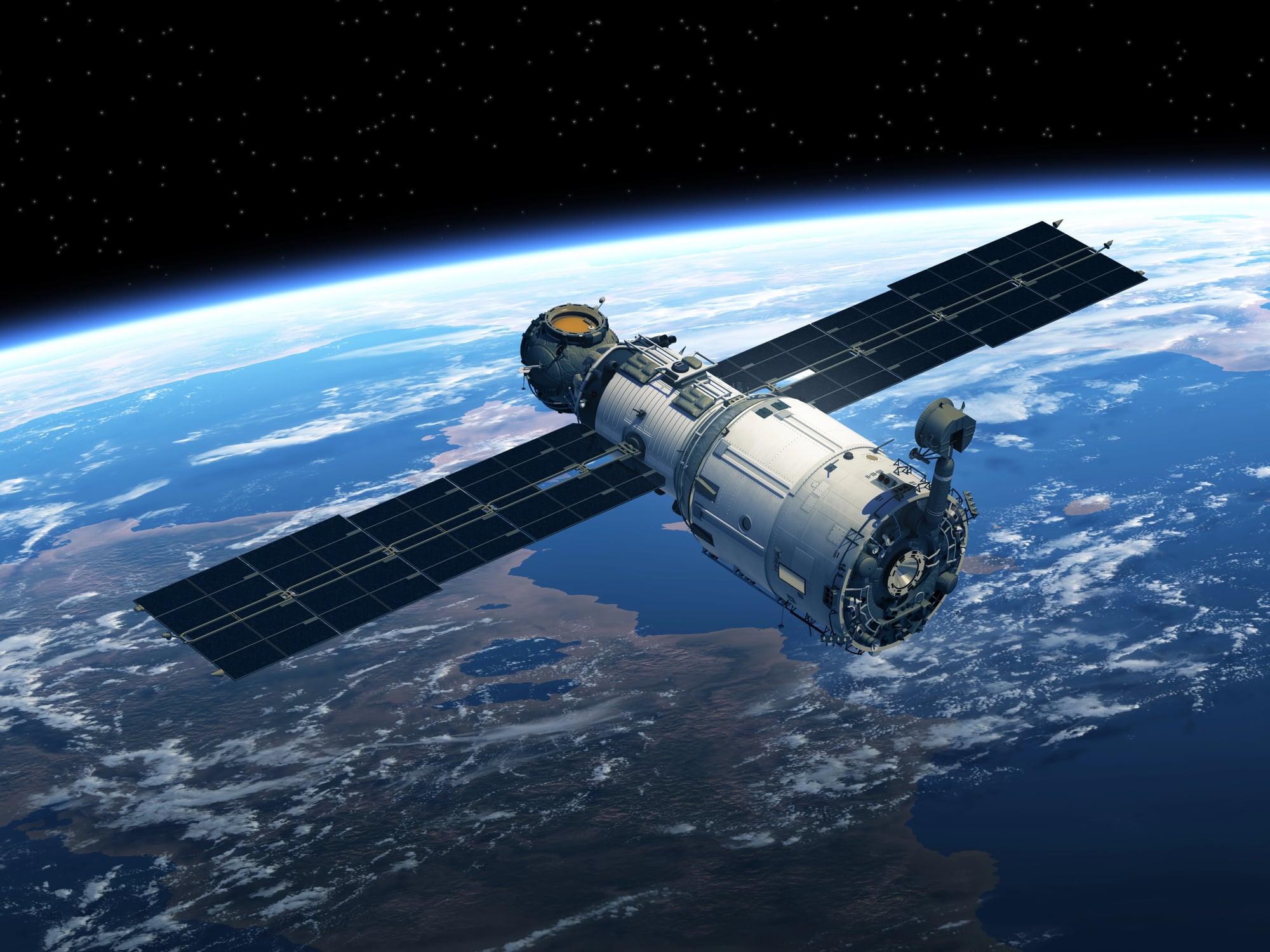
The Solar and Heliospheric Observatory has served as our unwavering eye on the sun since 1995. This joint NASA-ESA spacecraft has revolutionized solar physics while inadvertently becoming history’s greatest comet discoverer, finding over 4,000 sun-grazing comets that would otherwise have gone undetected.
SOHO’s constant monitoring helps scientists predict dangerous solar storms that can damage satellites and power grids on Earth.
GRAIL
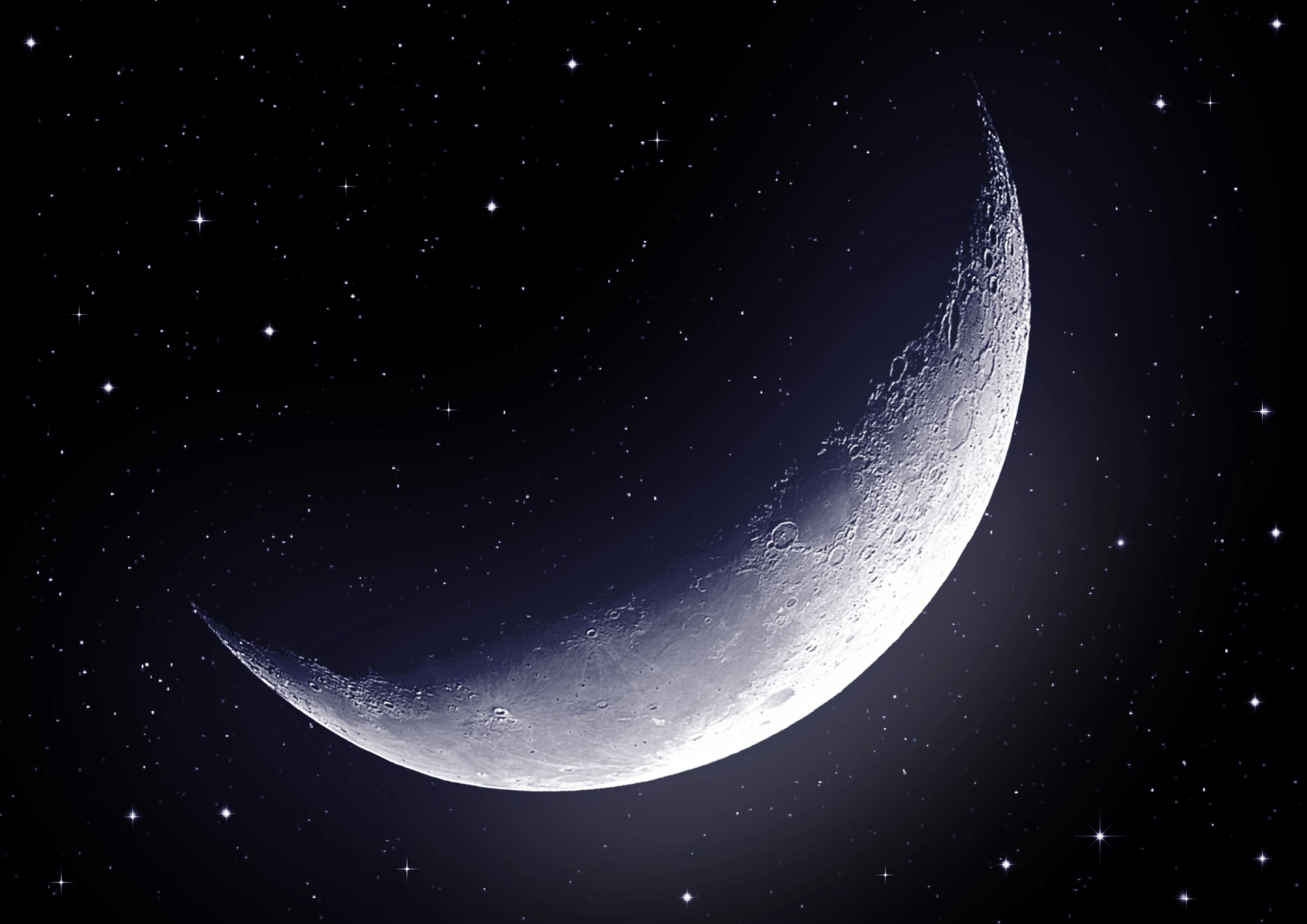
NASA’s twin Gravity Recovery and Interior Laboratory spacecraft, nicknamed Ebb and Flow, mapped the Moon’s gravitational field in extraordinary detail during 2012. Flying in formation just 34 miles above the lunar surface, they detected minute gravitational variations that revealed the Moon’s internal structure.
The mission confirmed that the lunar crust is significantly thinner than previously believed and identified hidden mass concentrations beneath the surface.
Hayabusa
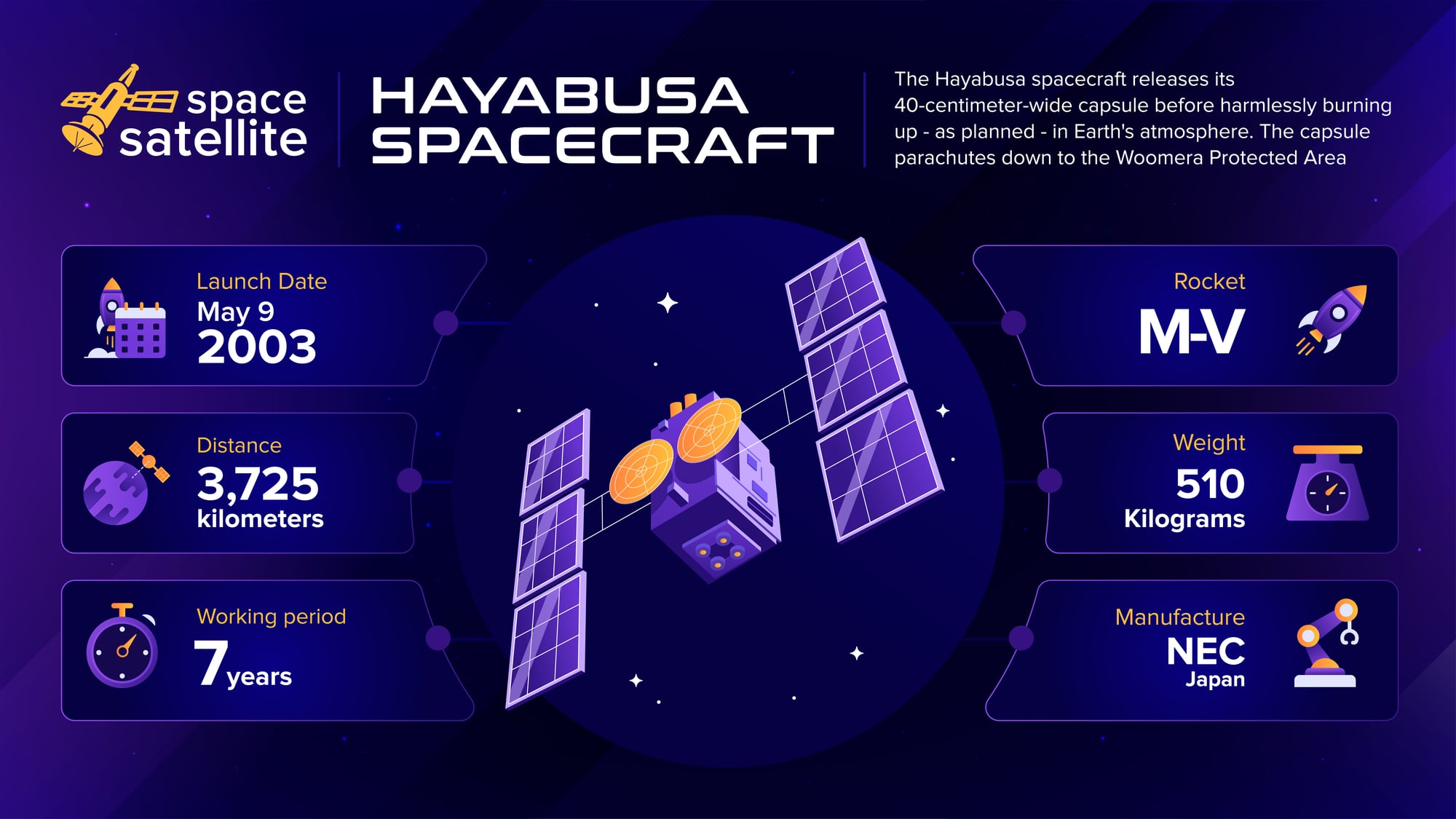
Japan’s Hayabusa overcame multiple system failures to achieve the first-ever sample return from an asteroid. After rendezvousing with asteroid Itokawa in 2005, the spacecraft suffered a fuel leak, reaction wheel failures, and communication problems.
Despite these setbacks, it managed to collect microscopic particles from the asteroid’s surface and return them to Earth in 2010, pioneering techniques now used in more advanced asteroid exploration missions.
Like Go2Tutors’s content? Follow us on MSN.
Mars Orbiter Mission
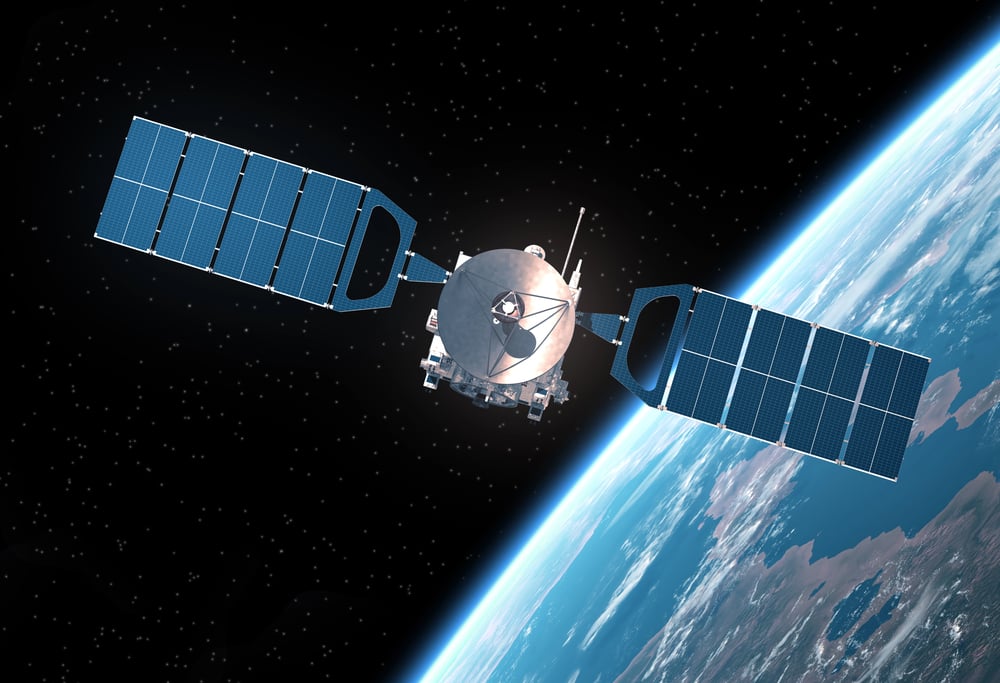
India made a stunning entry into planetary exploration with its Mars Orbiter Mission in 2014. Developed on a remarkably modest budget of $74 million, it made India the first nation to reach Mars orbit on its initial attempt.
Beyond demonstrating cost-effective engineering, the spacecraft’s cameras captured striking images of the Red Planet’s surface features and atmosphere, proving that planetary science need not always require massive financial investment.
Deep Impact
This appropriately named NASA mission took a direct approach to comet research by deliberately crashing an 820-pound copper impactor into Comet Tempel 1 in 2005. The collision, visible even from Earth-based telescopes, excavated material from beneath the comet’s surface that had remained unchanged since the solar system’s formation.
The ejected debris contained unexpected compounds including clay minerals that typically form in the presence of liquid water.
NEAR Shoemaker
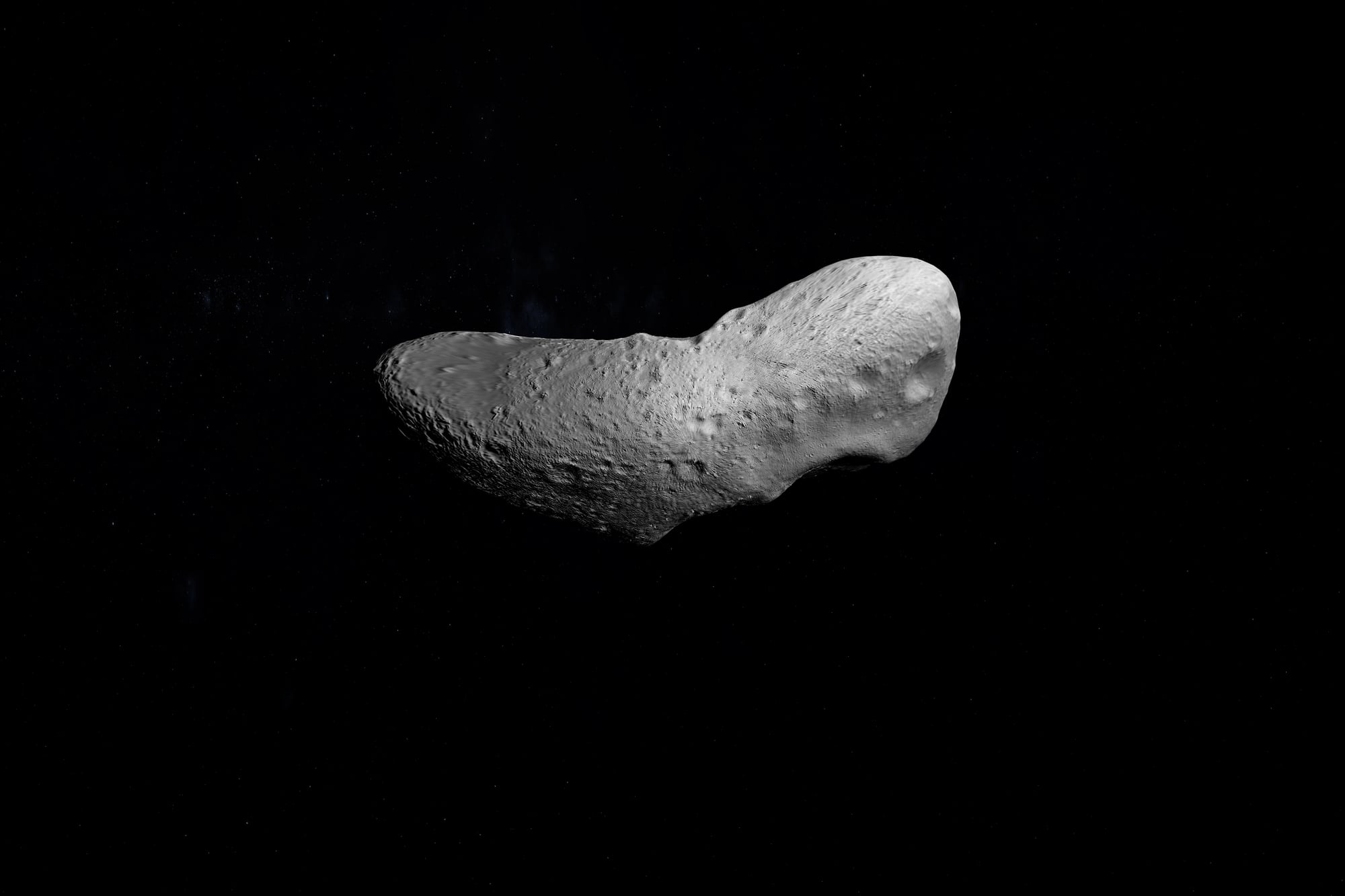
The Near Earth Asteroid Rendezvous mission conducted humanity’s first extended study of an asteroid from orbit. After circling asteroid 433 Eros for a year, mission controllers attempted something the spacecraft was never designed to do: land on the asteroid’s surface.
The improvised touchdown in 2001 succeeded beyond expectations, providing bonus close-up images and compositional data about the potato-shaped space rock.
Like Go2Tutors’s content? Follow us on MSN.
SAMPEX
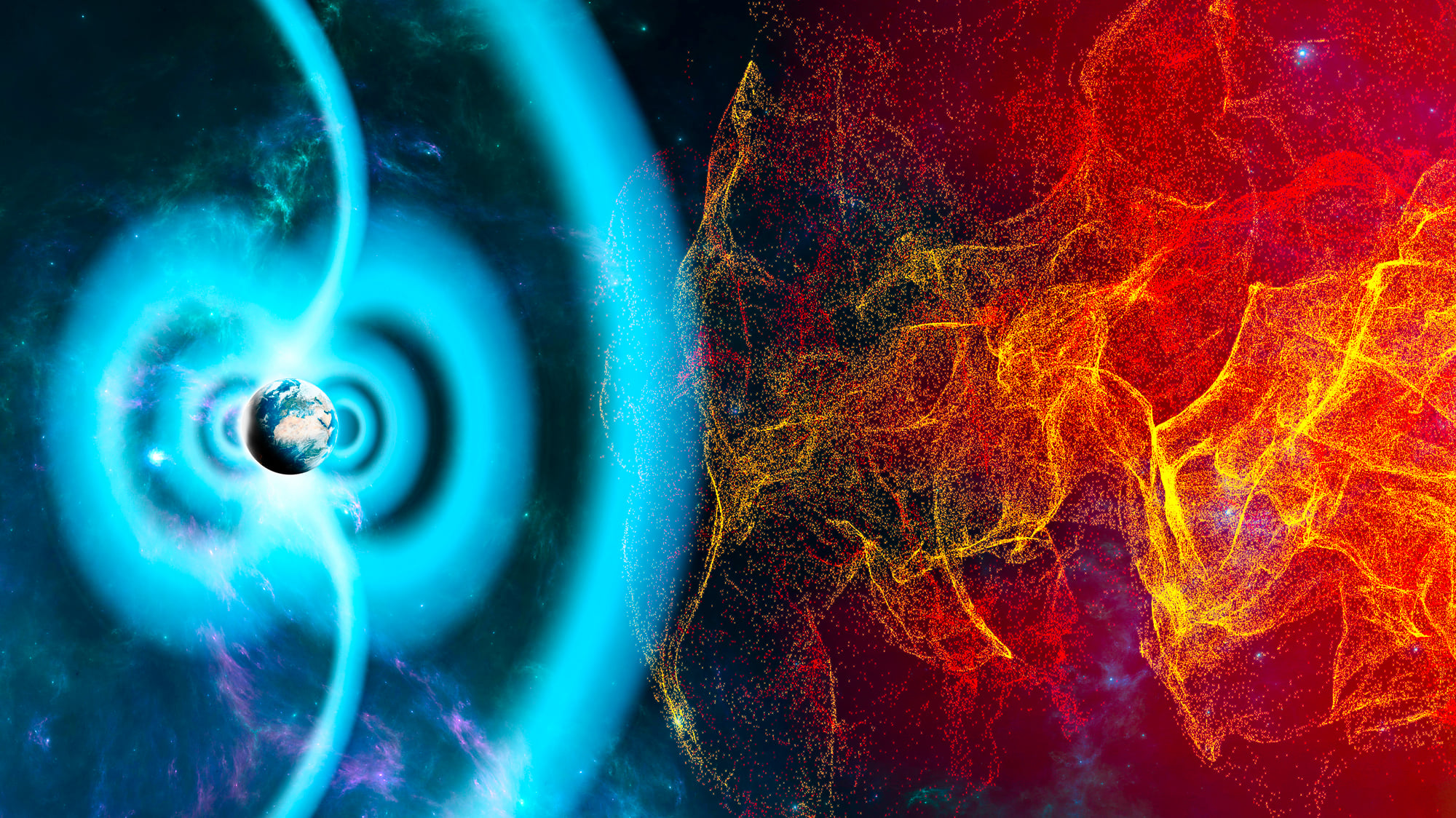
The Solar Anomalous and Magnetospheric Particle Explorer operated for two decades starting in 1992, studying cosmic rays and charged particles trapped in Earth’s radiation belts. This relatively small and inexpensive satellite discovered that our planet’s radiation environment changes much more dynamically than scientists had predicted.
Its findings about how particles enter and exit the radiation belts have proven crucial for protecting satellites and astronauts from harmful space radiation.
IBEX
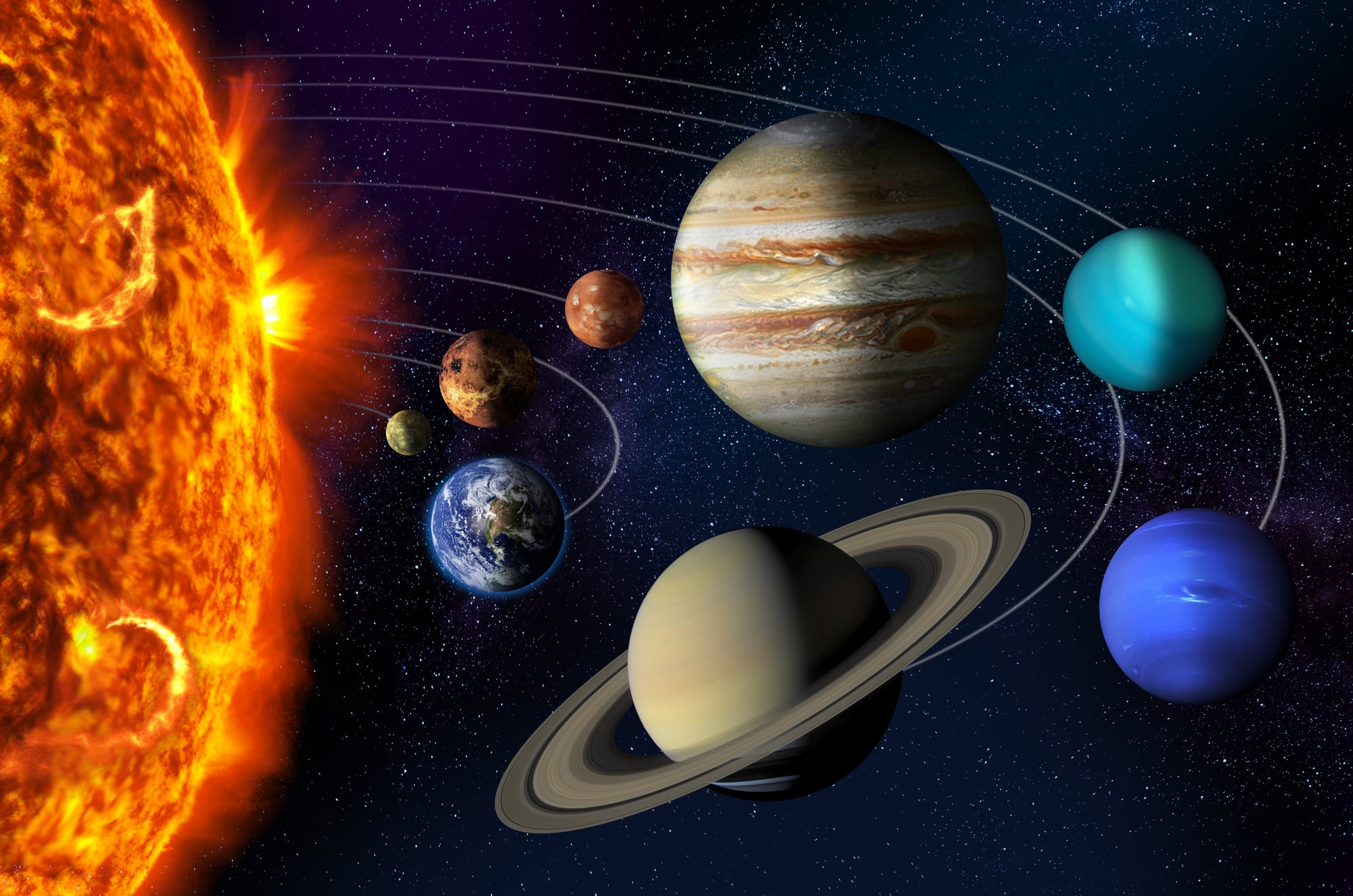
NASA’s Interstellar Boundary Explorer has been mapping the very edge of our solar system since 2008 without ever leaving Earth’s vicinity. From its orbit 200,000 miles up, it detects neutral atoms that flow back into the solar system after interactions at the boundary where our sun’s influence meets interstellar space.
IBEX discovered an unexpected ribbon-like feature in this boundary that has forced scientists to revise fundamental models of our solar system’s structure.
GRACE
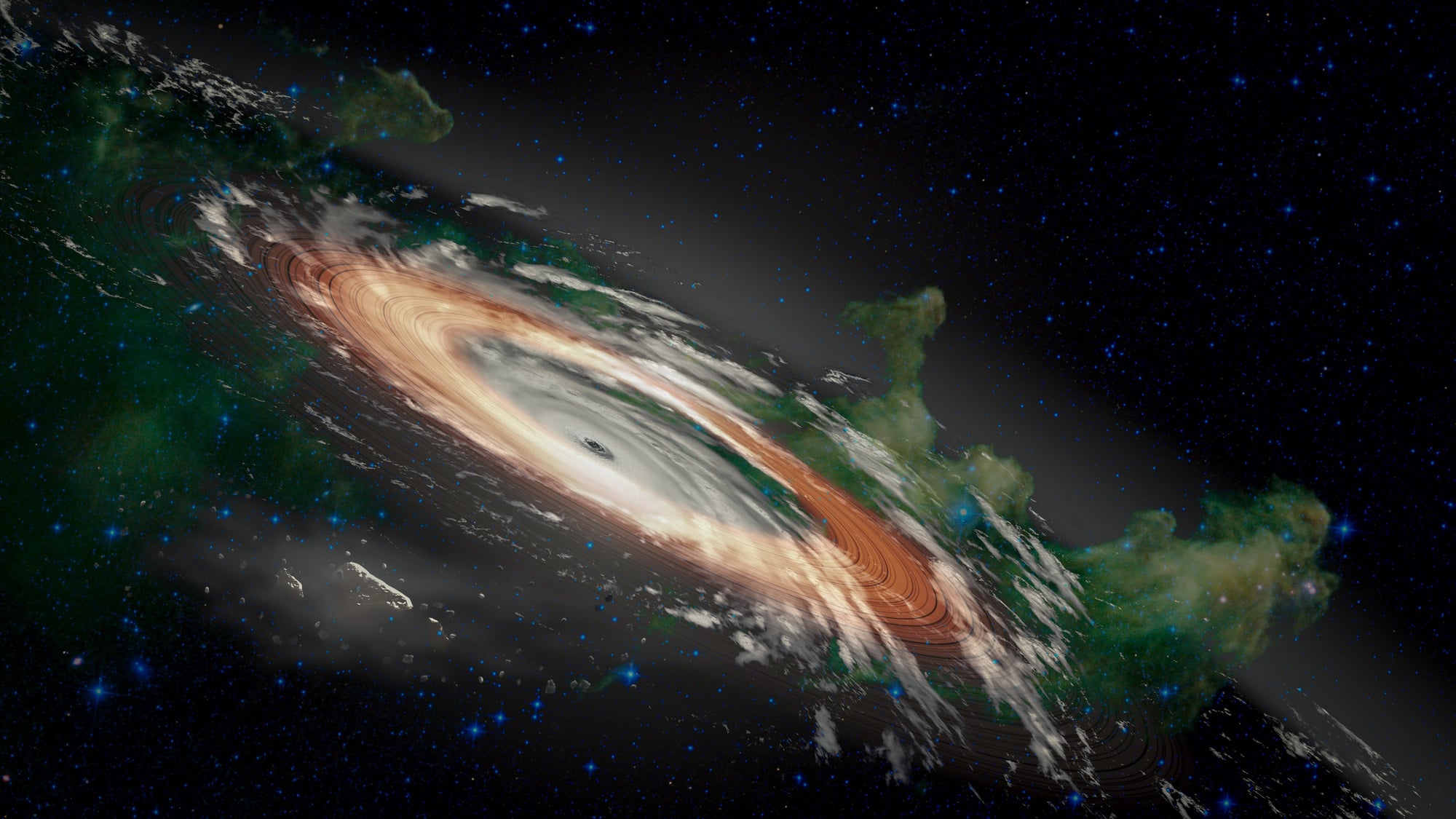
The Gravity Recovery and Climate Experiment consisted of twin satellites that precisely measured Earth’s gravitational field from 2002 to 2017. By detecting tiny variations in the gravity field, GRACE tracked the movement of water across our planet with unprecedented accuracy.
The mission provided irrefutable evidence of ice sheet mass loss, groundwater depletion, and sea level changes, becoming an essential tool for monitoring Earth’s changing climate.
Like Go2Tutors’s content? Follow us on MSN.
Chang’e
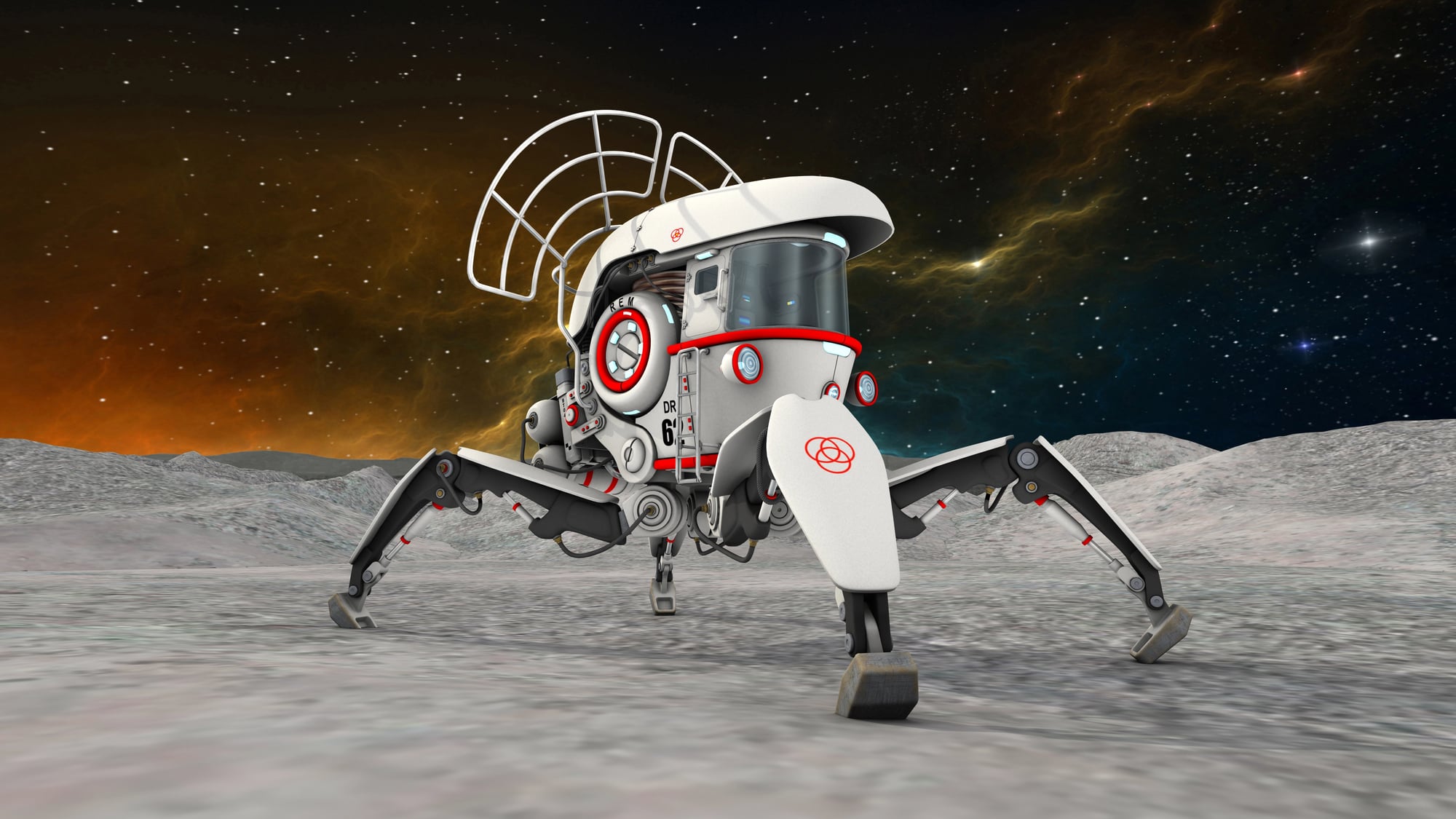
China’s Chang’e 4 made history in 2019 by executing the first-ever soft landing on the far side of the Moon. This required deploying a dedicated relay satellite to maintain communication with Earth.
The mission’s rover explored the South Pole-Aitken basin, one of the largest impact craters in the solar system, and discovered mineral compositions suggesting it had accessed material from the Moon’s mantle, providing new insights into lunar formation theories.
The Quiet Revolutionaries
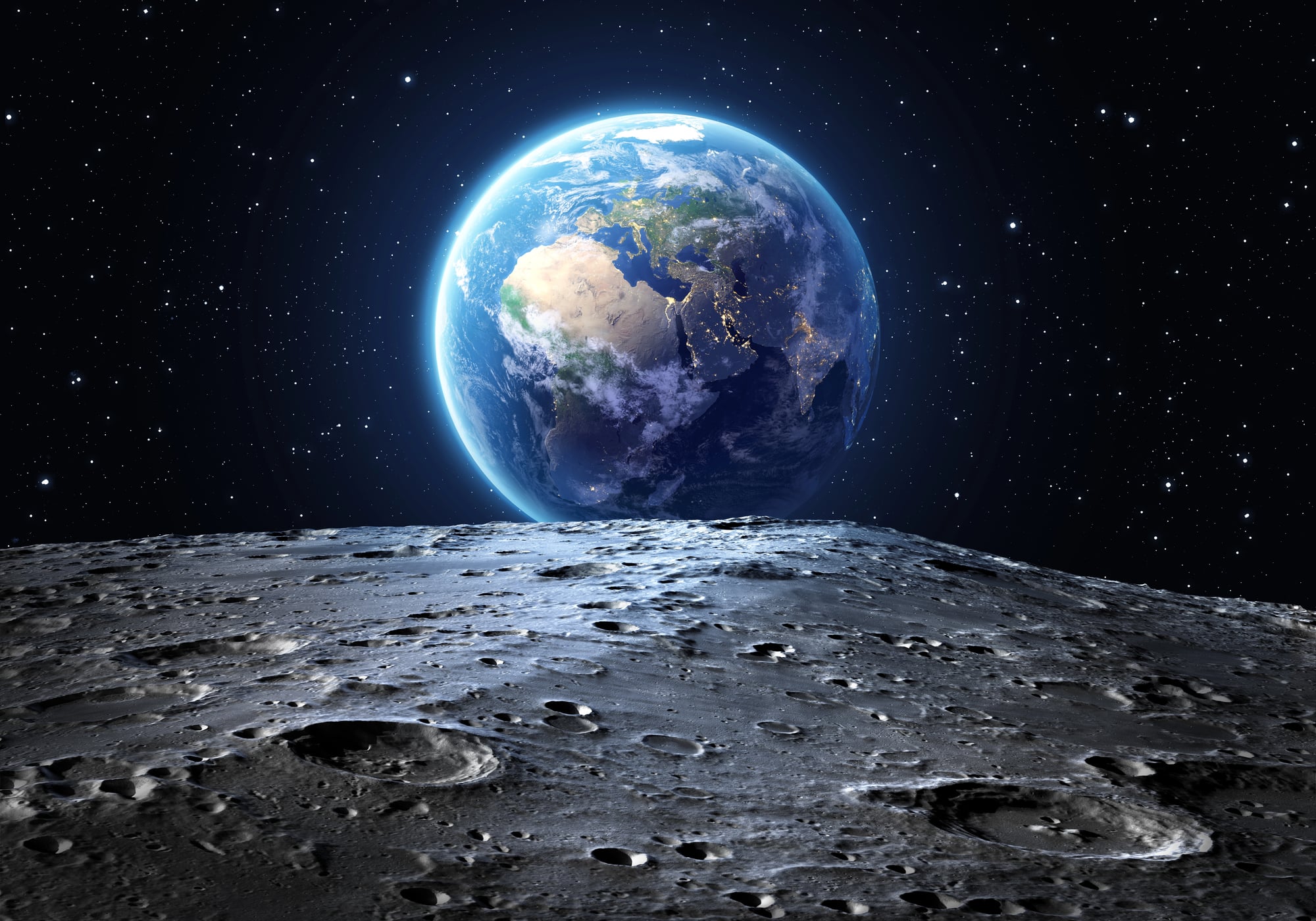
These fifteen missions represent space exploration’s unsung heroes—endeavors that transformed scientific understanding without capturing widespread public attention. Each mission overcame unique technical challenges to answer fundamental questions about our solar system and beyond.
As humanity continues its journey into space, these lesser-known missions remind us that breakthrough discoveries often happen far from the spotlight, made by spacecraft whose names may never become famous but whose findings forever change how we understand the cosmos.
More from Go2Tutors!

- 16 Restaurant Chains That Went Too Fast
- 12 Things Sold in the 80s That Are Now Illegal
- 15 Strange Things People Have Tried to Ban (And Failed)
- 16 Collectibles People Tossed Out Too Soon
- 17 Myths from Your Childhood That Were Actually Based on Real Things
Like Go2Tutors’s content? Follow us on MSN.