From Bean to Cup: The Fascinating Story of Coffee’s Origins
Coffee didn’t just appear in your morning mug by accident. This beloved drink has traveled across continents, sparked revolutions, and changed the way millions of people start their day.
The journey from a wild plant in ancient forests to the carefully crafted beverage we know today involves legends, trade routes, and countless innovations that shaped human history. So how did this humble bean become one of the most traded commodities on Earth?
Let’s trace the roots of coffee from its earliest discovery to the global phenomenon it is today. Long before coffee shops lined city streets, wild coffee plants grew naturally in the forests of Ethiopia.
The Ethiopian highlands
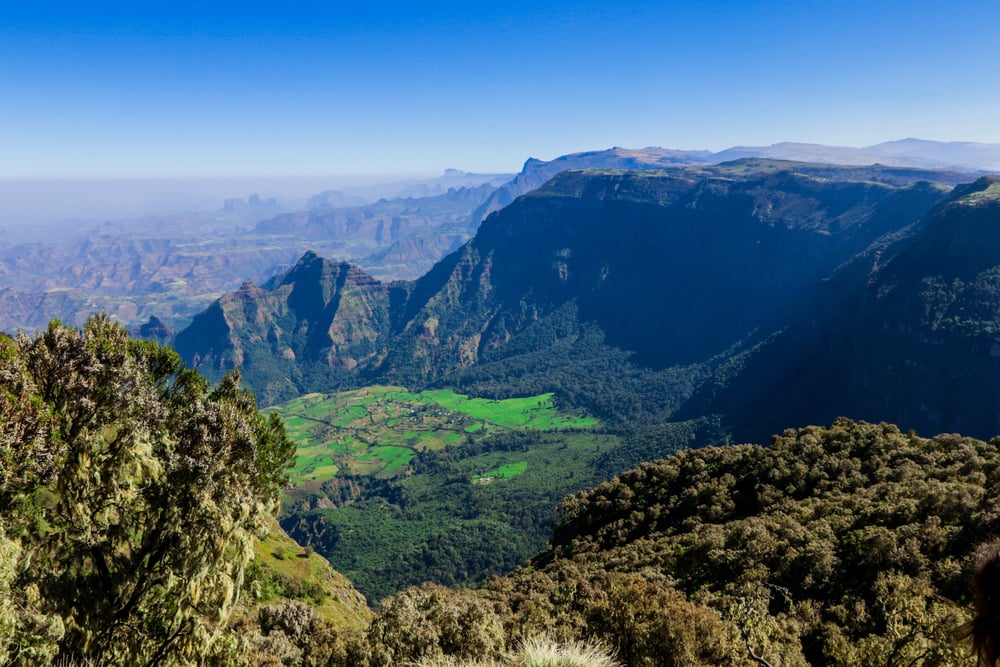
The Oromo people were likely the first to recognize that coffee cherries had special properties. They would crush the berries and mix them with animal fat to create energy-packed snacks for long journeys.
This wasn’t the hot drink we know today, but it marked humanity’s first relationship with the coffee plant. The high-altitude climate and rich soil of Ethiopia created perfect conditions for these plants to thrive.
Kaldi and the dancing goats
One of the most famous stories about coffee’s discovery involves a goat herder named Kaldi. According to legend, he noticed his goats became unusually energetic after eating berries from a certain tree.
Curious about this strange behavior, Kaldi tried the berries himself and felt a similar burst of energy. He brought the berries to a local monastery, where monks discovered that the berries helped them stay awake during long prayer sessions.
Whether this story is true or just folklore, it captures the moment when humans first understood coffee’s stimulating effects. Coffee made its way from Ethiopia to Yemen sometime around the 15th century.
Yemeni monks and the first brew
Sufi monks in Yemen were the first people to actually brew coffee as a drink. They roasted the beans, ground them up, and mixed them with hot water to create something close to modern coffee.
The monks used this brew to stay alert during nighttime prayers and religious ceremonies. Yemen’s port city of Mocha became so famous for coffee trade that the word ‘mocha’ is still used in coffee terminology today.
The Arabian Peninsula’s coffee culture
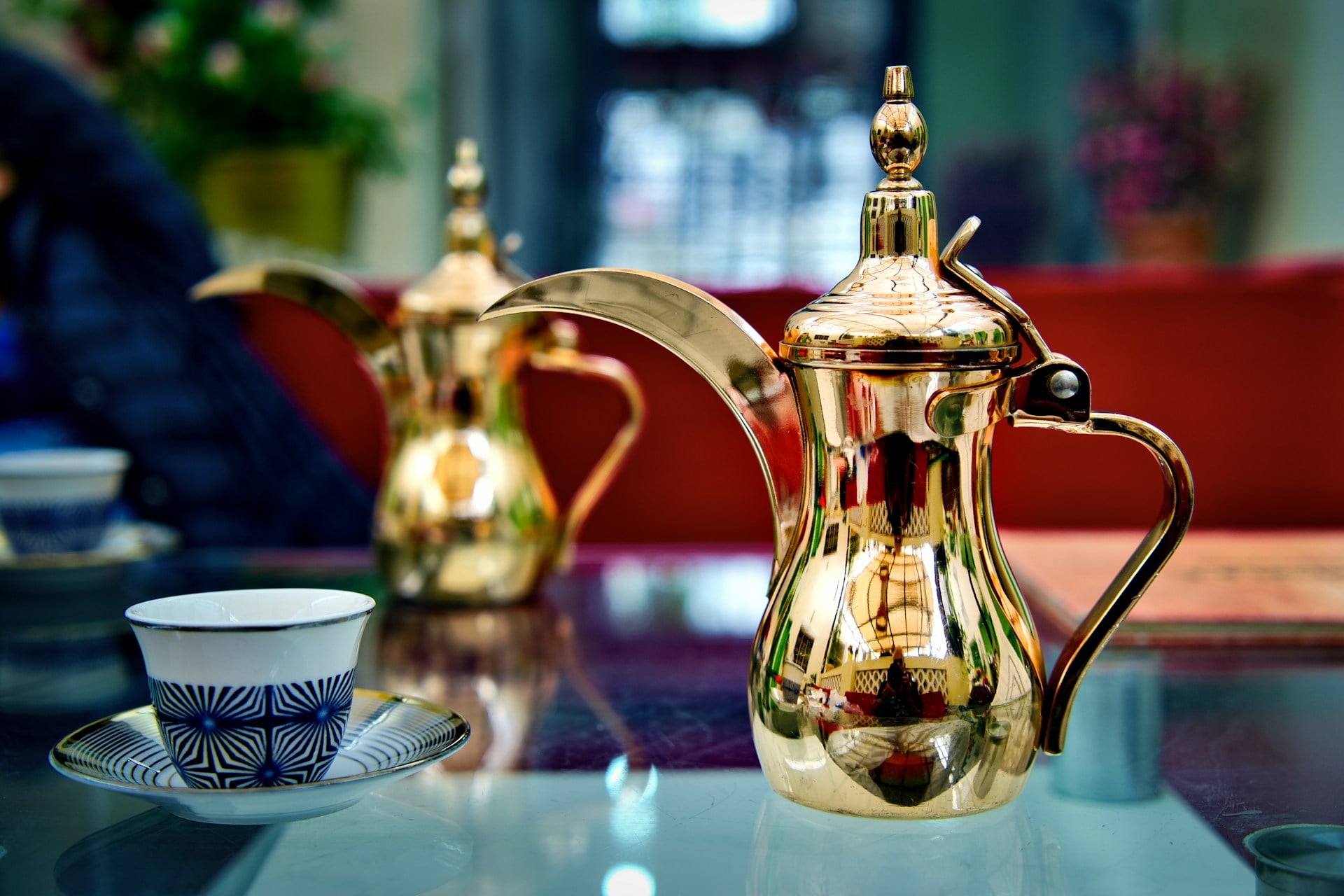
Arabia transformed coffee from a religious tool into a social experience. Coffee houses called ‘qahveh khaneh’ began opening in cities like Mecca and Cairo during the 16th century.
These weren’t just places to drink coffee but became centers for conversation, music, and intellectual exchange. People from all walks of life would gather to discuss politics, play chess, and share stories.
The Arabian coffee ceremony became an elaborate ritual involving special pots called dallah and small cups without handles. Turkish traders and the Ottoman Empire played a huge role in spreading coffee beyond Arabia.
Ottoman Empire spreads the bean
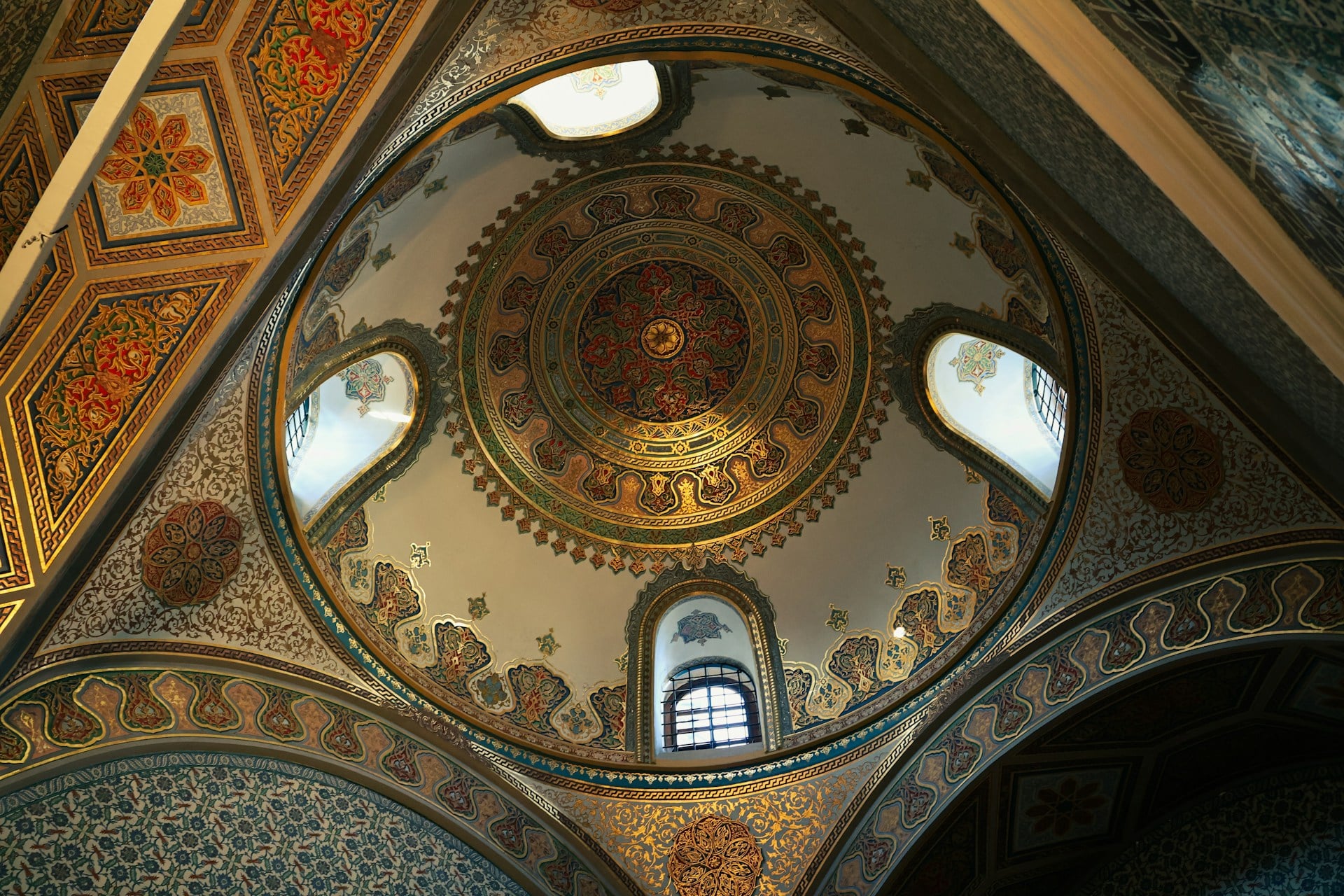
Constantinople received its first coffee house in 1555, and the drink quickly became part of Turkish culture. The Ottomans developed their own brewing method, creating a thick, strong coffee that’s still popular today.
Turkish law even allowed women to divorce their husbands if they failed to provide enough coffee for the household. Coffee became so important that ambassadors from the Ottoman Empire brought it as gifts to European courts.
Venice’s early trade connections
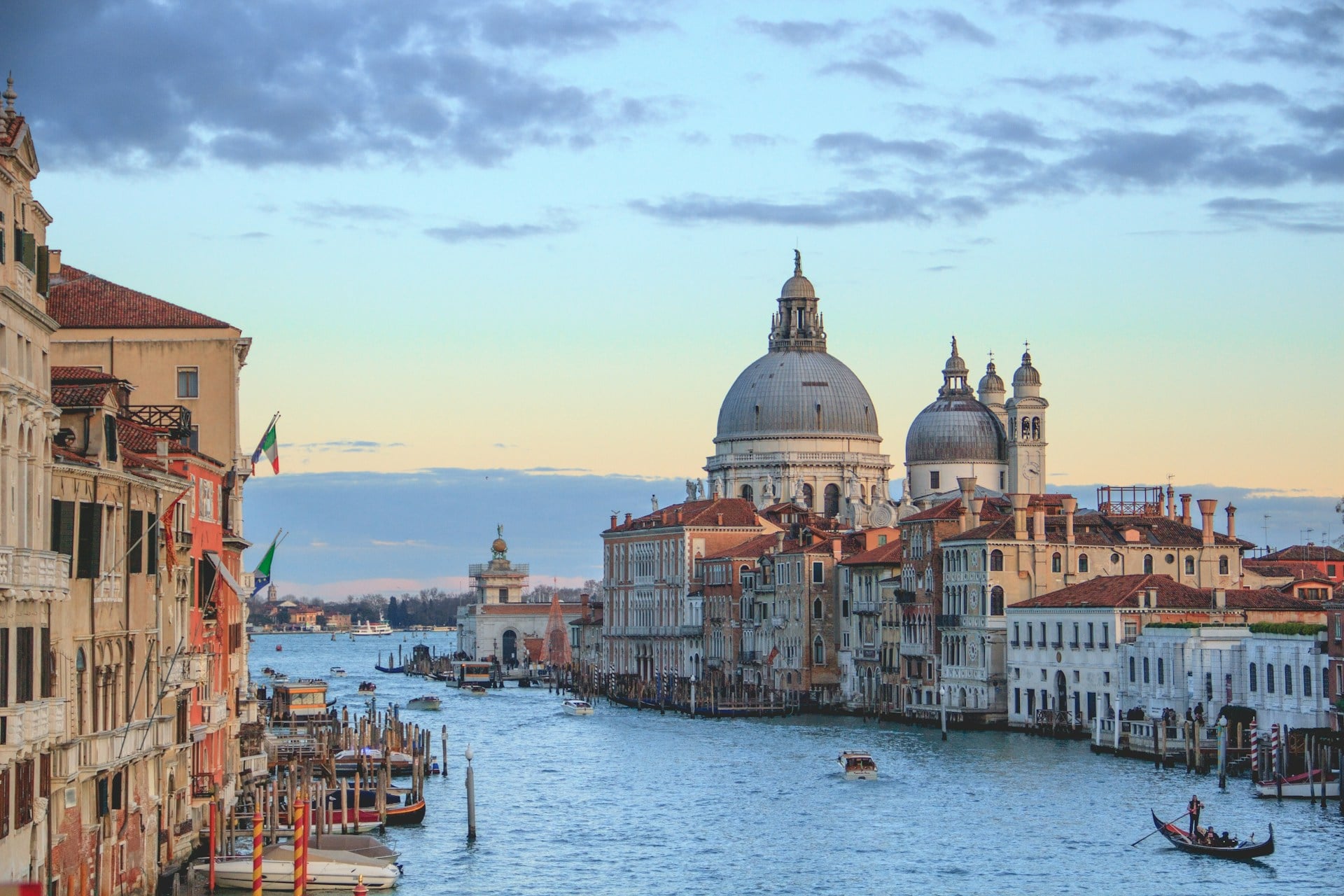
European contact with coffee began through Venetian merchants who traded with the Ottoman Empire. These traders brought coffee beans back to Venice in the early 1600s.
At first, some Catholic clergy called coffee the ‘bitter invention of Satan’ because it came from Muslim lands. Pope Clement VIII supposedly tasted the drink and enjoyed it so much that he gave it Christian approval.
This papal blessing helped coffee gain acceptance across Catholic Europe. The Dutch were the first Europeans to successfully grow coffee outside of Arabia and Africa.
Dutch colonization and cultivation
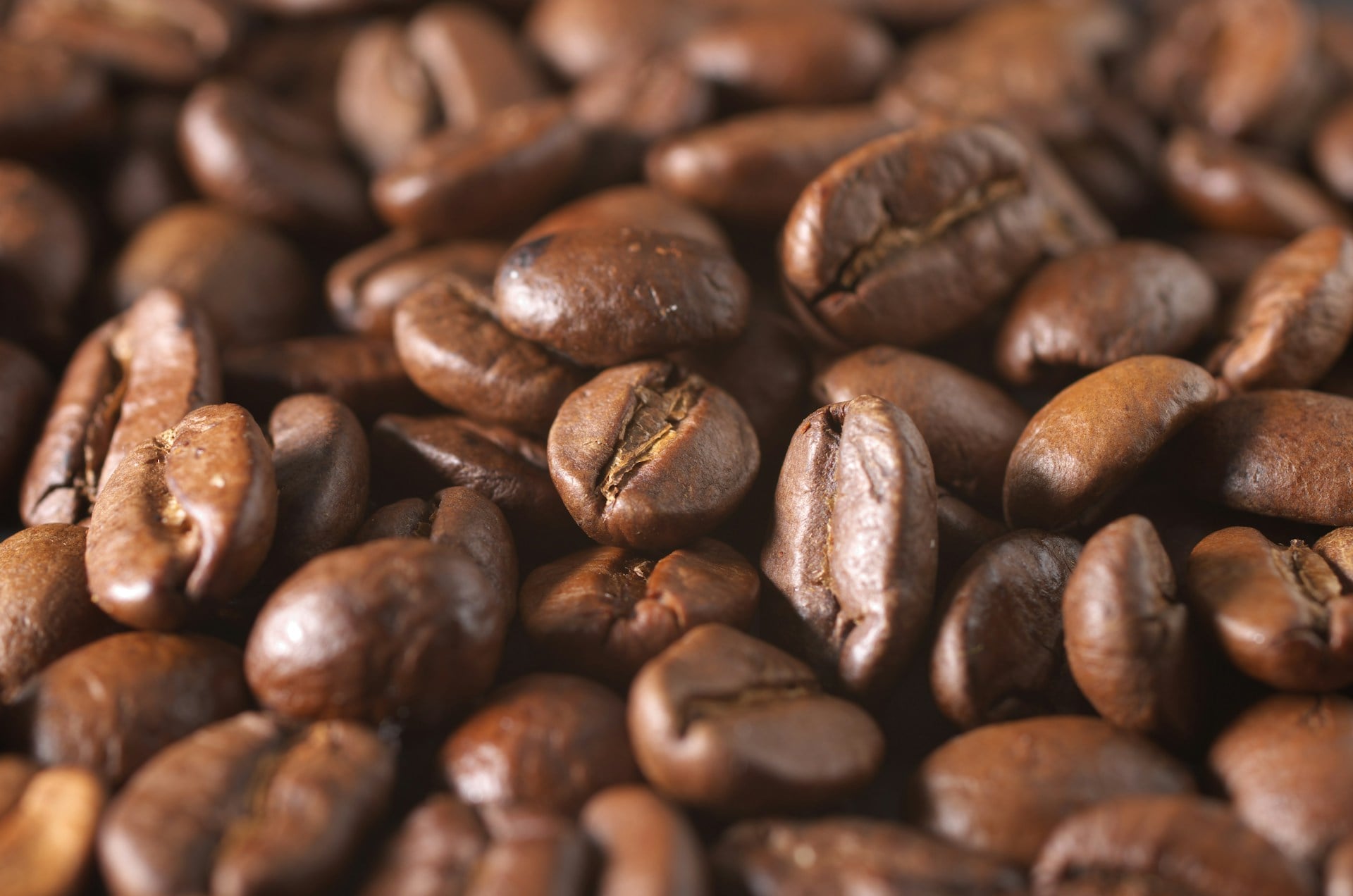
In the late 1600s, they managed to obtain coffee plants and started cultivating them in their colonies in Java and Sumatra. These Dutch plantations broke Arabia’s monopoly on coffee production.
The phrase ‘cup of java’ comes from this period when Indonesian coffee flooded European markets. The Dutch East India Company became incredibly wealthy from this trade.
Coffee reaches the Americas
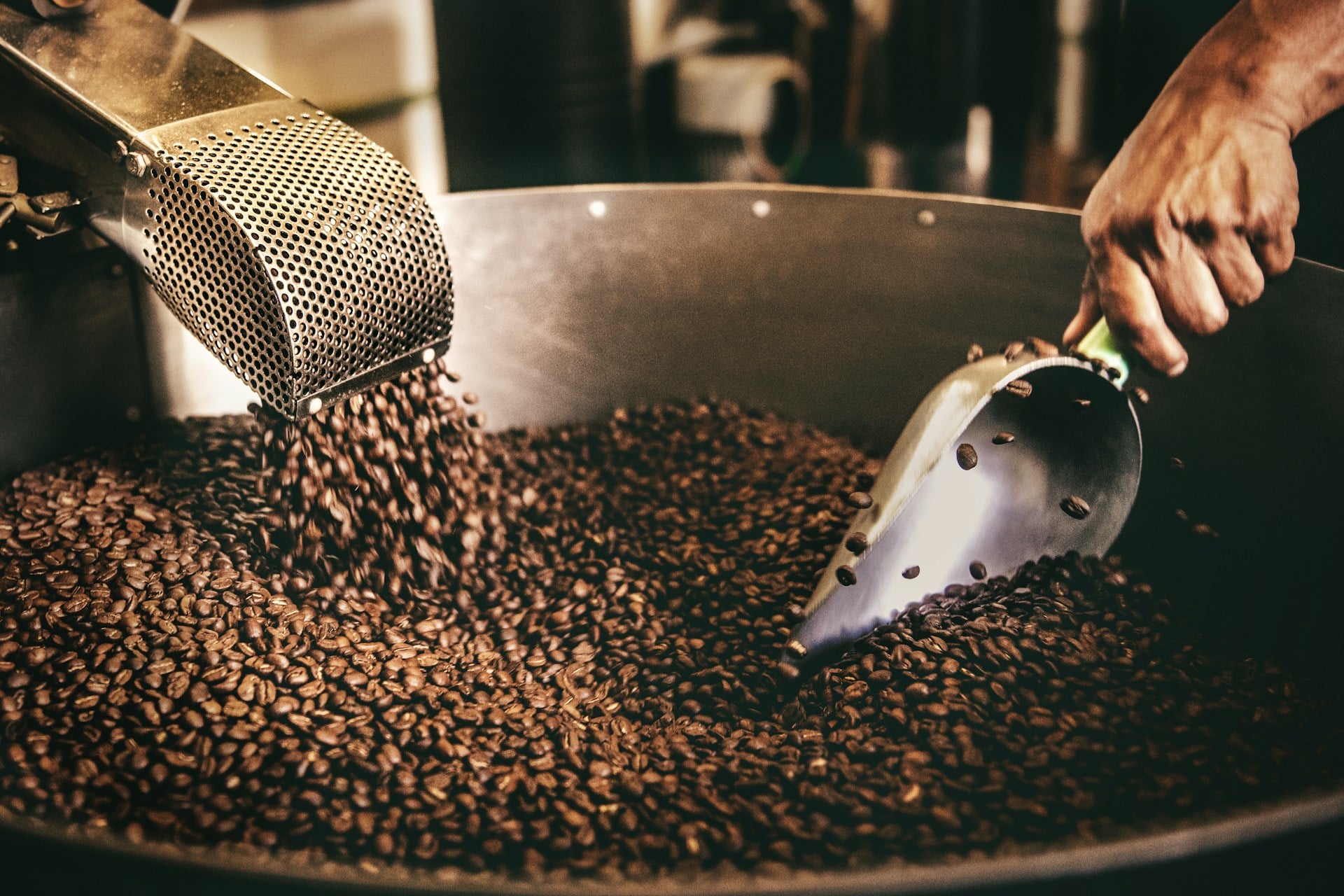
A French naval officer named Gabriel de Clieu brought a single coffee plant to the Caribbean island of Martinique in 1720. The journey was difficult, and de Clieu reportedly shared his limited water ration with the plant during a particularly rough voyage.
That one plant became the ancestor of millions of coffee trees throughout Central and South America. The climate and volcanic soil of these regions proved perfect for coffee cultivation.
Brazilian coffee dominance
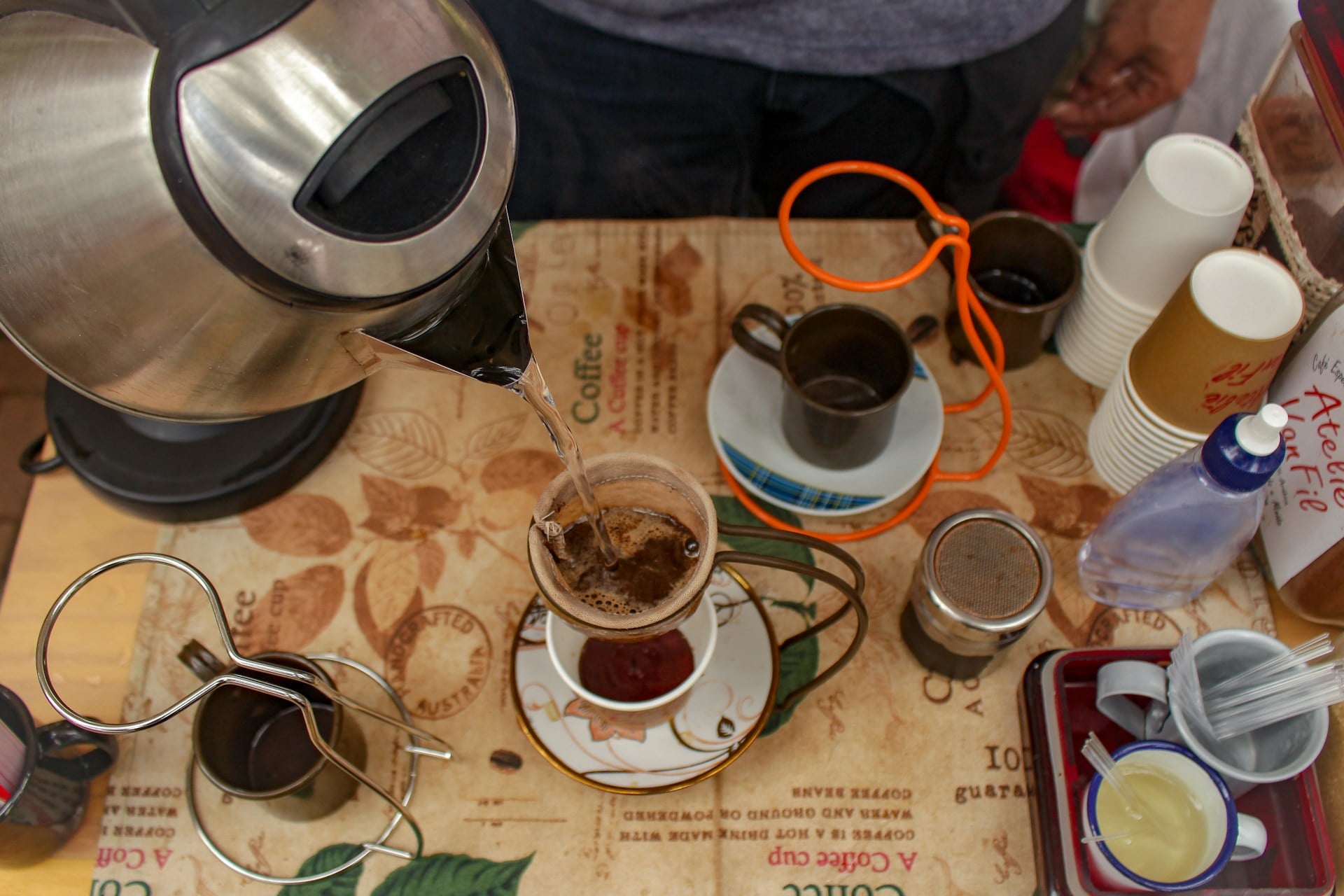
Brazil received its first coffee plants in the early 1700s and would eventually become the world’s largest coffee producer. A Brazilian official named Francisco de Melo Palheta supposedly charmed the wife of French Guiana’s governor to obtain coffee seeds that France was protecting.
By the 1800s, Brazilian coffee plantations covered huge areas of land. Unfortunately, this expansion relied heavily on enslaved labor until slavery was abolished in Brazil in 1888.
The espresso machine revolution
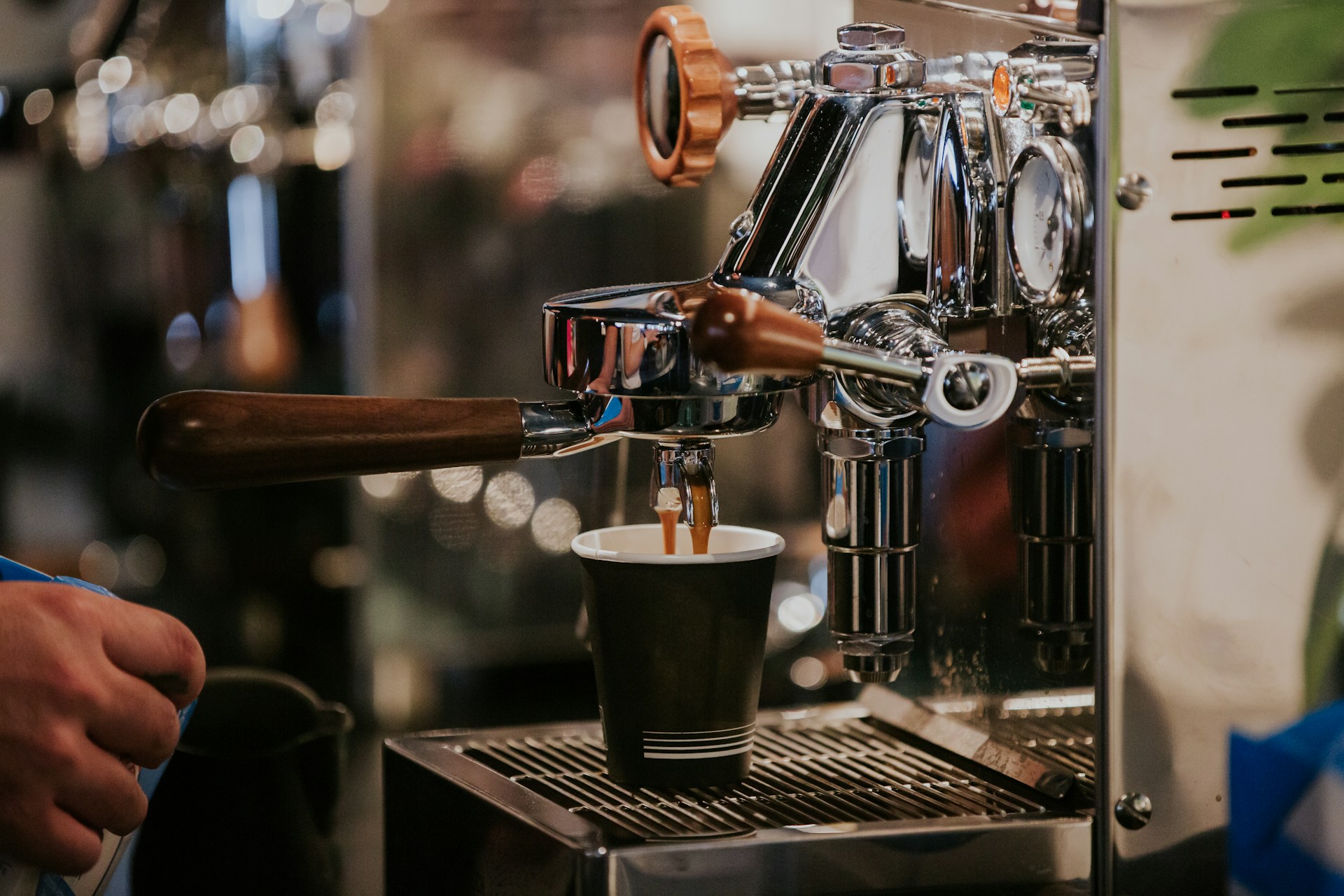
An Italian inventor named Angelo Moriondo created the first espresso machine in 1884. Later improvements by Luigi Bezzera and Desiderio Pavoni made these machines practical for cafes.
The espresso machine forced hot water through finely ground coffee at high pressure, creating a concentrated shot in seconds rather than minutes. This invention changed coffee culture in Italy and eventually around the world.
The speed and intensity of espresso matched the pace of modern urban life. A chemist named Satori Kato developed the first stable powdered coffee in 1901.
Instant coffee changes everything

Later, Nescafé perfected instant coffee in 1938 after Brazil asked them to help use surplus coffee beans. Instant coffee became crucial during World War II when it was included in soldier rations.
While purists might turn their noses up at instant coffee, it made the drink accessible to millions who didn’t have time or equipment for traditional brewing. The convenience factor couldn’t be ignored.
American coffee culture emerges

Coffee became America’s drink of choice after the Boston Tea Party in 1773 when drinking tea was considered unpatriotic. By the 20th century, American coffee had developed its own identity, though Europeans often criticized it as weak and watery.
Diners and truck stops across America served endless refills of drip coffee. The percolator became a standard kitchen appliance in American homes.
This coffee wasn’t fancy, but it was reliable and available everywhere. The 1960s and 1970s saw the birth of specialty coffee culture in places like Berkeley and Seattle.
Specialty coffee movement begins

Entrepreneurs like Alfred Peet emphasized high-quality beans and proper roasting techniques. This movement rejected mass-produced, stale coffee in favor of freshly roasted, carefully sourced beans.
Coffee shops became destinations rather than quick stops. People started caring about where their coffee came from and how it was prepared.
Fair trade but also responsible buying

When folks began understanding how coffee was made, worries about mistreating farmers and harming nature spread. Since the 1980s, the fair trade push kicked off aimed at getting growers better pay for their beans.
Because shoppers wanted greener choices, labels like organic or shade-grown popped up over time. It turned out, those farming coffee in poorer regions usually couldn’t even taste what they were harvesting.
So brands started using honest supply chains as a way to stand out. The phrase ‘third wave coffee’ popped up near 2000, comparing coffee culture to that of high-end wine.
Third-wave coffee shows up
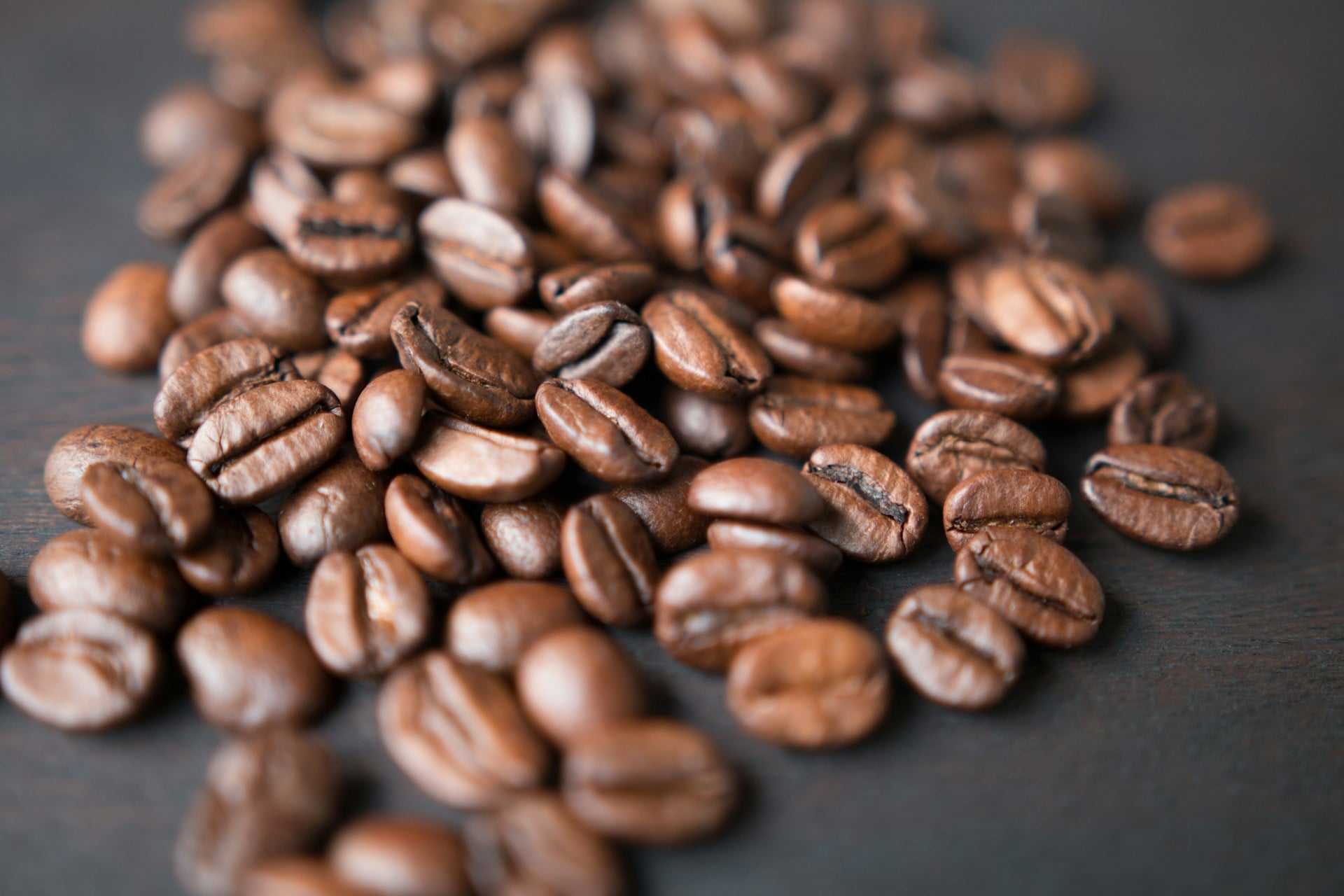
Instead of buying beans by country or region, roasters focused on single farms. Skilled baristas learned how small changes like water heat or brew time affect flavor.
Menus at cafes began showing flavors such as ‘blueberry undertones’ or ‘a chocolate aftertaste’. Because of this shift, people stopped seeing coffee as just fuel it turned into something crafted, studied, valued.
Cold brew gains popularity

Cold water coffee mixing isn’t new it’s old but cold brew got big in the 2010s. Instead of heat, it uses time: soaking grounds in cool water for a day or so, give or take.
That slow soak makes a mellow, low-acid base you can stretch later. It takes ages, sure, yet tastes nothing like your usual hot cup.
Cafes started serving it straight from kegs, kind of like microbrews. Younger drinkers liked it best no harsh bite, just clean kick.
Single-origin and micro-lots
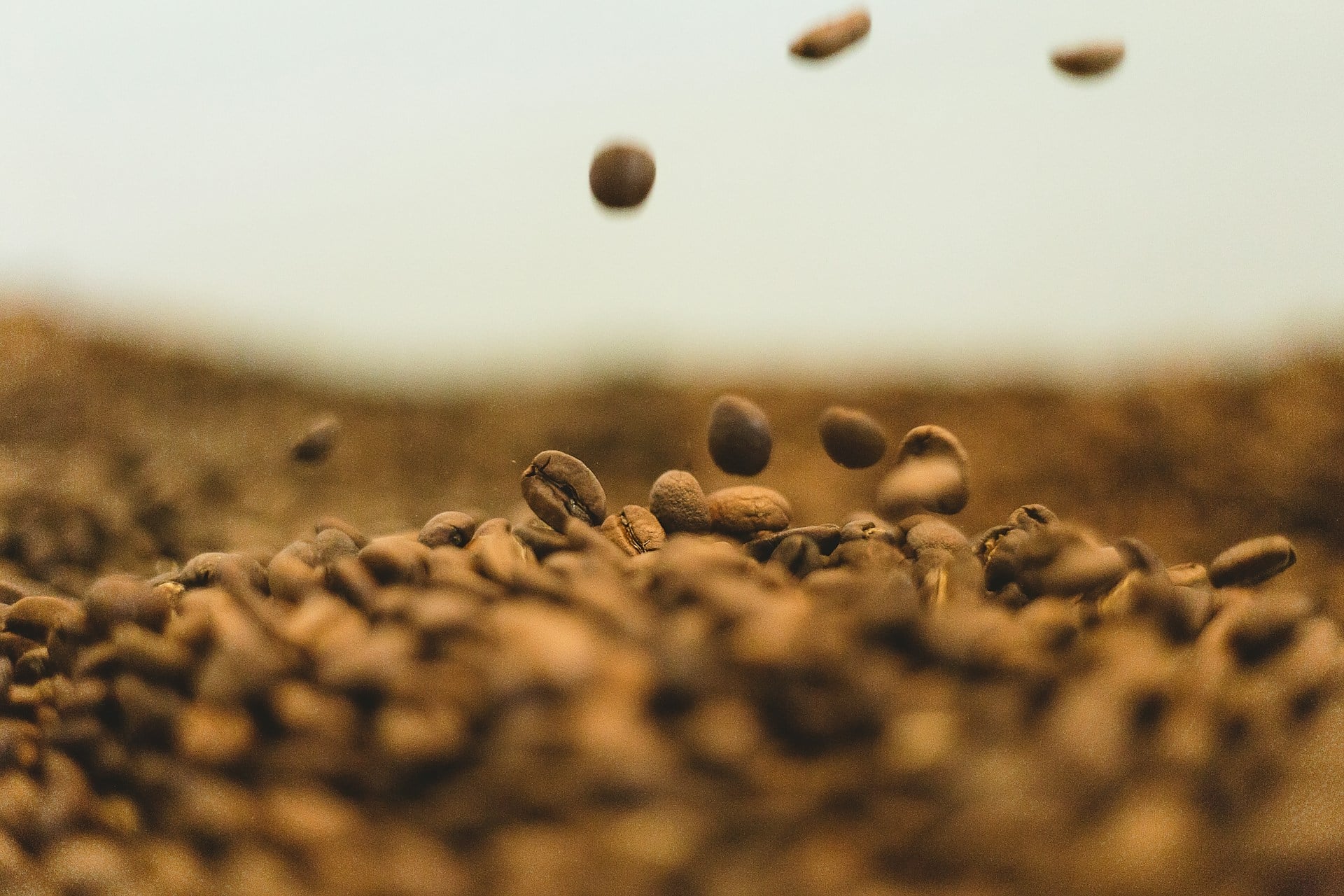
Today’s coffee fans often buy beans grown on single farms or even small patches within them, known as micro-lots. Because of better tracking, drinkers can find out precisely which farm supplied their brew, along with details about how it was handled after harvest.
In contests, experts rate each batch by where it’s from, how high up it grew, what method cleaned the beans, among many other points. A few uncommon micro-lot types go for hundreds of bucks a pound.
To folks years ago who only craved something warm to stay alert, this kind of detail might’ve sounded absurd. Coffee lovers can finally grab gear close to what cafes use.
Home brewing technology advances

Instead of settling, they’re picking pour-overs, fine grinders, or smart kettles that lock in heat. Home espresso rigs? They’ve gotten cheaper but way better.
Meanwhile, phone apps walk you through every step timing each move without fail. The outbreak sped up this shift folks started buying gear for their kitchens once cafés shut down.
Brewing good coffee turned into a pastime, even something to show off. Coffee’s journey started on Ethiopian slopes when goats nibbled berries and got a surprise boost.
Coffee’s continuing evolution

These days, how we brew it shows hundreds of years of swapping ideas, trying new tricks, and shifting cravings worldwide. Folks debate their favorite grind or roast like it’s personal, which might confuse ancient Yemeni monks simply chasing alertness for worship.
Still, no matter the fancy terms or gear, coffee does what it always did connects folks and fuels whatever lies ahead.
More from Go2Tutors!

- The Romanov Crown Jewels and Their Tragic Fate
- 13 Historical Mysteries That Science Still Can’t Solve
- Famous Hoaxes That Fooled the World for Years
- 15 Child Stars with Tragic Adult Lives
- 16 Famous Jewelry Pieces in History
Like Go2Tutors’s content? Follow us on MSN