Historic Theaters That Still Shape Urban Nightlife
Walk into any modern nightclub and you’ll find slick LED screens, minimalist design, and the latest sound systems. But some of the most electric nights happen in venues where the walls remember decades of applause, the stages have hosted legends, and the architecture alone could make you stop mid-conversation.
Historic theaters aren’t museum pieces gathering dust—they’re living, breathing parts of urban nightlife, hosting everything from indie bands to sold-out DJ sets. These aren’t your typical concert halls either.
We’re talking about venues where the past and present collide in the best possible way. Here’s a list of 16 historic theaters that continue to define what it means to go out in the city.
Apollo Theater

The Apollo Theater opened its doors to African American audiences in 1934 in Harlem, quickly becoming a vital venue for Black performers during an era when many theaters remained segregated. The venue’s Amateur Night competitions launched the careers of countless artists, with early winners including Ella Fitzgerald, and later stars like James Brown, Marvin Gaye, and Lauryn Hill.
Today, the Apollo remains a cultural landmark where you can catch everything from hip-hop showcases to comedy nights, and the tradition of Amateur Night continues to draw crowds every Wednesday who come to cheer on—or boo off—the next generation of talent.
The Fillmore

Originally opened in 1912 as the Majestic Hall, this San Francisco venue was renamed the Fillmore Auditorium in 1954. In the mid-1960s, promoter Bill Graham transformed it into the epicenter of the counterculture and psychedelic music scene, hosting legendary performances by the Grateful Dead, Jefferson Airplane, Jimi Hendrix, and Janis Joplin.
The venue still packs in crowds nearly every night, with its distinctive concert posters and complimentary apples for concertgoers maintaining that connection to its groovy past while booking contemporary acts that span every genre imaginable.
Like Go2Tutors’s content? Follow us on MSN.
Chicago Theatre

This iconic State Street theater boasts one of Chicago’s most recognizable marquees and serves as a gloriously restored auditorium in the heart of downtown. The soaring venue hosts superstar entertainers appealing to all ages and tastes, including comedy shows, live podcast tapings, and theatrical performances.
The vertical sign towering over the street has become so synonymous with Chicago that it’s practically a city mascot, and catching a show here means experiencing entertainment in a space that’s been wowing audiences for nearly a century.
Fox Theater Oakland

The Fox opened in 1928 as the largest theater in Oakland, with its Middle Eastern-inspired architecture featuring gilded guardians flanking the stage and design influences ranging from medieval to Moorish. After closing in 1965 and operating only sporadically for decades, the city of Oakland purchased the venue in 1996 and restored it to its initial glory with all its original detailing, including horsehair plasterwork within the walls.
The restoration transformed it into a modern concert powerhouse that hosts everyone from indie darlings to hip-hop legends, and the 2,800-seat venue regularly ranks among the best music venues in the country.
The Roxy Theatre
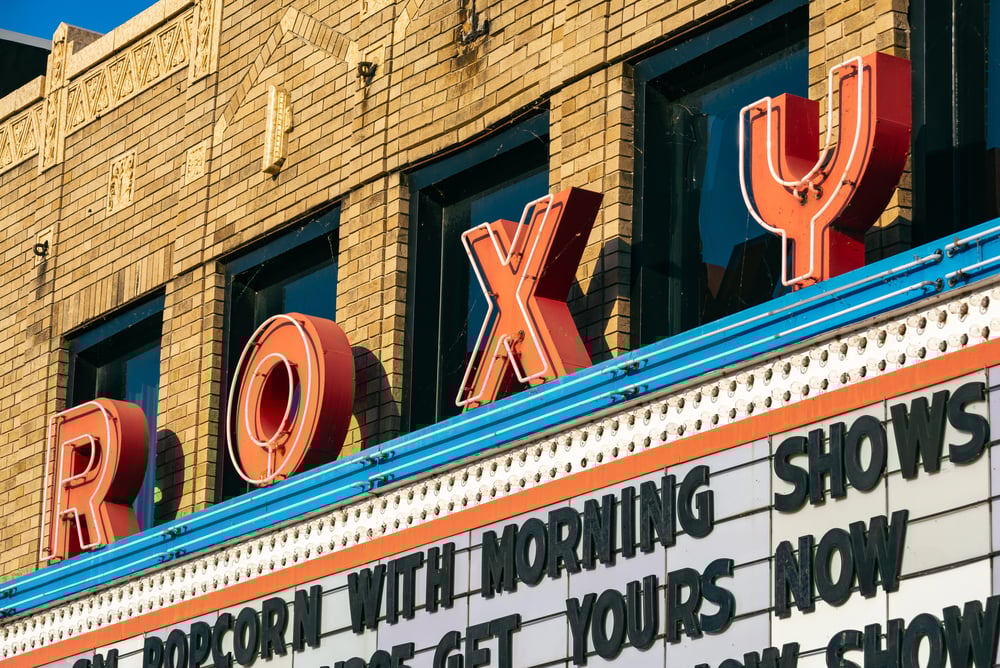
The Roxy opened on the Sunset Strip in West Hollywood in September 1973, founded by Grammy-winning producer Lou Adler, music manager Elliot Roberts, and media magnate David Geffen, with Neil Young headlining its sold-out opening night. The 500-seat venue quickly became famous for intimate performances and historic live recordings, including Bob Marley’s Live at the Roxy in 1976 and Warren Zevon’s Stand in the Fire in 1980.
The club maintains its reputation as the place where established artists strip away the arena production to reconnect with audiences in a space where you can practically feel the sweat from the stage.
Like Go2Tutors’s content? Follow us on MSN.
Kings Theatre
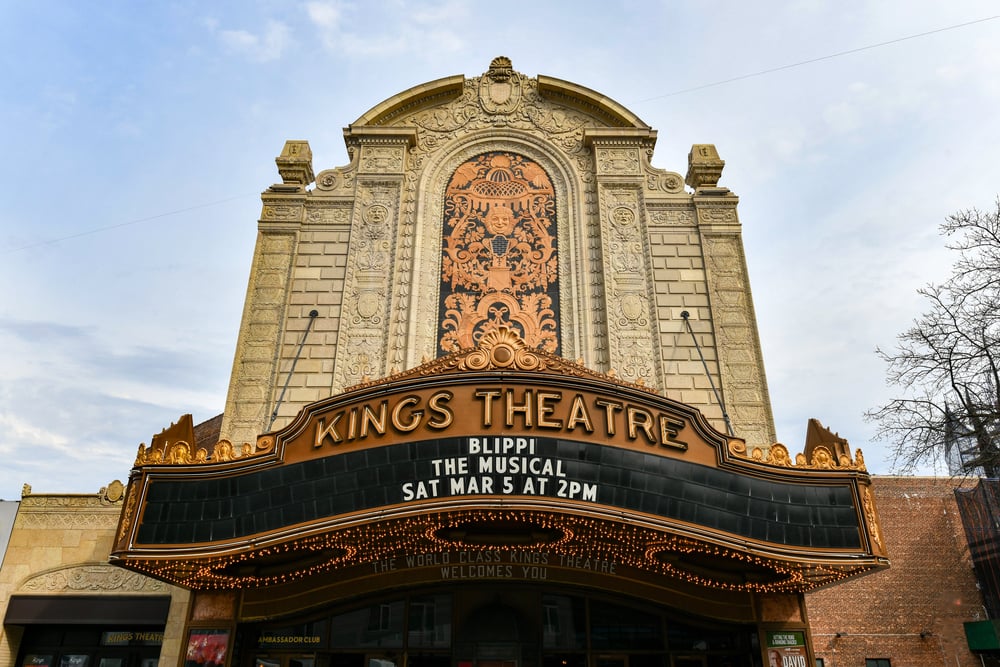
Originally one of five lavish Loew’s Wonder Theatres built in the 1920s, Kings Theatre in Brooklyn features high curved ceilings, ornate plaster walls, wood paneling, and a glazed terracotta ornamental facade. The historic venue reopened in 2015 as one of New York’s premier performing arts venues with more than 3,000 seats—the largest of its kind in Brooklyn—hosting both large-scale popular entertainment and local arts groups.
The restoration brought back the theater’s original splendor while equipping it with state-of-the-art technology, making it a go-to spot for both touring Broadway productions and concerts that benefit from its incredible acoustics.
Beacon Theatre

Located on the Upper West Side of Manhattan, the Beacon Theatre serves as a landmark venue offering unparalleled experiences in historic surroundings. The theater has become particularly famous for residencies by major artists who return year after year, drawn by the venue’s perfect size and atmosphere that splits the difference between intimate and grand.
Its art deco interior and excellent sightlines make every seat feel special, whether you’re catching a comedy show or a multi-night stand from a rock legend.
Green Mill
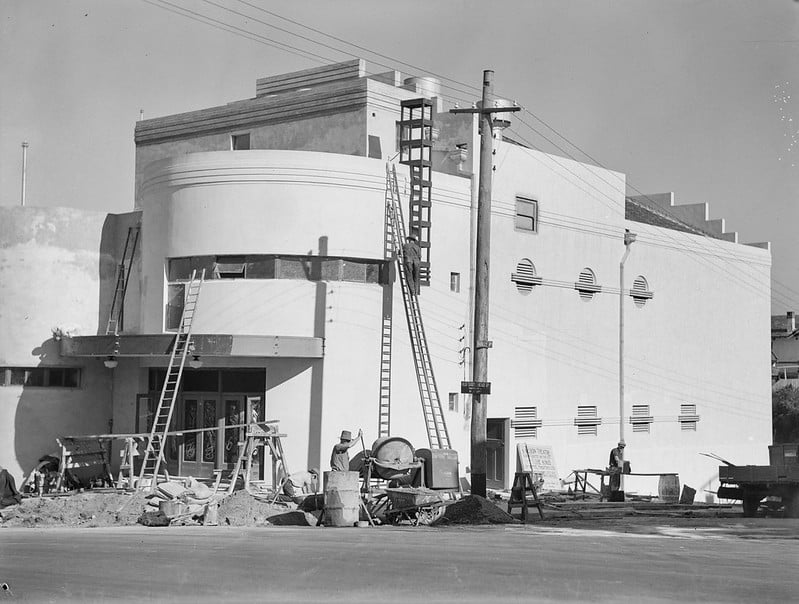
The Green Mill is a staple of Chicago’s jazz scene, dating back to 1907 as a former speakeasy in the bustling Uptown neighborhood, making it one of the oldest continuously operating jazz clubs in the country. Visitors can slip into one of the glamorous curved booths—you can even request Al Capone’s favorite spot—for a stellar lineup of live jazz every night, from sultry singers to big band and bebop.
The dim lighting, vintage decor, and the fact that jazz plays here seven nights a week create an atmosphere that feels genuinely frozen in time, minus the gangsters and bootleg liquor.
Like Go2Tutors’s content? Follow us on MSN.
Lincoln Theatre

— Photo by wasppics
Dating back to 1922, the Lincoln Theatre in Washington DC was considered a precursor and influence on the Harlem Renaissance, hosting marquee acts over the years including Washington natives Duke Ellington and Pearl Bailey, along with greats like Ella Fitzgerald, Billie Holiday, Nat King Cole, and Louis Armstrong. The historic theater continues to attract national talent to its stage with a packed calendar of touring acts across multiple genres.
The venue stands as a testament to DC’s rich African American cultural heritage while remaining thoroughly modern in its programming and technical capabilities.
Orpheum Theatre

Opening on February 15, 1926, the Orpheum Theatre in downtown Los Angeles has hosted some of the greatest performers in entertainment history, including burlesque queen Sally Rand, the Marx Brothers, Will Rogers, a young Judy Garland, and jazz legends Lena Horne, Ella Fitzgerald, and Duke Ellington. In the 1960s, the Orpheum presented rock and roll concerts by Little Richard, Aretha Franklin, and Little Stevie Wonder, and the restored theatre continues to host live music while frequently serving as a film location.
The venue’s Beaux Arts facade and its Mighty Wurlitzer organ installed in 1928 remain as stunning reminders of the golden age of theater design.
Aragon Ballroom

Walking through the Aragon Ballroom is like stepping into a Spanish palace courtyard, complete with crystal chandeliers, terra-cotta ceilings, ornate balconies, and beautiful archways. The Chicago venue has been hosting concerts since 1926, and its massive size—it can hold over 4,000 people—makes it perfect for acts that have outgrown smaller clubs but want something more intimate than an arena.
The architectural details create an almost surreal backdrop for modern concerts, where you might be moshing to punk rock beneath chandeliers that have been hanging for nearly a century.
Like Go2Tutors’s content? Follow us on MSN.
Thalia Hall

Thalia Hall is a landmark concert venue in Chicago’s Pilsen neighborhood that first opened in 1892 as an arts and entertainment space designed after the Prague opera house. Today, the concert hall hosts shows by well-known musical acts, up-and-coming local names, and touring comedians, while also housing a retro cocktail lounge, a piano bar, and a modern Mexican seafood restaurant.
The multi-use approach means you can grab dinner, catch a show, and then stick around for drinks all in the same building, creating the kind of all-night experience that defines great urban nightlife.
The National Theatre

Just a short walk from the White House, The National Theatre has been hosting theater-goers from its Pennsylvania Avenue location for nearly 200 years. Today, the historic theater serves as the home base for Broadway in DC, hosting numerous well-known touring shows throughout the year.
The venue bridges the gap between local nightlife and Broadway-caliber entertainment, bringing blockbuster musicals and plays to DC audiences who might not make it to New York but still want to experience theater at the highest level.
Ramova Theatre

First opened as an opulent movie palace in the 1920s in Chicago’s Bridgeport neighborhood, the Ramova Theatre’s Spanish-inspired architecture has been restored to its former glory. The building now houses a concert hall, craft brewery, beer garden, and restaurant helmed by an acclaimed local chef.
This transformation represents a newer trend in historic theater preservation—turning these spaces into multi-purpose entertainment destinations where the show is just one part of a larger experience that might include locally brewed beer and elevated bar food.
Like Go2Tutors’s content? Follow us on MSN.
Palace Theatre

The Palace Theatre opened on June 26, 1911, as the third Los Angeles home of the Orpheum Vaudeville circuit, designed by architect G. Albert Lansburgh and based on a Florentine early Renaissance palazzo. The luxurious theater featured almost 2,000 seats on three levels with elegant and subdued décor dominated by shades of gold, pink and blue, along with marble walls and mosaic tiles throughout the lobbies.
While it went through various incarnations including a silent movie house, the Palace stands as a reminder of when going out meant getting dressed up to experience entertainment in genuinely palatial surroundings.
Carolina Theatre

The Carolina Theatre in Charlotte serves as a newly restored historic venue offering live music, films, and events in Uptown Charlotte. The theater has evolved from its movie palace origins to become a cultural hub hosting everything from horror movie marathons with live character actors to indie film screenings and concerts across multiple genres.
Its location in the heart of Charlotte’s entertainment district makes it a natural gathering spot for nightlife that values both history and contemporary culture.
Where History Meets the Dance Floor
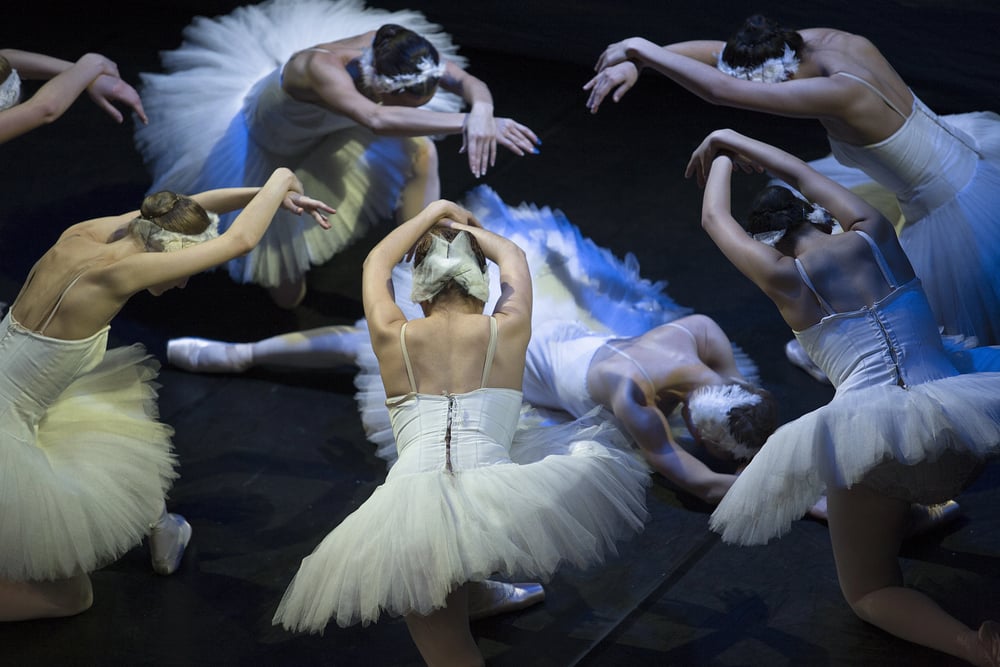
These sixteen theaters prove that the best nights out don’t always happen in the newest spaces. They’ve survived economic downturns, changing entertainment trends, and urban renewal projects that demolished countless similar venues.
What keeps them relevant isn’t nostalgia—it’s their ability to offer something modern venues can’t replicate: genuine character built up over decades. Whether you’re watching a DJ set in a former vaudeville palace or catching an indie band in a restored movie house, these theaters remind us that sometimes the old ways of doing things were pretty spectacular to begin with.
More from Go2Tutors!

- 16 Historical Figures Who Were Nothing Like You Think
- 12 Things Sold in the 80s That Are Now Illegal
- 15 VHS Tapes That Could Be Worth Thousands
- 17 Historical “What Ifs” That Would Have Changed Everything
- 18 TV Shows That Vanished Without a Finale
Like Go2Tutors’s content? Follow us on MSN.



