15 History Facts That Aren’t Accurate
History classes, Hollywood movies, and popular culture have filled our heads with dramatic stories and memorable quotes that make the past seem more exciting and clear-cut than it actually was. Unfortunately, many of these ‘facts’ that we learned growing up turn out to be complete myths, created by later generations who wanted to make history more interesting or to support their own political agendas.
From famous quotes that were never spoken to widely believed stories that never happened, these historical misconceptions have become so entrenched in our collective memory that correcting them feels almost impossible. Here is a list of 15 history facts that aren’t accurate, along with what really happened.
Marie Antoinette Never Said ‘Let Them Eat Cake’
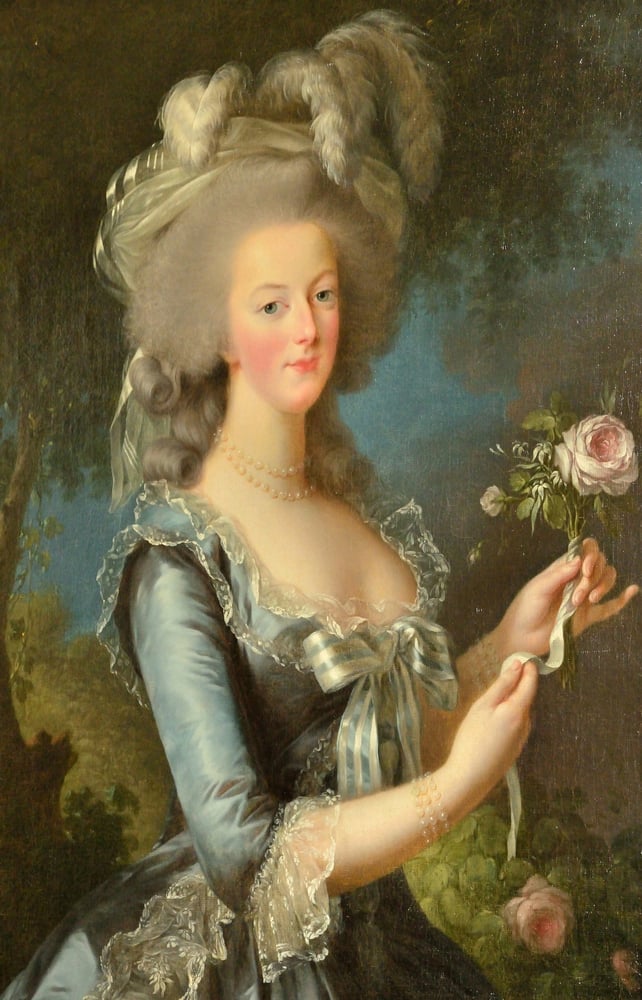
This famous quote supposedly showing the French queen’s callous indifference to starving peasants was never actually spoken by Marie Antoinette. The phrase first appeared in Jean-Jacques Rousseau’s writings in 1765, when Marie Antoinette was only nine years old and hadn’t even set foot in France yet.
Later pro-revolutionary historians deliberately attributed this quote to her to justify her execution and portray her as heartlessly extravagant, making her a convenient scapegoat for France’s economic problems.
Napoleon Wasn’t Short

The idea that Napoleon Bonaparte suffered from a ‘Napoleon complex’ because of his small stature is completely wrong. At about 5’6″ in modern measurement, Napoleon was actually above average height for French men of his era.
This misconception likely came from British propaganda designed to mock their enemy, combined with confusion between French and British measurement systems that made his height seem smaller than it actually was.
George Washington’s Teeth Weren’t Made of Wood

Despite what countless schoolchildren have been taught, America’s first president never had wooden dentures. Washington did suffer from dental problems and wore dentures, but they were made from ivory, gold, lead, and even other human teeth.
The wooden teeth myth probably arose from the discolored, grainy appearance his dentures developed over time, which might have resembled wood to casual observers.
The Pyramids Weren’t Built by Slaves

Archaeological evidence from Giza has completely debunked the popular image of Hebrew slaves being whipped while building Egypt’s pyramids. The workers were actually paid laborers who received high-quality food, medical care, and were buried with honor near the pyramids they helped construct.
These workers included skilled artisans and farmers working during the off-season, and ancient Egyptian records show they were respected members of society who worked in rotating shifts.
Medieval People Knew the Earth Was Round

The idea that people in the Middle Ages believed the Earth was flat is a myth created much later. Educated medieval scholars, sailors, and intellectuals had known the Earth was spherical since ancient Greek times, when mathematicians had already calculated its circumference.
This misconception was popularized by 18th and 19th-century writers who wanted to make their own era seem more enlightened by comparison.
Christopher Columbus Didn’t Discover America

Columbus never set foot on what is now the United States, and Indigenous peoples had been living throughout the Americas for thousands of years before his arrival. Viking explorer Leif Erikson had reached North America around 1000 AD, nearly 500 years before Columbus landed in the Caribbean.
Columbus himself never believed he had found a new continent, thinking instead that he had reached previously unknown parts of Asia.
The Great Wall of China Isn’t Visible from Space

This frequently repeated claim has been thoroughly debunked by astronauts who have actually been to space. While the Great Wall is impressively long, it’s too narrow and blends in too well with the surrounding landscape to be visible with the unaided eye from space.
Many other human-made structures like cities, highways, and airports are far more visible from orbit than the Great Wall.
Salem Witches Weren’t Burned at the Stake

Despite what movies and TV shows suggest, none of the accused witches during the Salem Witch Trials were burned alive. Most were hanged, while others died in jail awaiting trial.
The burning misconception likely comes from European witch trials where burning was indeed used, but Salem followed English legal traditions that used hanging as the method of execution.
Medieval People Did Bathe

The stereotype of dirty, unwashed medieval people is largely exaggerated. Public bathhouses were common in most European towns and cities, and people generally cared about personal cleanliness, though bathing frequency varied by region and social status.
Medieval people used soap, perfumes, and had social rules about hygiene. The myth about universally filthy medieval folk was created during the Renaissance when writers wanted to contrast their ‘civilized’ era with the supposedly barbaric past.
Einstein Didn’t Fail Math

The famous physicist wasn’t a poor student who struggled with mathematics. Einstein actually excelled at math from an early age and taught himself calculus.
He did fail an entrance exam to the Swiss Federal Polytechnic at age 16, but this was because the test was given in French (which he wasn’t fluent in) and he failed the language, botany, and zoology sections while passing the mathematics portion.
Nero Didn’t Fiddle While Rome Burned

The image of Emperor Nero playing his fiddle while watching Rome burn is impossible for one simple reason: the fiddle wasn’t invented until around the 11th century, roughly 1,000 years after Nero’s death. If he played anything during the Great Fire of 64 AD, it would possibly have been a cithara, but even that is disputed by historians who question whether Nero was even in Rome when the fire started.
Caesar Never Said ‘Et Tu, Brute?’
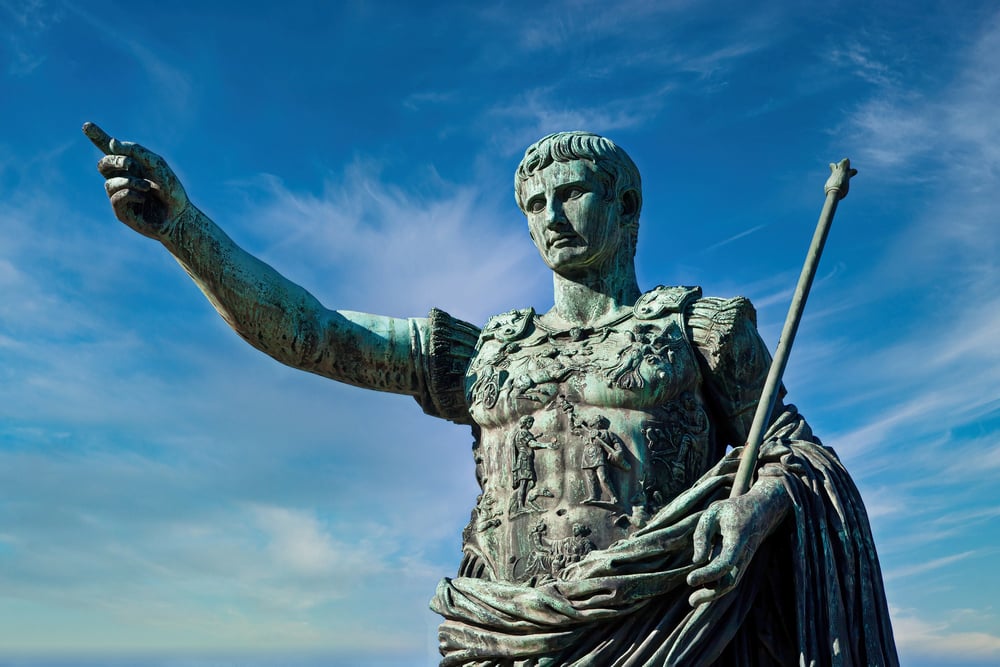
Julius Caesar’s dramatic last words ‘You too, Brutus?’ come from William Shakespeare’s play, not from historical accounts. Ancient sources suggest that Caesar either remained silent during his assassination or possibly said ‘You too, child?’ in Greek.
The famous Latin phrase that everyone remembers is purely a product of theatrical drama, not historical fact.
Medieval Chastity Belts Are Mostly Fake
Those metal contraptions supposedly used to ensure women’s fidelity during the Middle Ages are largely myths. Most existing chastity belts are now considered deliberate fakes created in the 19th century, possibly as novelty items or to support Victorian ideas about medieval barbarism.
Serious historians dispute whether these devices were ever actually used in medieval times.
The War of the Worlds Radio Show Didn’t Cause Mass Panic

Contrary to popular belief, Orson Welles’ 1938 radio adaptation of H.G. Wells’ novel didn’t send millions of Americans fleeing in terror from Martian invaders. Only a small portion of the radio audience was even listening to the show, and newspapers, eager to discredit radio as competition for advertising dollars, greatly exaggerated isolated reports of confusion and emergency calls.
Immigrants’ Names Weren’t Changed at Ellis Island

The romantic story of immigration officials Americanizing foreign names at Ellis Island is completely false. Officials at Ellis Island only checked ship manifests that were created at the port of departure, and they had no legal authority or paperwork that would have allowed them to change anyone’s name.
If immigrants changed their names, they did so later and by their own choice, not because of bureaucratic confusion.
Why These Myths Persist

These historical misconceptions reveal how easily dramatic stories can overshadow mundane facts, especially when they serve political purposes or make for better entertainment. Many of these myths were created by people with agendas – whether to discredit political enemies, promote national pride, or simply sell more books and movie tickets.
The fact that we still believe many of these stories centuries later shows the power of a good narrative to override factual evidence. Understanding which historical ‘facts’ are actually fiction helps us become more critical consumers of information and reminds us that the truth is often more complex and less dramatic than the stories we tell ourselves about the past. In an age of social media and instant information sharing, learning to distinguish between compelling stories and verified facts has never been more important.
More from Go2Tutors!

- The Romanov Crown Jewels and Their Tragic Fate
- 13 Historical Mysteries That Science Still Can’t Solve
- Famous Hoaxes That Fooled the World for Years
- 15 Child Stars with Tragic Adult Lives
- 16 Famous Jewelry Pieces in History
Like Go2Tutors’s content? Follow us on MSN.



