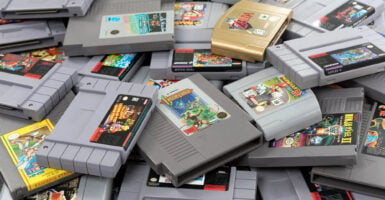
14 Household Products That Everyone Stopped Buying at Once
Do you remember certain products that used to be everywhere? Then one day they simply vanished from homes across America. Consumer preferences can change dramatically when new technology arrives, health concerns emerge, or better alternatives hit the market.
Here is a list of 14 household products that experienced stunning declines in popularity, with shoppers seemingly abandoning them all at once.
Telephone Books
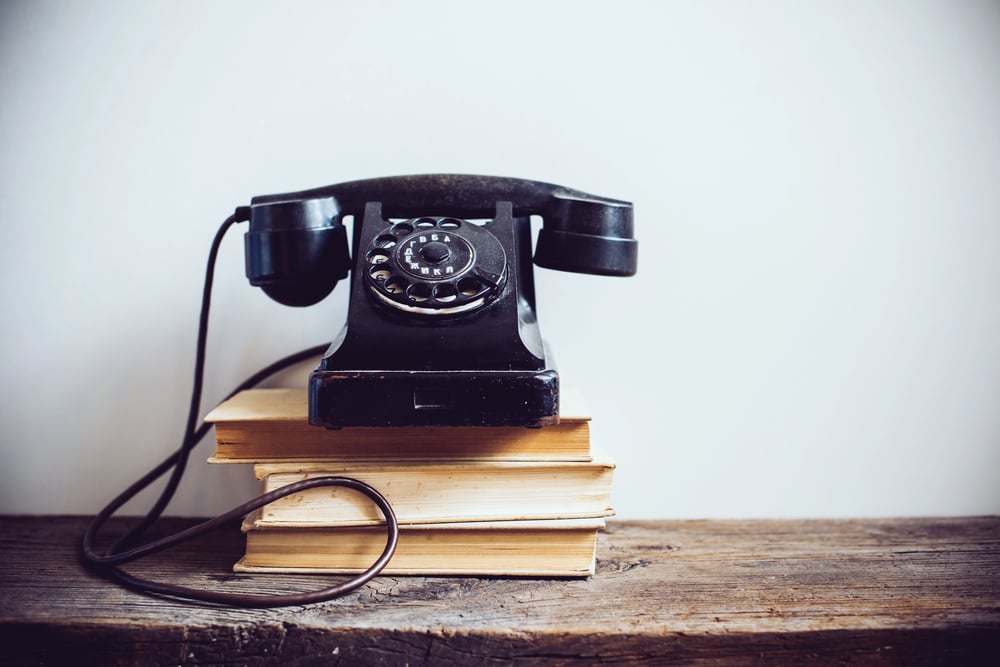
Those bulky paper directories delivered yearly to doorsteps became useless when smartphones put internet access in everyone’s pocket. Despite plummeting usage, phone companies stubbornly printed them for years – with countless books traveling directly from porch to recycling bin.
Eventually, the wasteful environmental impact of producing millions of unwanted copies prompted a shift to opt-in systems, ending a century-long tradition.
VHS Cleaning Kits
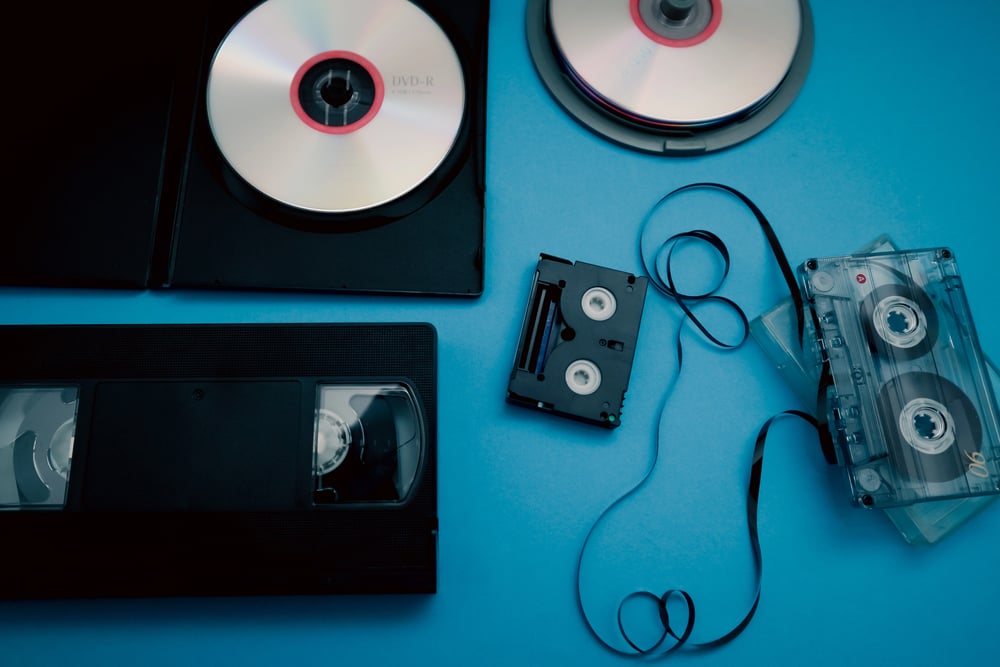
These maintenance products were once considered essential for serious video enthusiasts. The typical kit contained cleaning tapes, head-cleaning solutions, and various tools – all promising to extend VCR lifespan through regular maintenance.
When affordable DVD players flooded the market around 2000, demand for these specialized products collapsed almost overnight, leaving retailers stuck with inventory they couldn’t move.
Fax Machines
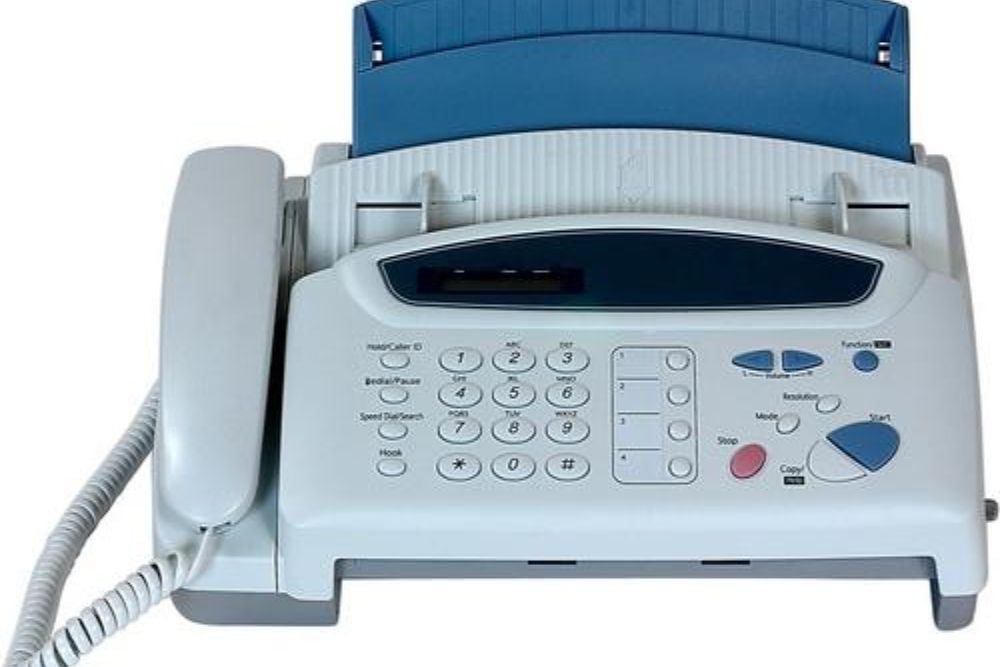
Once crucial for office communication – and even installed in many homes – fax machines couldn’t survive the digital revolution. These devices required special thermal paper, frequent maintenance, plus dedicated phone lines.
The rise of email attachments combined with digital signature technology made them quickly feel antiquated, though some industries clung to them longer than others.
Floppy Disks

These portable storage devices served as the main method for transferring computer files throughout the 1980s and ’90s. Standard 3.5-inch disks held just 1.44 megabytes – barely enough space for a single modern photo.
When USB drives became affordable around 2004 – offering vastly more storage and durability – floppy sales crashed spectacularly. Sony finally ceased production entirely by 2011, though certain government agencies kept using them well beyond their logical expiration date.
Film Cameras

The traditional camera market imploded when affordable digital alternatives arrived on store shelves. Families previously accumulated drawers of undeveloped film and spent significant money on processing – costs that simply disappeared with digital photography.
Professional photographers initially resisted the switch, yet ultimately embraced digital’s flexibility and immediacy, causing specialty shops and photo labs to shutter permanently across the country.
CD Spindles

Standard buys at electronics retailers all around the early 2000s were those towers of empty CDs for burning music, photo storage, or data backup. Available in packs of 25, 50, or even 100 discs, they were our main portable storage option.
The rise of cloud storage choices and streaming services made this approach unexpectedly obsolete. Manufacturers couldn’t keep up; production sites shuttered all around the 2010s as demand disappeared.
TV Antennas

After cable television became widely available, the rooftop antennae and rabbit ears that adorned American homes quickly vanished. These metal devices provided a restricted number of channels with variable reception quality and required constant adjusting.
In contrast to cable’s dependability and wider content, digital antennas have recently seen a slight renaissance among cord-cutters looking for free broadcast options.
Carbon Paper

This thin transfer sheet allowed users to create duplicate copies of handwritten documents before photocopiers became standard office equipment. Coated with carbon-based ink, it created instant copies while making quite a mess in the process.
Digitization combined with affordable printing technology eventually rendered this once-essential product completely obsolete in modern offices.
Encyclopedia Sets

These massive knowledge collections represented major investments for families – often costing several thousand dollars when adjusted for inflation. Persuasive door-to-door salespeople convinced parents these volumes were crucial investments in their children’s education.
The internet – particularly Wikipedia – obliterated demand almost immediately. Encyclopedia Britannica ended print production in 2012 after 244 continuous years, beaten by freely available digital alternatives.
Portable CD Players

Those iconic Walkman and Discman devices transformed music consumption throughout the 1990s. Battery-powered and reasonably compact, they allowed people to bring personal music libraries virtually anywhere.
Premium models featured anti-skip protection and bass boost technology, commanding higher prices. Apple’s 2001 iPod introduction sparked their rapid decline. The elimination of physical media meant no more lugging CD cases during commutes or exercise routines.
Dial-Up Modems

Flickr/Bryan Alexander
Remember those distinctive connection sounds echoing through homes across America? These devices provided internet access at glacial speeds while completely tying up phone lines.
Broadband options becoming widely available in the early 2000s prompted mass abandonment of dial-up services. The dramatically improved speeds and always-on connectivity made returning to dial-up unthinkable for consumers who had experienced better options.
Disposable Cameras
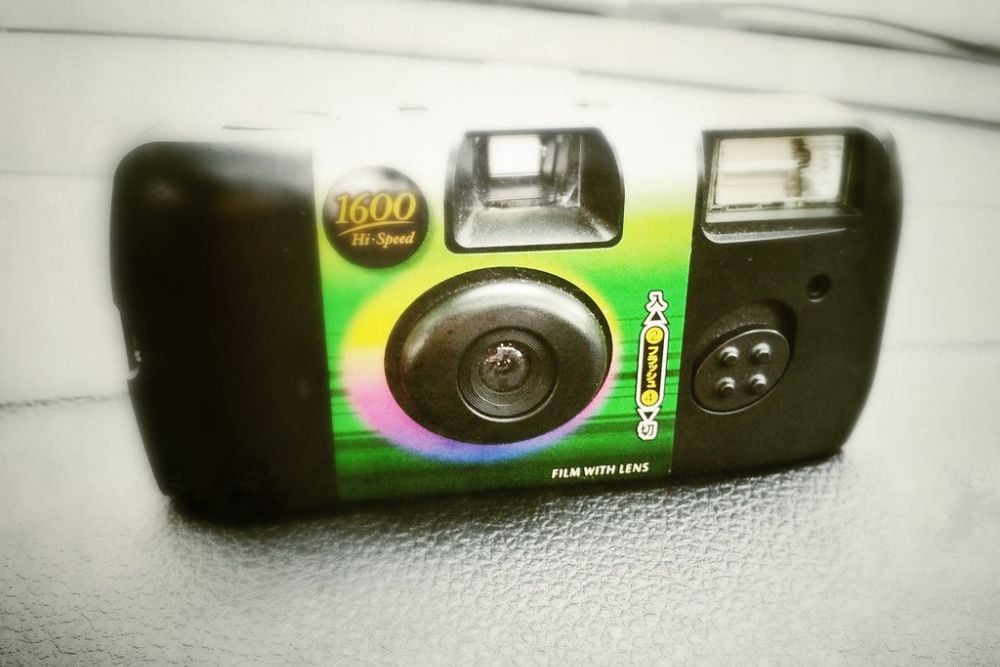
These plastic, single-use devices became ubiquitous at weddings, tourist spots, and special occasions throughout the 1990s. Users would capture 27 exposures, then submit the entire camera for developing and printing.
Smartphone cameras combined with digital photography eliminated any practical need for these environmentally wasteful products. The market collapsed so dramatically that Kodak, once producing millions annually, filed for bankruptcy protection in 2012, partially due to failing to adapt quickly enough to digital technology.
Palm Pilots

These personal digital assistants transformed organization for busy professionals during the late 1990s and early 2000s. Users managed calendars, contacts, and notes on pocket-sized devices featuring stylus interfaces and monochrome screens.
The smartphone revolution following the iPhone’s 2007 introduction made dedicated PDAs redundant almost immediately. Palm’s inability to transition effectively to the smartphone era resulted in its acquisition and eventual disappearance from the market entirely.
Typewriter Correction Fluid
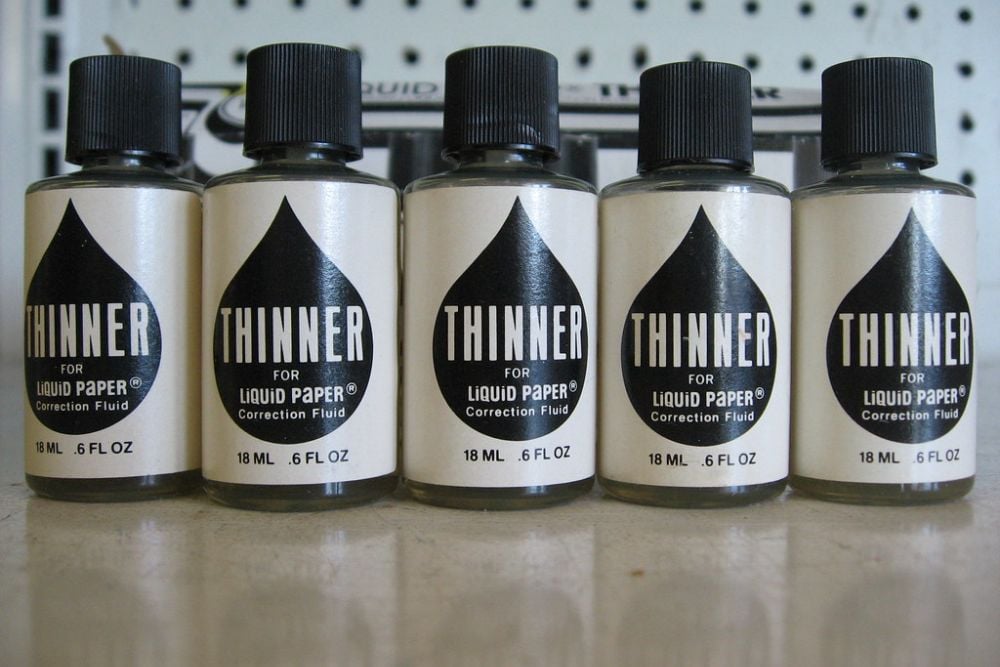
White correction products allowed typists to cover mistakes on paper documents, requiring a brief drying period before typing could resume. The widespread adoption of word processors and computers eliminated the need for physical correction methods when digital editing became standard practice.
Major brands like Liquid Paper and Wite-Out continue to exist but have watched their market shrink dramatically, with most current office workers having never used these formerly indispensable products.
When Technology Moves Forward
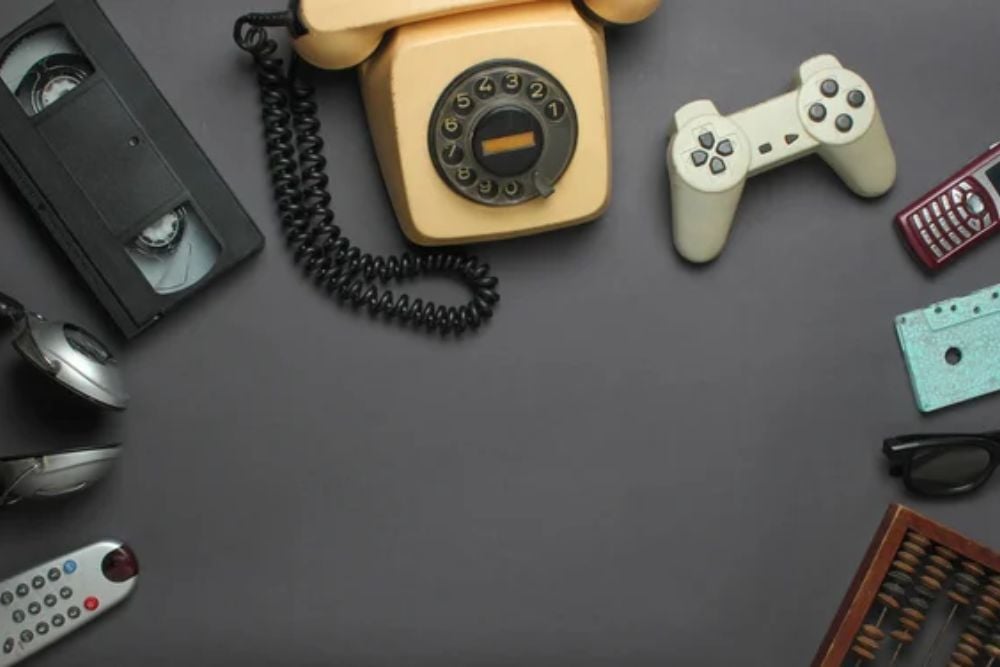
These product disappearances demonstrate the sometimes brutal speed of consumer habit changes. Many companies behind these obsolete items failed to innovate or pivot effectively, becoming cautionary business examples. What’s remarkable is how products once considered absolute necessities can transform into completely unnecessary relics within just a few years.
Finding one of these forgotten items while cleaning out storage spaces offers tangible reminders of how quickly technology reshapes daily life. Today’s household essentials might well become tomorrow’s outdated curiosities, gathering dust before eventually being discarded or recycled as the cycle of innovation continues unabated.
More from Go2Tutors!

- The Romanov Crown Jewels and Their Tragic Fate
- 13 Historical Mysteries That Science Still Can’t Solve
- Famous Hoaxes That Fooled the World for Years
- 15 Child Stars with Tragic Adult Lives
- 16 Famous Jewelry Pieces in History
Like Go2Tutors’s content? Follow us on MSN.