15 Home Repair Tricks That Actually Make Things Worse
Every homeowner has been there—staring at a broken fixture or damaged surface, convinced they can fix it themselves with some clever DIY trick they found online. The internet is packed with ‘brilliant’ home repair hacks that promise quick fixes and easy solutions.
Unfortunately, many of these well-intentioned shortcuts end up creating bigger problems than the original issue. What seems like a money-saving solution often turns into an expensive lesson in why professionals exist.
Here’s a list of 15 home repair tricks that actually make things worse instead of better.
Using Duct Tape on Plumbing Leaks

Duct tape might seem like the ultimate fix-all solution, but slapping it on a leaking pipe is asking for trouble down the road. The adhesive breaks down when exposed to moisture and temperature changes, which means that ‘temporary’ fix becomes a ticking time bomb.
Water pressure will eventually win this battle, often causing the leak to spread to areas that were previously fine, turning a simple repair into a major plumbing emergency.
Pouring Grease Down the Drain with Hot Water

This popular kitchen hack suggests that running hot water while pouring grease down the drain will keep everything flowing smoothly. The reality is much messier—once that grease travels through your pipes and cools down, it solidifies and creates blockages that are far worse than anything you started with.
Professional drain cleaning becomes necessary when what should have been a simple grease disposal turns into a completely clogged system.
Hammering Bent Nails Straight

When a nail bends during installation, the natural instinct is to hammer it back into shape and keep going. This seemingly logical approach actually weakens the nail’s structural integrity significantly, making it prone to breaking under normal stress.
A bent nail that’s been straightened often fails at the worst possible moment, potentially causing whatever you’re building to come apart when you least expect it.
Mixing Different Paint Types for Color Matching
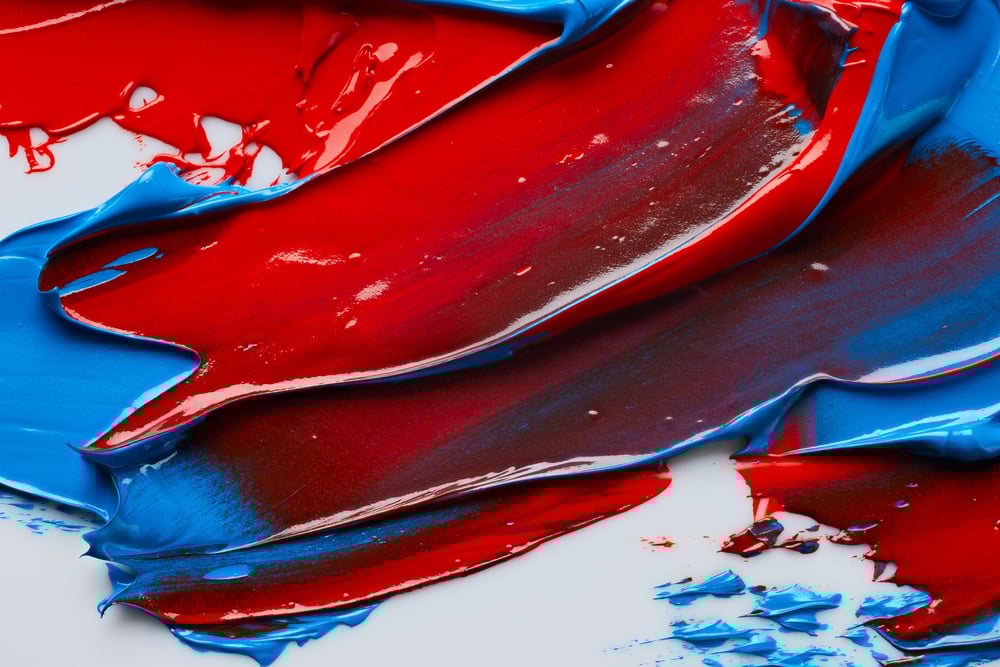
Combining leftover latex and oil-based paints to achieve the right color might seem resourceful, but these formulations are chemically incompatible. The mixture won’t adhere properly to surfaces and will likely peel, bubble, or create an uneven texture that looks worse than leaving the wall unfinished.
Professional paint matching exists for good reason—it prevents the headache of having to strip and start over completely.
Using Steel Wool on Stainless Steel

Despite the name similarity, steel wool and stainless steel don’t play well together. The abrasive action scratches the protective coating that gives stainless steel its corrosion resistance, leaving permanent marks that can’t be buffed out.
Those scratches become magnets for bacteria and stains, turning what should have been a simple cleaning job into a replacement situation for expensive appliances or fixtures.
Caulking Over Old Caulk
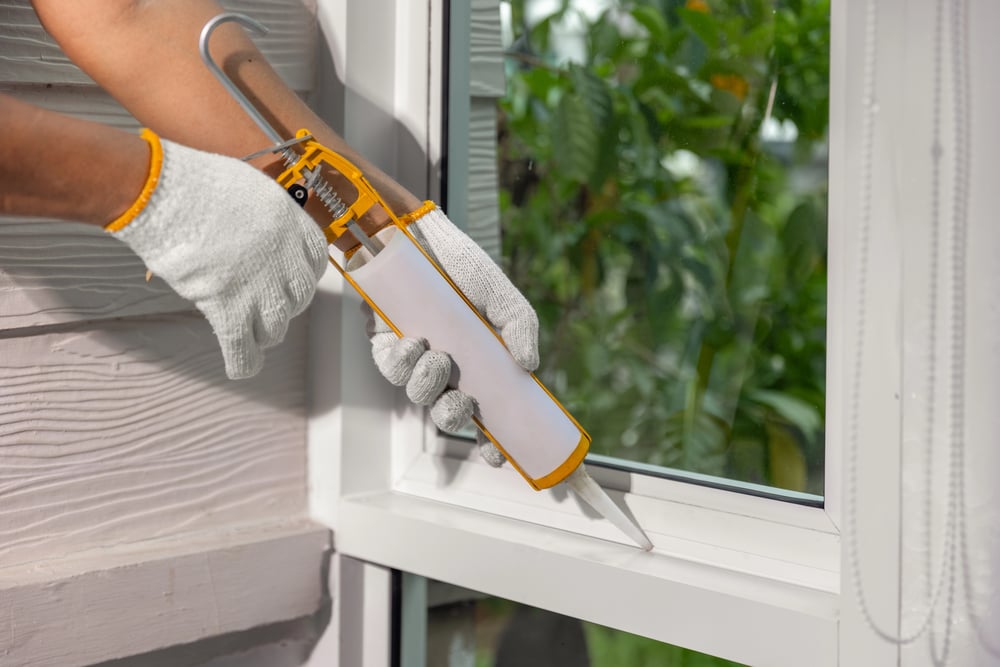
Layering new caulk over deteriorating old caulk seems efficient, but it creates a breeding ground for mold and moisture problems. The old caulk continues to break down underneath, causing the new layer to fail prematurely while trapping moisture in between.
This approach often results in having to remove multiple layers of caulk later, making what should have been a straightforward recaulking job into a major scraping and cleaning project.
Using a Bigger Fuse or Breaker
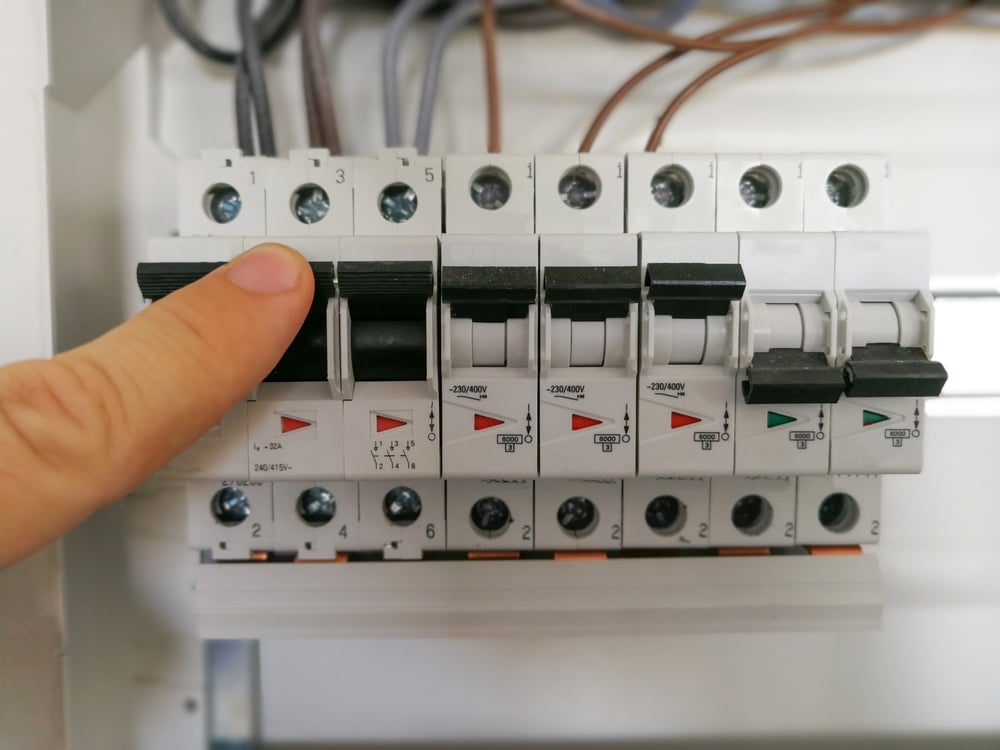
When fuses blow or breakers trip repeatedly, installing a higher-rated replacement might seem like a logical solution to the problem. This dangerous shortcut bypasses electrical safety systems that are designed to protect your home from fire hazards.
The wiring wasn’t designed to handle the increased load, which means you’re essentially removing the safety net that prevents electrical fires from starting in your walls.
Patching Roof Leaks from Inside Only
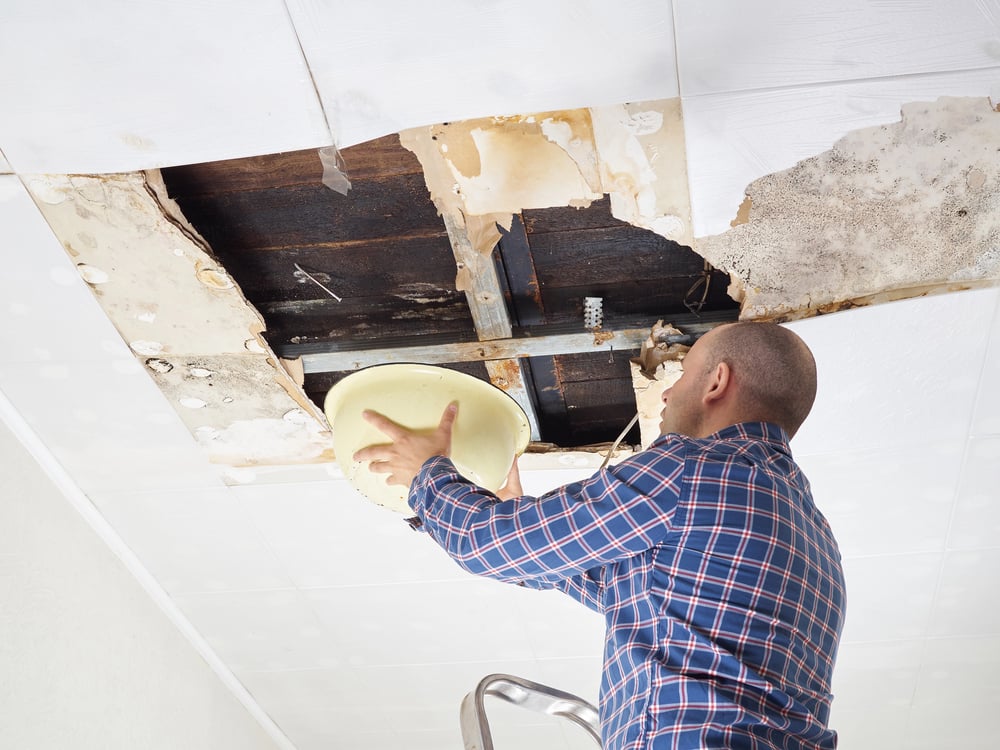
Applying roofing cement or patches to the underside of roof decking might stop water from dripping into your living space temporarily. However, this approach doesn’t address the actual source of the leak, allowing water to continue entering your roof system and causing rot, mold, and structural damage.
Interior patches often just redirect water to other areas, creating multiple leak points where there was originally only one.
Over-Tightening Bolts and Screws
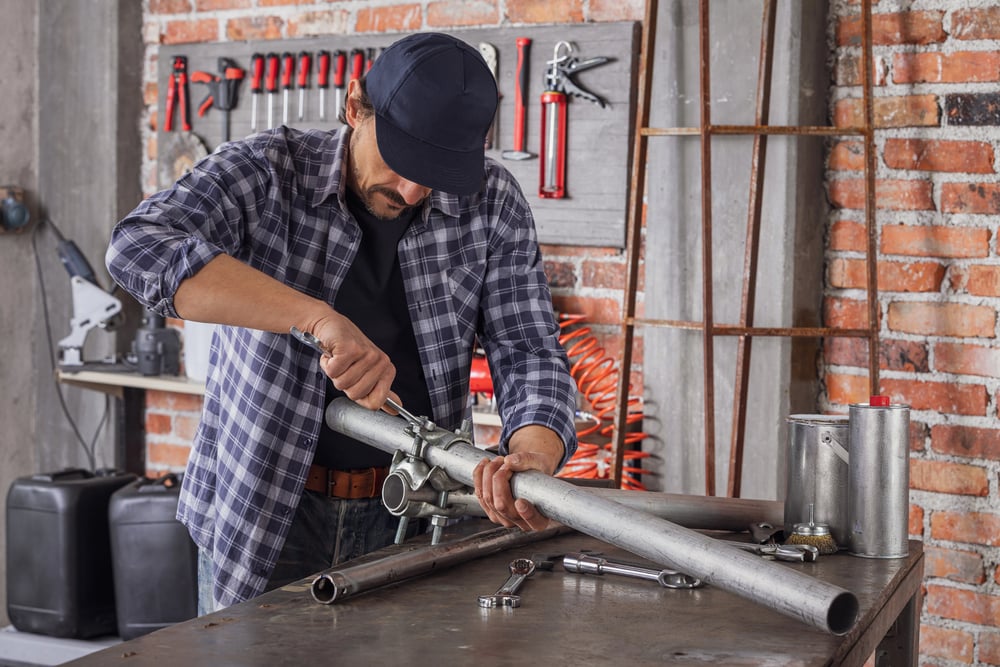
The assumption that tighter always means better leads many DIYers to over-torque fasteners during repairs and installations. Excessive force can strip threads, crack materials, or snap bolt heads completely off, creating a much more complicated repair situation.
Getting a broken bolt out of a stripped opening often requires drilling, re-tapping, or using specialized extraction tools that cost more than the original repair would have.
Using Expanding Foam for Everything

Spray foam’s ability to fill gaps makes it tempting to use for all sorts of repairs, but this versatile material can cause serious problems when misapplied. The foam continues expanding after application and can warp door frames, crack foundation walls, or interfere with mechanical systems.
What starts as a simple insulation job can turn into major structural repairs when the foam’s expansion force exceeds what surrounding materials can handle.
Ignoring Water Damage While Painting Over It
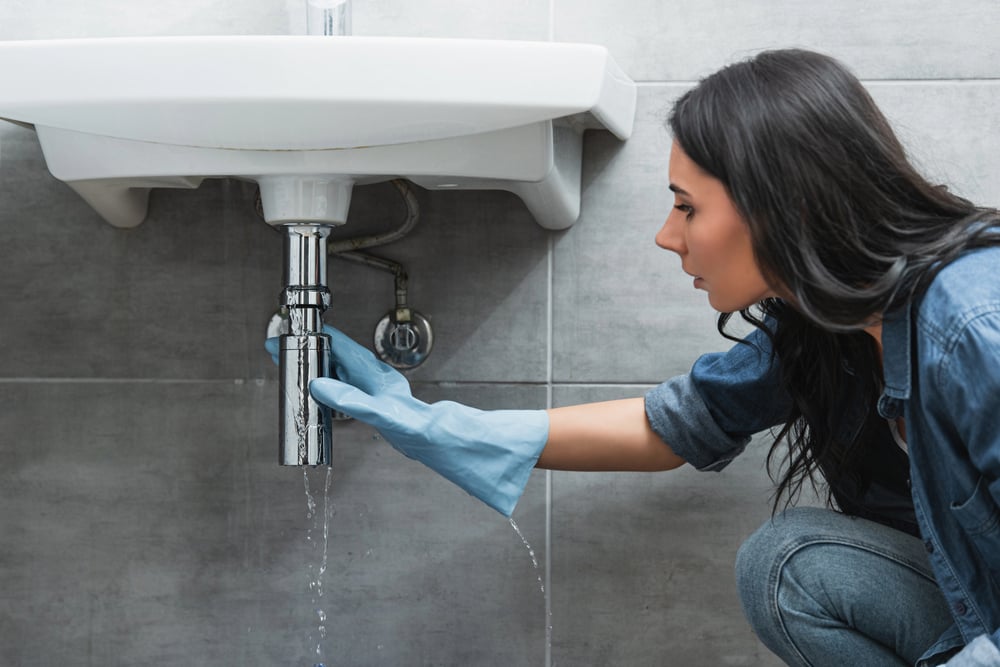
Covering water stains with regular paint might hide the visual problem temporarily, but it doesn’t address the underlying moisture issue that caused the staining. The stains will seep through most standard paints within weeks or months, often looking worse than before.
Meanwhile, the moisture source continues causing damage behind the scenes, potentially leading to mold growth and structural problems that require extensive remediation.
DIY Electrical Work Without Permits
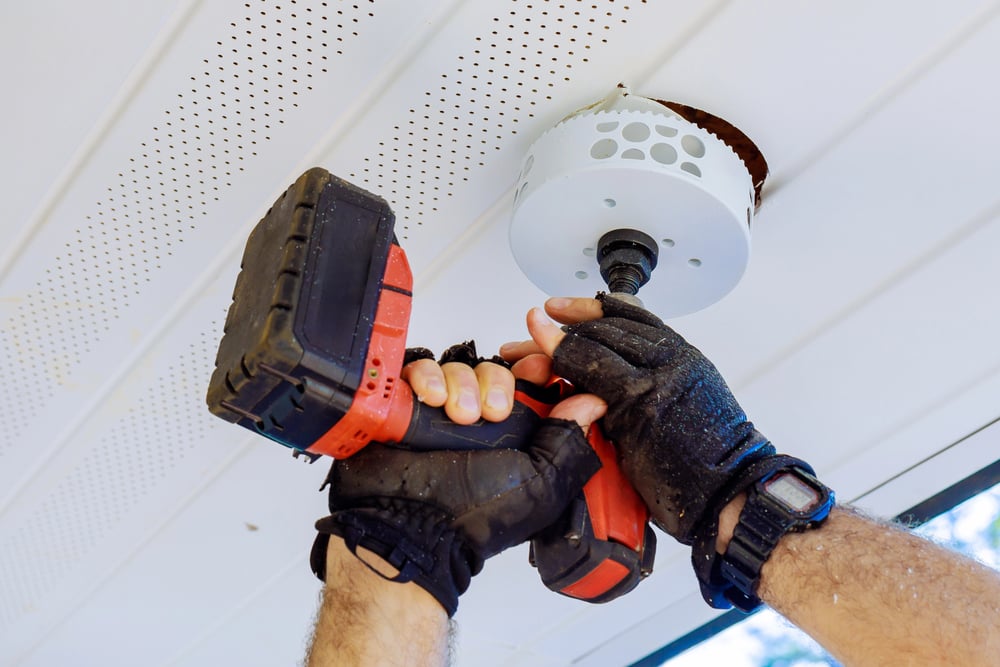
Skipping permits for electrical work seems like an easy way to save money and avoid bureaucratic hassles. However, unpermitted electrical work can void your homeowner’s insurance coverage and create serious liability issues if problems arise later.
Insurance companies may refuse to cover fire damage that resulted from unpermitted electrical modifications, leaving you financially responsible for potentially devastating losses.
Using Wrong Adhesives for Materials

Grabbing whatever glue or adhesive is handy might seem practical, but different materials require specific bonding agents to create lasting repairs. Using construction adhesive on materials that need flexible sealants, or vice versa, often results in bonds that fail under normal stress and temperature changes.
The repair falls apart quickly, often taking more of the original material with it than was damaged initially.
Pressure Washing Everything at High Settings
The power of pressure washers makes them seem perfect for cleaning any outdoor surface, but excessive pressure can cause permanent damage to many materials. High-pressure water can strip paint, gouge wood, crack mortar joints, and force water into areas where it doesn’t belong.
Surfaces that looked dirty but functional before pressure washing often end up needing complete refinishing or replacement after overzealous cleaning attempts.
Mixing Cleaning Chemicals for Extra Power

Combining different cleaning products to create a ‘super cleaner’ can produce dangerous chemical reactions that are both ineffective and hazardous. Mixing bleach with ammonia-based cleaners creates toxic chloramine gas, while other combinations can cause burns, respiratory problems, or damage to the surfaces being cleaned.
Professional cleaning products are formulated to work safely on their own, without the need for dangerous experimentation.
When Quick Fixes Become Expensive Problems
These seemingly clever shortcuts demonstrate why professional repair methods exist in the first place. What appears to be a simple, money-saving solution often creates cascading problems that cost far more to fix than the original issue would have required.
The time and money spent on materials for these ‘quick fixes’ frequently exceeds what a proper repair would have cost initially. Understanding why certain repair methods are recommended—and why others should be avoided—can save homeowners from turning minor maintenance issues into major renovation projects that strain both budgets and patience.
More from Go2Tutors!

- The Romanov Crown Jewels and Their Tragic Fate
- 13 Historical Mysteries That Science Still Can’t Solve
- Famous Hoaxes That Fooled the World for Years
- 15 Child Stars with Tragic Adult Lives
- 16 Famous Jewelry Pieces in History
Like Go2Tutors’s content? Follow us on MSN.