15 Iconic Ships That Shaped Maritime History
Throughout human civilization, certain vessels have transcended their original purpose to become legends that defined entire eras. From ancient trading routes to modern warfare, these ships didn’t just sail—they transformed how nations fought, explored, and connected with one another.
Here are 15 iconic ships that fundamentally altered the course of maritime history and, in many cases, the destiny of civilizations themselves.
Trireme
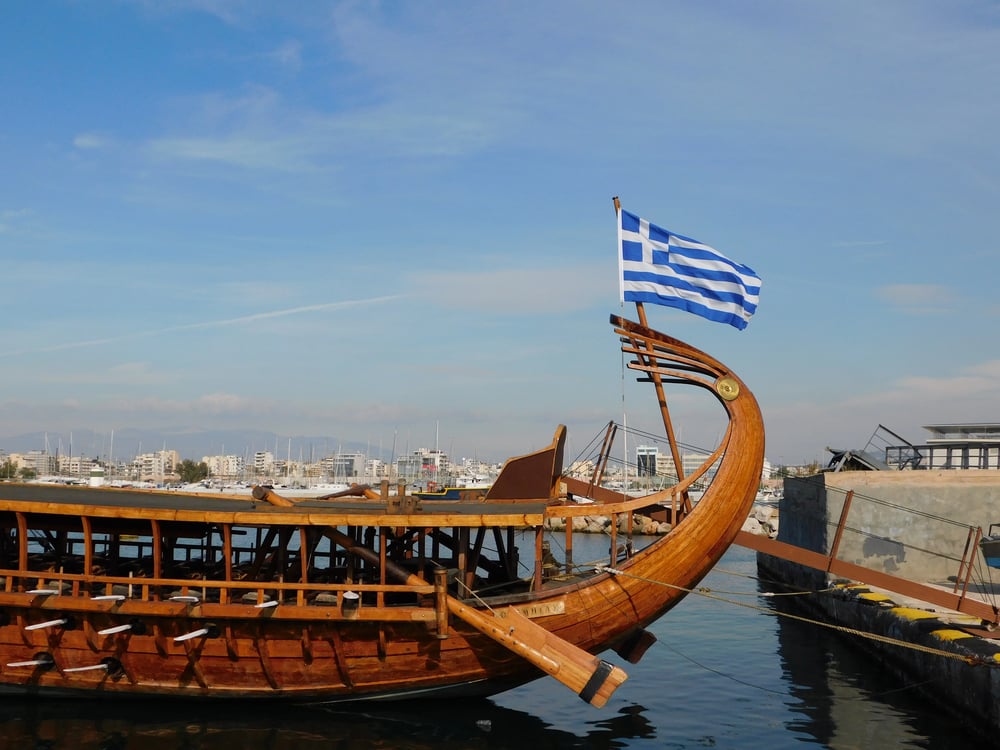
The ancient Greeks perfected naval warfare with this sleek warship around the 5th century BCE. Three rows of oars powered the vessel through Mediterranean waters at remarkable speeds for its time.
But the real innovation was the bronze ram mounted at the bow. This weapon could punch through enemy hulls with devastating effect. The trireme’s design influenced naval architecture for centuries and helped establish Athens as a dominant maritime power.
Viking Longship
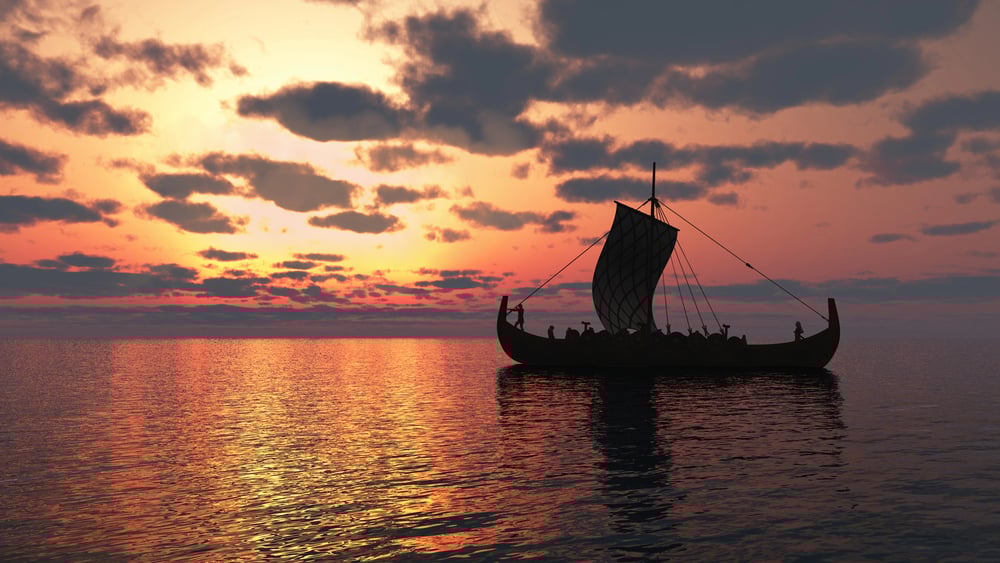
These shallow-draft vessels revolutionized exploration and conquest between the 8th and 11th centuries. Vikings could navigate both open seas and rivers, appearing suddenly where enemies least expected them.
The ships’ flexible construction allowed them to bend with waves rather than break. And their symmetrical design meant they could reverse direction without turning around. Perfect for quick raids and even quicker escapes.
Santa María
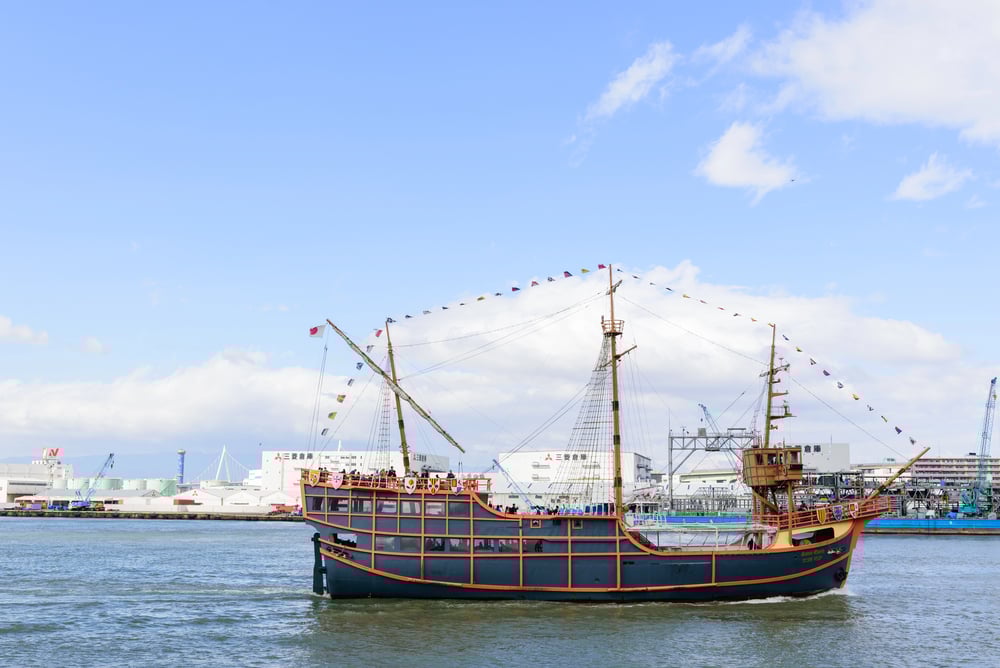
Columbus’s flagship carried more than just crew and supplies to the New World in 1492. It transported European ambition, disease, and ultimately an entirely different way of life to the Americas.
The ship itself was unremarkable—a typical carrack of its era. But its voyage connected two hemispheres that had remained separate for millennia. The smell of salt spray and unknown spices would soon become familiar to countless explorers who followed Columbus’s wake.
Golden Hind
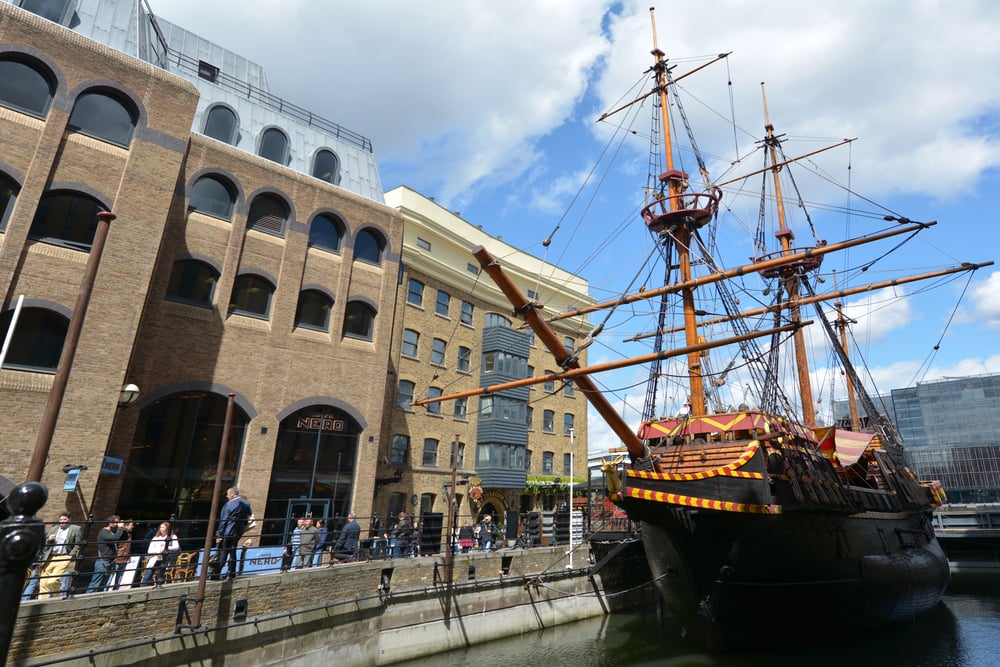
Sir Francis Drake’s vessel completed the second circumnavigation of the globe between 1577 and 1580. More importantly for England, it returned loaded with Spanish treasure that helped fund the nation’s growing naval ambitions.
Drake’s success proved that English ships could challenge Spanish dominance on the high seas. The Golden Hind became a symbol of English maritime prowess and royal approval of what was essentially state-sponsored piracy.
Mayflower

This merchant vessel carried 102 Pilgrims to Plymouth Rock in 1620, establishing one of the first permanent European settlements in North America. The ship wasn’t designed for passenger transport, making the journey particularly harsh for its human cargo.
Still, the Mayflower’s voyage represented a new type of colonization—driven by religious conviction rather than just economic opportunity. The descendants of its passengers would eventually shape an entire continent.
HMS Victory
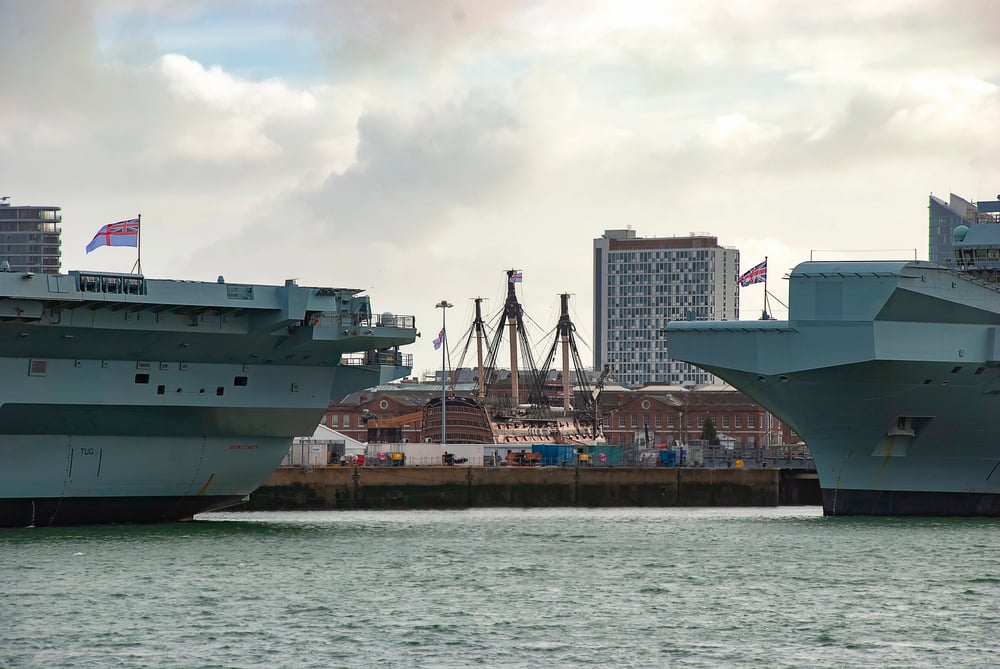
Lord Nelson’s flagship at the Battle of Trafalgar in 1805 secured British naval supremacy for over a century. The ship’s three decks carried 104 guns and a crew of more than 800 men.
Victory’s design represented the pinnacle of wooden warship construction. Its victory over the combined French and Spanish fleets established Britain as the undisputed ruler of the seas. The ship still floats today in Portsmouth, a testament to both its construction and historical significance.
USS Constitution
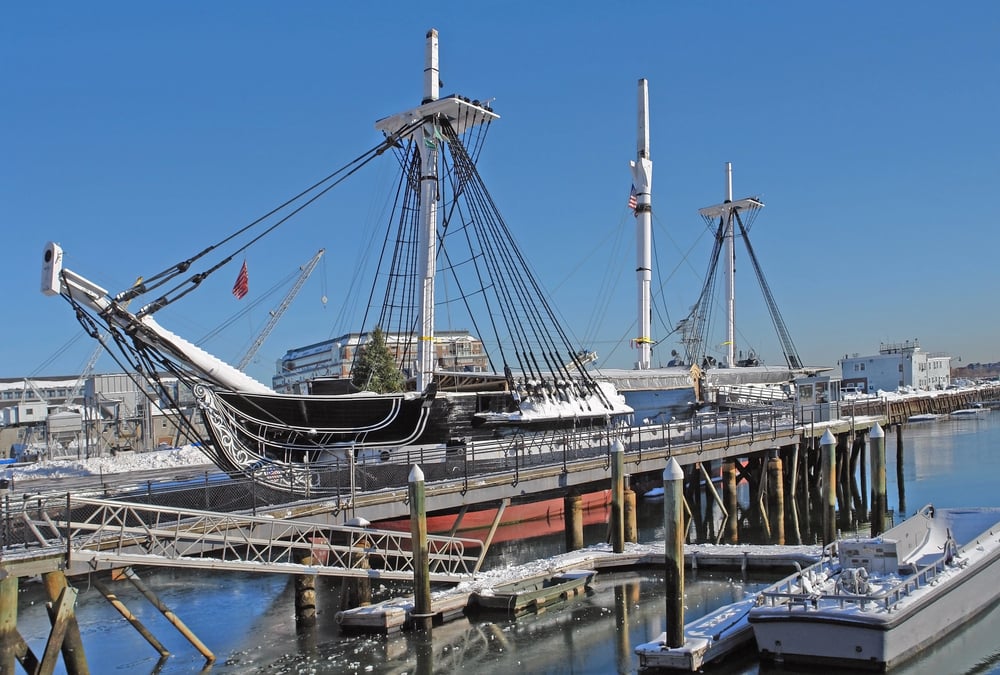
“Old Ironsides” earned its nickname during the War of 1812 when British cannonballs seemed to bounce off its thick oak hull. The ship’s success helped establish American naval credibility and boosted morale during a challenging conflict.
The Constitution proved that American shipbuilders could match European craftsmanship. Its victories against British frigates demonstrated that the young United States Navy could hold its own against the world’s premier maritime force.
HMS Beagle
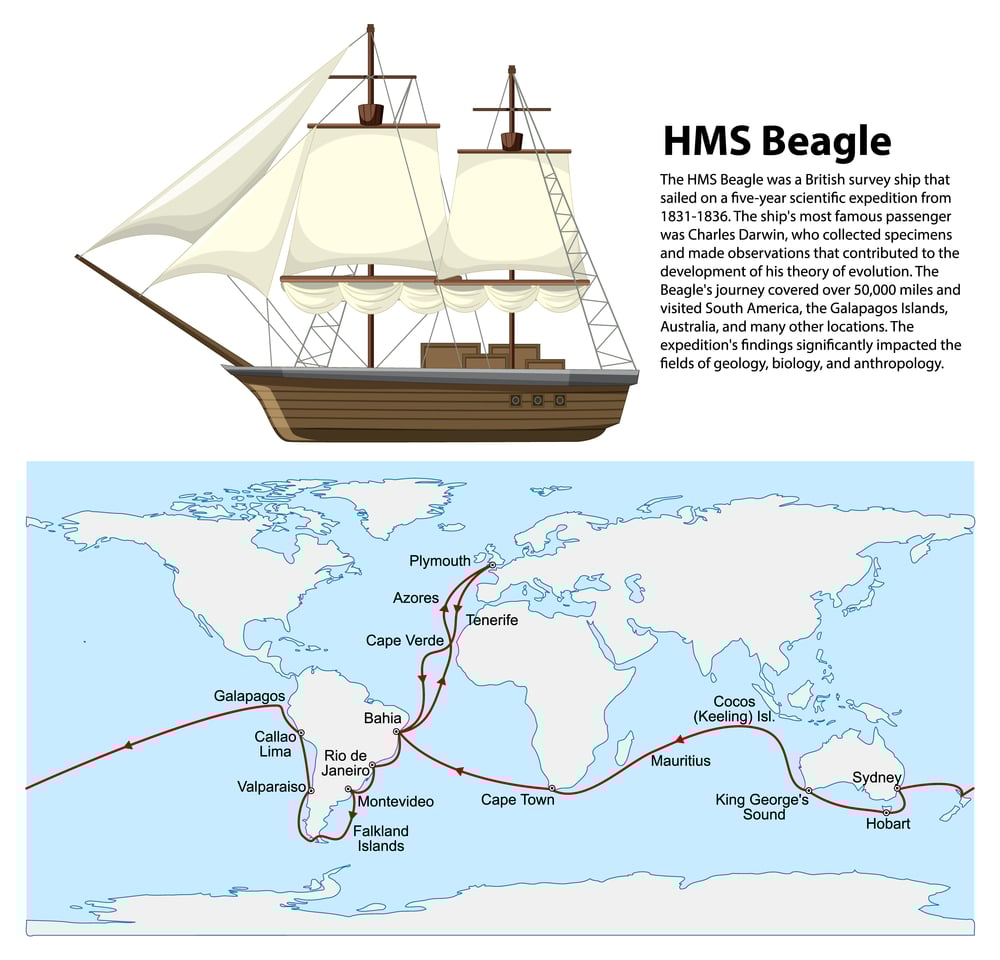
Charles Darwin sailed aboard this survey ship from 1831 to 1836, gathering observations that would revolutionize scientific understanding. The vessel’s mission was mapping, but its most significant cargo turned out to be ideas.
Darwin’s experiences in the Galápagos and other remote locations provided evidence for his theory of evolution. The Beagle didn’t just chart coastlines—it helped chart the course of modern biology.
Clermont
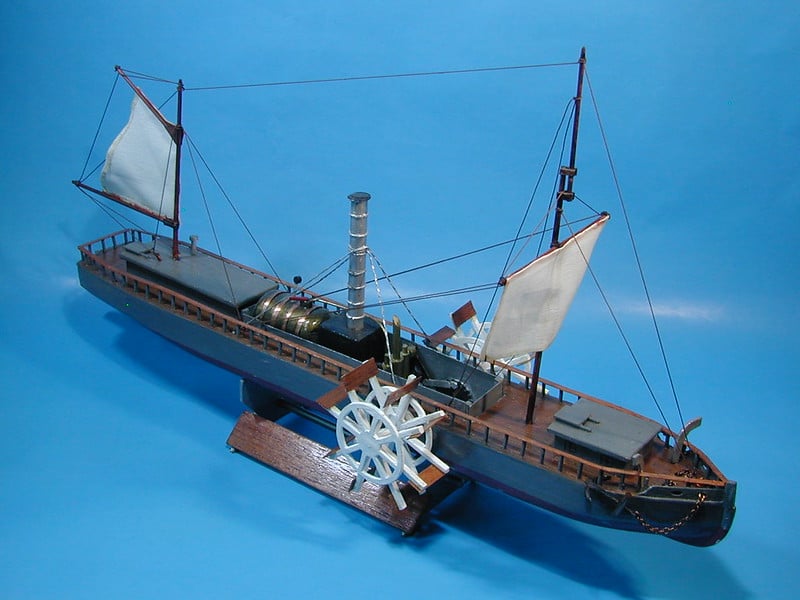
Robert Fulton’s steamboat inaugurated the age of mechanized water transport in 1807. The vessel’s successful run between New York City and Albany proved that steam power could reliably move passengers and cargo.
And suddenly, rivers became highways flowing in both directions. The Clermont’s design influenced steamboat development worldwide, transforming river commerce and passenger travel. Its paddle wheels churned up more than just water—they stirred up an entire transportation revolution.
HMS Warrior
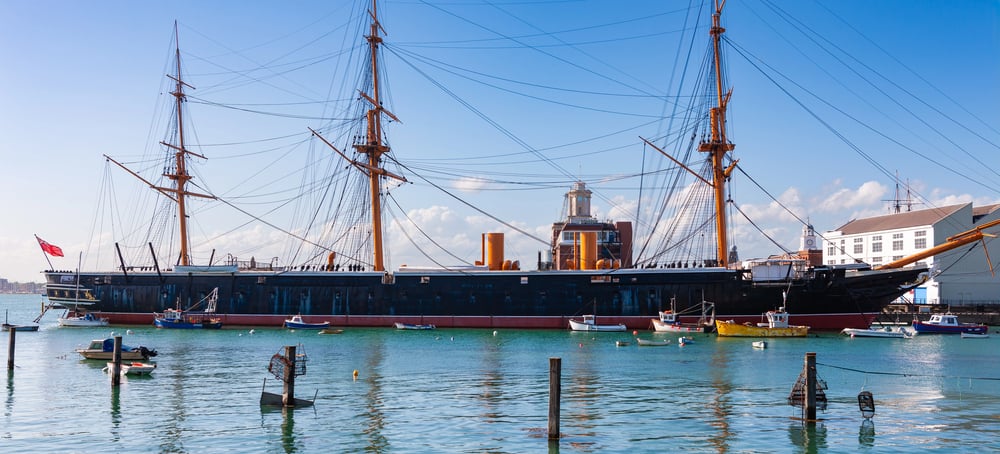
Launched in 1860, this ironclad warship made every wooden vessel instantly obsolete. Its iron armor could withstand the heaviest naval guns of the era, while its own rifled cannons could penetrate traditional wooden hulls with ease.
The Warrior sparked a global arms race as navies scrambled to build their own ironclads. Within a decade, wooden warships had virtually disappeared from major naval forces.
Maritime warfare would never be the same.
CSS Virginia (Merrimack)
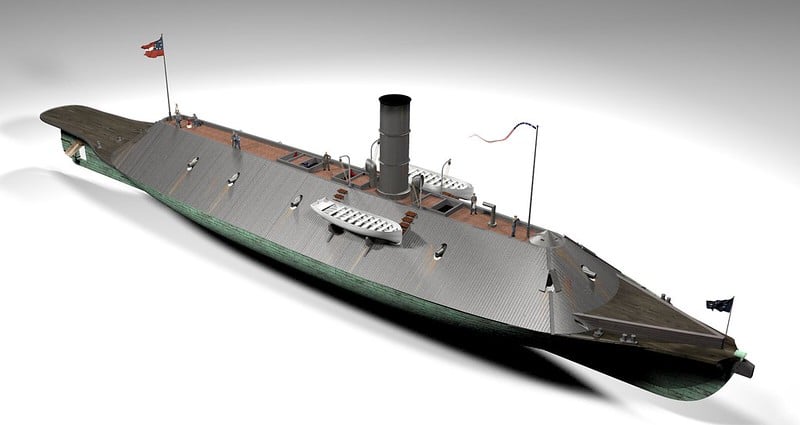
This Confederate ironclad’s clash with the USS Monitor in 1862 marked the first battle between armored warships. The engagement ended in a draw, but both vessels demonstrated that the age of wooden warships had definitively ended.
The Virginia’s sloped armor deflected Union shots like rain off a roof. Though the ship had a short career, its design influenced ironclad construction on both sides of the Atlantic.
Naval architects suddenly had to rethink everything they thought they knew about warship design.
RMS Titanic
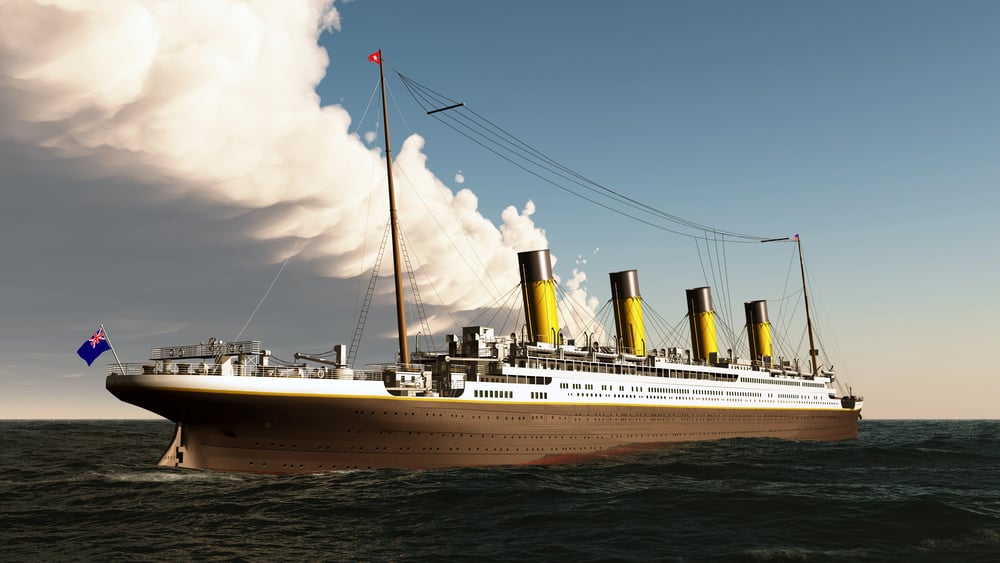
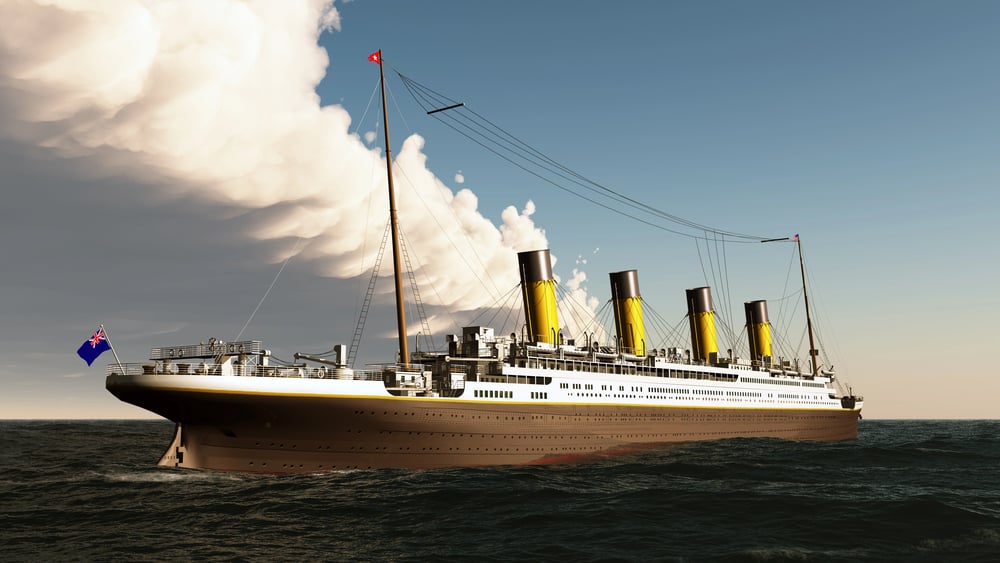
The “unsinkable” ship’s tragic fate in 1912 exposed the dangers of overconfidence in technology. More than 1,500 people died when the supposedly invulnerable vessel struck an iceberg and sank in less than three hours.
But the disaster led to crucial maritime safety reforms: • International ice patrol services • 24-hour radio watches • Sufficient lifeboats for all passengers and crew • Regular safety drills
The Titanic’s legacy isn’t just tragedy—it’s the comprehensive safety regulations that protect maritime passengers today.
USS Arizona
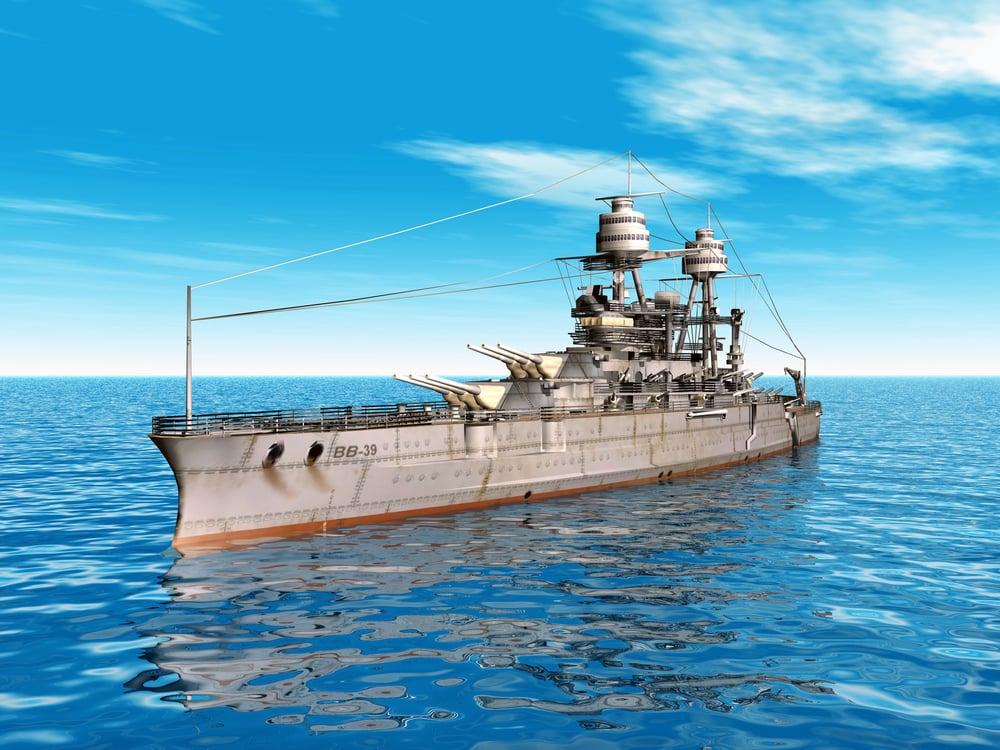
This battleship’s destruction at Pearl Harbor on December 7, 1941, symbolized America’s entry into World War II. The surprise attack killed 1,177 crew members and galvanized American public opinion against Japan.
The Arizona’s burning hull became an iconic image of the “date which will live in infamy.” The ship’s sacrifice helped transform the United States from a reluctant participant into the arsenal of democracy. Today, the memorial above its sunken hull reminds visitors that freedom often requires the ultimate sacrifice.
USS Nautilus
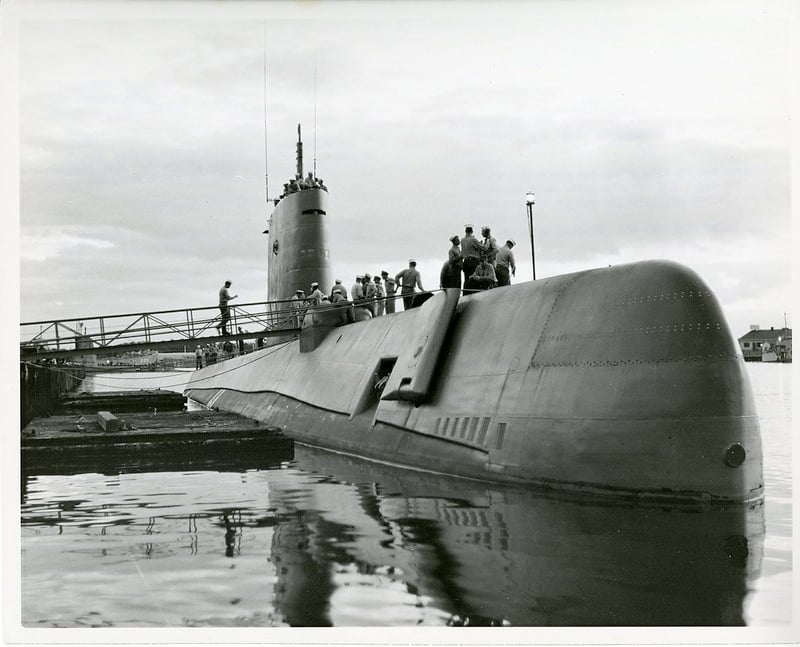
The world’s first nuclear-powered submarine revolutionized underwater warfare when it launched in 1954. The vessel could remain submerged for weeks rather than hours, fundamentally changing naval strategy and Cold War dynamics.
Nuclear propulsion meant submarines no longer needed to surface regularly for air and battery charging. The Nautilus proved this technology worked by traveling under the North Pole in 1958—a feat impossible for conventional submarines. Suddenly, the ocean depths became a new frontier for military competition.
Ever Given
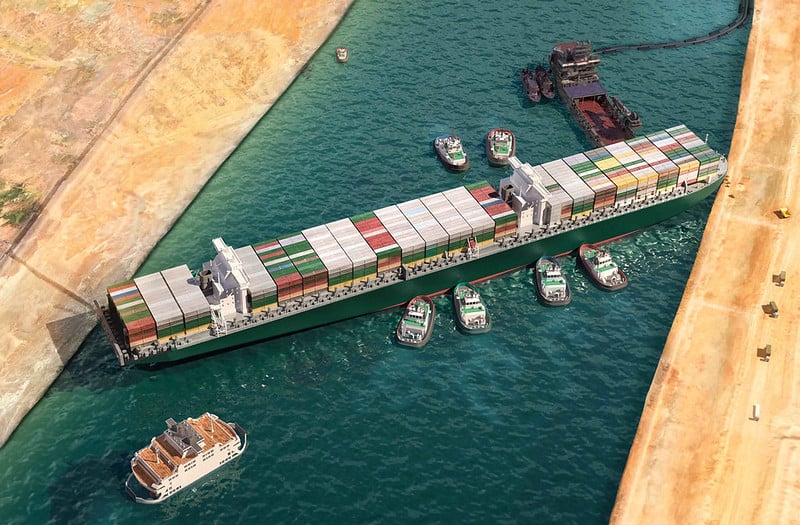
This massive container ship’s accidental grounding in the Suez Canal in 2021 demonstrated how vulnerable global trade had become to single points of failure. For six days, one sideways vessel blocked approximately $9.6 billion worth of trade per day.
The incident revealed the fragility of just-in-time manufacturing and global supply chains. Modern commerce moves on ships larger than most people can imagine, carrying goods that connect every corner of the world. When one breaks down, everyone feels it.
Vessels of Change
These ships didn’t just carry cargo, passengers, or weapons—they transported the future itself across the world’s oceans. Each vessel represents humanity’s endless drive to explore, conquer, trade, and connect across the vast distances that separate us.
More from Go2Tutors!

- The Romanov Crown Jewels and Their Tragic Fate
- 13 Historical Mysteries That Science Still Can’t Solve
- Famous Hoaxes That Fooled the World for Years
- 15 Child Stars with Tragic Adult Lives
- 16 Famous Jewelry Pieces in History
Like Go2Tutors’s content? Follow us on MSN.