15 Most Stylish Olympic Team Uniforms
The Olympics showcase athletic excellence, but they’ve also become fashion’s biggest global stage. From the opening ceremony parade down the Seine in Paris to the podium moments that define careers, Olympic uniforms tell stories about national identity, cultural heritage, and cutting-edge design.
The relationship between fashion and the Olympics has grown stronger each year. Luxury brands like Ralph Lauren, Giorgio Armani, and LVMH houses see the Games as prime marketing opportunities, while countries use uniforms to project their values and creativity to billions of viewers.
The best designs manage to honor tradition while pushing boundaries, creating memorable moments that outlast the competitions themselves. Here is a list of 15 most stylish Olympic team uniforms.
Mongolia’s Viral Deel Collection (Paris 2024)

Team Mongolia completely stole the show at Paris 2024 with uniforms that became an instant internet sensation. Designed by sisters Michel, Amazonka, and Munkhjargal Choigaalaa of Michel & Amazonka, these stunning outfits drew inspiration from traditional Mongolian dress called a deel.
Each uniform took an average of 20 hours to make and featured intricate embroidery with deep cultural meaning – birds representing freedom, mountains symbolizing hard work, and gold accents for elegance. The collection included four different looks for flag bearers and athletes, with embroidered vests prominently displaying ‘Go Mongolia Team’ in beautiful traditional styling.
Haiti’s Artistic Masterpiece (Paris 2024)

Italian-Haitian designer Stella Jean created what many fashion experts called the most stunning uniforms of Paris 2024. The collection featured artwork by Haitian painter Philippe Dodard woven into flowing A-line skirts for women and matching pants for men.
Women wore traditional chambray shirts made from Haiti’s signature ‘blue cotton,’ a craft that’s slowly disappearing. The men’s jackets drew inspiration from classic Haitian Guayabera shirts, and every piece was constructed from recycled fabrics – not for trendy sustainability, but because reusing materials is both tradition and necessity in Haiti.
Like Go2Tutors’s content? Follow us on MSN.
Team USA’s Classic Ralph Lauren (Paris 2024)

For the ninth consecutive Olympics, Ralph Lauren dressed Team USA in preppy American style. The opening ceremony look featured navy wool blazers with red and white trim, striped oxford shirts, navy knit ties, and light denim jeans – a perfectly polished take on classic Americana.
The closing ceremony switched to a more casual vibe with sporty moto-style jackets featuring USA patch details and white denim. Ralph Lauren’s designs always manage to feel both timeless and contemporary, representing American fashion heritage on the world’s biggest stage.
France’s Berluti Elegance (Paris 2024)

As the host nation, France needed uniforms worthy of the fashion capital of the world. Luxury house Berluti delivered tuxedo-inspired outfits that redefined formal Olympic wear.
The pieces featured innovative construction using cold wool and Lycra blends that stayed wrinkle-free and comfortable during long ceremonies. Athletes from Team France were consulted throughout the design process, ensuring the clothes looked incredible while actually being practical to wear.
Team Italy’s Armani Legacy (Beijing 2022)

Giorgio Armani has been dressing Italy’s Olympic teams since 2012, but his Beijing 2022 designs reached new heights of drama. The nonagenarian designer transformed Italy’s tricolor flag into a striking cape with golden inscriptions of the national anthem printed inside, literally keeping the country’s values close to each athlete’s heart.
The combination of technical winter wear with high fashion theatricality created uniforms that were unmistakably Italian. Armani’s ongoing relationship with the team proves that great design partnerships only get better with time.
Like Go2Tutors’s content? Follow us on MSN.
Canada’s Lululemon Innovation (Paris 2024)

Vancouver-born athletic wear giant Lululemon created what they called ‘one of the most inclusive and adaptable collections yet’ for Team Canada. The designs came after extensive consultation with 19 Olympic and Paralympic athletes across 14 different sports.
Performance fabrics met avant-garde construction, with bespoke Canadian prints that celebrated the country’s identity. The collection solved athletes’ practical needs while keeping them stylish, proving that functional sportswear can be just as fashionable as traditional ceremonial uniforms.
Taiwan’s Artisan Collaboration (Paris 2024)
Designer Justin Chou of JUST IN XX created uniforms that felt like wearable art for Chinese Taipei. The collection featured stretchy, textured materials representing Taiwan’s oceans, cities, and mountains, with cooling properties that activated when in contact with water or sweat.
Chou collaborated with local artisans including Yen Yu-Ying, who created shoe tops from banana silk woven leather, and Lin Pei-ying, who handcrafted Taiwan’s national plum blossom flowers to adorn the coats. The repeated text pattern reading ‘Chinese Taipei’ and ‘Jiayou’ (encouragement) in crosshatch design made these uniforms as meaningful as they were beautiful.
Team Kenya’s Cultural Celebration (Tokyo 2020)

Kenyan designer Wanja Ngare created opening ceremony uniforms that perfectly captured her country’s vibrant spirit. The women wore violet-and-red gingham dresses with dramatic billowing capes and strappy sandals, while the men sported coordinating looks that honored traditional Maasai culture.
Ngare, known for incorporating prints, textiles, and silhouettes inspired by her heritage, created uniforms that felt both authentic and contemporary. The bold color combinations and flowing fabrics made Team Kenya impossible to miss during the parade of nations.
Like Go2Tutors’s content? Follow us on MSN.
Team Liberia’s Telfar Statement (Tokyo 2020)

Telfar Clemens, the genius behind the coveted ‘Bushwick Birkin’ bag, brought his unique design vision to Team Liberia’s Olympic uniforms. The collection featured bold, modern takes on traditional African silhouettes with contemporary cuts and unexpected details.
Clemens’ involvement marked a major moment for Black-owned fashion brands on the Olympic stage, and the uniforms perfectly reflected his brand’s mission of making luxury accessible and inclusive. The designs proved that emerging designers could create Olympic moments just as memorable as established fashion houses.
Team Lithuania’s Issey Miyake Classic (Barcelona 1992)

The 1992 Olympics marked Lithuania’s first games as an independent nation, and designer Issey Miyake created uniforms worthy of this historic moment – completely free of charge. Thanks to the team’s doctor, who was a huge fan of Miyake’s work, the Japanese design legend crafted uniforms that became instant classics.
The clean lines and innovative construction techniques that made Miyake famous were adapted for athletic wear, creating pieces that looked as futuristic then as they do now. These uniforms proved that great design transcends trends and becomes truly timeless.
Team USA’s Halston Heritage (Montreal 1976)

Long before Ralph Lauren’s reign, fashion icon Halston designed Team USA’s uniforms for both the summer and winter games of 1976. Instead of typical sportswear, Halston chose relaxed 70s suits with red ties for men and white zip-ups with red handbags and chic neckerchiefs for women.
The designs perfectly captured the sophisticated, disco-era glamour that defined American fashion in the mid-70s. These uniforms looked ready for the opening ceremony or a night at Studio 54, proving that Olympic fashion could be both patriotic and effortlessly cool.
Like Go2Tutors’s content? Follow us on MSN.
Team China’s Traditional Innovation (Beijing 2022)

As the host nation, China’s ANTA-designed uniforms needed to make a powerful statement. The collection came in three distinct themes: ‘Lucky Snow and Cloud,’ ‘Great Landscape,’ and ‘Flying Snow in Tang Dynasty.’
Each design incorporated traditional Chinese elements with cutting-edge technology, including self-heating underwear for the brutal Beijing winter. The uniforms used red and yellow to symbolize good fortune and happiness while incorporating advanced fabric technologies.
Team Turkey’s Vakko Luxury (Paris 2024)

Turkish luxury brand Vakko created uniforms that celebrated 100 years since Turkey’s first Olympic Games as a republic. The collection paired the country’s signature deep red with sky blue, representing peace and energy.
The designs included sleek tracksuits, knitted cropped blazers, pleated midi skirts, and stylized t-shirts that felt more like high-end fashion than typical athletic wear. The tricolor combinations reflected both Turkey’s flag and the dynamic spirit of contemporary Turkish design, proving that luxury fashion and Olympic spirit could work beautifully together.
Team Sierra Leone’s Labrum Design (Paris 2024)

London-based brand Labrum, founded by Sierra Leonean Foday Dumbuya, created uniforms that honored West African heritage with modern sophistication. The windbreakers featured striking white and cobalt blue prints inspired by cowrie shells, which historically symbolized wealth and prestige in African culture.
Dumbuya, who had previously designed Arsenal’s viral football kit, brought the same bold graphic sensibility to Olympic uniforms. The designs managed to be both deeply cultural and completely contemporary, representing the new generation of African designers making their mark on global fashion.
Like Go2Tutors’s content? Follow us on MSN.
Team Mexico’s Cultural Artistry (Paris 2024)
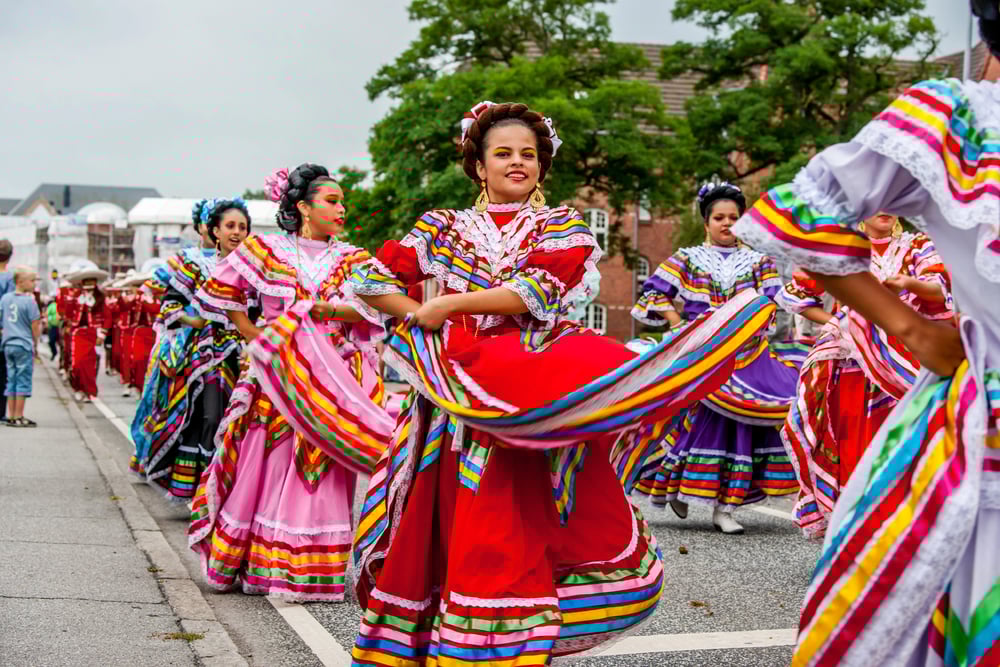
While Team Mexico’s complete uniform collection was relatively simple, their jackets became absolute standouts of Paris 2024. The black outerwear featured intricate drawings from the cities of Oaxaca, San Miguel de Allende, and Michoacán, turning each jacket into a wearable celebration of Mexican regional art.
Paired with black t-shirts representing El Ángel monument, which celebrates Mexico’s War of Independence centennial, the uniforms told powerful stories about Mexican identity and history. The artistic details proved that sometimes the most impactful fashion statements come from honoring local craftspeople and cultural traditions.
Fashion’s Olympic Future
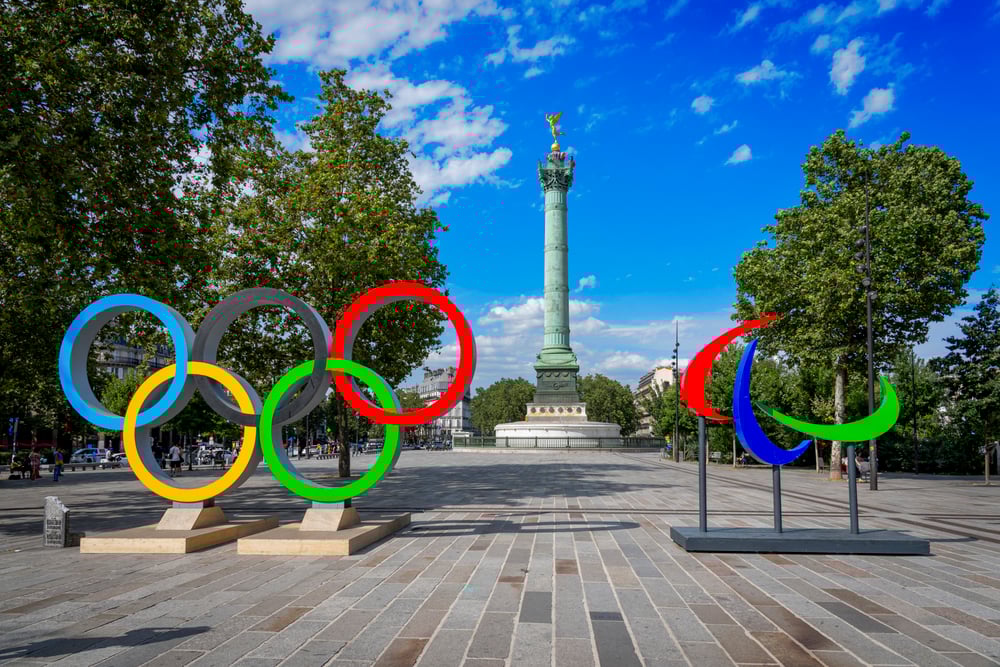
These fifteen uniforms represent the evolution of Olympic fashion from simple team colors to sophisticated cultural statements. The best designs honor their countries’ heritage while embracing innovation, creating moments that resonate far beyond the Games themselves.
As fashion houses continue competing for Olympic partnerships, we can expect even more boundary-pushing designs that blur the lines between sportswear, high fashion, and cultural diplomacy. The Olympics have become fashion’s most democratic runway, where traditional craftsmanship meets cutting-edge technology, and where every country gets their moment to shine on the world’s biggest stage.
More from Go2Tutors!

- 16 Historical Figures Who Were Nothing Like You Think
- 12 Things Sold in the 80s That Are Now Illegal
- 15 VHS Tapes That Could Be Worth Thousands
- 17 Historical “What Ifs” That Would Have Changed Everything
- 18 TV Shows That Vanished Without a Finale
Like Go2Tutors’s content? Follow us on MSN.