Sacred Sites With Strict Visitor Restrictions
Traveling the world means encountering places that hold deep meaning for millions of people. Some of these locations remain open to anyone who shows respect.
Others guard their sanctity behind walls, permits, and outright bans. The reasons vary—preservation, religious practice, cultural protection—but the message stays consistent: not everyone gets to enter.
These restrictions shape how you experience spirituality across cultures. They force you to reconsider what access really means and whether witnessing something sacred requires physical presence.
Mount Kailash Remains Untouched
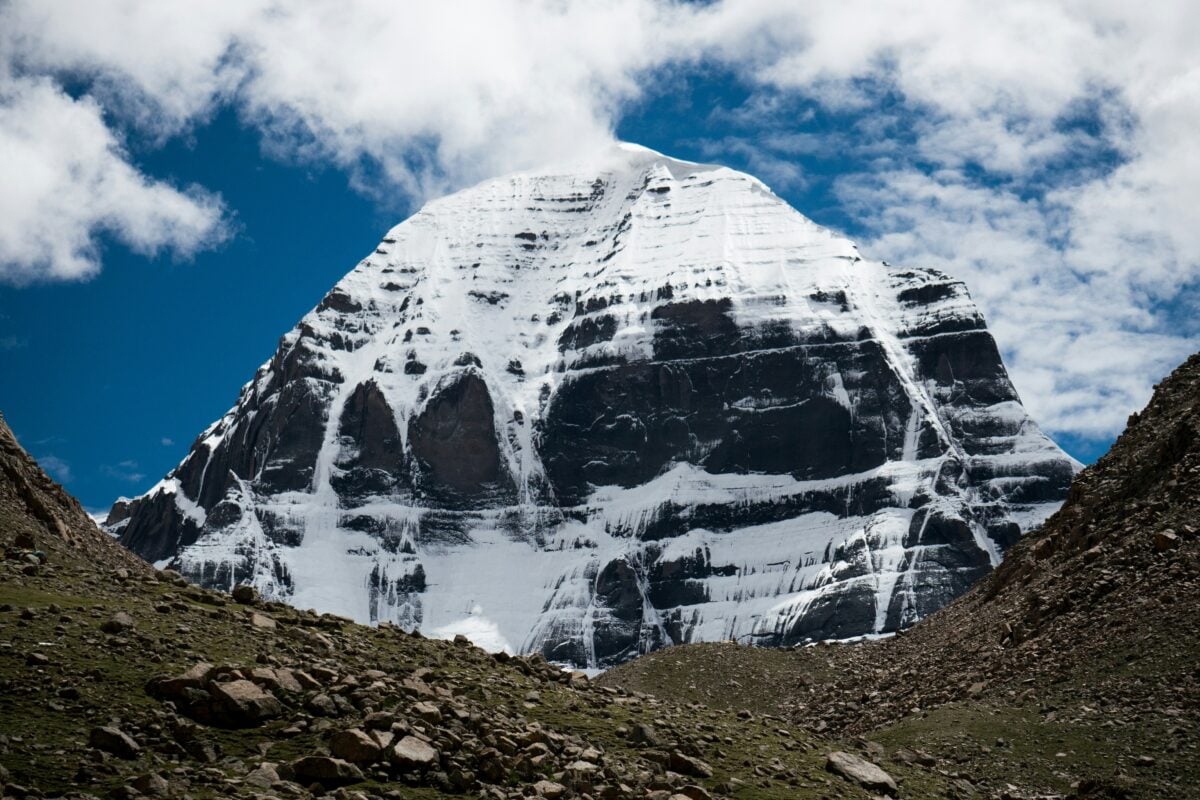
The Tibetan peak stands unclimbed despite its relatively modest height of 22,000 feet. Multiple religions consider it sacred—Hindus see it as Shiva’s throne, Buddhists connect it to enlightenment, and Jains link it to their first prophet.
China banned climbing attempts in the early 2000s after international pressure from religious groups. Pilgrims circle the mountain on foot, completing a 32-mile circuit that takes three days.
The path reaches altitudes that test your endurance, but thousands make the journey each year. You won’t find guided summit expeditions here.
The mountain remains purely a place of reverence, not conquest.
Ise Grand Shrine Hides in Plain Sight

Japan’s most sacred Shinto shrine sits in Mie Prefecture, but you can’t walk through its gates. The inner sanctums stay closed to everyone except priests and imperial family members.
The public can visit the outer grounds and peer at the structures from a distance, but the actual buildings remain off-limits. Every 20 years, craftsmen rebuild the entire shrine complex using traditional techniques.
This practice has continued for over 1,300 years. The wood comes from specific forests, cut and shaped without modern tools.
Even during reconstruction, access stays restricted. The architecture reflects perfection not meant for casual observation.
Lascaux Caves Lock Away Prehistoric Art

The original Lascaux caves in France closed to tourists in 1963. Carbon dioxide from human breath was destroying paintings that survived for 17,000 years.
What took millennia to preserve nearly vanished in just 15 years of public tours. France built a replica cave nearby where you can see detailed reproductions.
The real paintings remain sealed, monitored by climate control systems. Only a handful of researchers enter each year, and they follow strict protocols.
The replica experience costs money, but it beats watching the originals fade to nothing. Sometimes preservation means accepting distance.
Niihau Keeps Hawaii’s Past Alive

This privately owned Hawaiian island allows no casual visitors. The Robinson family purchased Niihau in 1864 and maintains it as a place where Hawaiian culture continues without tourist influence.
Roughly 170 Native Hawaiians live there, speaking Hawaiian as their primary language. You can book helicopter tours that land briefly on uninhabited beaches, or take boat tours that stay offshore.
But you won’t walk through the community or interact with residents unless you receive a personal invitation. The restrictions protect a way of life that disappeared on other islands decades ago.
Uluru Stopped the Climbers

Australia’s most recognizable rock formation closed to climbers in 2019. The Anangu people, traditional owners of the land, had requested the ban for years.
They considered the climb path sacred and were distressed watching tourists treat it like an adventure challenge. You can still visit Uluru and walk around its base.
The surrounding national park offers hiking trails and cultural centers. But the summit push that once defined many Australian vacations no longer exists.
The closure sparked debate about cultural respect versus tourist freedom. The Anangu perspective won.
Mecca and Medina Enforce Religious Boundaries
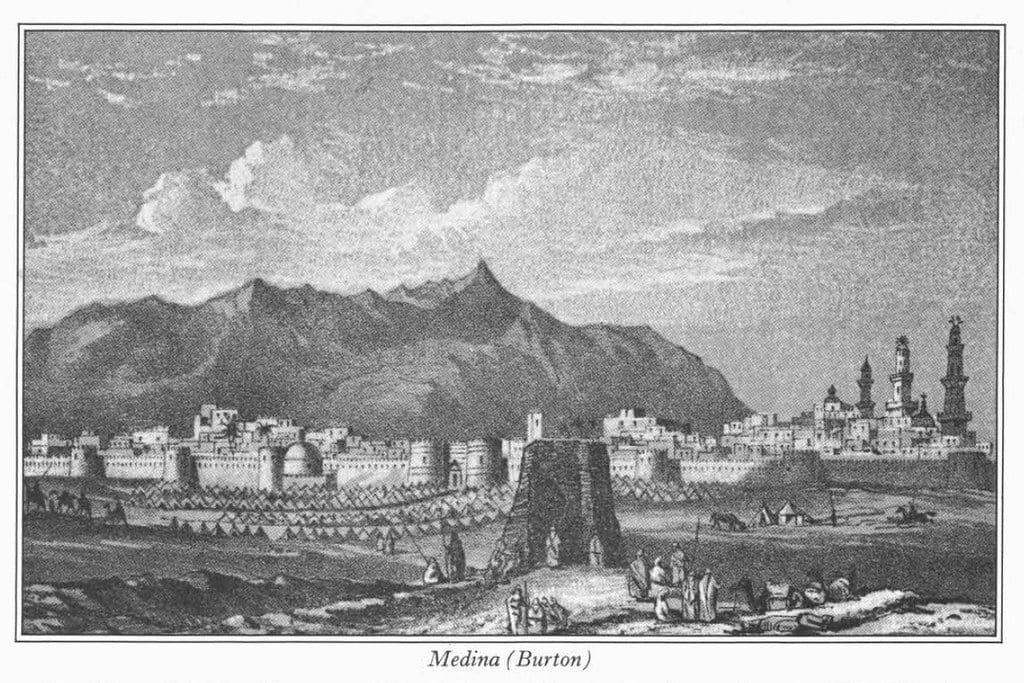
Saudi Arabia restricts these cities to Muslims only. Road checkpoints verify religious status before allowing entry. Non-Muslims caught trying to enter face deportation and potential criminal charges.
The restrictions apply to the entire city limits, not just the holy sites themselves. This creates a unique situation where major urban centers remain completely off-limits to billions of people.
The cities contain extensive infrastructure—hotels, restaurants, shopping centers—all serving an exclusively Muslim population. The Hajj pilgrimage brings millions to Mecca annually, but even then, strict rules govern who participates and how they behave.
Serpent Mound Limits Physical Contact

Ohio’s Serpent Mound stretches 1,348 feet in the shape of an undulating snake. Native American groups built it between 800 and 1,100 years ago.
You can view it from an observation tower and walk the perimeter path, but stepping on the mound itself brings immediate intervention from park staff. The earthwork contains no stones or permanent materials.
Human foot traffic would destroy it. Ground-penetrating radar has revealed details about its construction, but researchers still debate its exact purpose and the specific culture that built it.
The viewing restrictions help preserve what remains for future study.
Chichen Itza Closed Its Main Pyramid

Mexico once allowed tourists to climb El Castillo, the main pyramid at Chichen Itza. The steps proved treacherous—narrow, steep, and worn smooth by millions of feet.
After a tourist fell to her death in 2006, authorities banned climbing permanently. You can explore the rest of the archaeological site freely.
The court, temple of warriors, and sacred cenote remain accessible. But the iconic stepped pyramid now serves as a backdrop for photos, nothing more.
The restriction disappointed many visitors who had specifically planned to make the climb.
Machu Picchu Implemented Timed Entry

Peru now requires advance tickets with specific entry times for Machu Picchu. Daily visitor limits prevent overcrowding that was damaging the 15th-century Inca citadel.
You must hire a licensed guide, follow designated paths, and exit after your allocated time expires. The regulations also limit access to the Huayna Picchu peak that towers above the ruins.
Only 400 people can climb it daily, divided into two time slots. The summit provides spectacular views but requires booking weeks or months ahead.
The restrictions transformed a relatively open site into a tightly controlled experience.
Cave of the Patriarchs Divides Access

This Hebron building contains what tradition identifies as Abraham’s tomb. Muslims and Jews both consider it sacred, leading to a complex sharing arrangement.
On most days, separate sections accommodate both faiths. But ten days each year, the entire building closes to one group while the other has exclusive access.
Security dominates the experience. Metal detectors, bag checks, and armed guards create an atmosphere more reminiscent of an airport than a house of worship.
The restrictions reflect political tensions as much as religious requirements. You can’t separate the sacred from the contest here.
Mount Athos Maintains Medieval Gender Rules
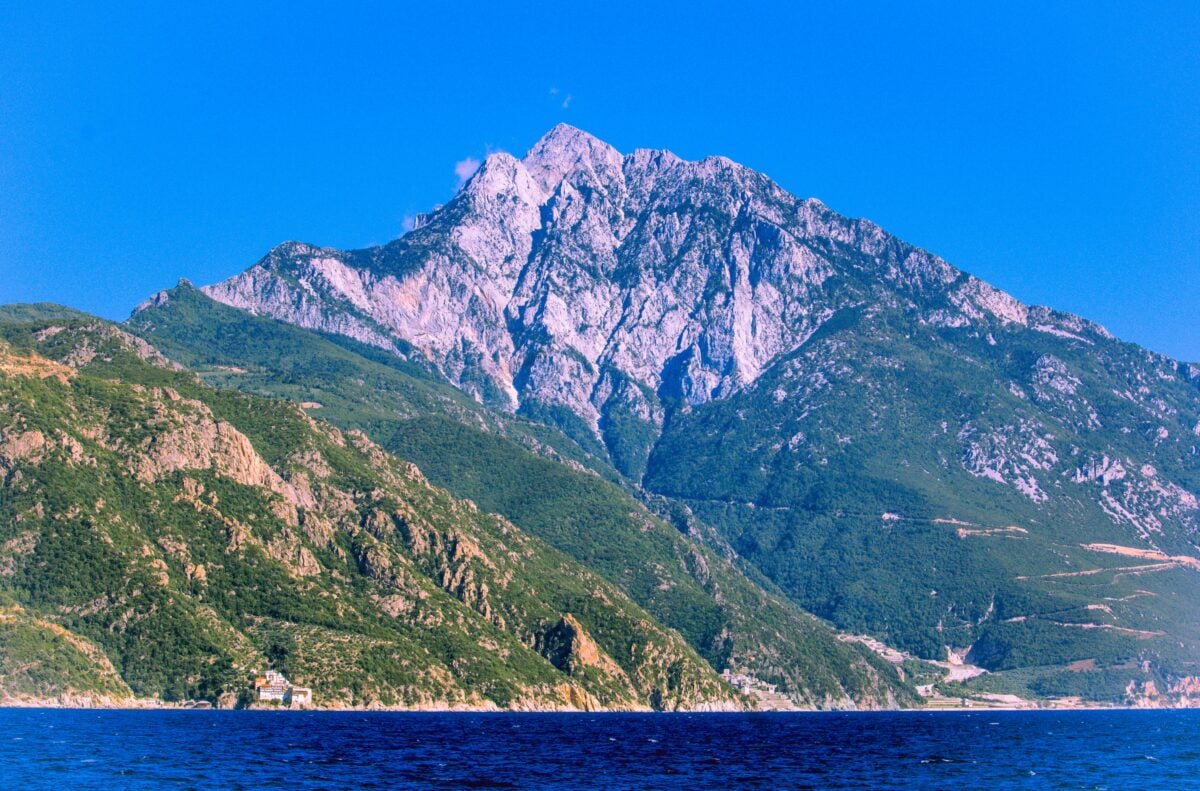
This Greek peninsula houses 20 Orthodox Christian monasteries. Women cannot enter—a ban that has stood for over 1,000 years.
Even female animals face restrictions. The monks believe this isolation from female presence helps maintain spiritual focus.
Men can visit with special permits obtained months in advance. Daily visitor limits apply, and you must follow strict rules about dress and behavior.
Photography restrictions prevent sharing many aspects of life on the mountain. The European Union has pressured Greece to lift the gender ban, but Mount Athos claims religious autonomy.
The restriction continues.
Bhutan Protects Its Peaks

Bhutan banned mountain climbing on peaks above 6,000 meters in 2003. The government cited both environmental concerns and respect for sacred spaces.
Local Buddhist belief holds that mountains serve as homes for spirits and deities. Allowing climbers would disrespect these entities.
Gangkhar Puensum, likely the world’s highest unclimbed mountain, sits entirely within Bhutan. You can trek in lower valleys and visit monasteries, but summit attempts remain prohibited.
China offered to allow climbs from its side of the border, but Bhutan refused to sanction them. Some peaks stay sacred by decree.
Aboriginal Sites Span Vast Territories
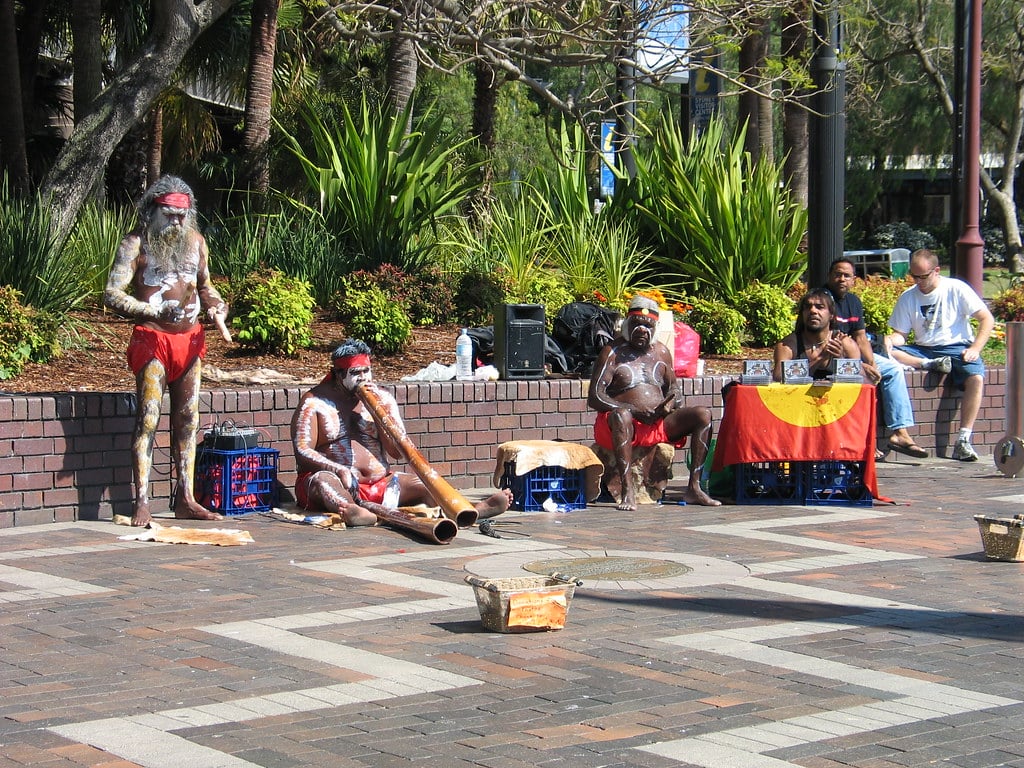
Across Australia, numerous Aboriginal sacred sites restrict or prohibit visitor access. The exact locations often remain unpublished to prevent trespassing. Some are marked, others are known only to traditional owners.
Mining companies and developers regularly clash with Aboriginal groups over site protection. Kata Tjuta, near Uluru, allows limited hiking but closes several valleys entirely.
Signs explain the cultural significance without detailing specific beliefs, maintaining some mystery. Rangers patrol to prevent unauthorized entry.
Breaking the rules brings legal penalties, but the deeper violation affects communities that have maintained connections to these places for tens of thousands of years.
Hopi Land Requires Respect for Privacy
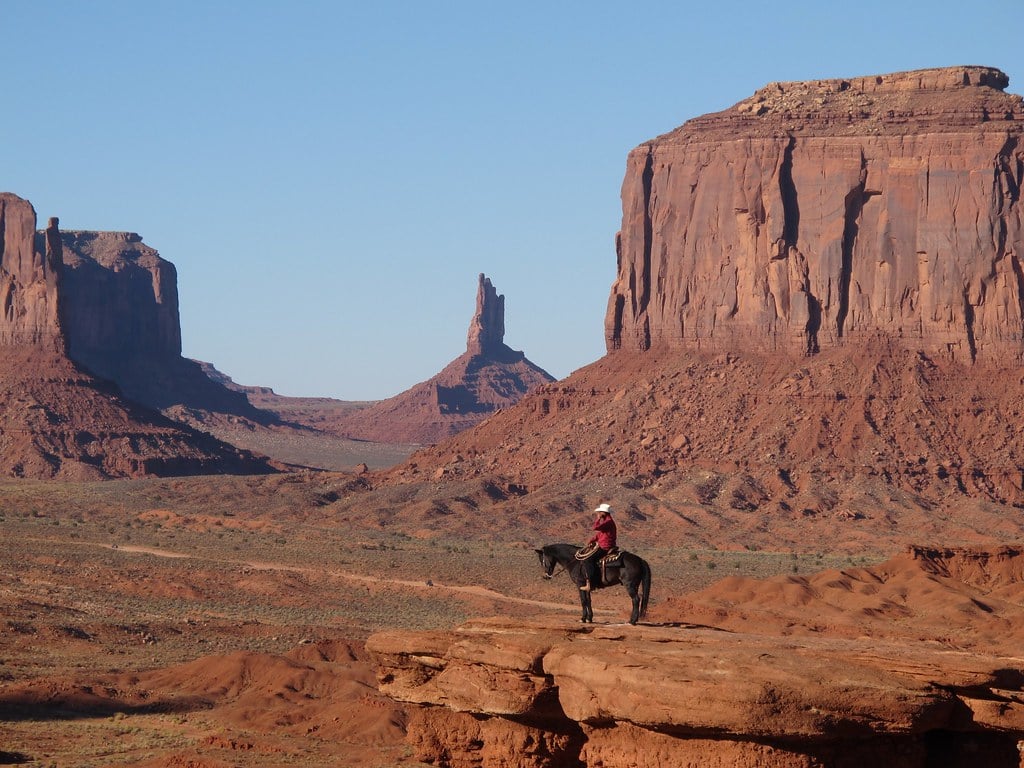
The Hopi reservation in Arizona limits access to ceremonial areas. Signs throughout the reservation specify where photography is banned, where tourists cannot go, and what behaviors the tribe prohibits.
Some villages welcome visitors during public ceremonies, while others stay completely closed. The tribe faced problems with tourists filming sacred dances and publishing them online.
This led to stricter rules and more aggressive enforcement. You can visit public areas and purchase crafts from Hopi artisans, but much of the spiritual life happens away from outside eyes.
The Hopi determine the boundaries, not visitor demand.
Where boundaries meet wonder

Not every journey leads where you expect. Getting close matters more than stepping inside.
Distance teaches attention in ways entry never could. What stays out of reach shapes how you look at what’s near.
Some holy places stay open. Others let people come and explain what matters there.
Still, those you can’t enter show a different lesson. Belonging shapes how certain moments are held.
These spaces follow rules set by the people who guard them. What you want to see does not give you the right to be inside.
Out beyond knowing, some secrets stay shut. Beauty hides in corners you won’t step into.
Places exist that turn quiet when you approach. Sacred ground doesn’t always open its door.
Limits aren’t failures – they’re part of the shape of things. Distance can hold weight too.
More from Go2Tutors!

- The Romanov Crown Jewels and Their Tragic Fate
- 13 Historical Mysteries That Science Still Can’t Solve
- Famous Hoaxes That Fooled the World for Years
- 15 Child Stars with Tragic Adult Lives
- 16 Famous Jewelry Pieces in History
Like Go2Tutors’s content? Follow us on MSN.