15 Images Of Stunning Traditional Costumes from Cultures Around the World
There’s something magical about seeing traditional clothing that has survived centuries. These garments tell stories that history books can’t quite capture — stories of celebration, identity, and belonging that have been stitched into fabric and passed down through generations.
Each piece carries the weight of cultural memory, from the specific way a belt is tied to the colors that signal status or region.
Traditional costumes aren’t museum pieces collecting dust. They’re living art forms that continue to evolve while honoring their roots.
Whether worn during festivals, ceremonies, or special occasions, these garments connect people to their heritage in ways that feel both ancient and immediate.
The craftsmanship alone — hand-embroidered details, intricate beadwork, specialized techniques that take years to master — represents knowledge that entire communities have worked to preserve.
Japanese Kimono
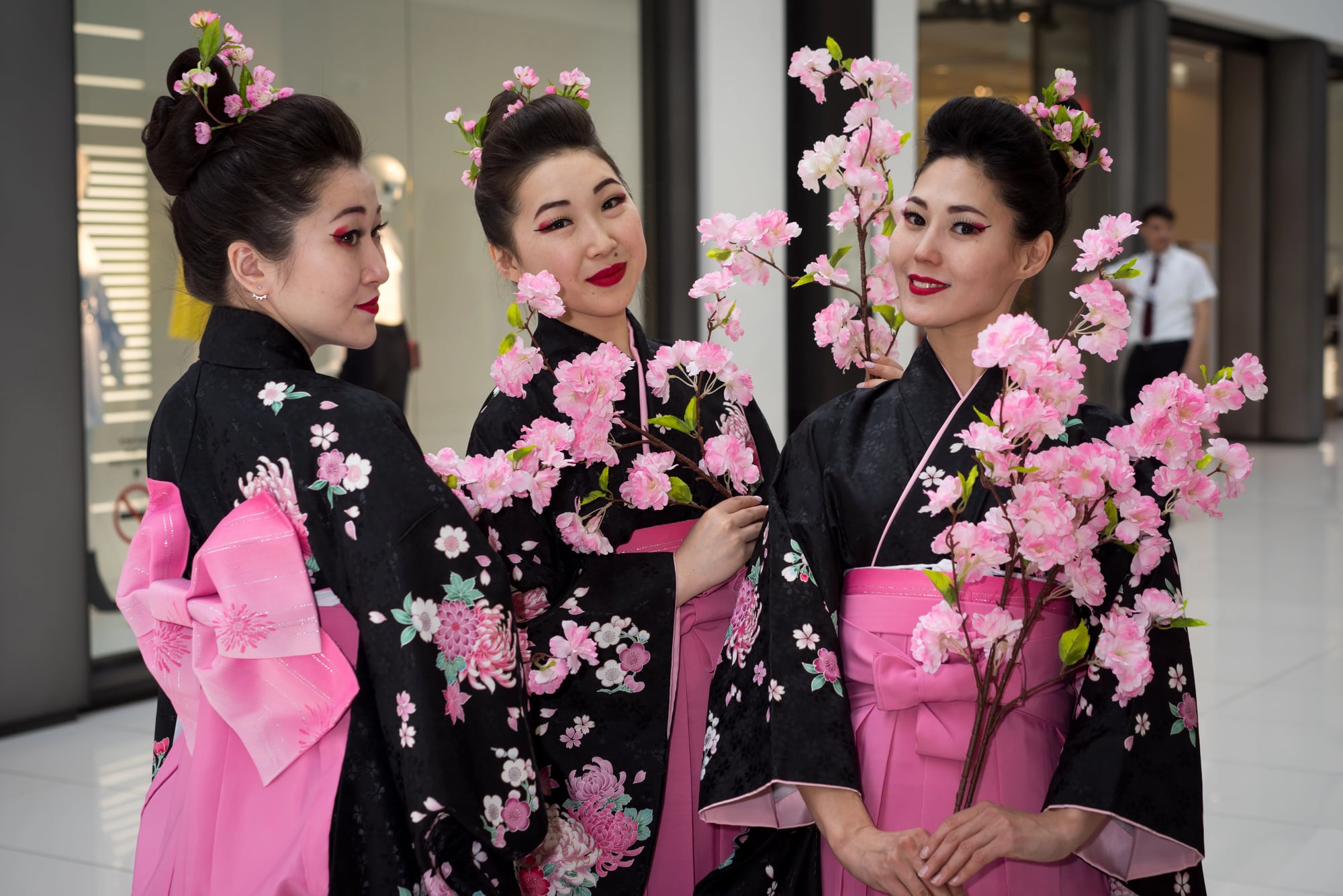
The kimono gets reduced to tourist souvenirs and Halloween costumes. That misses everything important about it.
The real thing requires decades to master — just the obi tying alone involves dozens of different techniques.
Scottish Highland Dress
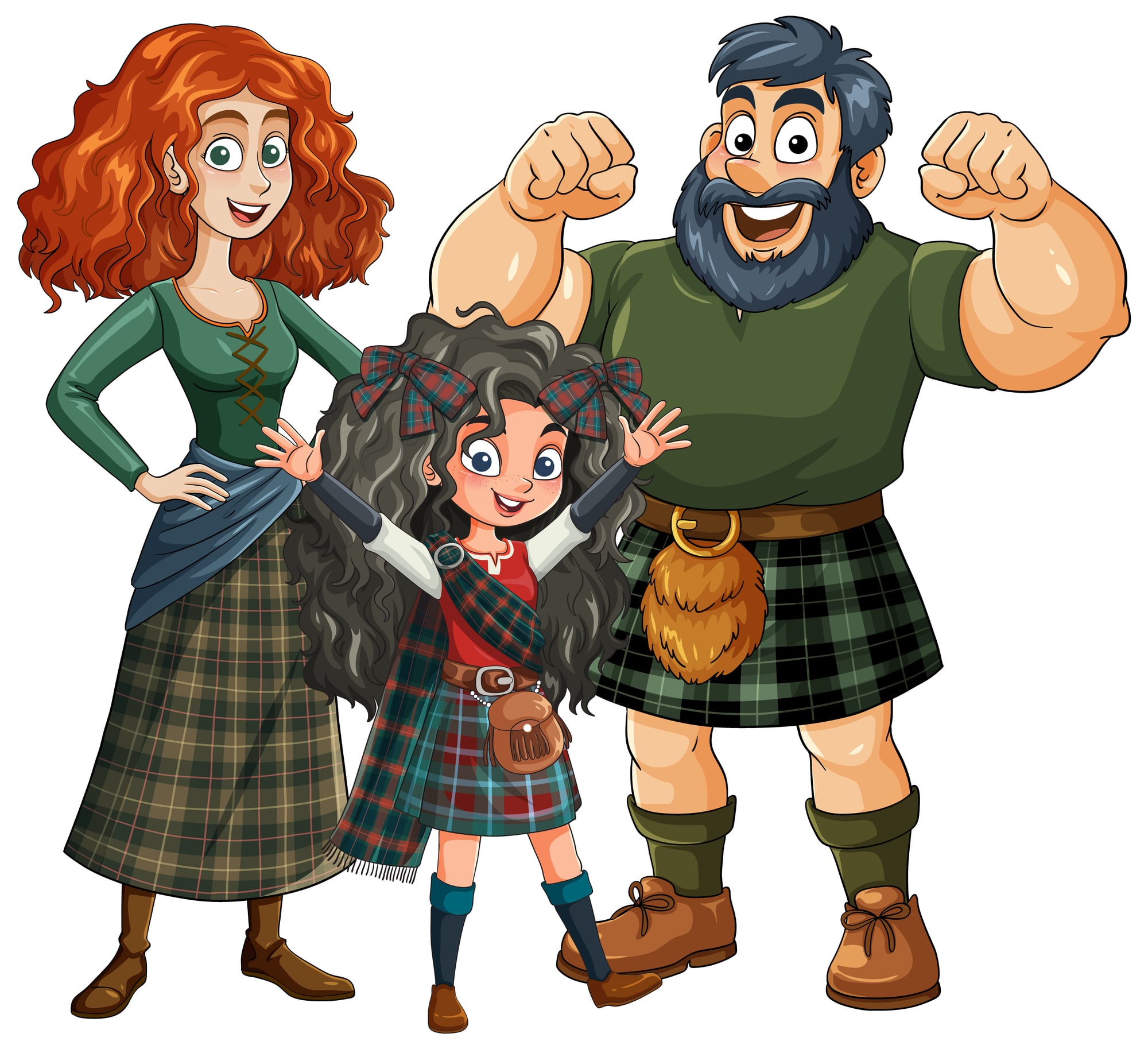
Highland dress operates on a logic that seems counterintuitive at first: the more formal the occasion, the more elaborate the kilt becomes, layering accessories that would overwhelm most other traditional garments but somehow achieve perfect balance here. The sporran (that pouch hanging from the belt) isn’t decorative — kilts have no pockets, so it serves as both wallet and statement piece, often crafted from leather or fur with silver detailing that catches light as the wearer moves.
And the colors tell you everything: clan tartans weren’t just patterns but coded messages about family lineage, regional loyalty, and social position (though the tourist industry has muddled this considerably). Even the way the kilt falls — hitting precisely at the knee, pleated in the back with mathematical precision — follows rules that Highland regiments still observe today.
The sgian-dubh, that small knife tucked into the sock, completes the ensemble with a touch that seems almost theatrical until you remember that Highland dress emerged from a culture where being armed was practical, not symbolic.
So the whole outfit functions as both formal wear and cultural armor.
Indian Saree
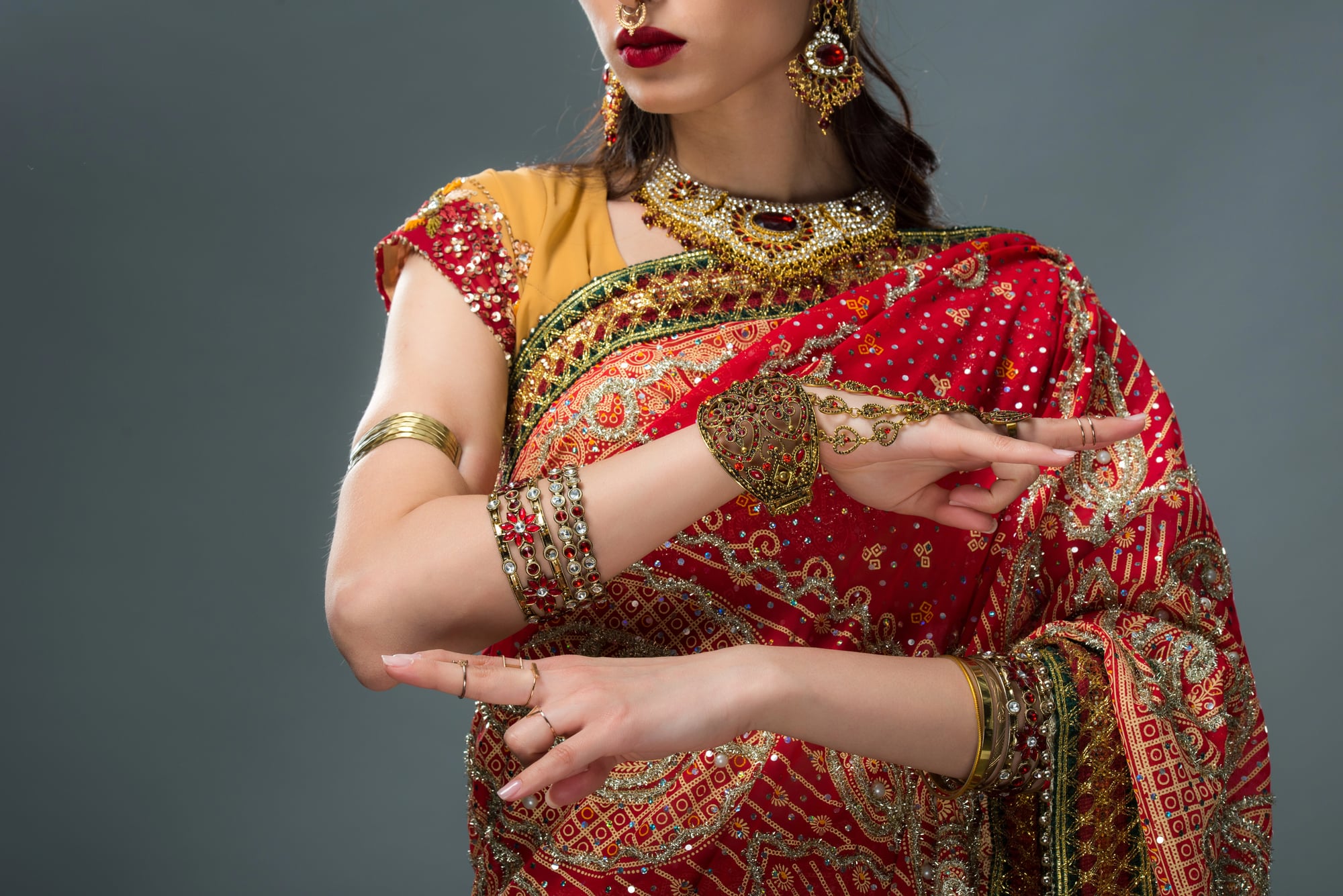
The saree is geometry made graceful. Six yards of unstitched cloth that transforms completely depending on how it’s draped — the same piece of fabric becomes demure or dramatic, traditional or contemporary, based entirely on technique.
Different regions have developed their own draping styles over centuries. Bengali women pleat differently than Gujarati women.
South Indian draping creates different silhouettes than North Indian styles. The blouse and petticoat are modern additions — originally, the saree was worn without them.
What strikes most people first is how the saree moves. It’s designed to flow with the body rather than constrain it.
That flowing end piece — the pallu — can be arranged over the shoulder, across the chest, or draped over the head depending on the occasion and personal preference.
Mexican Tehuana Dress
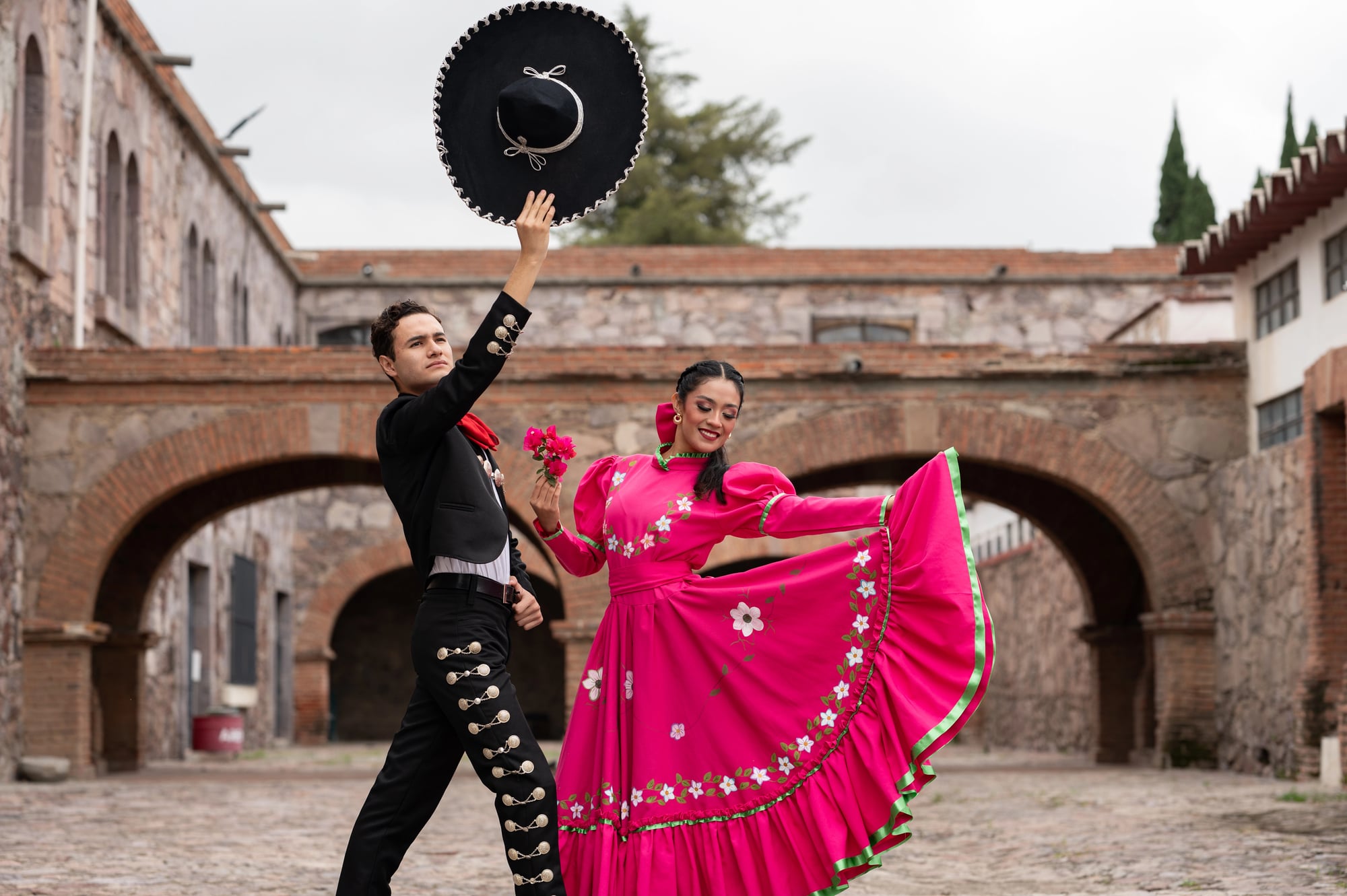
The Tehuana dress from the Isthmus of Tehuantepec doesn’t apologize for taking up space. Bold geometric patterns, rich colors that would overwhelm lesser garments, and a silhouette designed to command attention rather than blend in.
Frida Kahlo made this style internationally famous, but she was drawing from a tradition where women held unusual economic and social power.
The Zapotec women of this region controlled local markets and made major family decisions. The dress reflects that authority — it’s not clothing designed for invisibility.
The huipil (the blouse portion) features hand-embroidered flowers and patterns that can take months to complete. Each design has regional significance.
The skirt flares dramatically, creating a silhouette that’s both practical for the tropical climate and visually striking.
Korean Hanbok
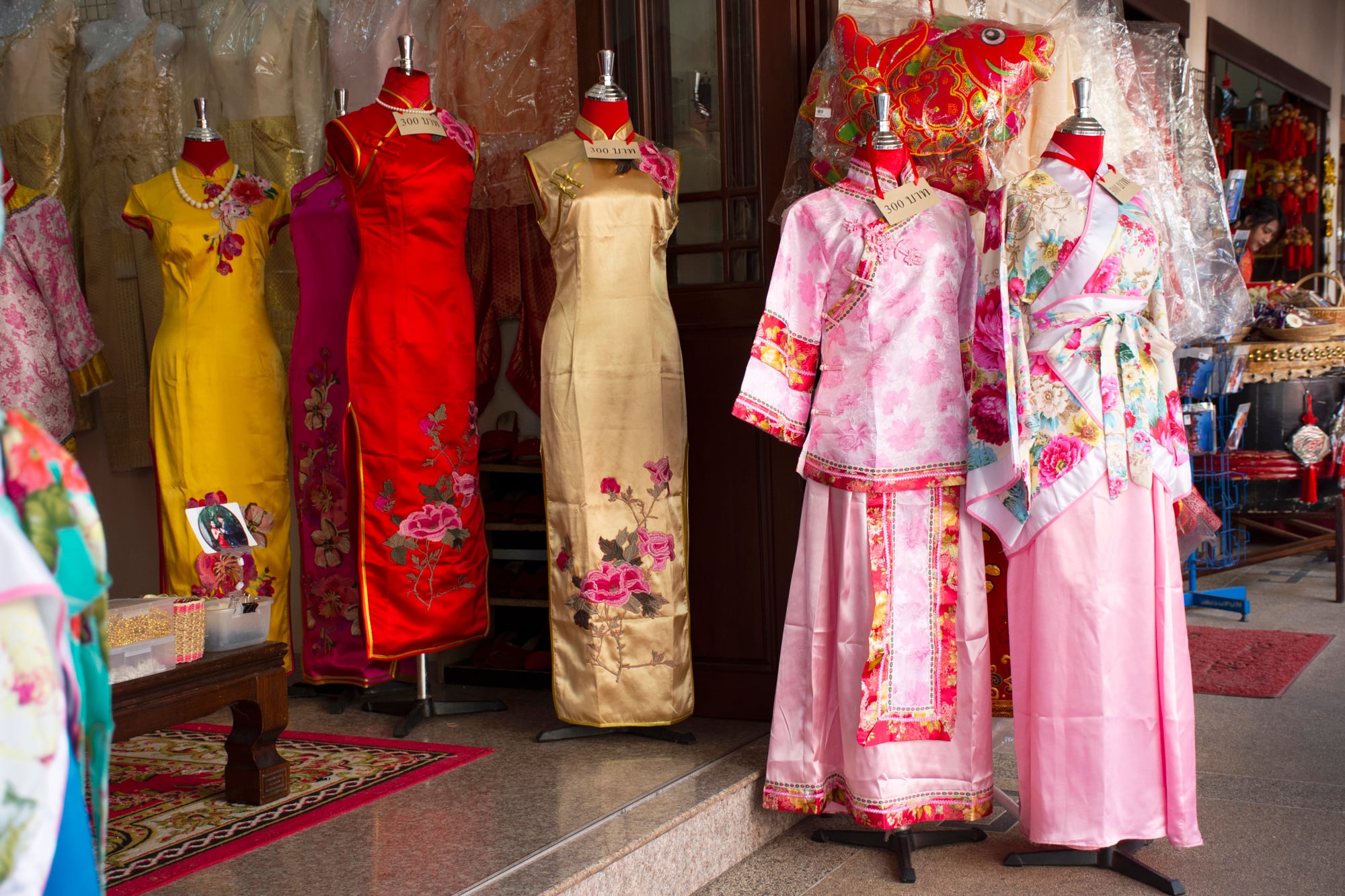
A hanbok is like watching someone move through water — the way the skirt (chima) flows and settles creates an almost liquid grace that Western tailoring can’t replicate, because it’s built on entirely different principles about how fabric should relate to the human form. The high-waisted silhouette elongates the torso while the full skirt conceals the legs completely, creating a sense of floating rather than walking (especially when worn with traditional Korean shoes that add height but remain hidden).
And the colors follow seasonal and social protocols that seem simple until you realize how much information they’re encoding: unmarried women wore bright colors while married women chose more subdued tones, spring celebrations called for pastels while winter ceremonies demanded deeper hues. The jeogori (jacket) ties with a single ribbon — otgorum — whose length and style of bow indicated the wearer’s marital status and social position.
But it’s the proportions that make hanbok unmistakable. That high waistline sitting just below the bust creates a silhouette that emphasizes grace over form, movement over static beauty.
Nigerian Agbada
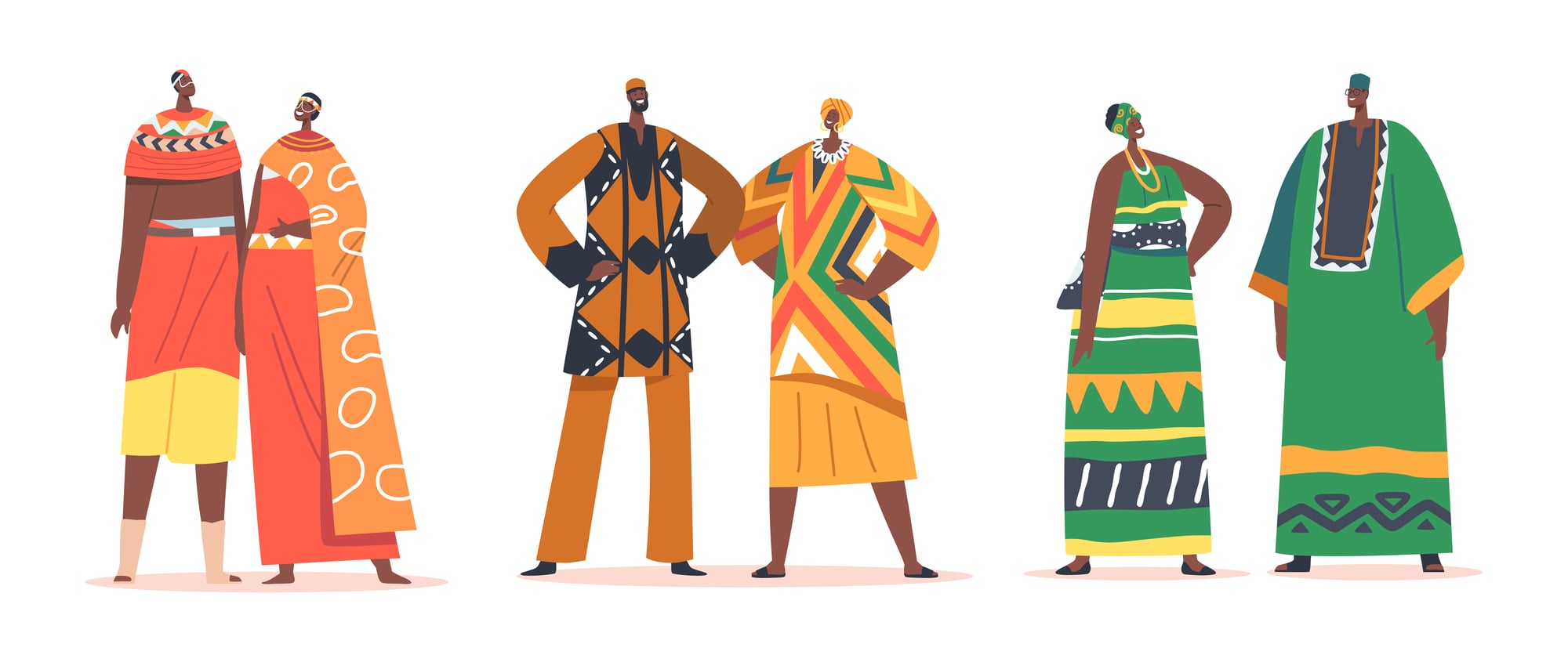
The agbada announces its wearer before they’ve said a word. This flowing robe, with sleeves that can span six feet from cuff to cuff, transforms any man into a figure of authority and elegance.
It’s geometry in motion — all those straight lines and precise angles somehow creating fluid movement.
The embroidery work is where master craftsmen show their skills. Intricate patterns worked in silk thread or metallic accents that catch light with every gesture.
Traditional designs incorporate Islamic calligraphy, geometric patterns, and symbols specific to different regions of West Africa.
Modern agbadas have adapted to contemporary life while keeping their essential character. Politicians wear them to project authority.
Grooms choose them for weddings. The garment bridges traditional and modern in ways that feel natural rather than forced.
Chinese Qipao
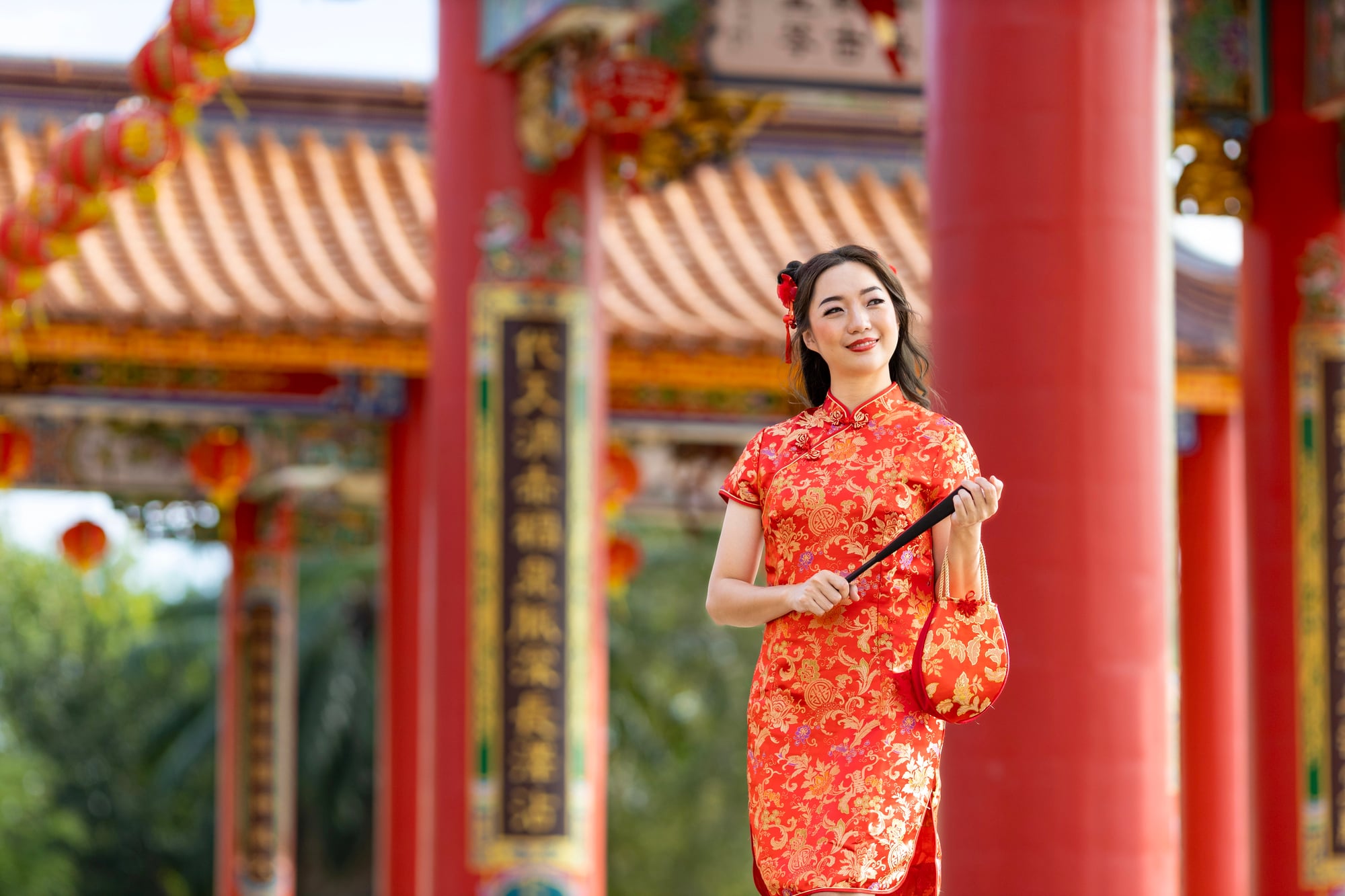
The qipao embodies restraint as elegance. Form-fitting without being tight, modest without being concealing, it creates a silhouette that’s both timeless and distinctly Chinese.
The high collar, side slits, and button closures follow specific proportions that took decades to perfect.
Originally a Manchu garment that evolved through the 1920s Shanghai fashion scene, the qipao represents cultural fusion at its most successful.
Western tailoring techniques applied to traditional Chinese design sensibilities created something entirely new.
The fabric choices matter enormously. Silk brocade for formal occasions, cotton for daily wear, but always with patterns that complement rather than compete with the garment’s clean lines.
Dragons, phoenixes, floral motifs — each carrying cultural significance beyond mere decoration.
Peruvian Traditional Dress
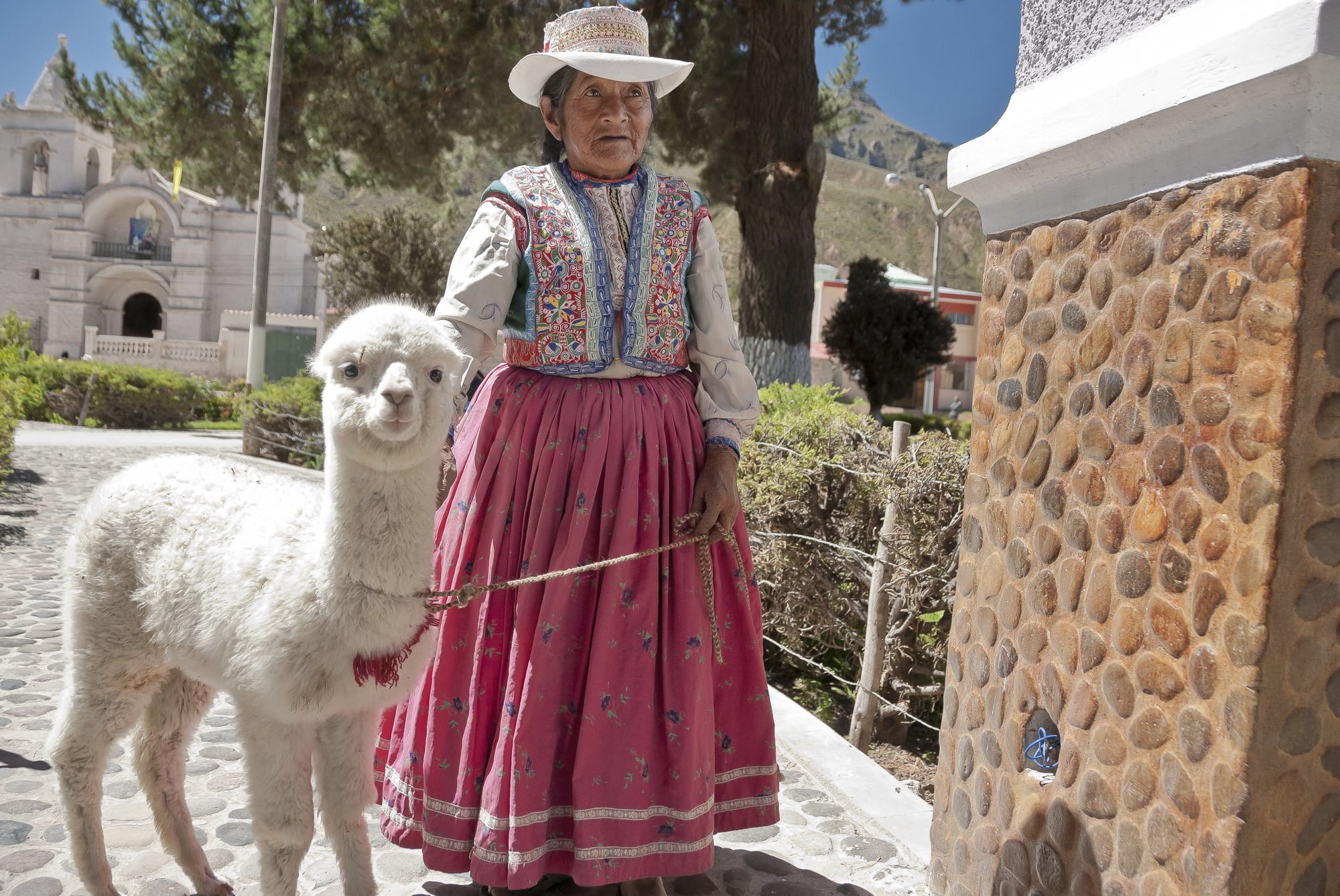
Traditional Peruvian clothing is storytelling through textile — each region, each community has developed patterns and techniques that encode information about identity, status, and beliefs in ways that outsiders miss entirely but locals read instantly. The women of Cusco layer multiple skirts (polleras) in brilliant colors, each one representing different aspects of Andean cosmology: earth tones for connection to Pachamama, bright reds and oranges for celebration and fertility, deep blues that mirror high-altitude skies.
And the weaving itself follows techniques that predate the Inca, using backstrap looms that create textiles so tightly woven they’re almost waterproof (essential in mountain climates where weather changes without warning). The bowler hats that seem incongruous to Western eyes actually represent successful cultural adaptation — introduced by European railroad workers in the early 1900s, they were adopted by indigenous women and transformed into symbols of cultural pride rather than assimilation.
But it’s the ch’ullu (traditional knitted caps) worn by men that demonstrate the most sophisticated color-coding: specific patterns indicate which ayllu (community) the wearer belongs to, their marital status, sometimes even their role in community leadership.
Russian Sarafan
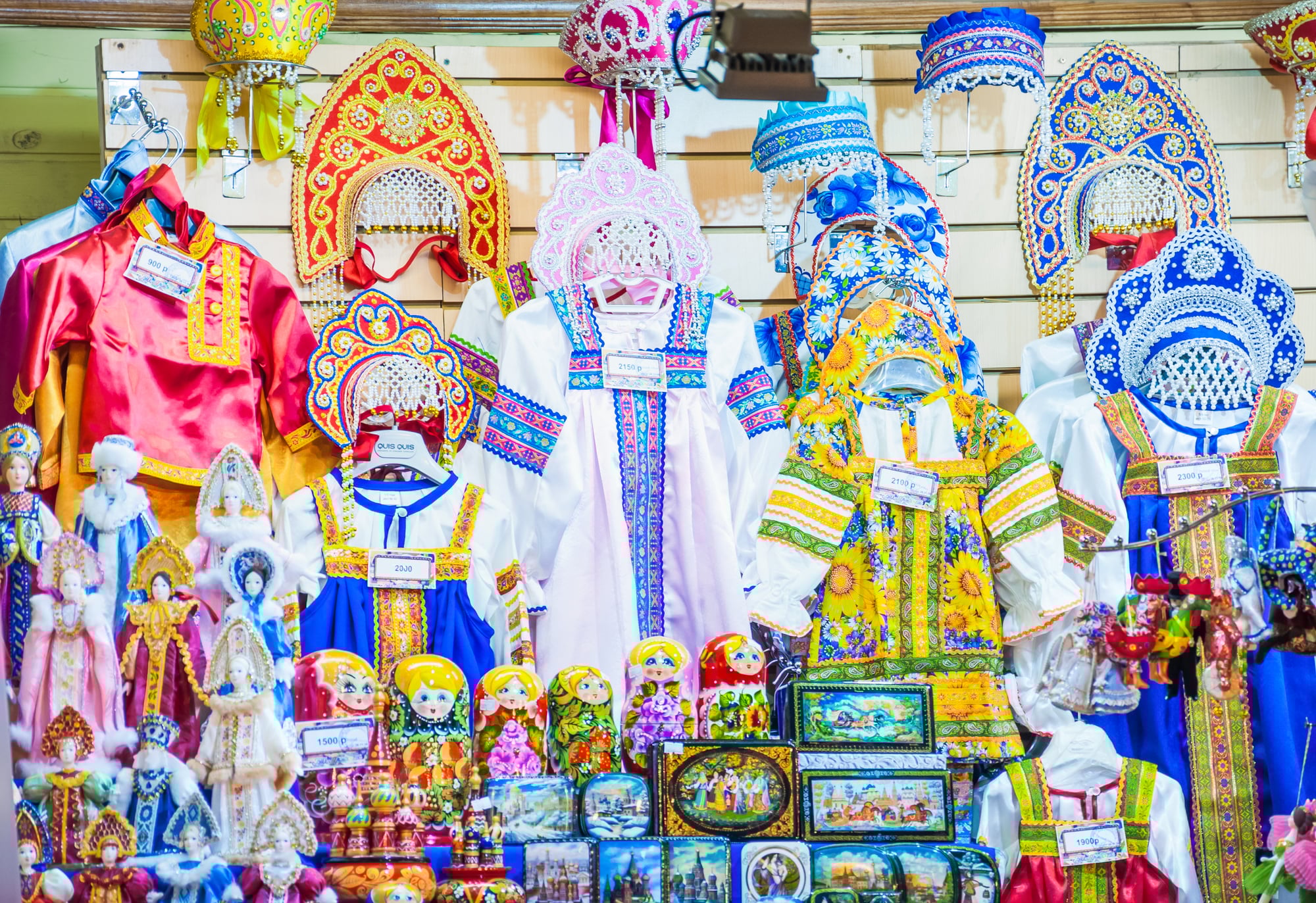
The sarafan was built for Russian winters and endless summers both. Layered over linen shirts, this jumper-style dress created insulation without bulk.
The apron tied over it provided protection for daily work while maintaining the decorative elements that marked special occasions.
Regional variations tell the story of Russian expansion across continents. Northern sarafans feature different construction techniques than those from southern regions.
Siberian versions incorporate fur trim and heavier fabrics. Each adaptation solved local climate challenges while maintaining the garment’s essential character.
The headdress traditions that accompanied sarafans were equally complex. Unmarried women wore their hair uncovered or with simple ribbons.
Married women covered their hair completely with elaborate headdresses that indicated their husband’s wealth and their own skill at handicrafts.
Moroccan Caftan
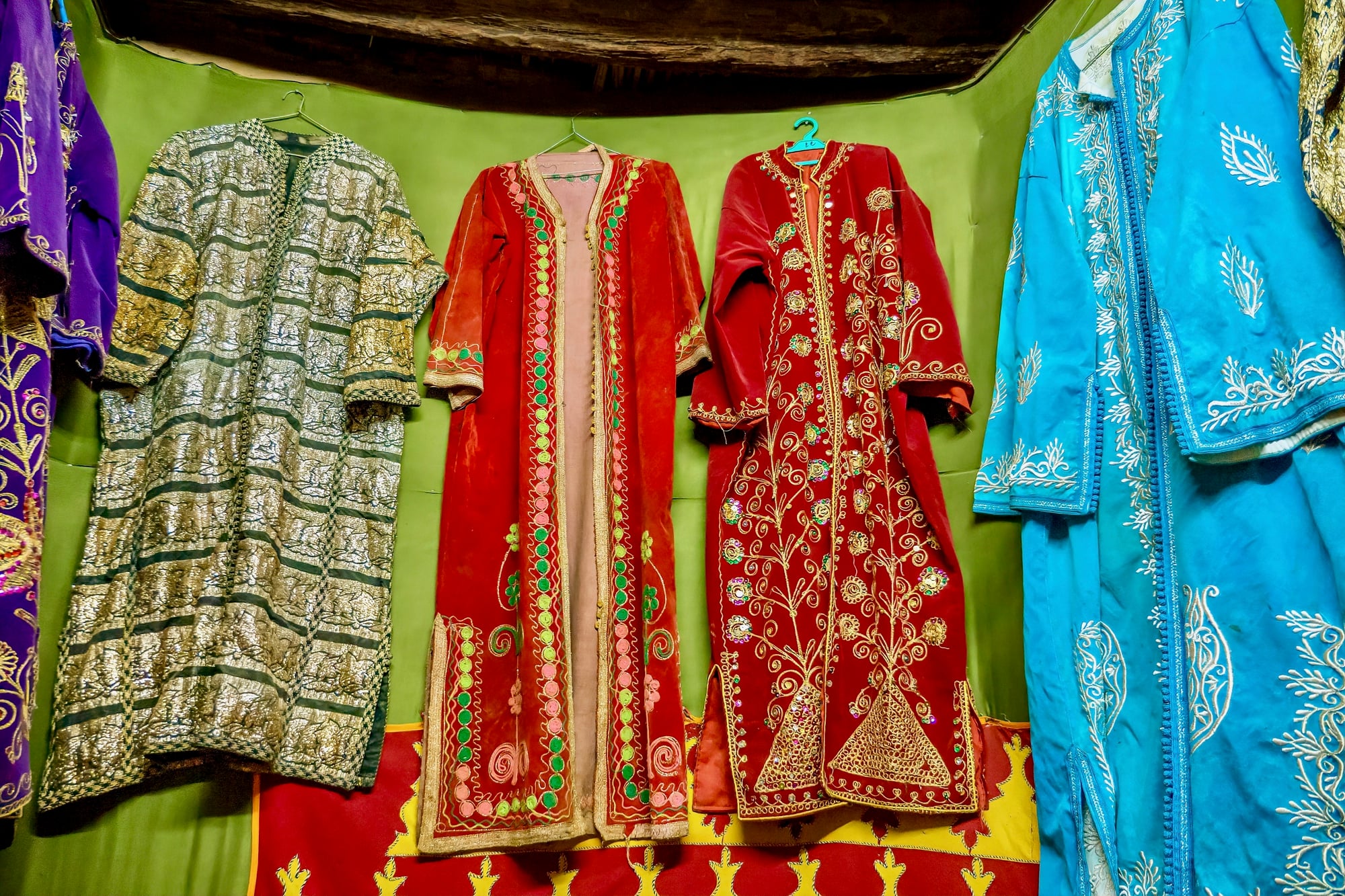
The caftan succeeds where most formal wear fails — it’s simultaneously regal and comfortable, elaborate and practical. Cut from a single piece of fabric with strategic seams, it creates a silhouette that flatters every body type while allowing complete freedom of movement.
Moroccan craftsmen spend years learning the embroidery techniques that transform basic caftan shapes into works of art. Gold thread work, sequined patterns, intricate beadwork — each technique requires specialized skills passed down through generations of master artisans.
Different occasions call for different caftan styles. Wedding caftans feature the most elaborate decorative work.
Daily wear versions use simpler fabrics and minimal ornamentation. But the essential silhouette remains constant — that flowing, graceful line that makes the wearer appear to glide rather than walk.
German Dirndl
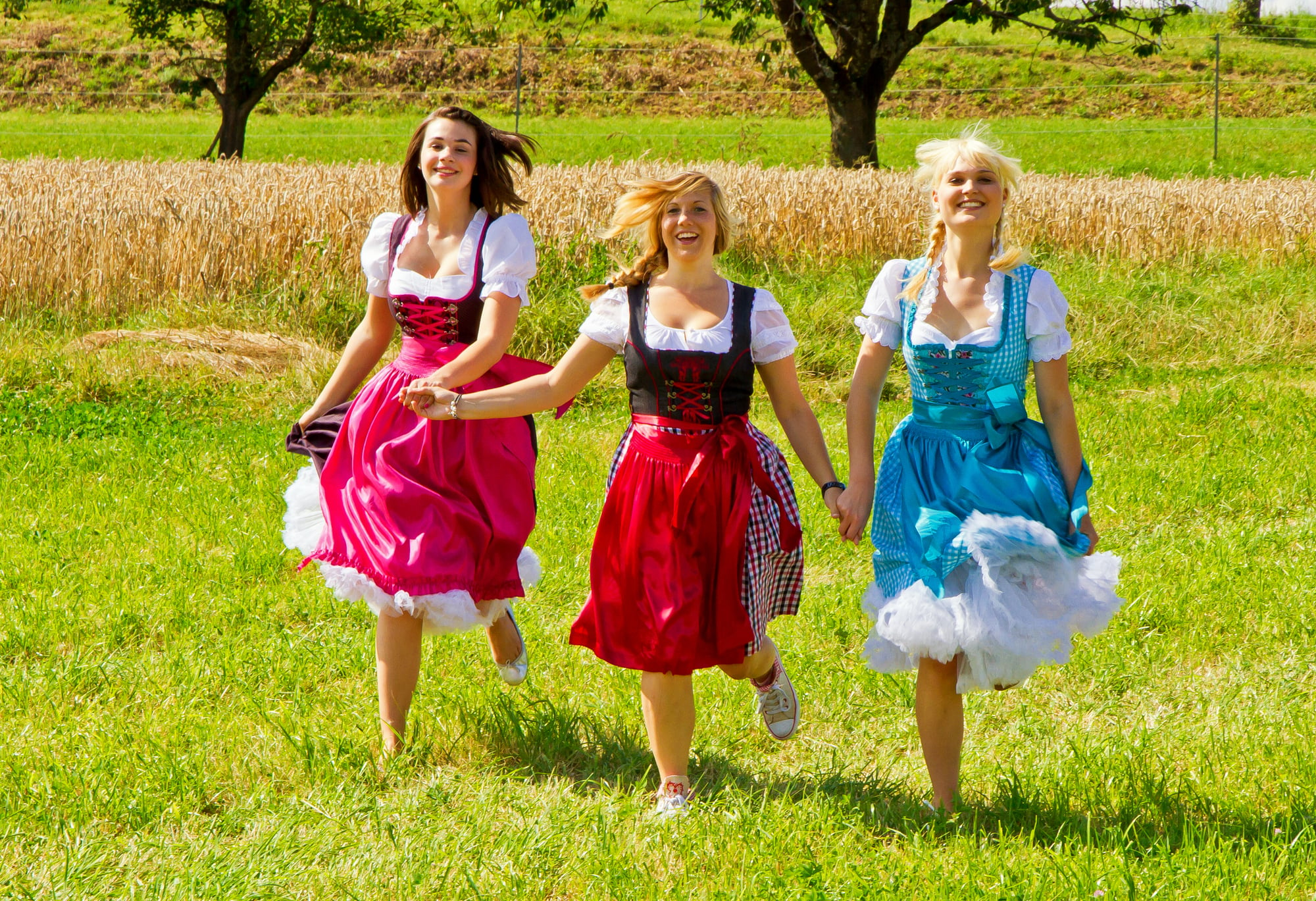
The dirndl is precision engineering disguised as folk costume. Every element serves multiple purposes: the fitted bodice provides support, the full skirt allows freedom of movement, the apron protects the dress while adding decorative elements.
Even the way the apron bow is tied communicates information — right side means unmarried, left side indicates marriage.
Traditional dirndls were work clothes that happened to be beautiful. The sturdy fabrics and practical construction reflected the demanding life of Alpine farming communities.
Modern versions have evolved toward fashion while maintaining the essential proportions that make the silhouette immediately recognizable.
Regional differences in dirndl construction reveal the complexity behind apparent simplicity. Bavarian dirndls differ from Austrian ones in cut and decoration.
Each region developed techniques suited to local materials and cultural preferences.
Thai Traditional Dress
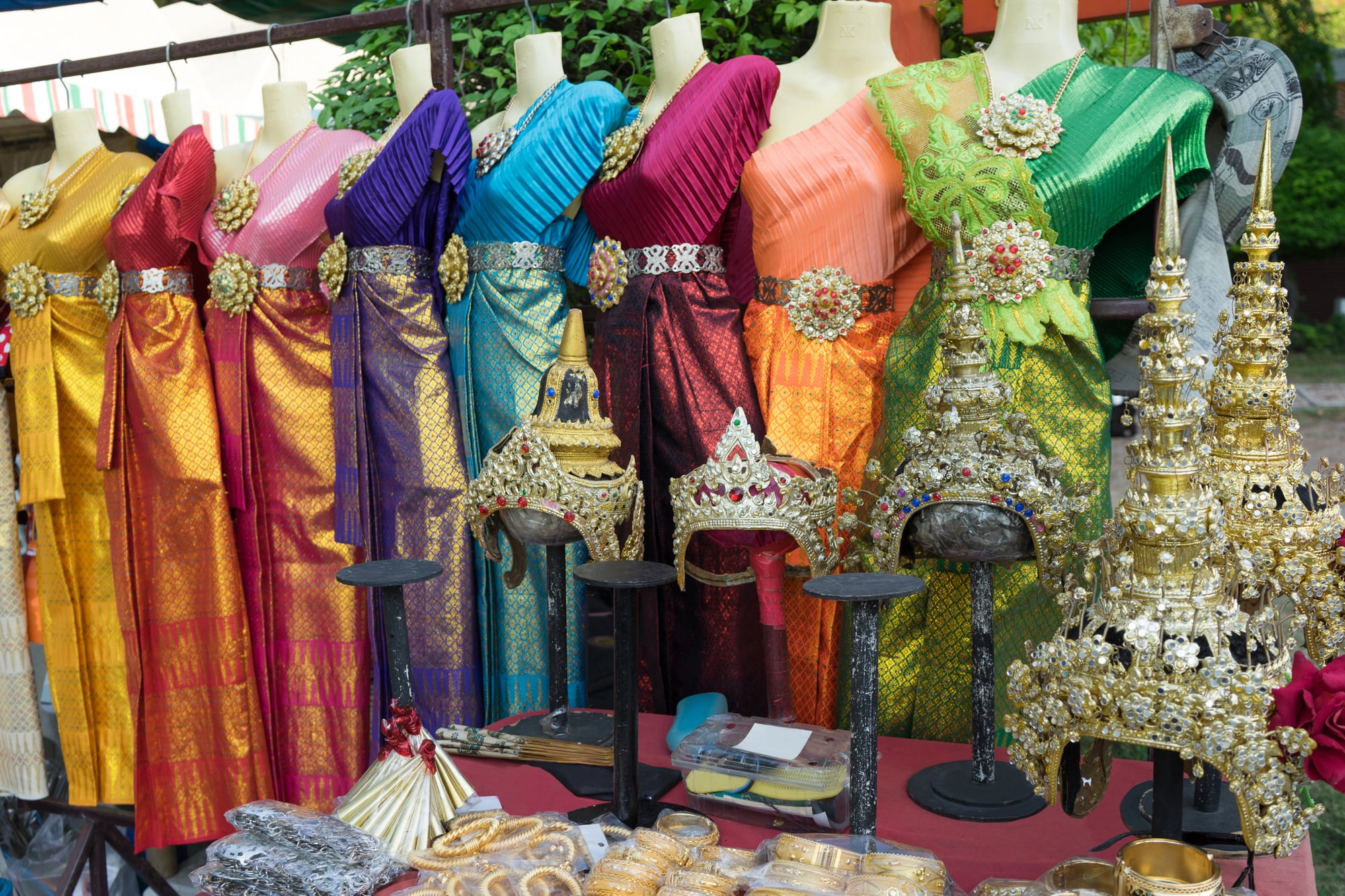
Thai traditional dress operates on principles of elegance through understatement — the silk fabrics, often handwoven with gold thread, create their impact through subtle pattern work and impeccable tailoring rather than bold colors or dramatic silhouettes. The chut thai (formal Thai dress) for women combines a wrapped lower garment (pha nung) with a fitted blouse (suea pat) in proportions that emphasize grace and deportment: the narrow, straight skirt requires small, measured steps, while the close-fitting top with its traditional neckline maintains modesty while flattering the wearer.
And the fabric choices follow strict protocols: certain patterns were reserved for royalty, specific colors indicated rank and occasion, and the quality of silk thread used in weaving communicated social status in ways that Thai society understood implicitly.
But it’s the accessories that complete the ensemble: traditional jewelry pieces like the elaborate necklaces and arm bands, often crafted from gold and featuring intricate Thai design motifs, hair ornaments that required specific arrangement techniques passed down through generations of court tradition.
Ethiopian Habesha Kemis
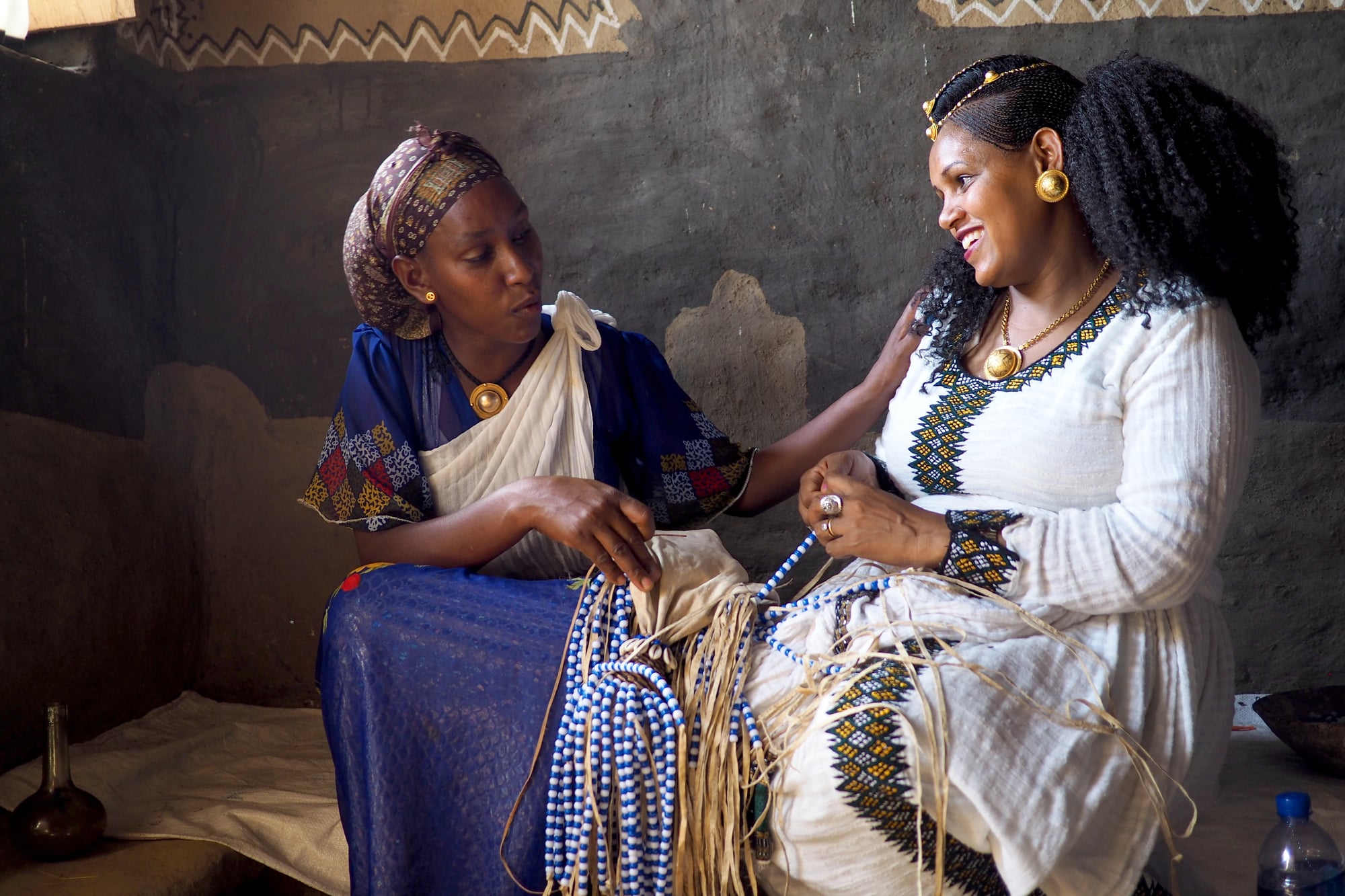
The Habesha kemis achieves something remarkable — it’s unmistakably Ethiopian while remaining timelessly elegant. Hand-woven cotton in pristine white, accented with colorful embroidered borders that vary by region and occasion.
The simplicity is deceptive; creating these textiles requires skills that take years to master.
The tibeb (embroidered border) is where individual artisans express their creativity within traditional frameworks. Cross-stitch patterns in brilliant colors — red, green, gold, blue — create geometric designs that have symbolic meaning in Ethiopian Orthodox traditions.
What makes the kemis special is how it’s worn. Draped and wrapped in ways that create elegant silhouettes while maintaining modesty.
The white cotton keeps the wearer cool in Ethiopia’s highland climate while the colorful accents provide visual interest that photographs beautifully against the landscape.
Polish Folk Costume
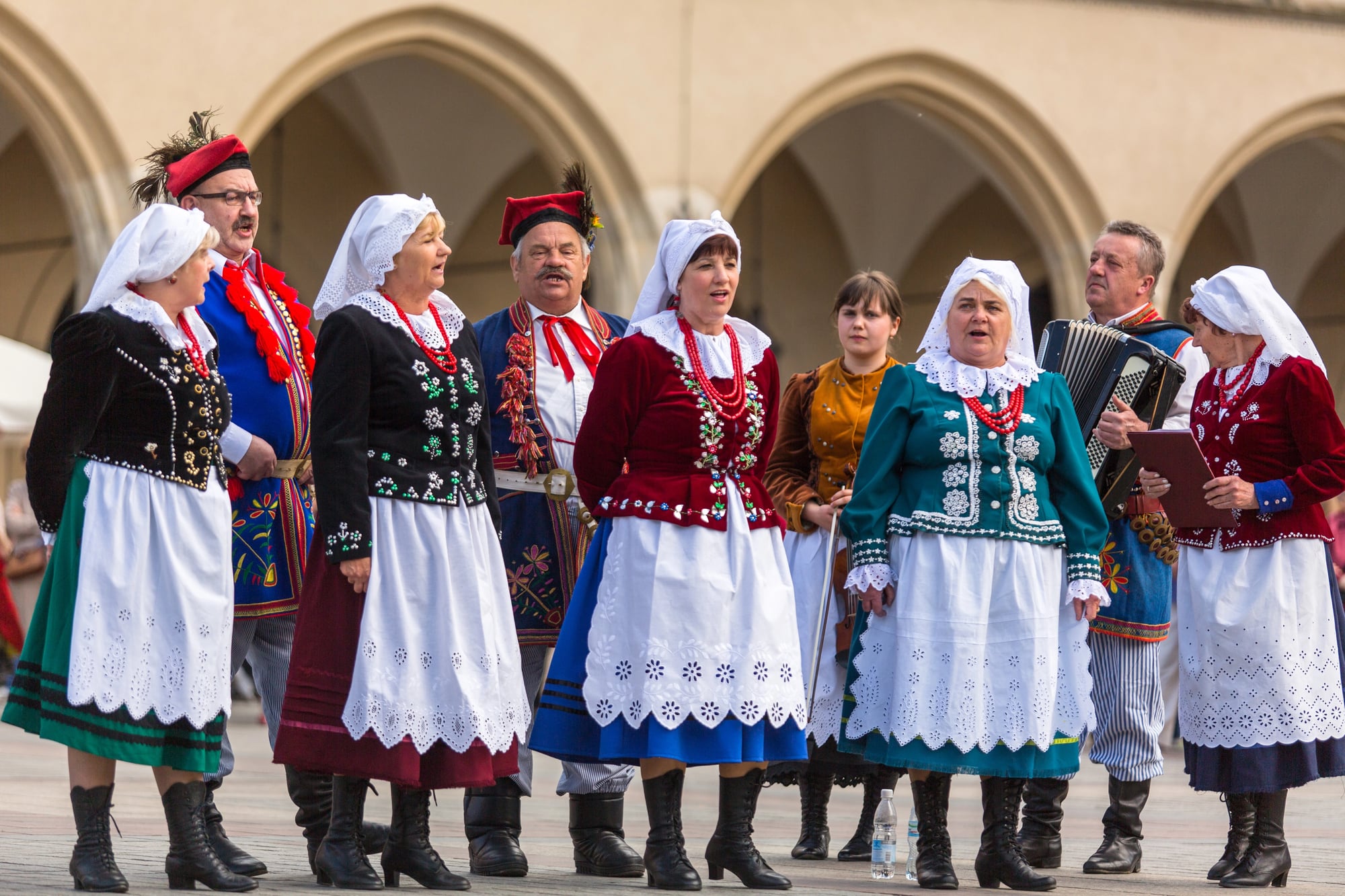
Polish regional costumes prove that folk dress can be as sophisticated as any haute couture — the Kraków costume alone involves dozens of separate pieces, each crafted according to techniques that require years to master, creating ensembles that rival royal court dress in their complexity and visual impact. The women’s costume layers multiple skirts, aprons, bodices, and headdresses in combinations that encode information about the wearer’s home village, marital status, and family prosperity: married women wore caps called czepek that completely covered their hair, while unmarried girls wore wreaths of flowers or ribbons that signaled their availability.
And the men’s costume — with its fitted jacket, decorated vest, and distinctive hat — created a silhouette that managed to be both martial and celebratory, practical for farm work but elaborate enough for wedding celebrations.
The embroidery work alone represents thousands of hours of skilled labor. Floral patterns, geometric designs, religious symbols — all worked in silk threads on wool or linen base fabrics.
Guatemalan Huipil
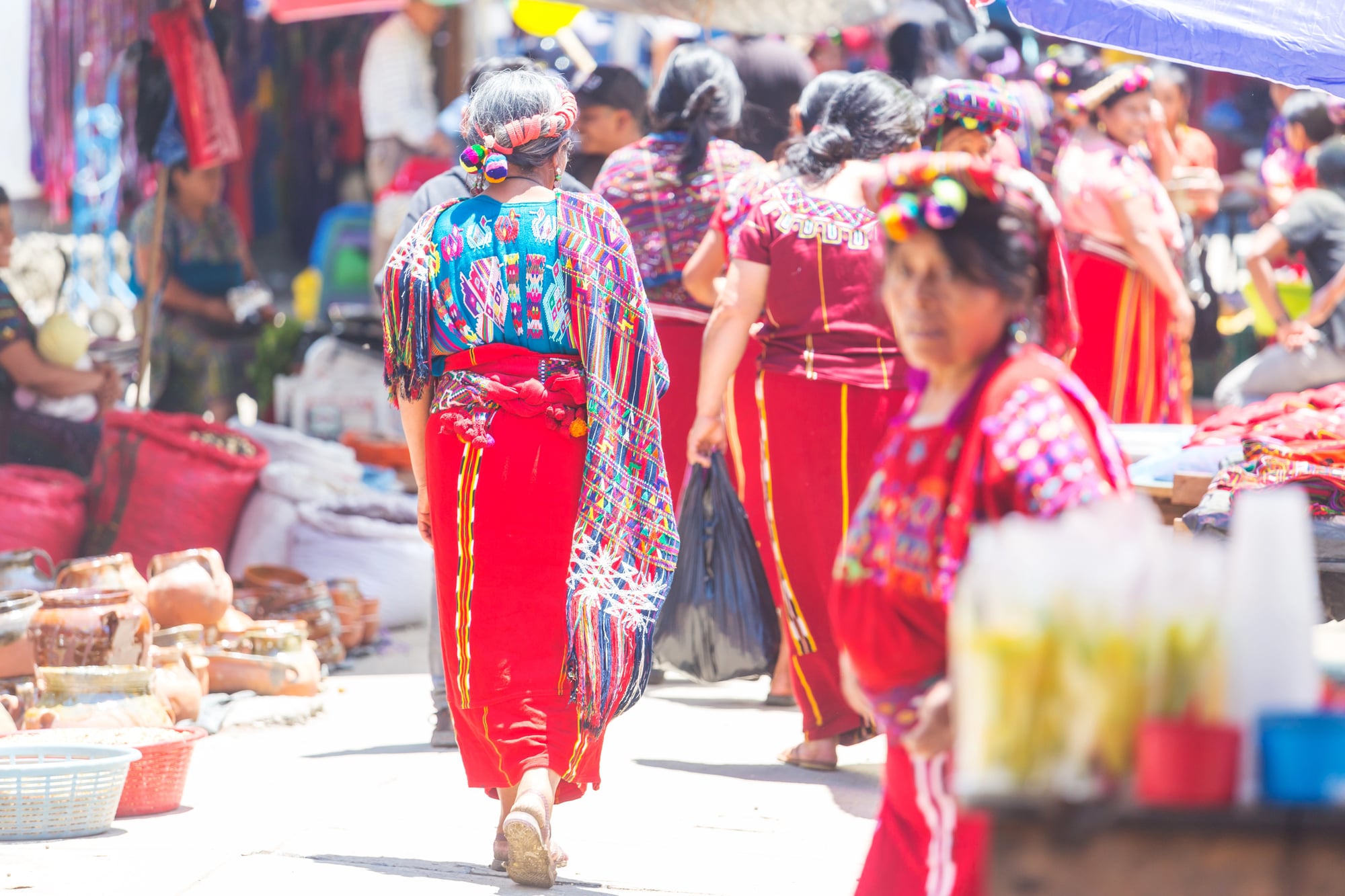
The huipil is a living textile tradition that predates European contact by centuries. Mayan women have woven these garments using techniques and patterns that encode cultural knowledge, religious beliefs, and community identity in ways that anthropologists are still working to understand completely.
Each village has developed distinctive huipil patterns. The colors, motifs, and weaving techniques identify the wearer’s home community to other Maya.
These aren’t random decorative choices — they’re cultural documentation preserved in thread.
The time investment is staggering. A ceremonial huipil can require months to complete, using traditional backstrap looms that create textiles of incredible complexity.
The weaving itself becomes a form of meditation, connecting the maker to generations of women who preserved these techniques through centuries of cultural pressure.
The Thread That Connects Us All
Traditional costumes remind us that human creativity flourishes within constraints. Every culture that developed distinctive dress did so by solving practical problems — climate, available materials, social needs — in ways that also satisfied deeper desires for beauty, identity, and meaning.
These garments represent thousands of small innovations, techniques refined over generations, and aesthetic choices that continue to resonate centuries later.
The most remarkable thing about traditional dress is how it adapts without losing its essential character. Korean designers incorporate hanbok elements into contemporary fashion.
Mexican artisans create modern interpretations of Tehuana dresses. Scottish Highland dress appears at weddings worldwide.
These traditions survive because they offer something that modern fashion often lacks — clothing that connects the wearer to something larger than individual taste or seasonal trends.
More from Go2Tutors!

- The Romanov Crown Jewels and Their Tragic Fate
- 13 Historical Mysteries That Science Still Can’t Solve
- Famous Hoaxes That Fooled the World for Years
- 15 Child Stars with Tragic Adult Lives
- 16 Famous Jewelry Pieces in History
Like Go2Tutors’s content? Follow us on MSN.



