Things That Are Popular In The US – But Nowhere Else
America has always marched to its own drumbeat, and that rhythm shows up in the strangest places. While other countries share certain cultural touchstones, the United States has cultivated a collection of obsessions that leave the rest of the world genuinely puzzled.
These aren’t just different preferences or regional quirks — they’re full-blown cultural phenomena that simply don’t translate beyond American borders.
Peanut Butter And Jelly Sandwiches
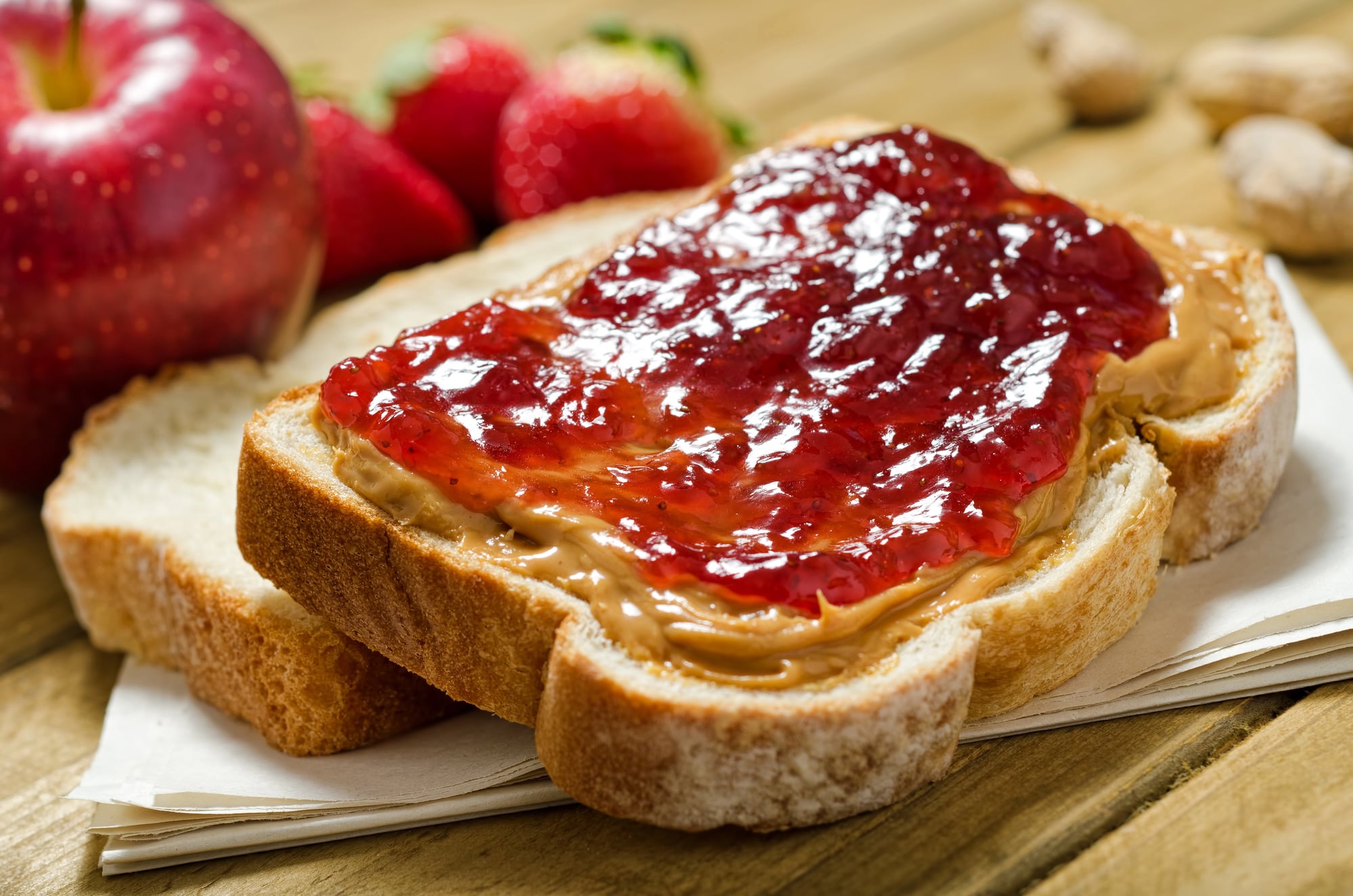
Most countries look at this combination like you’ve suggested putting ketchup on ice cream. The sticky sweetness smeared together on white bread strikes foreign palates as fundamentally wrong.
Yet American kids grow up thinking this is universal comfort food. It’s not.
College Sports Fanaticism

The fervor surrounding 18-year-olds playing amateur athletics baffles the international community, particularly when those same spectators (who may have attended entirely different universities decades ago — or never attended university at all) paint their faces and plan their weekends around these games. And the strangest part isn’t just that millions of people care deeply about unpaid student athletes; it’s that they care more about college games than professional ones, which inverts the typical sports hierarchy found everywhere else on the planet.
Other countries focus their sports passion on professional leagues where the best players in the world compete for actual money and national glory, not on academic institutions where the participants are technically there to study. But somehow, March Madness generates more genuine emotional investment than most professional championships.
Ranch Dressing
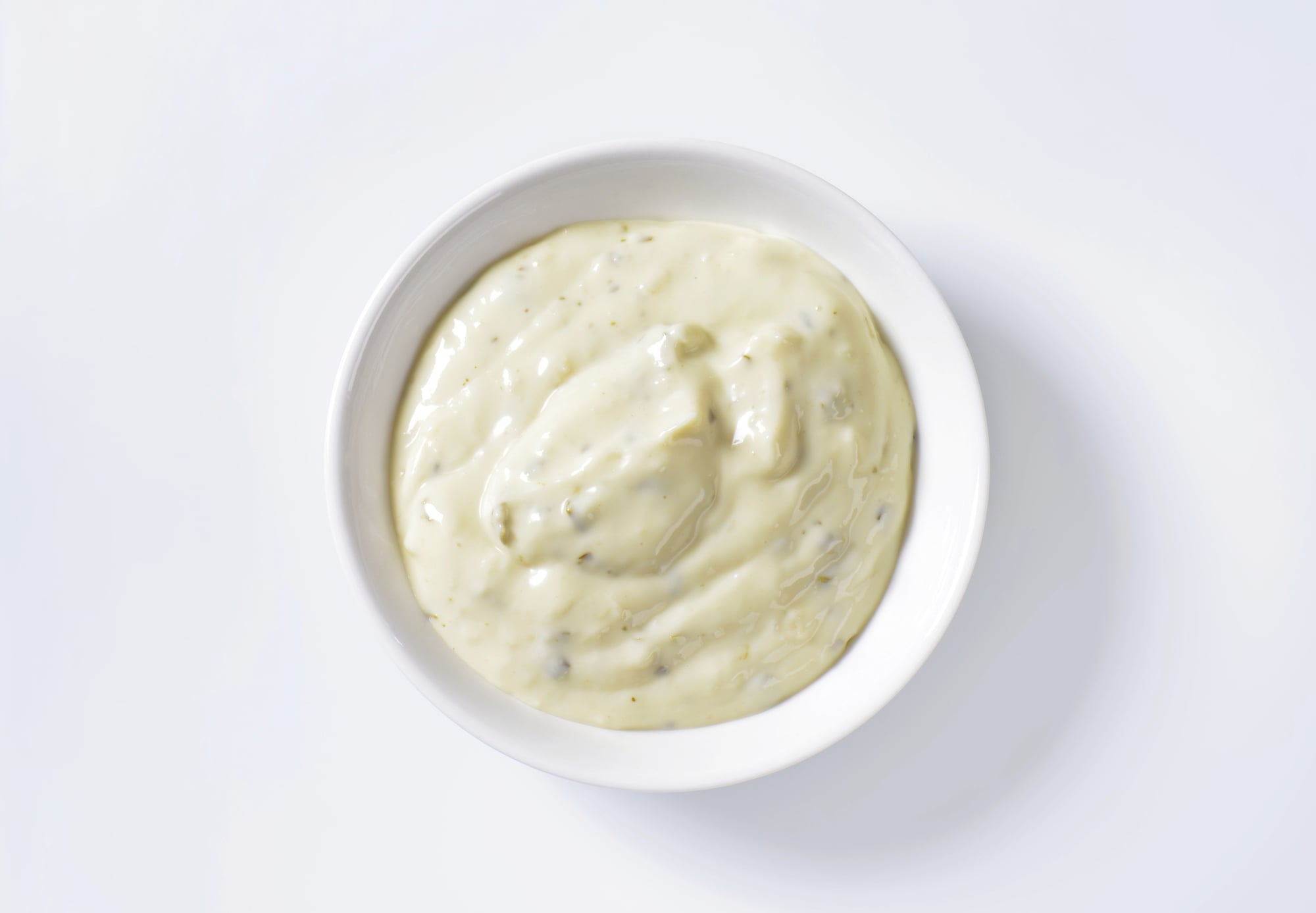
Other nations have condiments. Americans have ranch, which they pour on everything from salad to pizza to chicken wings.
The creamy, herb-flecked sauce that Americans consider a food group doesn’t exist in most other countries. When it does appear internationally, it’s usually in American chain restaurants, served to confused locals who can’t understand why anyone would want to drown perfectly good food in what tastes like liquid salad.
Prescription Drug Commercials

Watching television means enduring cheerful montages of people walking through meadows while a narrator lists seventeen ways the advertised medication might kill them. This strikes visitors as dystopian.
Most countries consider medical advice something between a doctor and patient, not a marketing opportunity during prime time. The idea that patients should diagnose themselves through commercials and then request specific drugs by name seems backward to healthcare systems built on professional medical judgment rather than consumer choice.
Drive-Through Everything

Americans have transformed the simple act of staying in their car into a retail philosophy that now encompasses banks, pharmacies, coffee shops, and even wedding chapels (a particularly American flourish that combines convenience with one of life’s most significant moments). The drive-through represents something deeper than laziness — it’s a fundamental belief that movement should never stop, that efficiency trumps all other considerations, even when those considerations might include human interaction or the simple pleasure of walking somewhere.
Other countries have drive-throughs, but they treat them as conveniences for specific situations rather than a preferred way of conducting business. Americans have made them a default.
Tipping Culture
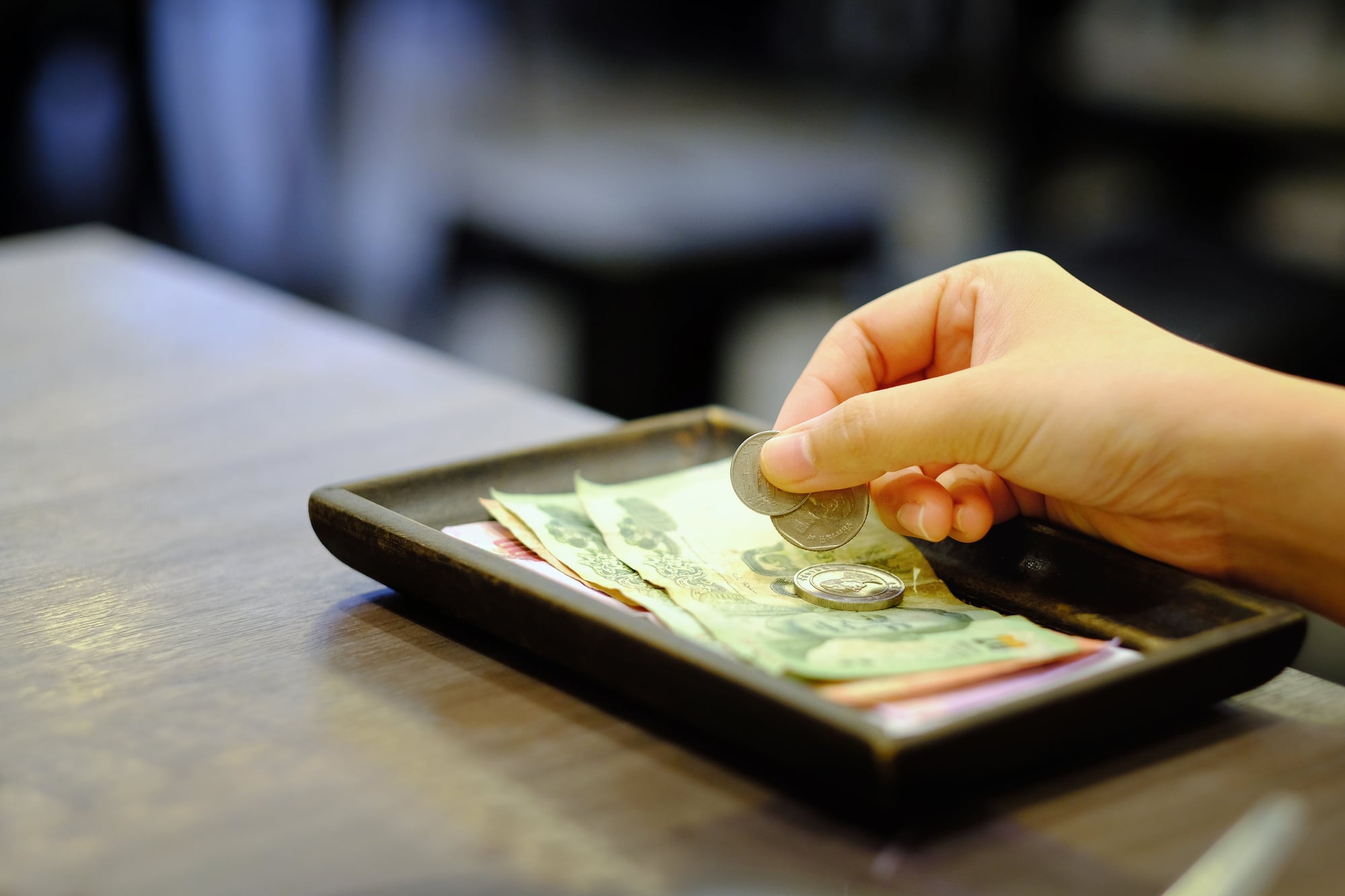
Twenty percent on top of every bill isn’t a reward for exceptional service. It’s a tax for existing in public spaces.
The rest of the world pays service workers actual wages and treats tips as genuine bonuses for outstanding experiences. American tipping culture forces customers to subsidize employee wages that employers should cover, creating an elaborate social contract that benefits everyone except the people paying and receiving the tips.
Thanksgiving

The rest of the world has harvest festivals, but they don’t shut down entire countries for a Thursday dedicated to turkey and family arguments. Thanksgiving represents peak American commitment to tradition, even when that tradition involves foods most people wouldn’t choose to eat together under normal circumstances.
The holiday’s combination of historical mythology, mandatory gratitude, and carbohydrate excess creates an experience that’s impossible to export. Other countries can’t manufacture the specific blend of nostalgia, obligation, and tryptophan that makes Thanksgiving quintessentially American.
Red Solo Cups

Bright red plastic cups have become synonymous with American parties, even though they serve no functional purpose that regular cups can’t handle. The cultural significance attached to disposable drinkware represents American party culture at its most inexplicably specific.
Movies and television have exported the image worldwide, but the actual cups remain largely an American phenomenon. Other countries use whatever cups they have available and don’t assign cultural meaning to the color or material of their disposable drinkware.
State Fair Food
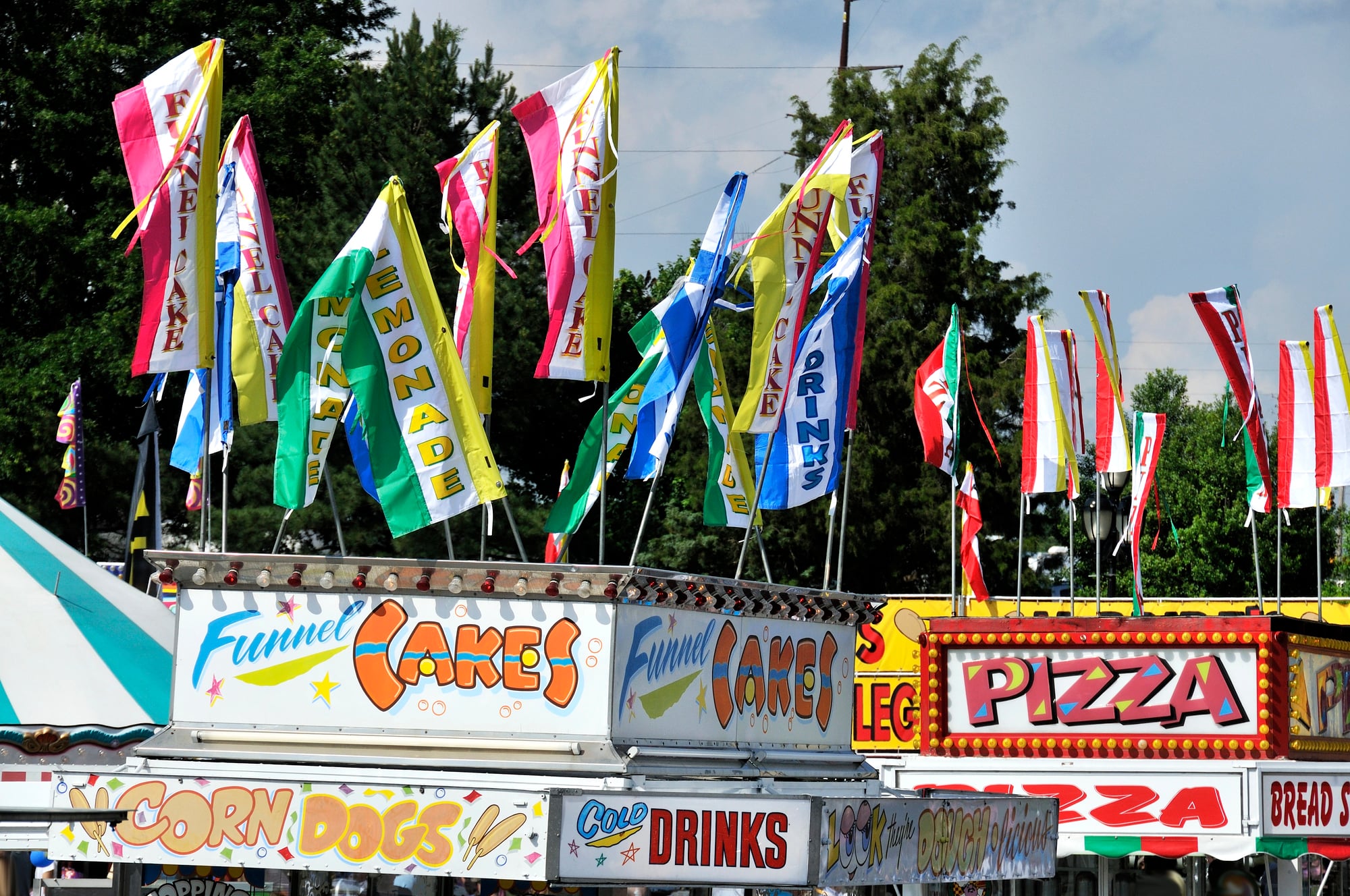
Deep-fried butter exists because Americans decided that regular butter wasn’t sufficiently committed to the concept of butter. State fairs have become laboratories for combining foods that were never meant to meet, creating culinary experiments that prioritize novelty over edibility.
The willingness to deep-fry ice cream and abstract concepts like “fairness” reflects an approach to food that treats eating as entertainment rather than sustenance. Other countries have festivals and traditional foods, but they don’t typically involve competitive innovation in making normal food less recognizable.
Homecoming

The elaborate ritual of crowning teenagers as temporary royalty while celebrating their return to a school they never actually left creates a tradition so specifically American that other countries can’t even find equivalent words in their languages. Homecoming combines school spirit, formal wear, and social hierarchy in ways that make perfect sense to Americans and absolutely none to everyone else.
The investment of time, money, and emotional energy in what amounts to a themed school dance speaks to American commitment to creating significance through ceremony, even when the underlying event doesn’t warrant the attention it receives.
Yard Sales

Americans have turned getting rid of unwanted possessions into weekend entertainment, both for sellers displaying their former belongings on folding tables and for buyers who enjoy rifling through other people’s abandoned purchases. The yard sale ecosystem creates a secondary market for items that aren’t quite worthless but aren’t quite valuable enough to sell professionally.
Other countries donate unwanted items or throw them away, but they don’t typically invite neighbors to browse through their discarded belongings while negotiating prices on kitchen appliances and children’s toys. The American yard sale combines commerce, community, and voyeurism in proportions that don’t translate internationally.
Corn Dogs

Taking a hot dog, coating it in cornmeal batter, deep-frying it, and putting it on a stick represents American food innovation at its most practical and least necessary. The corn dog solves problems that didn’t exist while creating new ones related to structural integrity and eating logistics.
The rest of the world managed to eat sausages for centuries without breading and frying them, but Americans decided that hot dogs needed to be more complicated and less convenient. The result is a food item that’s uniquely American in both its creation and its continued popularity.
Black Friday

The tradition of following a day of gratitude with aggressive shopping behaviors creates cognitive dissonance that somehow makes perfect sense in American culture, where the transition from thankfulness to consumption happens overnight and involves people camping outside electronics stores to save money on items they didn’t know they wanted until the prices dropped. Black Friday represents American consumer culture at its most concentrated — the belief that good deals justify almost any behavior and that shopping can be both recreation and competition.
Other countries have sales, but they don’t typically involve the ritualistic aspects of preparation, strategy, and physical endurance that characterize American Black Friday shopping. The holiday shopping season exists elsewhere, but it doesn’t begin with organized retail chaos.
Sweet Tea

The South’s contribution to American beverage culture involves dissolving impossible amounts of sugar in hot tea and serving it cold, creating a drink that’s simultaneously refreshing and diabetic. Sweet tea isn’t just sugary iced tea — it’s a specific preparation that requires the sugar to dissolve completely during brewing, resulting in a sweetness level that shocks visitors from other tea-drinking cultures.
The regional loyalty to sweet tea runs so deep that restaurants in certain parts of the country don’t need to specify “sweet” or “unsweetened” — they know their customers’ preferences and adjust accordingly. Other countries sweeten their tea, but they don’t treat it as a cultural identifier or regional marker.
The Persistence Of Peculiarity
These distinctly American phenomena persist not because they’re superior to alternatives found elsewhere, but because they’ve become woven into the cultural fabric in ways that resist examination. Americans don’t typically question why they need seventeen different ranch dressing varieties or why college football generates more passion than professional sports — these things simply exist as part of the American experience, as natural and unexamined as the weather.
More from Go2Tutors!

- The Romanov Crown Jewels and Their Tragic Fate
- 13 Historical Mysteries That Science Still Can’t Solve
- Famous Hoaxes That Fooled the World for Years
- 15 Child Stars with Tragic Adult Lives
- 16 Famous Jewelry Pieces in History
Like Go2Tutors’s content? Follow us on MSN.