Companies That Rebranded After Early Missteps
Every major brand you recognize today made mistakes along the way. Some stumbled right out of the gate with products that flopped, names that confused customers, or strategies that completely misread their market.
The difference between companies that survived and those that disappeared came down to willingness to admit failure and change direction. Rebranding after a misstep requires courage and resources.
Companies have to acknowledge their mistakes publicly, spend money fixing problems, and convince customers to give them another chance. The ones that succeeded understood their errors, fixed the underlying issues, and rebuilt their identity from scratch.
Nintendo’s Early Confusion

Before Nintendo became synonymous with video games, the company spent decades trying to figure out what business it was actually in. Founded in 1889, Nintendo started as a playing card manufacturer.
That business worked fine for several decades, but management wanted growth. The company tried running taxi services, love hotels, instant rice, and a television network.
None of these ventures succeeded. Nintendo lost money on most of these experiments and gained nothing but confusion about what the brand actually meant.
The breakthrough came when Nintendo focused exclusively on toys and games in the 1960s. This narrower focus led to electronic games, which led to arcade machines, which eventually led to the Nintendo Entertainment System.
The company that couldn’t figure out whether it was in transportation or hospitality found its identity in entertainment.
Target’s Failed Canadian Expansion
Target spent years planning its entry into Canada. The company acquired over 100 locations from Zellers in 2011 and promised Canadian shoppers the same experience Americans loved.
The expansion failed spectacularly and closed completely within two years. Empty shelves plagued Canadian Target stores from opening day.
The supply chain couldn’t keep up with demand. Prices ran higher than in U.S. stores.
The shopping experience felt nothing like what Target built its reputation on. Canadian customers were disappointed and stopped coming back.
Target closed all Canadian stores in 2015, taking a $5.4 billion loss. The company learned that brand recognition doesn’t transfer automatically across borders and that operational execution matters more than marketing promises.
Target refocused on its U.S. operations, improved its supply chain, and rebuilt its reputation through better execution rather than expansion.
Old Spice’s Gender Problem

Old Spice dominated men’s grooming products in the mid-20th century, but by the 1990s the brand had a serious problem. Young men associated Old Spice with their grandfathers.
The products worked fine, but the brand image was ancient. Sales declined as younger customers chose newer brands that felt modern.
Old Spice tried minor tweaks and line extensions, but nothing addressed the fundamental perception problem. The brand was dying slowly, losing market share every year to competitors who understood contemporary masculinity better.
The 2010 “The Man Your Man Could Smell Like” campaign completely changed Old Spice’s identity. The humorous, self-aware advertising appealed to younger customers while acknowledging the brand’s traditional roots.
Sales exploded. Old Spice became cool again by embracing what made it uncool and turning that into comedy.
The rebrand didn’t change the products much, but it completely changed who bought them.
Burberry’s Counterfeit Crisis

Burberry’s iconic check pattern became too successful. The design appeared on everything from scarves to baby strollers, and counterfeits flooded the market.
By the early 2000s, the pattern was everywhere, often on cheap knockoffs sold at street markets. The brand lost its luxury positioning. Burberry became associated with tackiness rather than sophistication.
Luxury customers abandoned the brand because wearing obvious Burberry checks signaled you either bought counterfeits or didn’t understand fashion. The company faced an identity crisis that threatened its existence.
Burberry’s rebrand focused on reducing the visibility of its check pattern and emphasizing quality craftsmanship over logo recognition. The company limited which products featured the check, stopped licensing the pattern to outside manufacturers, and shifted marketing toward understated luxury.
Sales recovered as the brand reclaimed its position in the luxury market.
Domino’s Pizza and the Taste Problem
Domino’s built its business on fast delivery, but by 2009 the company faced an uncomfortable truth. Customers thought the pizza tasted terrible. Social media amplified complaints.
Market research confirmed what management didn’t want to hear. The core product had serious quality issues.
The company could have denied the problem or made minor adjustments. Instead, Domino’s launched a brutally honest advertising campaign admitting their pizza wasn’t good enough.
The ads featured real customer complaints and showed the company completely reformulating recipes. This transparency-focused rebrand succeeded because Domino’s actually improved the product.
New recipes, better ingredients, and modified cooking processes addressed the taste complaints. Sales increased significantly after the campaign.
Customers appreciated the honesty and gave the improved pizza a chance.
Lego’s Near Bankruptcy

Lego nearly went bankrupt in 2003 despite being one of the most beloved toy brands in the world. The company had expanded into theme parks, video games, clothing, and other ventures that diluted focus and drained resources.
Lego was trying to be everything to everyone and failing at most of it. The toy line itself had become overcomplicated.
Too many specialized pieces, too many licensed themes, too much variation. Kids found the sets confusing.
Parents found them expensive. The magic of simple creative building got lost in complexity.
Lego’s turnaround required brutal simplification. The company sold off non-core businesses, reduced the number of unique pieces, and refocused on what made Lego special.
Licensed themes like Star Wars stayed, but they returned to the basic Lego building experience. The rebrand wasn’t about changing Lego’s identity but about remembering what that identity was supposed to be.
Gap’s Logo Disaster

Gap introduced a new logo in 2010 that customers immediately hated. The design looked cheap and generic.
Social media backlash was swift and brutal. Gap had taken a recognized brand identity and replaced it with something that could have represented any clothing retailer.
The company initially defended the new logo, claiming it represented Gap’s evolution. That defense lasted six days before Gap reversed course and brought back the original logo.
The failed rebrand became a case study in how not to handle brand identity changes. Gap learned that brand recognition has real value even when a company wants to modernize.
The quick reversal saved the brand from lasting damage. Sometimes the best rebrand is admitting you made a mistake and going back to what worked.
Starbucks and the Pike Place Problem
Starbucks expanded rapidly in the 2000s, but growth came at a cost. The coffee quality declined.
Stores felt generic and indistinguishable from fast food chains. The experience that made Starbucks special disappeared as the company prioritized efficiency and expansion over quality.
Howard Schultz returned as CEO in 2008 and temporarily closed thousands of stores for employee retraining. The company discontinued breakfast sandwiches because the smell interfered with coffee aroma.
Starbucks reinstalled manual espresso machines and emphasized craft over speed. This rebrand focused on returning to core values rather than chasing new markets.
The company acknowledged that rapid expansion had compromised what customers originally valued. Sales recovered as Starbucks rebuilt its reputation for quality coffee and distinctive store atmosphere.
Netflix’s Qwikster Failure
Netflix tried to split its DVD rental and streaming services into separate companies in 2011. The DVD service would become Qwikster, with separate billing and separate websites.
Customers hated the plan immediately. The proposed split would have forced customers to manage two accounts, search two inventories, and maintain two queues.
It made no sense from a user experience perspective. Netflix’s stock price dropped dramatically as customers threatened to cancel subscriptions.
The company reversed the decision within a month. CEO Reed Hastings apologized for the confusion and kept the services combined under the Netflix brand.
The quick reversal prevented lasting damage, and Netflix learned that customer experience matters more than internal business organization preferences.
RadioShack’s Identity Crisis

RadioShack couldn’t decide whether it sold electronics components to hobbyists or consumer electronics to mainstream shoppers. The stores tried to serve both markets and satisfied neither. Serious electronics enthusiasts went to specialized suppliers.
Average consumers went to Best Buy or Amazon. The company attempted multiple rebrands, including trying to get people to call it “The Shack.”
None of these efforts addressed the fundamental problem that RadioShack didn’t have a clear value proposition for any customer segment. RadioShack filed for bankruptcy in 2015 because it never successfully resolved its identity crisis.
Some rebrands fail not because the execution was poor but because no amount of marketing can fix a business model that doesn’t work.
JCPenney’s Pricing Disaster

Ron Johnson became JCPenney’s CEO in 2011 with big plans to eliminate sales, coupons, and promotional pricing. The new “fair and square” pricing strategy offered consistent everyday low prices instead of the constant sales department stores relied on.
Customers hated it. Department store shoppers enjoyed the hunt for deals and the satisfaction of finding discounts.
Eliminating sales removed the psychological reward that drove shopping behavior. Sales dropped dramatically.
JCPenney fired Johnson after 17 months and immediately brought back sales, coupons, and promotional pricing. The company learned that changing a business model requires understanding customer psychology, not just implementing what seems more rational.
Tropicana’s Packaging Mistake

Tropicana redesigned its orange juice packaging in 2009, replacing the iconic orange-with-straw image with a minimalist design. The new packaging looked modern and clean, but customers couldn’t find Tropicana on store shelves anymore.
Sales dropped 20% within months. Customers complained they couldn’t recognize the product.
The new design eliminated the visual cues that made Tropicana instantly identifiable. Brand recognition disappeared because the package looked like generic store brand juice.
Tropicana returned to the original packaging within two months. The company learned that distinctive packaging isn’t just decoration but functional identification that customers rely on.
The quick reversal limited the damage and restored sales.
Abercrombie & Fitch’s Exclusivity Problem
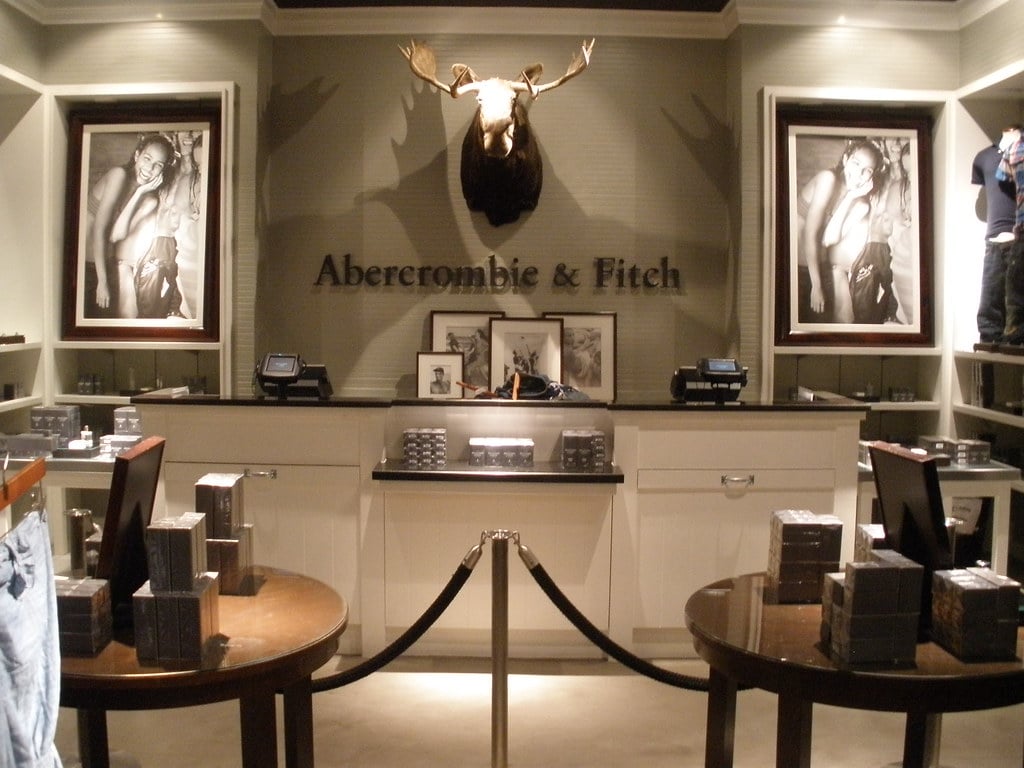
Abercrombie & Fitch built its brand on exclusivity and aspirational imagery in the 1990s and 2000s. The company openly stated it didn’t want certain customers wearing its clothes.
Stores were dark, loud, and heavily perfumed. The shopping experience excluded more people than it attracted.
This strategy worked briefly but became toxic as social attitudes changed. The brand faced backlash for discriminatory practices and body-shaming marketing.
Sales declined as younger customers rejected exclusionary brands. The rebrand under new leadership eliminated controversial marketing, brightened stores, reduced fragrance intensity, and expanded size ranges.
Abercrombie shifted from exclusivity to inclusivity, recognizing that the market had moved past aspirational elitism. The company rebuilt its reputation by fundamentally changing what the brand represented.
When Getting It Wrong Leads to Getting It Right

The firms that made it past early slipups had a few things in common. Fast acknowledgment of mistakes set them apart.
Instead of doubling down on poor choices, they paid attention to what buyers said. Rather than tweaking ads, they tackled root issues head-on.
Fixing a brand after messing up isn’t just about fresh logos or catchy ads. Instead, it means digging into what went wrong at the start – then actually fixing those issues.
Firms that pulled it off changed real stuff behind the scenes, not just how things looked on the surface. A slip isn’t always a collapse – yet fixing things needs truth.
The names people rely on now? They got there by owning up to mistakes and showing change stuck. That kind of track record beats nailing it immediately, hands down.
More from Go2Tutors!

- The Romanov Crown Jewels and Their Tragic Fate
- 13 Historical Mysteries That Science Still Can’t Solve
- Famous Hoaxes That Fooled the World for Years
- 15 Child Stars with Tragic Adult Lives
- 16 Famous Jewelry Pieces in History
Like Go2Tutors’s content? Follow us on MSN.



