15 Incredible Facts About Calories That Will Change How You Eat
The word “calorie” appears on almost everything you eat, yet most people understand it about as well as they understand quantum physics. It’s just a number on a package, somewhere between the ingredients list and the expiration date.
But calories aren’t just numbers — they’re units of energy that tell a much more complex story about food, metabolism, and how your body actually works. Understanding what calories really represent can shift how you think about eating entirely.
Not all calories burn the same way
Your body doesn’t treat 100 calories of broccoli the same as 100 calories of candy. The thermic effect of food means some calories require more energy to process than others.
Protein demands about 30% of its calories just for digestion and metabolism. Carbohydrates need around 8%.
Fats require only 3%. This isn’t splitting hairs — it’s basic biology.
Your metabolism works harder processing whole foods than processed ones. That candy slides through your system with minimal effort.
The broccoli makes your body work.
Cold water actually burns calories
Drinking cold water forces your body to heat it to body temperature. That process burns calories — not many, but calories nonetheless.
About 8 calories per glass of ice-cold water. Before getting excited about an ice water diet, remember that’s roughly equivalent to one bite of apple.
Still, it’s one of the few times in life where doing absolutely nothing burns energy.
Your brain devours a quarter of your daily calories

The human brain is an energy hog (and this becomes even more apparent when you consider that it comprises only about 2% of your body weight, yet it demands roughly 25% of your total caloric intake). It never stops working, never takes a break, never goes into sleep mode the way a computer might — even during actual sleep, your brain remains metabolically active, sorting through memories, consolidating information, and maintaining the basic functions that keep you alive.
So when people talk about “brain food,” they’re not just being metaphorical: your brain is literally consuming calories to think, to remember, to process the words on this page right now. And here’s where it gets interesting — mental work can actually increase your brain’s caloric demands.
Students studying for exams, people learning new skills, anyone engaged in intense cognitive tasks: their brains burn through glucose faster than usual. It’s why thinking hard can leave you genuinely hungry, why a day spent in meetings can feel as exhausting as physical labor.
Your brain has been working, and work requires fuel.
Muscle tissue burns calories while doing nothing
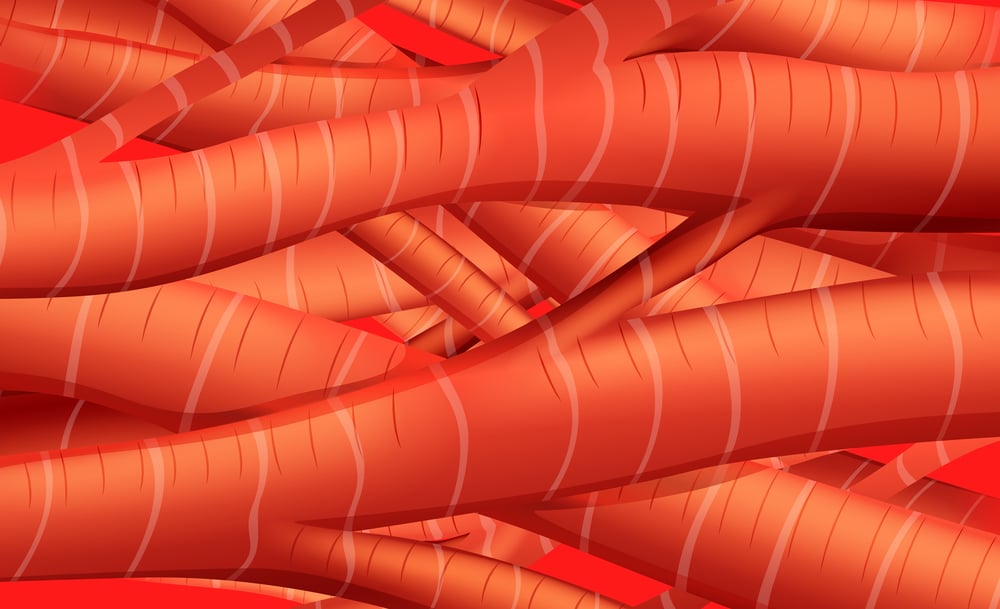
Think of muscle tissue as expensive real estate for your metabolism. Every pound of muscle burns about 6-10 calories per day just existing.
Fat tissue burns maybe 2-3 calories per pound daily. This is why strength training changes more than just appearance.
More muscle means a higher baseline metabolism. Your body burns more calories watching television, sleeping, sitting at a desk — basically doing nothing at all.
Chewing gum burns roughly five calories per hour
The act of chewing activates multiple muscle groups in your face and jaw. Continuously working these muscles burns a small but measurable amount of energy.
Sugar-free gum gives you the calorie burn without adding calories back in. It’s not going to replace cardio, but it’s something.
Five calories here, eight calories from cold water there — these tiny expenditures add up over time.
Fidgeting can burn hundreds of extra calories daily

Some people are natural fidgeters (and they’re accidentally brilliant at calorie management). Tapping feet, bouncing legs, gesturing while talking, shifting positions constantly — these small movements create what researchers call non-exercise activity thermogenesis, or NEAT.
The difference between fidgeters and still-sitters can be 300-800 calories per day, which explains why some people seem to eat whatever they want without gaining weight while others struggle despite careful attention to their diet. NEAT varies dramatically between individuals, and much of it appears to be hardwired rather than conscious.
You can’t exactly decide to become a natural fidgeter, but you can make choices that increase your daily movement: taking stairs instead of elevators, parking farther away, standing during phone calls.
Small movements. Constant movements.
They accumulate.
Spicy food temporarily increases calorie burn
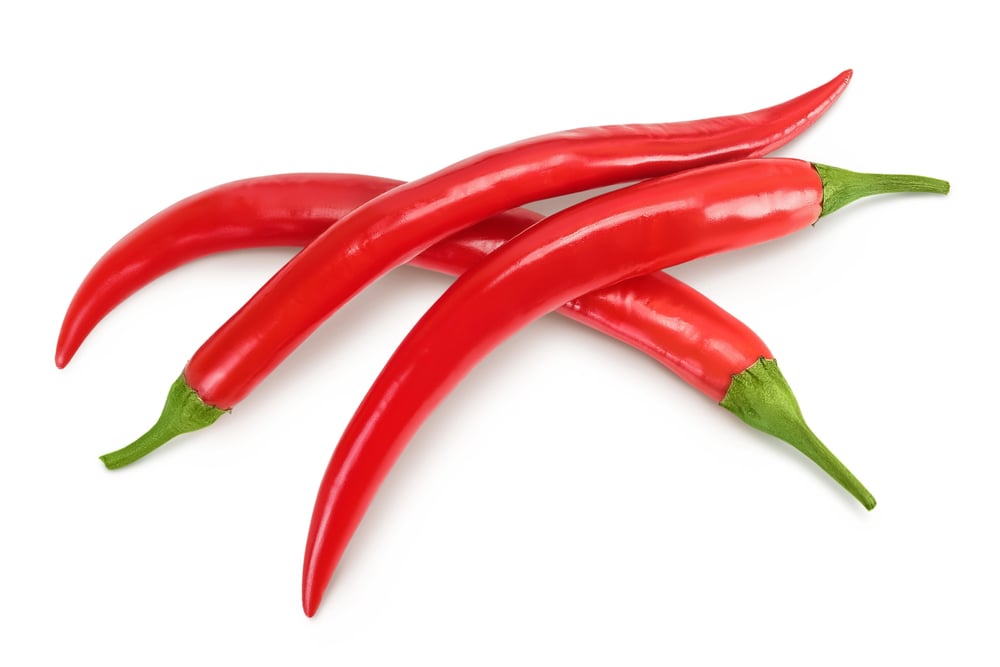
Capsaicin makes food spicy. It also makes your body work harder.
Heart rate increases, body temperature rises, metabolism kicks up a notch. The effect lasts about 30 minutes and burns maybe 10-15 extra calories.
Hot sauce won’t make you skinny, but it’s a metabolic boost that costs nothing. Plus food tastes better. Fair trade.
Eating late doesn’t automatically create fat

The idea that calories consumed after 8 PM automatically become fat is nutritional folklore (passed down through generations of dieters like some sort of metabolic ghost story). Your body doesn’t have a clock that switches from “burn mode” to “store mode” at sunset — it operates on a continuous cycle of energy use and storage based on immediate needs and overall intake patterns over time.
Late-night eating gets blamed for weight gain not because of timing magic, but because evening calories often represent surplus calories: the snack after dinner, the mindless munching during television, the extra food consumed when willpower runs low and the day’s discipline has been exhausted. But timing does matter in subtler ways.
Eating large meals close to bedtime can disrupt sleep quality, and poor sleep affects hormones that regulate hunger and satiety. So while a calorie at 10 PM isn’t inherently different from a calorie at 10 AM, the behaviors and biological responses associated with late eating can create conditions that make weight management more difficult.
Alcohol calories count, but differently

Alcohol provides 7 calories per gram — more than carbs or protein, less than fat. But your body can’t store alcohol, so it prioritizes burning those calories first.
Everything else gets put on hold. This means the calories from your dinner get stored while your body deals with the wine.
Alcohol doesn’t directly make you fat, but it makes storing other calories more likely. Plus it lowers inhibitions around food choices, which rarely leads to ordering the salad.
Negative calorie foods don’t exist
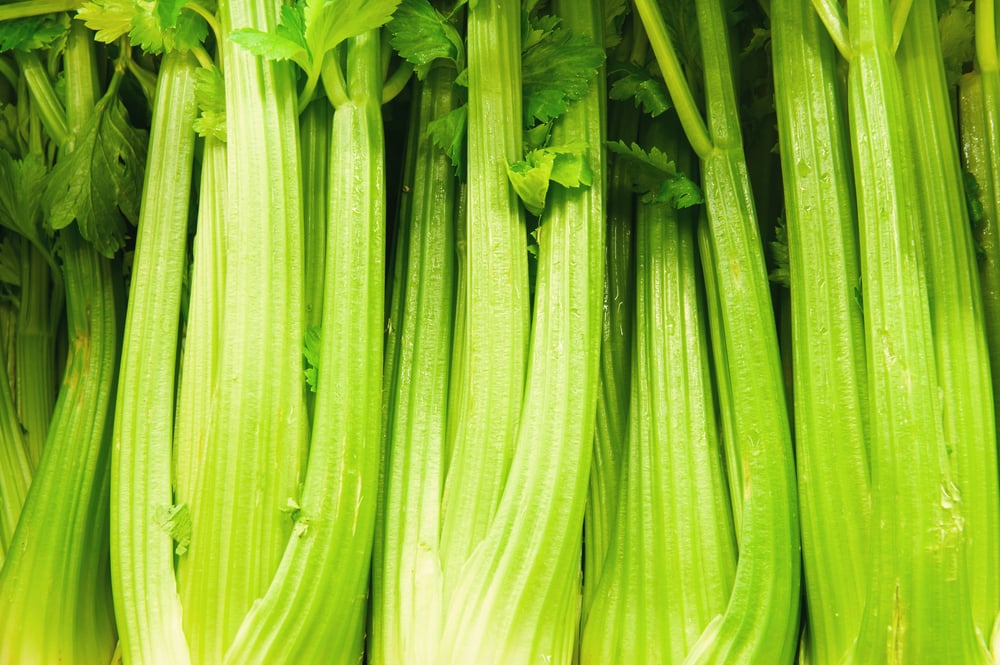
Celery contains calories. Your body burns calories digesting celery.
The math never works out where digestion burns more calories than the food contains. The closest thing to negative calories is ice water, and even that’s barely measurable.
Every food provides net positive calories, even vegetables. Though vegetables provide so few calories and so many nutrients that the distinction hardly matters.
Food labels can legally lie by up to 20%
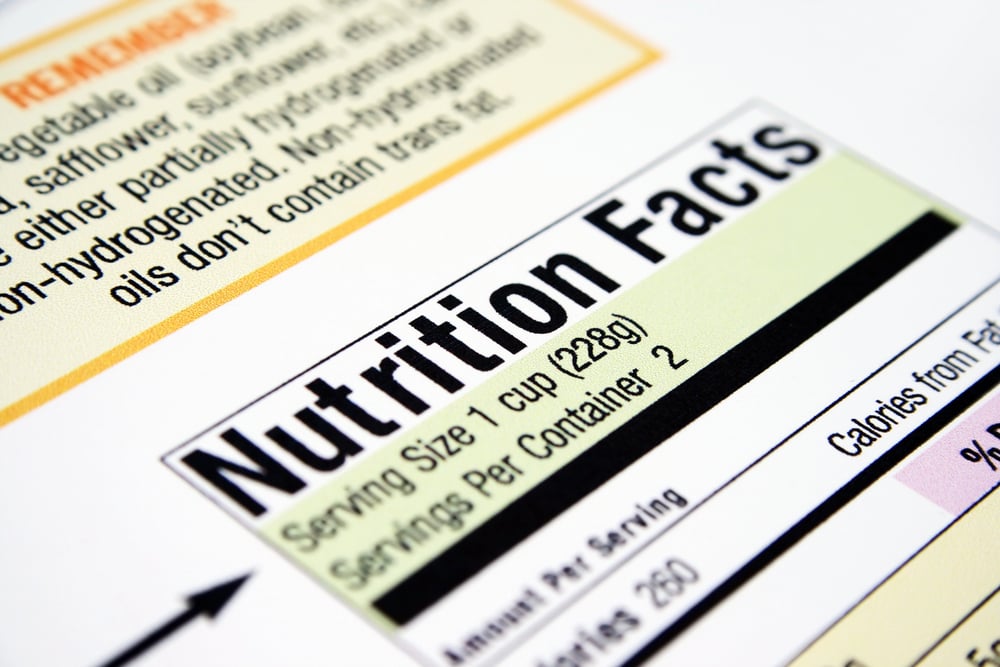
FDA regulations allow calorie counts to be off by 20% in either direction. That 100-calorie snack pack might actually contain 120 calories.
Or 80. The company doesn’t know which, and neither do you.
Restaurant calorie counts are often worse. Studies find restaurant foods averaging 18% higher calories than posted, with some dishes off by 200%.
That’s not dishonesty — it’s portion inconsistency and measurement difficulty.
Your metabolism adapts to calorie restriction

Cut calories dramatically, and your body fights back (not out of spite, but out of millions of years of evolutionary programming that interprets sustained calorie deficits as potential starvation). Metabolism slows down, hormone levels shift, hunger increases, and energy levels drop — your body essentially becomes more efficient at running on fewer calories, which sounds helpful until you realize it makes further weight loss increasingly difficult and weight regain almost inevitable once normal eating resumes.
This metabolic adaptation explains why the biggest losers on reality TV shows regain weight so predictably, why crash diets fail so consistently, why the last few pounds are always the hardest to lose. Your body adapts.
It learns. It remembers what normal felt like and works to get back there.
And yet people continue approaching weight loss like a simple math problem: eat less, weigh less. The math works in the short term.
Biology works against you in the long term.
Standing burns twice as many calories as sitting

Standing requires constant small adjustments to maintain balance. Core muscles engage, leg muscles activate, posture muscles work continuously.
The calorie difference between sitting and standing is about 50 calories per hour. Stand for four hours instead of sitting and you’ve burned an extra 200 calories.
That’s without walking anywhere or doing anything else. Just existing vertically instead of horizontally.
Calories from liquids don’t satisfy hunger
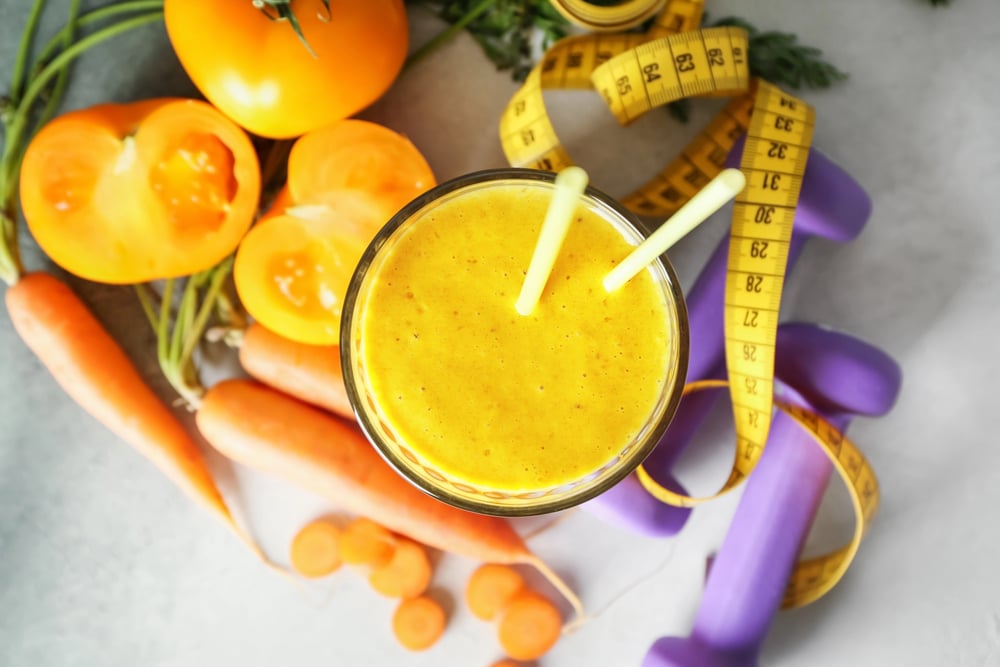
Your body recognizes solid food better than liquid calories. Drink 300 calories of juice and you’ll still eat the same amount at your next meal.
Eat 300 calories of solid food and you’ll naturally eat less later. Liquid calories bypass normal satiety signals.
Soda, juice, smoothies, alcohol — they all provide energy without providing satisfaction. Your brain counts them differently than solid food, which makes them easy to overconsume without realizing it.
Sleep affects how your body processes calories

Poor sleep changes how your body handles food. Hormones shift, insulin sensitivity decreases, hunger increases. The same 2,000 calories hit differently when you’re sleep-deprived versus well-rested.
Sleep deprivation also changes food preferences toward higher-calorie options. Tired people crave sugar and refined carbs more than rested people.
Your body seeks quick energy when it’s running on empty. Getting adequate sleep isn’t just about feeling better — it’s about processing food better.
Understanding changes everything
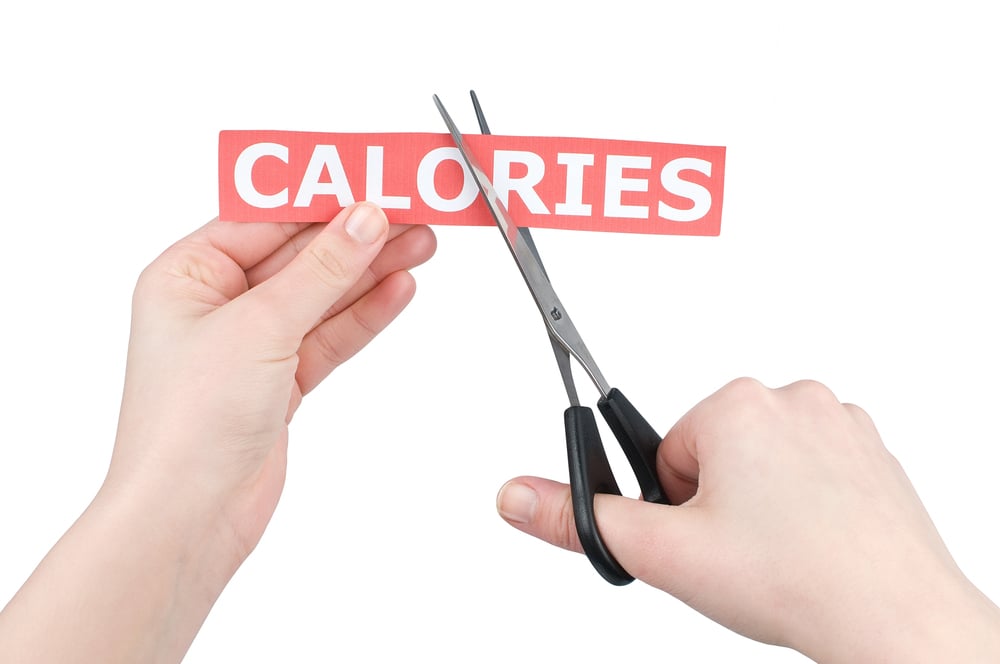
Calories tell a story, but it’s not the simple story most people think they know. They’re affected by food type, meal timing, muscle mass, sleep quality, individual metabolism, and dozens of other factors that make the “calories in, calories out” equation much more complex than it appears on the surface.
This doesn’t make calorie awareness useless — it makes it more interesting. Your body is running sophisticated energy management systems that respond to much more than simple addition and subtraction.
Understanding how those systems work changes not just what you eat, but how you think about eating entirely.
More from Go2Tutors!

- The Romanov Crown Jewels and Their Tragic Fate
- 13 Historical Mysteries That Science Still Can’t Solve
- Famous Hoaxes That Fooled the World for Years
- 15 Child Stars with Tragic Adult Lives
- 16 Famous Jewelry Pieces in History
Like Go2Tutors’s content? Follow us on MSN.