15 Everyday Things That Were Completely Normal in the ’90s but Are Rare Now
The 1990s feels simultaneously like yesterday and a lifetime ago. Those of us who lived through this vibrant decade experienced a unique transition period between analog and digital worlds. What seemed utterly commonplace back then has, in many cases, disappeared from our daily lives or transformed beyond recognition.
Here is a list of 15 everyday things that were absolutely normal in the ’90s but have become increasingly rare in today’s world.
Physical Media Collections
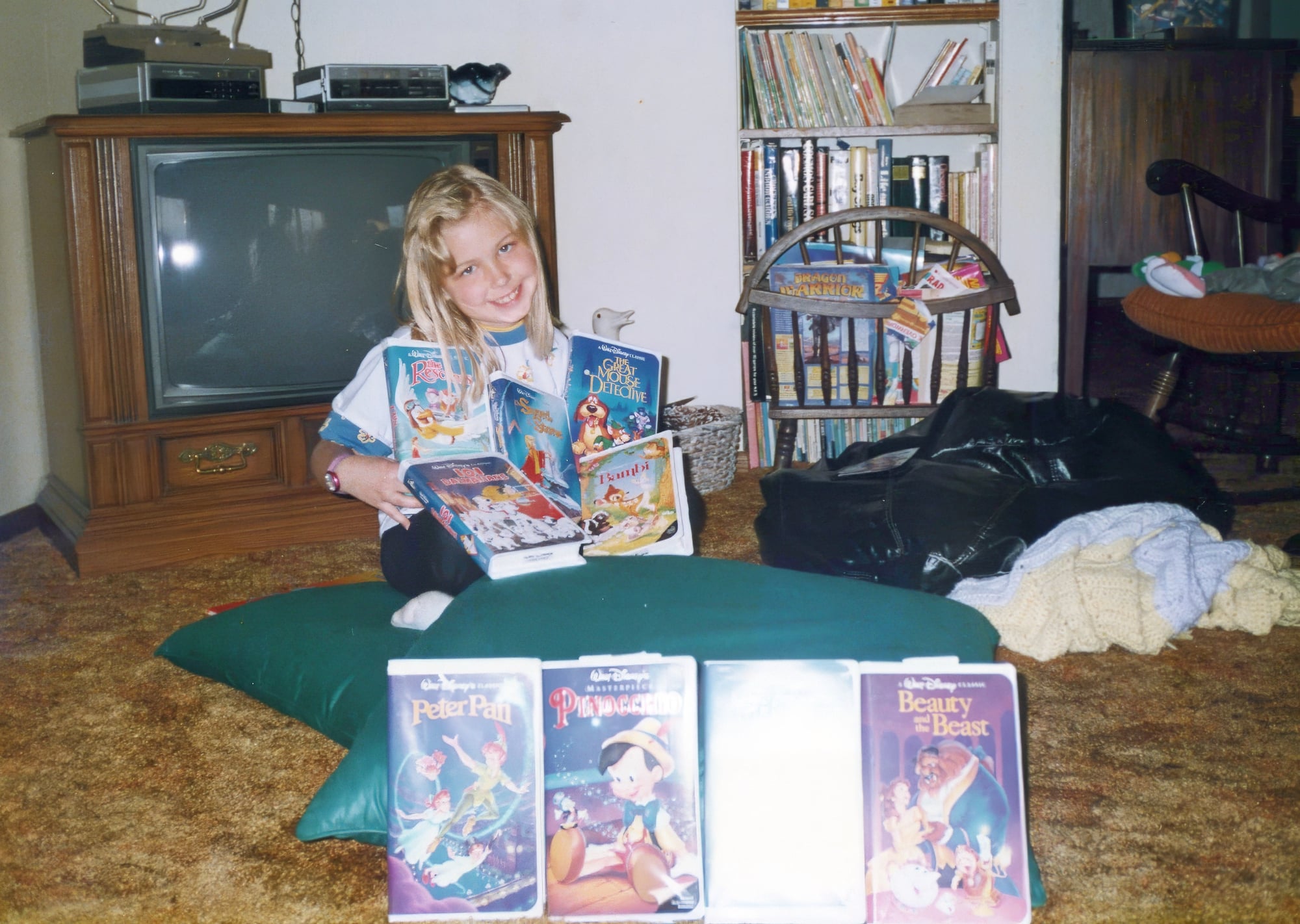
Once occupying prime real estate in living rooms, CD towers and VHS shelves were carefully organized by genre, artist, or alphabetical order. Collectors took pride in unwrapping a new CD, reading the liner notes, and experiencing an album in full.
Streaming services and digital downloads have since replaced these physical collections, making music and movies more accessible yet stripping away the ritual of ownership.
Phone Books
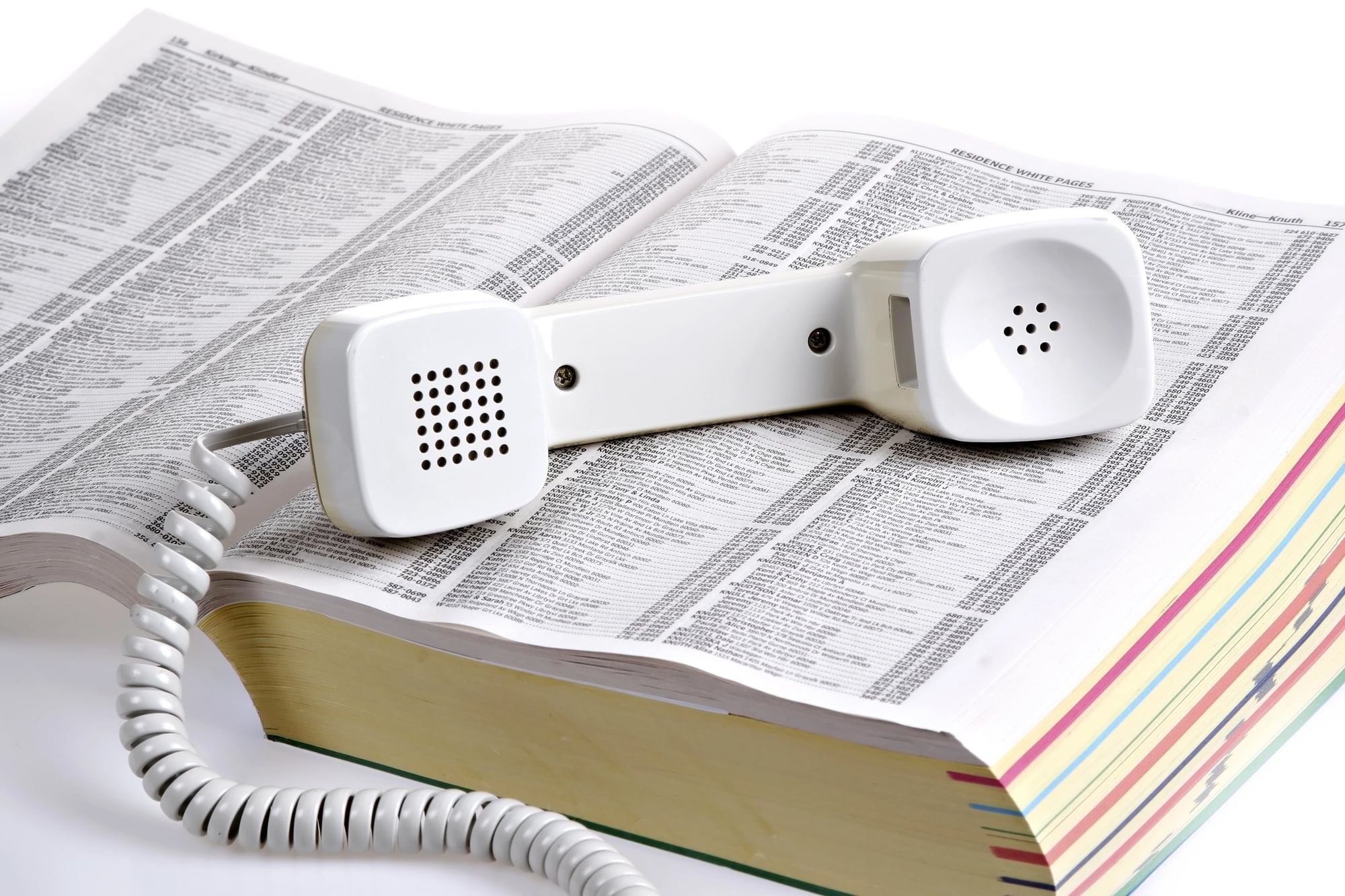
These massive yellow and white directories arrived annually, providing contact information for every household and business. Many homes even had special drawers just to store them.
Now, search engines and smartphone contacts have made phone books obsolete, with younger generations never having flipped through their bulky pages.
Video Rental Stores
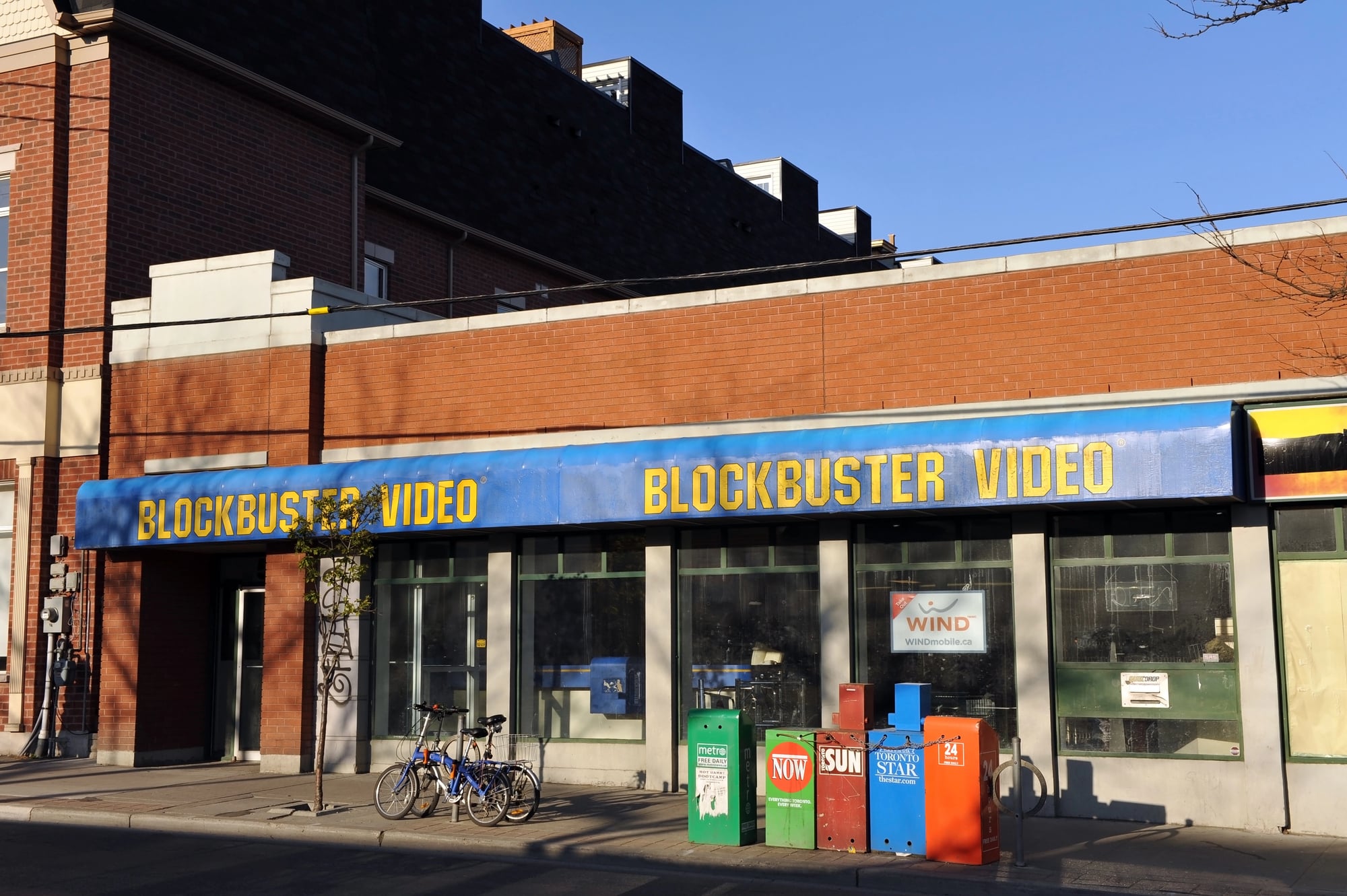
Friday nights often meant a trip to Blockbuster or a local rental shop to pick out weekend entertainment. The experience was social—bumping into neighbors, getting staff recommendations, and debating choices with family.
The anxiety of late fees was a defining part of the process, a worry that today’s streaming services have completely eliminated.
Dial-Up Internet
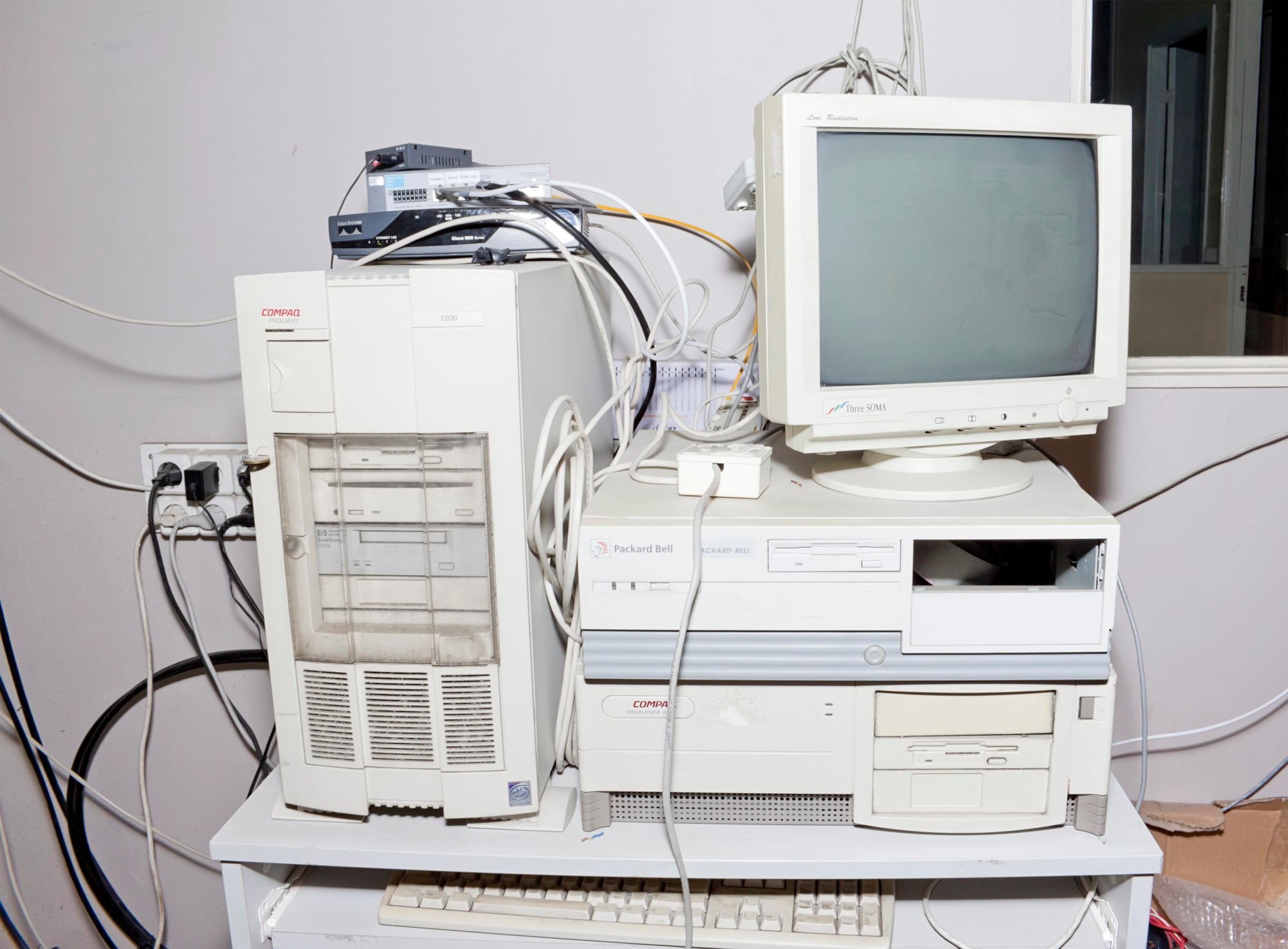
The screech of a modem connecting was once the soundtrack of the internet. Families scheduled usage around phone calls since both couldn’t happen at the same time.
Downloading even small files tested patience in ways that modern broadband users would find unimaginable.
Pay Phones
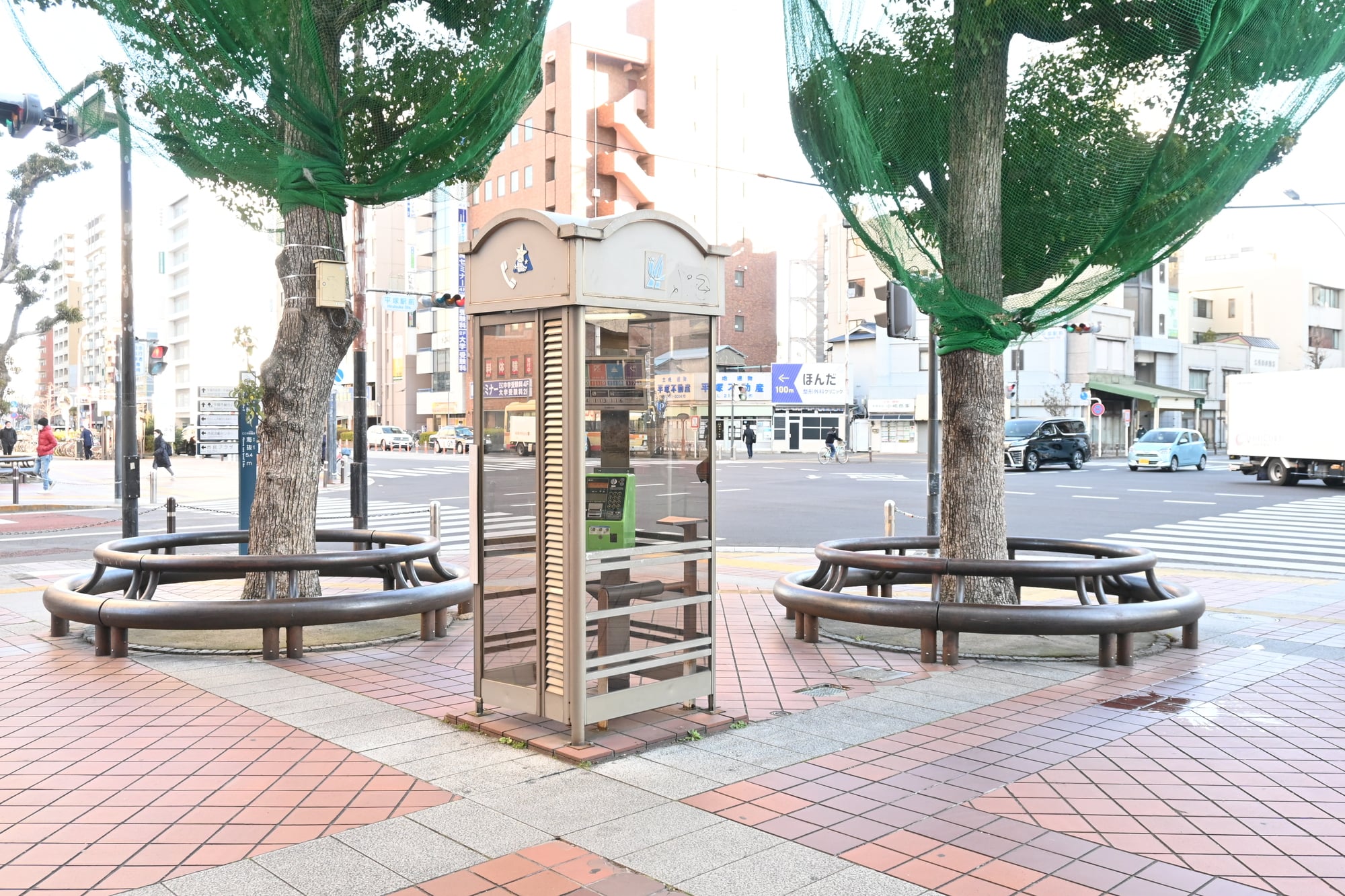
Street corners, malls, and gas stations reliably featured these public communication hubs. People memorized important numbers and carried quarters for emergency calls.
Now, the disappearance of pay phones has visibly transformed urban landscapes, with mobile phones making them unnecessary.
Disposable Cameras
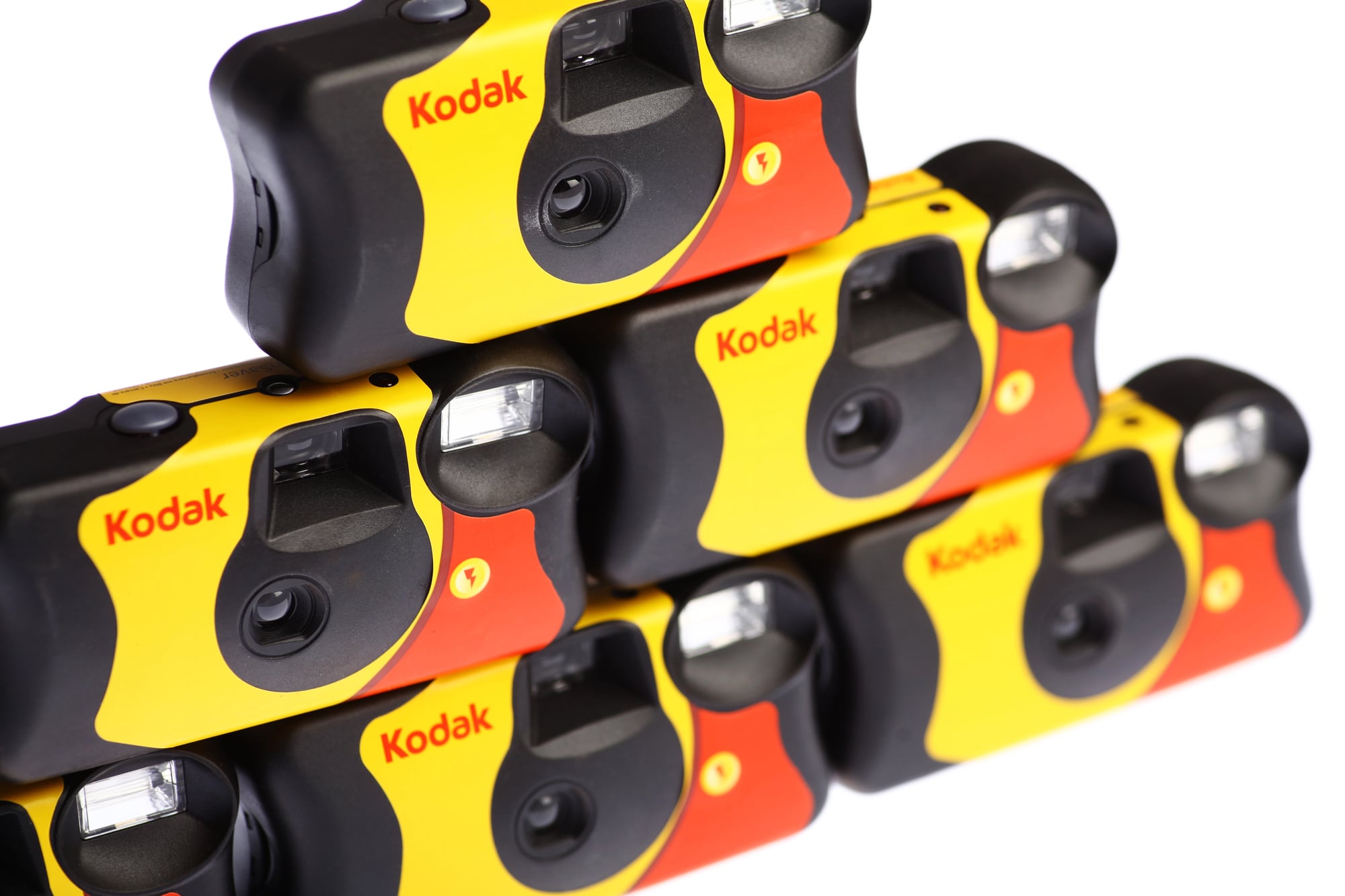
Before digital photography became affordable, disposable cameras democratized picture-taking at social events. The excitement of dropping off film and waiting to see the results added an element of surprise.
With only 24 or 36 exposures, people carefully chose their shots—unlike today’s limitless digital photography.
Pagers
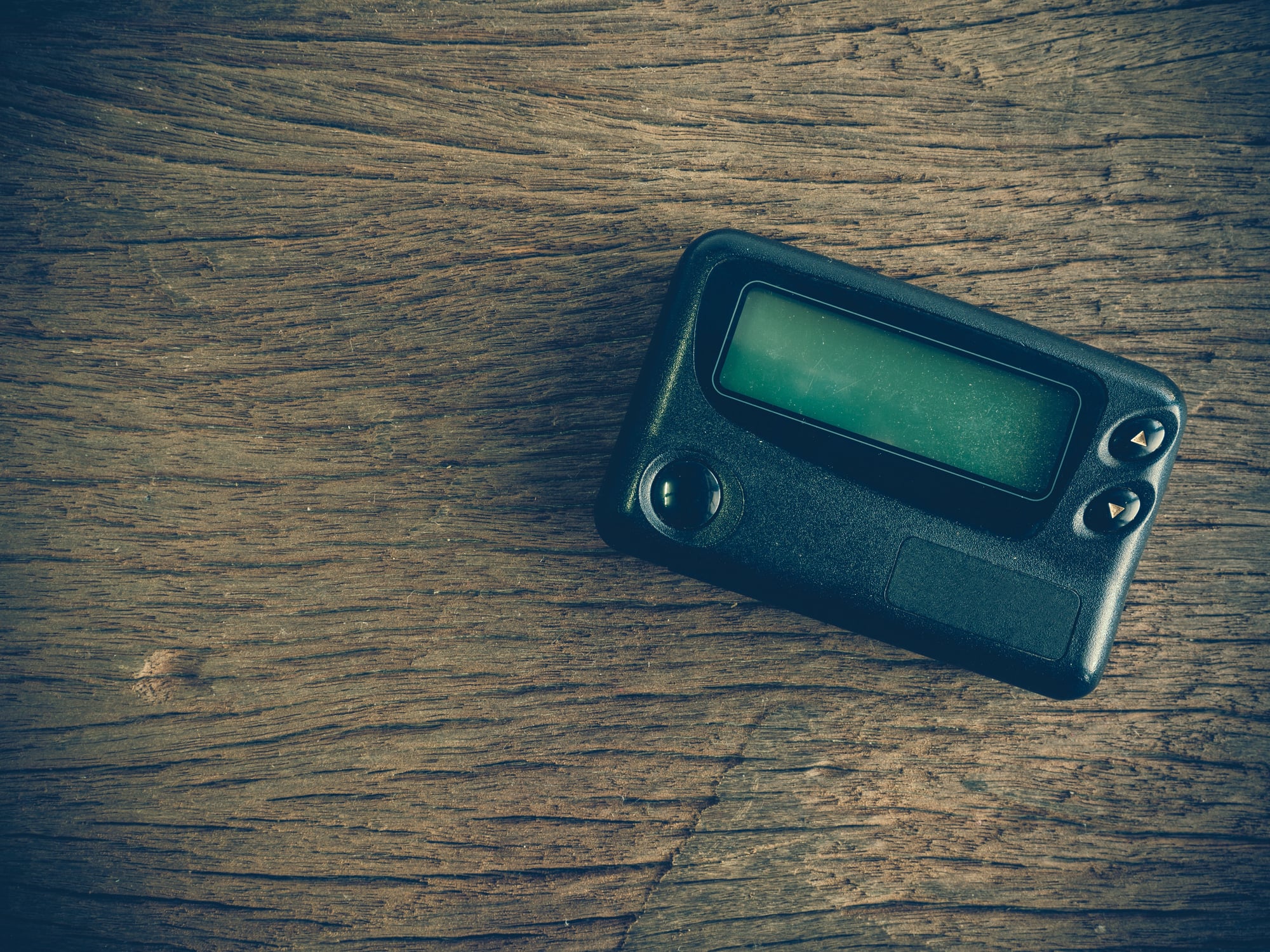
These small devices were status symbols for professionals and teenagers alike. Doctors, executives, and trendy high schoolers clipped them to their belts, creating an unmistakable ‘90s silhouette.
Beeping messages now seem primitive compared to modern smartwatches and phones.
Manual Car Windows
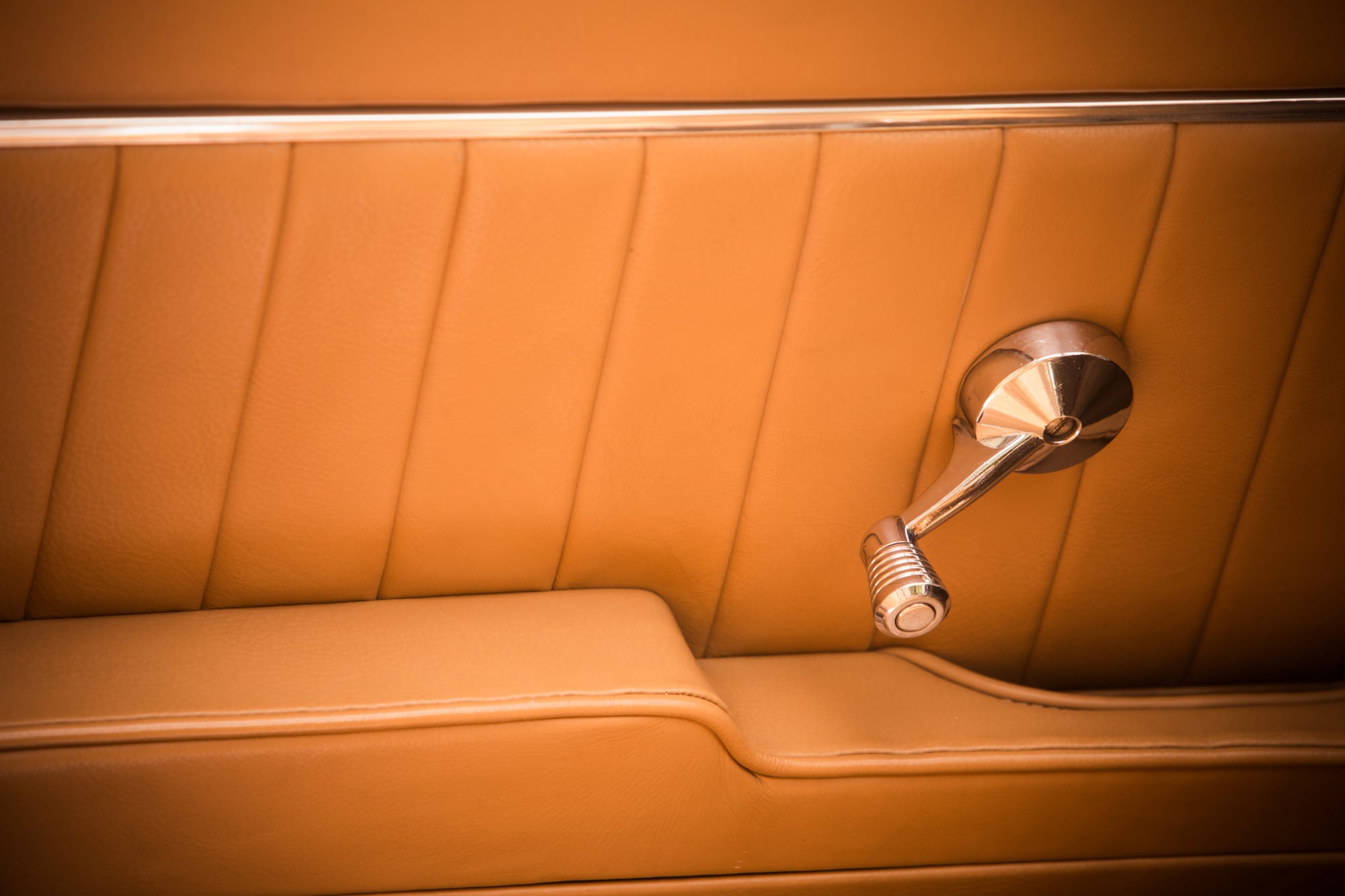
Rolling down a window meant physically turning a crank multiple times. This once-standard feature required coordination and arm strength.
Today, power windows have made the crank handle a relic of the past, unfamiliar to many younger drivers.
Printed Maps and Directions
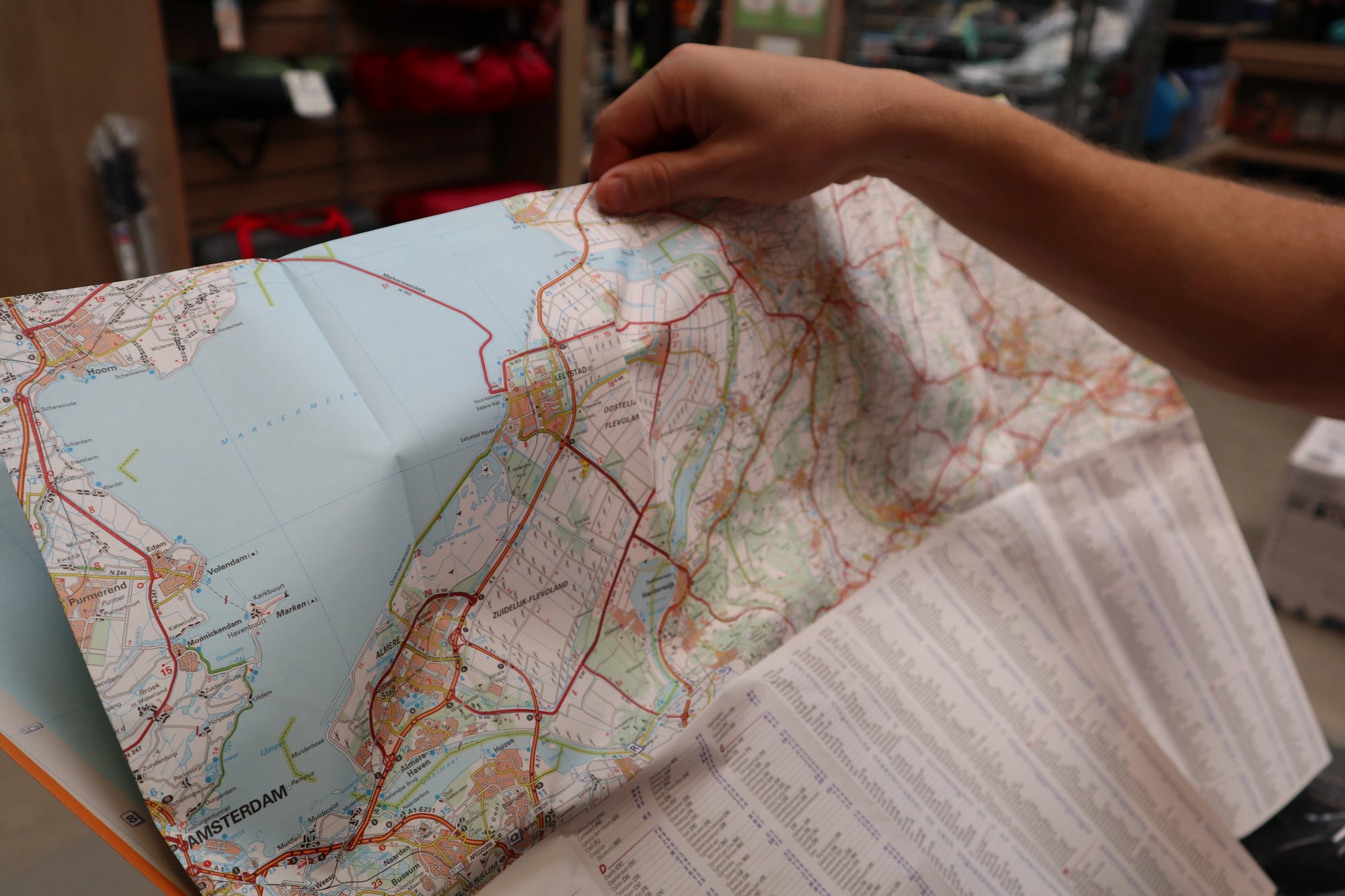
Road trips required careful planning, highlighting routes on fold-out maps and writing down directions. Getting lost meant stopping at a gas station for help instead of recalculating with GPS.
The spatial awareness developed through reading maps is becoming an increasingly rare skill in the digital age.
TV Scheduling
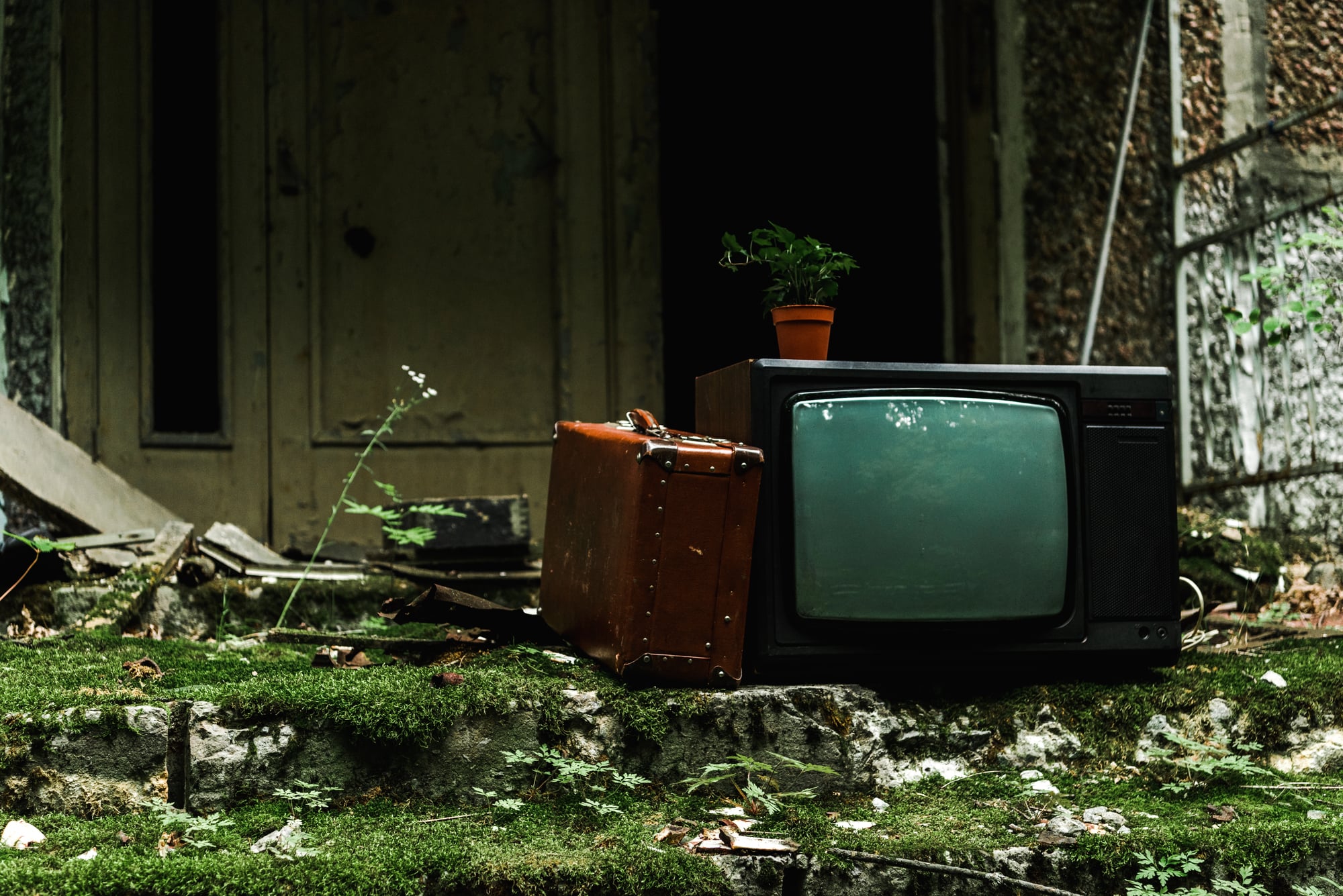
Watching television once required planning around network schedules. Missing a favorite show meant waiting for reruns, making appointment viewing a shared cultural experience.
Now, streaming allows for personalized viewing schedules, replacing water cooler discussions with spoiler warnings.
Encyclopedias
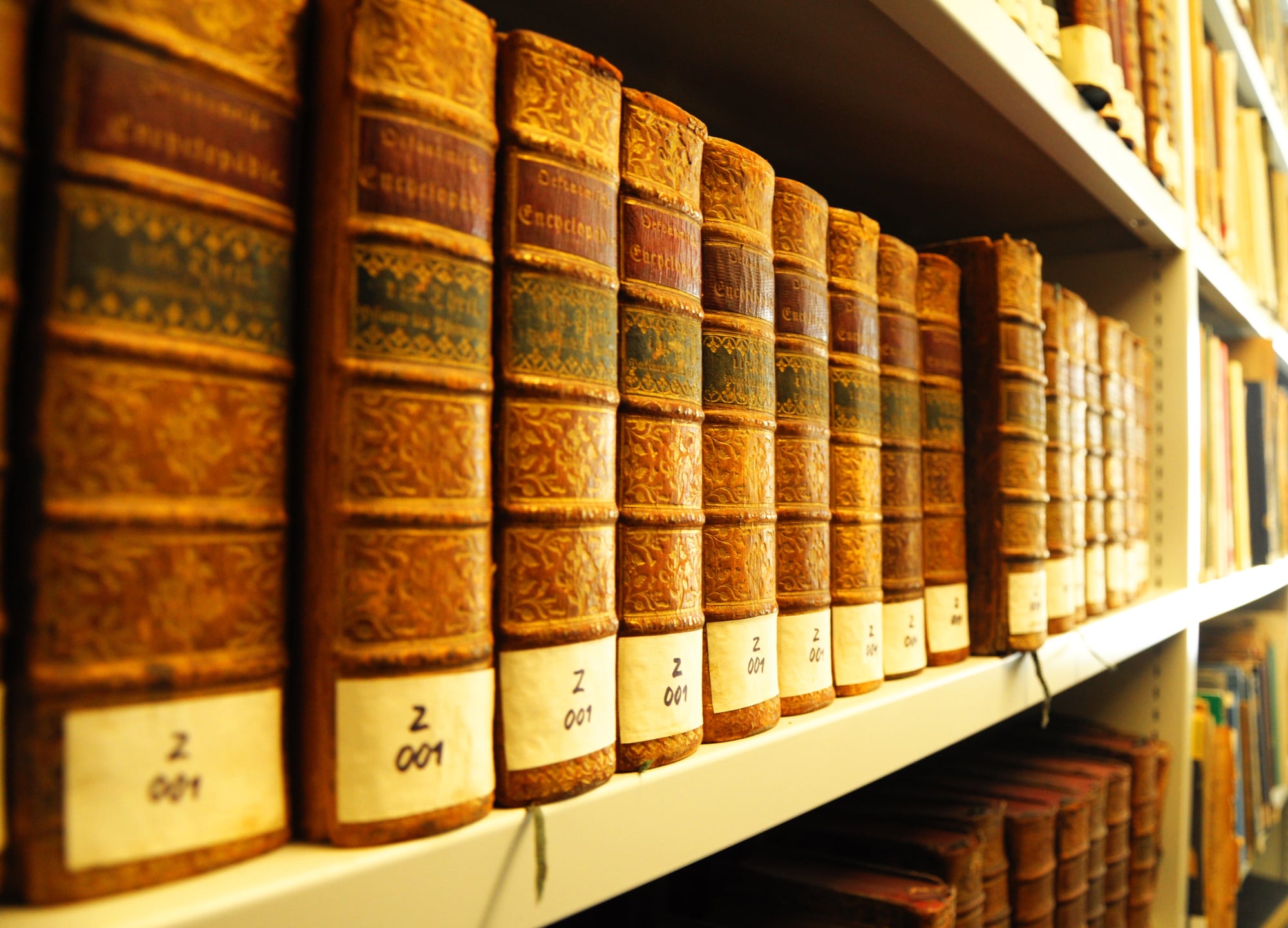
Households once invested in expensive multi-volume encyclopedia sets, dedicating entire bookshelves to these knowledge collections. They were a symbol of education and curiosity.
The transition to constantly updated online resources reflects how drastically our relationship with information has evolved.
Handwritten Letters
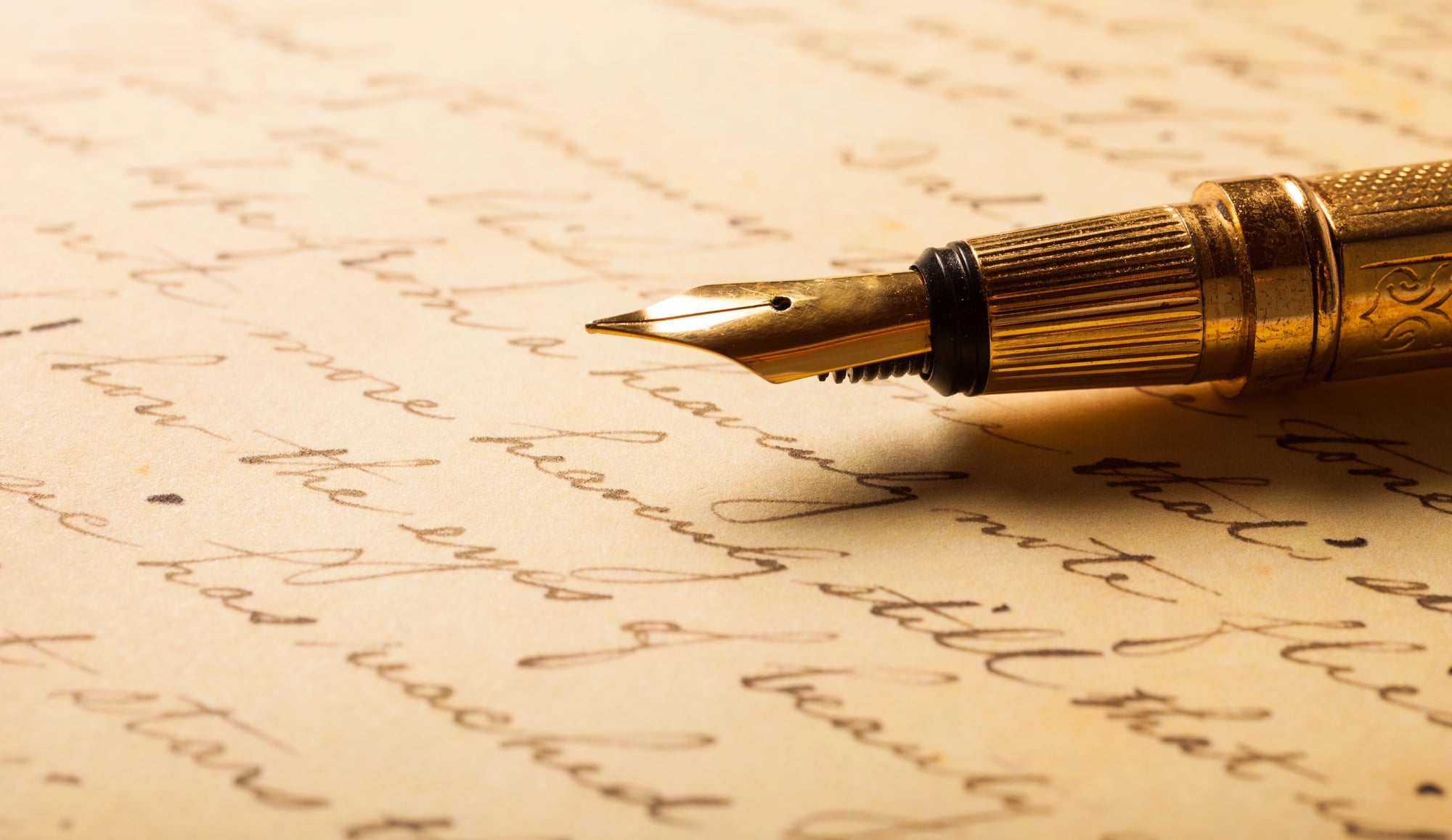
Personal correspondence involved selecting stationery, composing thoughtful messages by hand, and waiting days or weeks for replies. The distinct penmanship and occasional ink smudges added personality.
Now, the excitement of receiving a handwritten letter has largely been replaced by the instant ping of digital notifications.
Film Photography Stores
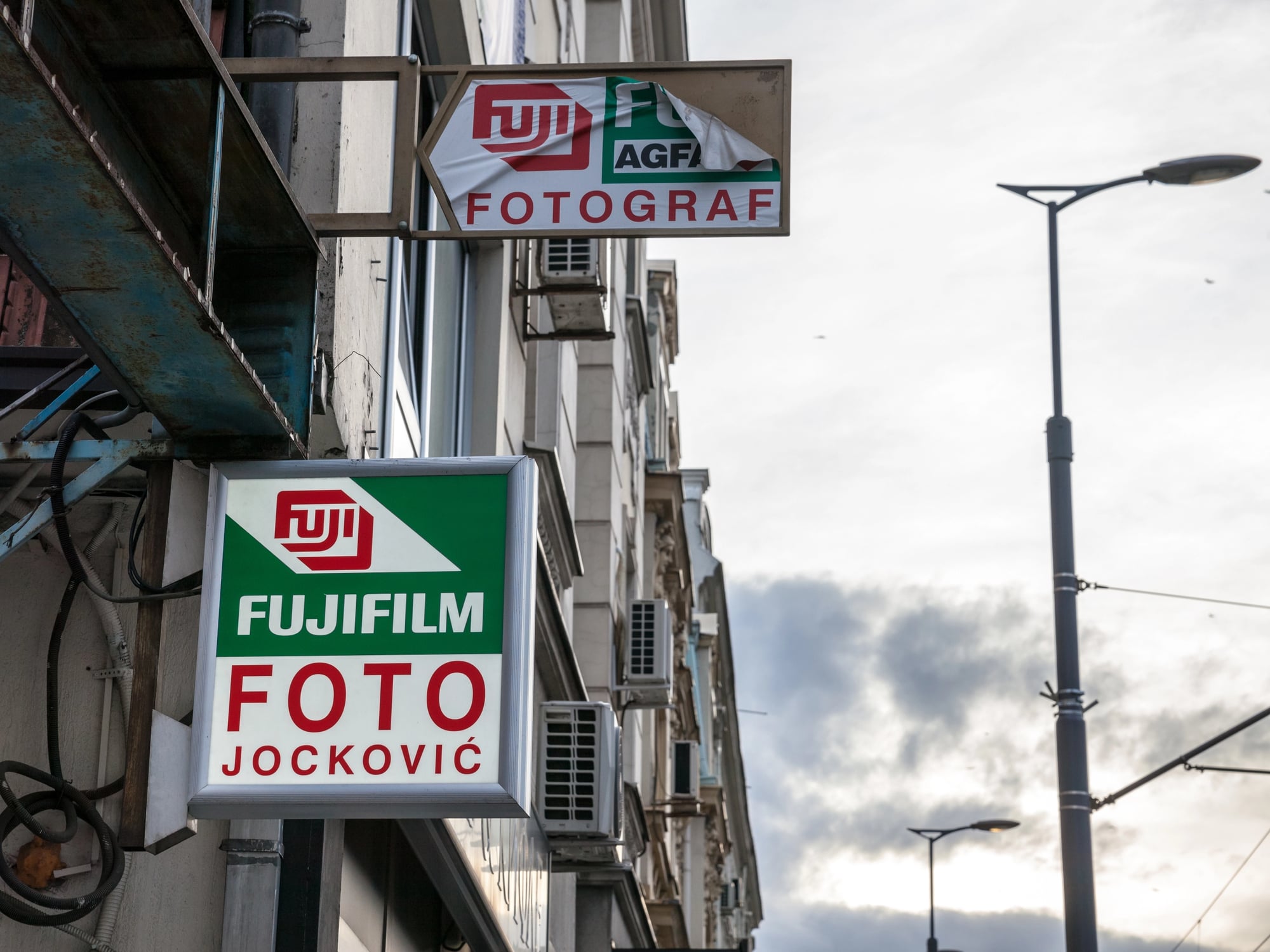
Shops dedicated to developing photos and selling camera equipment were once fixtures in malls. The smell of chemicals and the expertise of film technicians were part of the process.
Now, digital photography has made these specialized businesses nearly obsolete, replaced by filters and automatic editing tools.
Mix Tapes
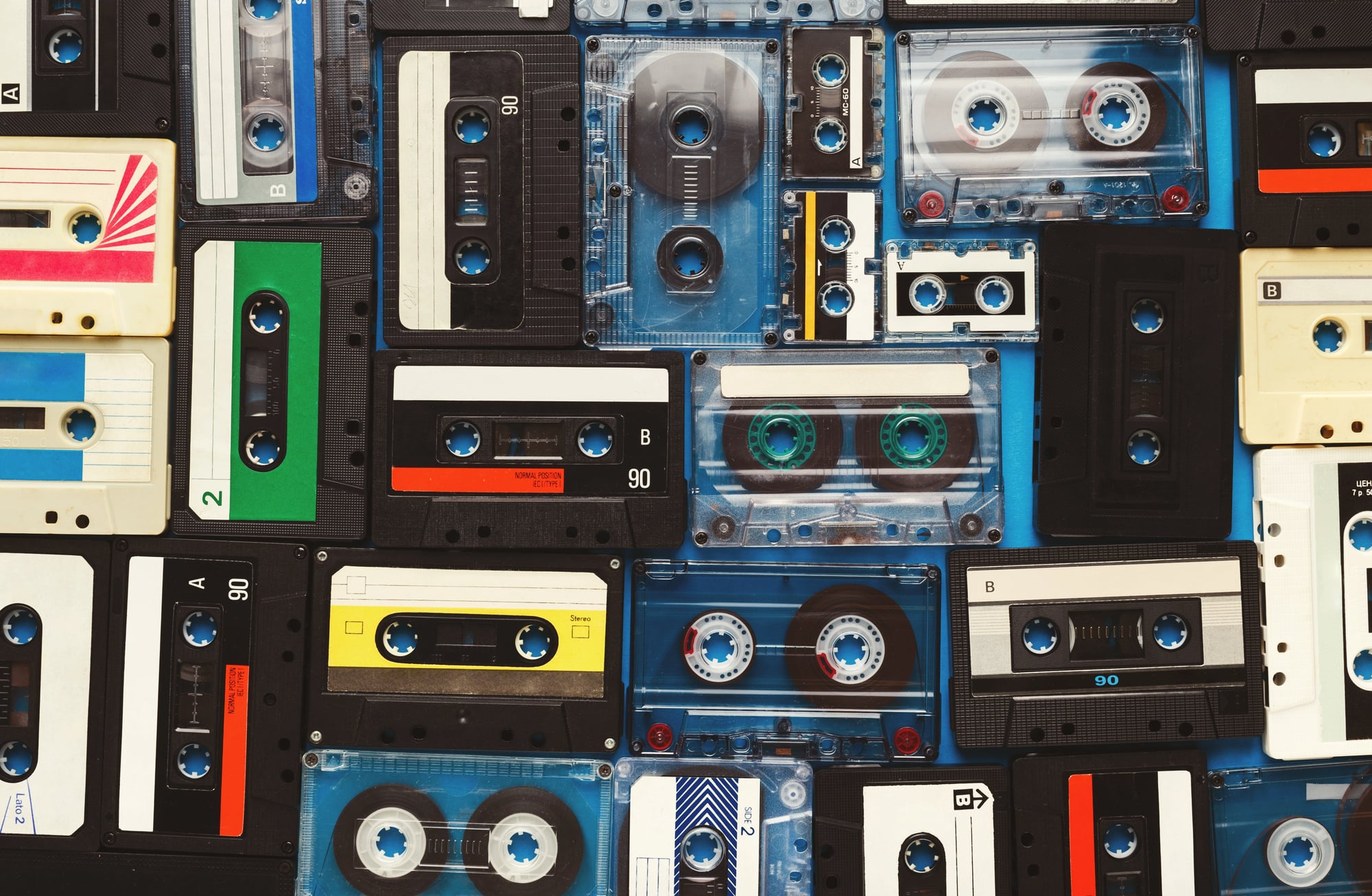
Creating a personalized music compilation was a labor of love, requiring careful song selection, precise timing, and artistic cassette covers.
Though modern playlists serve a similar purpose, they lack the effort and emotional investment of a handcrafted mix tape.
Magazine Subscriptions
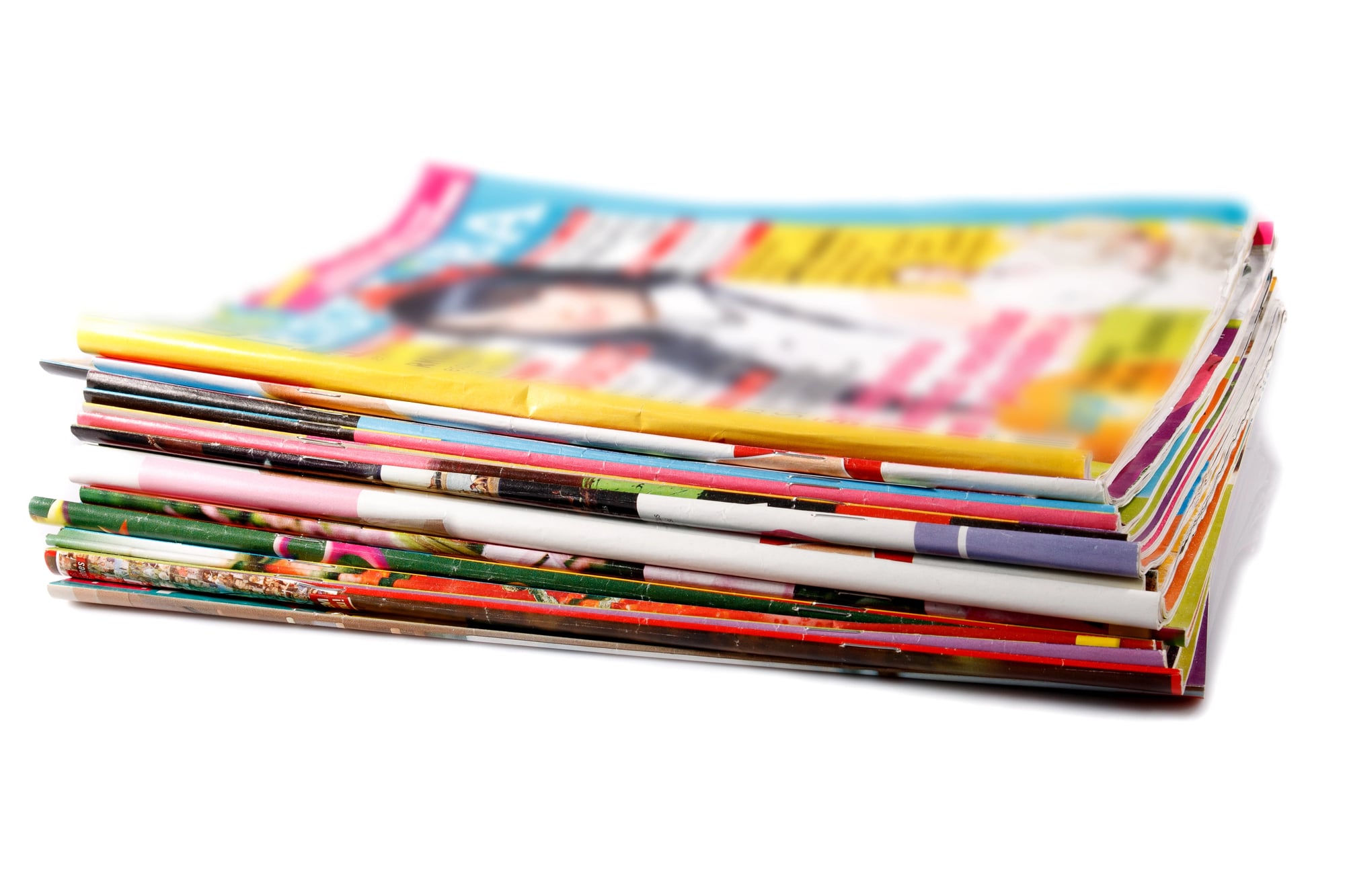
Printed magazines arrived weekly or monthly, offering curated content on specialized topics. They played a role in shaping personal identities and cultural conversations.
Now, digital articles and social media feeds have replaced the tactile pleasure of flipping through glossy pages.
The Lasting Imprint of Analog Life
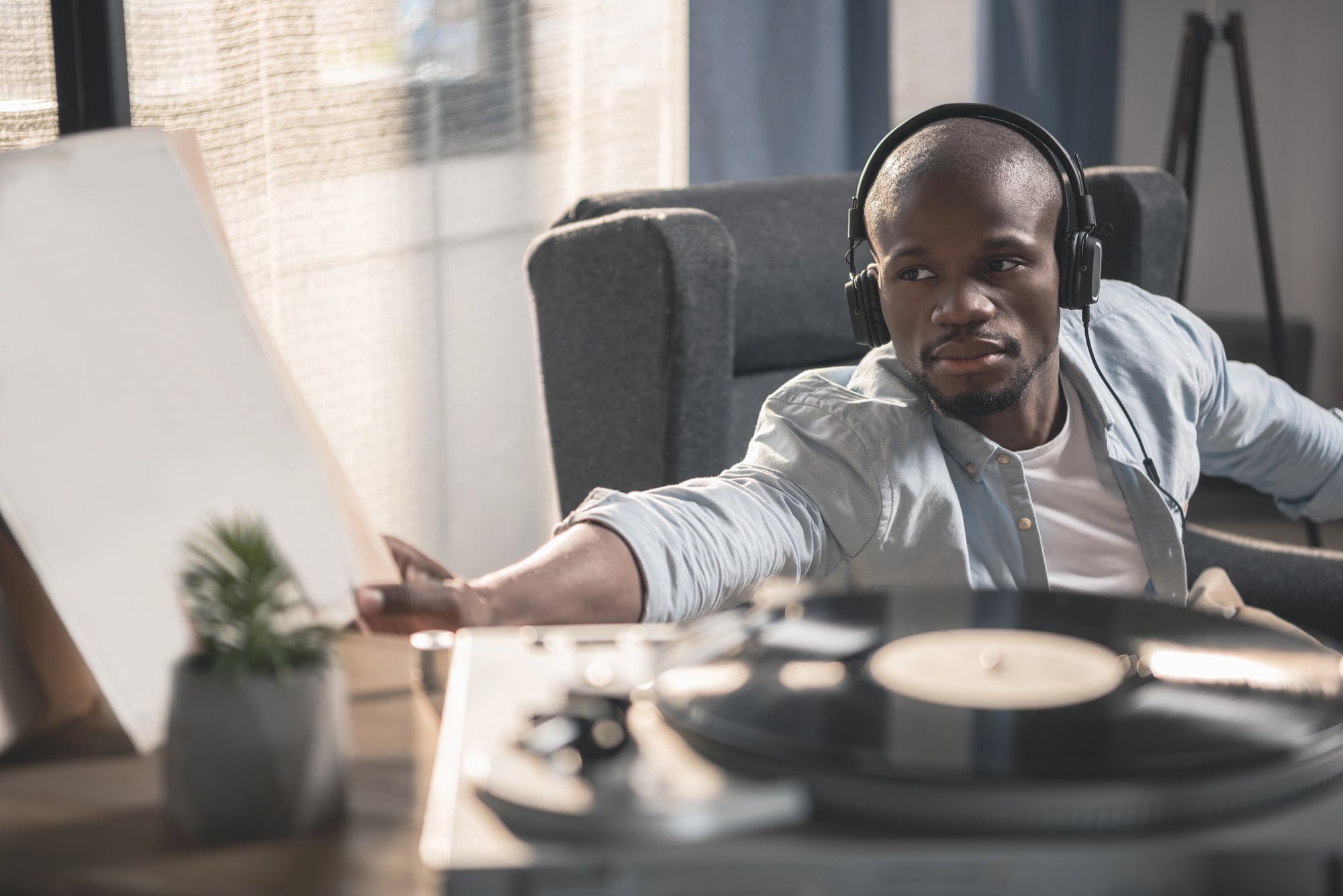
The transition from these ‘90s staples to digital alternatives highlights how technology has reshaped our daily lives and social interactions.
While convenience has increased, the tangible experiences that once connected us to the world—and each other—have faded. The disappearance of these once-ubiquitous items serves as a reminder of how quickly the necessary can become obsolete and how adaptability defines the human experience.
More from Go2Tutors!

- The Romanov Crown Jewels and Their Tragic Fate
- 13 Historical Mysteries That Science Still Can’t Solve
- Famous Hoaxes That Fooled the World for Years
- 15 Child Stars with Tragic Adult Lives
- 16 Famous Jewelry Pieces in History
Like Go2Tutors’s content? Follow us on MSN.



