Luxury Fruits Sold at High Prices
Walk into certain fruit shops in Tokyo or gift boutiques in Hong Kong, and you’ll find melons that cost as much as a mortgage payment. Not a typo.
These aren’t your average grocery store fruits. They’re grown with the kind of precision usually reserved for diamond cutting, packaged like fine jewelry, and gifted during important business meetings or family celebrations.
The luxury fruit market exists in a space where agriculture meets art. Farmers spend years perfecting growing techniques.
They monitor temperature, sunlight, and humidity with scientific accuracy. Each fruit gets individual attention—sometimes wrapped in paper, sometimes grown in specific molds, always handled with care that borders on obsession.
Yubari King Melons: The Crown Jewel
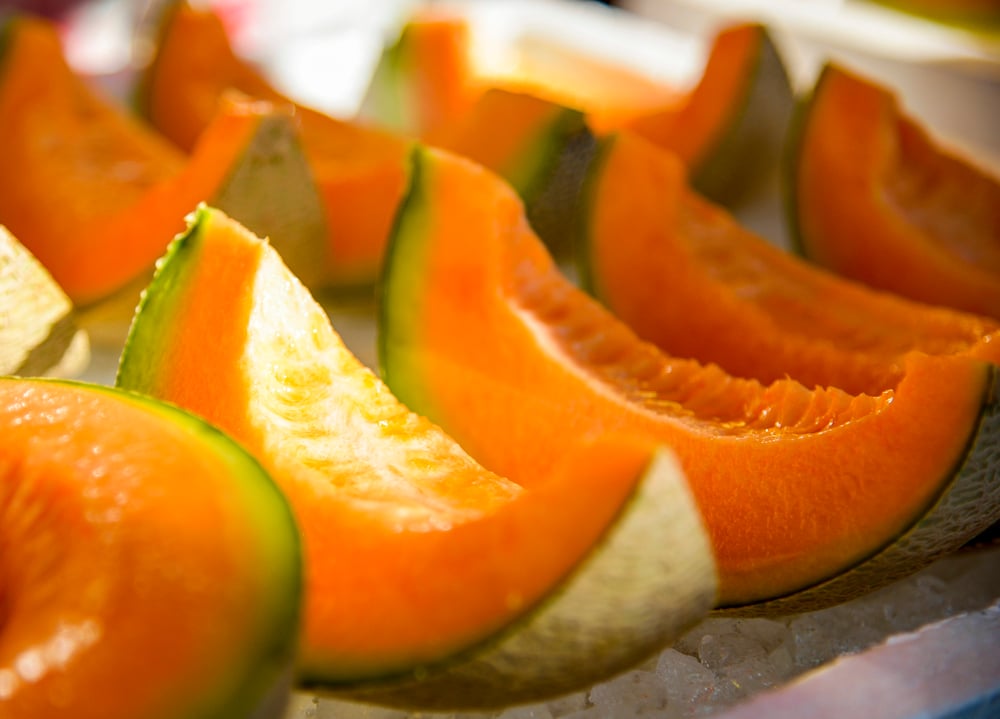
These Japanese cantaloupes grow in greenhouses in Hokkaido. A pair once sold at auction for $29,000.
That’s not a record from decades ago—it happened recently. The melons get one fruit per vine.
Farmers remove all other buds so the plant channels every bit of energy into that single melon. They monitor sugar content daily.
The perfect Yubari King has a sugar level of at least 13 degrees Brix, uniform netting on the rind, and a perfectly round shape. The stem stays intact because presentation matters as much as taste.
People buy them as status symbols. Companies gift them to clients.
The flavor is sweeter than regular melons, yes, but you’re mostly paying for the cultivation process and the prestige attached to the name.
Densuke Watermelons from Hokkaido

Black watermelons sound like something from a fantasy novel. These are real, grown exclusively on Hokkaido island in limited quantities.
Only about 10,000 get produced each year. The skin looks almost lacquered—deep black with no stripes.
Inside, the flesh is noticeably crisper and sweeter than standard watermelons. One sold for over $6,000 at auction.
Farmers use the island’s volcanic soil and specific climate conditions. The growing season is short.
The watermelons need constant care and protection from temperature fluctuations. When harvest time comes, each one gets evaluated for color uniformity, shape, and sugar content.
Only the best make it to premium markets.
Ruby Roman Grapes: Red Gems on the Vine

Ishikawa Prefecture produces these red grapes under strict standards. Each grape must be at least 20 grams.
Each bunch needs to meet color specifications that would make a paint company jealous. The grapes must have a certain sugar level and pass visual inspections.
A single bunch sold for $11,000 in 2020. Even standard Ruby Romans cost hundreds of dollars per bunch.
They’re not available outside Japan, so if you want them, you need to be in the country during harvest season. The taste is exceptionally sweet with low acidity.
The grapes are crisp, almost crunchy. But again, you’re paying for rarity, for agricultural achievement, for the ability to say you’ve tried something most people never will.
Square Watermelons: Geometry Meets Agriculture

These started as a practical solution for storage space in Japan’s small refrigerators. Now they’re purely decorative.
Farmers grow regular watermelons inside square glass boxes. As the fruit expands, it takes the shape of its container.
The result looks like something from a modern art gallery. They cost around $200 each.
You can’t eat most of them. Growers harvest them before they’re ripe so they hold their shape better.
They sit on counters as conversation pieces. Some companies in Japan grow them in other shapes—hearts, pyramids, even faces.
The novelty drives the price, not the flavor.
Taiyo no Tamago Mangoes

The name means “Egg of the Sun.” These mangoes grow in Miyazaki Prefecture under conditions that sound extreme.
Each fruit hangs in an individual net. Workers rotate them regularly so they color evenly.
The temperature stays controlled. The mangoes must weigh at least 350 grams and have a sugar content above 15 degrees Brix.
They’ve sold for over $3,000 per pair. The flesh is incredibly smooth, almost custard-like.
The sweetness hits different notes than regular mangoes—richer, more complex. But the price tag reflects more than taste.
It reflects the meticulous care, the limited production, the cultural significance of gift-giving in Japan.
Sekai Ichi Apples: World’s Most Expensive Apple
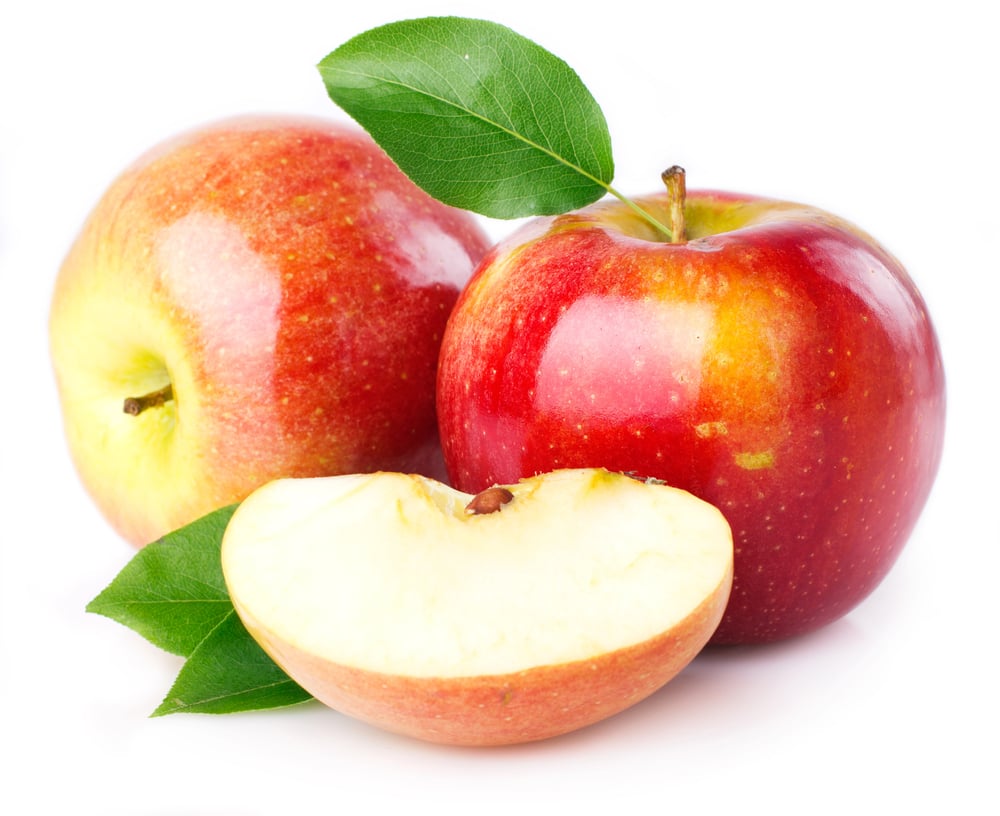
“Sekai Ichi” translates to “world’s number one.” These apples can weigh more than two pounds each.
They’re enormous, perfectly round, and flawless. Farmers in Japan pollinate them by hand.
They thin the fruit clusters aggressively so only the best apples develop. Each apple gets washed in honey, rotated regularly while growing, and protected from weather damage.
The harvest process involves multiple quality checks. They sell for around $20 per apple.
The flavor is sweet and crisp, but honestly, you can get excellent apples for a fraction of that price. The appeal is the perfection—no blemishes, no irregularities, nothing that would suggest this came from nature rather than a factory.
Sembikiya Queen Strawberries

Sembikiya is a Tokyo fruit parlor that’s been around since 1834. Their Queen strawberries cost about $85 for a box of twelve.
Each strawberry is identical in size, color, and shape. They come in a wooden box with individual cushions.
The strawberries taste intensely sweet with a perfect balance of acidity. They’re firm enough to have texture but soft enough to melt on your tongue.
Farmers remove any strawberry that doesn’t meet specifications. The rejection rate is high.
People buy them as premium gifts. They’re given during hospital visits, business negotiations, or as apologies.
The price signals sincerity and importance. You can’t show up with grocery store strawberries when you’re trying to mend a major relationship or close a business deal.
White Jewel Strawberries

These albino strawberries from Japan look almost unreal. They’re pale white with occasional pink tinges and red seeds.
The White Jewel variety is the most expensive, with individual berries selling for over $10 each. They’re not genetically modified.
They’re grown in very specific conditions with limited sunlight to prevent the development of anthocyanin, the pigment that makes strawberries red. The process is delicate.
Many berries don’t make it to market standards. The taste is different—milder, less acidic, with notes that some describe as pineapple-like.
They’re grown primarily for appearance and novelty. Most people who try them say they taste fine but wouldn’t choose them over regular strawberries based on flavor alone.
Dekopon Citrus: The Sweetest Mandarin

This Japanese citrus variety has a distinctive bump on top that looks like a small knob. Dekopon must have a sugar content of at least 13 degrees Brix and acidity below 1.0%.
If it doesn’t meet these standards, it can’t be called Dekopon. They cost anywhere from $80 to $130 per box.
The flesh is seedless, easy to peel, and incredibly sweet. There’s almost no bitterness.
The segments are large and juicy. California grows them now too, under the name Sumo Citrus.
They’re expensive there as well—around $4-$5 per orange—but not as costly as Japanese-grown versions. The fruit needs specific climate conditions and careful handling.
Bruised Dekopon lose their premium status immediately.
Buddha Shaped Pears
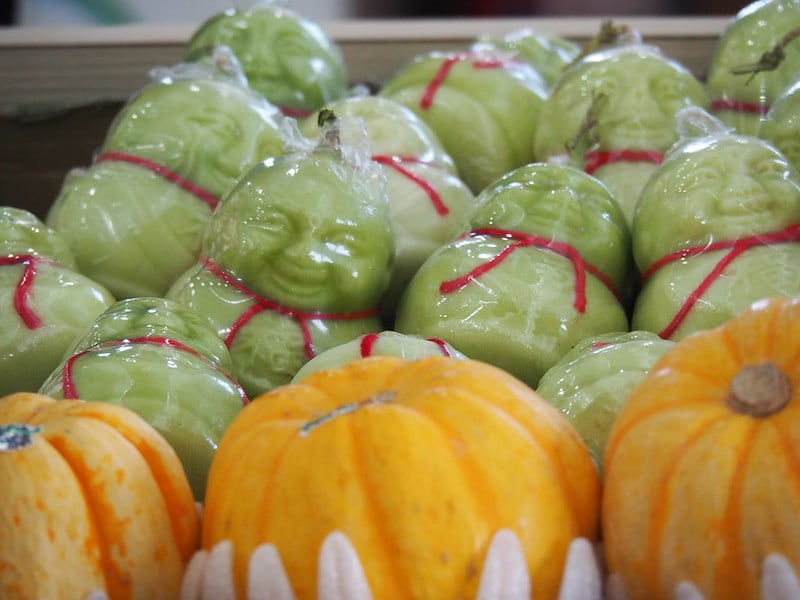
Chinese farmers grow these pears inside Buddha-shaped molds. As the fruit develops, it takes on the shape of a sitting Buddha, complete with facial features.
They’re sold as symbols of good luck and prosperity. The pears cost around $9 each, which is reasonable compared to some other luxury fruits.
They taste like normal pears. The appeal is entirely visual and cultural.
People display them on altars or give them as gifts during religious holidays. The process requires timing.
The mold goes on when the pear is small enough to fit but large enough that it won’t be crushed as it grows. Farmers check them regularly to ensure the mold isn’t too tight or causing damage.
The harvest must happen at the right moment—too early and the shape isn’t fully formed, too late and the pear is overripe.
Pineapples from the Lost Gardens of Heligan

These British pineapples grow in heated pits using Victorian-era methods. The Lost Gardens of Heligan in Cornwall produces only a few each year.
They take up to two years to mature. Workers maintain the pits with fresh horse manure, which generates heat as it decomposes.
The pineapples cost about $1,600 each when available. Most never go to market—they’re kept for display or used in special events at the garden.
The taste is exceptional—sweeter and more aromatic than commercial pineapples. But you’re paying for a historical curiosity, for the novelty of eating a pineapple grown the way Victorian aristocrats grew them.
It’s food as time travel.
Miyazaki Mangoes by Okamoto Farm
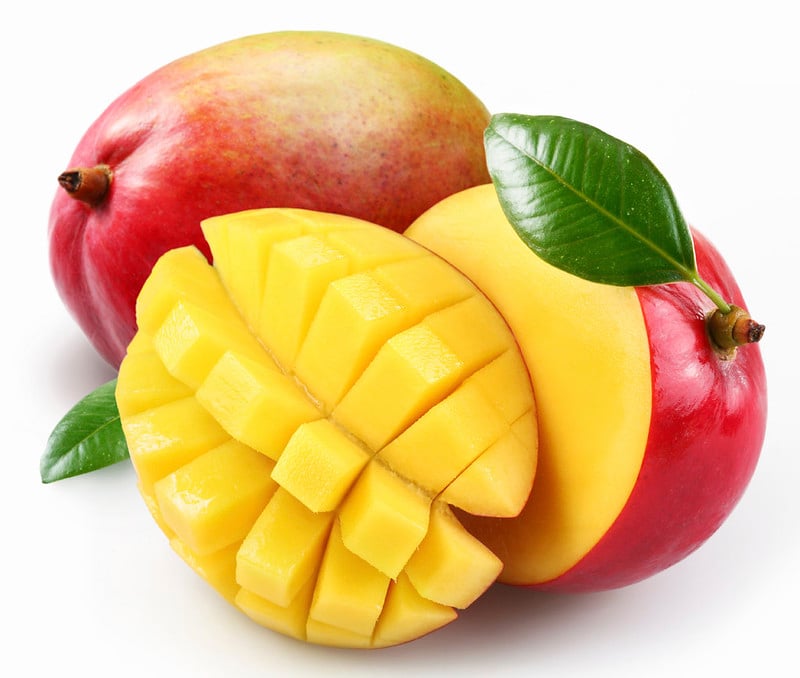
Not all Taiyo no Tamago mangoes are created equal. Okamoto Farm in Miyazaki takes it further.
Their mangoes get even more individual attention. They’ve sold pairs for over $4,000.
Each tree produces only a few mangoes per season. Workers test the sugar content multiple times.
They control the water supply precisely to concentrate the sugars. The mangoes must fall from the tree naturally into their nets—picking them early disqualifies them.
The resulting fruit is almost too beautiful to eat. The color is uniform.
The skin is smooth. The flesh is soft and intensely sweet.
But at that price point, you’re not buying dinner. You’re buying an experience, a story, a claim to something rare.
The Gift Economy Behind the Prices
Most of these fruits don’t get eaten by the person who buys them. They’re gifts.
In Japanese culture especially, gift-giving carries enormous weight. The value of the gift communicates respect, gratitude, or apology.
A $100 melon says something different than a $10,000 melon. Companies buy premium fruits for clients.
Families buy them for weddings or hospital visits. The fruit becomes a symbol rather than just food.
The person receiving it understands the message. They probably won’t eat it either—they might give it to someone else, continuing the cycle.
This creates a market that operates by different rules than normal agriculture. Taste matters, but perfection matters more.
Appearance drives value. Rarity creates demand.
The fruits succeed not because they’re the most delicious but because they’re the most impressive.
What You’re Actually Paying For
The farmers aren’t getting rich off these prices. The auction systems, the specialty shops, the packaging companies—they all take cuts.
A melon that sells for $20,000 might net the farmer a few thousand after everyone gets paid. You’re paying for labor that borders on absurd.
Hand-pollinating every flower. Checking sugar content daily.
Growing only one fruit per plant. Discarding anything that doesn’t meet standards.
The rejection rate can hit 90% for some varieties. You’re also paying for climate control, for specialized soil, for years of breeding programs.
These fruits don’t just grow—they’re engineered. The farmers know exactly what conditions produce the best results, and they replicate those conditions with scientific precision.
And honestly, you’re paying for status. For the ability to give or receive something most people will never touch.
The fruits exist in a category beyond regular food. They’re cultural artifacts, symbols of achievement, tokens in a social economy that values perfection and rarity above all else.
When Perfection Becomes the Point
The luxury fruit market reveals something about human nature. We’re willing to pay enormous amounts for marginal improvements.
A Yubari King melon tastes better than a regular melon, sure. But is it 10,000 times better?
Of course not. The price reflects something else—our desire for the exceptional, our appreciation for extreme dedication, our need to signal status and respect.
These fruits push agriculture to its limits. They prove what’s possible when you remove all constraints of efficiency and practicality.
They’re not meant to feed people. They’re meant to amaze them.
And in that sense, they succeed completely. You don’t need to buy a $6,000 watermelon to appreciate the absurd beauty of someone growing it.
More from Go2Tutors!

- The Romanov Crown Jewels and Their Tragic Fate
- 13 Historical Mysteries That Science Still Can’t Solve
- Famous Hoaxes That Fooled the World for Years
- 15 Child Stars with Tragic Adult Lives
- 16 Famous Jewelry Pieces in History
Like Go2Tutors’s content? Follow us on MSN.