15 Inventions That Only Exist Because Someone Was Late
Procrastination and tardiness don’t always lead to negative outcomes. Sometimes, running behind schedule or missing a deadline can spark moments of incredible innovation.
When people face the pressure of being late, their minds can shift into creative overdrive, leading to solutions that might otherwise never have materialized. Here is a list of 15 remarkable inventions that came into existence simply because someone was running late or missed their mark by chance.
The Microwave Oven
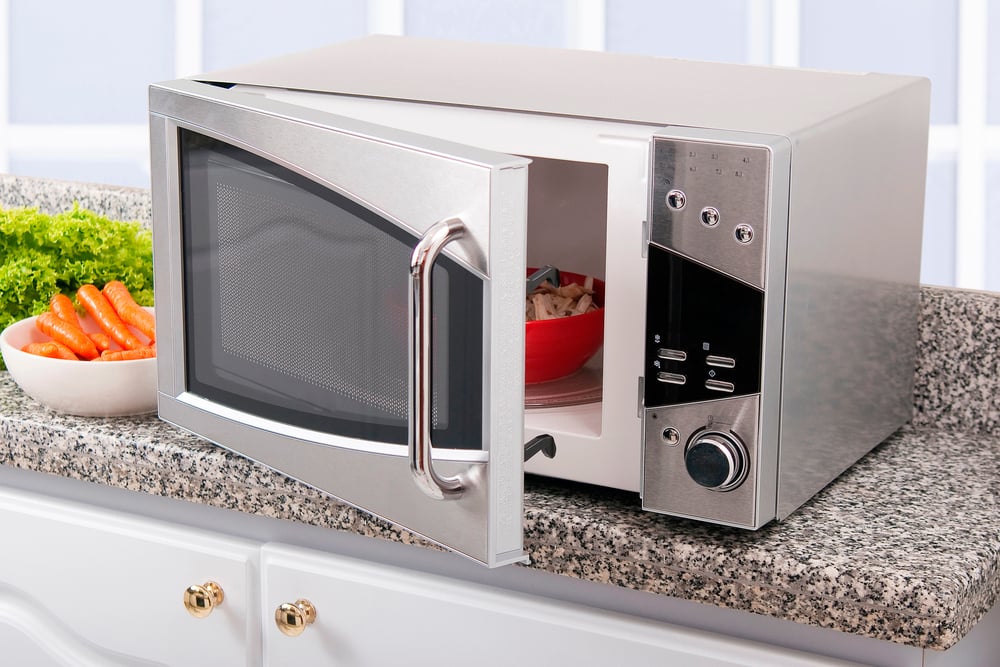
Percy Spencer wasn’t trying to revolutionize cooking when he was working with radar equipment at Raytheon. Running late for lunch one day in 1945, he noticed the chocolate bar in his pocket had melted when he stood near an active magnetron.
Instead of dismissing this odd occurrence, Spencer investigated further. His tardiness and curiosity led to experiments with popcorn and eggs that ultimately resulted in the development of the first microwave oven.
Post-it Notes

Spencer Silver at 3M had created an adhesive that was too weak for its intended purpose. For years, this “failure” sat unused until his colleague Art Fry arrived late to choir practice.
Frustrated with bookmarks that kept falling out of his hymnal, Fry remembered Silver’s weak adhesive and realized it could create markers that stick without damaging pages. His lateness to choir practice sparked the connection that birthed one of the most ubiquitous office supplies in history.
Like Go2Tutors’s content? Follow us on MSN.
Vulcanized Rubber
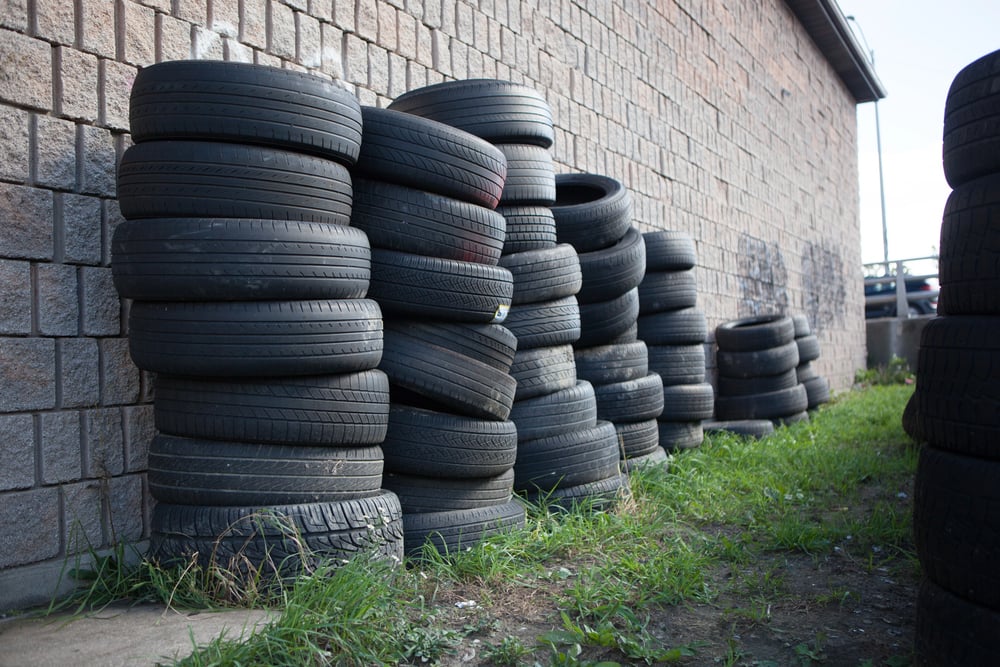
Charles Goodyear had been experimenting with rubber for years without success. One winter day in 1839, he accidentally dropped a mixture of rubber and sulfur onto a hot stove when he was running late for an appointment.
When he returned, he discovered the rubber had charred but remained pliable and elastic instead of melting. This accidental discovery during a moment of haste led to vulcanized rubber, which revolutionized countless industries.
Pacemaker
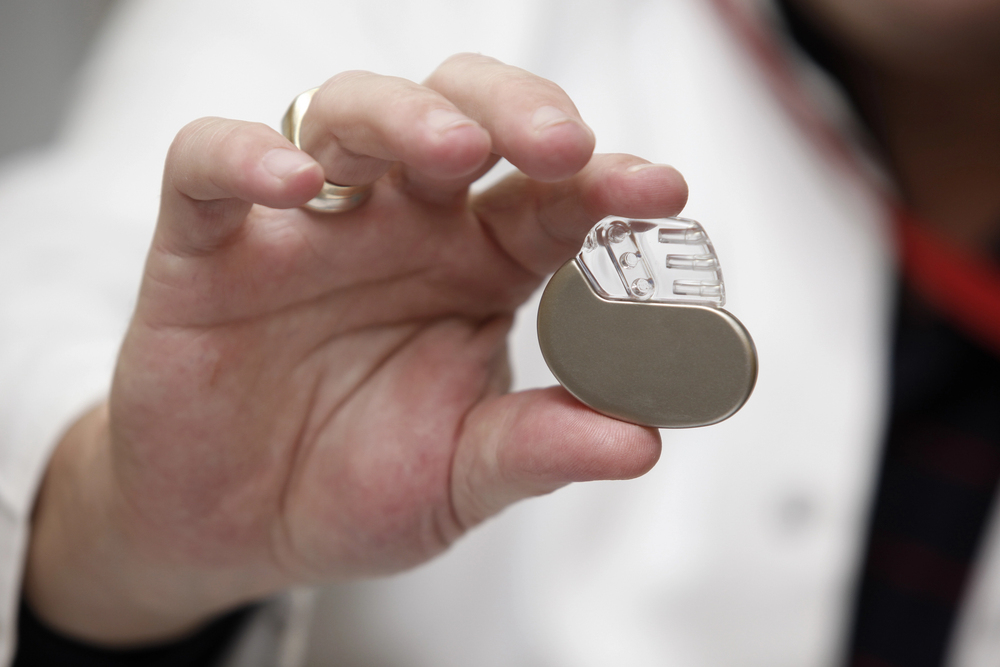
Wilson Greatbatch was working on a device to record heart rhythms in 1956 when he reached into a box for a resistor. In a hurry and not paying full attention, he grabbed the wrong component and installed a resistor with the incorrect ohm value.
The circuit pulsed in a rhythm remarkably similar to a heartbeat instead of recording sound as intended. His mistake while rushing led to the development of the implantable cardiac pacemaker that has saved millions of lives.
Potato Chips
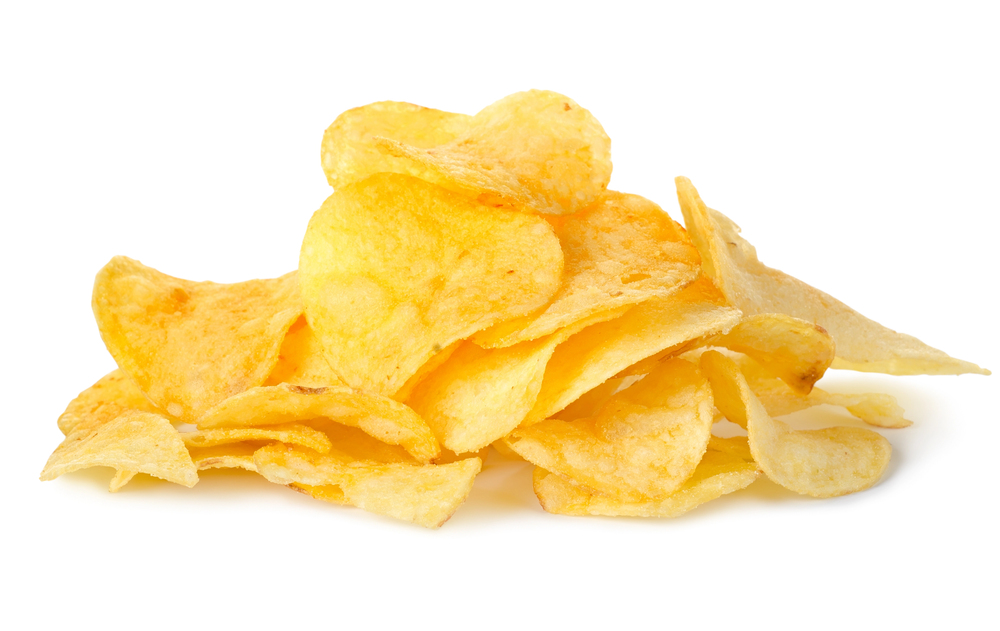
In 1853, chef George Crum was having a rough night at Moon’s Lake House in Saratoga Springs. A customer repeatedly sent back his fried potatoes, complaining they were too thick and soggy.
Running behind on other orders and frustrated, Crum sliced the potatoes paper-thin and fried them to a crisp out of spite. This hasty act of passive aggression created what we now know as potato chips, which became an immediate hit with the difficult customer and eventually the world.
Like Go2Tutors’s content? Follow us on MSN.
Safety Matches
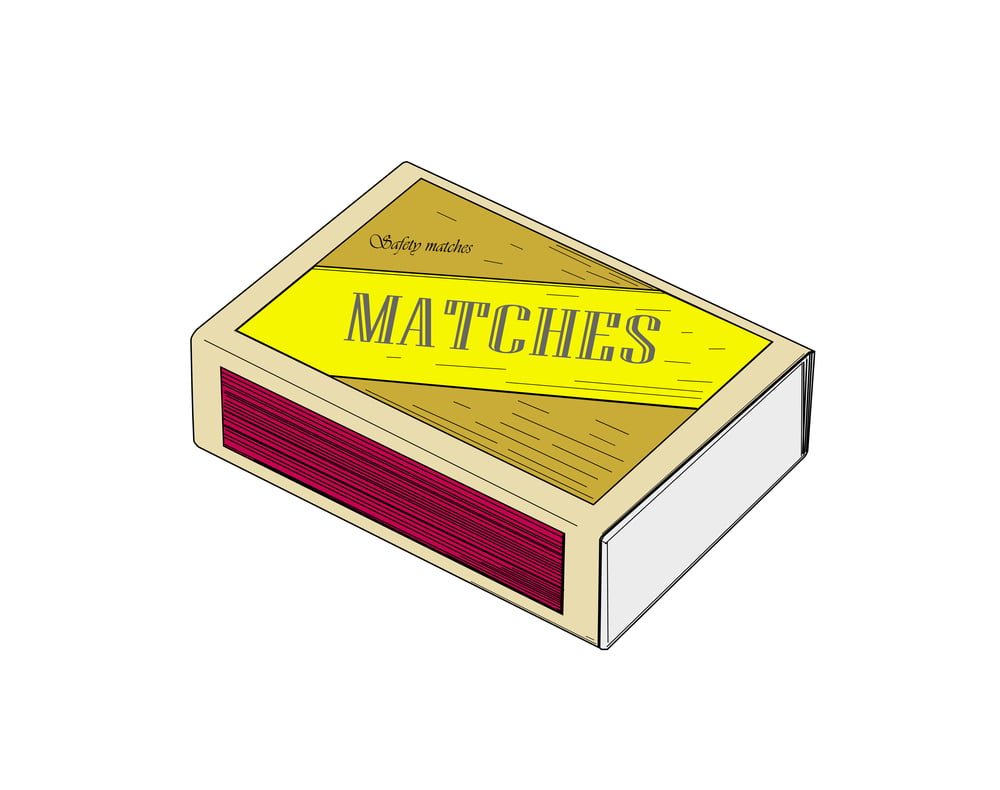
John Walker was a chemist who ran his own pharmacy in England. In 1826, while hurrying to finish an experiment, he accidentally scraped a wooden stick coated with chemicals across his heart.
The stick burst into flames, creating the first friction match. Had Walker not been rushing and made this mistake, we might have continued using dangerous phosphorus matches or cumbersome flint and steel for much longer.
Ice Cream Cones

At the 1904 St. Louis World’s Fair, an ice cream vendor ran out of dishes during a particularly busy day. Ernest Hamwi, a Syrian concessionaire selling waffle-like pastries at a neighboring booth, saw the vendor falling behind and quickly rolled one of his wafers into a cone shape to help serve the ice cream.
This spur-of-the-moment solution to a time crunch created the now-classic ice cream cone that we still enjoy today.
Penicillin
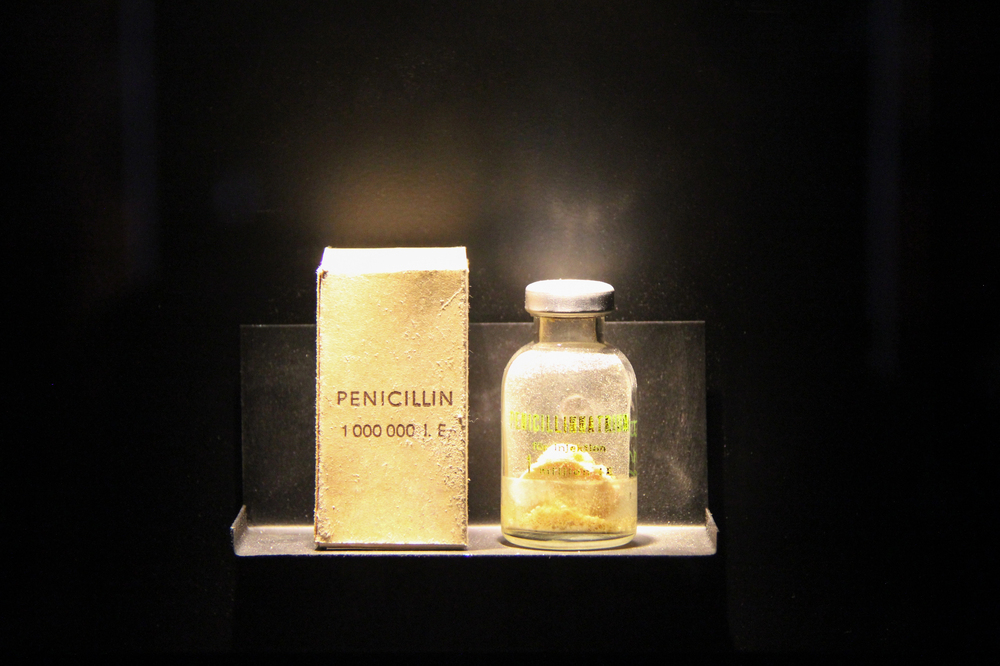
Alexander Fleming’s discovery of penicillin in 1928 occurred because he left for vacation without cleaning up his lab. Upon returning, he noticed that mold had contaminated one of his petri dishes but had created a bacteria-free zone around itself.
Had Fleming been more punctual about his lab maintenance before leaving for holiday, this life-saving antibiotic might have been discovered much later or not at all.
Like Go2Tutors’s content? Follow us on MSN.
Coca-Cola
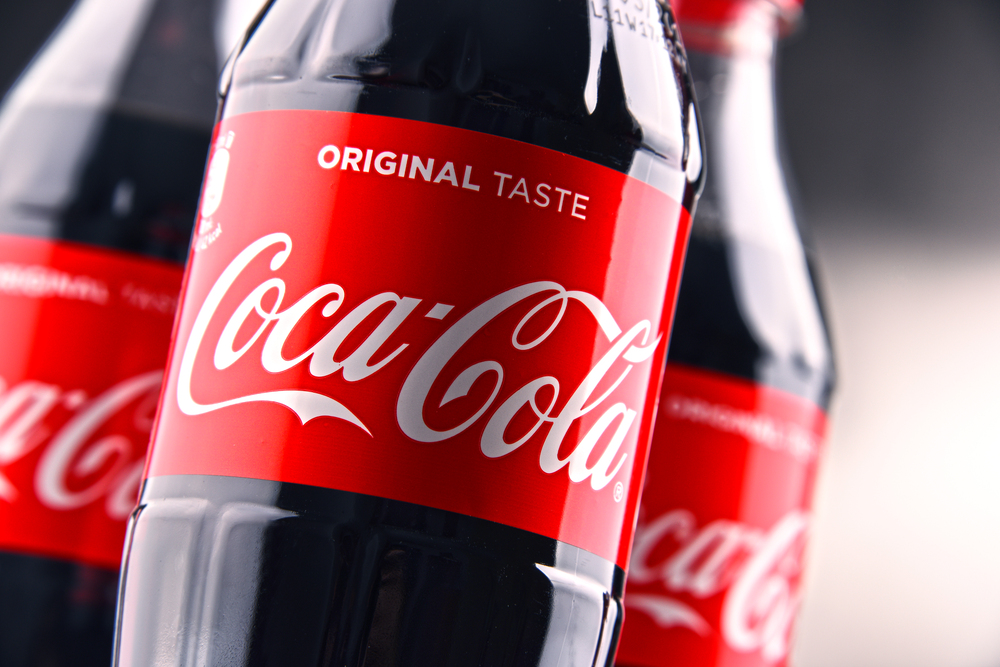
Pharmacist John Pemberton was working on creating a medicine for headaches in 1886. One day, rushing to serve customers, his assistant accidentally mixed carbonated water instead of regular water with the medicinal syrup.
Rather than starting over, they served the carbonated version and discovered customers preferred it. This mistake made in haste created what would become one of the world’s most recognized beverages.
The Slinky
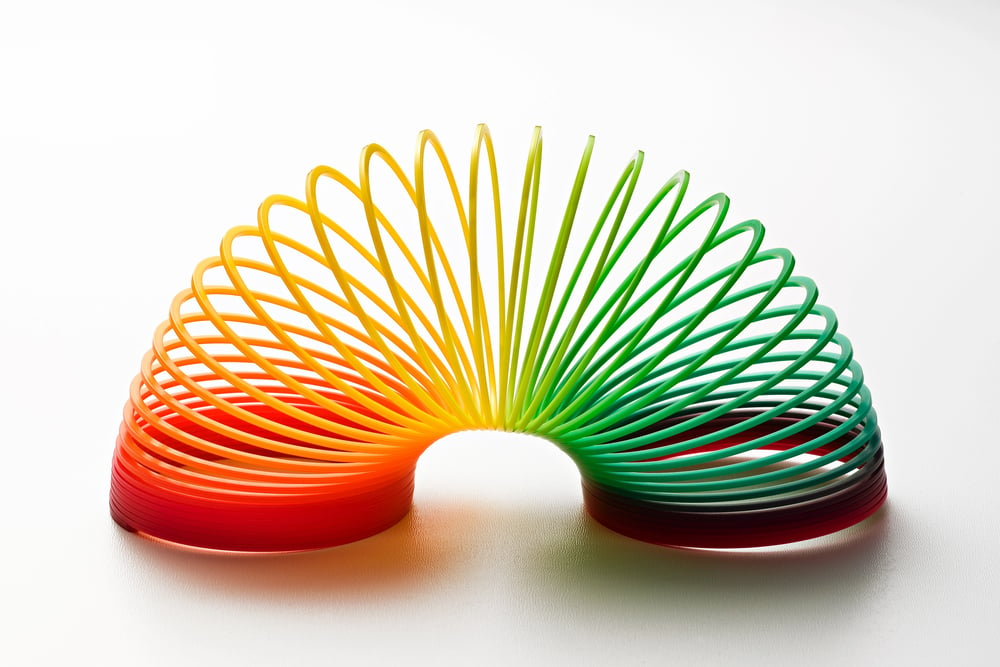
Naval engineer Richard James was working with tension springs to develop instruments for monitoring power on naval vessels during World War II. One day in 1943, he knocked a spring off his desk while rushing to a meeting.
Instead of falling straight down, the spring “walked” down in a series of arcs. This moment of clumsiness while hurrying inspired the creation of one of the most popular toys in history.
Artificial Sweetener
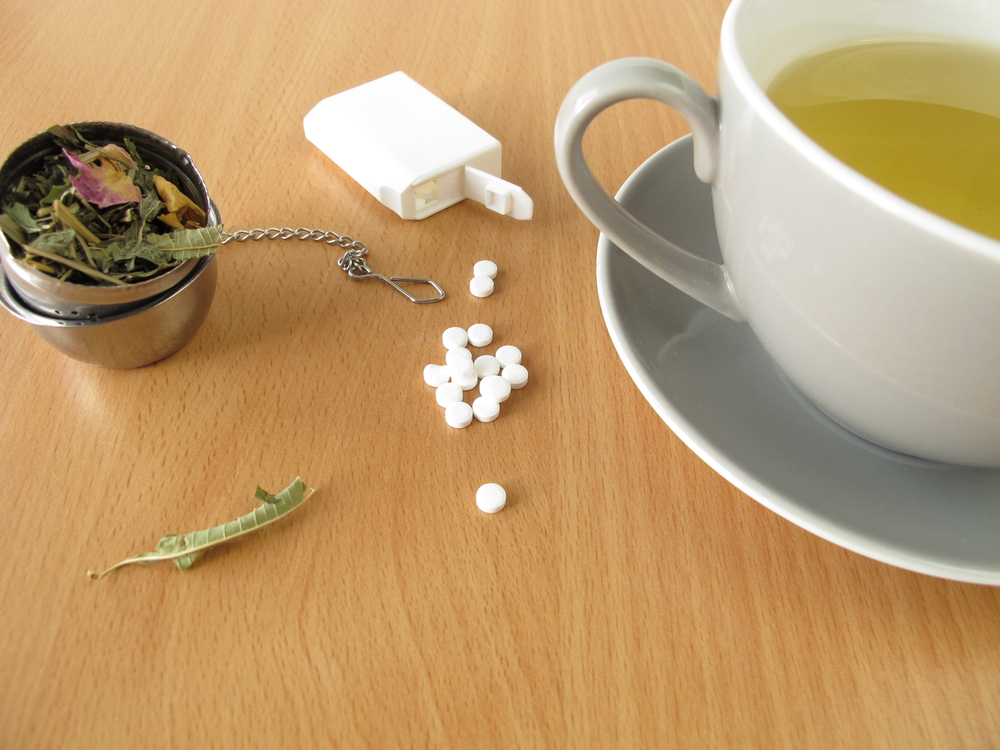
Constantin Fahlberg discovered saccharin in 1879 after a long day in the lab studying coal tar derivatives. Running late for dinner, he forgot to wash his hands before eating.
He noticed the bread he was eating tasted unusually sweet and traced it back to the residue on his fingers. His oversight due to tardiness led to the first artificial sweetener, which became particularly important for diabetics and those watching their sugar intake.
Like Go2Tutors’s content? Follow us on MSN.
Champagne

Dom Pérignon wasn’t trying to create a sparkling wine when he was making traditional wines in the Champagne region of France. The cold winters there interrupted the fermentation process, and when spring arrived, the wines would often start a second fermentation, creating bubbles that were considered a fault.
Rather than being on time with the first fermentation, this “late” second fermentation created what we now celebrate as champagne.
X-rays
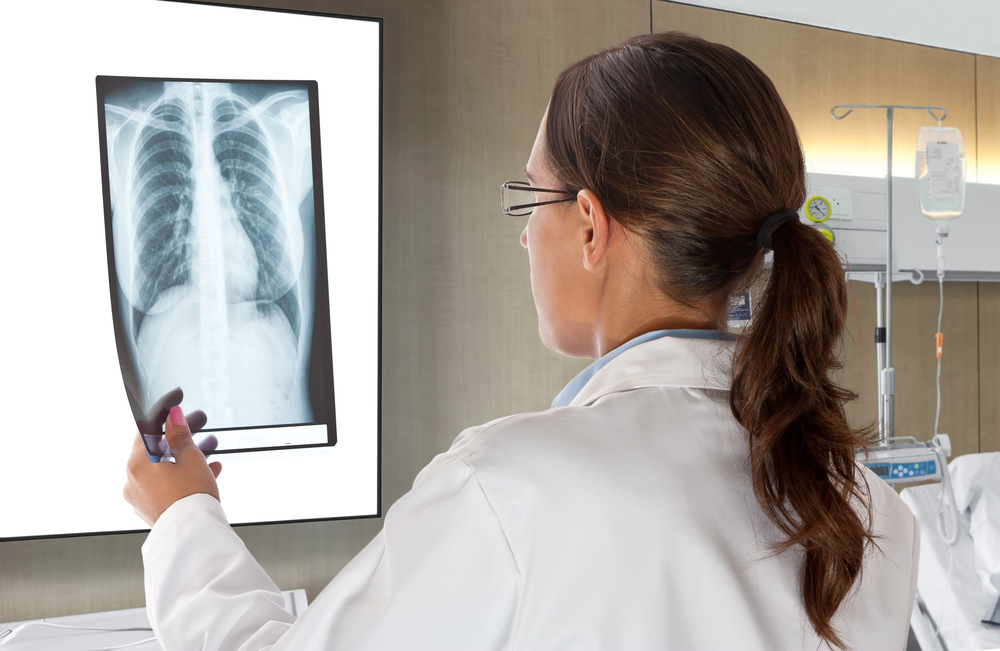
Wilhelm Röntgen discovered X-rays in 1895 while working late in his lab with cathode rays. Behind schedule on his experiments, he noticed that a fluorescent screen across the room was glowing even though his cathode ray tube was covered.
This observation, made during extended hours trying to catch up on work, led to the discovery of X-rays and revolutionized medicine and numerous other fields.
Super Glue
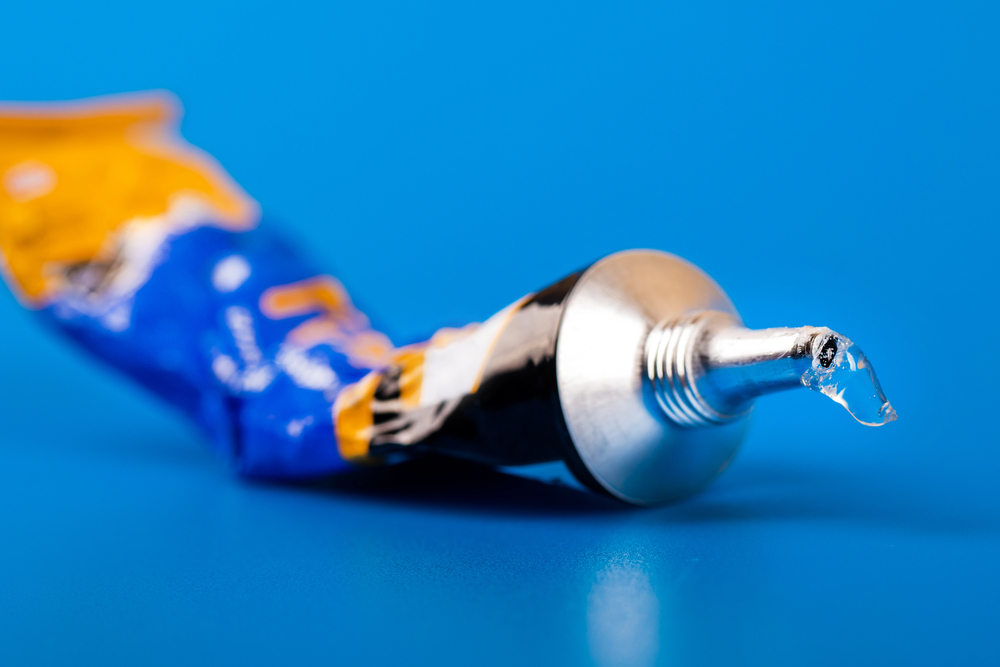
In 1942, Harry Coover was trying to create clear plastic gun sights for Allied soldiers. Working quickly under wartime pressure, he created a substance that stuck to everything it touched and was immediately rejected as too adhesive.
Years later, while racing to develop heat-resistant polymers for jet canopies, he rediscovered the formula. His initial “failure” under time pressure eventually became Super Glue, one of the strongest adhesives available to consumers.
Like Go2Tutors’s content? Follow us on MSN.
Teflon
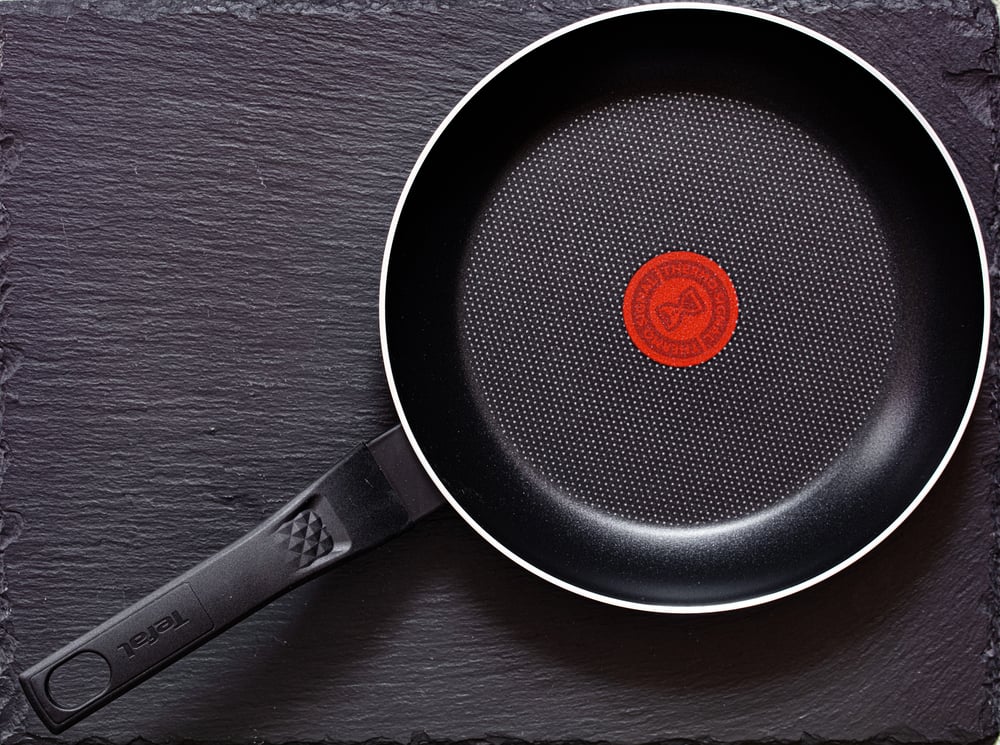
Roy Plunkett was researching refrigerants at DuPont in 1938 when he opened a gas cylinder that appeared empty. Running behind on his project and expecting to find tetrafluoroethylene gas, he instead discovered the gas had polymerized into a waxy solid with remarkable properties.
This accidental discovery while checking what seemed like a failed experiment led to the creation of Teflon, now used in everything from cookware to space suits.
Harnessing Happy Accidents

These fifteen innovations remind us that some of humanity’s greatest discoveries occur not through meticulous planning but through fortunate timing – or mistiming. Behind every invention lies not just genius but often circumstances that pushed creators to think differently when plans went awry.
The next time you’re running late or make a mistake under pressure, remember that you might just be setting the stage for your own breakthrough innovation.
More from Go2Tutors!

- 18 Unexpectedly Valuable Collectibles You Might Have Lying Around
- 20 Little-Known Historical Battles That Had Huge Consequences
- 20 Historical Artifacts That Scientists Can’t Explain
- 15 Inventions That Were Immediately Banned After Being Created
- 20 Actors Who Were Almost Cast in Iconic Roles
Like Go2Tutors’s content? Follow us on MSN.