15 Iconic Subway Stations Worldwide
Most people rush through subway stations without a second glance, but some underground spaces around the world transform daily commutes into unexpected journeys through art galleries, palaces, and architectural marvels. Here are 15 iconic subway stations that prove public transportation can be breathtaking.
Komsomolskaya (Moscow)

The yellow baroque ceiling rises like a royal ballroom, supported by 68 white marble columns crowned with gilded chandeliers. Eight massive mosaics celebrate Russian military heroes from Alexander Nevsky to Dmitri Donskoy.
More palace than platform. This isn’t just a subway station.
Designed by Alexey Shchusev in the Stalinist Empire style, it opened in 1952 and won the Grand Prix at Expo ’58 in Brussels. But the real spectacle comes from the overwhelming sense of grandeur — crystal lights catching marble surfaces, creating shadows that dance across historical scenes.
T-Centralen (Stockholm)
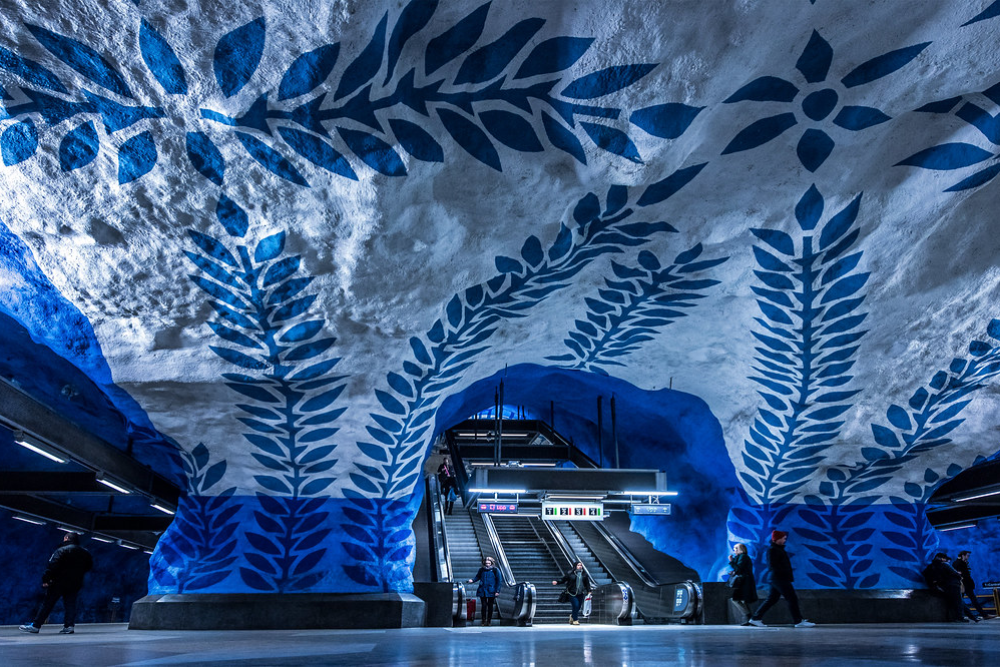
Known as part of the world’s longest art exhibition, with more than 150 artists contributing to Stockholm’s metro system. The platform feels carved from living rock. Blue and white murals flow across cave-like walls, mimicking leaves and vines.
And somehow, the rawness works perfectly with the refined artwork.
Toledo (Naples)
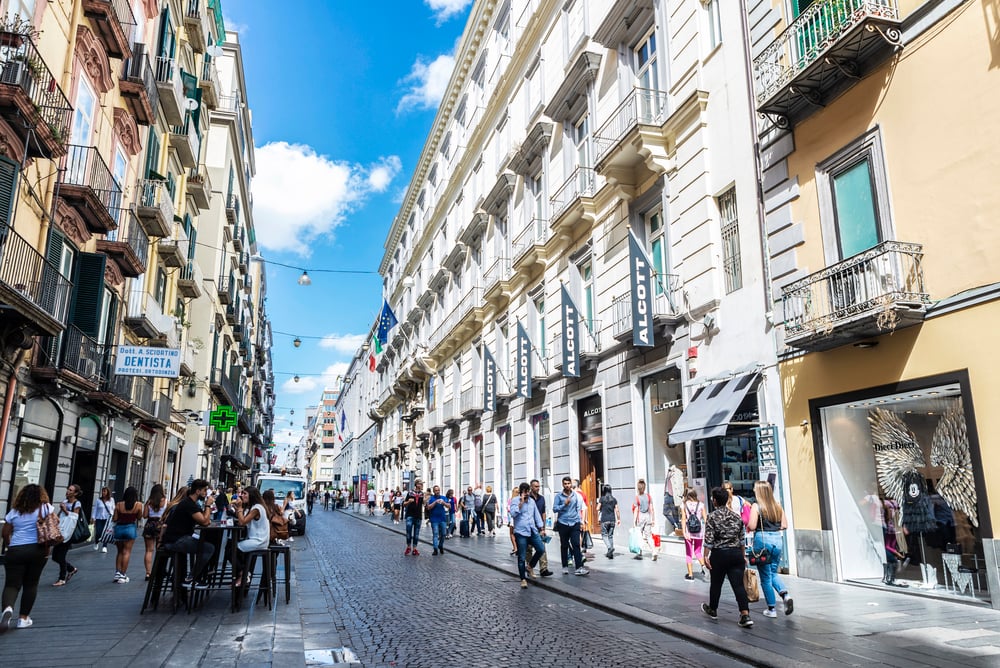
Millions of tiny blue and white tiles create the effect of plunging deep below the ocean surface. Light installations by artist Robert Wilson illuminate the mosaic work, making the whole station shimmer like underwater light fractals.
The Spanish architects behind the design drew inspiration from water and light. Smart choice. The Daily Telegraph named it the most beautiful station in Europe when it opened in 2012.
Formosa Boulevard (Kaohsiung)

The “Dome of Light” designed by Italian artist Narcissus Quagliata spans the ceiling with colored glass representing earth, fire, water, and light. It’s considered the largest glass installation in the world.
Four years to complete. Worth every minute.
The station hosts weddings beneath its rainbow canopy — imagine saying your vows under a kaleidoscope of light.
Arts et Métiers (Paris)

Designed by Belgian comic artist François Schuiten and inspired by Jules Verne’s works, the station resembles an old brass submarine with riveted copper walls, hanging gears, and porthole windows depicting 19th-century navigation. Not your typical Parisian elegance. The garbage cans even fit the steampunk theme.
Avtovo (St. Petersburg)

White marble columns and crystal chandeliers create an elegant ballroom atmosphere. The ornate glass pillars and mosaics honor the Leningrad Blockade, commemorating over one million lives lost during the 872-day siege.
Remember: no photos allowed in Russian subway stations. But the visual memory will stick.
Westfriedhof (Munich)

Eleven large domed lighting fixtures bathe the platform in blue, red, and yellow light. The walls resemble an uneven rock formation, creating a romantic, grotto-like interior that feels both bright and airy.
The station opened in 1998 on the U1 line. Sometimes functional design accidentally becomes magical.
Fulton Center (New York)
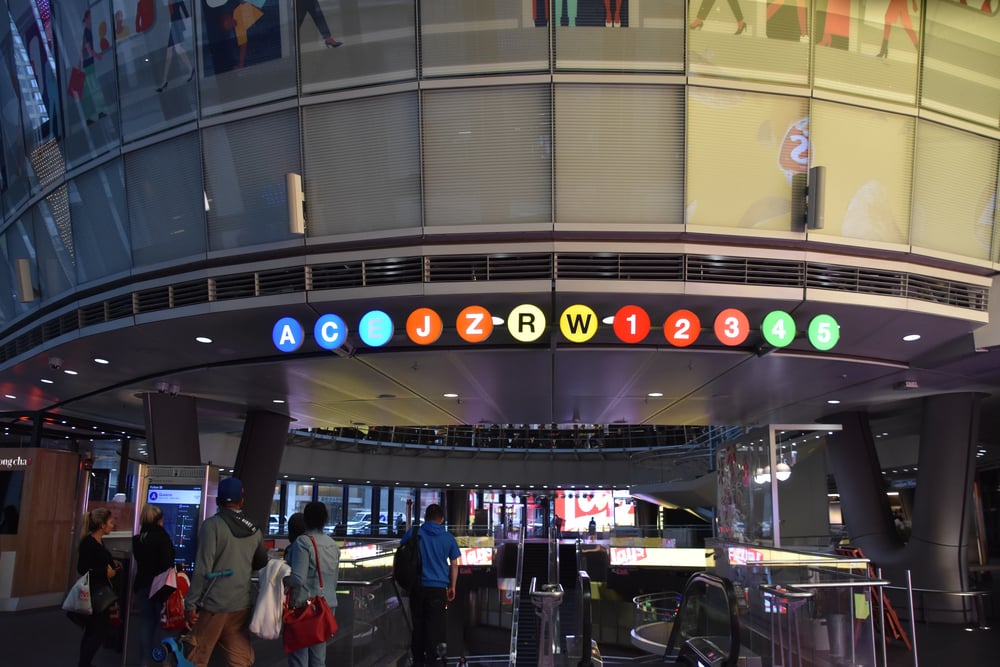
Opened in 2014, this station connects nine subway lines under a massive dome that brings natural light deep underground. The lights on the platform pulse rhythmically each time a train approaches.
Finally, a New York subway station that doesn’t look like it’s falling apart. Still:
- No eating allowed
- Watch for the light show
- Exit quickly during rush hour
Gangnam (Seoul)

Features a striking glass roof on the Shinbundang Line that allows natural light into the space, creating the illusion of being above ground rather than underground. The modern, sleek design contrasts with Seoul’s busier stations.
Designed by Japanese architect Shin Takamatsu, the station’s symmetrical layout symbolizes two hands pressed together in prayer. Clean lines meet spiritual symbolism.
Nowy Świat-Uniwersytet (Warsaw)

One of the coolest stations in the Polish capital, combining modern design elements with subtle artistic touches. The platform stretches long and lean, with carefully placed lighting that emphasizes the architectural geometry.
Warsaw rebuilt its metro system relatively recently. Shows in the attention to detail.
Almaty Metro (Kazakhstan)

The world’s youngest major subway system, opening in 2011 after 23 years of construction. Features a design that blends classical and modern elements, making it one of the most eye-catching underground systems globally.
Two decades of planning shows. And honestly, the wait was worth it.
Syntagma (Athens)
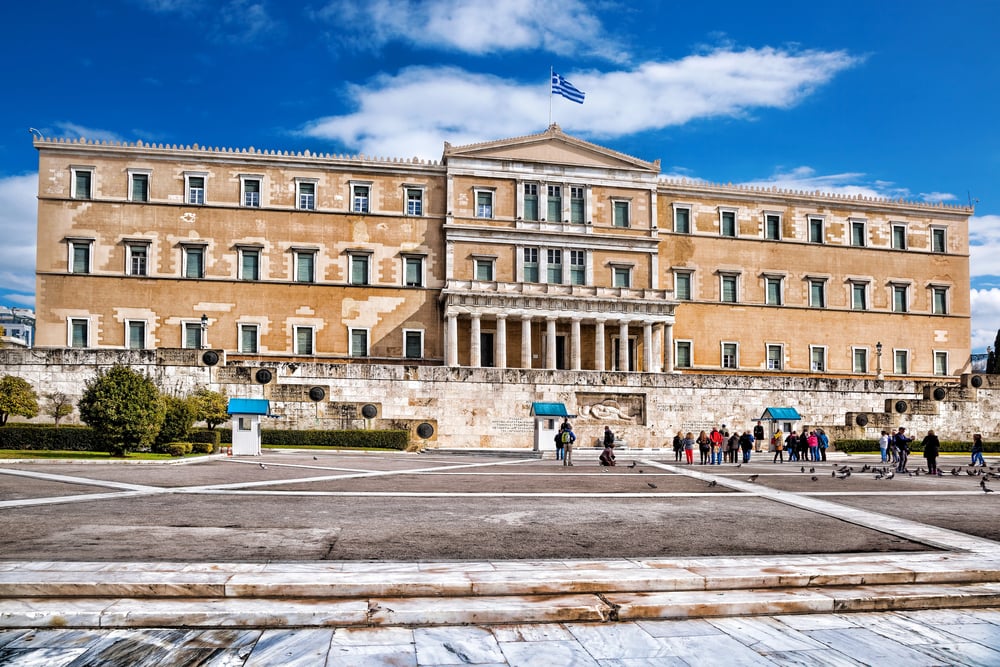
Located beneath Syntagma Square, the station doubles as a museum displaying ancient artifacts discovered during construction. Contemporary Greek artists’ works complement the archaeological finds.
Where else can you catch a train and see 2,000-year-old pottery at the same time?
Mayakovskaya (Moscow)

Named after the famous Russian poet Vladimir Mayakovskaya, this station features a magnificent mosaic ceiling and ceramic murals depicting scenes from the poet’s most well-known works. Another Moscow masterpiece.
The city clearly understood that underground spaces didn’t have to be afterthoughts.
Museum (Toronto)
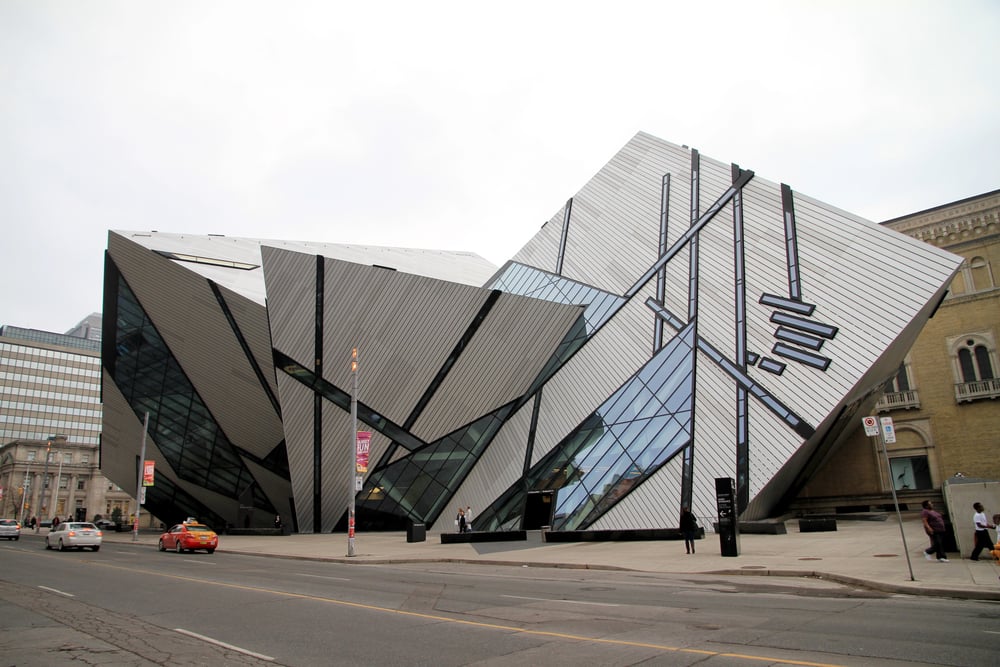
Decorated in subtle grays and browns, the station’s columns showcase artifacts from the nearby Royal Ontario Museum — everything from First Nations house posts to ancient Egyptian deities. Understated compared to Moscow’s baroque excess. But the carved columns tell their own stories.
City Hall (New York)
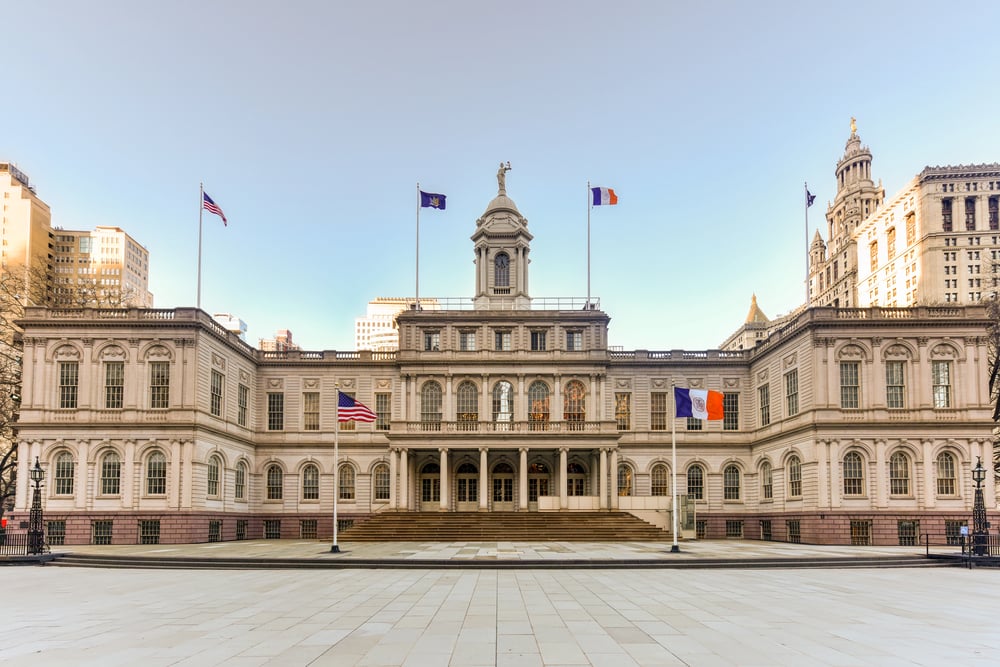
A singular glimpse back to New York’s early metro system — turn-of-the-century engineering at its grandest. Many New Yorkers have ridden the subway for years and completely missed this abandoned station.
Abandoned since 1945. Still beautiful. Most commuters never know it exists beneath their feet.
Underground Art Galleries

These stations prove that necessity doesn’t have to mean ugly. From Moscow’s imperial palaces to Stockholm’s cave paintings, the world’s most beautiful subway stops transform the mundane act of waiting for a train into encounters with unexpected art.
Some cities build functional transit. Others build dreams.
More from Go2Tutors!

- The Romanov Crown Jewels and Their Tragic Fate
- 13 Historical Mysteries That Science Still Can’t Solve
- Famous Hoaxes That Fooled the World for Years
- 15 Child Stars with Tragic Adult Lives
- 16 Famous Jewelry Pieces in History
Like Go2Tutors’s content? Follow us on MSN.



