27 School Supplies Kids Used Decades Ago
Back-to-school shopping once meant a paper list, a trip to the drugstore and a serious debate over which folder design said the right thing about a person. The supplies were simple, but they carried enormous social weight.
Many of those items have vanished from classrooms. Others survive only as collectibles or punchlines.
Here are the tools that filled desks, lockers and backpacks before tablets and laptops took over.
Trapper Keeper Binders
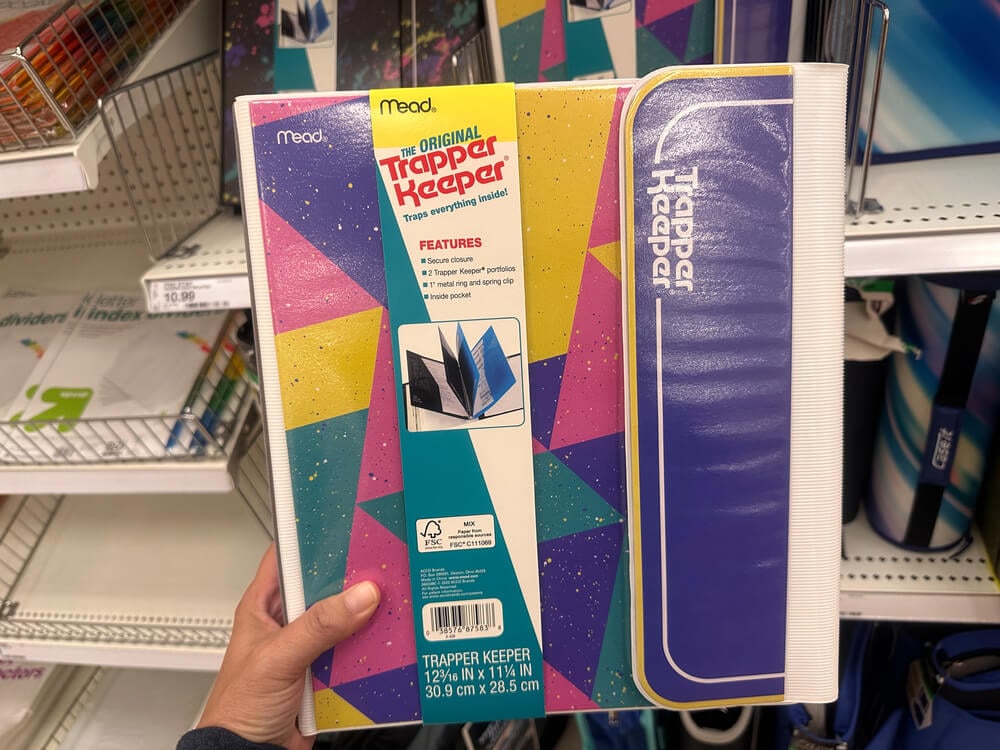
Mead test-marketed the Trapper Keeper in Wichita, Kansas, in 1978 and rolled it out nationally in 1981. The binder held a set of folders called Trappers with angled pockets that kept papers from sliding out.
Its covers featured bold art, from sports cars to rainbow landscapes, and the closure made a satisfying rip when opened. Mead sold tens of millions of them.
Some schools banned them for being too bulky or distracting. Sales eventually declined, and Mead pulled them from the market in 2002, though revivals have appeared since.
Pee-Chee Folders
The Western Tablet and Stationery Company first made the Pee-Chee folder in 1943, named for its peach-yellow color. Its pockets sat on the sides rather than the bottom, so papers stayed put.
Later versions featured drawings of athletic teenagers playing tennis, track and other sports. Students filled the margins with doodles, added mustaches to the athletes and wrote notes to friends.
Pee-Chees were especially common in California and the West. Mead still sells a version, but the original drawings now appear mainly as nostalgia merchandise.
Big Chief Writing Tablets

Thick tablets with bright red covers and wide-ruled newsprint paper were a fixture in early elementary classrooms through the mid-20th century. The Big Chief tablet’s cover showed a stylized Native American chief in a headdress, an image that would not be printed on a school product today.
The coarse paper made pencil lines soft and gray, and erasing too hard tore right through the page. Teachers used the tablets for penmanship practice and spelling tests.
They faded from classrooms as better paper became cheaper, and they now show up mainly at antique malls.
Pink Pearl Erasers
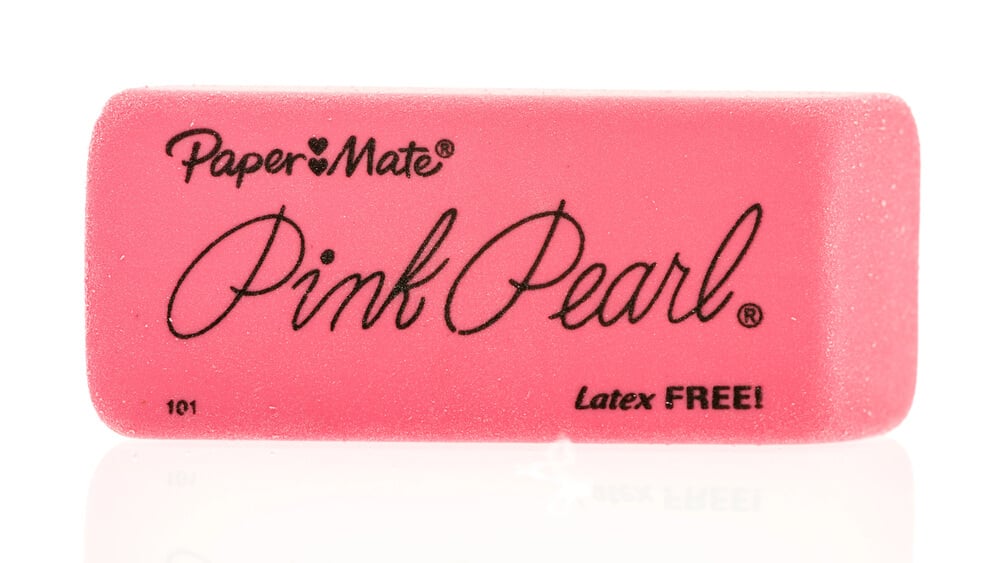
The rectangular pink eraser with slanted ends has been around for more than a century, first made by Eberhard Faber and later sold under the Paper Mate name. It was soft enough to erase cleanly without tearing most paper, and nearly every student owned one.
Kids carved initials into them, broke them in half to share and used them to clean desk tops. The eraser still exists, which makes it one of the few school supplies that never really left.
Its smell is instantly recognizable to anyone who spent a year in an American classroom.
Mr. Sketch Scented Markers
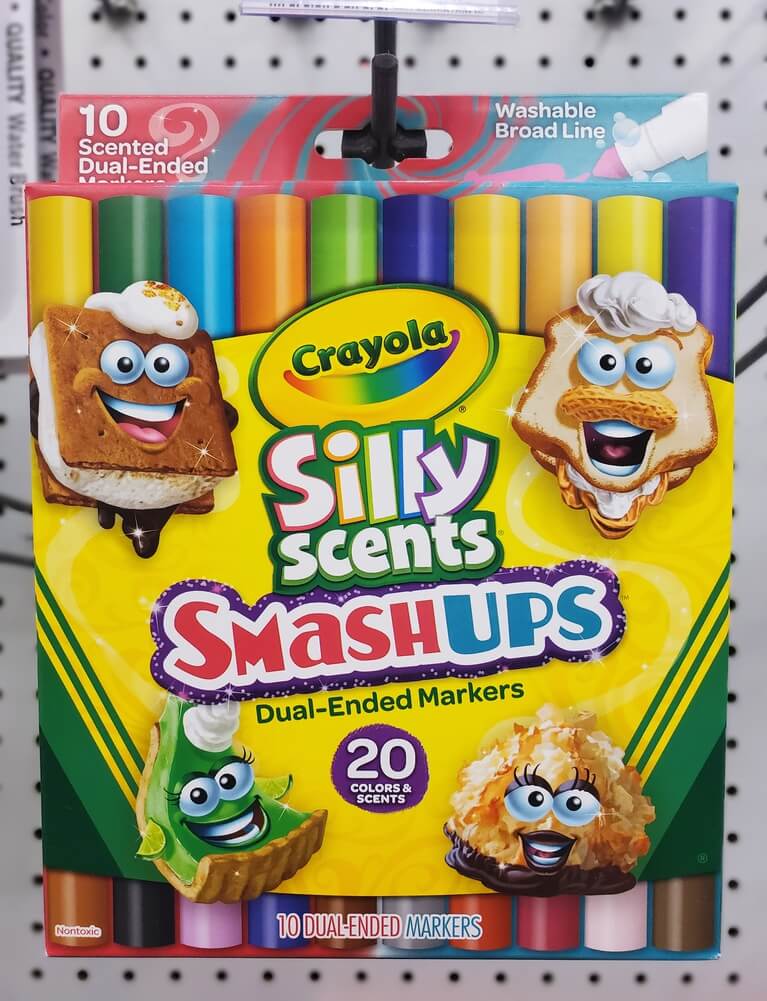
Sanford introduced Mr. Sketch markers in 1965, and the scented versions became the most coveted art supply in many classrooms. Each color came with a matching smell, such as cherry for red, licorice for black and mint for green.
Kids spent more time sniffing the markers than drawing with them, and teachers sometimes confiscated them for that reason. The markers had broad tips that worked well for posters.
They are still sold today, but older users insist the original scents were stronger. Blueberry and licorice were common favorites in sniffing contests.
Erasermate Pens
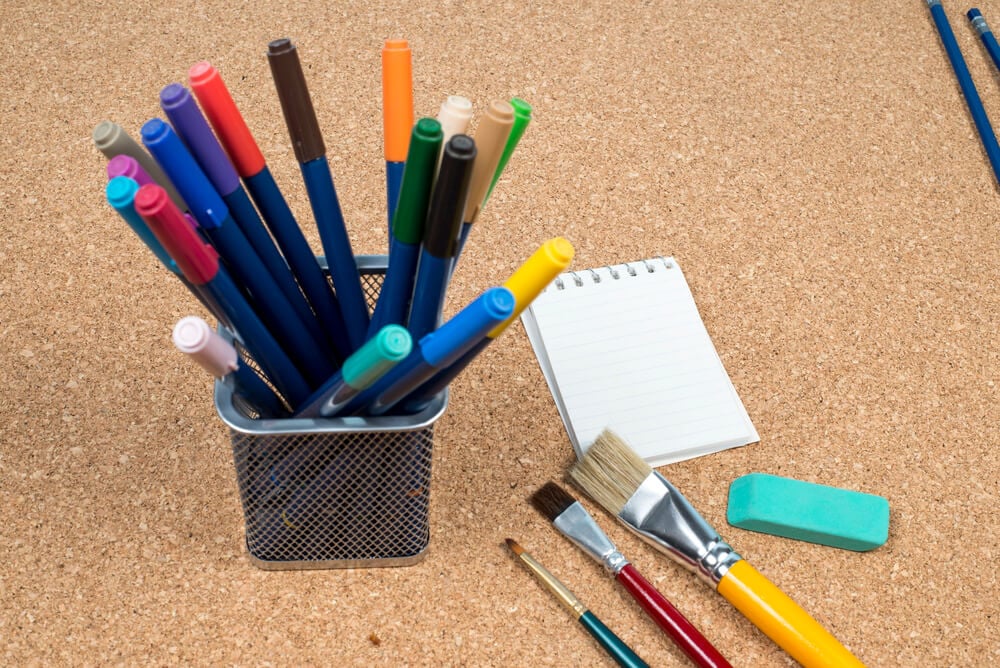
Paper Mate introduced the Erasermate in 1979 after spending more than a decade developing an ink that could be erased. The pen had an eraser on the cap, which promised to free students from crossing out mistakes.
The ink was thick and could smudge, especially when it was fresh. Teachers still preferred pencils for math and pens for final drafts, and the Erasermate seemed to bridge the gap.
It was popular through the 1980s and 1990s. Later erasable pens using different technology have taken over much of that market.
Spacemaker Pencil Boxes
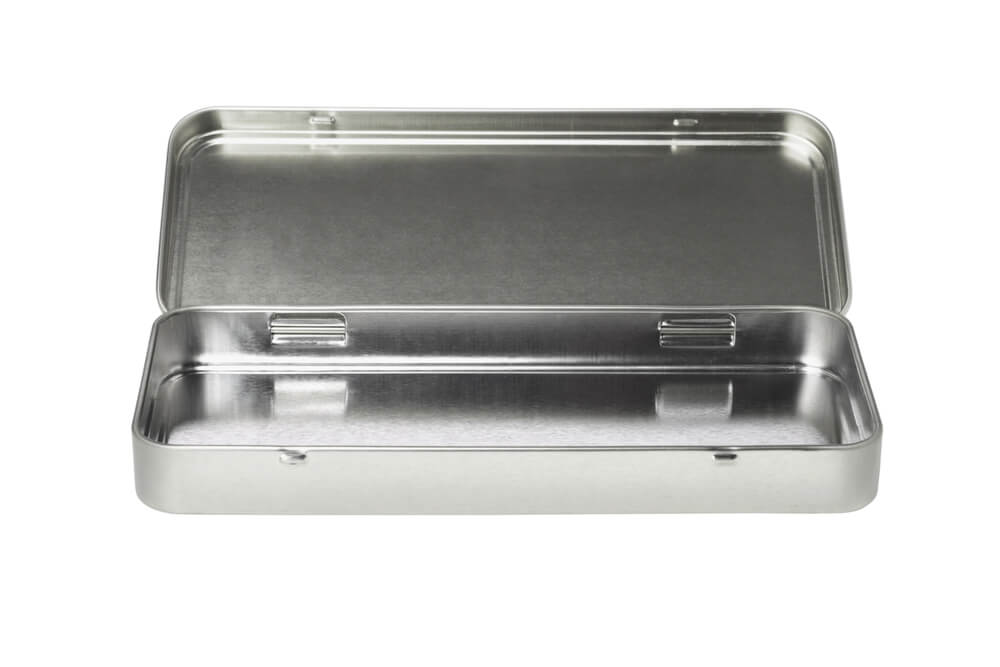
A plastic Spacemaker pencil box, with its bumpy lid and built-in compartments, was standard equipment in elementary school desks. Some versions had a built-in sharpener, a calculator or a small ruler.
The lid often featured cartoon characters or popular designs. Kids used them to organize pencils, crayons and erasers, and dropping one on the classroom floor made an unforgettable clatter.
They were sturdy enough to last for years. Many adults remember theirs in specific detail, down to the color and the stickers on the lid.
Metal Lunchboxes With Thermoses
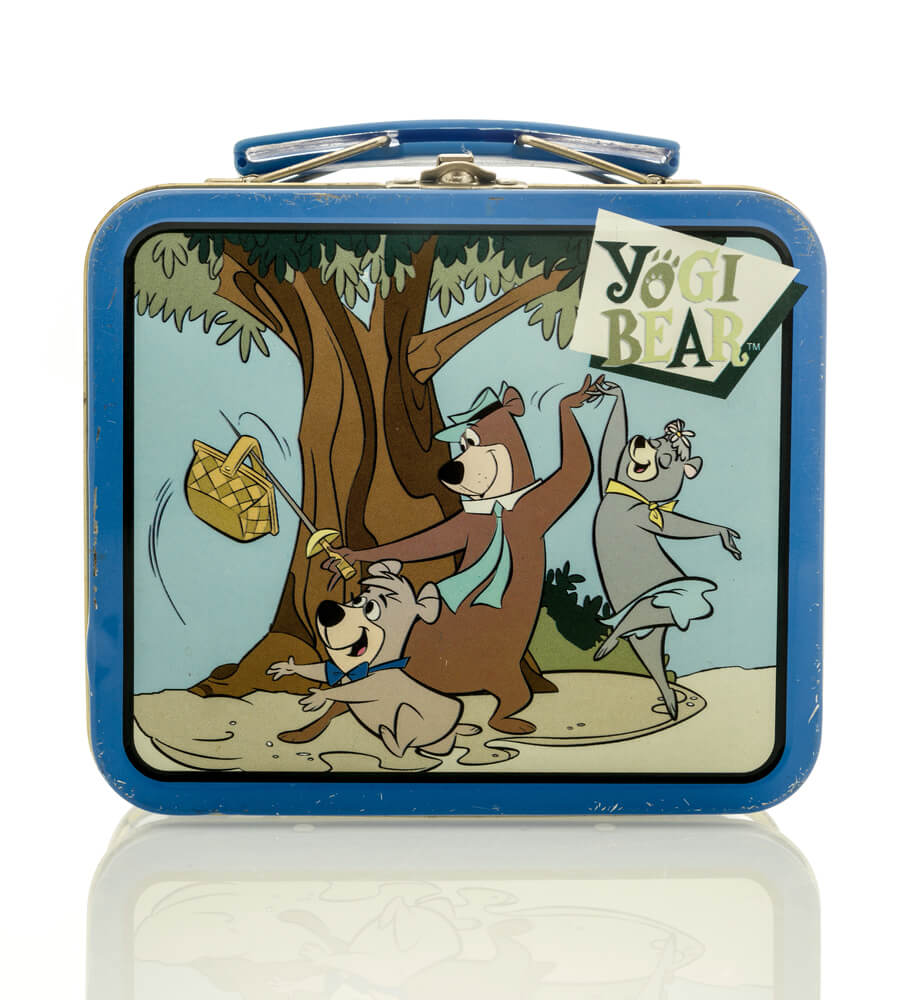
Aladdin Industries released a Hopalong Cassidy lunchbox in 1950, which helped launch decades of metal lunchboxes decorated with television and film characters. Each box usually came with a matching vacuum bottle.
Kids chose their lunchbox as carefully as their clothes. By the mid-1980s, manufacturers had largely switched to plastic, partly because of concerns about kids using the hard boxes in playground fights.
Vintage metal lunchboxes are now collectibles, with prices that vary widely depending on the character, rust and the presence of the original bottle.
Paper Grocery Bag Book Covers
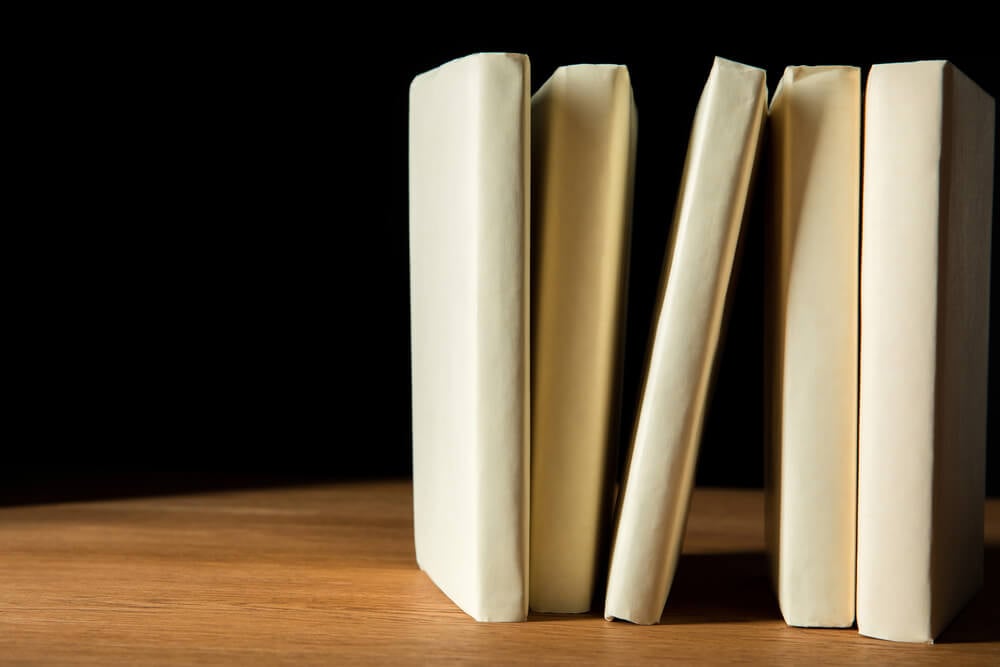
Students once covered their textbooks with brown paper grocery bags, folded and creased to fit. Schools often required it to protect books that would be passed on to the next class.
The covers became canvases for doodles, band names and notes from friends. Some students used a ruler to make crisp corners, while others simply wrapped and taped.
Stretchy fabric book covers later made the process easier. Today, many textbooks are digital, and the ritual of covering books has largely faded.
Some stores even printed covers with ads and handed them out free each fall.
Purple Ditto Sheets
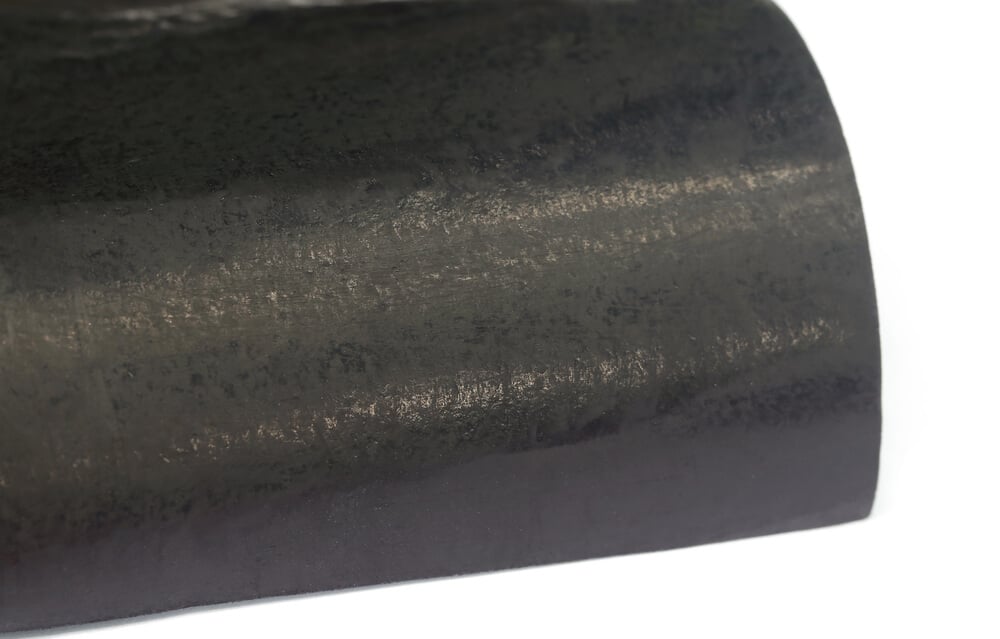
Before photocopiers became common in schools, teachers used spirit duplicators to make copies of worksheets. The copies came out in purple ink, and the fresh sheets carried a distinctive solvent smell.
Students often held the warm pages to their noses as they were passed back. The machines were hand-cranked or electric, and the masters could only make a limited number of copies.
Photocopiers replaced them by the 1980s and 1990s. The smell remains one of the most vivid memories of school for many adults.
The fluid used in the machines was alcohol based, which explains the scent.
Slide Rules for Math and Science
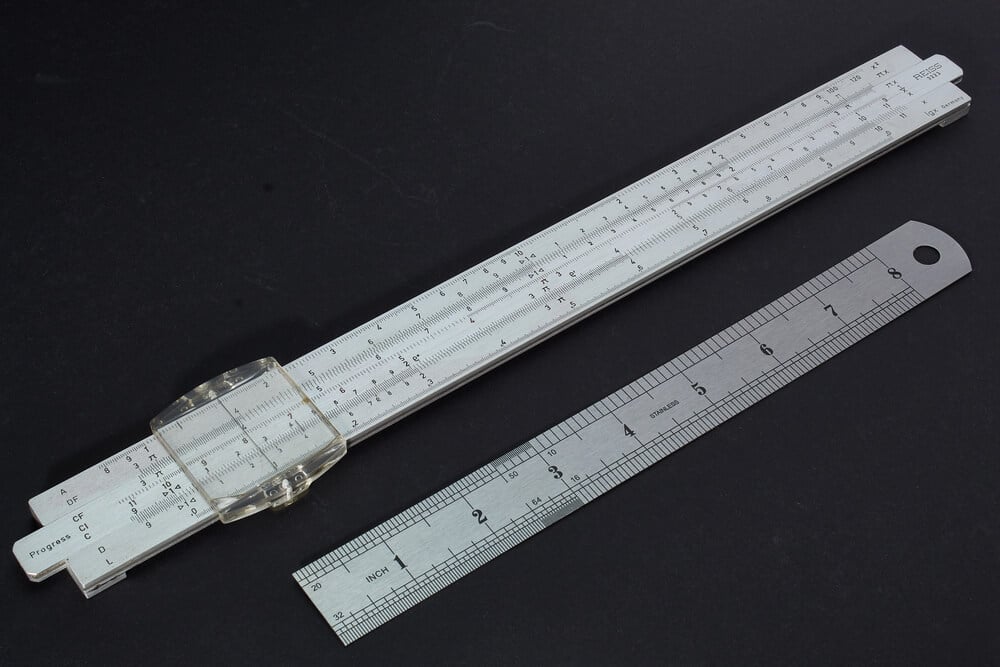
Slide rules allowed students and engineers to multiply, divide and calculate roots by sliding marked scales against one another. High school and college students in math and science courses often carried them in leather cases clipped to belts.
Keuffel and Esser was one of the best-known makers. Electronic calculators made slide rules obsolete by the mid-1970s, and production ended soon after.
Today they are collectibles. Many engineers who learned on slide rules still keep one in a desk drawer.
The Apollo astronauts carried slide rules as backup calculators. Few tools have vanished from classrooms so completely and so quickly.
Speak and Spell
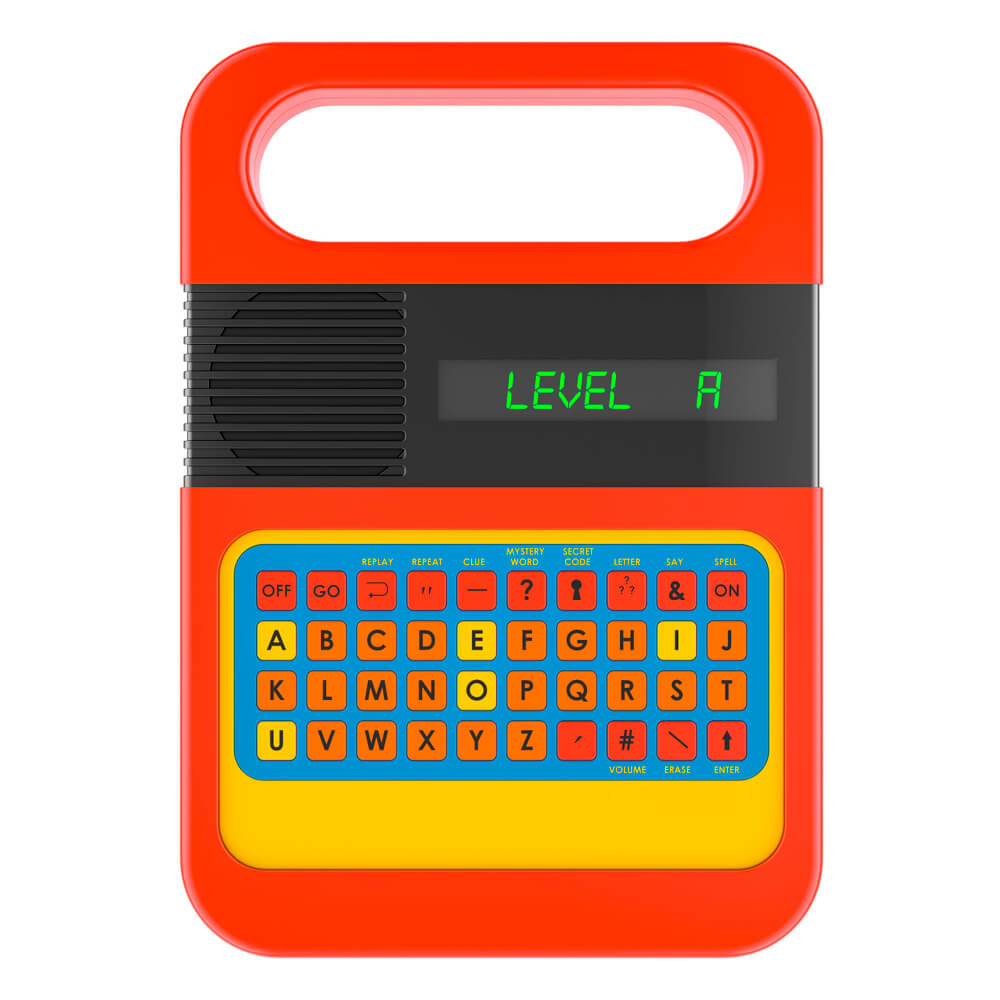
Texas Instruments introduced the Speak and Spell in 1978 as an educational toy that taught spelling using a synthesized voice. It was among the first consumer products to use a single-chip speech synthesizer.
The device asked kids to spell words and responded with an electronic voice. It appeared in the 1982 film E.T. the Extra-Terrestrial, which made it even more famous.
Many families bought them as learning tools. Today, original units are collectibles, and musicians sometimes modify them for electronic sounds.
Its bright orange case and chunky keyboard made it look like a toy, though it taught real skills.
Crayola 64 With the Built-In Sharpener
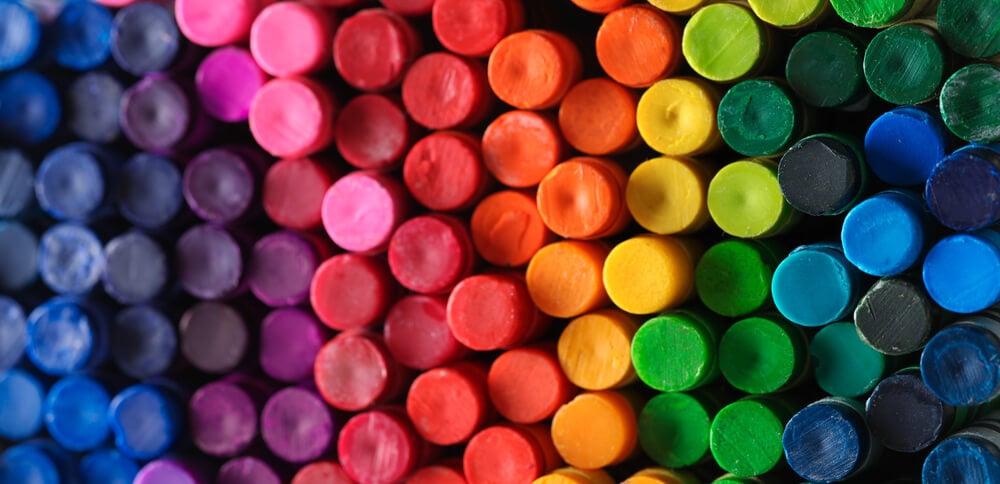
Crayola introduced its 64-crayon box with a built-in sharpener in 1958, and it quickly became the dream box for children everywhere. The sharpener was on the back, and the crayons were arranged in tiers.
Owning the 64 box meant access to unusual colors such as burnt sienna and periwinkle. Kids with smaller boxes often envied those who had it.
The box remains in production, but the arrival of a new 64 box at the beginning of a school year carries a special nostalgia for older adults.
Geometry Sets in Metal Tins
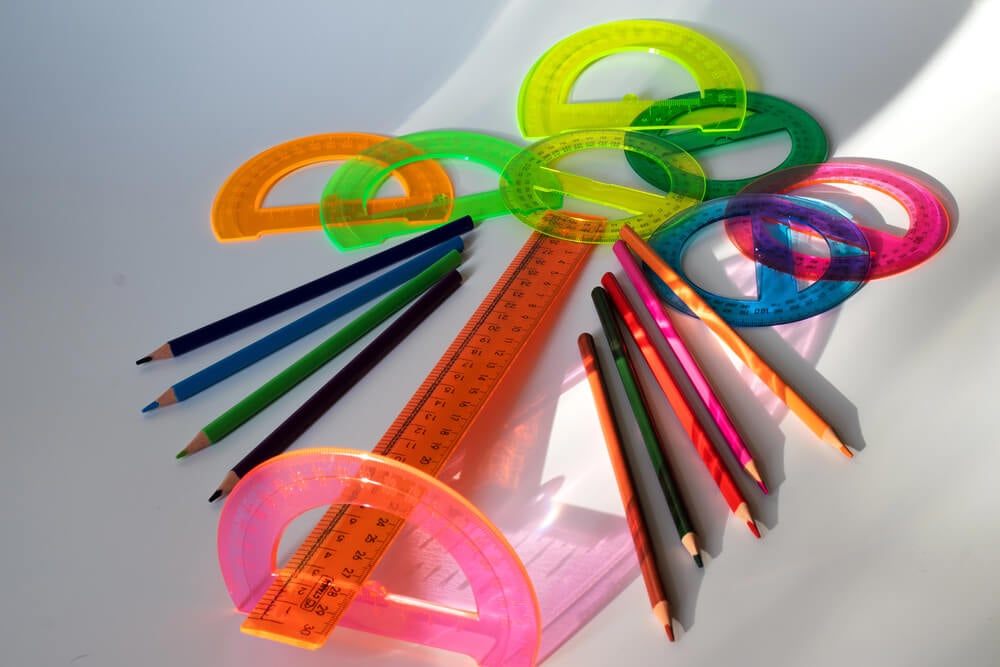
Compasses, protractors, set squares and rulers came packaged in metal tins, often made by brands such as Helix. Students used them for geometry class, drawing circles and measuring angles.
The compass had a sharp point that was also used for less approved purposes, such as carving initials into desks. The sets were durable and often passed down between siblings.
Digital tools have reduced their use, but some math classes still require them. The tins themselves are now common at flea markets.
Opening one at the beginning of a term felt like unpacking a small tool kit.
Overhead Projectors and Transparencies
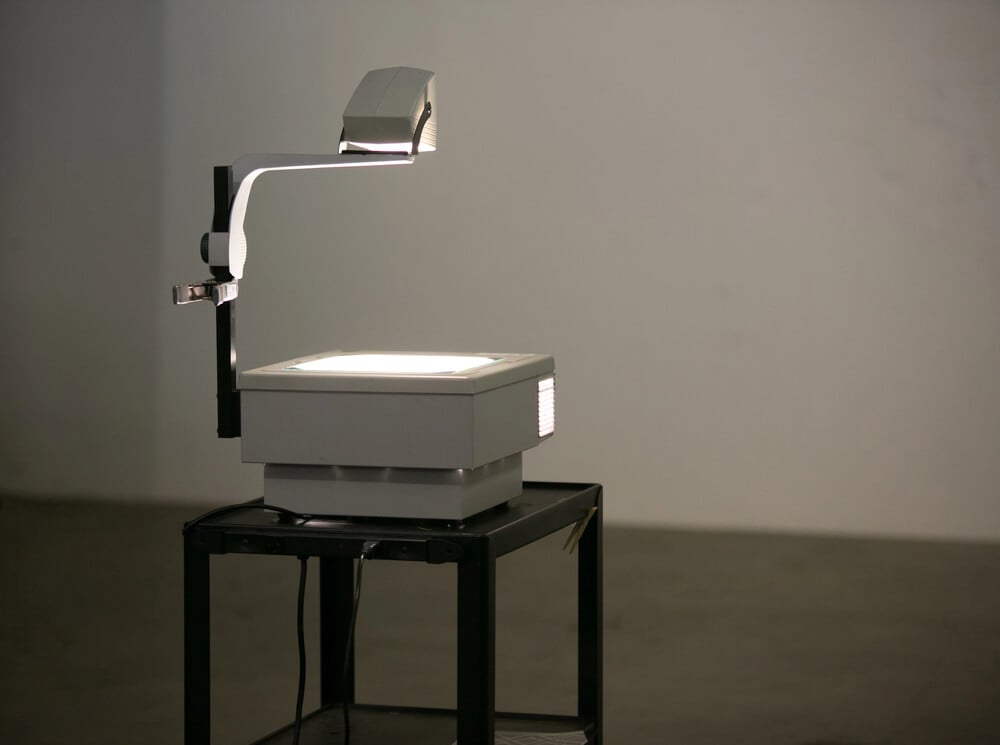
Teachers once wrote notes and math problems on clear plastic sheets laid on an overhead projector, which cast the image onto a screen. Special markers were used, and teachers often wiped them clean with a damp cloth to reuse the sheets.
Students were sometimes asked to come up and solve problems in front of the class. The projectors hummed and their bulbs occasionally burned out mid-lesson.
Document cameras and digital projectors have replaced them. The term overhead now confuses some younger students.
Some teachers rolled a long sheet of film across the glass like a scroll.
Cursive Handwriting Workbooks
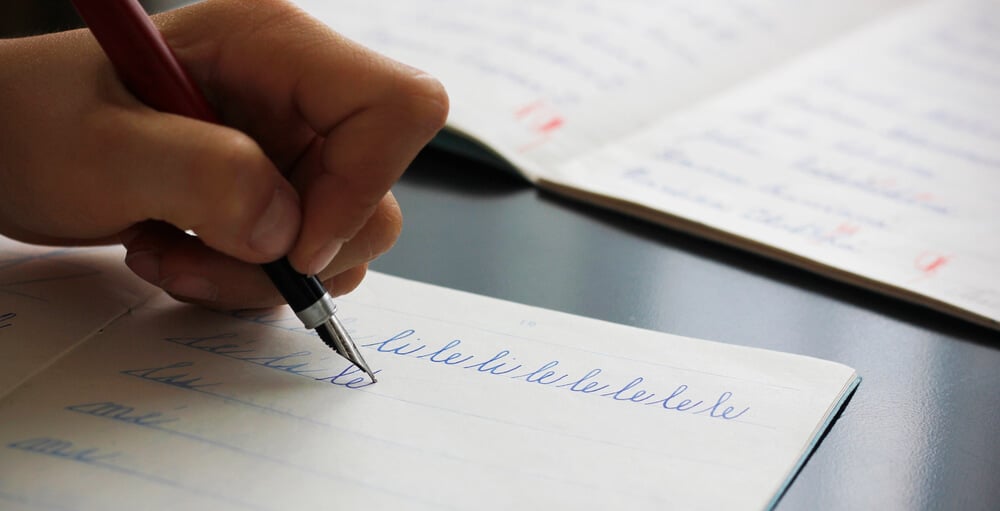
For much of the 20th century, students spent hours practicing cursive in workbooks using methods such as the Palmer Method and Zaner-Bloser. Lined paper with dotted middle lines helped them form letters correctly.
Many schools reduced cursive instruction after the Common Core State Standards, adopted in 2010, did not include it. Some states later passed laws requiring cursive again.
Many adults still remember practicing loops and swirls for hours. Some younger students now struggle to read cursive at all.
Teachers once graded penmanship on report cards. Signatures remain the main place most people still use it.
Chalkboard Erasers
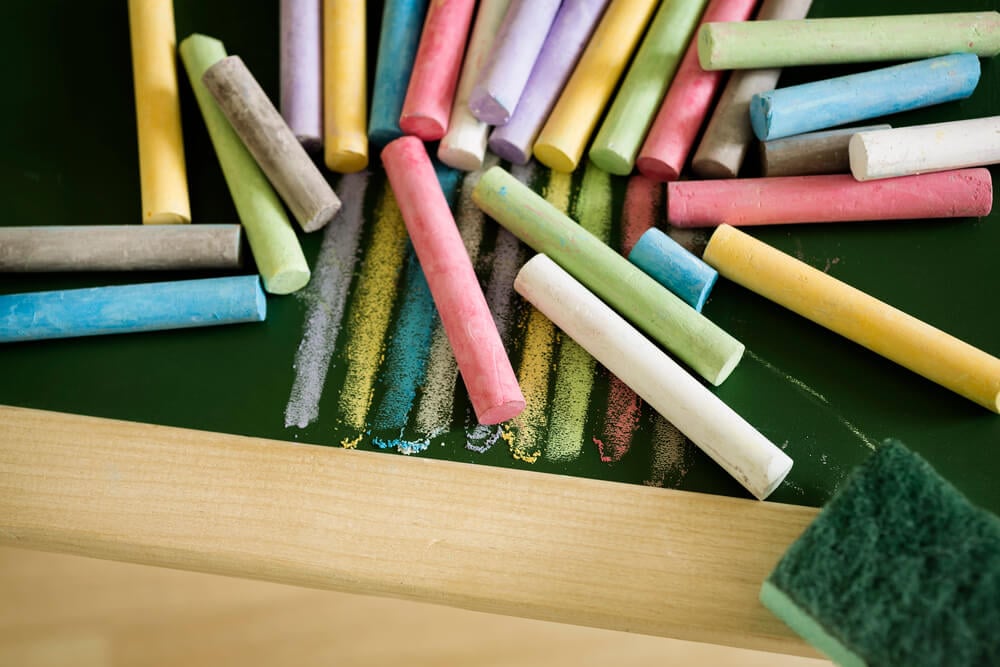
Felt chalkboard erasers were used to wipe chalk from blackboards. At the end of the day, teachers often asked students to take the erasers outside and clap them together to remove the dust.
The task was seen as a reward or a chore, depending on the student. Clouds of chalk dust often covered hands and clothes.
Whiteboards replaced chalkboards in many schools during the 1990s and 2000s. The sound of chalk on a board and the smell of chalk dust remain memorable to many adults.
Scantron Answer Sheets
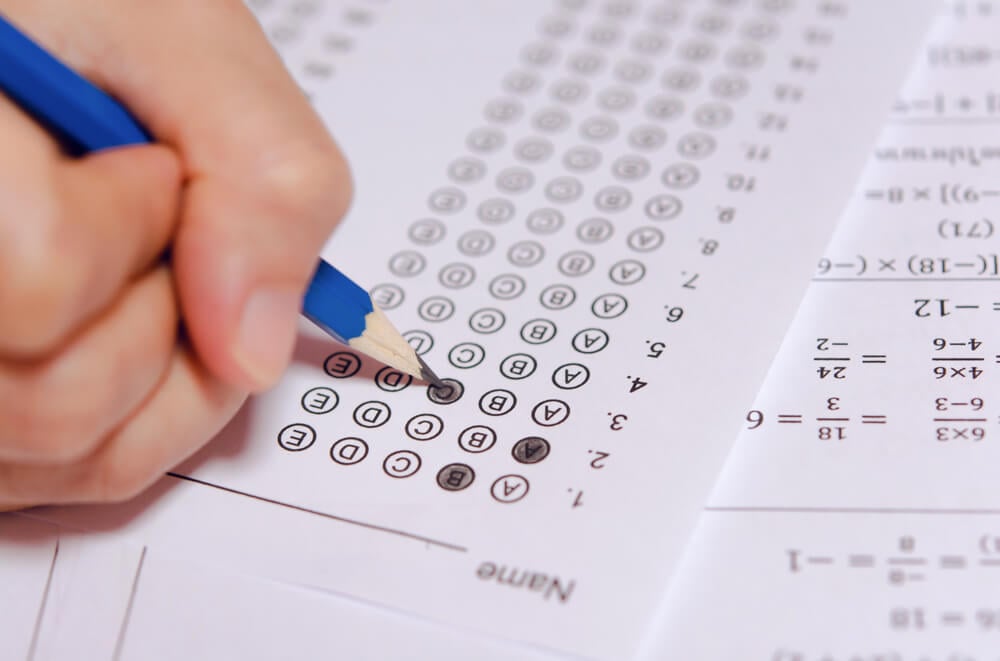
Scantron was founded in 1972, and its answer sheets soon became a staple of multiple-choice testing. Students filled in bubbles with No. 2 pencils, and a machine graded the sheets in seconds.
Teachers often warned students to erase completely and avoid stray marks. The forms came in different colors and layouts.
Online testing has replaced many of them, but they are still used in some schools. The phrase Scantron test remains part of the vocabulary of many adults.
Students sometimes tried to find patterns in the answers, such as too many in a row of the same letter. Teachers knew the trick and rarely fell for it.
Oregon Trail on Floppy Disks
The Oregon Trail was created in 1971 by three student teachers in Minnesota and later distributed by the Minnesota Educational Computing Consortium. The 1985 version for the Apple II became a classroom favorite.
Students guided a wagon party across the country, hunting for food and fording rivers. Many students remember characters dying of dysentery.
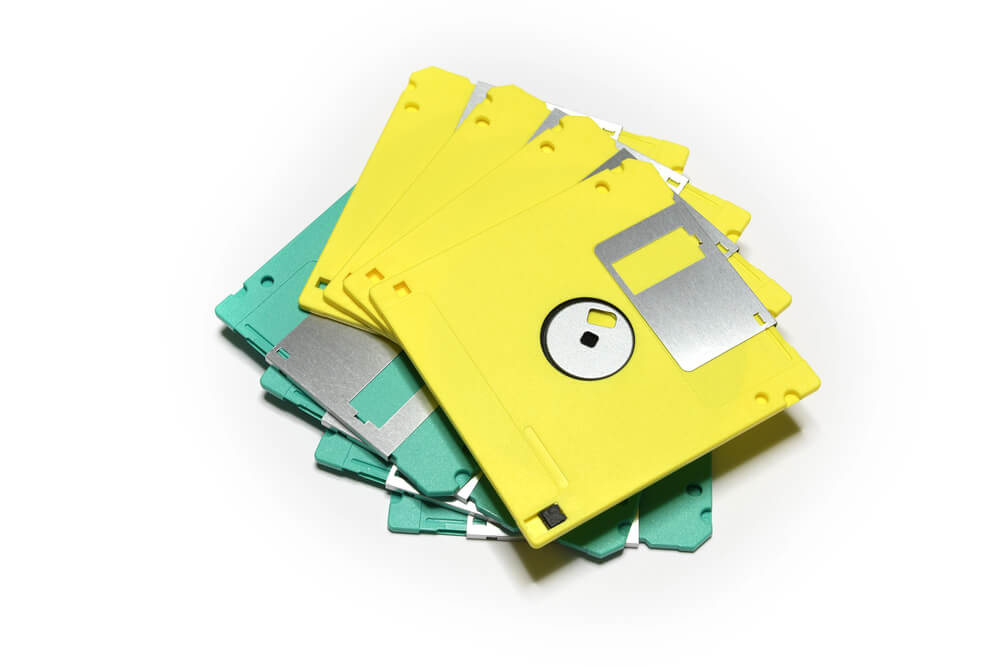
The game was distributed on floppy disks and played in school computer labs. It remains one of the most famous educational games ever made.
Choosing to play as a banker, carpenter or farmer changed the difficulty, a detail many players still remember. Remakes and anniversary editions keep finding new audiences.
Lisa Frank Folders and Stickers
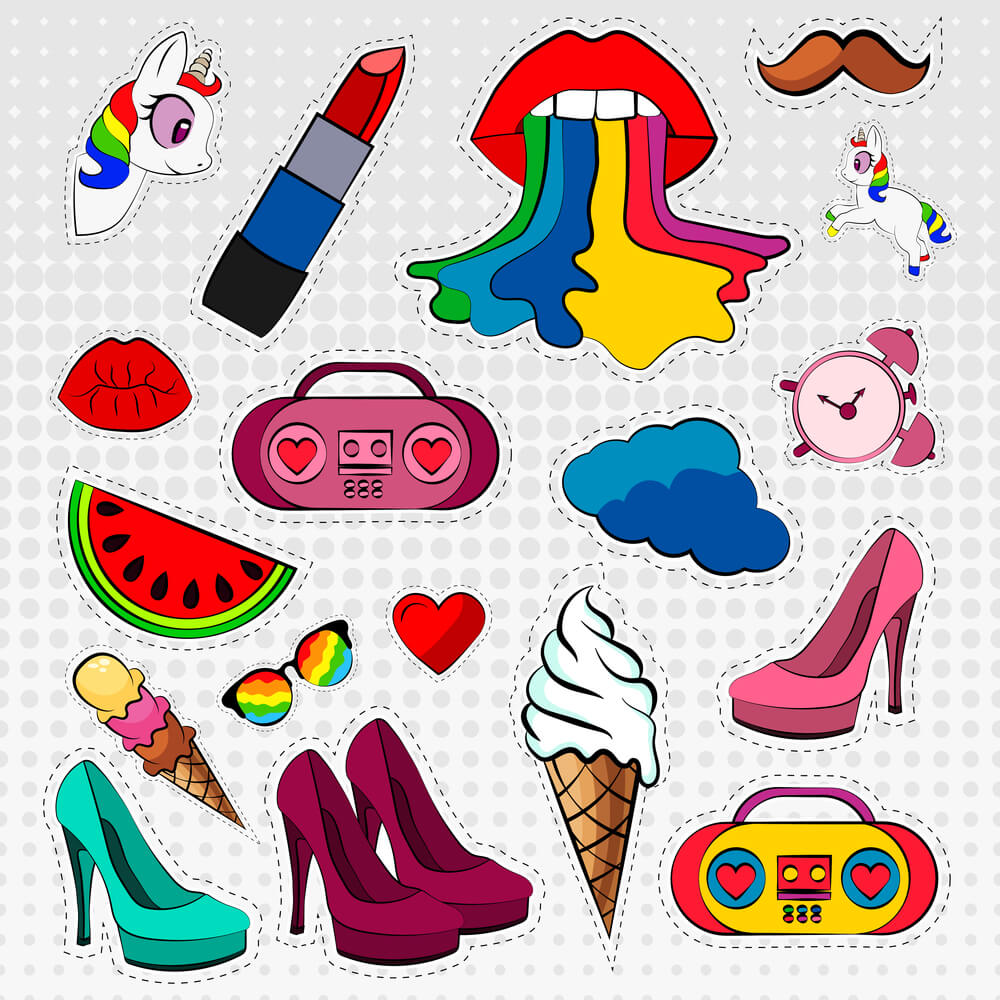
Lisa Frank founded her company in Tucson, Arizona, in 1979, and its brightly colored designs featuring rainbow animals, unicorns and dolphins became a sensation in the 1980s and 1990s. Folders, notebooks and stickers with Lisa Frank designs filled backpacks.
The style was instantly recognizable. Many students traded stickers and decorated lockers with them.
The brand has seen revivals, and vintage items are now collectibles. For many adults, a Lisa Frank folder is a symbol of childhood.
The neon colors were impossible to miss in a classroom of plain notebooks. A 2024 documentary renewed interest in the company and its founder, though the art itself never really went out of circulation among collectors.
Scratch-and-Sniff Stickers
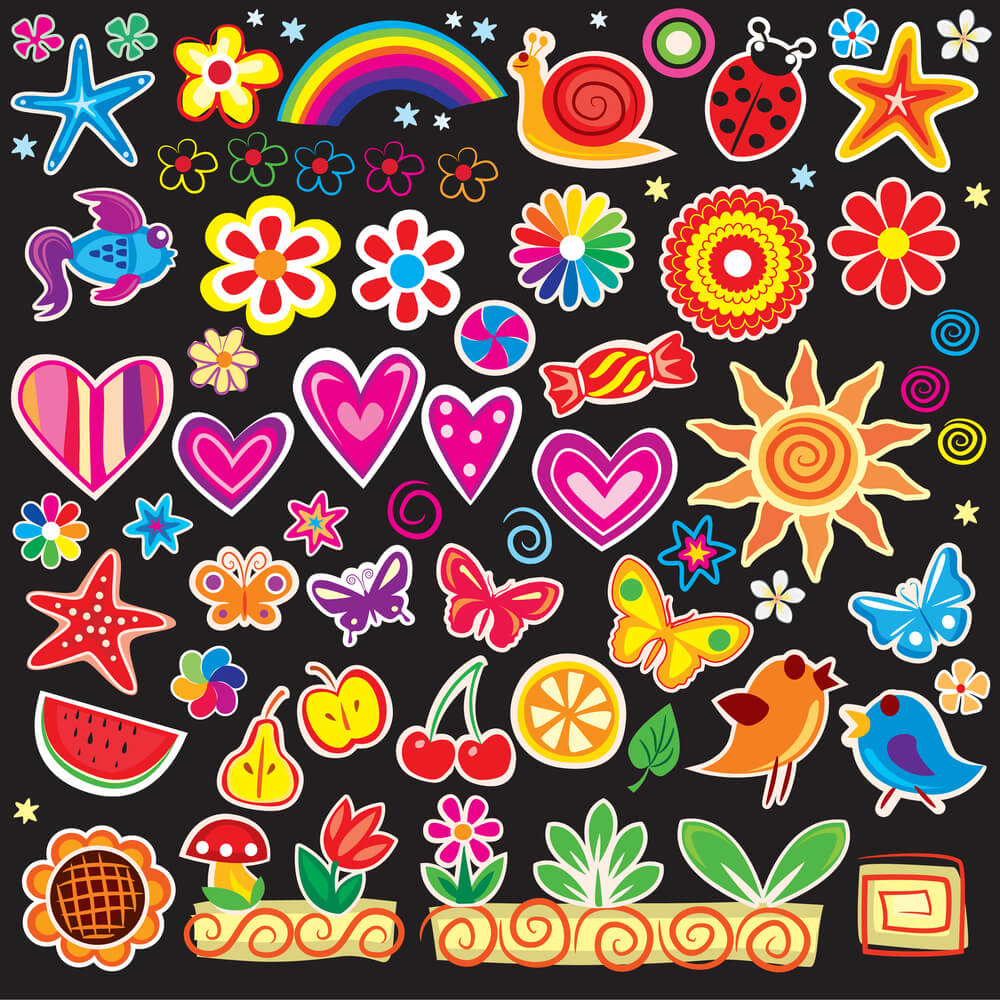
Scratch-and-sniff stickers used tiny capsules of scent that released a smell when scratched. They became popular in the 1970s and 1980s, especially as rewards on homework and tests.
Teachers often used them to praise good work, with smells such as strawberry, chocolate and pickle. Students collected them in albums.
The technology was based on microencapsulation research. Many adults still remember specific smells from their sticker collections.
The best ones were rewarded only for perfect scores, which made them a real motivator. Collectors now buy vintage sheets online, and some say the faded scents still linger after four decades.
Unused sheets in original packaging bring the most interest.
Gel Pens
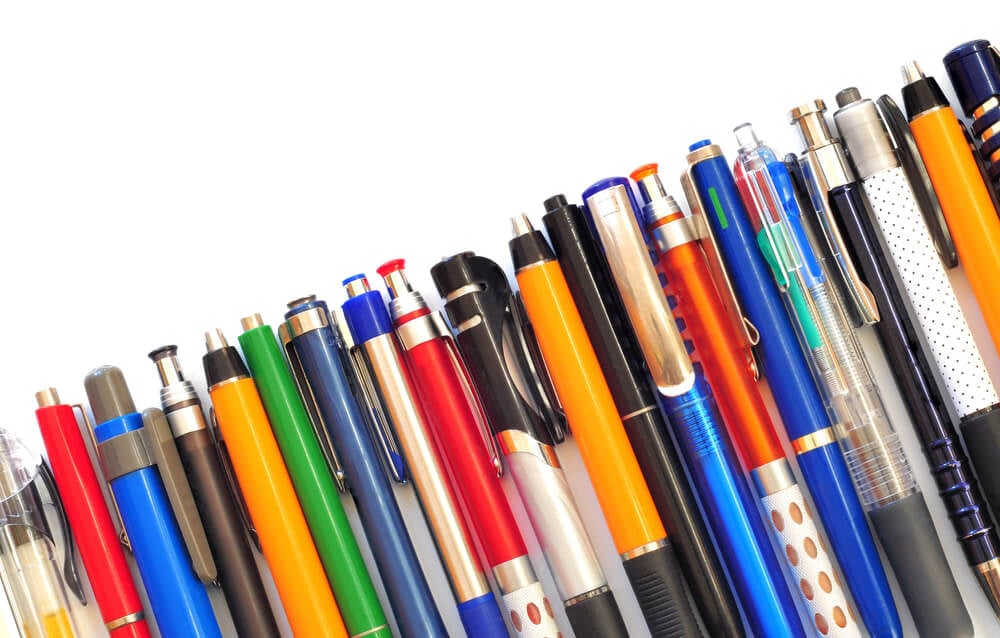
Sakura introduced the first gel ink pens in Japan in 1984, and gel pens became a craze in American schools during the 1990s. Students loved the bright colors, glitter and metallic inks, which showed up well on black paper.
Gel pens were used for notes, doodles and decorating notebooks. They were often traded or shared among friends.
Some teachers banned them for being distracting. The pens are still sold, but the late 1990s were their peak in classrooms.
Notebooks filled with gel pen notes are now a common sight in family attics. Some schools allowed them only for art projects.
Bic Four-Color Pens
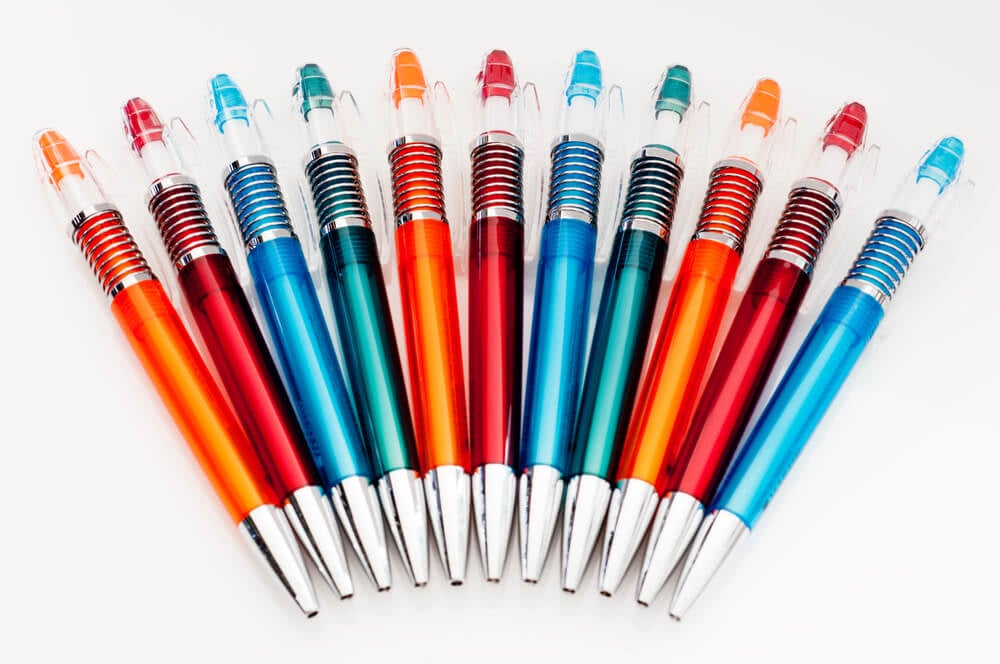
A single Bic four-color pen let users click between blue, black, red and green ink, all in a single barrel. Bic introduced it in 1970, and it became a favorite of students who liked color-coded notes.
Kids often tried to push down two colors at once, which never worked. The pens were sturdy and lasted a long time.
They are still sold today. For many adults, the clicking sound of a four-color pen is a classroom memory.
Teachers used them to grade papers in red and green.
Jars of White Paste
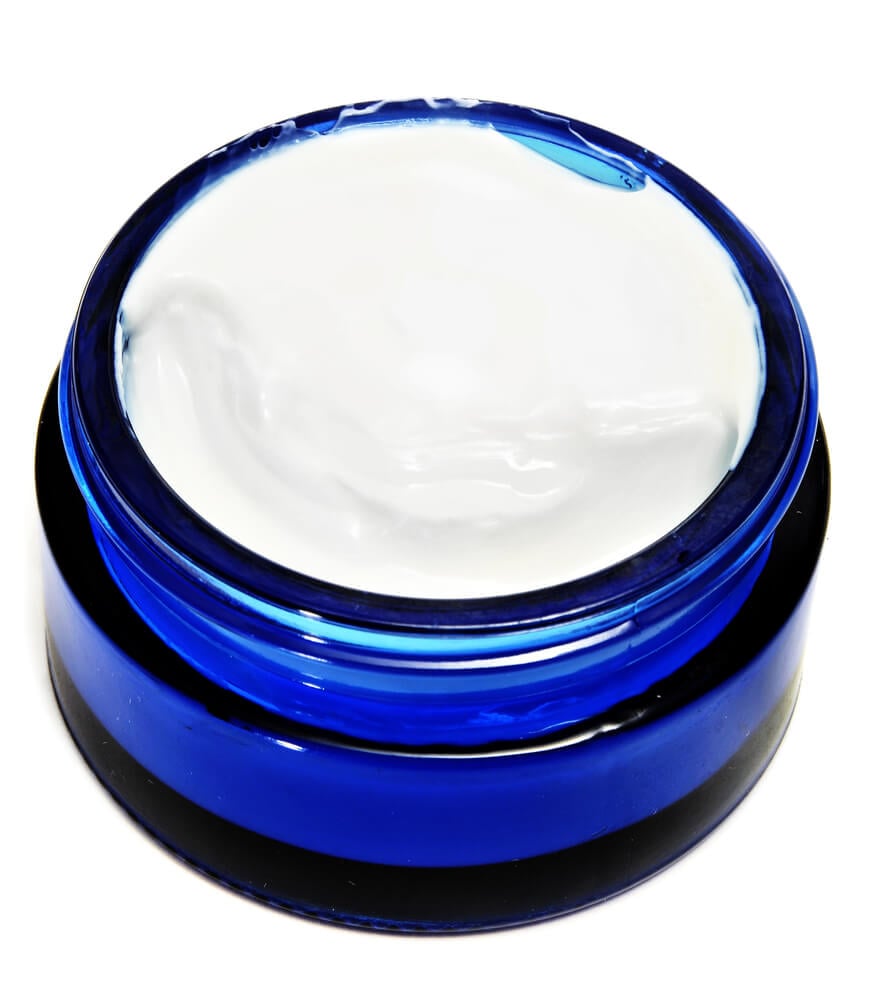
Before glue sticks and bottles of school glue became common, many classrooms used white paste in jars, applied with a small plastic or wooden spatula. The paste was thick and had a mild smell.
Some children were famously tempted to taste it. Teachers used it for craft projects and bulletin boards.
Glue sticks, introduced in the late 1960s, eventually replaced it. The image of a child eating paste remains a common joke about early school days.
The paste was nontoxic, which reassured worried parents. Its slightly sweet scent explains why some kids could not resist a taste, and many adults admit it decades later.
Wall-Mounted Pencil Sharpeners
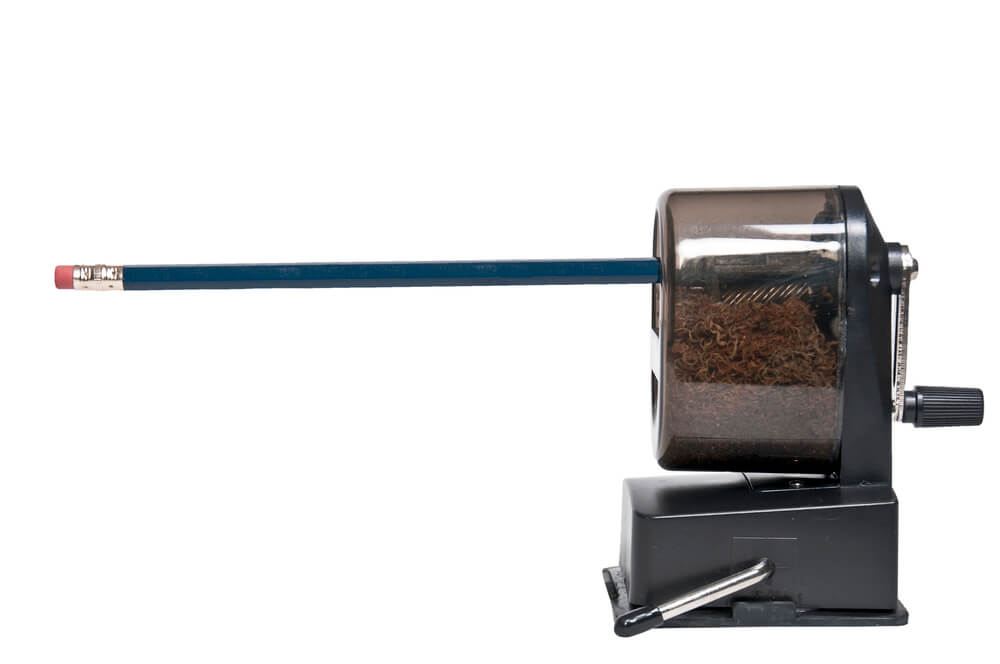
Hand-cranked pencil sharpeners mounted on classroom walls were a fixture in American schools for decades. Many were Boston models made by Hunt Manufacturing.
Students lined up to sharpen pencils, and the grinding sound often interrupted lessons. Emptying the shavings was another classroom chore.
Electric sharpeners and mechanical pencils have reduced their use. Still, many schools have kept the old wall-mounted models because they rarely break.
Teachers sometimes set rules about when students could sharpen pencils, since the noise could drown out a lesson. Some classrooms had a single sharpener for thirty students, which made the line a social hub.
The crank and the steady grinding sound are still instantly familiar.
Filmstrip Projectors
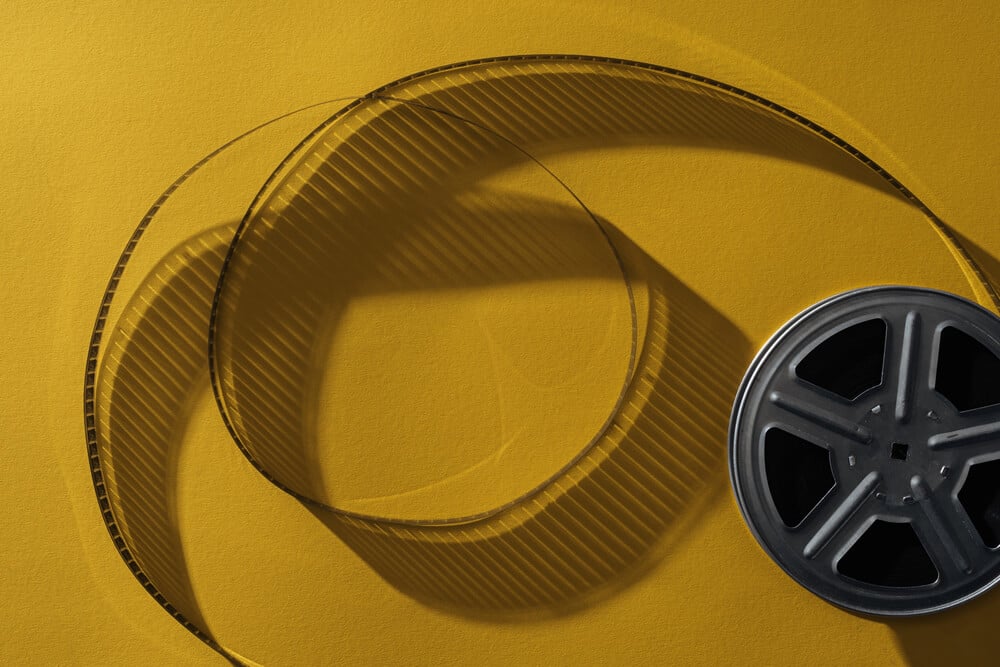
Filmstrip projectors showed a series of still images on a strip of film, often accompanied by a record or cassette with narration. A beep signaled when to advance to the next frame.
Students were sometimes given the job of turning the knob. The Society for Visual Education was one of the major producers of educational filmstrips.
Videotapes and later digital media replaced them by the 1980s and 1990s. The beep remains one of the most recognizable sounds of old classrooms.
Lights off for a filmstrip was a small celebration in any class.
World Book Encyclopedias
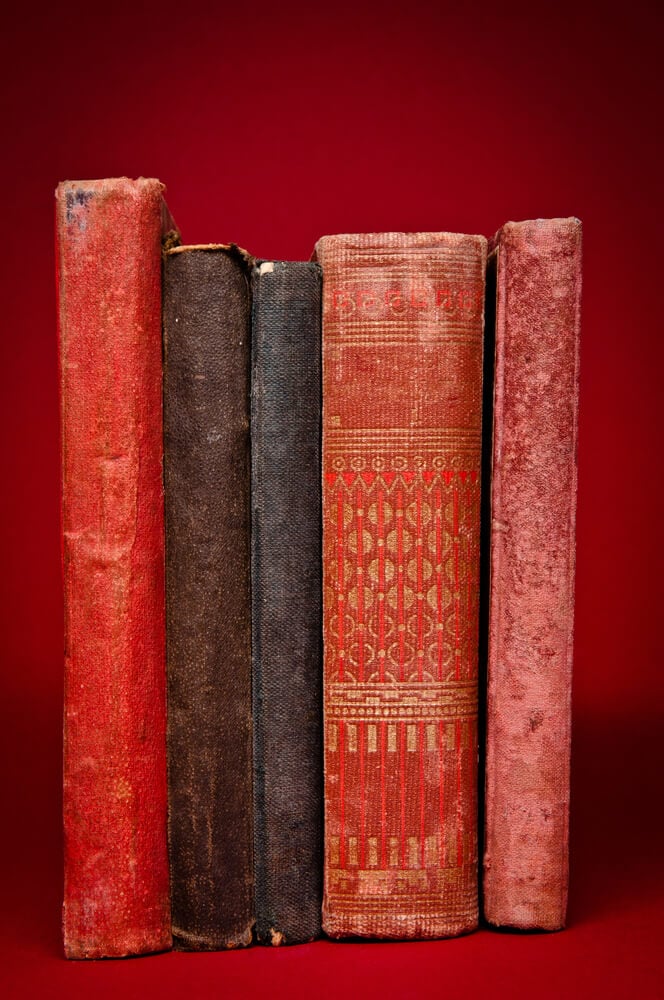
World Book Encyclopedia, first published in 1917, was a standard reference for school reports. Families bought full sets from door-to-door salespeople, and libraries kept them on shelves.
Students copied facts into reports, sometimes too closely. The volumes were heavy and often outdated by the time they were used.
The internet made encyclopedias less essential, but World Book still publishes print editions. For many adults, the sight of a full set brings back memories of homework at the kitchen table.
Some households paid for the sets in monthly installments.
Pencil Shavings and Paper Trails
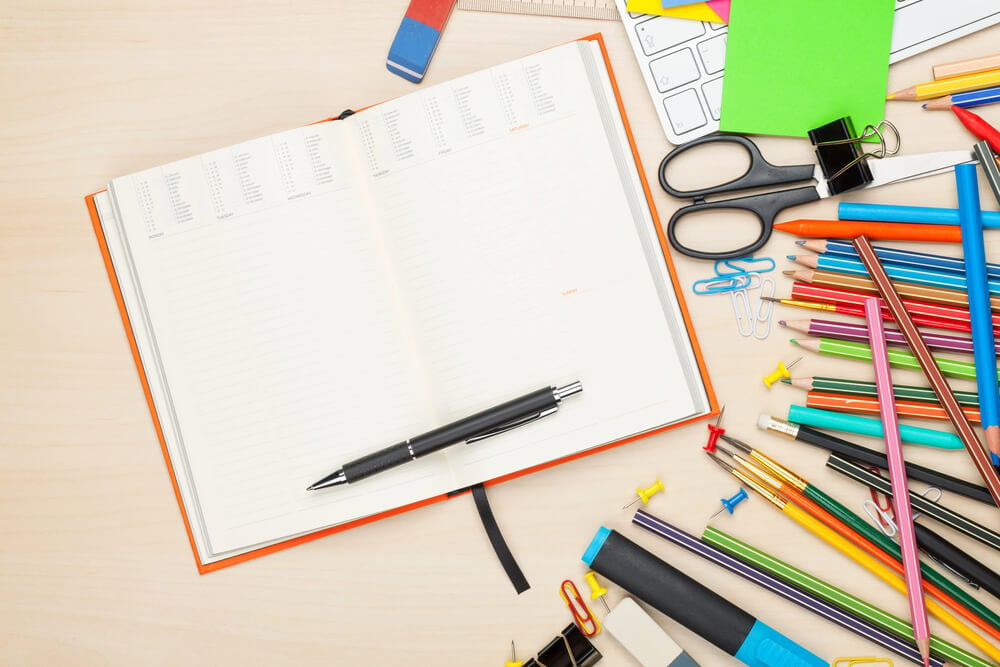
These supplies were simple, but they shaped the daily rhythm of school. They taught organization, handwriting and patience.
They also carried status, from the right folder to the biggest crayon box. Kids remember them because they were personal.
Today’s classrooms rely on screens, but the old supplies have not disappeared entirely. Some remain in production, and others live on in nostalgia.
Each one carries a small memory of a time when school was measured in pencils, paper and the smell of fresh copies.
More from Go2Tutors!

- The Romanov Crown Jewels and Their Tragic Fate
- 13 Historical Mysteries That Science Still Can’t Solve
- Famous Hoaxes That Fooled the World for Years
- 15 Child Stars with Tragic Adult Lives
- 16 Famous Jewelry Pieces in History
Like Go2Tutors’s content? Follow us on MSN.