15 IQ Tricks That Don’t Actually Work
The internet overflows with promises of quick fixes to boost your brainpower. Brain training apps claim they’ll make you smarter in minutes daily, while memory tricks supposedly unlock hidden mental potential. These shortcuts sound almost too good to be true — and that’s because they usually are.
Despite flashy marketing and compelling testimonials, scientists have thoroughly debunked most of these so-called IQ boosters. Here is a list of 15 popular intelligence tricks that simply don’t deliver the cognitive gains they promise.
Brain Training Apps

Those colorful puzzle games on your phone might be entertaining — yet they won’t make you any smarter. Studies have repeatedly demonstrated that while you’ll definitely improve at the specific games you’re playing, this enhancement doesn’t transfer to general intelligence or real-world problem-solving abilities.
It’s like becoming exceptionally skilled at juggling three red orbs but still struggling when someone tosses you three blue ones.
Mozart Effect

Playing classical music for babies became a massive trend after researchers claimed it could boost IQ scores. The original study was severely limited, though later attempts to replicate the results have largely failed.
While music education does provide cognitive benefits, simply listening to Mozart won’t transform your brain into a supercomputer.
Like Go2Tutors’s content? Follow us on MSN.
Memory Palace Techniques for IQ

Memory palaces are legitimate tools for remembering information — but they don’t actually increase your intelligence quotient. These visualization methods help you store and recall specific facts more effectively, yet they do nothing to improve your reasoning abilities or processing speed.
Think of it as upgrading your filing system without making your brain work any faster.
Subliminal Learning

The idea that you can absorb complex information while sleeping or through hidden messages sounds incredibly appealing to anyone cramming for exams. Unfortunately, your unconscious mind isn’t nearly as capable as these programs suggest.
Though you might pick up very basic associations during certain sleep stages, you can’t learn calculus or master a new language through subliminal methods.
Fish Oil Supplements

Omega-3 fatty acids are important for brain health — but popping fish oil pills won’t suddenly boost your IQ. Research shows these supplements might help with brain development in children who are severely deficient, though they don’t enhance intelligence in people with normal nutrition levels.
Your brain needs good fuel, yet more fuel doesn’t equal more horsepower.
Like Go2Tutors’s content? Follow us on MSN.
Crossword Puzzles and Sudoku

Regular puzzle-solving makes you better at puzzles — not necessarily smarter overall. While these activities can help maintain cognitive function as you age, they don’t increase your baseline intelligence.
It’s similar to how doing push-ups makes you stronger at push-ups but doesn’t automatically make you a better swimmer.
Speed Reading Courses

Programs promising to triple your reading speed while maintaining comprehension are selling snake oil. True speed reading techniques inevitably reduce understanding and retention.
Your brain processes language at a fairly fixed rate — and attempting to bypass this natural limitation usually means you’re skimming rather than truly reading.
Nootropic Supplements
The supplement industry loves to market ‘smart pills’ that supposedly enhance cognitive function. Most of these nootropics have minimal scientific backing — and the few that show any effect are usually no more powerful than a cup of coffee.
Your brain’s chemistry is incredibly complex, though there’s no magic pill that safely rewires it for higher intelligence.
Like Go2Tutors’s content? Follow us on MSN.
Left Brain vs Right Brain Training
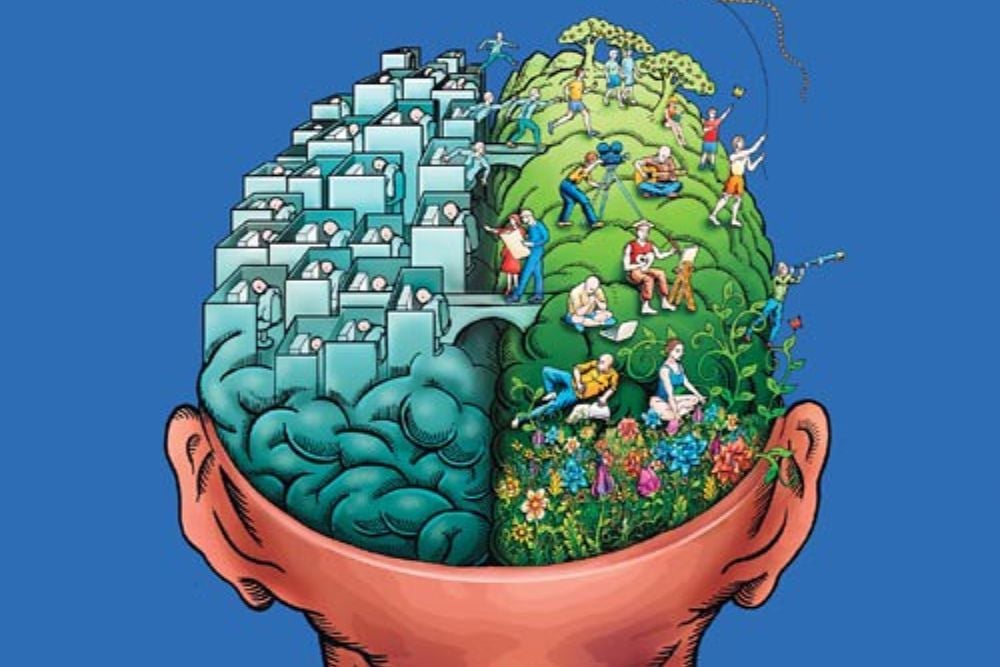
Programs claiming to unlock your ‘unused’ brain hemisphere are based on outdated neuroscience. Modern brain imaging shows that both sides of your brain work together constantly — regardless of whether you’re doing math or creating art.
You can’t train one side to be more dominant, and doing so wouldn’t make you smarter anyway.
Hypnosis for Intelligence

Despite what you might see in movies, hypnosis can’t program your brain to be more intelligent. While hypnotic states can help with relaxation and focus — they don’t rewire your neural pathways or increase your processing power.
Hypnosis works well for changing behaviors and managing stress, but it won’t boost your IQ score.
Dual N-Back Training
This computerized training method gained popularity after some studies suggested it could improve working memory. However, larger and more rigorous studies have failed to replicate these findings.
Like other brain training games, you’ll get better at the specific task without seeing improvements in general intelligence.
Like Go2Tutors’s content? Follow us on MSN.
Meditation Apps for IQ

Regular meditation has genuine benefits for stress reduction and emotional regulation, but specialized ‘IQ meditation’ apps oversell their cognitive enhancement claims. While mindfulness practices can improve focus and attention, they don’t fundamentally change your intelligence level.
Meditation is excellent for your mental health, just not for making you smarter.
Energy Drinks and Cognitive Enhancers

Caffeine can temporarily improve alertness and concentration, but energy drinks marketed as brain boosters don’t actually enhance intelligence. The combination of caffeine, sugar, and various herbs might make you feel more energetic.
This sensation is very different from genuine cognitive improvement, though. Once the stimulants wear off, you’re back to baseline.
Binaural Beats

These audio tracks play slightly different frequencies in each ear, supposedly synchronizing your brainwaves for enhanced cognitive performance. While binaural beats might help some people relax or focus, there’s no credible evidence they can increase intelligence.
Your brain doesn’t work like a radio that can be tuned to a ‘smart’ frequency.
Like Go2Tutors’s content? Follow us on MSN.
Quick-Fix Learning Systems

Any program promising dramatic intelligence gains in unrealistically short timeframes is almost certainly bogus. Real cognitive development takes time, practice, and consistent effort.
These systems often use clever marketing to make normal learning techniques sound revolutionary, yet there’s no shortcut to building genuine intellectual capacity.
The Reality Behind Real Intelligence

The uncomfortable truth is that intelligence isn’t something you can hack with a few simple tricks. While your brain remains adaptable throughout life, meaningful cognitive improvements come from sustained learning, challenging experiences, and developing expertise in specific domains.
The time you’d spend chasing these quick fixes would be better invested in reading widely, learning new skills, or engaging with complex problems that genuinely stretch your thinking abilities.
More from Go2Tutors!

- 16 Historical Figures Who Were Nothing Like You Think
- 12 Things Sold in the 80s That Are Now Illegal
- 15 VHS Tapes That Could Be Worth Thousands
- 17 Historical “What Ifs” That Would Have Changed Everything
- 18 TV Shows That Vanished Without a Finale
Like Go2Tutors’s content? Follow us on MSN.



