Cities with Underground Tunnel Networks
Most of us walk through cities looking up at skyscrapers and monuments, never thinking much about what lies beneath our feet. But under the streets and sidewalks of cities around the world, entire networks stretch out in the darkness.
Some were built centuries ago for protection or transportation. Others grew more recently out of necessity or convenience.
These underground spaces tell stories that surface streets can’t—stories of survival, innovation, and the constant human drive to adapt.
Montreal’s Underground City

The winters in Montreal push temperatures well below freezing for months at a time. Rather than fight the cold, the city built around it.
What started as a connection between a few downtown buildings in the 1960s has grown into something much larger. The network now stretches across 20 miles, linking metro stations, shopping centers, hotels, universities, and office buildings.
You can spend an entire day underground in Montreal without ever stepping outside. Grab breakfast at one end, work in an office tower, shop for groceries, catch a movie, and make it home—all while avoiding the bitter winter wind.
Around half a million people use these passages daily during the coldest months. The network isn’t just practical. It changed how the city functions in winter, turning what used to slow everything down into just another season.
Paris and the Stone Beneath
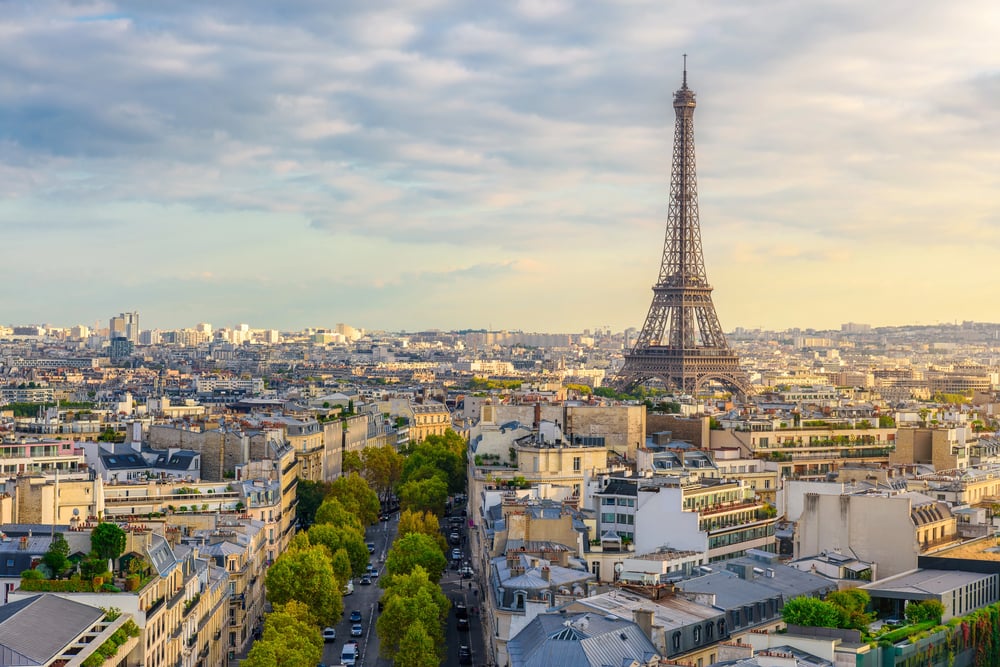
Paris sits on top of limestone quarries that miners carved out over centuries. The stone built the city above, but it also left behind a maze of empty tunnels below.
In the late 1700s, the cemeteries in Paris overflowed. Bodies literally spilled into the streets and contaminated water supplies.
The solution was to move millions of remains into these abandoned quarries. The catacombs now hold the bones of roughly six million people, stacked in careful patterns along the walls.
Only a small section opens to tourists, but the full network of tunnels runs for about 200 miles beneath the city. Some Parisians explore the illegal sections, called cataphiles, risking fines and getting lost in the dark.
The tunnels feel like a shadow city, separate from the Paris everyone sees.
Beijing’s Defense Network
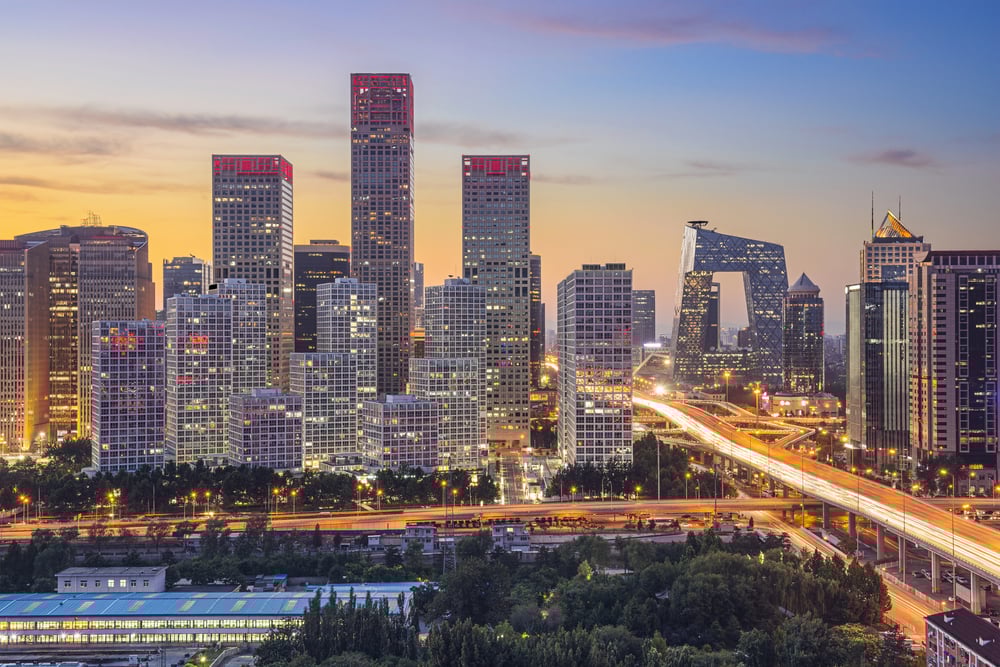
During the Cold War, tensions between China and the Soviet Union ran high. Mao Zedong ordered the construction of an underground city beneath Beijing in 1969, designed to shelter residents during a nuclear attack.
Workers dug tunnels by hand, building out a network that eventually included schools, hospitals, granaries, and even a movie theater. The system stretched across 33 square miles at its peak.
After the threat faded, parts of the tunnels opened as tourist attractions for a while, though most sections are now closed to the public. The sheer scale of the project shows how seriously the government took the threat at the time.
Thousands of people worked on it for years, creating a hidden mirror of the city above.
Moscow’s Metro and More

The Moscow Metro stations look like underground palaces. Marble columns, chandeliers, mosaics, and sculptures turn transit stops into art galleries.
Stalin wanted the metro to showcase Soviet achievement, so architects and artists created something that goes far beyond functional. Millions of people pass through these stations daily, but many stop to look around anyway.
The metro itself forms the core of a larger underground network. During World War II, metro stations doubled as bomb shelters.
Rumors persist about secret metro lines built for government officials and military use, though confirming those stories proves difficult. What you can see and ride runs deep enough that some stations feel more like descending into a bunker than catching a train.
Cappadocia’s Ancient Cities

In central Turkey, people carved entire cities into soft volcanic rock. They didn’t just dig out tunnels—they created underground settlements with multiple levels, reaching depths of 280 feet in some places.
Derinkuyu, the most famous of these cities, could hold up to 20,000 people along with their livestock and food stores. Families lived down there for months at a time during invasions.
The tunnels included ventilation shafts, wells, wine presses, stables, and chapels. Heavy circular stone doors could seal off different sections, protecting residents from whoever came searching above.
Walking through these spaces now feels surreal. The rock walls still show chisel marks, and you can picture thousands of people living their daily lives in near-total darkness.
Edinburgh’s Hidden Streets

Edinburgh built itself in layers. When the city ran out of space in the 1700s, it didn’t expand outward—it built upward.
New streets and buildings went up right on top of the old ones, burying entire neighborhoods beneath. These underground sections, called vaults and closes, turned into slums where the poorest residents lived in cramped, dark conditions.
Disease spread quickly in the vaults. Crime flourished in the shadows.
Eventually, the city sealed most of them off. Now, tour guides lead groups through the preserved sections, telling stories about the people who used to call these spaces home.
The temperature drops as you descend, and the stone walls feel damp. Some guides claim the vaults are haunted, though the real history is disturbing enough without adding ghosts.
Tokyo’s Subterranean Sprawl

Tokyo takes underground development to another level entirely. The city packs train lines, shopping arcades, parking garages, and pedestrian walkways into multiple underground layers.
Shinjuku Station alone connects to a massive underground network that can make first-time visitors feel completely lost. The system works because Tokyo has limited surface space and millions of commuters.
Underground passages protect pedestrians from weather and traffic while moving crowds efficiently between destinations. During rush hour, the underground swells with people, but the flow rarely stops.
Engineers designed the network to handle extreme volume, and somehow it does.
Seattle’s Buried Downtown
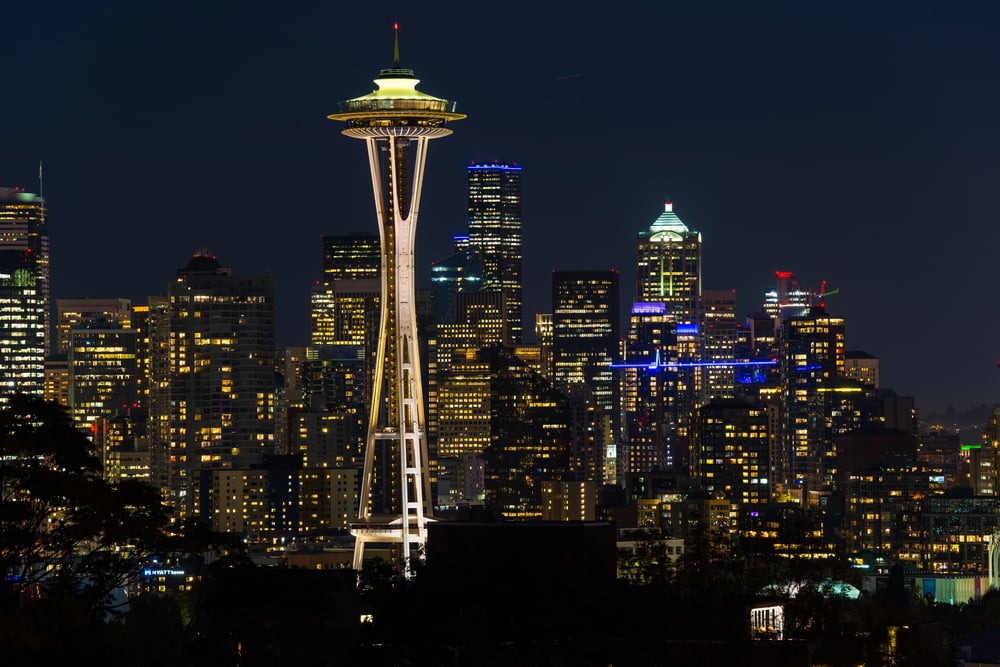
After a fire destroyed much of Seattle in 1889, the city decided to rebuild at a higher elevation to solve flooding problems. They raised the streets by one or two stories, but the ground-floor entrances of old buildings became basements.
For a while, people used both levels—walking on raised sidewalks above while businesses operated in the spaces below. Eventually, the city abandoned the lower level, and it sat forgotten for decades.
In the 1960s, someone came up with the idea to offer tours of the underground streets. Now, you can walk through the old storefronts and sidewalks, seeing purple glass skylights that used to let light down from the streets above.
The tour feels like stepping back in time, with old advertisements still visible on brick walls.
Portland’s Shanghai Tunnels

Legend mixes with history in Portland’s underground tunnels. The tunnels definitely exist—they connected basements of hotels and bars to the waterfront in the late 1800s.
But stories about their use vary. Some claim kidnappers used the tunnels to drug men and sell them to ship captains who needed crew members, a practice called shanghaiing.
Others say the tunnels mainly served as service corridors for moving goods. The truth probably lies somewhere in between.
Portland was a rough port city, and shanghaiing did happen. Whether the tunnels played as big a role as the stories suggest remains unclear.
What you can tour today shows a network that definitely could have supported the darker stories, even if we can’t prove all of them.
Naples and Its Underground Past

Naples has been inhabited for thousands of years, and much of that history sits underground. The ancient Greeks quarried stone beneath the city to build temples and structures above.
Romans expanded the tunnels to create aqueducts. During World War II, residents used the tunnels as bomb shelters during heavy Allied bombing raids.
The modern city largely forgot about these spaces until a few decades ago when locals started exploring and mapping them. Now, you can tour sections that show Greek cisterns, Roman aqueducts, and World War II shelters all in the same visit.
The layers of history stack up beneath your feet, showing how the city adapted the same spaces across centuries.
London’s Wartime Shelters

When German bombs fell on London during World War II, residents fled underground. The London Underground stations transformed into shelters, with families sleeping on platforms and in tunnels.
The government also built deeper facilities, including the Cabinet War Rooms where Churchill and his staff planned military operations. Some of these spaces served specific purposes—one complex housed an underground hospital, another became a secure communications center.
Many remained secret for years after the war ended. London built on top of its history rather than replacing it, so Roman walls, medieval crypts, Victorian sewers, and World War II bunkers all exist beneath the modern city in a jumble of different eras.
New York’s Hidden Infrastructure

New York’s underground extends far beyond subway tunnels. Steam pipes, water mains, electrical cables, and telecommunication lines run through tunnels that workers access through manholes and hidden doors.
Some date back over a century. The city also has abandoned stations on the subway system, left behind as lines were rerouted or upgraded.
Certain areas feel almost mythical to urban explorers. The Freedom Tunnel, a section of unused train tracks beneath Riverside Park, became home to a homeless community for years.
The Mole People, as some called them, built structures and lived down there until the city cleared them out. These stories add to the sense that a parallel world exists beneath the streets, populated by people and systems the surface world rarely thinks about.
Coober Pedy’s Underground Homes

In the Australian outback, temperatures regularly exceed 100 degrees Fahrenheit. Coober Pedy, an opal mining town, solved the heat problem by moving underground.
Residents carved homes, churches, and hotels directly into the rock. The temperature underground stays comfortable year-round without air conditioning.
Miners started this practice in 1915, and it became the norm rather than the exception. The town’s underground churches hold regular services.
You can stay in underground hotels and eat in underground restaurants. Walking through Coober Pedy above ground reveals relatively little—most of the town hides below the surface, keeping cool while the sun bakes the desert.
Petra’s Rock-Cut Architecture

Petra in Jordan is famous for buildings carved directly into rose-colored cliffs, but the site also includes an extensive network of tunnels and chambers. The Nabataeans who built Petra created sophisticated water management systems with underground channels and cisterns.
They carved tombs deep into the rock faces and dug tunnels to control water flow through the desert city. The most impressive structures catch your eye first—the Treasury facade and the Monastery dominate photos.
But exploring further reveals how much engineering went into making life possible in such an arid environment. The tunnels and chambers served practical purposes, storing water and goods while providing cool spaces away from the desert heat.
The city worked because its builders thought three-dimensionally, using vertical rock faces and underground spaces as readily as flat ground.
Burlington Under Corsham

During the Cold War, the British government built a massive underground city beneath Corsham in Wiltshire. Code-named Burlington, the facility was designed to house 4,000 government officials in the event of nuclear war.
The complex included a hospital, kitchens, laundries, and even a pub, all carved into old stone quarries. Burlington remained secret until the 1990s.
The government maintained it for decades, updating equipment and stocking supplies, ready to move key personnel underground if tensions escalated. After the Cold War ended, the facility was decommissioned.
Most of it remains closed to the public, though bits of information have leaked out over the years. The scale of preparation it represents—an entire government ready to vanish underground—shows how real the nuclear threat felt during those decades.
What Lies Deeper Still

Down below every city, people wonder – what stays hidden underfoot? Some paths have surfaced thanks to curious tourists, forgotten files, or explorers sneaking where they shouldn’t.
Yet now and then, someone fixing pipes or laying bricks hits a doorway that wasn’t supposed to exist. Old books mention corridors no one can trace today.
Beneath city streets lie mysteries deeper than most guesses allow. From any crowded intersection, imagine what ages rest under pavement – silent rooms where old steps once rang out, forgotten chambers holding tales sealed by time, whole stretches of memory tucked far below without light.
More from Go2Tutors!

- The Romanov Crown Jewels and Their Tragic Fate
- 13 Historical Mysteries That Science Still Can’t Solve
- Famous Hoaxes That Fooled the World for Years
- 15 Child Stars with Tragic Adult Lives
- 16 Famous Jewelry Pieces in History
Like Go2Tutors’s content? Follow us on MSN.