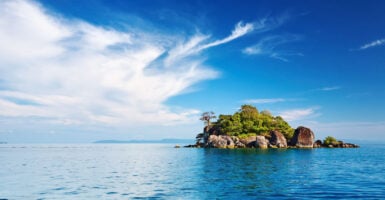
15 Islands Hiding Controversial Secrets From The Past
Islands have always held a peculiar fascination for the human imagination. Perhaps it’s their isolation that makes them feel like forgotten worlds, or maybe it’s the way the ocean acts as both protector and prison.
Whatever the reason, some of the world’s most remote islands harbor secrets that their governments, historians, and even local populations would prefer to keep buried beneath the waves of time. These aren’t just stories of shipwrecks or lost civilizations – they’re tales of deliberate concealment, uncomfortable truths, and chapters of history that challenge our understanding of progress and morality.
Poveglia Island
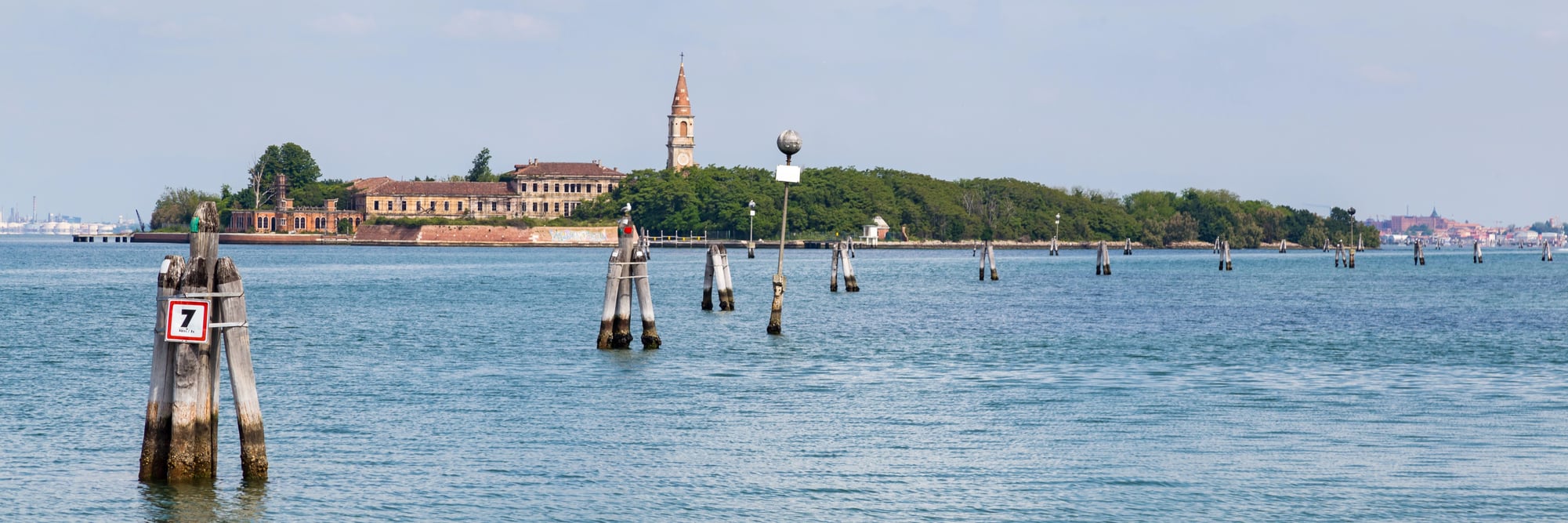
The cheerful postcards of Venice never mention Poveglia. This small island in the Venetian Lagoon served as a plague quarantine station for centuries, and later as a mental hospital where a sadistic doctor allegedly conducted horrific experiments on patients.
The soil is literally 50% human ash – over 160,000 people died here. Italy banned public access decades ago, and when the island went up for lease in 2014, the government quickly shut down any serious development plans.
Some secrets are too dark to disturb.
Gruinard Island
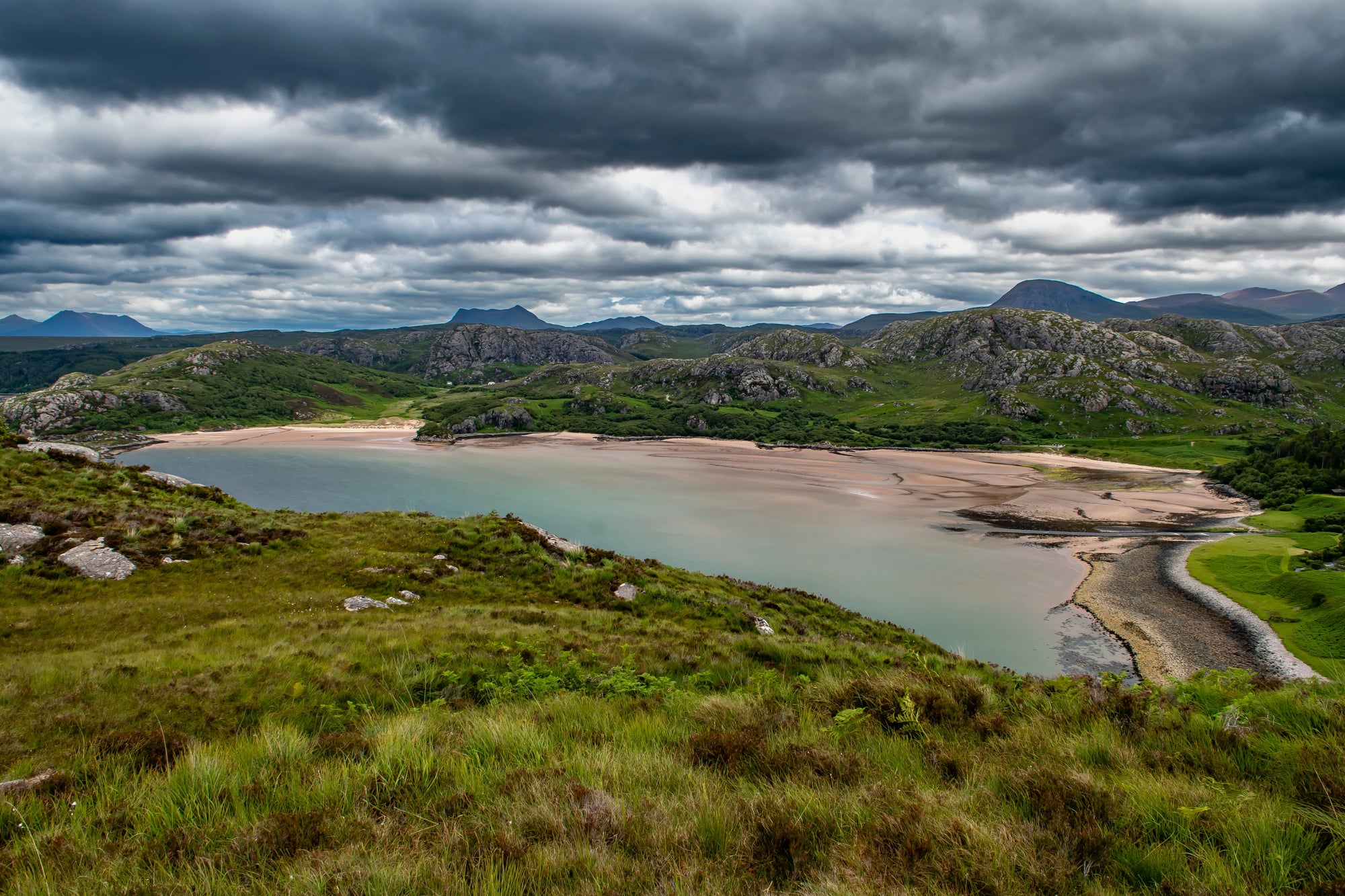
Scotland’s “Anthrax Island” was ground zero for Britain’s biological warfare experiments during World War II. The military tested weaponized anthrax spores on sheep here, and the contamination was so severe that the island remained off-limits for nearly 50 years.
Even after extensive decontamination in the 1980s (which involved removing topsoil and treating the ground with formaldehyde), locals remain skeptical about safety claims – and given the government’s initial secrecy about the experiments, their suspicion seems entirely reasonable.
Plum Island
New York’s Plum Island operated as a high-security animal disease research facility for over half a century. While officially dedicated to protecting American livestock, conspiracy theories have swirled for decades about biological weapons research and genetic experiments.
The facility’s secretive nature – complete with armed guards and restricted airspace – only fueled speculation. When the Department of Homeland Security took over operations in 2003, they made the research even more classified.
The island is now being sold, but decades of classified experiments mean its full history may never be revealed.
Diego Garcia
Diego Garcia sits in the Indian Ocean like a period at the end of a sentence that was never meant to be written. The British government forcibly removed the entire Chagossian population in the 1960s to make way for a U.S. military base, shipping families off to Mauritius and Seychelles with nothing but the clothes they wore.
They poisoned the islanders’ dogs to make departure inevitable. They lied to the United Nations about the indigenous population, claiming the island had only temporary workers.
The Chagossians have been fighting in courts for five decades to return home, and while international law is on their side, the military base remains more valuable to two superpowers than the rights of a few thousand displaced people.
Hashima Island
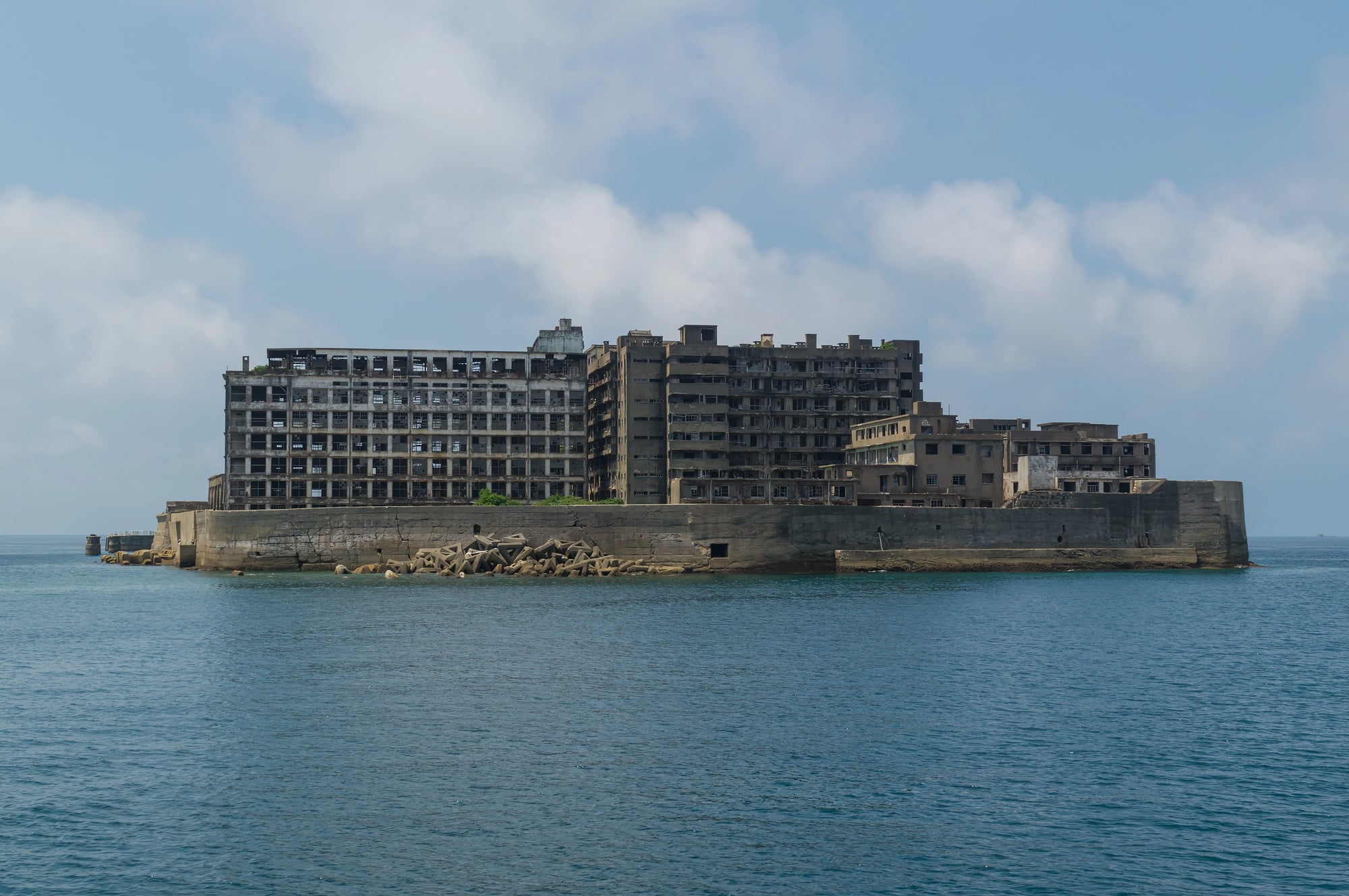
Japan’s Hashima Island – also known as Gunkanjima or Battleship Island – was once the most densely populated place on Earth. This concrete fortress housed coal miners and their families until the mine closed in 1974, leaving behind an entire city frozen in time.
The controversial secret isn’t the abandonment itself but what happened during World War II: Korean and Chinese laborers were forced to work in brutal conditions in the underwater mines. Many died from exhaustion, malnutrition, and accidents.
Japan has been reluctant to fully acknowledge this history, even as the island gained UNESCO World Heritage status.
Vozrozhdeniya Island
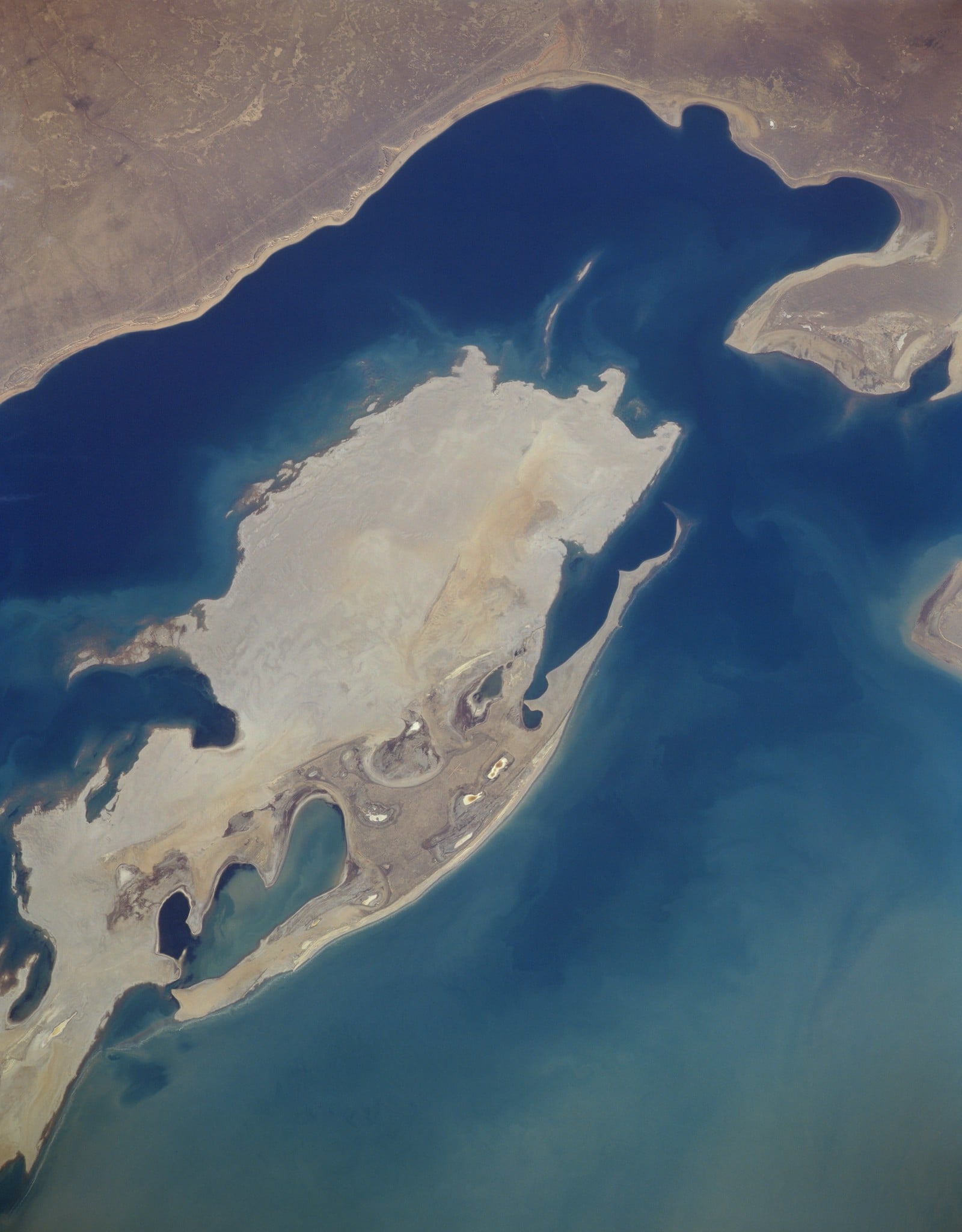
Vozrozhdeniya Island in the Aral Sea was the Soviet Union’s primary biological weapons testing ground, and when you consider that this same government thought Chernobyl was an acceptable risk, the fact that they treated this place as too dangerous for anyone to know about should tell you everything (the island was so classified that it didn’t appear on maps, and workers were transported there blindfolded so they couldn’t reveal its location even under interrogation).
The Soviets tested weaponized anthrax, plague, and smallpox here – diseases that could wipe out entire continents – and when the program shut down in 1991, they simply abandoned everything and walked away, leaving buried canisters of live biological agents scattered across the island.
Climate change has turned much of the former island into a peninsula connected to the mainland, which means anyone with a truck can now drive to what was once the world’s most dangerous biological weapons facility.
North Brother Island
North Brother Island in New York’s East River tells the story of America’s complicated relationship with public health and personal freedom. The island housed a quarantine hospital where “Typhoid Mary” Mallon spent nearly three decades of her life in forced isolation.
While Mary was indeed a carrier who infected dozens of people, her treatment raises uncomfortable questions about civil liberties and medical detention. She died on the island in 1938, never having been convicted of a crime but never granted freedom either.
The hospital also served as a rehabilitation center for drug addicts, with questionable success rates and treatment methods that wouldn’t pass ethical review today.
Rat Island
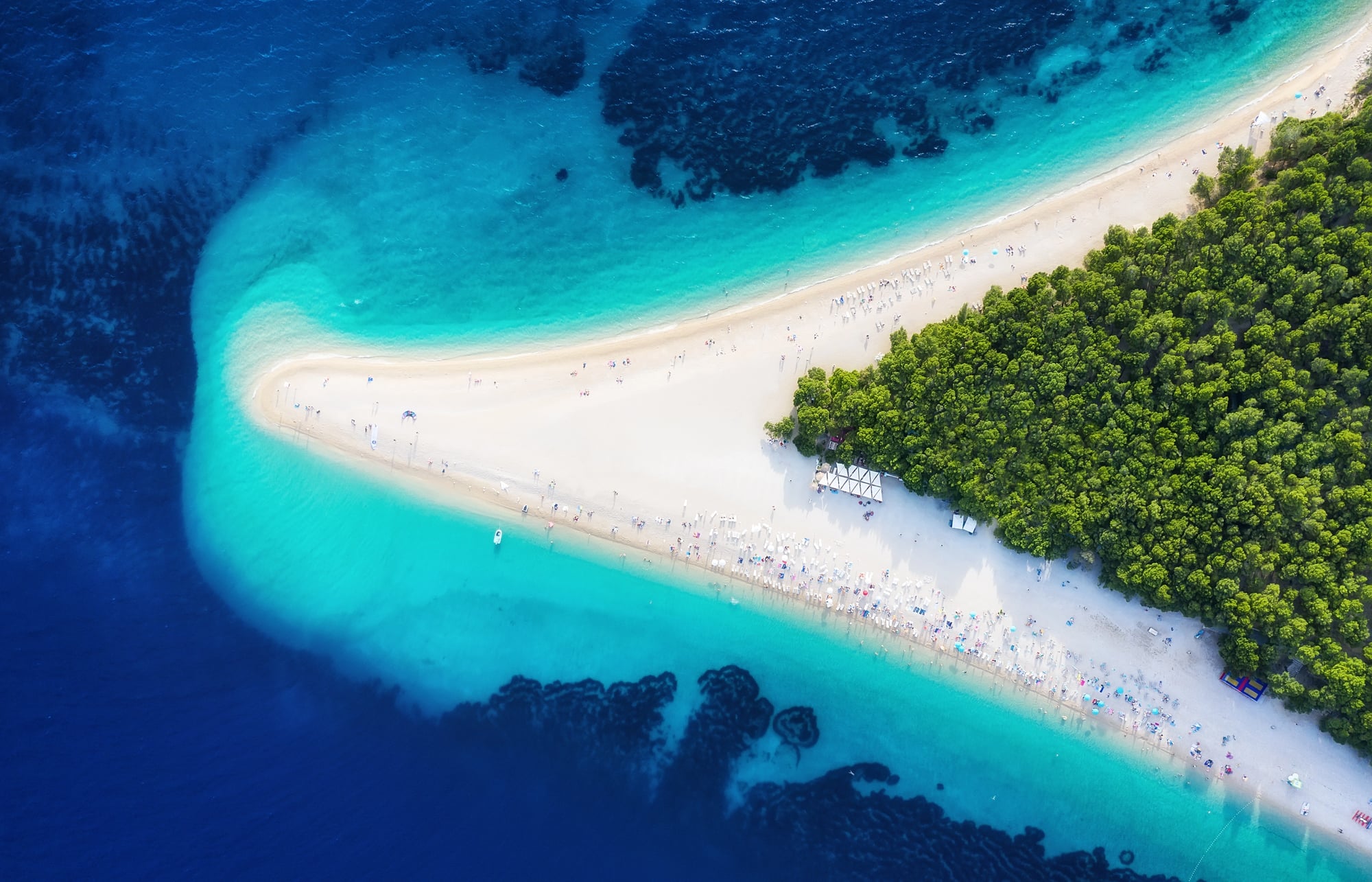
Alaska’s Rat Island earned its name from an ecological disaster that lasted over two centuries. Japanese shipwrecks introduced rats in the 1780s, and these invasive rodents systematically destroyed the native bird population.
The island became a testing ground for increasingly desperate pest control methods, including poison drops that killed everything else alongside the rats. The U.S. Fish and Wildlife Service finally eradicated the rats in 2008, but only after the ecosystem had been fundamentally altered.
The island’s story represents a broader pattern of environmental destruction disguised as progress that continues across the Pacific.
Riems Island
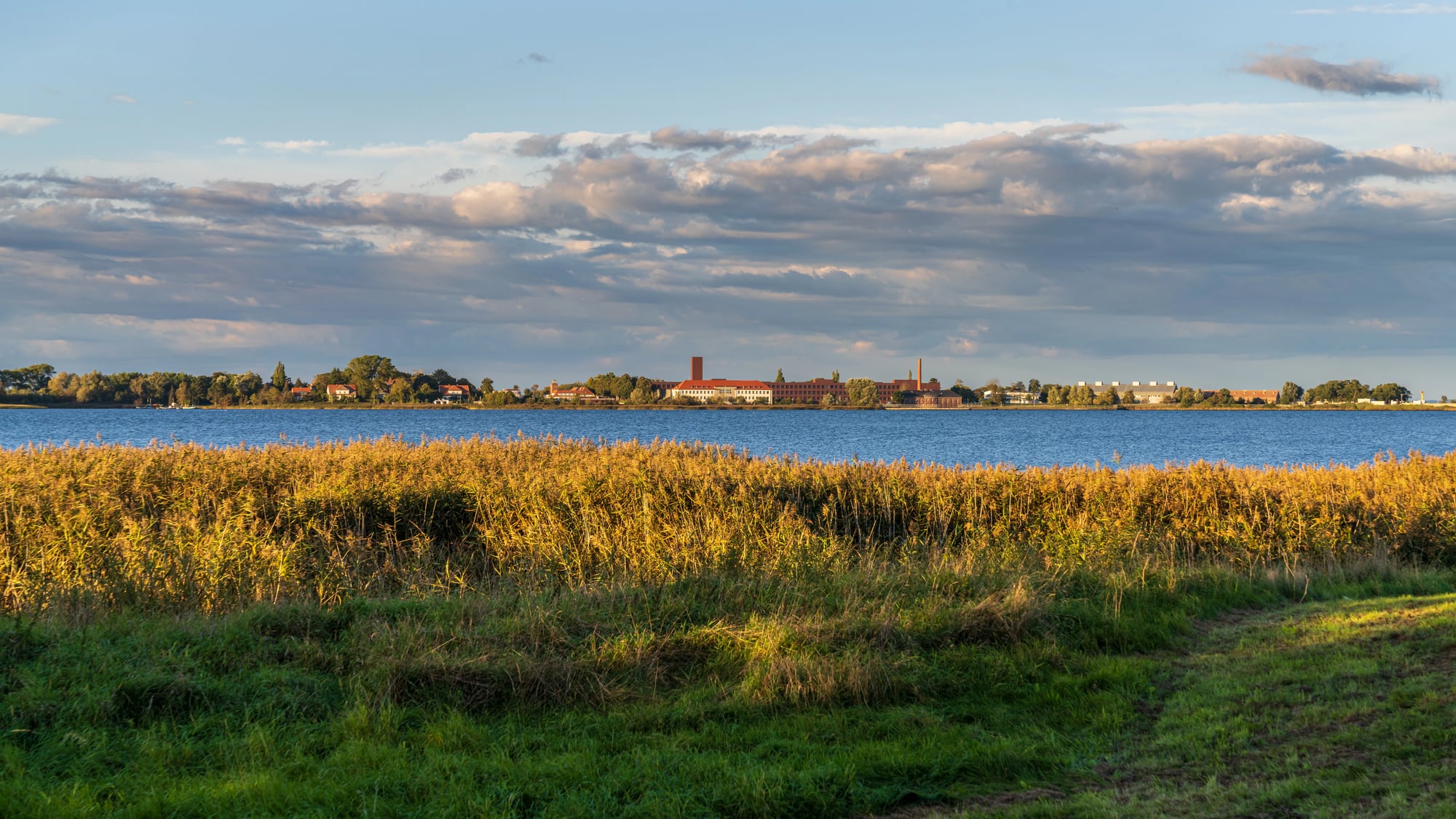
Germany’s Riems Island became the world’s first virology research station in 1910. During both world wars, the research took darker turns, with scientists studying foot-and-mouth disease and other pathogens that could potentially devastate enemy agriculture and livestock.
The East German government continued classified biological research here during the Cold War, and while the island now houses legitimate veterinary research, decades of secretive experiments make it impossible to know the full scope of what was tested.
The island’s motto translates to “for the benefit of animals and humans,” but the historical record suggests the definition of “benefit” was often highly selective.
Anthrax Island (Gruinard’s Lesser-Known Cousin)
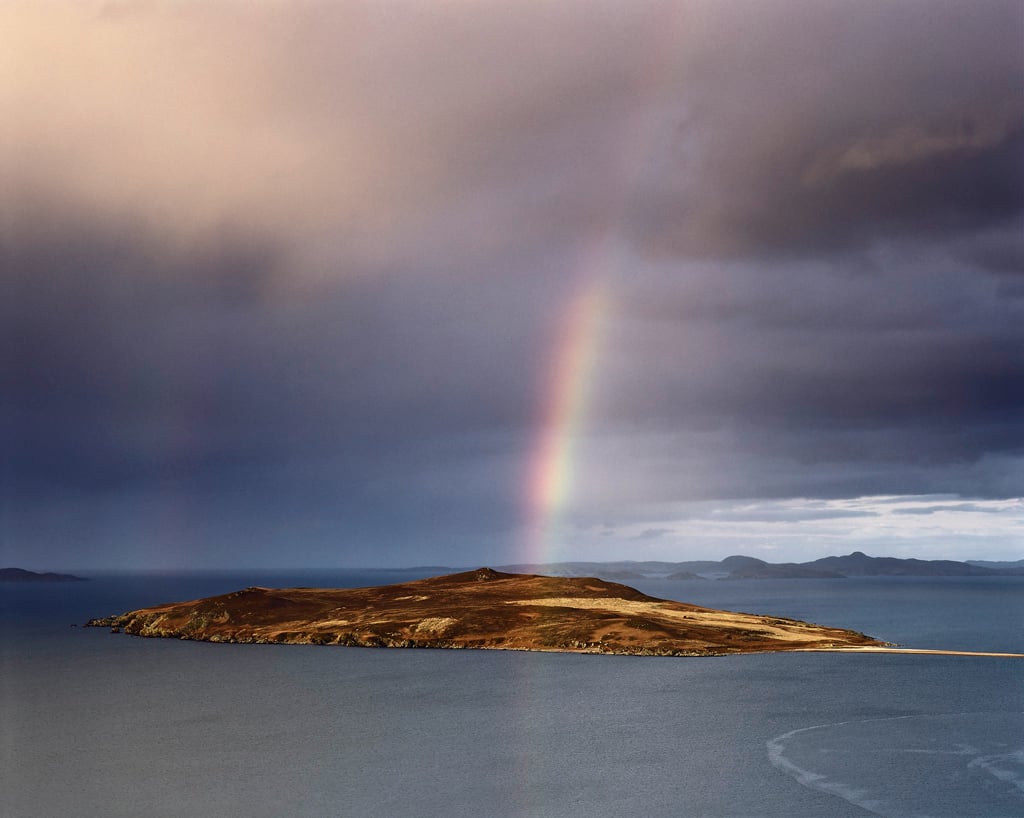
While Gruinard Island gets most of the attention for Britain’s anthrax experiments, there’s another island that hosted biological weapons research: a small, unnamed island off the coast of Scotland that local fishermen still refuse to approach.
Unlike Gruinard, this location was never officially acknowledged by the government, making decontamination impossible and historical accountability nonexistent. Fishermen report unusual animal deaths on nearby shores, and maritime charts show unexplained restricted zones around the area, but official records maintain that no such experiments ever took place – which somehow makes the whole situation more unsettling than an honest admission would be.
Sable Island
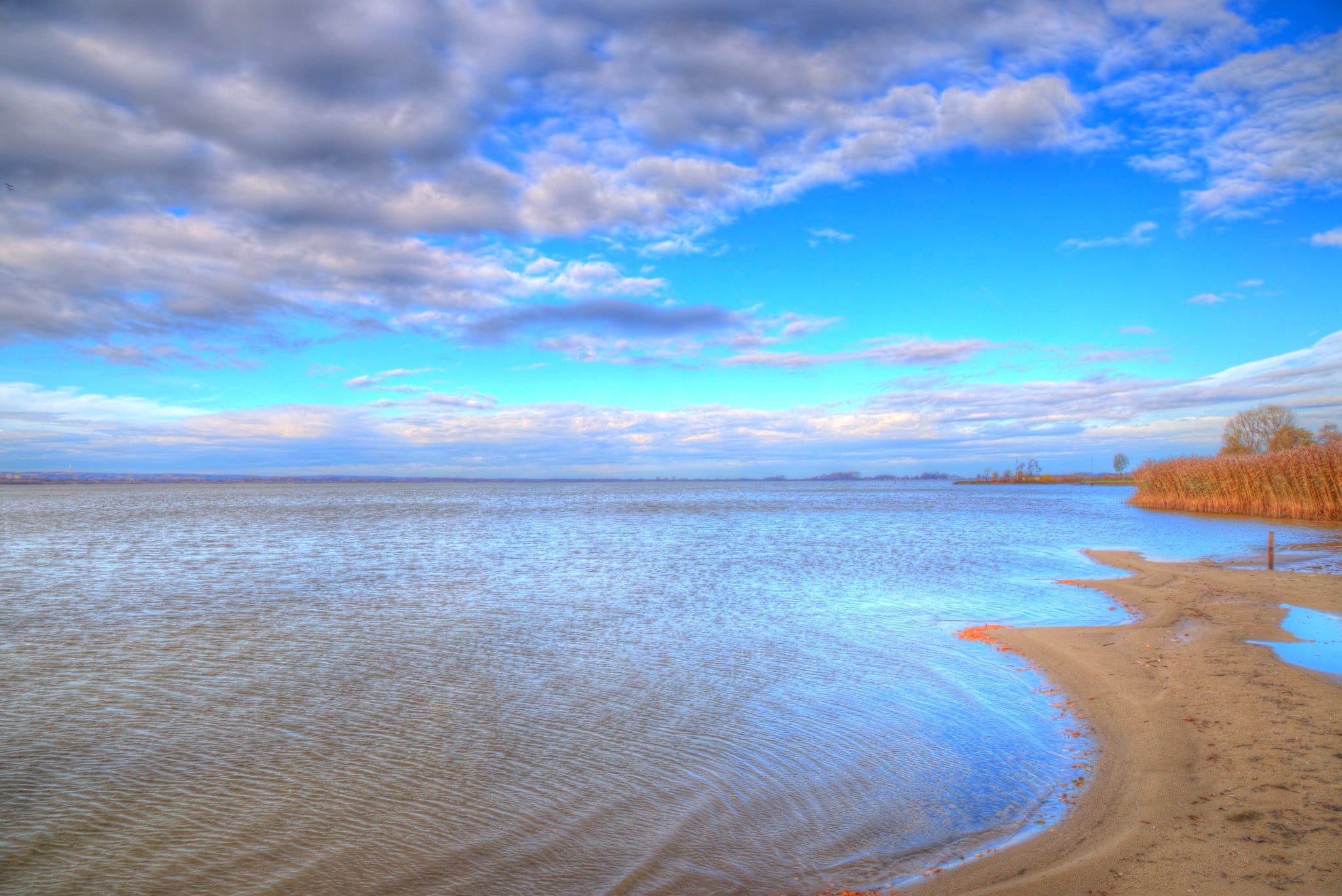
Canada’s Sable Island sits 300 kilometers off Nova Scotia, and while it’s famous for shipwrecks and wild horses, the island’s role as a government weather station concealed decades of atmospheric nuclear testing monitoring during the Cold War.
The isolated location made it perfect for detecting radioactive particles from Soviet nuclear tests, but it also served as an early warning system for potential nuclear attacks. The weather data collected here influenced military strategy and civil defense planning, meaning this seemingly innocent scientific outpost was actually a crucial piece of the nuclear surveillance network.
The full extent of military operations here remains classified.
Palmyra Atoll
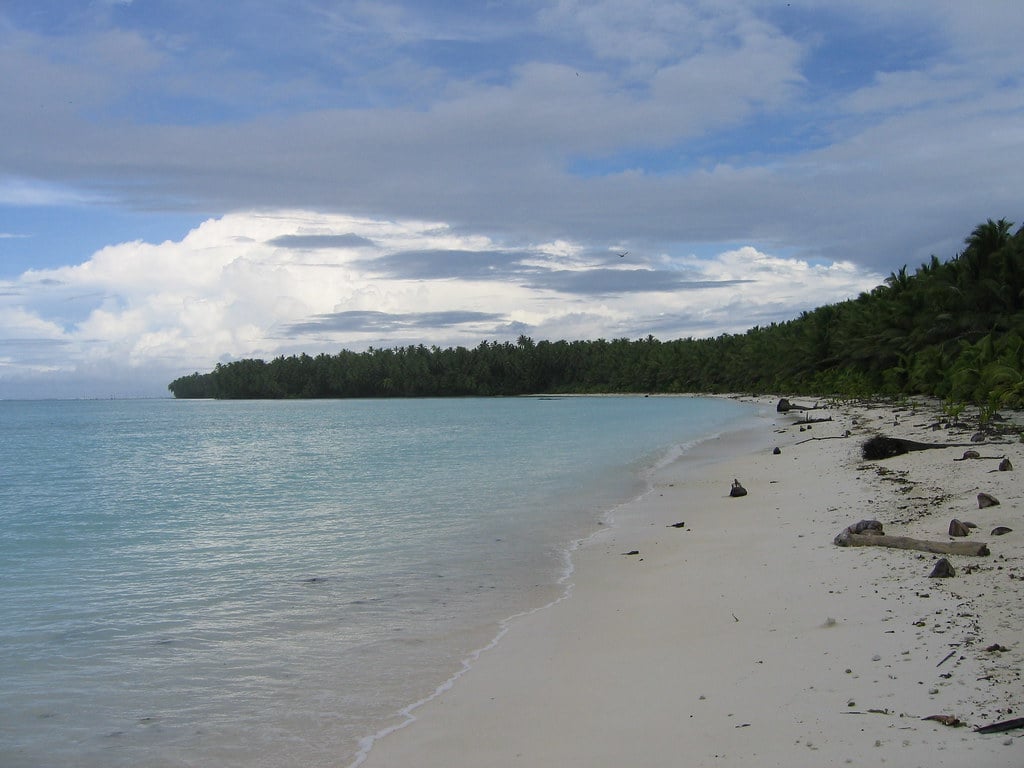
Palmyra Atoll in the Pacific appears to be a pristine nature preserve, but its history includes some of America’s most controversial wartime decisions. During World War II, the military built a massive base here and systematically destroyed much of the island’s ecosystem with runways, bunkers, and chemical defoliants.
After the war, the military simply abandoned everything – fuel tanks, vehicles, unexploded ordnance – leaving the atoll contaminated with petroleum products and military debris. When environmental groups began pushing for cleanup in the 1990s, they discovered that military records from the island had been classified or destroyed, making it impossible to know what had been dumped where.
Deadman’s Island

Nova Scotia’s Deadman’s Island housed American prisoners of war during the War of 1812, but the conditions were so brutal that it became more execution site than prison camp. Prisoners died from disease, starvation, and exposure at rates that suggest deliberate neglect rather than wartime hardship.
The British commanders knew exactly what they were doing – correspondence found in archives decades later revealed that the deadly conditions were seen as a deterrent to American expansion. The island was later used as a quarantine station, then quietly abandoned once the death toll became too embarrassing to justify.
Today it’s a small park with a modest memorial that doesn’t mention the systematic nature of the deaths that occurred there.
Shemya Island
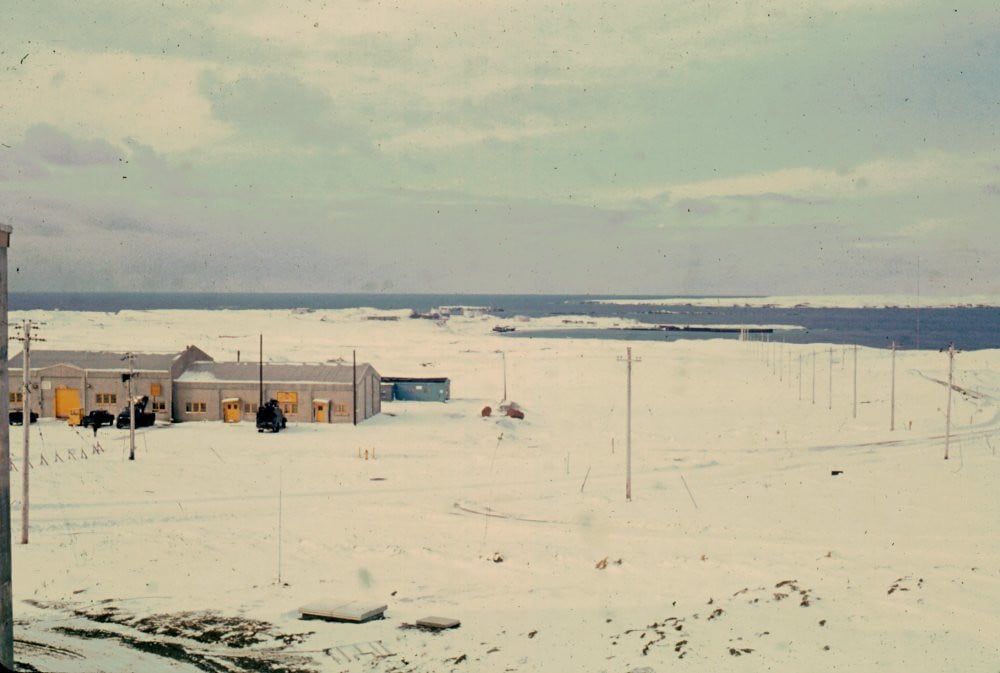
Alaska’s Shemya Island operated as a crucial Cold War listening post, but its strategic importance came with human costs that the military preferred to keep quiet. The island’s radar and communication facilities could intercept Soviet transmissions and track missile tests, making it a prime target for enemy attack and a high-stress assignment for personnel.
Self-harm rates among stationed personnel were significantly higher than other military installations, and the isolation combined with the constant threat of nuclear war created psychological casualties that were never officially acknowledged. Veterans from Shemya report unusually high rates of PTSD and other mental health issues, but the military classified most medical records from the base.
Wake Island
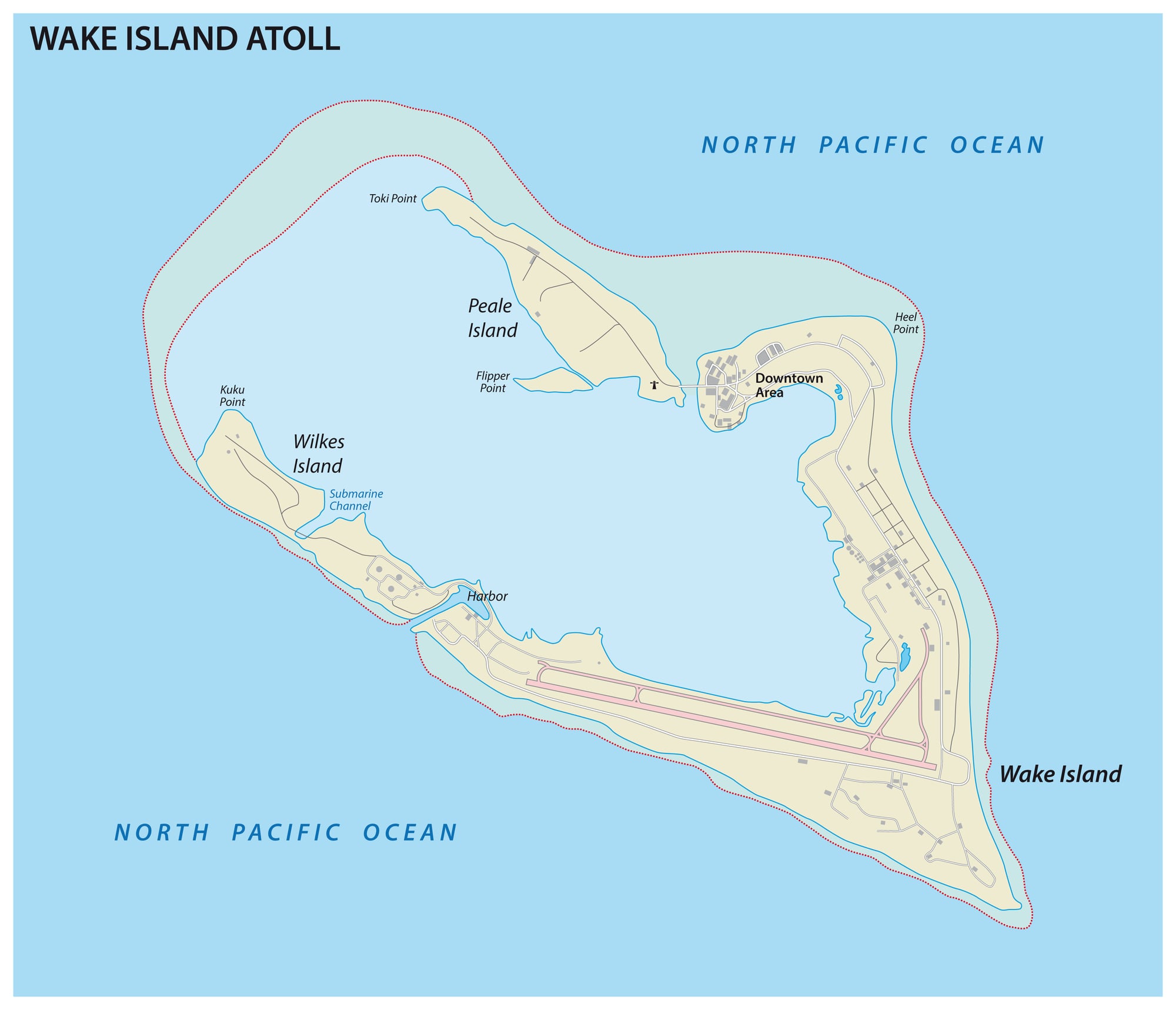
Wake Island in the Pacific served as a civilian airport before World War II, but after the Japanese attack and occupation, it became the site of a systematic war crime that remained hidden for decades.
After the Japanese garrison surrendered the island in September 1945, American forces discovered that Japanese commander Rear Admiral Sakaibara had ordered the execution of 98 American civilian workers in October 1943. The civilians had been captured during the initial invasion and forced to build fortifications for their captors before being murdered en masse.
The full story emerged during Sakaibara’s war crimes trial, which resulted in his execution in 1947 — but many details of the massacre had been slow to reach the public.
When Secrets Surface
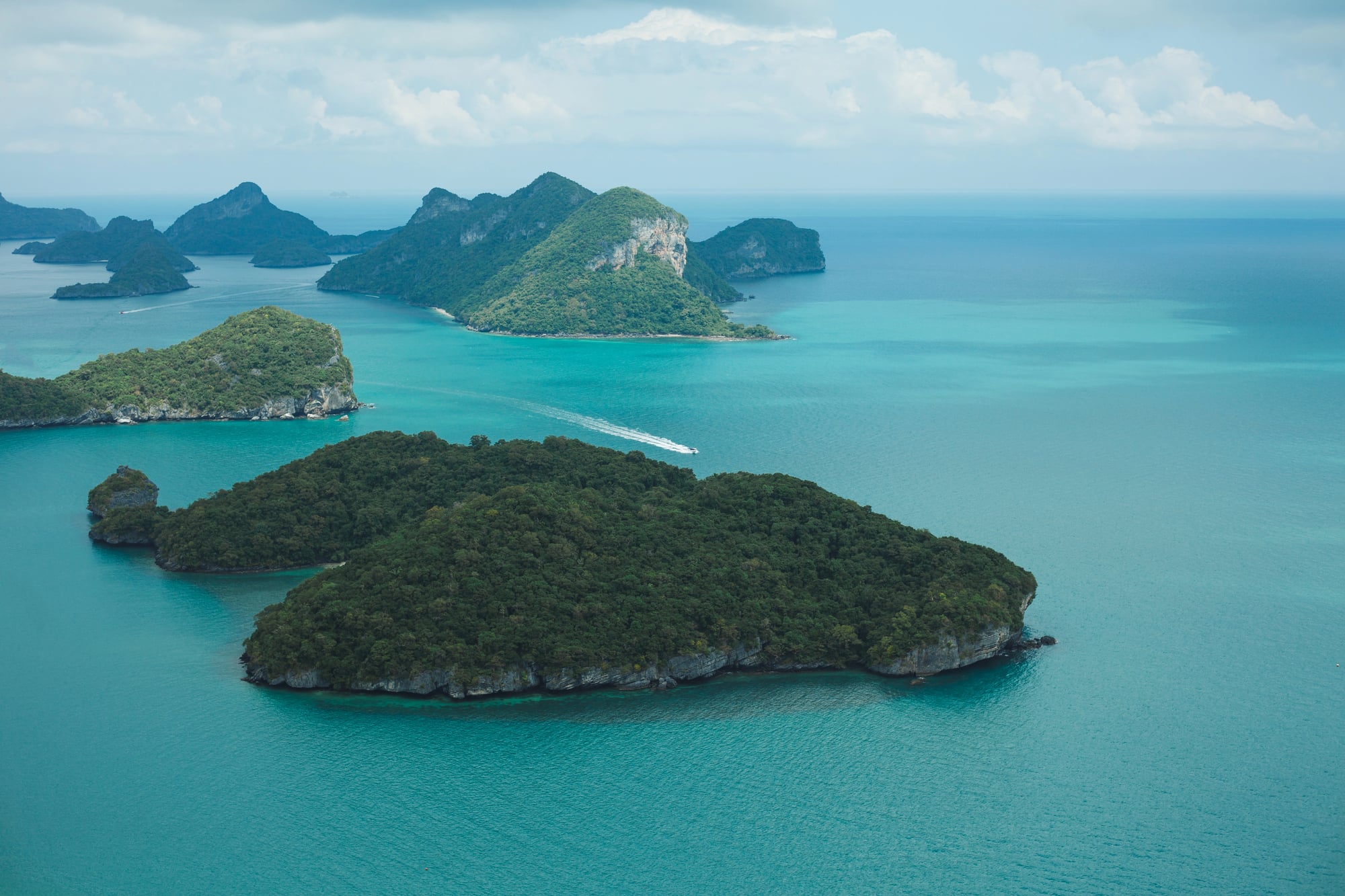
The ocean keeps its secrets reluctantly, but time and changing political winds eventually bring most truths to light. These islands represent more than geographical curiosities or historical footnotes – they’re reminders that isolation breeds impunity, and that the most beautiful places on Earth can harbor the ugliest chapters of human behavior.
The real controversy isn’t just what happened on these remote patches of land, but how long governments, militaries, and institutions worked to keep these stories buried beneath layers of classification, misdirection, and convenient amnesia.
More from Go2Tutors!

- The Romanov Crown Jewels and Their Tragic Fate
- 13 Historical Mysteries That Science Still Can’t Solve
- Famous Hoaxes That Fooled the World for Years
- 15 Child Stars with Tragic Adult Lives
- 16 Famous Jewelry Pieces in History
Like Go2Tutors’s content? Follow us on MSN.