Most Dangerous Gangsters Of All Time
The line between criminal and legend has always been thin. Some names carry weight decades after their owners died behind bars or in hailstorms of bullets on city streets. These weren’t just lawbreakers — they built empires, corrupted entire systems, and left scars on society that still haven’t healed.
Their stories read like dark fairy tales, complete with rises to power, brutal falls, and the kind of violence that makes headlines for generations.
What made these figures so dangerous wasn’t just their willingness to kill. Anyone can pull a trigger. The truly dangerous ones understood power — how to take it, how to keep it, and how to use fear as currency. They turned neighborhoods into kingdoms and made entire cities bend to their will.
Al Capone

Capone didn’t invent organized crime in America. He just perfected it.
The bootlegging empire he built during Prohibition turned Chicago into his personal playground. Politicians, judges, police chiefs — everyone had a price, and Capone knew exactly what it was. When bribes didn’t work, bullets did.
Pablo Escobar
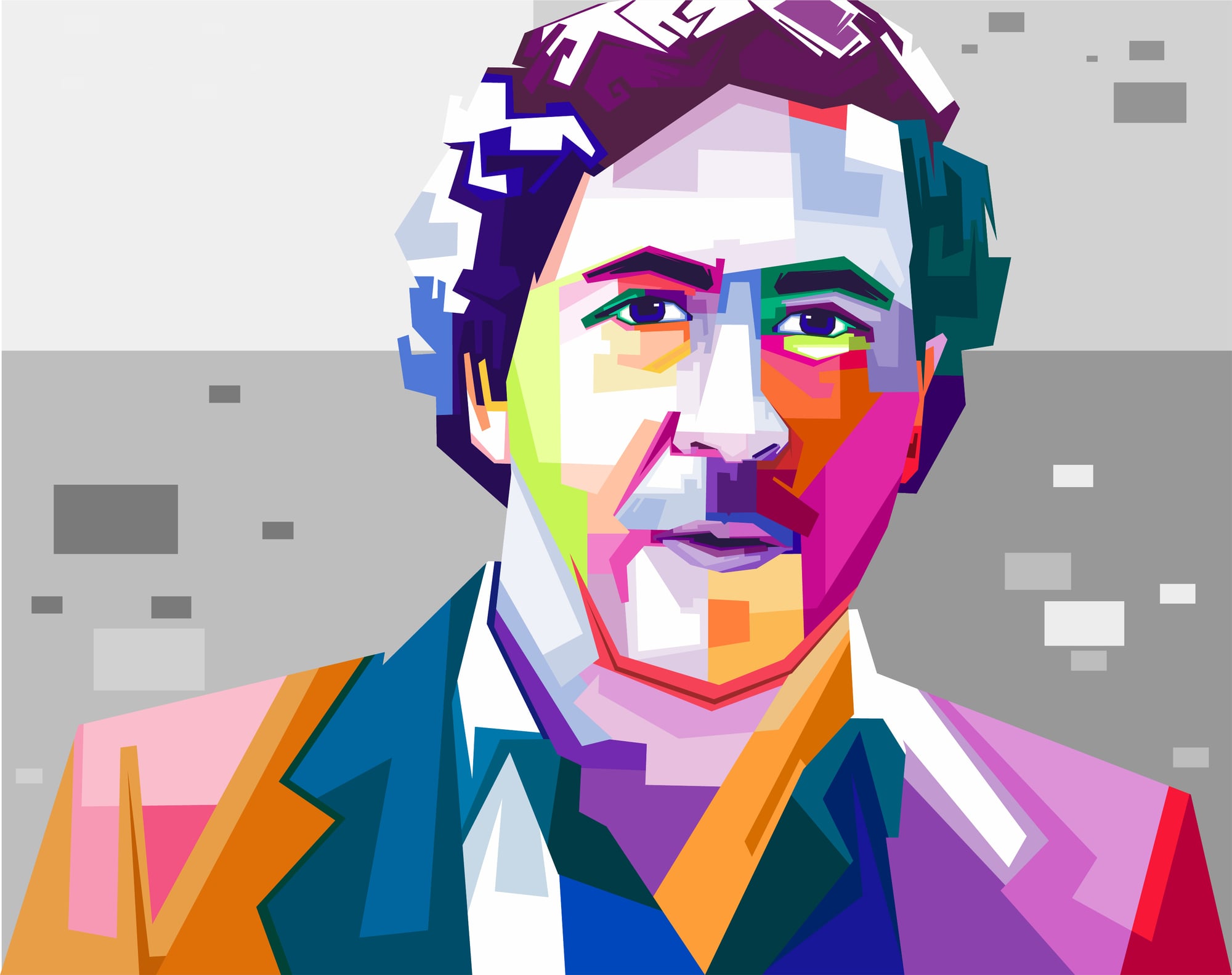
There’s something almost absurd about Escobar’s wealth (he spent $2,500 a month just on rubber bands to wrap his cash stacks, and rats ate through millions of dollars stored in warehouses), but the absurdity stops when you remember what financed it all.
This was a man who turned cocaine trafficking into a multinational corporation, complete with armies, submarines, and a body count that reached into the thousands.
The Medellín Cartel didn’t just sell drugs — it waged war against entire governments. And for a terrifying stretch of the 1980s, it looked like Escobar might actually win.
So much money flowed through his operation that losing a few million to rodents was just the cost of doing business — which tells you everything about the scale of destruction he orchestrated.
Lucky Luciano
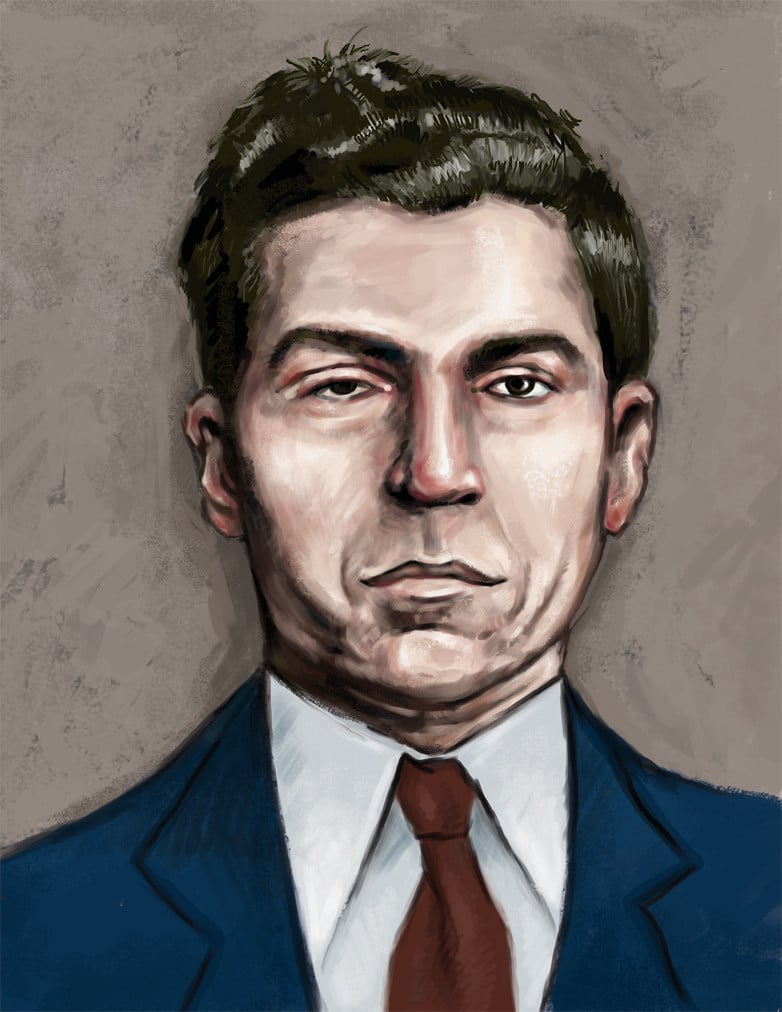
Like a master architect surveying empty land, Luciano looked at the chaotic landscape of American organized crime and saw potential where others saw only blood feuds and wasted opportunities.
He didn’t just run a criminal organization — he redesigned the entire blueprint. The Commission system he created was elegant in its brutality. Five families, clear territories, disputes settled through votes rather than street wars.
At least, that was the theory. The reality felt more like a corporate merger negotiated at gunpoint, where the handshakes were binding and the penalties for breaking contracts were measured in shallow graves.
John Gotti
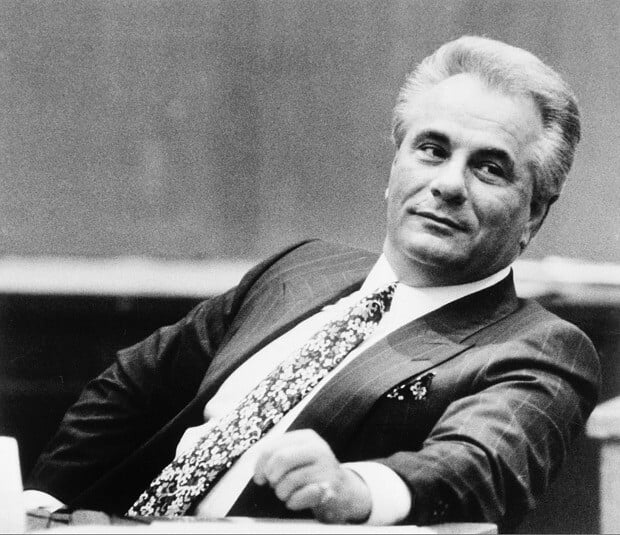
Gotti loved the spotlight more than any gangster should. The expensive suits, the swagger, the nickname “The Teflon Don” — he turned being a mob boss into performance art.
That showmanship made him dangerous in ways his predecessors weren’t. Earlier mob bosses stayed in the shadows. Gotti made crime glamorous, and glamorous crime attracts attention.
The kind of attention that gets people killed and organizations destroyed. His need to be seen eventually brought down not just himself, but much of what the Gambino family had built.
Meyer Lansky

Lansky figured out something most gangsters never did: bullets make noise, but money talks quietly. While his contemporaries were busy shooting up speakeasies and making headlines, Lansky was building something more dangerous — a financial empire that stretched from New York to Havana to Swiss bank accounts that governments couldn’t touch.
He understood that the real power wasn’t in controlling territory or commanding fear (though he could do both when necessary), but in controlling the flow of money itself. Lansky didn’t just launder cash — he created entirely new ways for dirty money to become clean, systems so sophisticated that law enforcement is still trying to untangle some of them decades later.
The man they called “The Mob’s Accountant” turned organized crime into organized business, and that transformation made him more dangerous than any gunman could ever be.
Griselda Blanco
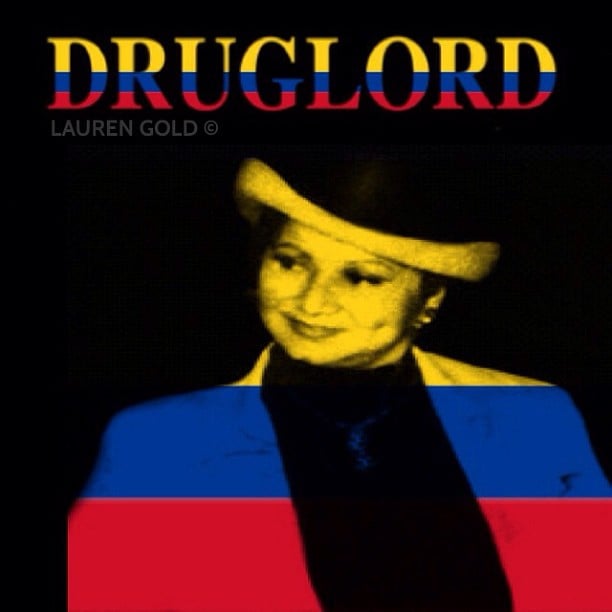
Blanco earned her reputation the hard way. The cocaine cowboys of 1980s Miami were ruthless, but even by their standards, she stood out.
Her operation moved tons of cocaine into the United States while bodies piled up in her wake. Innovation came naturally to her — motorcycle assassins, car bombs, hitmen disguised as pizza delivery drivers.
She turned murder into an art form and Miami into a war zone. The methods she pioneered became standard operating procedure for cartels that followed.
Vincent Gigante
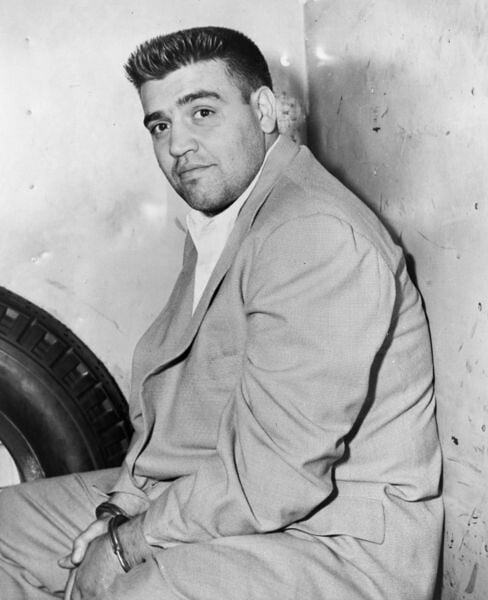
Walking around Greenwich Village in a bathrobe and slippers, muttering to himself like any other neighborhood eccentric, Gigante pulled off one of the longest cons in organized crime history.
For decades, he convinced prosecutors, judges, and rival families that he was mentally incompetent — too crazy to stand trial, too confused to run anything more complicated than a newspaper stand.
The truth was more unsettling: this was a man sharp enough to run the Genovese crime family while maintaining an elaborate performance that required never breaking character.
And the performance worked, protecting him from prosecution for years while he orchestrated labor racketeering and murder contracts.
Frank Lucas
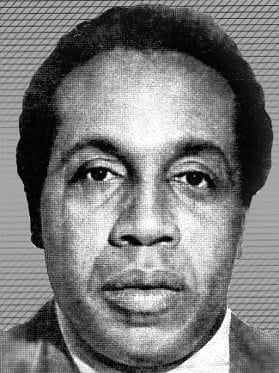
Lucas looked at the heroin trade and saw inefficiency everywhere. Why pay middlemen when you could go straight to the source?
His operation imported pure heroin directly from Southeast Asia, cutting out layers of dealers and markups that had inflated prices for decades.
The business model was brilliant. The execution was devastating. His “Blue Magic” brand flooded American cities with cheap, potent heroin that destroyed communities on an industrial scale.
Lucas built his fortune on addiction, and addiction proved to be a remarkably stable customer base.
Joaquín “El Chapo” Guzmán
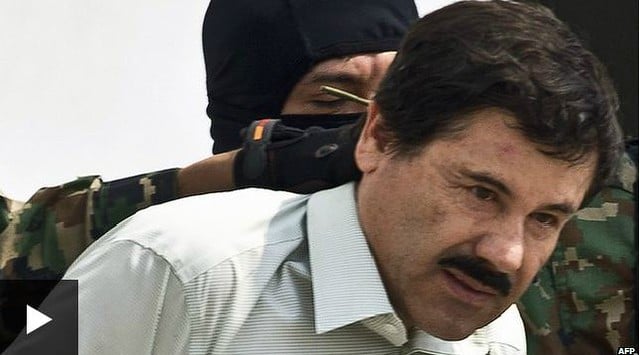
El Chapo turned prison escapes into performance art. The tunnel systems, the laundry cart, the elaborate motorcycle-and-tunnel operation complete with ventilation and lighting — these weren’t just escapes, they were statements.
But the real danger wasn’t his ability to break out of maximum-security facilities. It was what he built outside them.
The Sinaloa Cartel became a logistical marvel, moving drugs through tunnels, submarines, catapults, and drones. His organization turned smuggling into a science and corruption into an art form.
Semion Mogilevich
Mogilevich operates in a different league entirely. While other criminals fought over street corners and drug routes, he orchestrated fraud schemes spanning continents and billions of dollars.
His specialty is making massive amounts of money disappear and reappear in different countries under different names. The FBI has called him the “most dangerous mobster in the world.”
He represents organized crime at the intersection of finance, technology, and government corruption — power without territory, influence without visibility.
Bernardo Provenzano
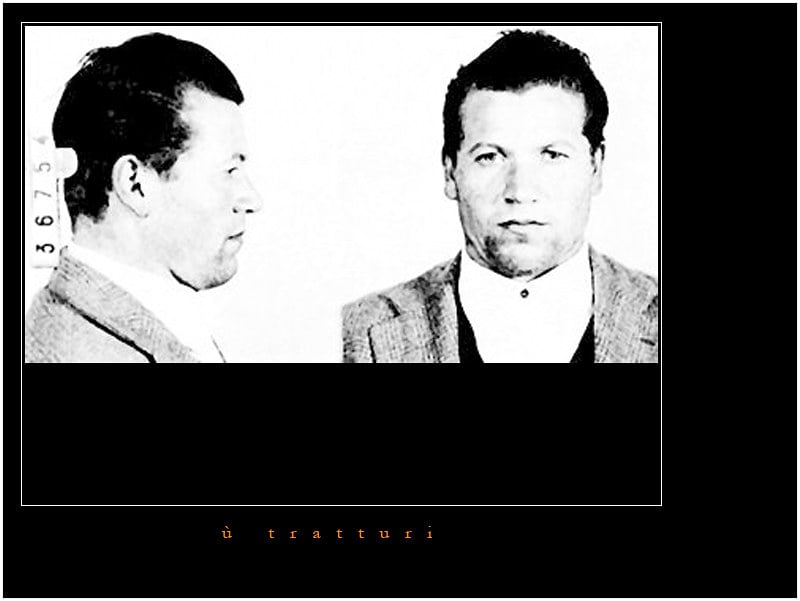
Like a ghost that cast real shadows, Provenzano ran the Sicilian Mafia for decades while remaining almost completely invisible.
Avoiding detection for years, he relied on handwritten notes passed through trusted intermediaries. These brief messages could authorize murders, settle disputes, or redirect millions of dollars.
His anonymity became his weapon. In hiding, he still controlled one of the world’s oldest criminal organizations.
Matteo Messina Denaro

Denaro ran Cosa Nostra operations for decades while living as a ghost. The last confirmed photograph of him dated back to the early 1990s, yet his influence never disappeared.
He orchestrated bombings, murders, and racketeering schemes entirely from hiding. Most fugitives lose control over time — distance breaks authority.
Denaro proved the opposite: that invisibility, when combined with ruthless control of networks, can be its own form of power.
Dawood Ibrahim
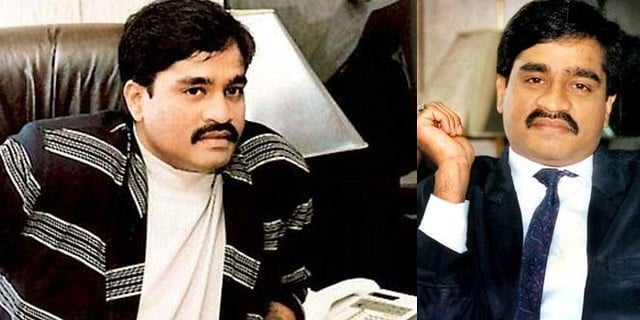
Ibrahim built something beyond traditional organized crime. The D-Company functions like a multinational network spanning drug trafficking, money laundering, terrorism financing, and entertainment influence.
His alleged involvement in the 1993 Mumbai bombings elevated him from criminal to geopolitical threat.
When organized crime connects with terrorism, it stops being local or even regional — it becomes systemic.
Anthony Casso

Casso turned paranoia into a strategy, and it worked for years. His leadership of the Lucchese crime family was defined by extreme violence and extreme caution.
He specialized in eliminating threats before they materialized, often with brutal efficiency. But paranoia has limits — eventually even criminals decided he was too dangerous to work for.
The Weight Of Legacy
These names echo through decades because they represent something more than criminal success. They show what happens when intelligence, ruthlessness, and opportunity converge without moral constraints.
Each exploited systems others thought were secure — legal, financial, or social. Their stories don’t just describe crime; they reveal how fragile systems of control can be when someone understands exactly where they break.
More from Go2Tutors!

- The Romanov Crown Jewels and Their Tragic Fate
- 13 Historical Mysteries That Science Still Can’t Solve
- Famous Hoaxes That Fooled the World for Years
- 15 Child Stars with Tragic Adult Lives
- 16 Famous Jewelry Pieces in History
Like Go2Tutors’s content? Follow us on MSN.



