16 Hidden Messages in Famous Landmarks
Famous landmarks around the world aren’t just impressive structures—they’re elaborate puzzles hiding secrets in plain sight. Throughout history, architects and builders have embedded coded messages, symbolic meanings, and hidden references into these iconic monuments. Millions of visitors walk past these clues without ever noticing them.
Ancient temples to modern skyscrapers contain everything from religious symbols and political statements to mathematical formulas and astronomical alignments. Here are 16 hidden messages waiting to be discovered in some of the world’s most recognizable places.
The Statue of Liberty’s Broken Chains

Most people focus on Lady Liberty’s torch and tablet. Few notice the broken shackles and chains lying at her feet, though. These chains represent the end of oppression—the break from tyranny that America symbolized to immigrants arriving in New York Harbor. The French designers deliberately placed this powerful symbol of freedom from bondage where most visitors would never see it.
Mount Rushmore’s Secret Chamber

Behind Abraham Lincoln’s head lies a hidden room that sculptor Gutzon Borglum intended as a ‘Hall of Records.’ This chamber was meant to house important American documents and artifacts for future generations to discover. While never completed as originally planned, the space still exists and contains copies of the Declaration of Independence, Constitution, and other founding documents sealed in titanium capsules.
The Washington Monument’s Changing Stones

About a third of the way up the Washington Monument, you’ll notice the marble stones change color—from lighter to darker. This visible line marks where construction stopped for 23 years due to political disputes and the Civil War. When work resumed in 1877, builders couldn’t find stone from the original Maryland quarry, so they used marble from a different source. This created a permanent reminder of America’s tumultuous mid-1800s.
Big Ben’s Prison Light

At the top of Big Ben’s clock tower, there’s a light called the Ayrton Light that illuminates whenever Parliament is in session after dark. This wasn’t just about transparency, though—the light also served as a signal to let people know when members of Parliament couldn’t be arrested for debt. They enjoyed legal immunity while in session. It was essentially a ‘safe house’ indicator for politicians dodging creditors.
The Eiffel Tower’s Apartment
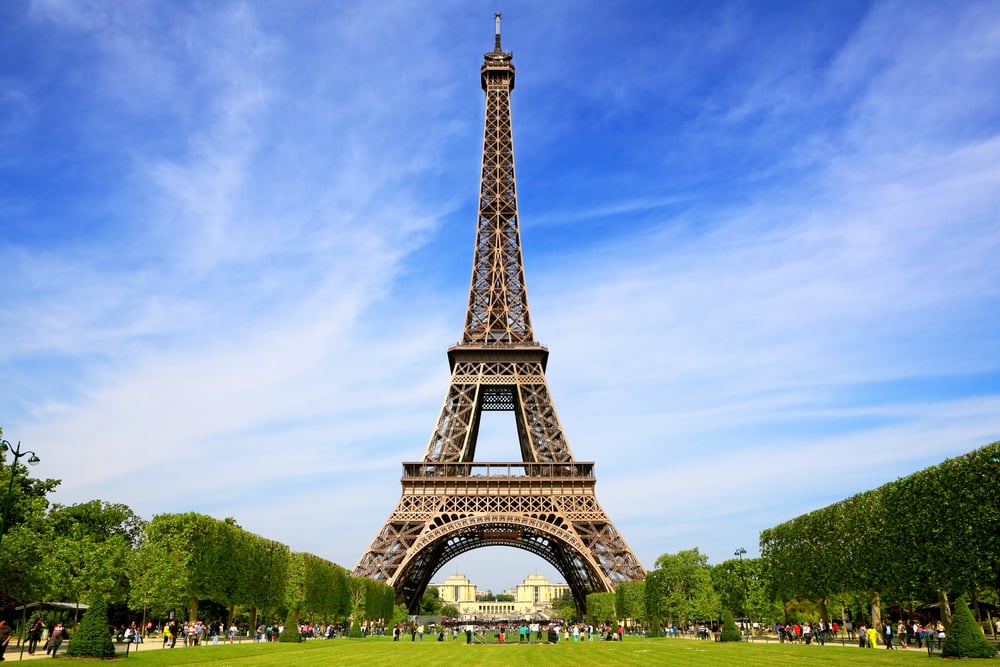
Gustave Eiffel built himself a private apartment near the top of his famous tower—complete with grand piano and elegant furnishings. This wasn’t just a personal retreat but a shrewd business move that made the apartment the most exclusive address in Paris. Famous visitors like Thomas Edison were invited up, creating buzz and legitimacy for what many Parisians initially called an eyesore.
Lincoln Memorial’s Facing Direction

Abraham Lincoln sits facing directly toward the Washington Monument and Capitol Building. This alignment carries deeper meaning, though. The positioning symbolizes Lincoln’s role in preserving the Union—his gaze eternally fixed on the seat of democracy he fought to maintain. The 36 columns surrounding the memorial represent the 36 states in the Union at the time of Lincoln’s death.
St. Peter’s Basilica’s Optical Illusion

The massive dome of St. Peter’s Basilica appears perfectly proportioned from the ground. Yet Michelangelo designed it using architectural tricks to create this illusion. The dome actually gets smaller as it rises—the ribs are closer together at the top than at the bottom. This creates the visual effect of a perfect hemisphere while making the structure lighter and more stable.
The Sydney Opera House’s Sailing Inspiration

Jørn Utzon designed the Sydney Opera House shells to mimic sailboats in Sydney Harbor. The deeper message relates to Australia’s maritime identity, though. Each shell segment can be cut from a perfect sphere—representing the mathematical precision behind the seemingly organic design. The building serves as both a celebration of Australia’s relationship with the sea and a demonstration of engineering innovation.
Golden Gate Bridge’s International Orange

The Golden Gate Bridge’s distinctive color wasn’t chosen for aesthetics alone. International Orange was selected because it enhances visibility in San Francisco’s frequent fog while complementing the natural surroundings. The color also carries symbolic weight—representing the bridge as a beacon of hope and connection during the Great Depression when it was built.
The Leaning Tower of Pisa’s Intentional Tilt
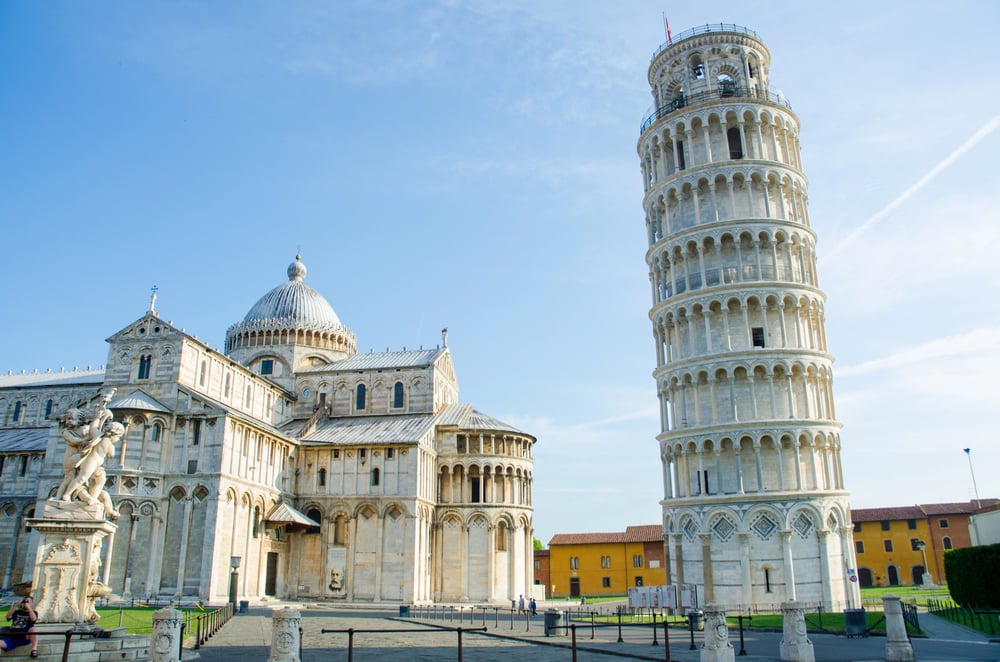
While most people assume the tower’s lean was accidental, some historians argue the tilt was intentionally incorporated as construction progressed. Medieval builders may have embraced the lean as a demonstration of engineering skill—showing they could complete a stable structure despite the challenging foundation. The tilt became a feature rather than a flaw.
Rushmore’s Hidden Face

Thomas Jefferson’s face was originally carved to the left of George Washington, yet the rock quality was poor, so workers blasted it off and recarved it to Washington’s right. You can still see the remnants of the original Jefferson carving if you know where to look. This ‘mistake’ created a hidden piece of American history literally carved into the mountain.
The Hollywood Sign’s Real Estate Message

The Hollywood sign originally read ‘Hollywoodland’ and was built as a giant advertisement for a housing development in the hills above Los Angeles. Each letter stood 50 feet tall and was covered with light bulbs to make it visible at night. The sign was only supposed to last 18 months, but it became so iconic that it outlived its original commercial purpose by decades.
Notre-Dame’s Mathematical Code
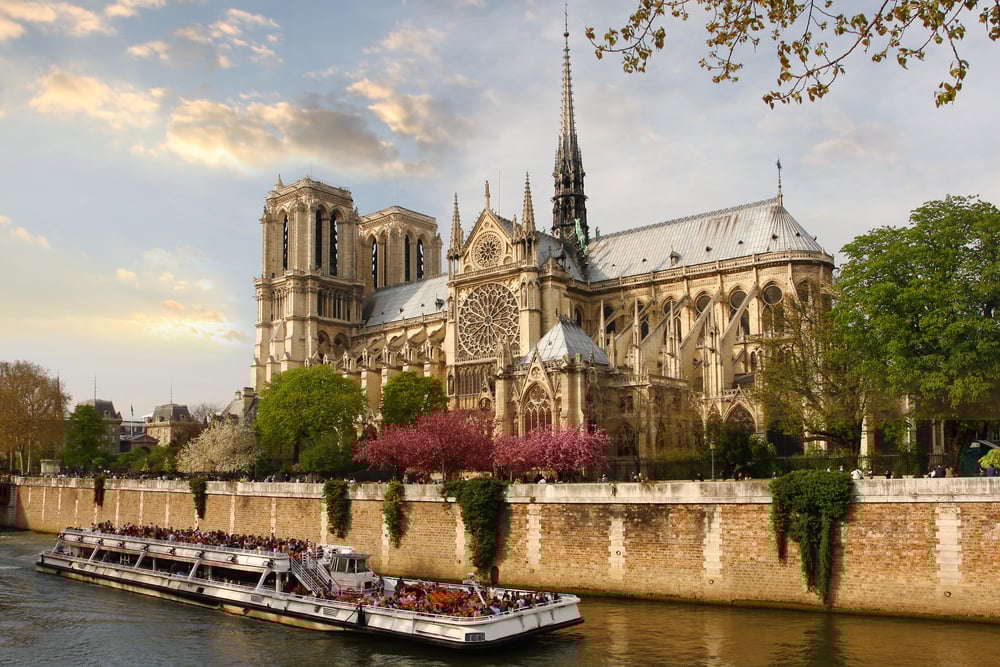
The proportions of Notre-Dame Cathedral follow the golden ratio, a mathematical principle that creates naturally pleasing proportions. The builders encoded this ratio throughout the structure, from the height of the nave to the placement of the rose windows. This mathematical harmony was believed to reflect divine order and bring worshippers closer to God through architectural perfection.
The Empire State Building’s Zeppelin Dock
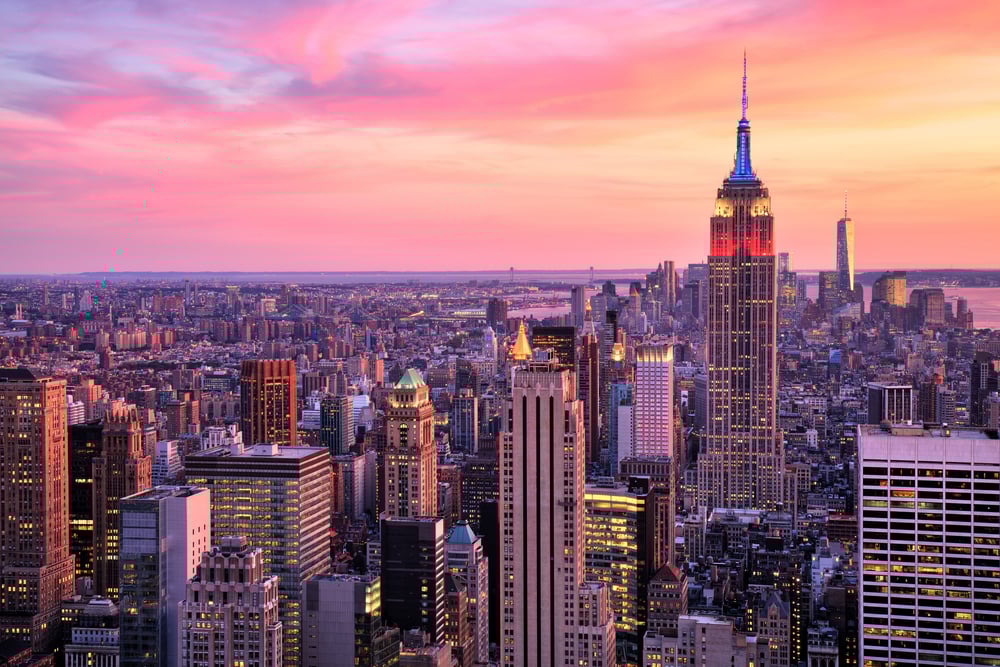
The Empire State Building’s distinctive spire was designed as a mooring mast for airships, reflecting the 1930s belief that dirigibles would be the future of transatlantic travel. The building’s top floors included passenger facilities and a gangplank system for airship travelers. Though only one successful docking ever occurred, the spire remains as a monument to aviation optimism.
Stonehenge’s Astronomical Calendar

Stonehenge functions as a massive astronomical calculator, with stones positioned to mark the summer and winter solstices, equinoxes, and eclipse cycles. The heel stone aligns perfectly with the sunrise on the summer solstice, while other stones track the moon’s complex 18.6-year cycle. This ancient computer demonstrates sophisticated understanding of celestial mechanics thousands of years before modern astronomy.
The Liberty Bell’s Strategic Crack

The famous crack in the Liberty Bell may have been deliberately widened to prevent further ringing and preserve the bell as a symbol rather than a functional instrument. Some historians suggest the crack was allowed to spread because a silent bell carried more symbolic weight than a working one. The crack itself became the message, representing the fragility and endurance of American liberty.
When Landmarks Become Time Capsules

These hidden messages transform ordinary tourist destinations into layered historical documents, each carrying forward the hopes, fears, and ambitions of their creators. The secrets embedded in famous landmarks remind us that human creativity extends far beyond surface appearances. Every monument tells multiple stories. The most interesting ones are often hiding in plain sight. The next time you visit a famous landmark, remember that you might be standing inches away from messages meant for future generations to decode.
More from Go2Tutors!

- The Romanov Crown Jewels and Their Tragic Fate
- 13 Historical Mysteries That Science Still Can’t Solve
- Famous Hoaxes That Fooled the World for Years
- 15 Child Stars with Tragic Adult Lives
- 16 Famous Jewelry Pieces in History
Like Go2Tutors’s content? Follow us on MSN.