15 Jobs Prisoners Have Held Through History
Prison labor has existed for thousands of years, evolving from brutal punishment to something resembling rehabilitation. Throughout different cultures and time periods, prisoners have worked everything from backbreaking manual labor to skilled crafts.
Some jobs were designed purely to punish, while others taught valuable skills or helped cover the costs of running prisons. The variety of work prisoners have performed throughout history reveals much about the societies that created these systems.
From ancient Romans forcing convicts to row warships to modern inmates fighting wildfires, prisoner work has often reflected the needs and values of the time. Here is a list of 15 jobs prisoners have held through history:
Mining and Quarrying
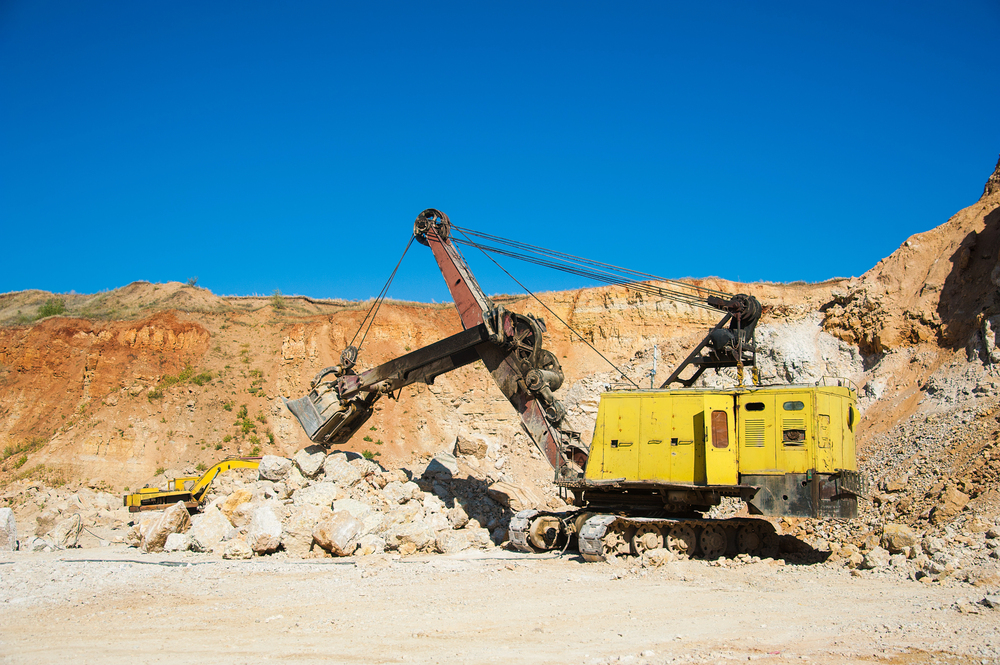
In ancient Rome, being condemned to the mines was essentially a death sentence. Slaves or lower-status citizens sentenced to hard labor were held in camps at these worksites, which employed a combination of free, enslaved, and convict labor.
The work was brutally demanding, with prisoners extracting gold, silver, copper, and stone under horrific conditions. Many never survived their sentences, succumbing to cave-ins, exhaustion, or disease in the dark underground tunnels.
Galley Rowing

A galley slave was a slave rowing in a galley, either a convicted criminal sentenced to work at the oar (French: galérien), or a kind of human chattel, sometimes a prisoner of war, assigned to the duty of rowing. These prisoners powered Mediterranean warships and merchant vessels for centuries. Surviving for ten years in a galley was no mean trick.
Galley slaves were branded with the letters G-A-L. They were forced to eat, sleep, and labor chained in their own filth. The work was so punishing that most galley prisoners died before completing their sentences.
Treadmill Operation

Victorian prisons introduced the treadmill as both punishment and power source. Victorian inmates commonly worked the treadmill. In some cases, it was productive labour to grind grain (an example of using convict labour to meet costs); in others, it served no purpose.
Prisoners would spend hours walking on large wheels, sometimes grinding grain or pumping water, but often doing nothing productive at all. The endless stepping motion was designed to be both physically exhausting and psychologically wearing.
Crank Machine Work
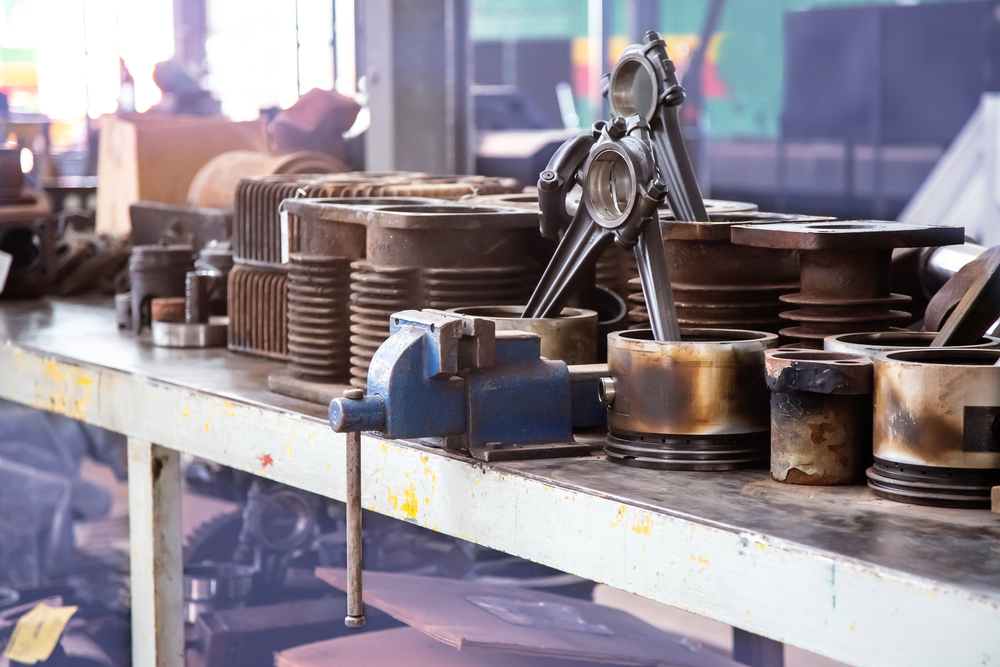
Another Victorian invention for prison punishment, the crank machine required prisoners to turn a handle thousands of times daily. The crank machine was a device which turned a crank by hand which in turn forced four large cups or ladles through sand inside a drum, doing nothing useful.
Male prisoners had to turn the handle 6,000–14,400 times over the period of six hours a day. Guards could make the task harder by tightening screws, adding resistance.
This completely pointless labor was designed purely to break prisoners’ spirits.
Oakum Picking
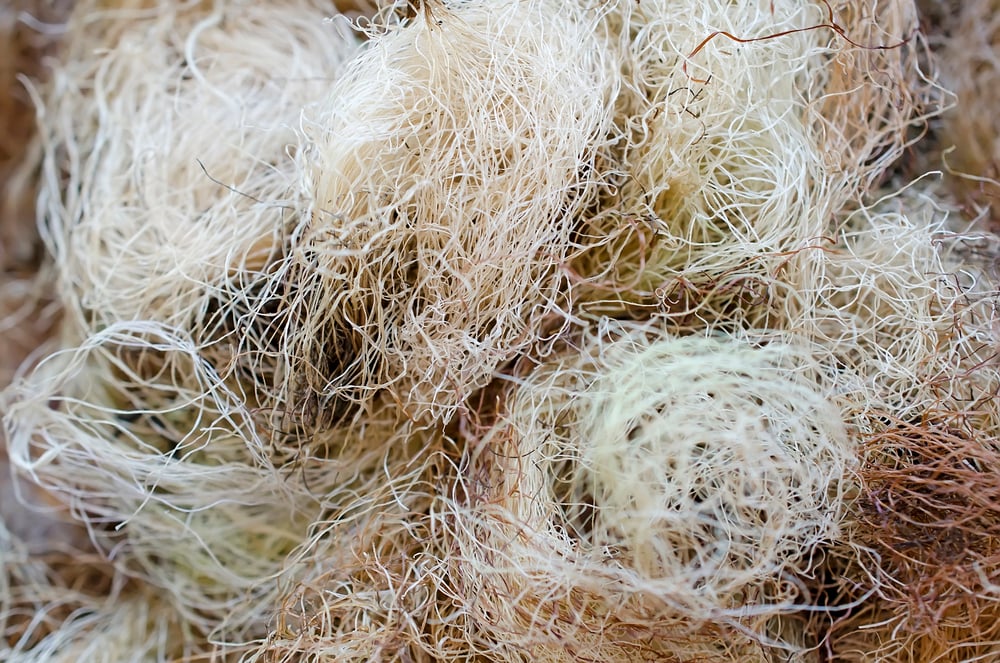
Before synthetic materials, ships needed natural fibers to seal gaps between wooden planks. Prisoners provided this material through oakum picking, a tedious process of unraveling old rope.
Semi-punitive labour also included oakum-picking: teasing apart old tarry rope to make caulking material for sailing vessels. Prisoners would sit for hours pulling apart tar-coated rope fiber by fiber until their fingers were raw and blackened.
The work was mind-numbing but served an actual purpose for the maritime industry.
Road Construction
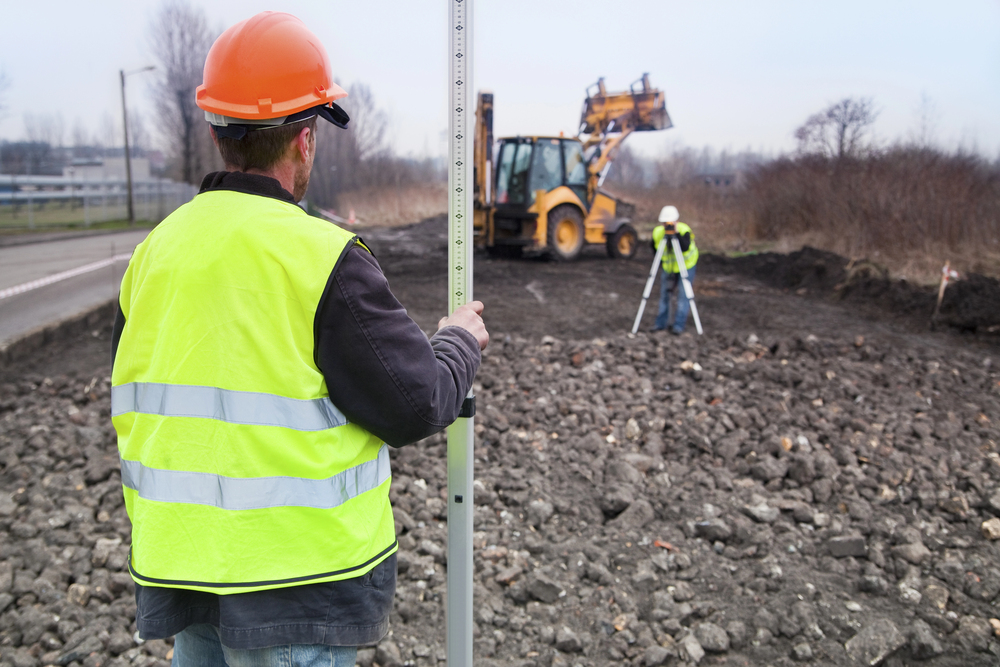
Chain gangs became synonymous with American prison labor in the early 1900s. Such punishment might include repairing buildings, building roads, or clearing land.
Prisoners chained together at the ankles would work on highways and public roads under armed guard. The improvements they made to public roadways had a significant impact on rural areas, allowing planters to more quickly and more easily transport their crops to market.
This work was both punishment and practical infrastructure development.
Convict Leasing Labor
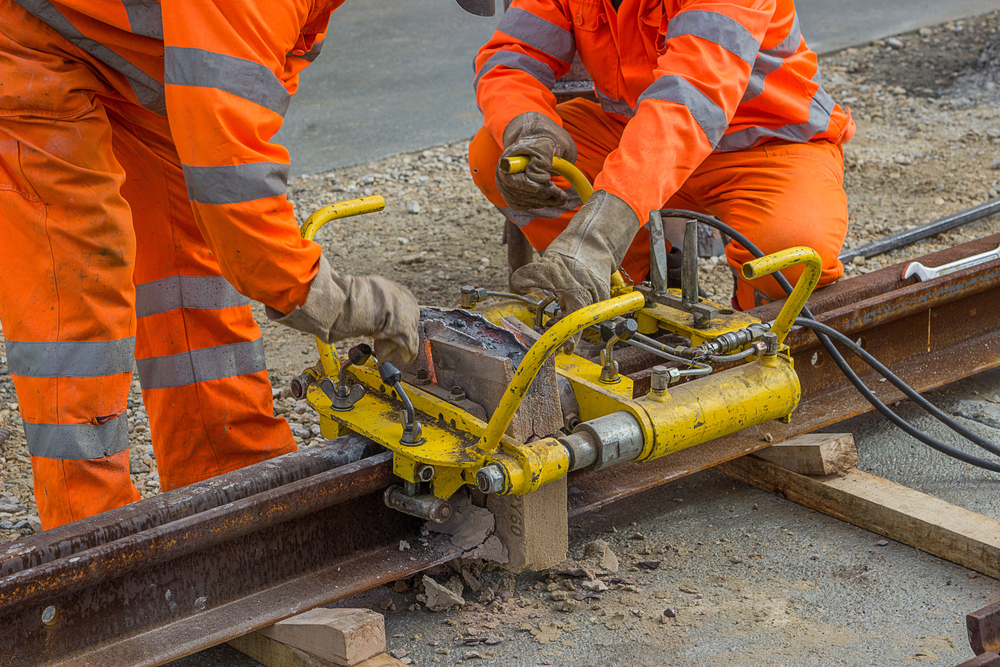
After the Civil War, Southern states developed the convict leasing system, essentially renting out prisoners to private companies. Convicts dug levies, laid railroad tracks, picked cotton, and mined coal for private companies and planters.
This system was incredibly profitable for both states and businesses, but devastating for prisoners. The annual convict death rates ranged from 16 to 25 percent, a mortality rate that would rival the Soviet gulags to come.
Jute Mill Production
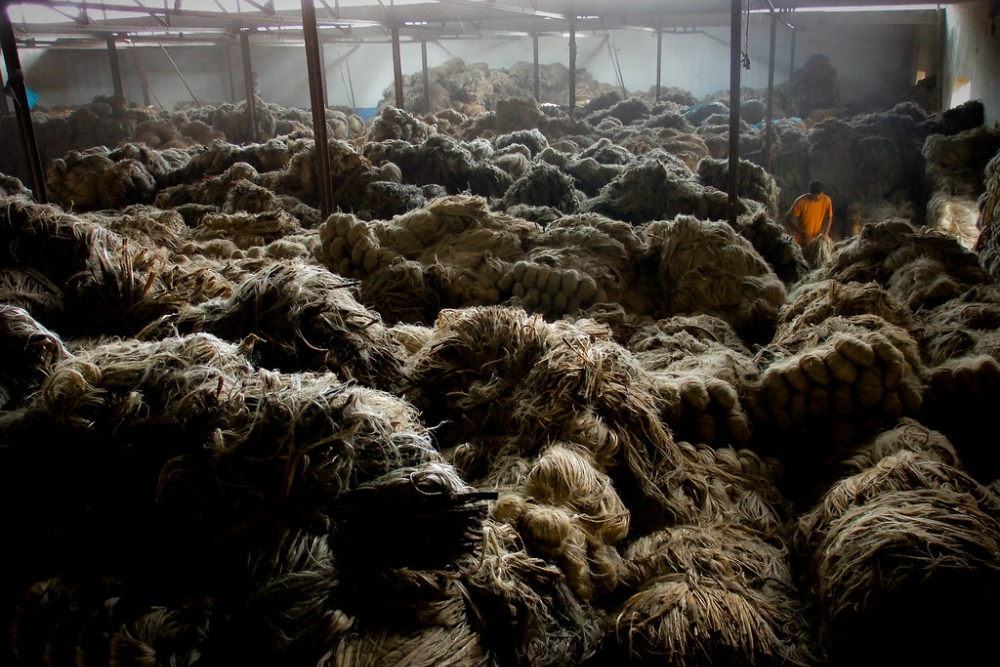
California’s San Quentin prison operated extensive jute mills where hundreds of prisoners manufactured bags and cloth. (Starting with) the jute mill, there are employed between 800 and 900 prisoners under the supervision of 21 guards.
Prisoners would spin fibers into thread and weave it into sturdy sacks used throughout the agricultural industry. Unlike purely punitive labor, this work taught actual manufacturing skills and helped offset prison costs.
Blacksmithing and Metalwork
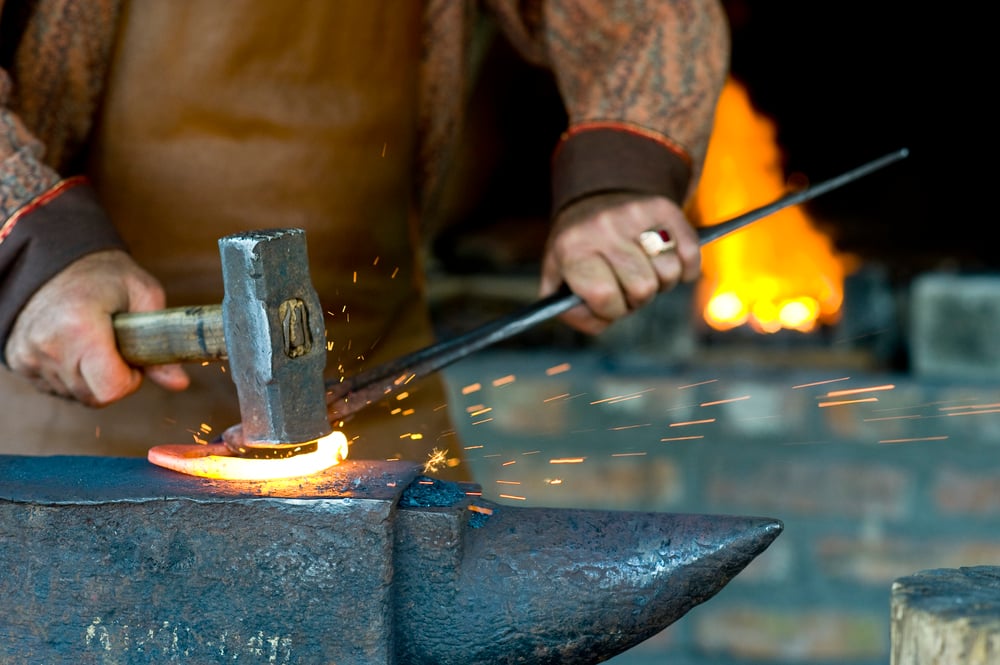
Medieval and early American prisons often employed skilled craftsmen among their populations. Every conceivable variety of work done at San Quentin is done by prisoners.
(Since) they are mostly masters of every imaginable trade, (they handle) carpentry, plumbing, brick, machine (repair) and blacksmithing. Prisoners with metalworking skills would forge tools, horseshoes, and prison equipment.
This specialized labor was valuable and often allowed skilled prisoners to earn better treatment or shorter sentences.
Agricultural Work
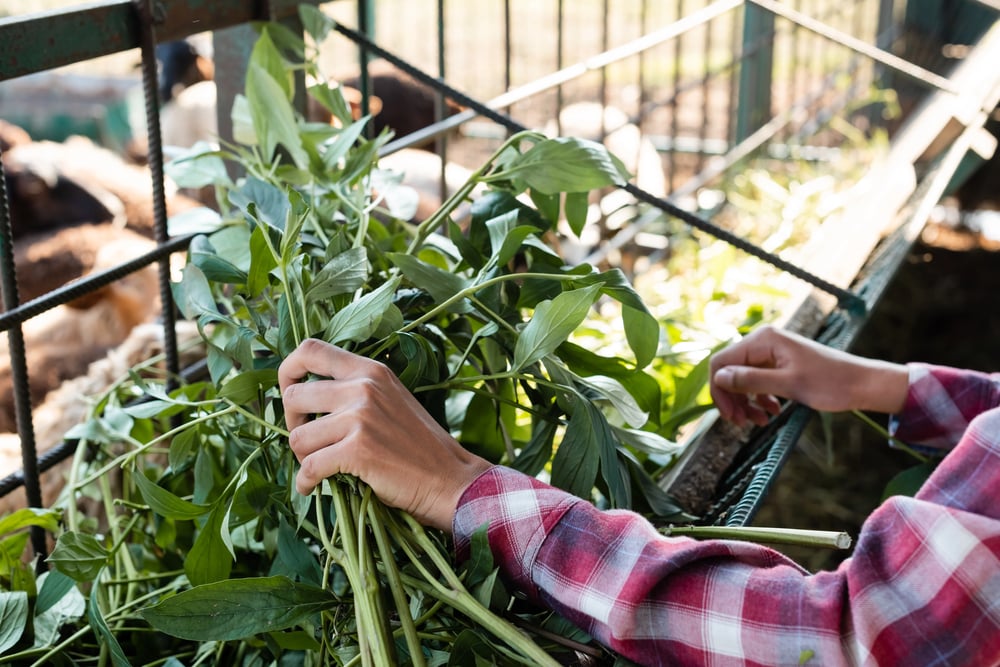
Prison farms have existed across cultures and centuries, using prisoners to grow food for the institution and sometimes for sale. The state bought two plantations of its own to work inmates that were not fit enough to ‘hire out for first-class labor.’
In Texas and other Southern states, these prison plantations were incredibly profitable. Prisoners worked cotton, vegetables, and livestock operations that closely resembled the plantation system that had existed before the Civil War.
Textile Manufacturing
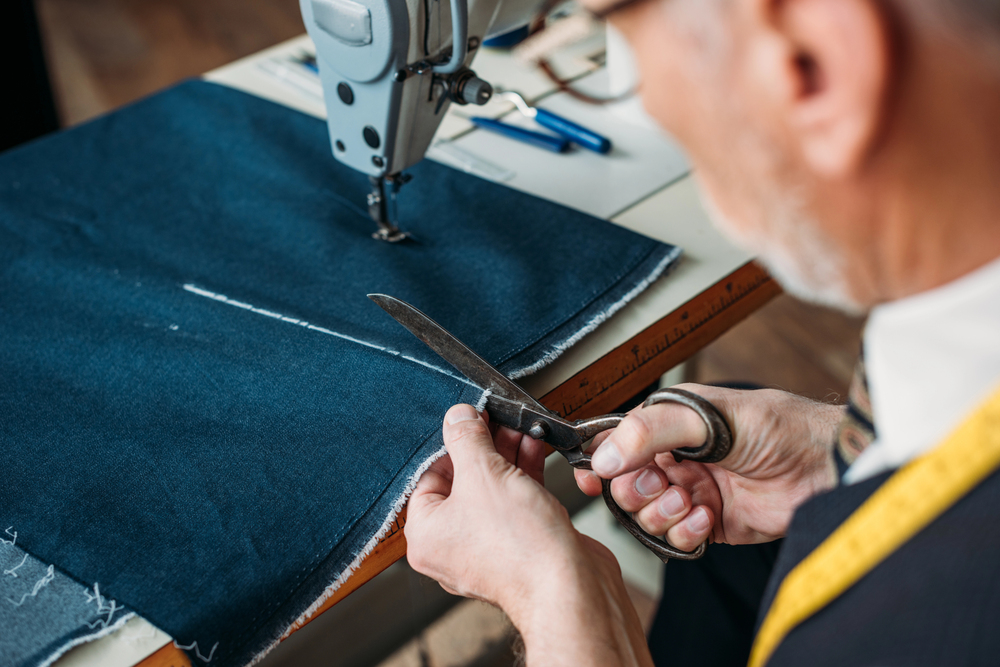
Sewing and textile work became common prison labor as industrial production grew. The classic occupation in 20th-century British prisons was sewing mailbags. Prisoners would spend their days stitching heavy canvas bags used by postal services worldwide.
The work was repetitive but relatively safe compared to mining or construction. Many female prisoners were employed in textile work, as it was considered more appropriate for women than heavy manual labor.
Food Service and Kitchen Work

Prison kitchens have always needed workers to prepare meals for hundreds or thousands of inmates. According to the Federal Bureau of Prisons, inmates earn between 12-40 cents per hour for these jobs in roles including food service.
This work teaches practical skills and often provides better nutrition for those working in the kitchen. Despite low wages, kitchen jobs remain popular because workers get access to better and more food than the general prison population.
Firefighting

One of the most dangerous and heroic jobs prisoners perform today is wildfire fighting. California’s prison fire camps train inmates to battle forest fires alongside professional firefighters.
This demanding work requires physical fitness, courage, and teamwork. Prisoners who complete firefighting programs often develop strong work ethics and emergency response skills that transfer to civilian careers, making it one of the most successful rehabilitation programs.
Manufacturing and Assembly

Modern prisons operate factories producing everything from furniture to license plates. Incarcerated workers provide services valued at $9 billion annually and produce over $2 billion in goods.
Companies contract with prisons to take advantage of the low-wage workforce, paying prisoners far below minimum wage to assemble products. This work provides job skills and helps prisoners develop work habits, though the extremely low pay remains controversial.
Laundry and Maintenance

The most common prison job throughout history has been maintaining the facility itself. Prisoners clean cells, wash laundry, maintain equipment, and handle general upkeep.
They mop cellblock floors, prepare and serve food in the dining hall, mow the lawns, file papers in the warden’s office, and launder millions of tons of uniforms and bed linens. While mundane, this work keeps prisons functioning and gives prisoners structure and responsibility.
These basic skills often translate to employment opportunities after release.
From Punishment to Purpose

The evolution of prison labor tells the story of changing attitudes toward crime and rehabilitation. What began as brutal punishment in ancient mines has gradually shifted toward programs that teach skills and prepare inmates for life after release.
While modern prison wages remain controversially low, the focus has moved away from pure punishment toward providing structure, skills, and hope for the future. Today’s prison work programs, despite their flaws, represent progress from the purely punitive systems of the past.
More from Go2Tutors!

- The Romanov Crown Jewels and Their Tragic Fate
- 13 Historical Mysteries That Science Still Can’t Solve
- Famous Hoaxes That Fooled the World for Years
- 15 Child Stars with Tragic Adult Lives
- 16 Famous Jewelry Pieces in History
Like Go2Tutors’s content? Follow us on MSN



