Most Expensive Trading Cards Ever Sold
Playground trades once ruled these little rectangles – no thought given to edges or corners back then. A lucky few slipped free of crumpled pockets and sticky fingers.
Luck played a part. So did when you found one.
Some grew heavy with meaning, pulled up by the moment they landed in history. Paper bits turned into something else entirely.
It’s usually not just one thing that turns a regular trading card into a top-selling legend. True, its physical state counts – yet tales do too.
Behind each big sale? A mix of memories, rarity, and faith. Thin cardboard becomes precious when emotion sticks to it.
Value hides less in the object than in what people carry inside.
A peek behind the scenes shows which trading cards climbed highest in value, yet their reasons differ wildly. One surged due to rarity, while another rode a wave of nostalgia mixed with timing.
Some gained traction not from stars but from scarcity shaped by print errors. Others rose simply because collectors started chasing them without clear logic.
Each high flyer tells its own story – some built on legacy, others on surprise demand shifts.
Honus Wagner
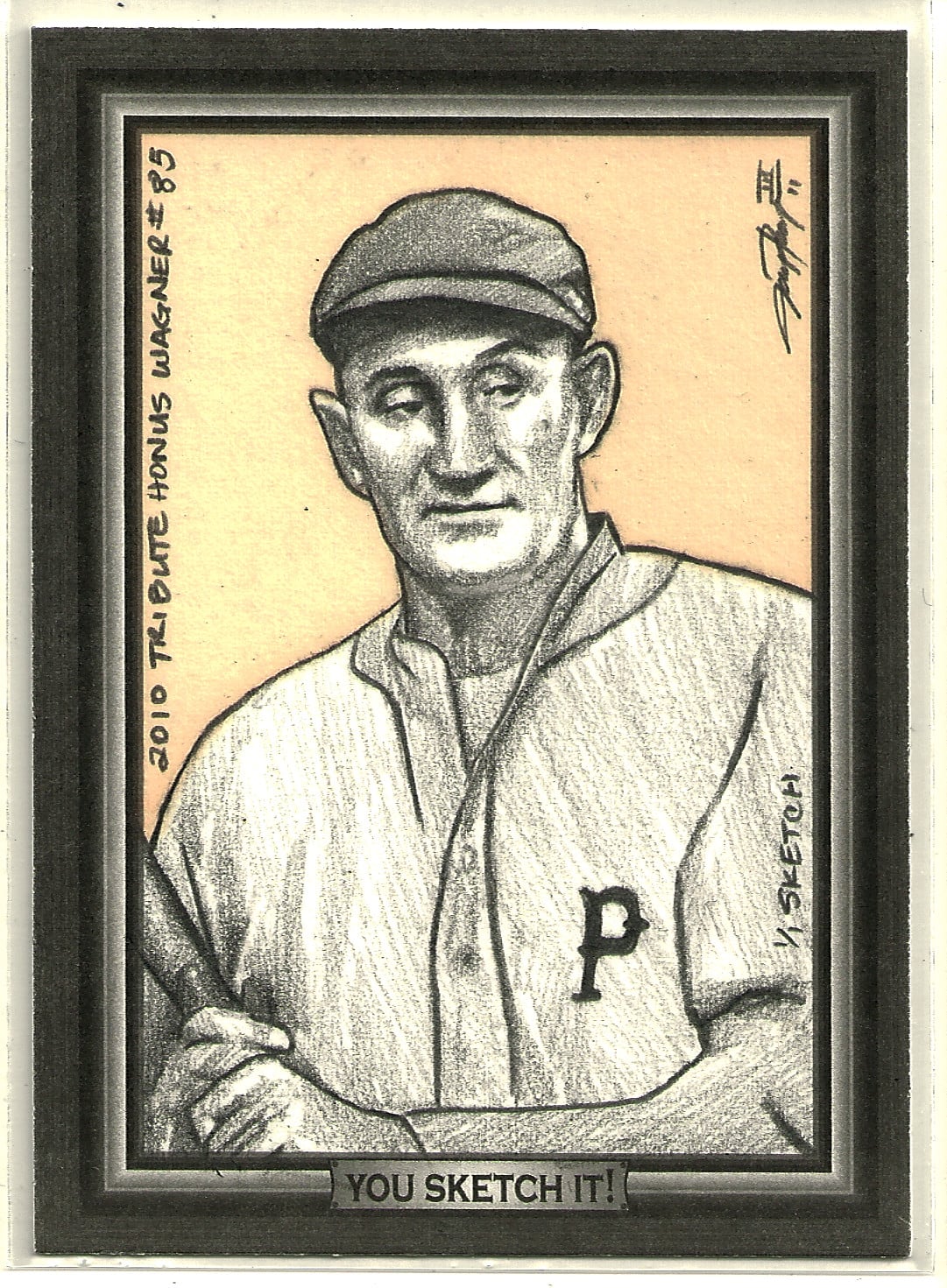
No discussion of high-value trading cards begins anywhere else. Wagner’s early twentieth-century nicotine-era card has become the gold standard against which all others are measured.
Fewer than sixty examples are known to exist, and even fewer survive in respectable condition.
The story behind its rarity is as important as its age. Wagner reportedly objected to his likeness being used to promote nicotine products, leading to the card’s withdrawal shortly after release.
Whether that account is entirely accurate matters less than the fact that it stuck. Scarcity combined with moral narrative turned the card into legend.
When high-grade examples appear at auction, prices regularly reach into eight figures, driven as much by symbolism as by supply.
Mickey Mantle
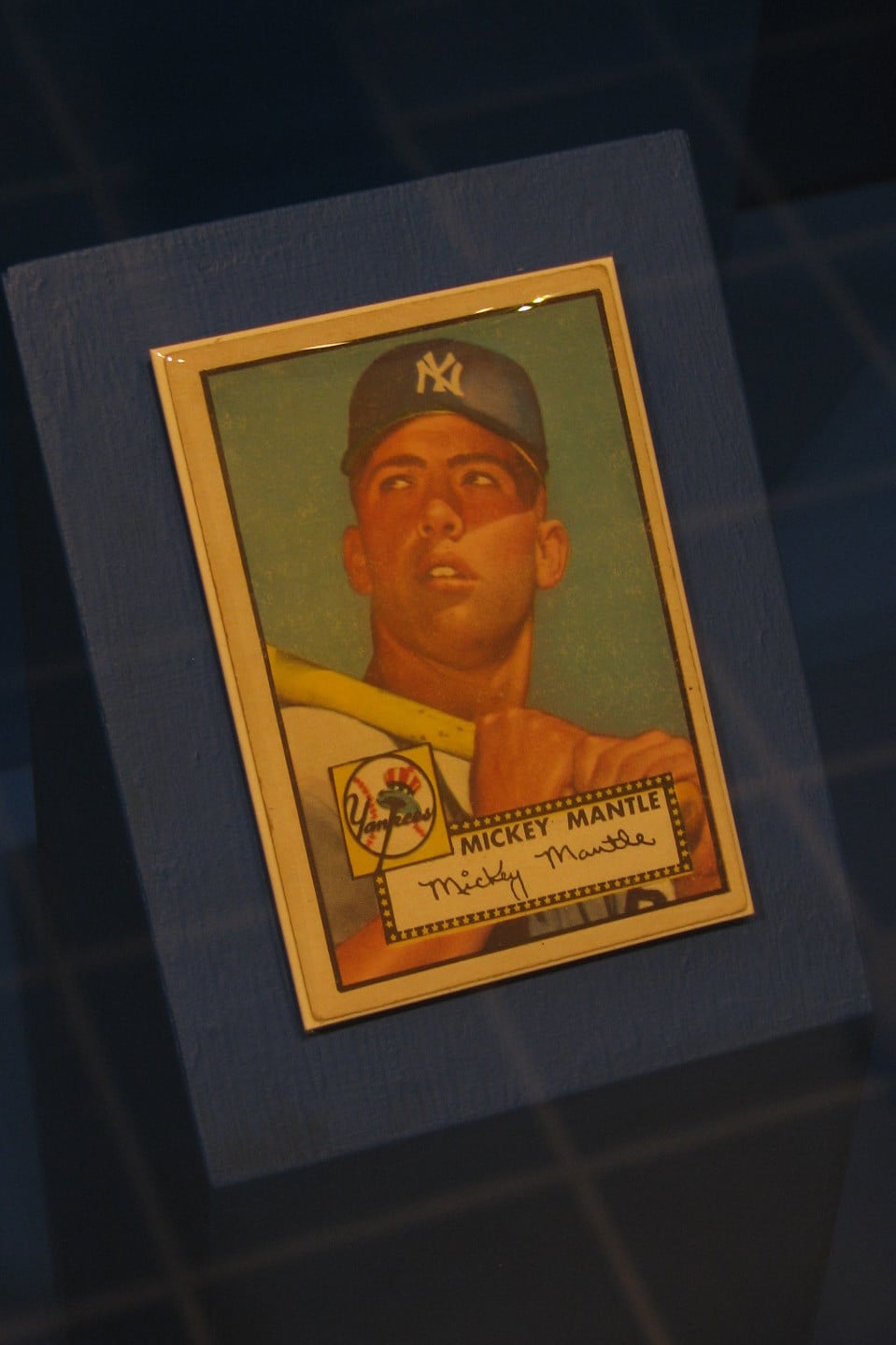
Mantle’s iconic mid-century rookie card represents a perfect storm of timing, talent, and nostalgia. Issued during an era when cards were often mishandled or discarded, pristine examples are extraordinarily rare.
What pushes this card into record territory is not just Mantle’s status as a generational athlete, but the cultural weight attached to post-war American optimism. Collectors are not only buying a portrait of a star, but a fragment of a specific historical moment.
In recent years, a near-perfect copy sold privately for a price that stunned even seasoned market watchers. It reinforced how condition can multiply value exponentially.
Michael Jordan
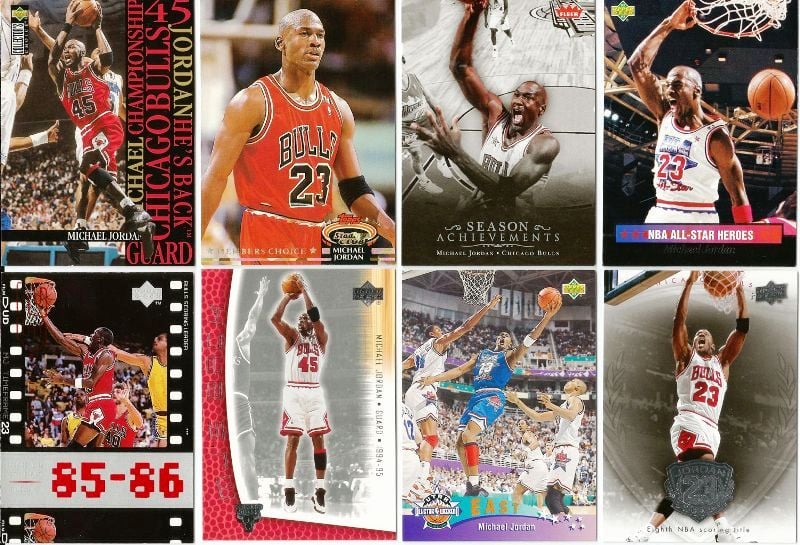
Jordan’s most valuable card comes from the mid-1980s, before global fame fully locked in his legacy. While not especially scarce in raw numbers, high-grade versions are vanishingly rare due to print and centering issues common at the time.
The appeal here lies in narrative dominance. Jordan’s career became a benchmark for excellence, and his early card functions almost like an origin story.
Buyers are not chasing rarity alone, but cultural consensus. When one of the best-preserved examples sold for several million dollars, it confirmed that modern-era cards could rival century-old classics under the right conditions.
Pokémon – Pikachu Illustrator
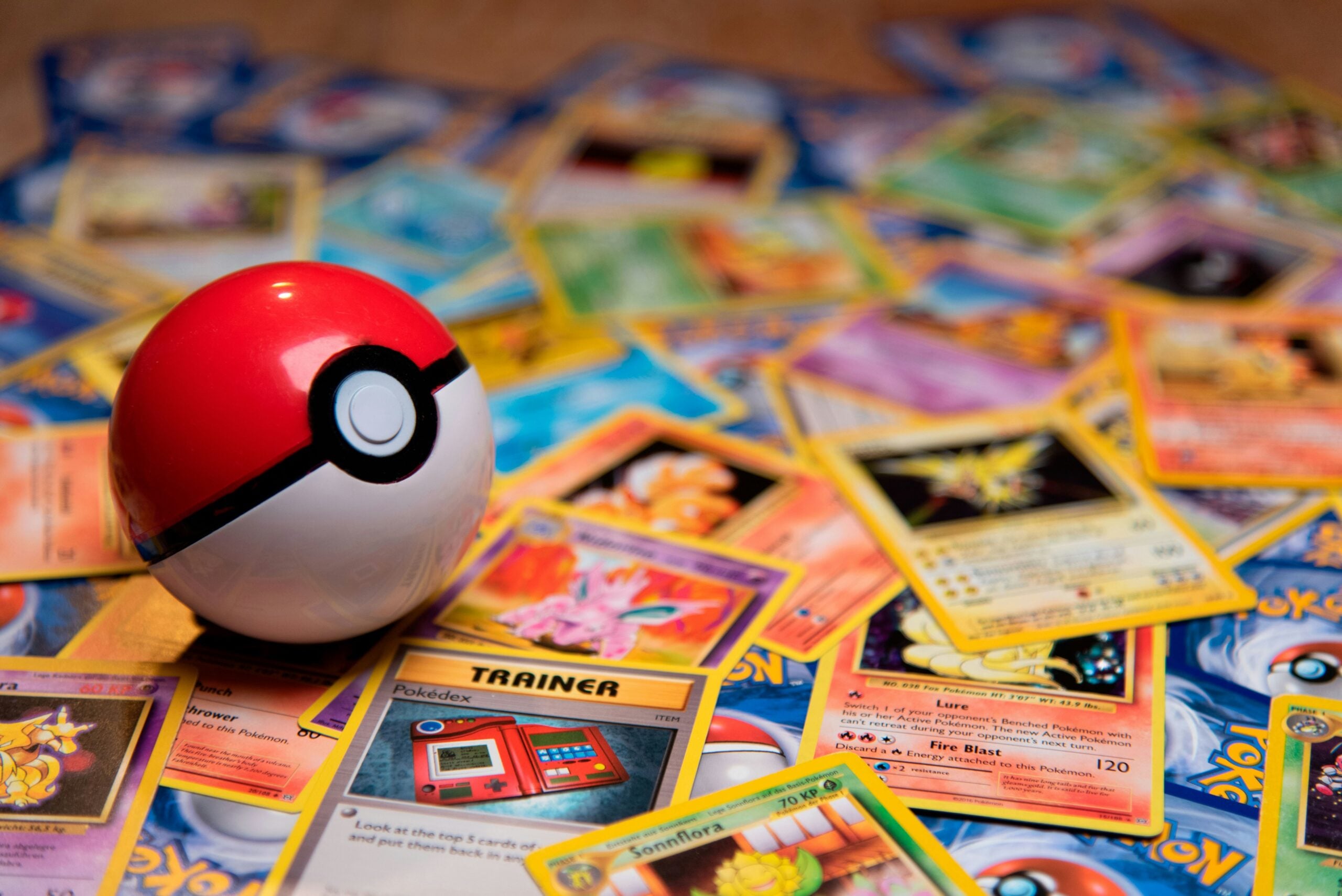
Among non-sport entries, none rival the Pikachu Illustrator card. Created as a prize for a late-1990s illustration contest, it was never sold commercially and was distributed in extremely limited numbers.
What makes this card unique is its layered appeal. It combines franchise popularity, extreme scarcity, and an origin tied to creativity rather than competition.
Many copies remained with recipients who did not view them as collectibles at the time. When a high-grade example surfaced and sold for over five million dollars, it reshaped perceptions of what non-athlete cards could achieve at the top end of the market.
LeBron James
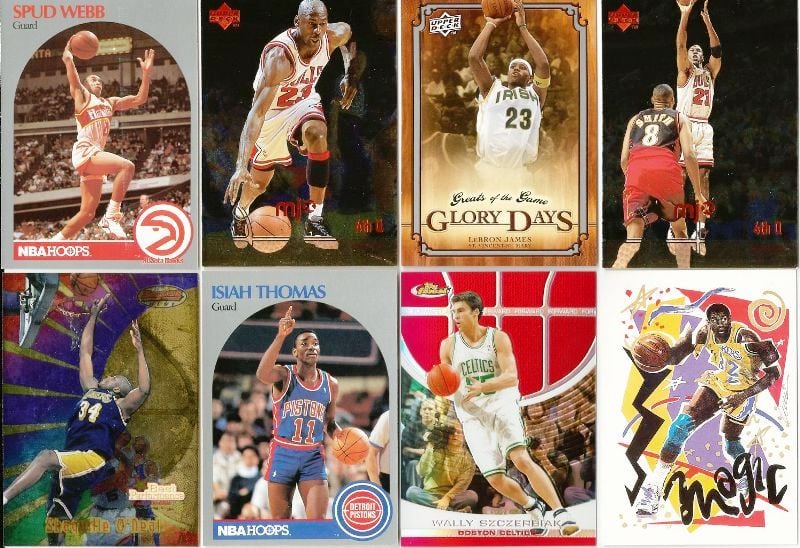
LeBron James entered the trading card market during a more self-aware era. By the early 2000s, collectors understood condition, grading, and long-term value far better than previous generations.
His most expensive card is a one-of-one rookie patch autograph, meaning no other copy exists. That uniqueness, combined with his sustained excellence and cultural relevance, pushed the sale into seven-figure territory.
Unlike older classics, this card was designed from the outset to be rare. Its value reflects how the market adapted, engineering scarcity rather than stumbling into it.
Babe Ruth
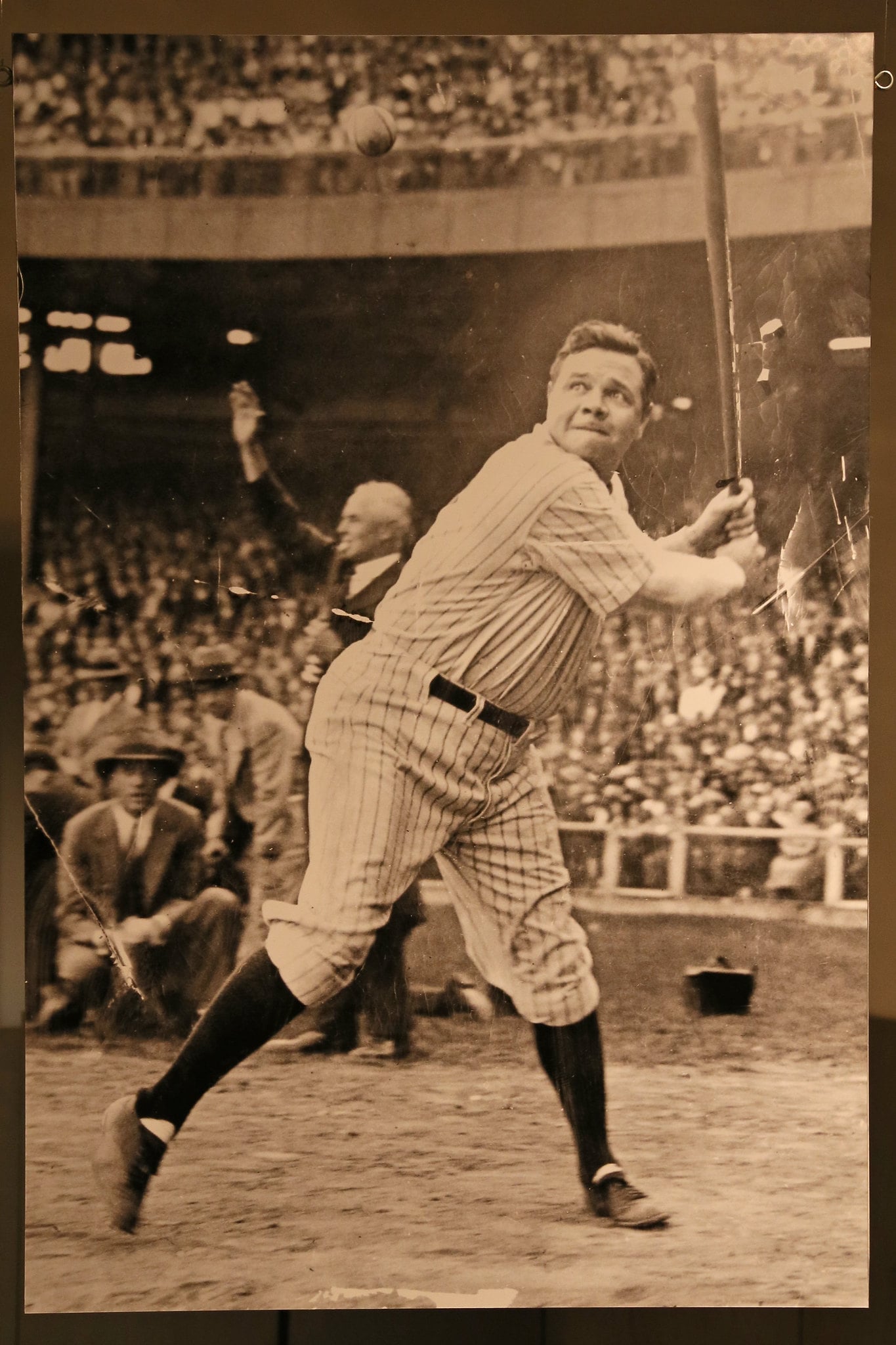
Ruth’s cards sit at the intersection of myth and memory. Early issues featuring him are prized not just for age, but for what he represents: transformation.
He redefined what a professional athlete could be in terms of fame and spectacle. High-grade examples from his playing days are exceptionally scarce.
Many were produced on fragile stock and subjected to rough handling. When a well-preserved copy surfaces, it carries the weight of being both historical artifact and cultural icon.
Sales reaching several million dollars reflect that dual role.
Wayne Gretzky

Gretzky’s top card tells a story of overlooked potential turned into absolute dominance. Early in his career, his trading cards were not treated with reverence.
Production quality issues and casual handling reduced the number of pristine survivors dramatically. What elevates this card is hindsight.
Gretzky’s career achievements became so overwhelming that early representations gained retrospective importance. When a top-graded example sold for millions, it underscored how value often follows legacy rather than anticipating it.
Lionel Messi
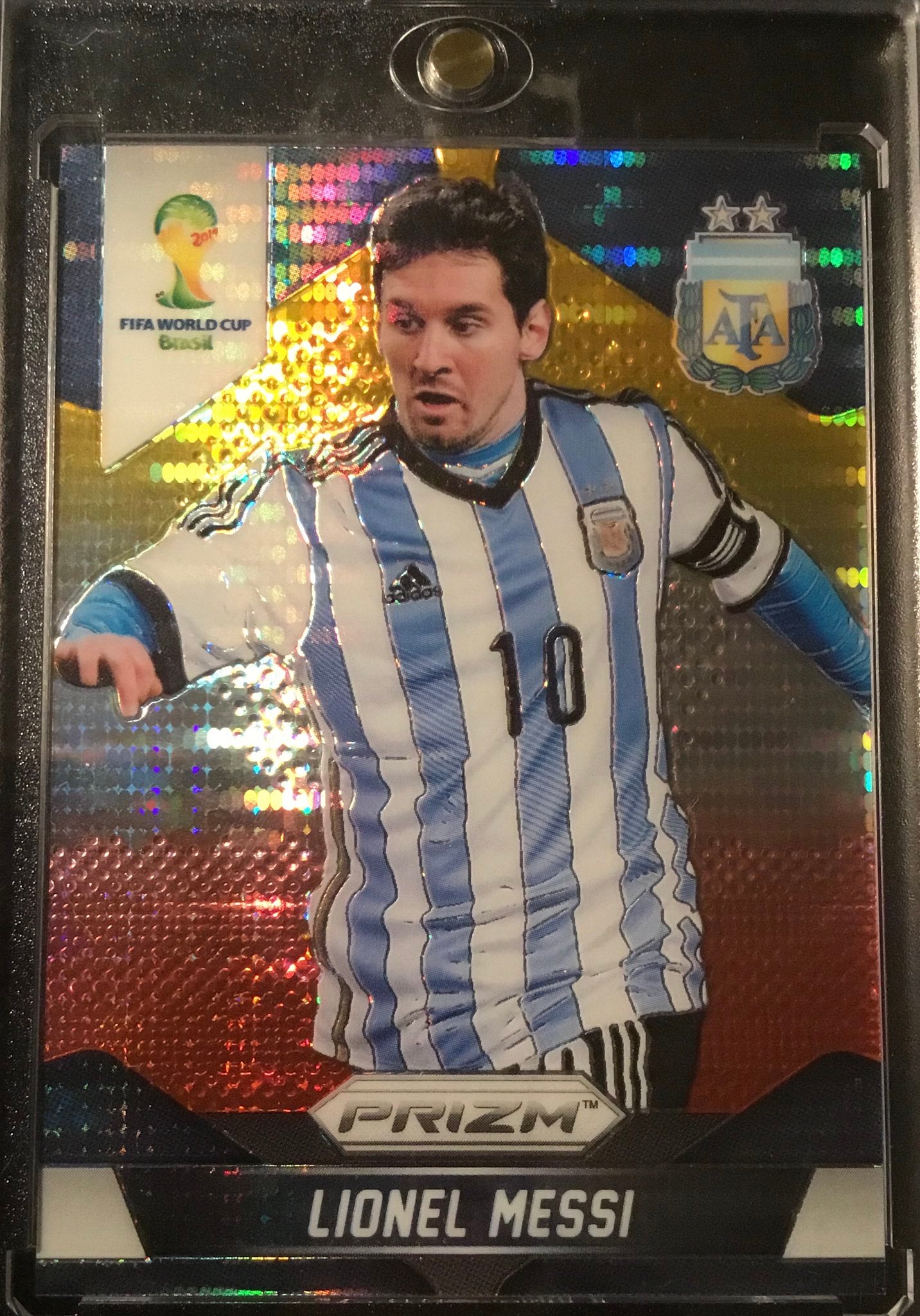
Messi’s highest-value card reflects the globalization of the trading card market. Issued during his teenage years, it captures a moment before his ascent was universally accepted.
The card’s scarcity stems from limited distribution and low initial demand. Few collectors were actively preserving his earliest cards at the time.
As his career unfolded, those overlooked items became focal points. A rare signed version later sold for a record sum, signaling how international markets now drive prices alongside traditional North American collectors.
Condition as a Multiplier, Not a Detail
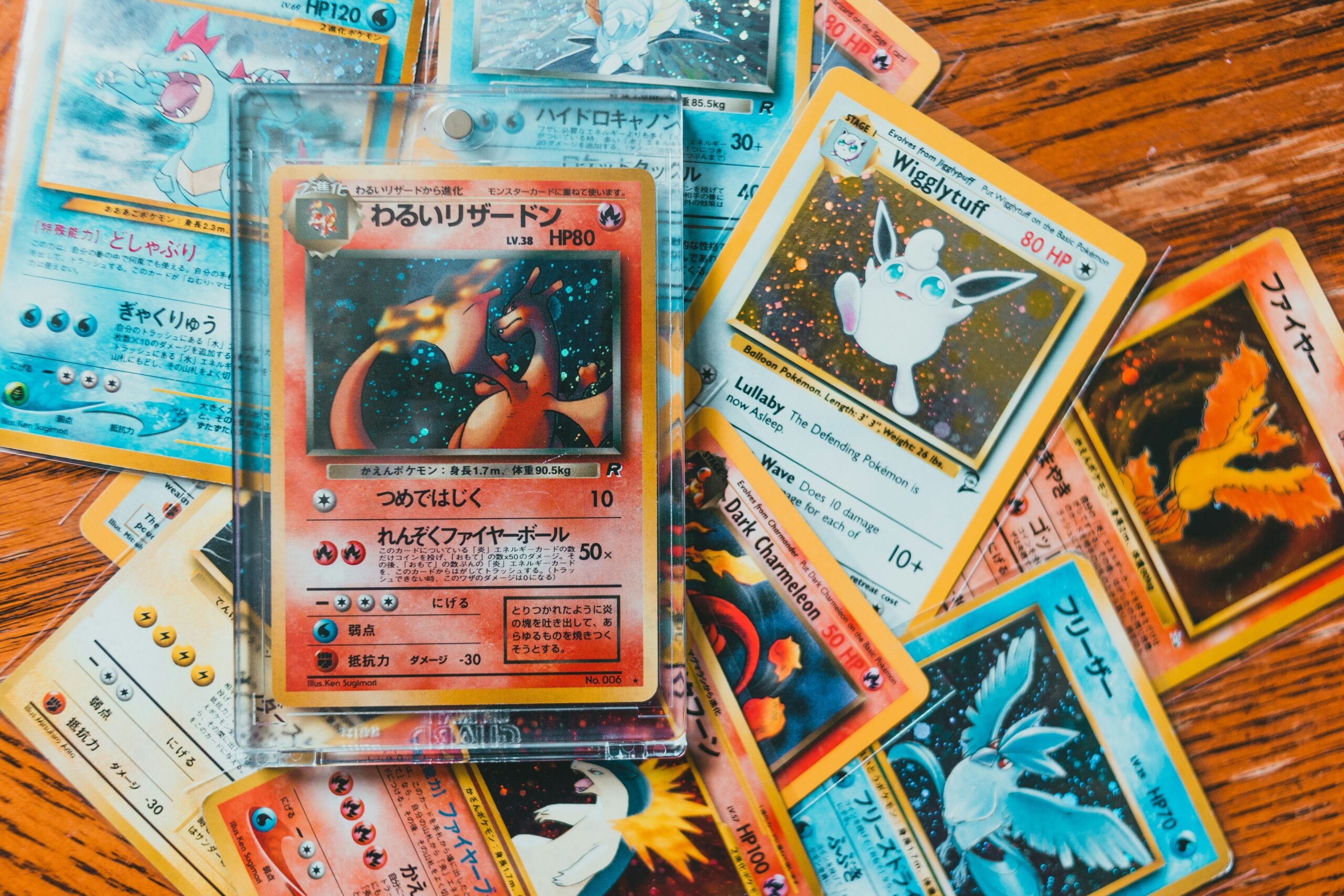
Across all these examples, one pattern holds steady. Condition is not a minor factor.
It is often the difference between a valuable card and a record-breaking one. Tiny imperfections can translate into millions of dollars in lost value.
Professional grading created a shared language for collectors, allowing conditions to be quantified and trusted. That system also concentrated value at the very top.
A single highest-grade copy can eclipse dozens of slightly lesser examples combined.
The Role of Storytelling
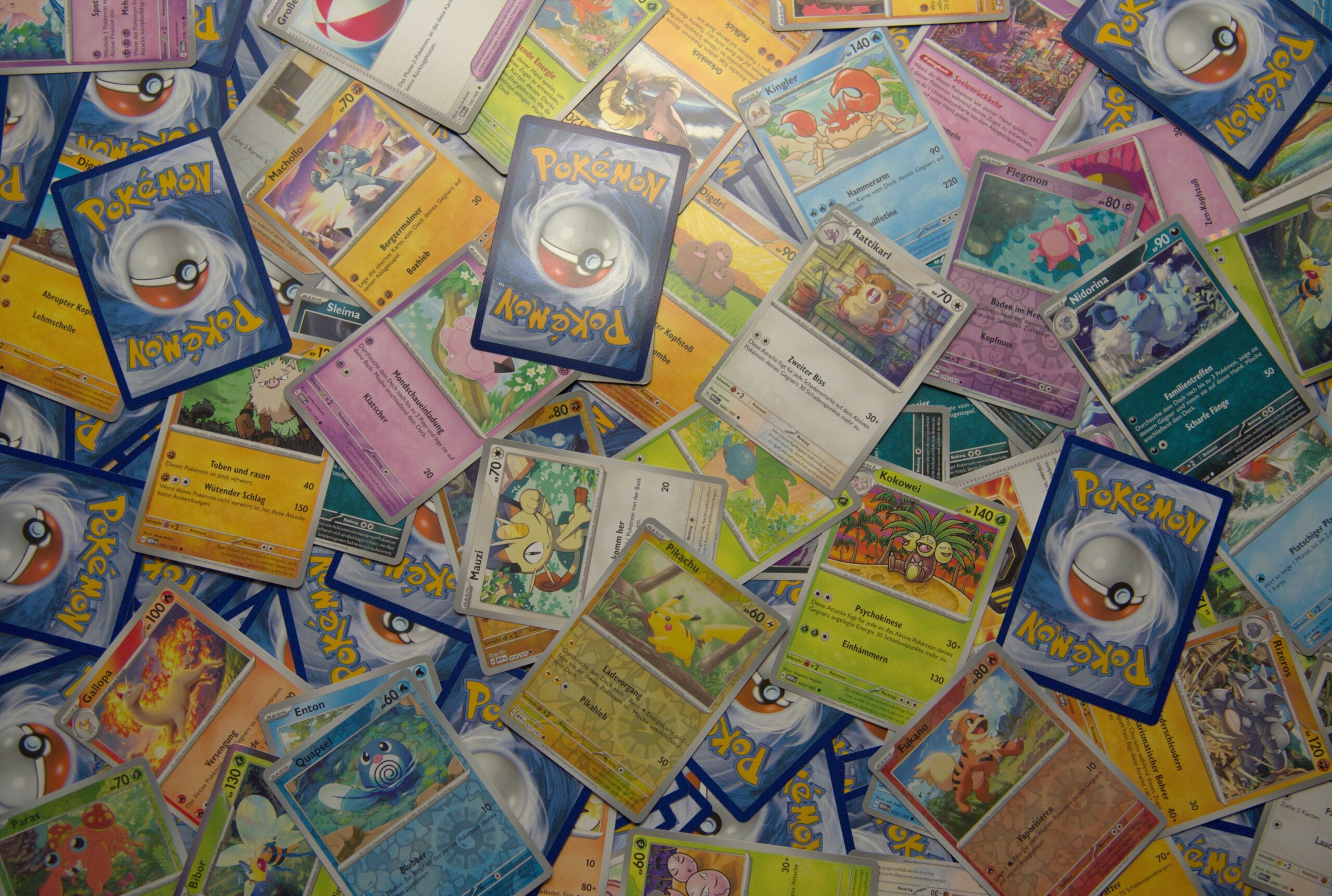
Price alone does not explain these sales. Each card carries a narrative that buyers internalize.
A withdrawn print run, a misunderstood rookie, a one-of-one artifact, or a prize never meant for sale all add layers of meaning. These stories circulate within collecting communities, reinforcing belief.
When a card sells for a record amount, it rarely feels sudden. It feels like confirmation of a story people already accepted.
Why These Cards Endure
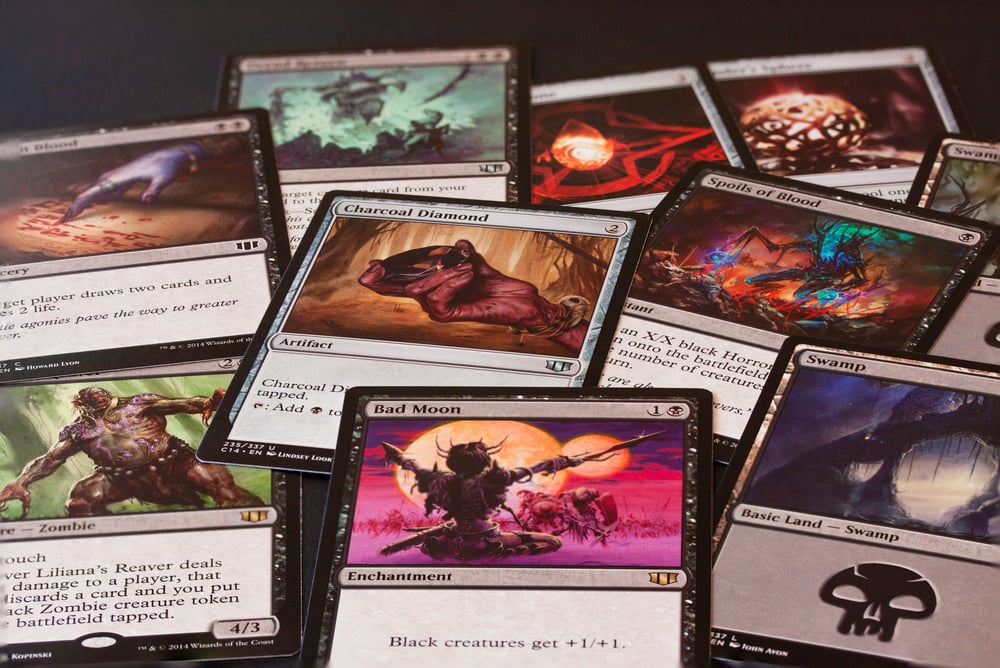
Pricey playing cards blur the line between stuff and meaning. Real to touch, easily damaged, limited in number.
Yet each one captures an instant where skill met chance and cultural waves crossed. One moment made it solid.
When markets jump and tastes change, these cards still matter. Held up as markers of what counts.
Even when numbers climb higher, the tales stick around. Tucked inside tiny rectangles, big pasts survive.
What feels light can weigh a lot.
More from Go2Tutors!

- The Romanov Crown Jewels and Their Tragic Fate
- 13 Historical Mysteries That Science Still Can’t Solve
- Famous Hoaxes That Fooled the World for Years
- 15 Child Stars with Tragic Adult Lives
- 16 Famous Jewelry Pieces in History
Like Go2Tutors’s content? Follow us on MSN.



