17 Time Zones That Break Standard Rules
Most people assume time zones follow neat, predictable patterns—each one an hour apart, running in tidy vertical strips across the globe. Reality? It’s far messier and way more interesting than that textbook version we all memorized in school.
Politics, geography, economics, and sometimes just plain stubbornness have created a collection of time zones that completely ignore conventional wisdom. Here is a list of 17 time zones that break the standard rules.
Newfoundland Time Zone

Canada’s Newfoundland runs on its own schedule—30 minutes ahead of Atlantic Time rather than a full hour. When time zones were being standardized, Newfoundland wanted to stay close to its natural solar time while remaining practical for mainland communication.
The island’s longitude puts it naturally between two standard time zones, so splitting the difference made perfect sense to locals. Everyone else still gets confused.
Central European Time in Spain
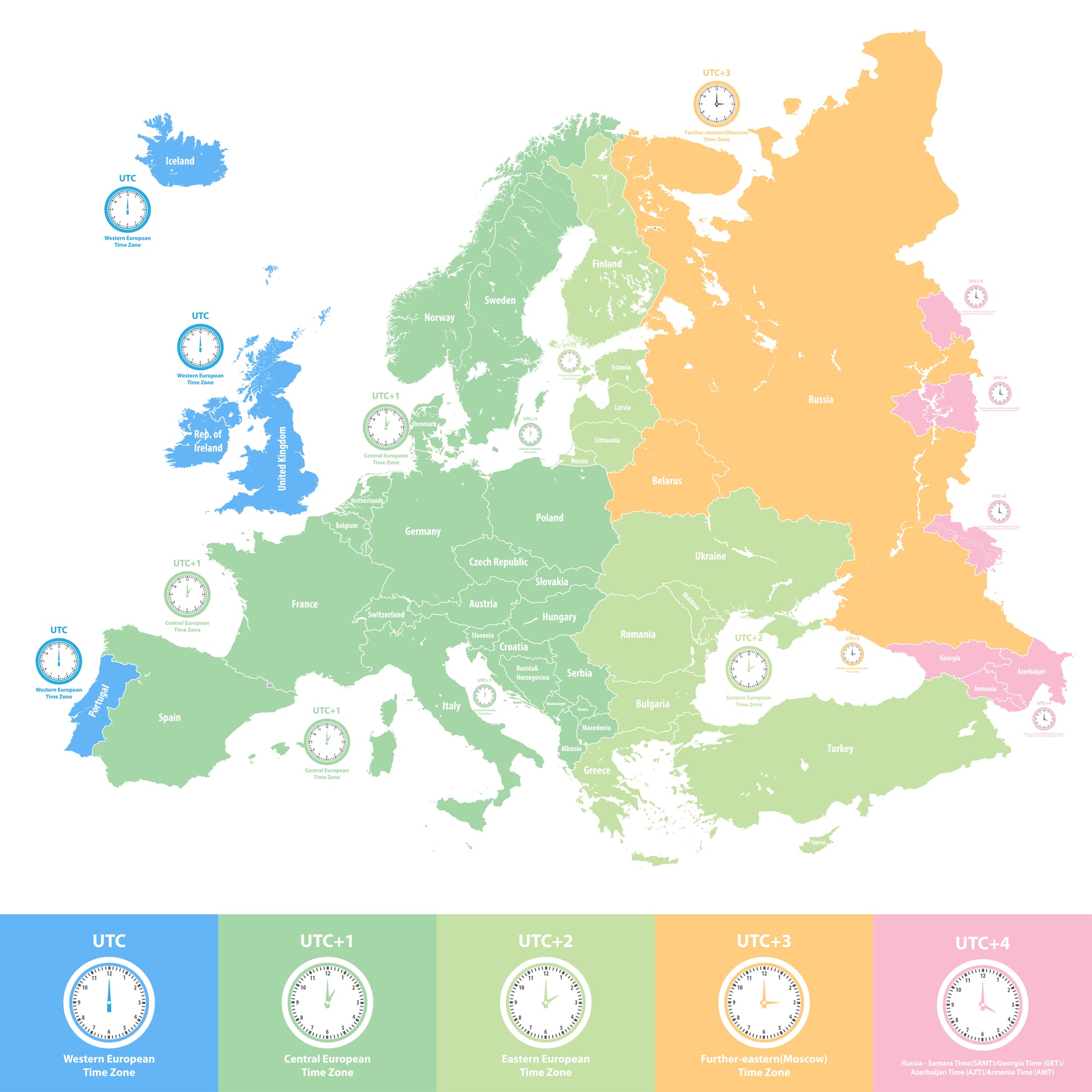
Spain should logically follow the same time as Britain, considering their similar longitude positions. Instead, the country runs on Central European Time—putting it an hour ahead of where the sun suggests it should be.
This quirk dates back to World War II when dictator Francisco Franco aligned Spain’s clocks with Nazi Germany as a political gesture. The change stuck long after the war ended.
Spaniards now eat dinner at 10 PM and watch the sun set near midnight in summer.
Lord Howe Island Time
This small Australian island operates on a time zone that shifts by just 30 minutes during daylight saving time—rather than the standard full hour. From October to April, Lord Howe Island moves from UTC+10:30 to UTC+11:00.
It’s the only place in the world with this unique half-hour daylight saving adjustment, chosen to accommodate the island’s delicate ecosystem and small population’s preferences.
Nepal Time Zone
Nepal runs 15 minutes ahead of Indian Standard Time—creating one of the world’s most unusual time offsets at UTC+5:45. This quarter-hour difference was established to assert the country’s independence from India while creating a time zone that better matches Nepal’s geographical position.
The decision reflects Nepal’s desire to maintain its distinct identity yet still be practical for regional business.
Chatham Islands Time

New Zealand’s Chatham Islands operate 45 minutes ahead of mainland New Zealand time—another unique quarter-hour offset. The islands sit far enough east that they experience sunrise significantly earlier than the main islands.
This offset makes practical sense for daily life, though it creates scheduling headaches for mainland businesses.
China’s Single Zone

Despite spanning five geographical time zones from east to west, all of China operates on Beijing Time. The sun rises as late as 10 AM in western regions like Xinjiang—where locals often operate on unofficial local time for daily activities while using Beijing Time for official business.
This single time zone policy was implemented to promote national unity, though it creates significant practical challenges for people living thousands of miles from the capital.
India’s Unified Time

India stretches across nearly 30 degrees of longitude but maintains a single time zone throughout the entire country. Sunrise in eastern states like Assam occurs nearly two hours before it does in western Gujarat—yet everyone follows the same clock.
The unified time zone was chosen during independence to promote national cohesion, even though it means millions of Indians live significantly out of sync with their natural daylight patterns.
Russia’s Kaliningrad
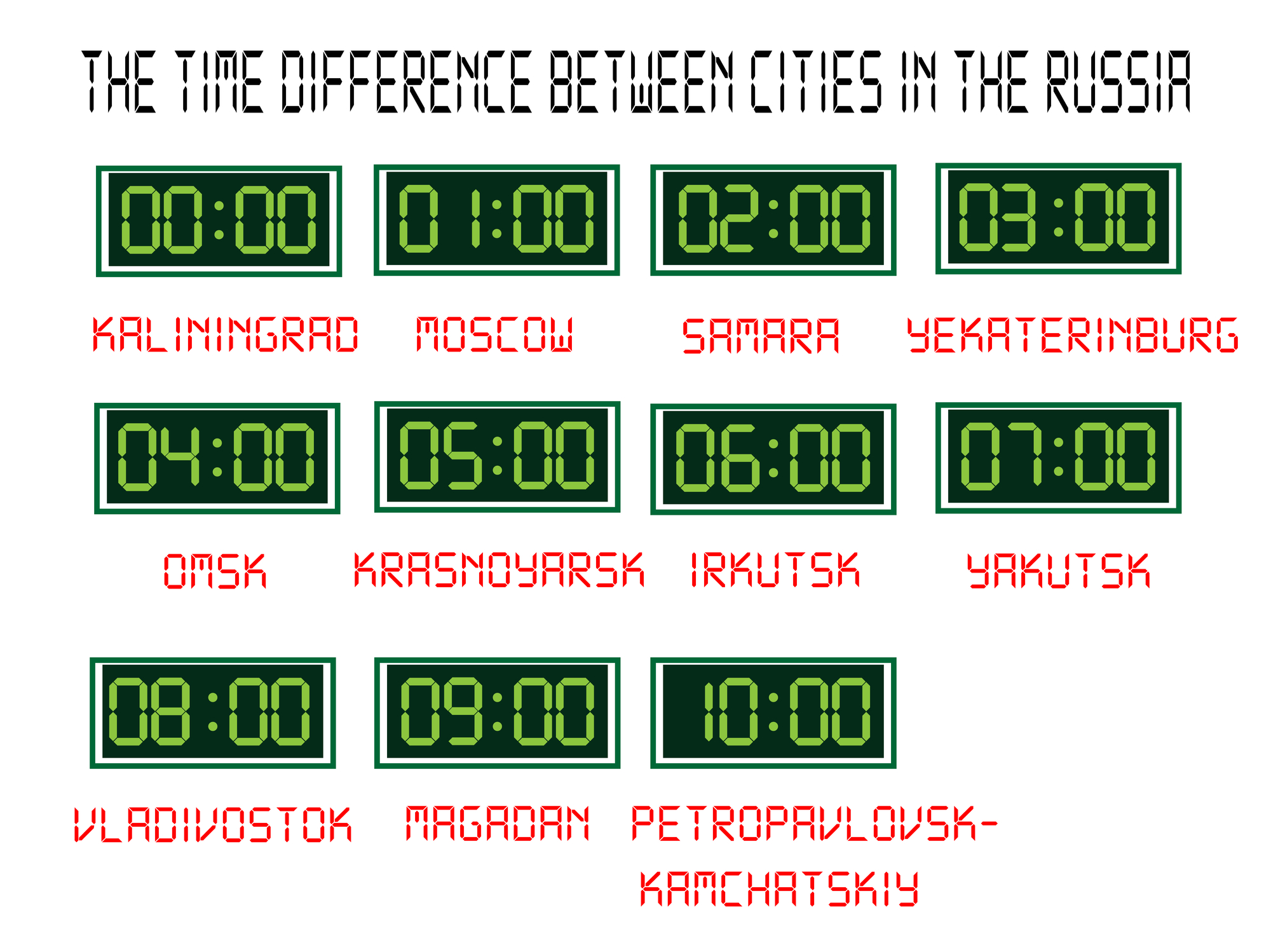
This Russian territory sits between Poland and Lithuania—completely separated from mainland Russia—yet it maintains Moscow Time minus one hour. Kaliningrad’s time zone puts it in sync with Central European Time, which makes geographical sense.
However, the political decision to keep it tied to Russian timekeeping creates an unusual situation where the territory operates on a different schedule than its immediate neighbors.
Iran’s 30-Minute Offset

Iran operates on UTC+3:30—putting it 30 minutes ahead of the Arabian Peninsula and 30 minutes behind Afghanistan. This half-hour offset was chosen to better align with the country’s solar time while maintaining some coordination with neighboring regions.
The decision reflects Iran’s desire to establish its own distinct temporal identity.
Afghanistan’s Unique Position

Afghanistan runs on UTC+4:30—creating a 30-minute buffer between Iran to the west and Pakistan to the east. This half-hour offset means Afghanistan stays out of sync with most neighbors, but it places the country closer to its natural solar time.
The time zone choice reflects Afghanistan’s geographical position and its historical desire to maintain independence from larger neighboring powers’ timekeeping decisions.
Myanmar’s 30-Minute Gap

Myanmar operates on UTC+6:30, sitting 30 minutes ahead of Bangladesh and 30 minutes behind Thailand. This unusual offset was adopted to distinguish Myanmar’s time from that of its neighbors while still maintaining some practical coordination for regional business.
The half-hour difference gives Myanmar its own distinct temporal identity in Southeast Asia, though it complicates scheduling for international dealings.
North Korea’s Brief Experiment

North Korea created its own time zone in 2015, setting clocks 30 minutes behind South Korea to establish ‘Pyongyang Time.’ The change was meant to remove Japanese colonial influence, since both Koreas had been using Japan Standard Time since the occupation period.
North Korea abandoned this experiment in 2018 when diplomatic relations with South Korea improved, returning to the same time zone as the South for practical coordination.
Arizona’s Daylight Saving Rebellion

Most of Arizona refuses to observe daylight saving time, staying on Mountain Standard Time year-round while the rest of the Mountain Time Zone shifts forward in spring. Arizona effectively operates on Pacific Time during summer months when other states ‘spring forward.’
The decision was made because additional evening daylight would increase air conditioning costs during Arizona’s brutal summers, making the time change economically counterproductive.
Saskatchewan’s Complicated Choice

Most of Saskatchewan stays on Central Standard Time year-round, refusing to observe daylight saving time like most of Canada. Some border communities follow their neighboring provinces’ time changes, creating pockets of different time observance within the same province.
Saskatchewan effectively operates on Mountain Time during summer when other provinces shift forward, but maintains Central Time during winter.
Hawaii’s Permanent Standard

Hawaii operates on Hawaii-Aleutian Standard Time year-round, never observing daylight saving time. The islands’ tropical location near the equator means daylight hours remain relatively consistent throughout the year, making seasonal time changes unnecessary.
This puts Hawaii increasingly out of sync with the mainland United States as seasons change, but the consistent schedule better matches the islands’ natural rhythms.
Samoa’s Date Line Jump
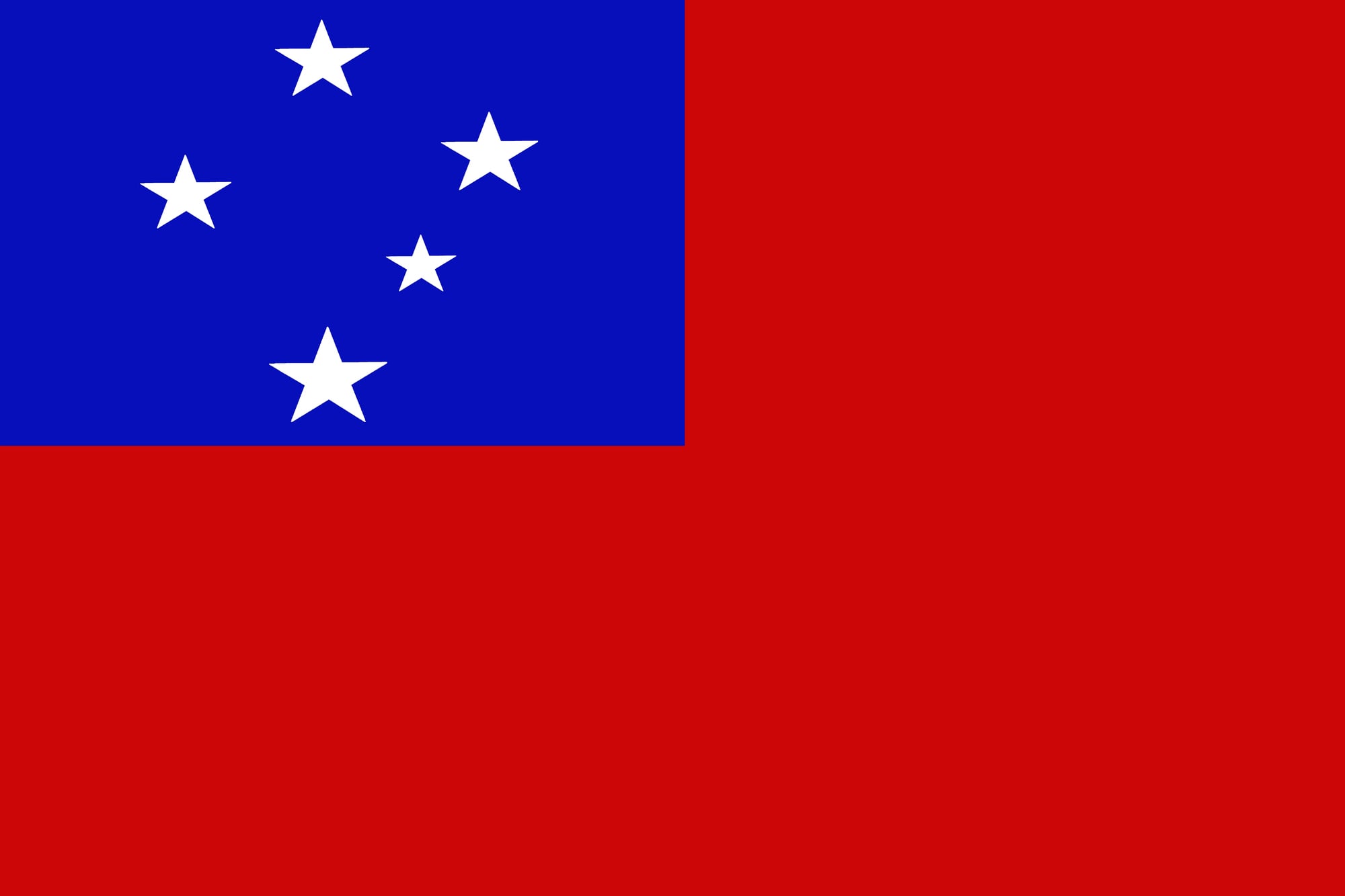
Samoa made international headlines in 2011 when it jumped across the International Date Line, skipping December 30th entirely to align with major trading partners Australia and New Zealand. The change moved Samoa from UTC-11 to UTC+13, effectively moving the country 24 hours into the future overnight.
This dramatic shift was made for economic reasons, allowing Samoa to conduct business on the same day as its primary trading partners rather than being nearly a full day behind.
Kiribati’s Extended Day

The island nation of Kiribati stretches across three time zones but chose to operate entirely on UTC+12 to UTC+14 to keep the whole country on the same calendar day. This decision means some parts of Kiribati are among the first places on Earth to see each new day, despite being geographically positioned where they would naturally be among the last.
The change unified the country’s business operations and eliminated the confusion of having different dates across the island chain.
Time’s Endless Complexity

These unusual time zones prove that human decisions often override natural patterns when organizing our days. Political boundaries, economic needs, and cultural identity frequently matter more than astronomical logic in determining when people set their clocks.
What started as a simple system based on the sun’s position has evolved into a complex web of compromises that reflects our interconnected yet stubbornly independent world. The result? A global timekeeping system that’s far more interesting than any textbook could capture.
More from Go2Tutors!

- The Romanov Crown Jewels and Their Tragic Fate
- 13 Historical Mysteries That Science Still Can’t Solve
- Famous Hoaxes That Fooled the World for Years
- 15 Child Stars with Tragic Adult Lives
- 16 Famous Jewelry Pieces in History
Like Go2Tutors’s content? Follow us on MSN.



