15 Latin Phrases To Use To Make You Sound Smarter
Though nobody speaks Latin at the dinner table anymore, its fingerprints linger across how we write laws, name species, discuss ideas. Phrases born long before electricity now surface in reports, essays, debates without notice.
Used with care, those fragments sharpen meaning – lending weight, exactness, an air of quiet authority – to words strung together every day. Still, slipping in a bit of Latin feels smooth only if it fits without effort.
When picked well, those old words wrap up thoughts neatly – tight, like a bow on paper tied just once. A fresh peek into a few old Latin expressions still shaping how we speak today.
Carpe Diem

‘Carpe diem’ is one of the most widely recognized Latin phrases, often translated as ‘seize the day.’ The expression originates from the Roman poet Horace, who used it to encourage readers to make the most of the present moment.
Over time, it has become a reminder to appreciate opportunities while they are available. The phrase often appears in motivational contexts or reflective writing.
Its enduring popularity comes from its simple but powerful message: life moves quickly, and moments of possibility should not be wasted.
Ad Hoc

‘Ad hoc’ describes something created for a specific purpose or situation. The phrase literally translates to ‘for this,’ and it is frequently used in professional or organizational settings.
Committees, teams, or solutions developed to address a single issue are often described as ad hoc. The term adds a sense of precision when discussing temporary arrangements.
Instead of describing something in a lengthy explanation, the phrase neatly captures the idea of a targeted, purpose-built solution.
Alter Ego

The phrase ‘alter ego’ means ‘another self’ and is often used to describe a secondary identity or personality. In literature and psychology, it may refer to a character who reflects a different side of someone’s nature.
In everyday conversation, the phrase sometimes describes a creative persona or professional identity. Writers, performers, and artists often adopt an alter ego that allows them to express ideas or attitudes that differ from their usual public image.
Bona Fide

‘Bona fide’ translates to ‘in good faith’ and is used to describe something genuine or authentic. When a claim, document, or opportunity is described as bona fide, it means it is legitimate and trustworthy.
The phrase appears frequently in legal and professional communication because it conveys credibility without sounding overly technical. Even in casual conversation, describing something as bona fide signals that it is the real thing.
De Facto

The expression ‘de facto’ refers to something that exists in reality even if it has not been officially recognized. The phrase translates loosely to ‘in fact’ and is often used when describing situations that develop naturally over time.
For example, a person might become the de facto leader of a group simply because others rely on their guidance. The term highlights the difference between formal authority and the influence that emerges through everyday actions.
Et Cetera

‘Et cetera,’ commonly abbreviated as ‘etc.,’ means ‘and the rest’ or ‘and other things.’ The phrase helps shorten lists when additional items follow the same pattern.
Although it appears frequently in writing, the full Latin version carries a slightly more polished tone. When used sparingly, it allows speakers and writers to avoid unnecessary repetition while keeping their message clear.
In Situ

‘In situ’ means ‘in its original place.’ The phrase is widely used in science, archaeology, and art conservation to describe objects that remain exactly where they were discovered.
For example, an artifact found during an excavation may be studied in situ to better understand its historical context. The phrase highlights the importance of preserving an item within its natural or original environment.
Per Se

The phrase ‘per se’ means ‘by itself’ or ‘in and of itself.’ It helps clarify that something is being considered independently rather than in relation to other factors.
For example, a decision may not be problematic per se, but it could lead to complications under certain circumstances. The phrase allows speakers to separate the core idea from the broader context surrounding it.
Tabula Rasa

‘Tabula rasa’ translates to ‘blank slate.’ Philosophers have used the phrase to describe the idea that individuals begin life without predetermined knowledge and develop understanding through experience.
Today, the expression often appears in discussions about fresh starts or new beginnings. When someone approaches a situation with a tabula rasa mindset, they are setting aside assumptions and viewing the issue with open curiosity.
Status Quo
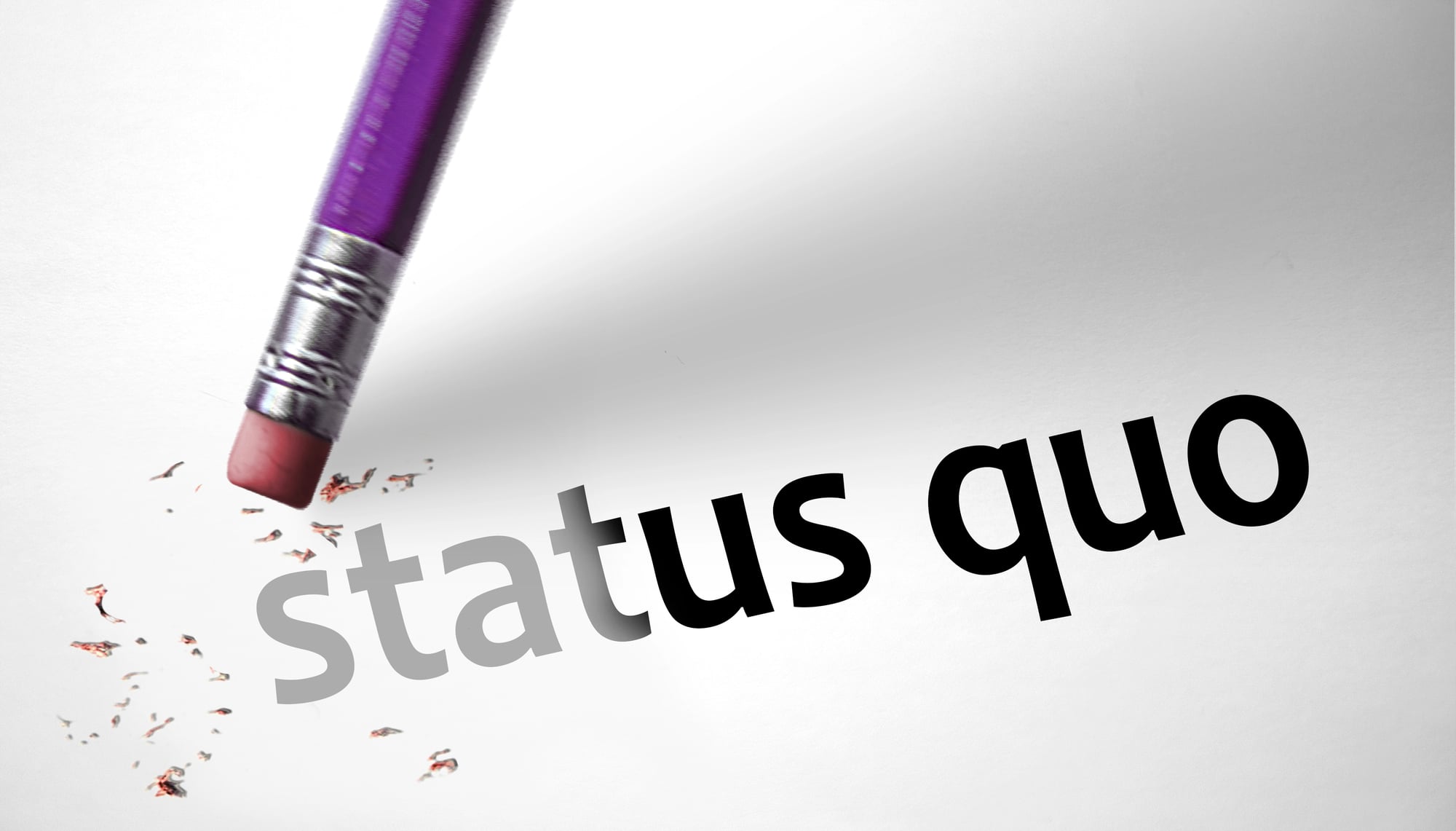
‘Status quo’ refers to the existing state of affairs. The phrase is often used when discussing whether to maintain current conditions or pursue change.
Political debates and organizational discussions frequently reference the status quo when evaluating potential reforms. The expression neatly captures the idea of established norms that continue unless challenged.
Mea Culpa
‘Mea culpa’ translates to ‘my fault’ or ‘my mistake.’ The phrase originated in religious contexts but later entered everyday language as a way to acknowledge responsibility.
Using the phrase adds a slightly formal tone to an apology or admission of error. Rather than offering a lengthy explanation, it conveys accountability with direct simplicity.
A Priori

The phrase ‘a priori’ describes knowledge or reasoning that exists independently of experience. Philosophers often use the term when discussing ideas that can be understood through logic alone.
In modern writing, the phrase sometimes appears in analytical discussions to describe assumptions made before examining evidence. It signals that an argument or conclusion was reached through reasoning rather than observation.
A Posteriori

‘A posteriori’ is often paired with a priori in philosophical discussions. While a priori reasoning comes before experience, a posteriori knowledge develops through observation and evidence.
The phrase appears in academic writing, scientific research, and thoughtful analysis. It highlights conclusions that arise after examining real-world data or practical outcomes.
Veni, Vidi, Vici

Perhaps one of the most dramatic Latin phrases in history, ‘veni, vidi, vici’ translates to ‘I came, I saw, I conquered.’ The phrase is traditionally attributed to Julius Caesar after a swift military victory.
Today, the expression is often used humorously or metaphorically to describe completing a challenge quickly and successfully. Its rhythmic structure and historical roots make it one of the most memorable Latin expressions still used today.
Quid Pro Quo

‘Quid pro quo’ translates to ‘something for something.’ The phrase describes an exchange in which one favor or benefit is given in return for another.
The expression appears frequently in legal discussions, business negotiations, and everyday conversation. It captures the idea of mutual exchange in a concise and recognizable way.
Why Latin Still Shapes Modern Language
Out here, Latin sayings stick around by packing big thoughts into small packages. Through waves of language shifts, plenty have lasted simply by saying more with less.
Take ‘status quo’ or ‘per se’ – one tiny phrase does the job of an entire line. Though today’s world leans on new ways of speaking, these phrases hold their ground.
From old books to deep ideas, they bridge now with then. Their presence lingers, shaped by long years of thought, written pages, because meaning sticks across time.
When used with care, Latin expressions add depth beyond mere show of learning. Language stays alive because it pulls wisdom from earlier times, turning old forms into something useful now.
More from Go2Tutors!

- The Romanov Crown Jewels and Their Tragic Fate
- 13 Historical Mysteries That Science Still Can’t Solve
- Famous Hoaxes That Fooled the World for Years
- 15 Child Stars with Tragic Adult Lives
- 16 Famous Jewelry Pieces in History
Like Go2Tutors’s content? Follow us on MSN.