Forgotten Mall Stores Every Teen Knew
The mall was its own universe back then. Between the food court and the anchor stores, a whole ecosystem of smaller shops thrived in that fluorescent-lit space where teenagers spent their weekends.
These weren’t the big department stores that everyone remembers — they were the quirky, specialized retailers that somehow made perfect sense squeezed between a pretzel stand and a jewelry kiosk. Most of these stores have vanished completely now, casualties of changing tastes and the rise of online shopping.
But for anyone who came of age in the mall era, just hearing their names brings back the specific feeling of wandering those corridors with friends, allowance money burning in your pocket.
Gadzooks
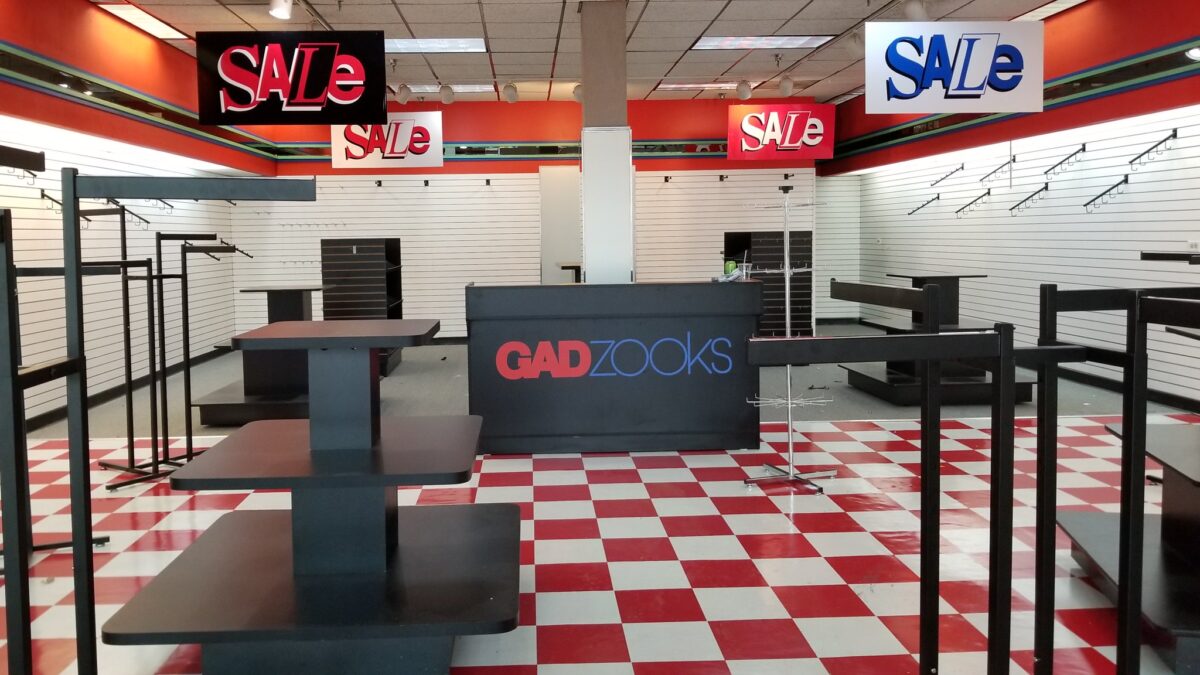
This place sold graphic tees before graphic tees were everywhere. The walls were packed floor to ceiling with shirts featuring band logos, cartoon characters, and slogans that seemed hilarious at fourteen.
Gadzooks understood something important about teenage identity: you needed the right shirt to announce exactly who you were that week.
Sam Goody
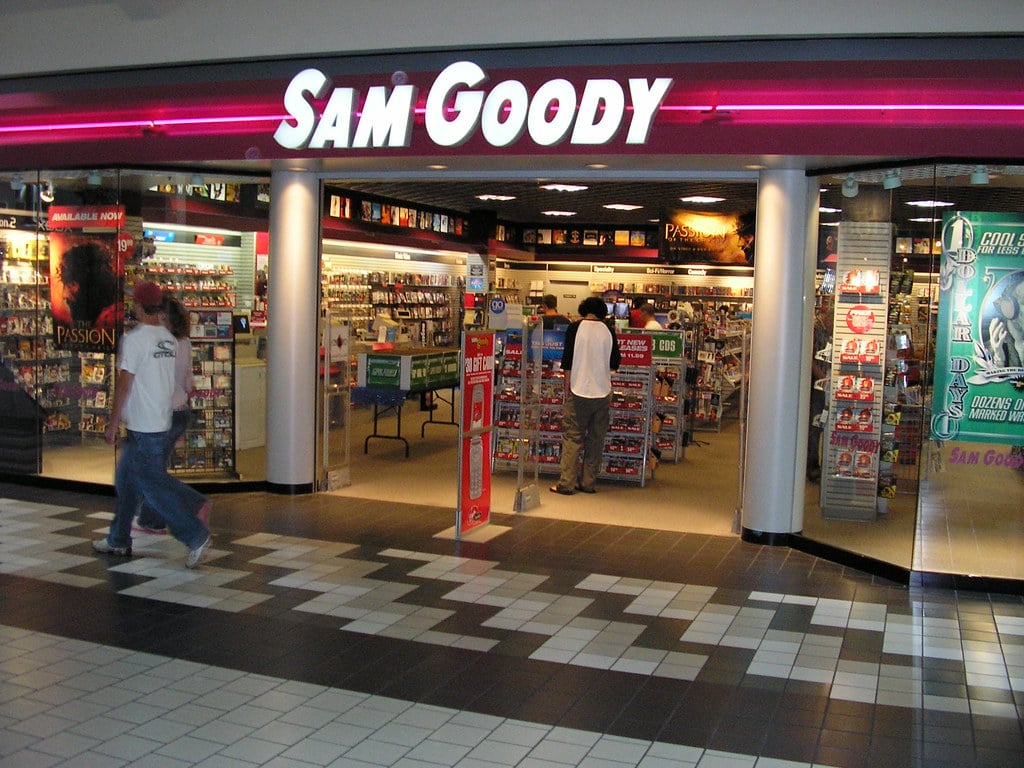
Record stores had a particular energy that’s hard to explain to anyone who never experienced it. You could spend an hour flipping through CDs, reading liner notes, discovering new bands through the “customers who bought this also bought” displays that existed in physical form.
The listening stations let you preview albums through chunky headphones that probably hadn’t been cleaned in months. When Sam Goody started disappearing from malls, it felt like losing something essential — not just a store, but a way of discovering music that required time and curiosity rather than an algorithm’s suggestion.
Spencer’s
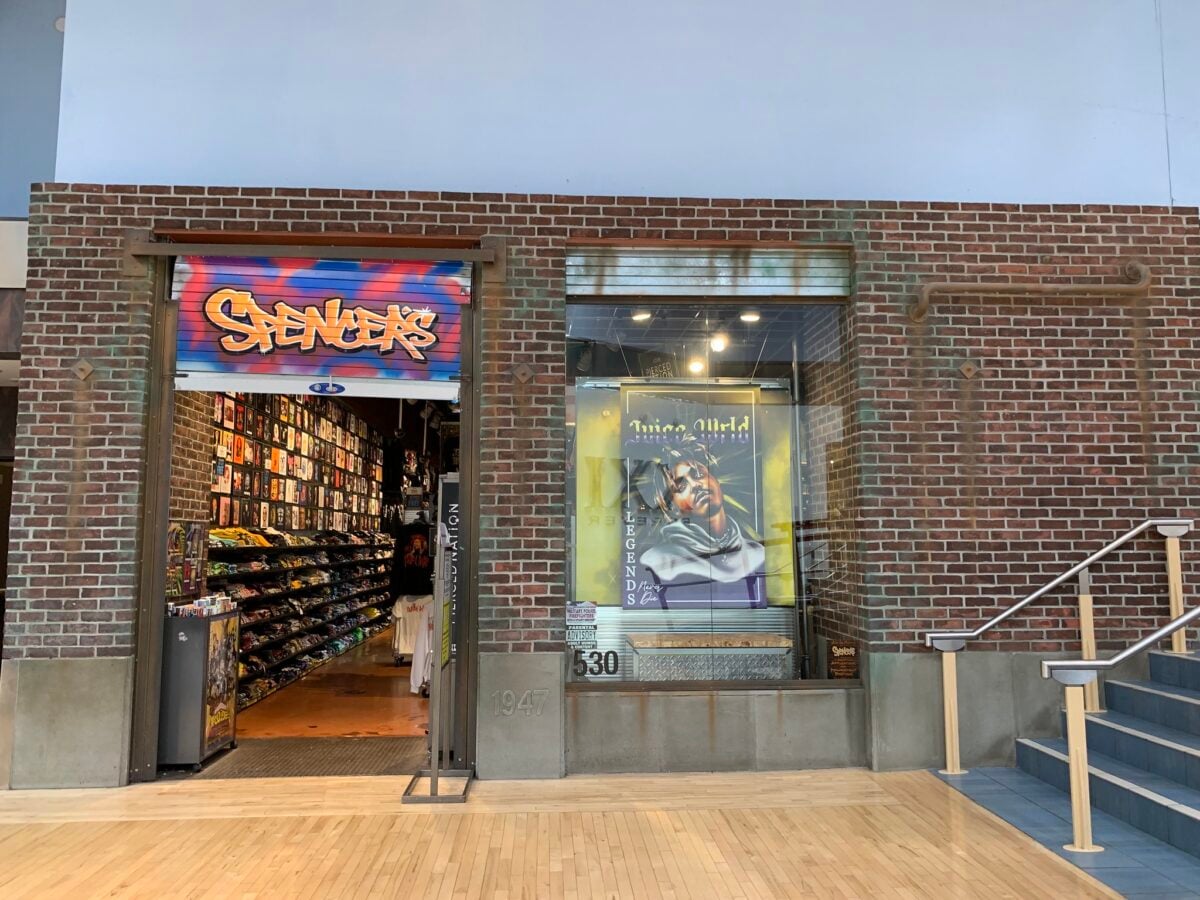
Spencer’s occupied a strange space between novelty shop and head shop, somehow managing to be both completely inappropriate and completely irresistible to teenagers. The back section (which everyone called “the back section” with knowing emphasis) was off-limits until you turned eighteen, but the front was full of lava lamps, black light posters, and gag gifts that seemed essential at the time.
The store had this slightly forbidden quality that made even buying a simple poster feel like you were getting away with something.
Structure
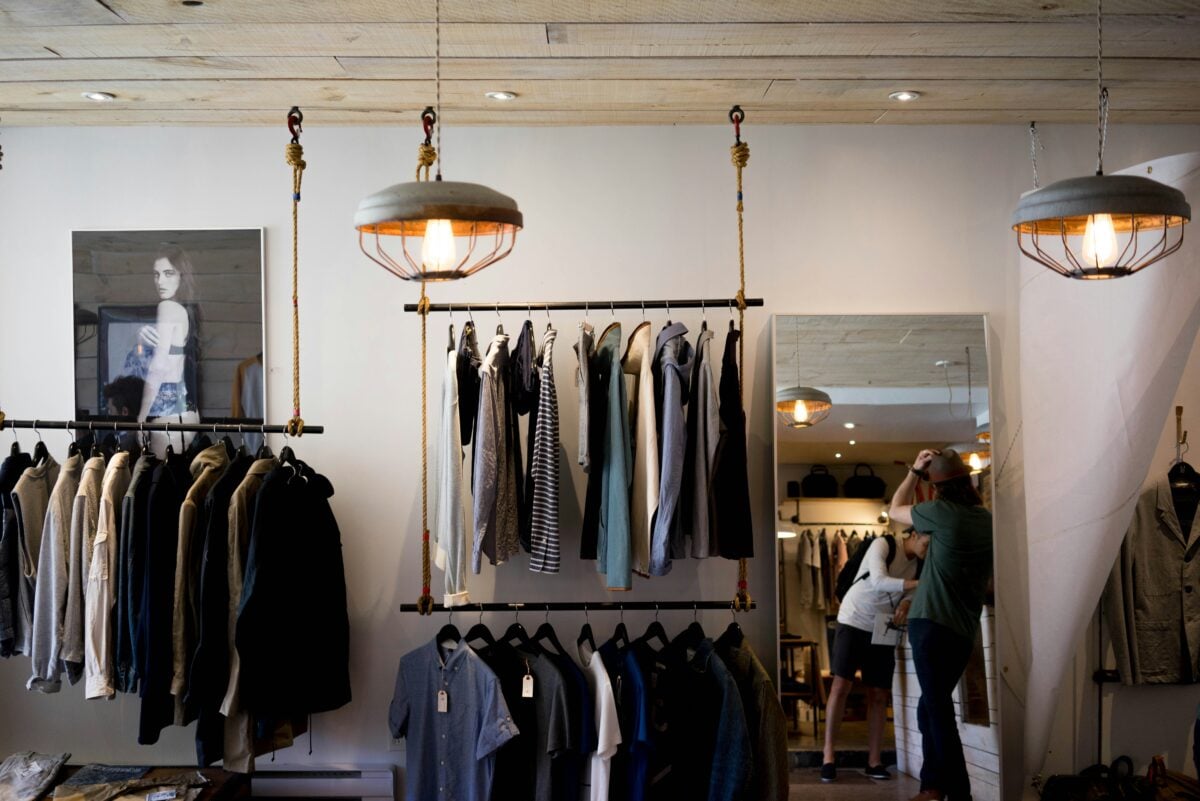
Before there was a Men’s Wearhouse on every corner, Structure filled the gap between department store formality and mall casual. This was where teenage guys learned what “business casual” meant and bought their first real dress shirts.
The store had a clean, minimalist aesthetic that felt grown-up without being intimidating. Structure understood that seventeen-year-old guys needed clothes that worked for job interviews and dinner with grandparents — occasions that required looking more put-together than usual but not necessarily formal.
The Wall
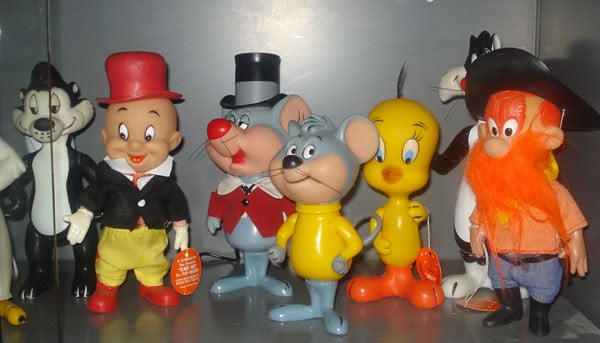
Disney stores were everywhere, but The Wall was different — it was entirely dedicated to Warner Brothers characters, particularly the Looney Tunes crew who were having their big comeback moment in the 90s. Tweety Bird merchandise dominated entire wall sections (hence the name), but you could also find Bugs Bunny basketball jerseys and Tasmanian Devil everything.
The store capitalized on that specific moment when cartoon characters crossed over from kid stuff to ironic teen fashion. Wearing a Sylvester t-shirt was a way of being nostalgic and cool simultaneously.
Camelot Music
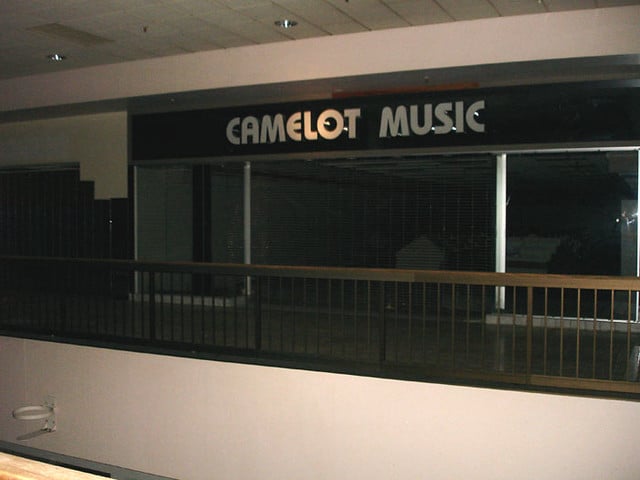
Another record store, but with a different personality than Sam Goody. Camelot felt slightly more alternative, the kind of place where you might discover an underground band or find an import single that wasn’t available anywhere else.
The staff typically had strong opinions about music and weren’t shy about sharing them. These music stores served as informal cultural gatekeepers, and Camelot positioned itself as the slightly cooler, more discerning option for teenagers who took their musical taste seriously.
Contempo Casuals
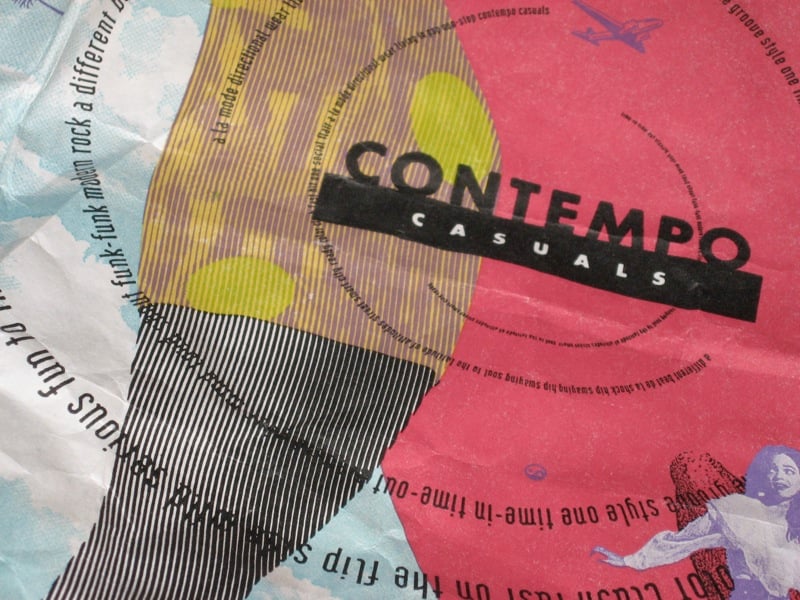
Fast fashion before anyone called it that, Contempo sold trendy clothes that looked current for exactly one season. The store had a club-like atmosphere with loud music and dim lighting that made trying on clothes feel like an event rather than a chore.
Musicland
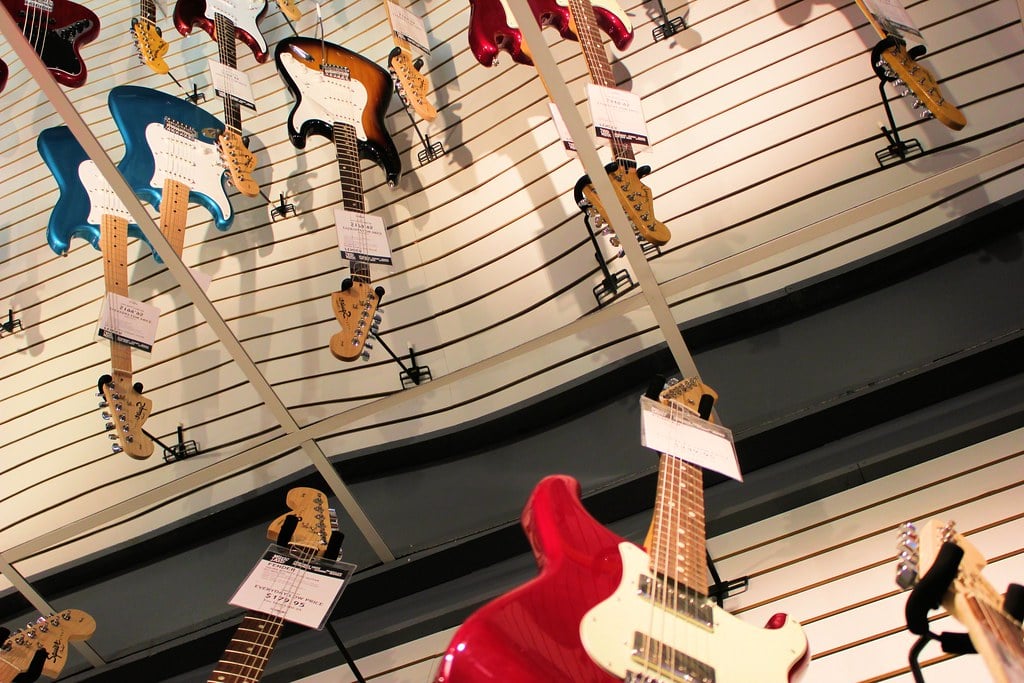
Yet another music retailer, because apparently malls could support three or four record stores simultaneously back then. Musicland was the reliable middle option — not as mainstream as Sam Goody, not as alternative as Camelot, just a solid place to buy the new release you’d been waiting for.
The fact that these stores could coexist in the same mall says something about how much physical music sales supported the entire ecosystem. Everyone was buying CDs constantly.
Chess King
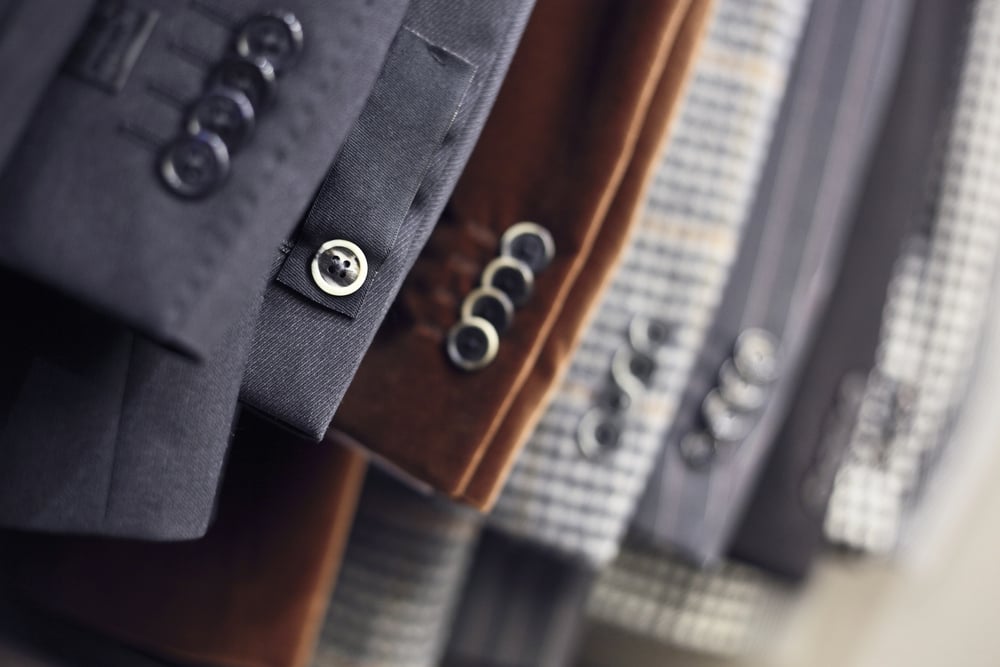
This store specialized in what could charitably be called “urban fashion” but was really just flashy clothes that regular suburban teenagers thought looked cool. Shiny track suits, oversized jerseys, and accessories that added maximum visual impact to any outfit.
Chess King understood that part of being a teenager involves experimenting with looks that seem ridiculous in hindsight but feel absolutely essential at the time.
Tape World
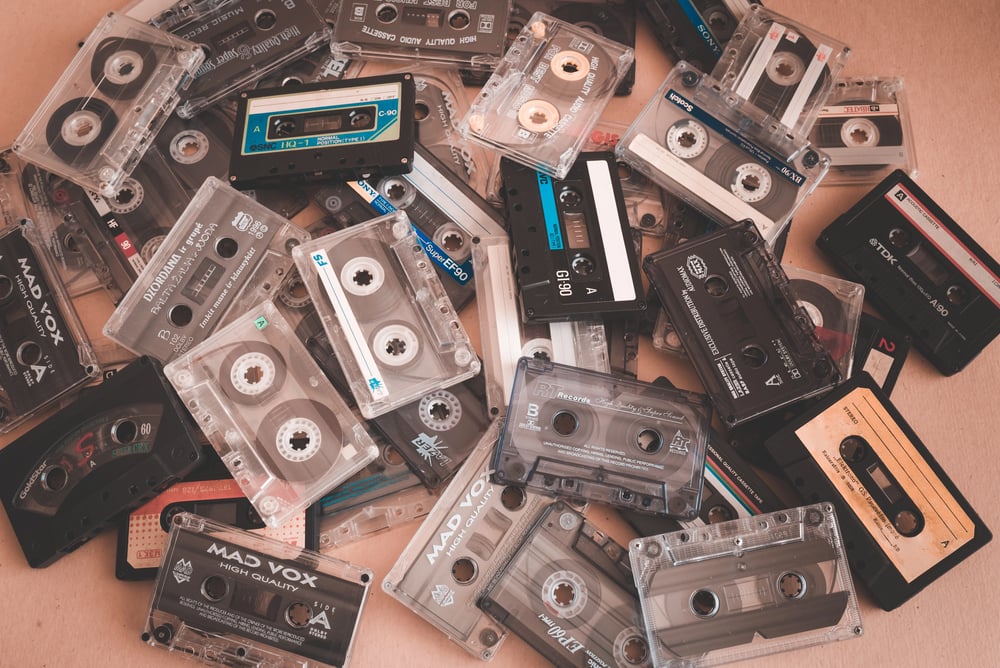
Even more specialized than the regular record stores, Tape World focused specifically on cassettes and later expanded into CDs. The store survived longer than many competitors by embracing the discount angle — this was where you could find older releases at reduced prices.
For teenagers with limited budgets, Tape World offered a way to build a music collection without spending full retail price on everything.
Miller’s Outpost
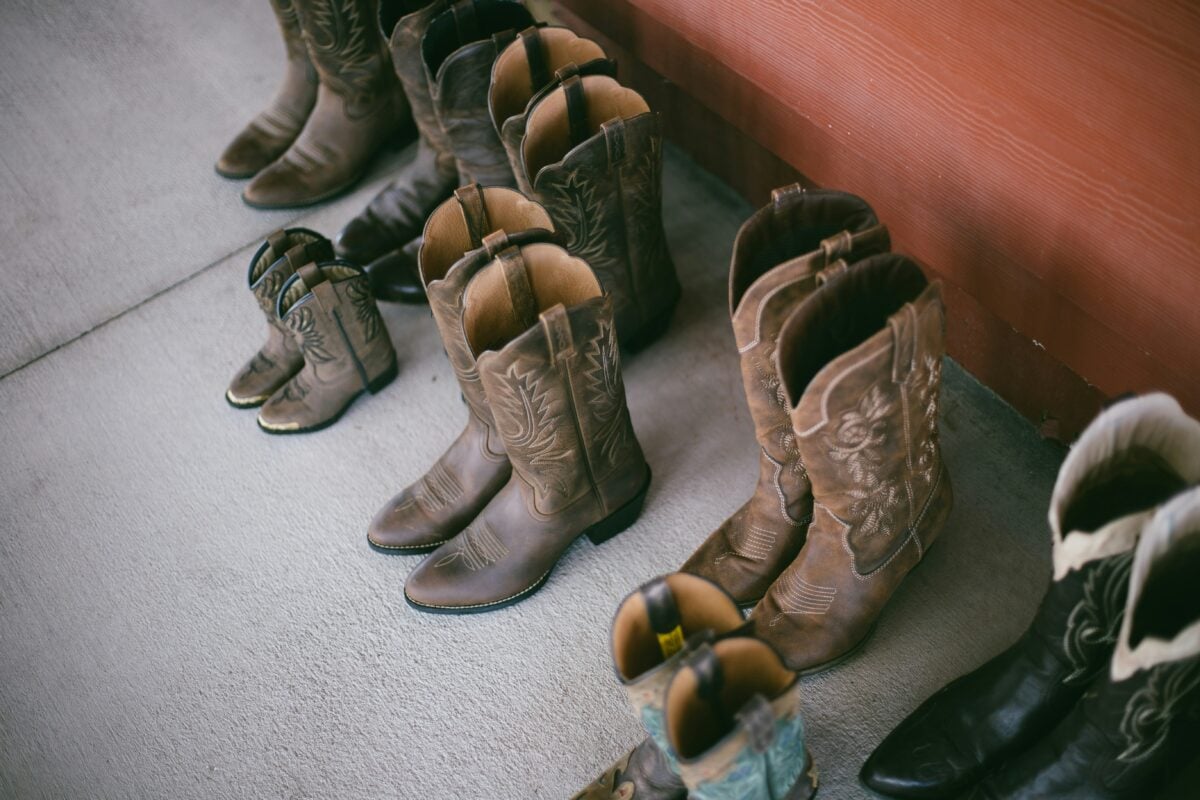
A Western-wear chain that somehow found its audience in suburban malls far from any ranch. Miller’s Outpost sold cowboy boots and denim jackets to teenagers who had never seen a cow outside of a field trip to a petting zoo.
The store tapped into something authentic about American identity even in artificial mall environments — that lingering connection to frontier imagery that shows up in unexpected places.
Merry-Go-Round
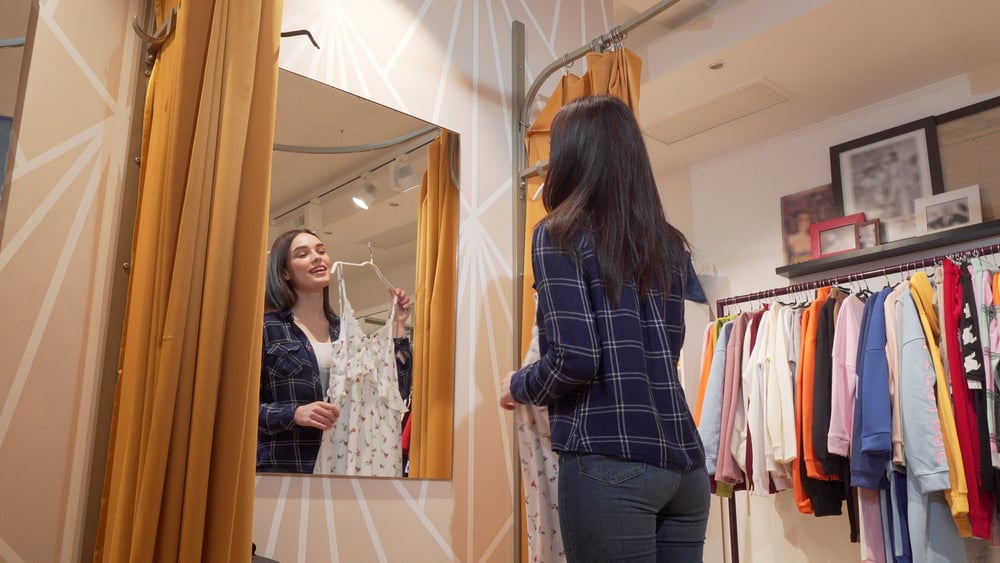
This store changed its entire identity every few months to chase whatever trend was happening. One season it would be all grunge flannel, the next it would pivot completely to rave-inspired neon. The constant reinvention was both the store’s strength and its weakness.
Merry-Go-Round understood that teenage fashion moved fast, but maybe it moved too fast even for teenagers. The store’s inability to establish a consistent identity eventually became a problem when customers couldn’t figure out what it was supposed to represent.
National Record Mart
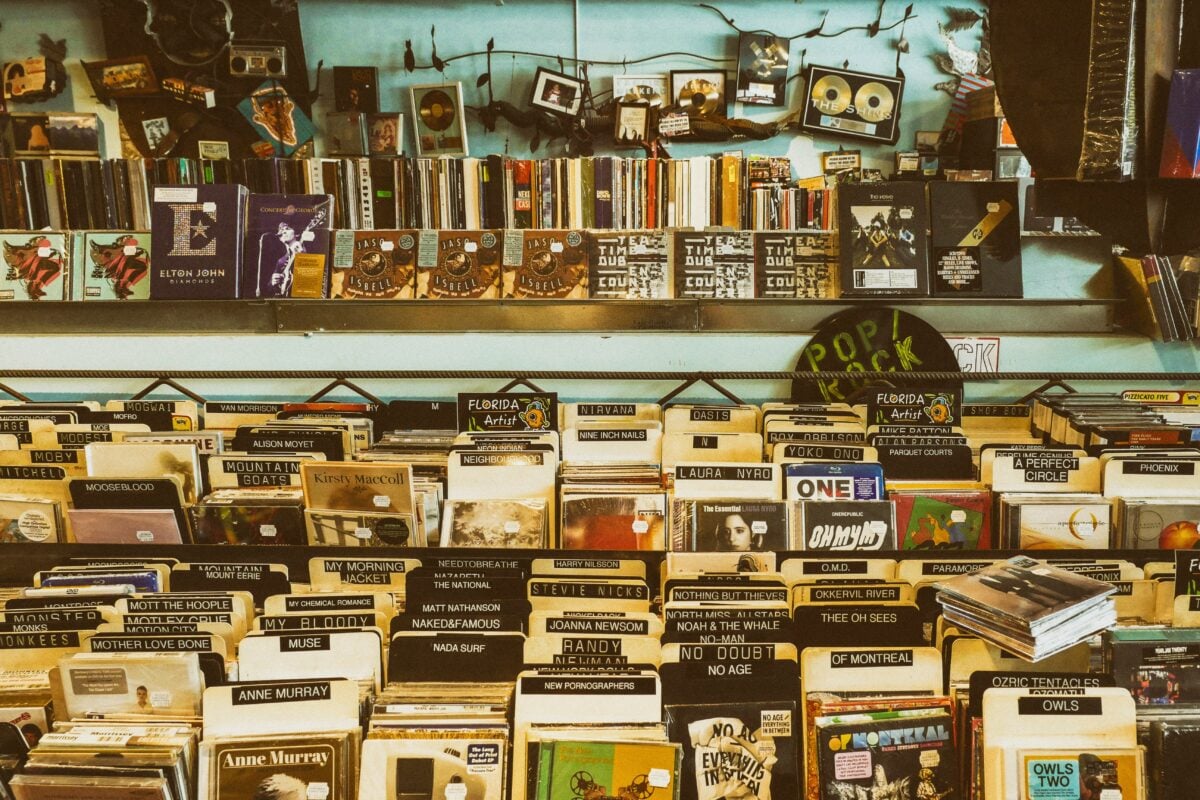
The fourth music store, because apparently that’s what malls needed. National Record Mart was the most straightforward of the bunch — decent selection, reasonable prices, no particular attitude or specialty focus. Sometimes being unremarkable was exactly what customers wanted.
These stores succeeded because they understood that buying music was a social activity as much as a consumer transaction. Teenagers needed a place to browse, discover, and make purchases that felt meaningful rather than purely functional.
Where the magic lived

Shopping malls themselves feel like artifacts now, but these smaller specialty stores were where the real character lived. They understood something about teenage psychology that bigger retailers missed — that shopping wasn’t just about buying things, but about exploring identity and belonging to something specific.
Each store offered a slightly different version of who you might become, if you just bought the right t-shirt or CD. The death of these stores wasn’t just about economics or changing technology.
It was about losing spaces designed specifically for the particular needs of teenagers figuring themselves out, one purchase at a time.
More from Go2Tutors!

- The Romanov Crown Jewels and Their Tragic Fate
- 13 Historical Mysteries That Science Still Can’t Solve
- Famous Hoaxes That Fooled the World for Years
- 15 Child Stars with Tragic Adult Lives
- 16 Famous Jewelry Pieces in History
Like Go2Tutors’s content? Follow us on MSN.