The 1963 Ferrari 250 GTO: Racing Legend That Changed Everything
Think about the most famous cars in history, and chances are good the Ferrari 250 GTO sits near the top of that list. This isn’t just another pretty sports car sitting in a garage somewhere.
The 1963 model year represents the peak of what many consider the greatest racing car ever built for the road. From its incredible racing success to its jaw-dropping auction prices today, this car has earned its place in automotive history through pure performance and timeless design.
Now let’s explore what makes this particular Ferrari so special and why collectors will pay almost anything to own one.
Only 36 cars were ever made
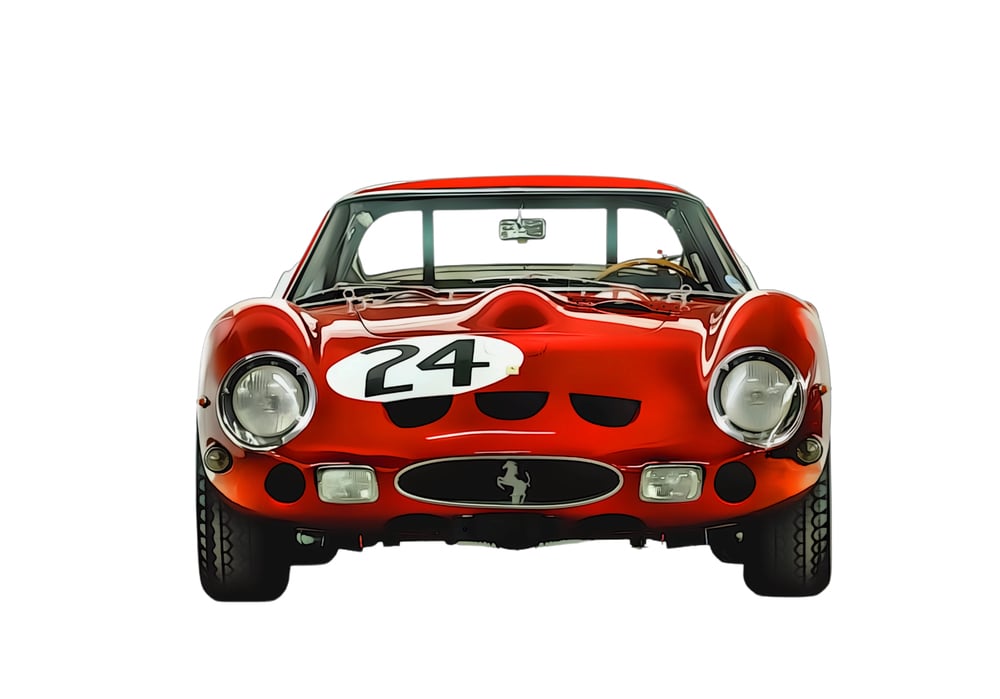
Ferrari built just 36 examples of the 250 GTO between 1962 and 1964, making it one of the rarest production cars ever created. Each car was essentially hand-built by master craftsmen in Maranello, Italy.
With only a relatively small production run of thirty-six cars, finding one for sale today is like discovering buried treasure. Ferrari didn’t mass-produce these cars because they were meant for serious racing, not casual driving.
Every single example that survives today carries incredible value because of this tiny production number.
It won three consecutive world championships

Ferrari 250 GTO: a car that went on to win the International Championship for GT Manufacturers in 1962, 1963, and 1964. No other single car model has dominated racing quite like this.
The GTO took on the best competition from Porsche, Jaguar, and other manufacturers and beat them all. Racing teams quickly learned that if they wanted to win, they needed a 250 GTO on their side.
This three-year winning streak established Ferrari’s reputation as the ultimate racing car builder and proved the GTO was in a class all by itself.
Like Go2Tutors’s content? Follow us on MSN.
The engine produces 300 horsepower from 3.0 liters

Under the hood sits a 3.0-liter V12 engine that produces around 300 horsepower, which was absolutely enormous for 1963. It was built to competition specification, which included a reinforced chassis, a competition gearbox and a Tipo 168/61 3.0 L engine tuned to 300 bhp.
The engine uses six Weber carburetors to feed fuel into twelve cylinders, creating a sound that’s pure music to car enthusiasts. Modern sports cars need turbochargers and computers to make similar power, but this Ferrari did it with nothing but mechanical precision and Italian engineering genius.
Sergio Scaglietti designed the stunning bodywork
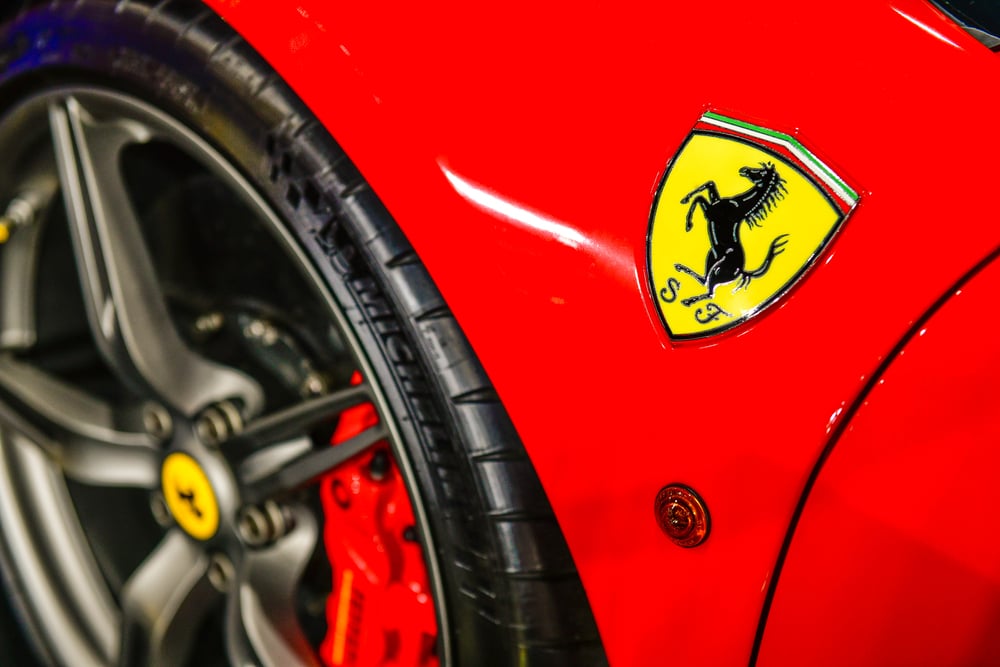
The gorgeous aluminum body came from the hands of Sergio Scaglietti, one of Italy’s greatest car designers. Every curve and line serves a purpose, whether it’s cutting through the air at high speed or cooling the massive engine underneath.
A 2,953cc Columbo V12 engine coupled to a new 5-speed gearbox with a Sergio Scaglietti-designed body on top of a 250 GT chassis. Scaglietti understood that race cars need to be both beautiful and functional, and he nailed both requirements perfectly.
The lightweight aluminum construction kept weight down while the aerodynamic shape helped the car slice through the air at racing speeds.
It could reach 174 mph in 1963

When most family cars struggled to hit 100 mph, the Ferrari 250 GTO could reach 174 mph on a long straight. This wasn’t just impressive for 1963, it was downright shocking.
The combination of aerodynamic bodywork, powerful engine, and lightweight construction made this speed possible without modern technology like fuel injection or electronic systems. Racing drivers found they could maintain these speeds for hours during endurance races, proving the car’s incredible engineering.
Even today, reaching 174 mph requires serious performance credentials.
Like Go2Tutors’s content? Follow us on MSN.
Every car was sold to approved racing drivers only

Ferrari didn’t sell these cars to just anyone with enough money. Enzo Ferrari personally approved every buyer, making sure the car would go to serious racers who would actually compete with it.
This wasn’t about exclusivity for its own sake, it was about protecting Ferrari’s racing reputation. The 1963 Ferrari 250 GTO is perhaps the most sought-after Ferrari among ridiculously wealthy collectors.
If someone bought a GTO and then crashed it or failed to maintain it properly, it could hurt the entire program. This careful selection process ensured that every car would be used as intended and maintained to the highest standards.
It won over 300 races in its competitive years

The Ferrari 250 GTO’s racing record is a testament to its engineering brilliance and adaptability. In total, the car secured: Over 300 victories across various races and series during its competitive years.
From local club races to international championships, the GTO dominated wherever it appeared. Racing drivers quickly learned that sitting behind the wheel of a 250 GTO gave them a real chance at victory, no matter who they were racing against.
This incredible win rate proved that Ferrari had created something truly special that worked on any track, in any conditions, against any competition.
The car works equally well on roads and racetracks

Unlike modern race cars that are impossible to drive on public roads, the 250 GTO was genuinely usable as both a racing machine and a weekend cruiser. It was equally at home on the road or track – perhaps the last dual purpose road/race car produced.
Owners could drive to the track, compete in a race, and then drive home for dinner. The suspension was firm enough for racing but comfortable enough for regular driving.
This dual-purpose ability made the car incredibly practical for wealthy enthusiasts who wanted one car that could do everything perfectly.
Like Go2Tutors’s content? Follow us on MSN.
One example sold for $70 million in 2018

A Tour de France-winning 1963 Ferrari 250 GTO has changed hands for a reported $70 million. This sale made it the most expensive car ever sold privately at that time.
The astronomical price reflects not just the car’s rarity, but its incredible racing history and cultural significance. When someone pays $70 million for a car, they’re buying a piece of automotive history that can never be replaced.
The fact that wealthy collectors are willing to pay these prices shows just how legendary the 250 GTO has become.
Giotto Bizzarrini engineered the incredible performance
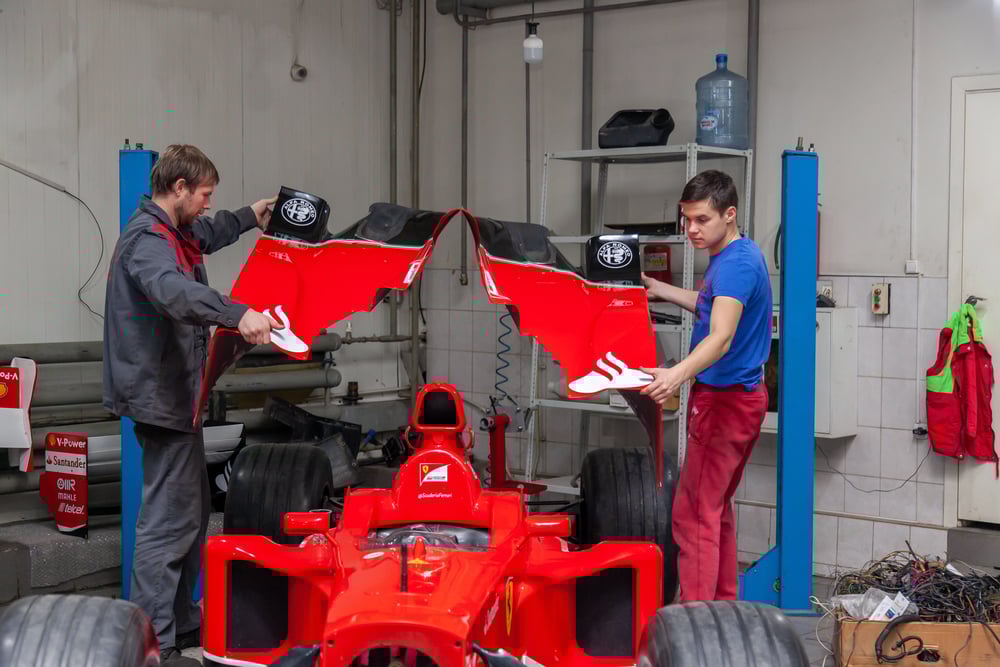
The brilliant engineer Giotto Bizzarrini was responsible for making the 250 GTO such a dominant racing machine. The GTO’s engine, designed by Giotto Bizzarrini, was key to the car’s racing dominance, delivering 240PS (237 horsepower) and 265 Nm of torque.
Bizzarrini understood exactly what racing drivers needed: reliable power, excellent handling, and the ability to run hard for hours without breaking. His engineering genius made the difference between a pretty sports car and a race-winning machine.
The technical solutions he developed for the GTO influenced Ferrari designs for decades to come.
It dominated the prestigious Tour de France race

Amongst the numerous international successes of the 250 GTO were wins in the Tour de France in 1963 and 1964. The Tour de France automobile race was one of the most challenging events in motorsport, combining high-speed racing with demanding road conditions.
Winning this race required a car that could handle everything from mountain passes to high-speed circuits. The fact that the 250 GTO won back-to-back victories proved its incredible versatility and reliability.
These victories helped establish the GTO’s reputation as the ultimate all-around racing car.
Like Go2Tutors’s content? Follow us on MSN.
The distinctive nose features aerodynamic headlight covers

The 250 GTO’s front end is instantly recognizable thanks to its low nose and unique aerodynamic features. Ferrari made clear aerodynamic lenses that covered the round headlights to enhance aerodynamics.
These covers weren’t just for looks, they actually improved airflow over the car at racing speeds. The oval grille with the famous prancing horse badge sits below, creating one of the most iconic front ends in automotive history.
Every design element serves a purpose while creating a face that’s both aggressive and beautiful.
It uses a five-speed manual transmission

When most sports cars were still using four-speed transmissions, the 250 GTO featured an advanced five-speed manual gearbox. This extra gear gave racing drivers more options for keeping the engine in its power band during long races.
A 2,953cc Columbo V12 engine coupled to a new 5-speed gearbox provided the perfect combination for both racing and road driving. The transmission was built to handle the engine’s massive torque output while providing smooth, precise shifts under extreme conditions.
This advanced gearbox was just another way Ferrari stayed ahead of the competition.
The chassis features competition-spec reinforcements
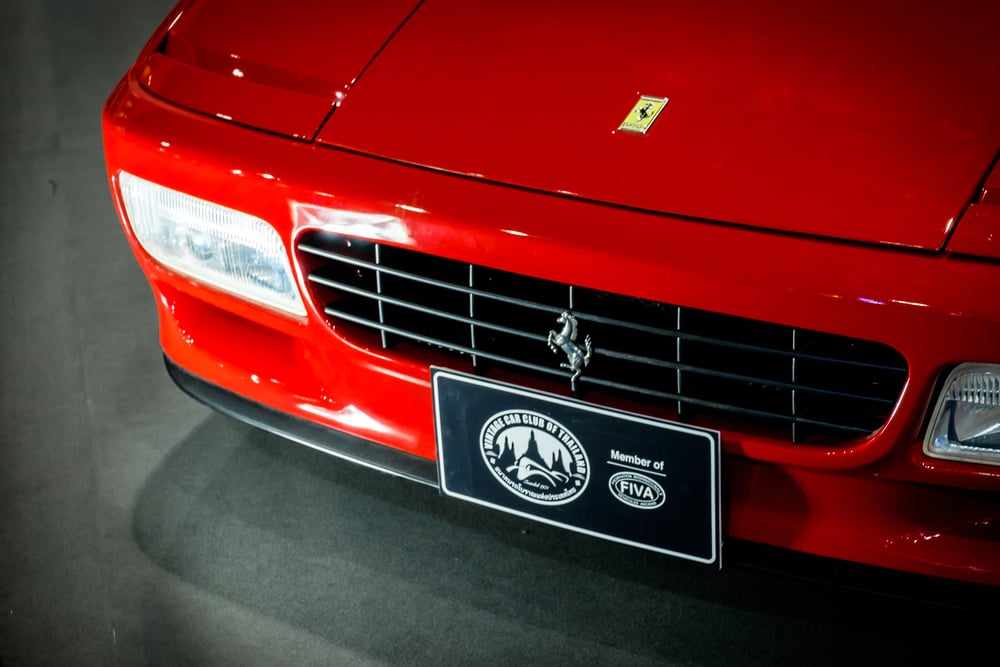
Ferrari didn’t just take a regular road car and add racing parts to create the GTO. It was built to competition specification, which included a reinforced chassis, a competition gearbox designed specifically for racing stresses.
The frame could handle the punishment of racing while still being light enough for maximum performance. Special mounting points for roll bars and racing safety equipment showed that Ferrari took competition seriously from the very beginning.
These reinforcements made the difference between a car that looked fast and one that could actually win races.
Like Go2Tutors’s content? Follow us on MSN.
Each car has its own unique racing history

Because Ferrari only built 36 examples and each went to serious racing drivers, every surviving 250 GTO has its own incredible story to tell. Some won major international races, others competed in local events, and a few even appeared in movies.
The 32nd Ferrari 250 GTO built, chassis number 4675 GT was acquired in September of 1963 by Guido Fossati and Ariberto Francolini, who promptly entered the Tour de France Automobile. These individual histories make each car unique and add to their incredible value today.
Collectors don’t just buy the car, they buy decades of racing heritage and stories that can never be repeated.
It represents the perfect balance of beauty and speed
The 250 GTO achieved something that few cars before or since have managed: perfect harmony between stunning looks and incredible performance. The GTO’s aerodynamic body, crafted by Pinin Farina, also contributed significantly to the car’s high-speed performance.
Most race cars sacrifice beauty for speed, or vice versa, but the GTO proves you can have both. The flowing lines that make it so gorgeous also help it cut through the air at 174 mph.
This combination of form and function represents Italian automotive design at its absolute peak, when engineers and artists worked together to create something truly special.
From racing champion to priceless treasure
The 1963 Ferrari 250 GTO started life as a purpose-built racing machine designed to win championships and ended up as one of the most valuable automobiles ever created. What began as Enzo Ferrari’s quest for racing dominance has become a cultural icon that represents the peak of automotive achievement.
Today’s collectors understand they’re not just buying a car, they’re acquiring a piece of history that represents the golden age of motor racing. The 250 GTO proves that when engineering brilliance meets artistic vision, the results can last forever and continue to inspire new generations of car enthusiasts decades later.
More from Go2Tutors!

- 16 Historical Figures Who Were Nothing Like You Think
- 12 Things Sold in the 80s That Are Now Illegal
- 15 VHS Tapes That Could Be Worth Thousands
- 17 Historical “What Ifs” That Would Have Changed Everything
- 18 TV Shows That Vanished Without a Finale
Like Go2Tutors’s content? Follow us on MSN.



