Darkest Secrets Behind Famous Bodies of Water
Water has always drawn humanity close, but some of the world’s most famous lakes, seas, and rivers carry secrets that run far deeper than their darkest depths. These aren’t just bodies of water — they’re repositories of mystery, tragedy, and stories that governments, locals, and even scientists would prefer remained submerged.
From unexplained disappearances to environmental disasters covered up for decades, the truth about these waters often proves more unsettling than any ghost story.
Lake Lanier
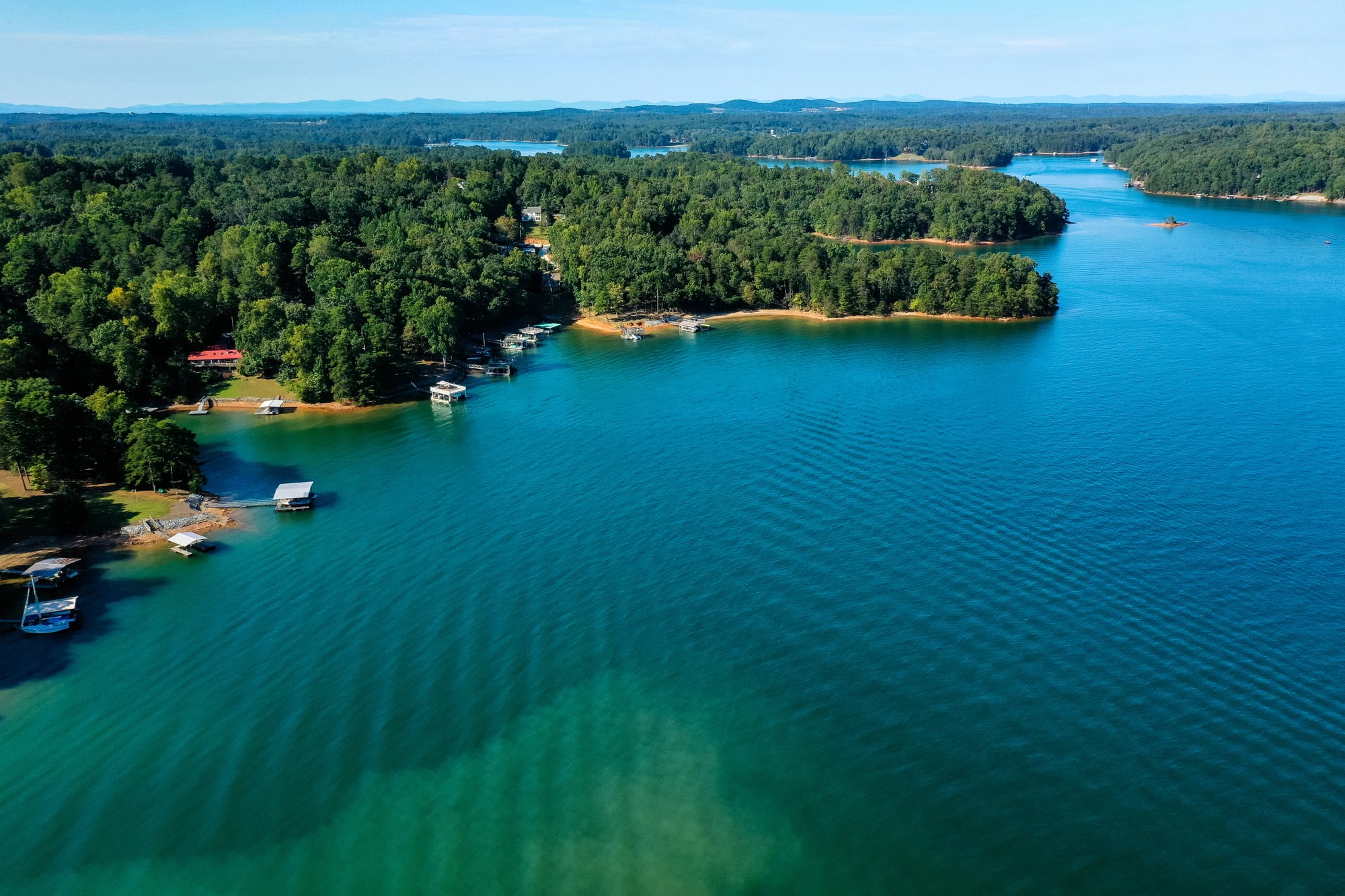
Georgia’s most popular recreational lake sits on top of an entire town. Oscarville was a Black community that was submerged when Lake Lanier was impounded in 1956, when racial violence forced out the Black families who called it home.
Their farms, churches, and cemetery now rest beneath 57 billion gallons of water. The lake has claimed over 700 lives since 1994. Drownings, boat accidents, and unexplained disappearances happen with disturbing frequency.
Bodies surface years later in perfect preservation, and rescue divers report an eerie landscape of submerged structures that shouldn’t exist according to official records.
Lake Tahoe
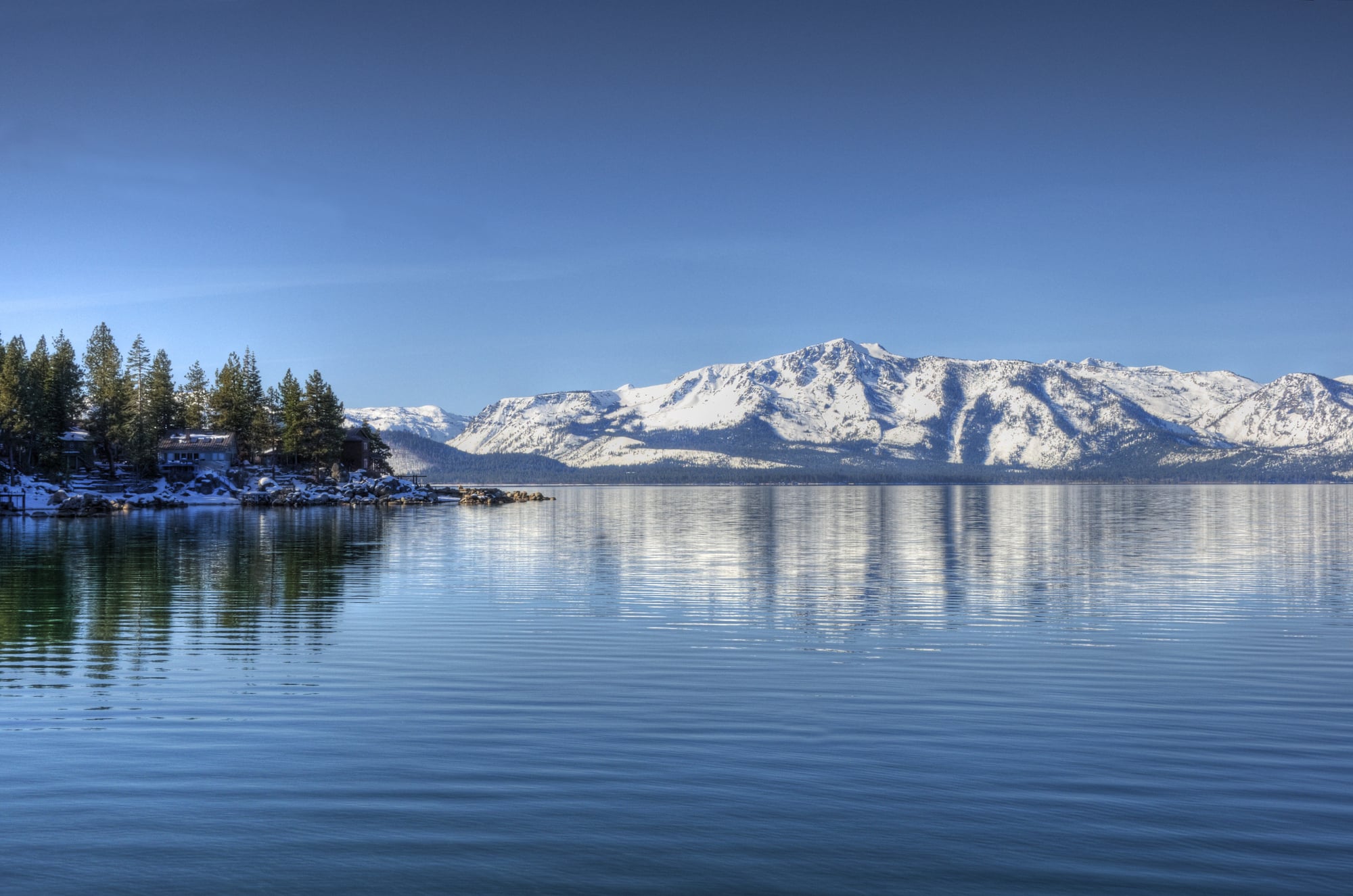
Mark Twain called it the fairest picture the whole earth affords, but Lake Tahoe guards its dead with unusual dedication. The lake’s frigid temperatures and unique chemistry create natural mummification — bodies don’t decompose, they preserve.
Jacques Cousteau once dove deep into Tahoe’s waters (the story goes) and surfaced pale, refusing to share what he’d seen down there, saying only that “the world isn’t ready for what’s down there.”
Whether Cousteau actually made such a dive remains disputed, but local lore insists the lake bottom resembles an underwater graveyard where victims of decades of accidents remain suspended in time. And the Mafia allegedly used Tahoe as their personal disposal site for decades.
The Salton Sea
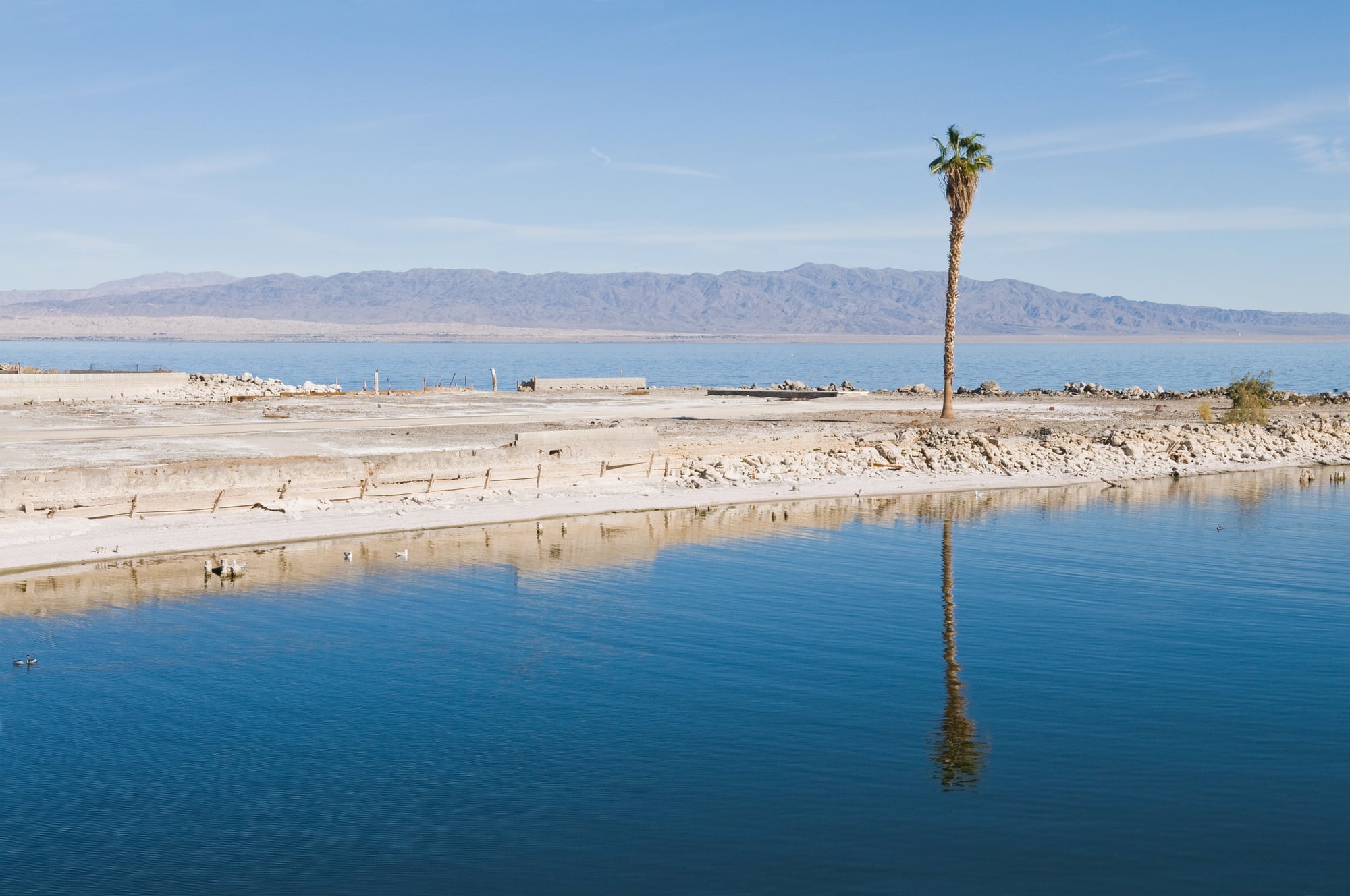
California’s largest lake exists because of human error — a 1905 engineering disaster that diverted the Colorado River for two years. But that accident was nothing compared to what came after: decades of agricultural runoff, dying fish, and toxic dust that creates one of the most polluted places in North America.
The government promoted it as a resort destination through the 1960s. Celebrities built homes along its shores while officials knew the lake was slowly poisoning itself and everyone around it.
Crater Lake
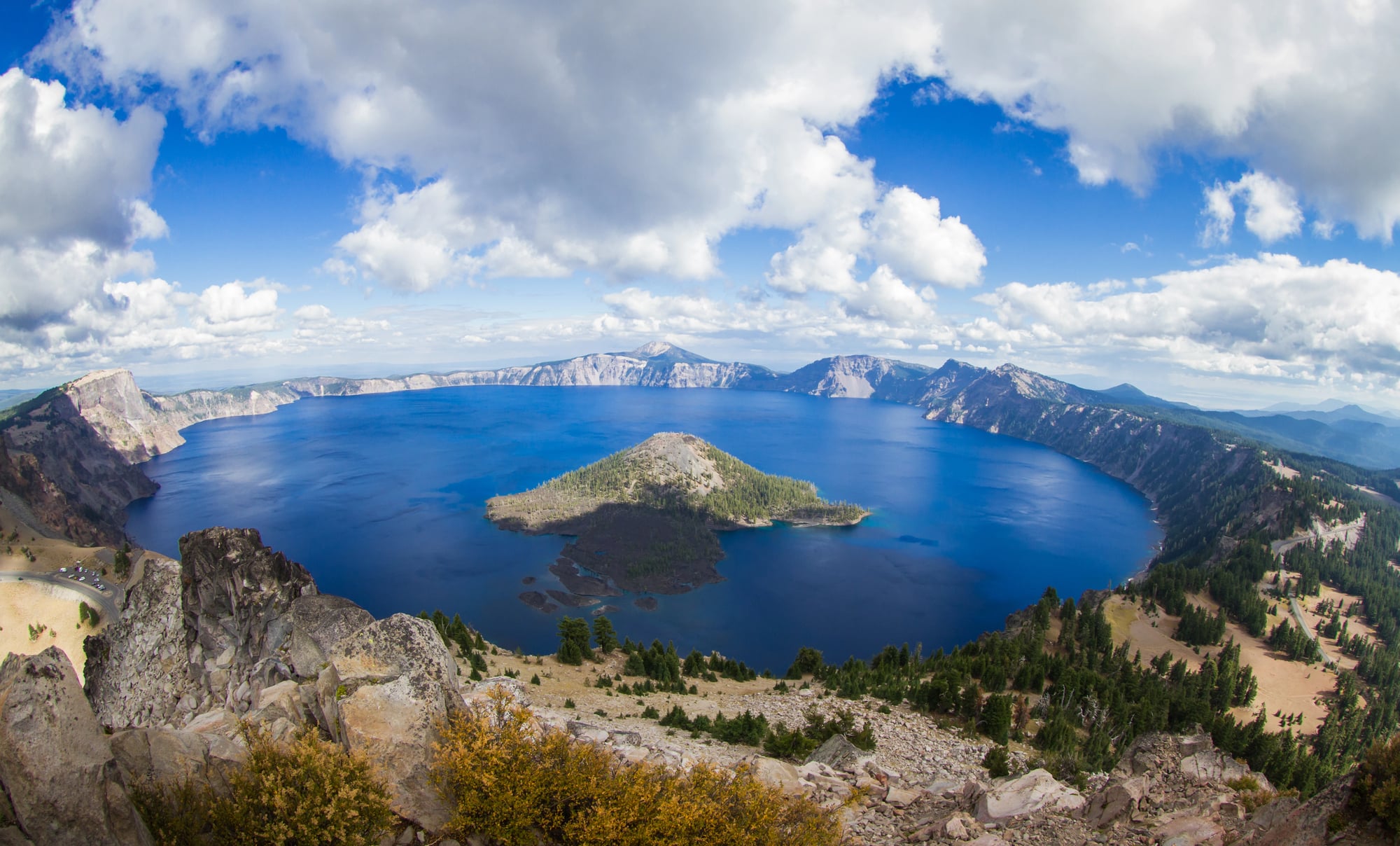
Oregon’s crown jewel formed when Mount Mazama collapsed 7,700 years ago, but the lake’s perfect blue surface conceals something unsettling. The water is so pure and deep that objects remain visible at impossible depths, creating optical illusions that have confused visitors for generations.
More troubling: the lake has no natural outlet, yet maintains a constant level. Where does the water go? Scientists have theories, but the underground drainage system remains largely unmapped. And Crater Lake maintains a relatively constant water level due to equilibrium between precipitation and seepage.
Dead Sea
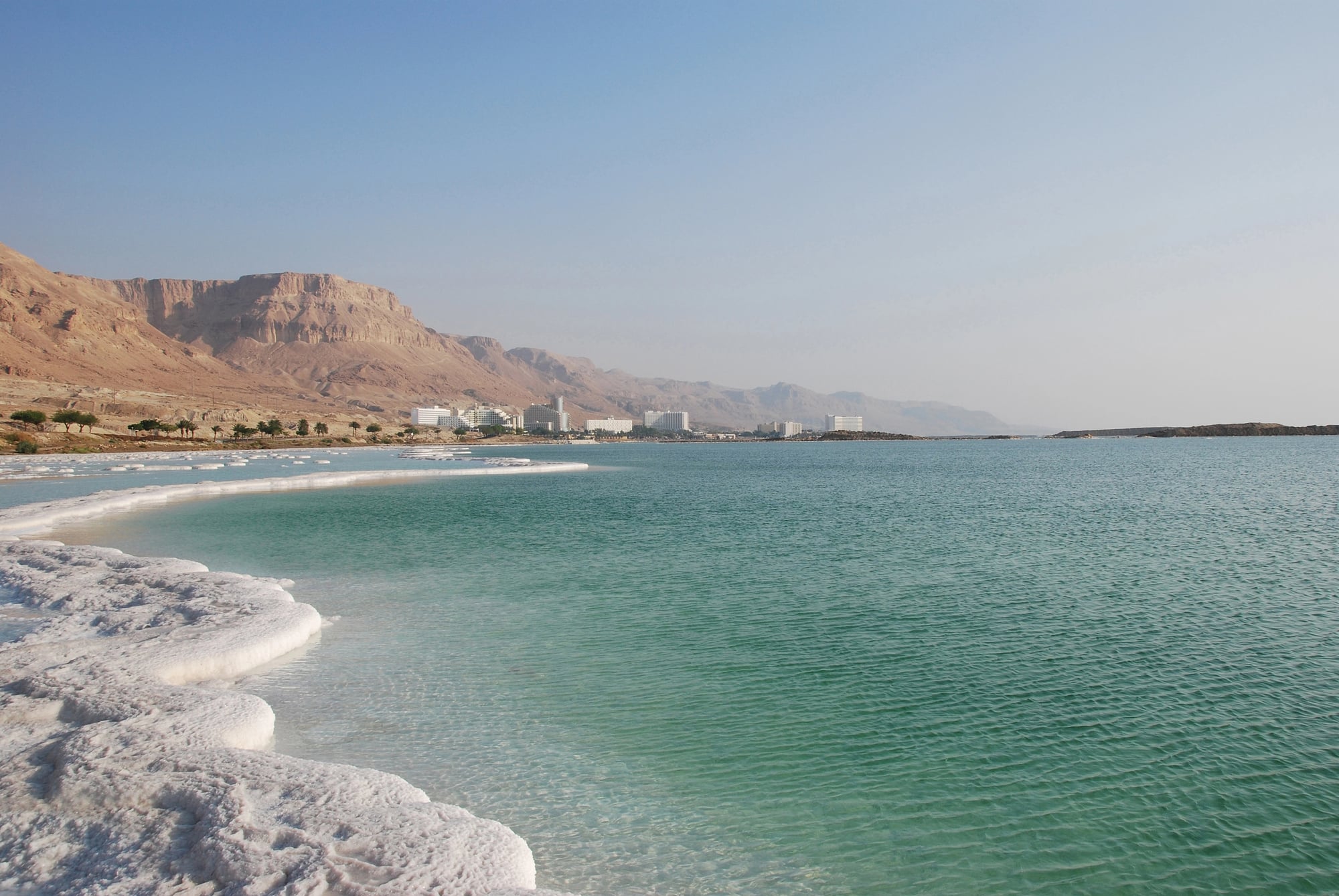
The name says everything, yet people still flock here for its supposed healing properties. What they don’t advertise is how the Dead Sea is actually dying — shrinking by three feet per year as surrounding countries drain the Jordan River that feeds it.
The real secret lies in the sinkholes appearing around the shoreline with increasing frequency. These massive craters open without warning, swallowing roads, buildings, and anything else unfortunate enough to be sitting above them.
Local authorities know it’s getting worse but continue promoting tourism to an area that’s literally collapsing.
Lake Superior
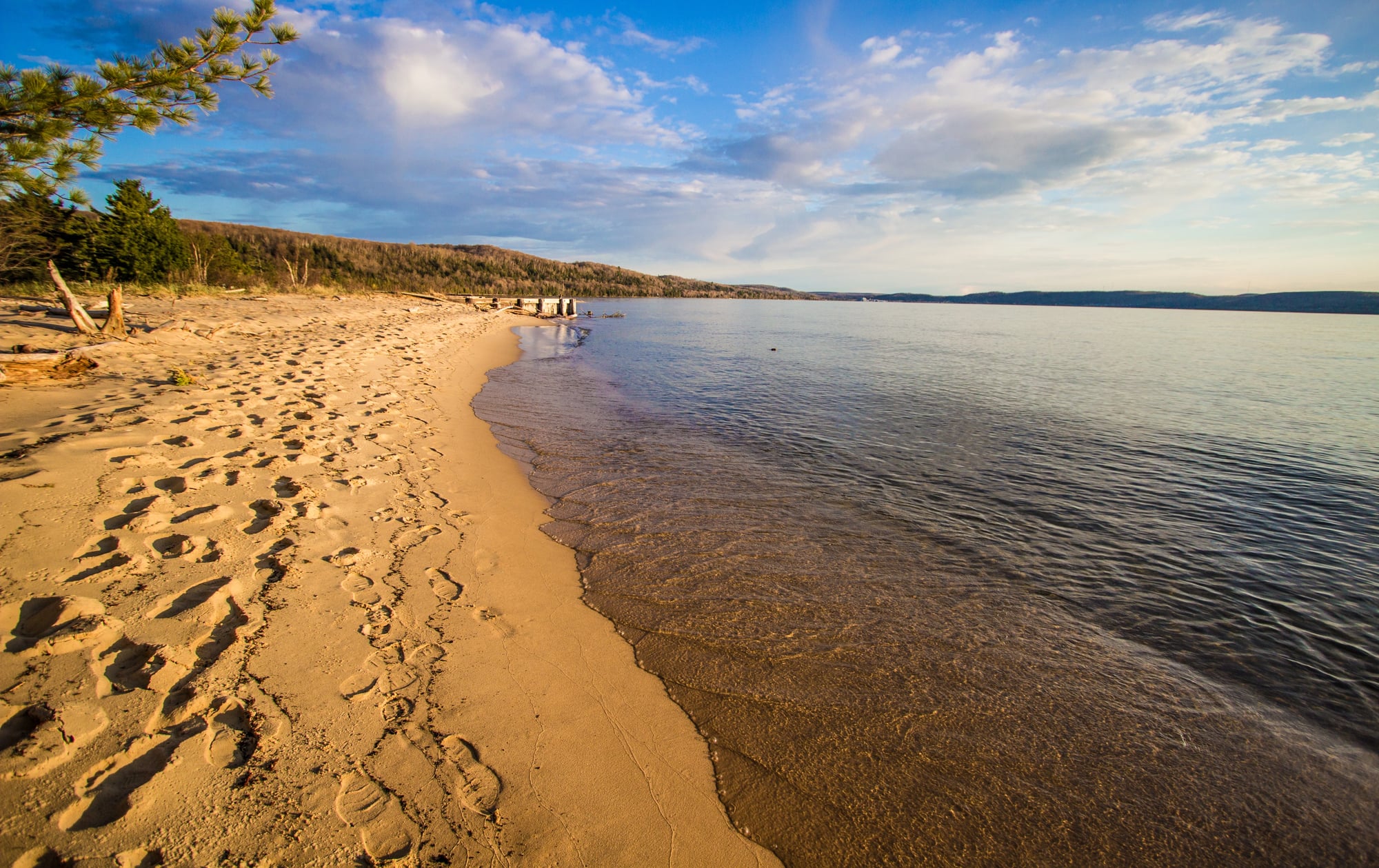
The lake that never gives up its dead earned that nickname honestly. Superior’s frigid temperatures prevent bacterial growth, so bodies don’t produce the gases that typically bring them to the surface. They sink and stay down.
Over 350 shipwrecks rest on Superior’s bottom, many with crews still at their posts. The Edmund Fitzgerald remains the most famous, but it’s hardly alone.
What’s disturbing is how many of these wrecks were caused by sudden, unexplained weather changes that seem to target ships specifically — calm conditions turning deadly within minutes, as if the lake itself decides when it’s time to claim another vessel.
The English Channel
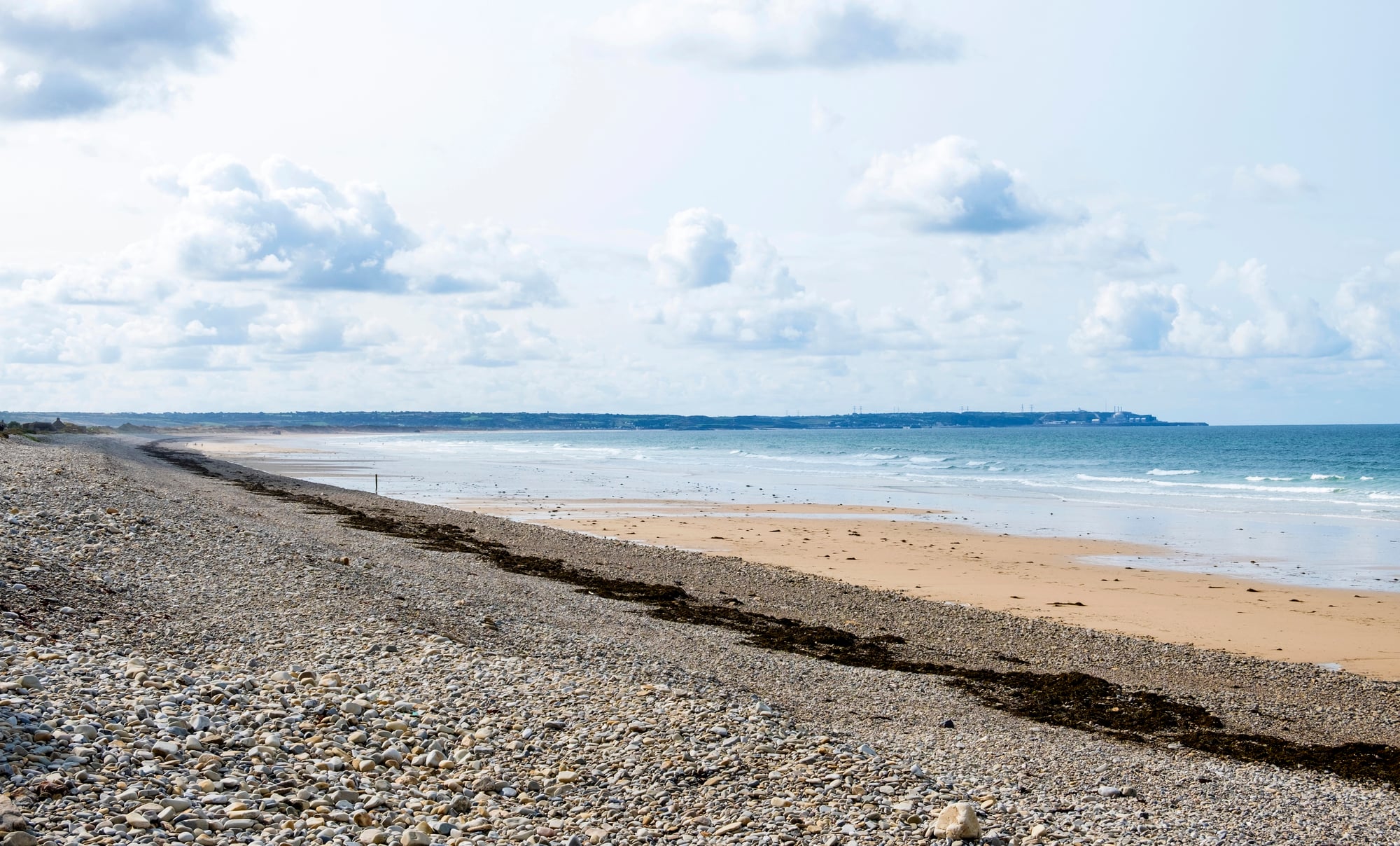
Thousands attempt to swim the Channel each year, but the water holds evidence of countless failures that never make the headlines. Strong currents carry bodies far from their intended crossing points, and hypothermia can kill swimmers before rescue boats even realize they’re in trouble.
During World War II, the Channel became a mass grave for Allied and German forces alike. Unexploded ordnance still litters the seafloor, occasionally washing ashore or detonating when disturbed by fishing equipment.
The government quietly removes these weapons while maintaining that the Channel is perfectly safe for recreational use.
Lake Michigan
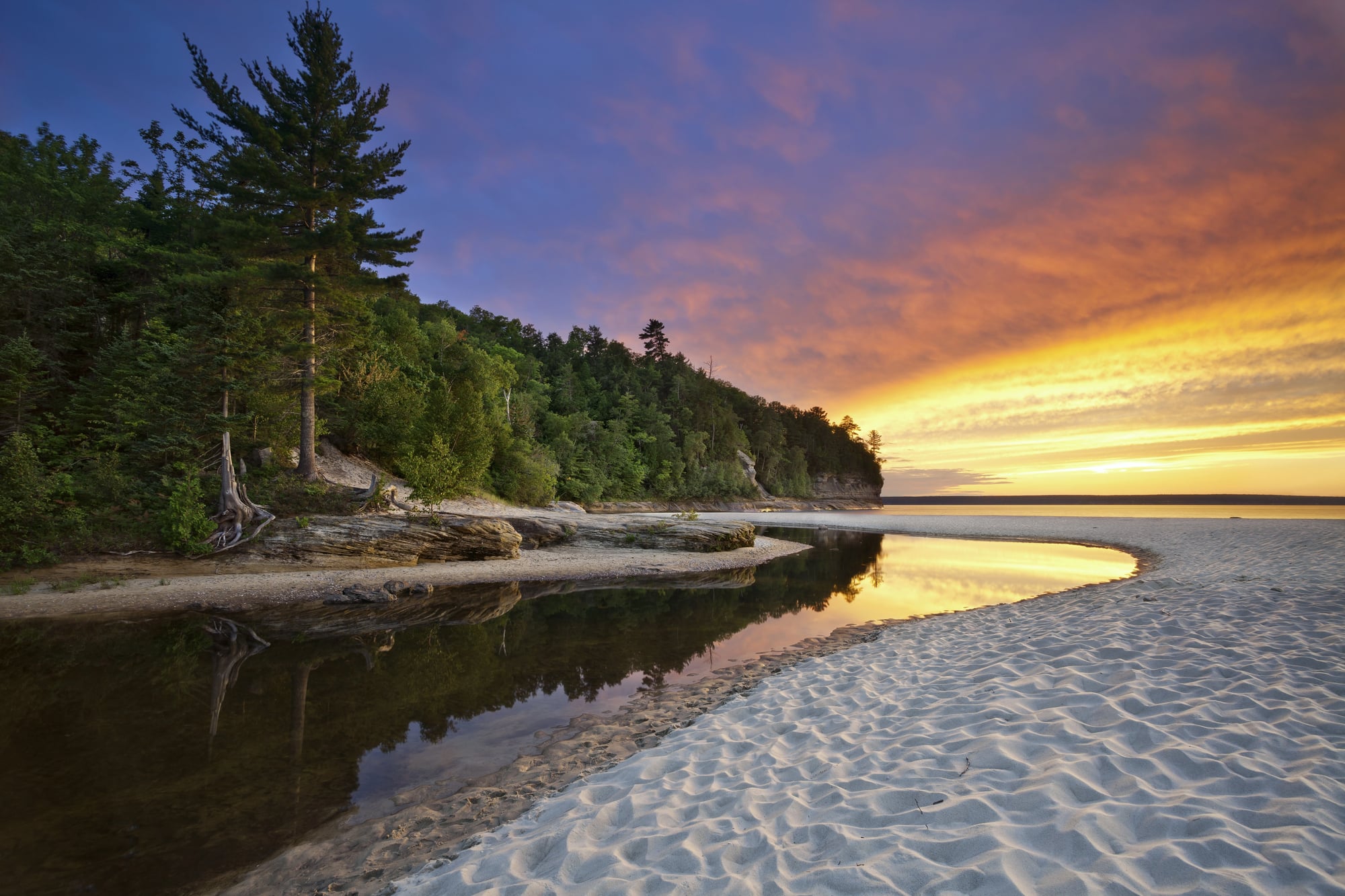
One of the Great Lakes harbors a secret that rivals the Bermuda Triangle: the Lake Michigan Triangle. Ships and planes disappear here with disturbing regularity, often in perfect weather conditions.
In 1950, Flight 2501 vanished over the lake with 58 passengers — while the fuselage was never located, wreckage and remains were recovered. The lake also experiences unexplained phenomena like rogue waves that appear without warning, reaching heights of 20 feet or more in otherwise calm conditions.
These waves have killed dozens of people who thought they were safe walking along the shoreline.
The Aral Sea
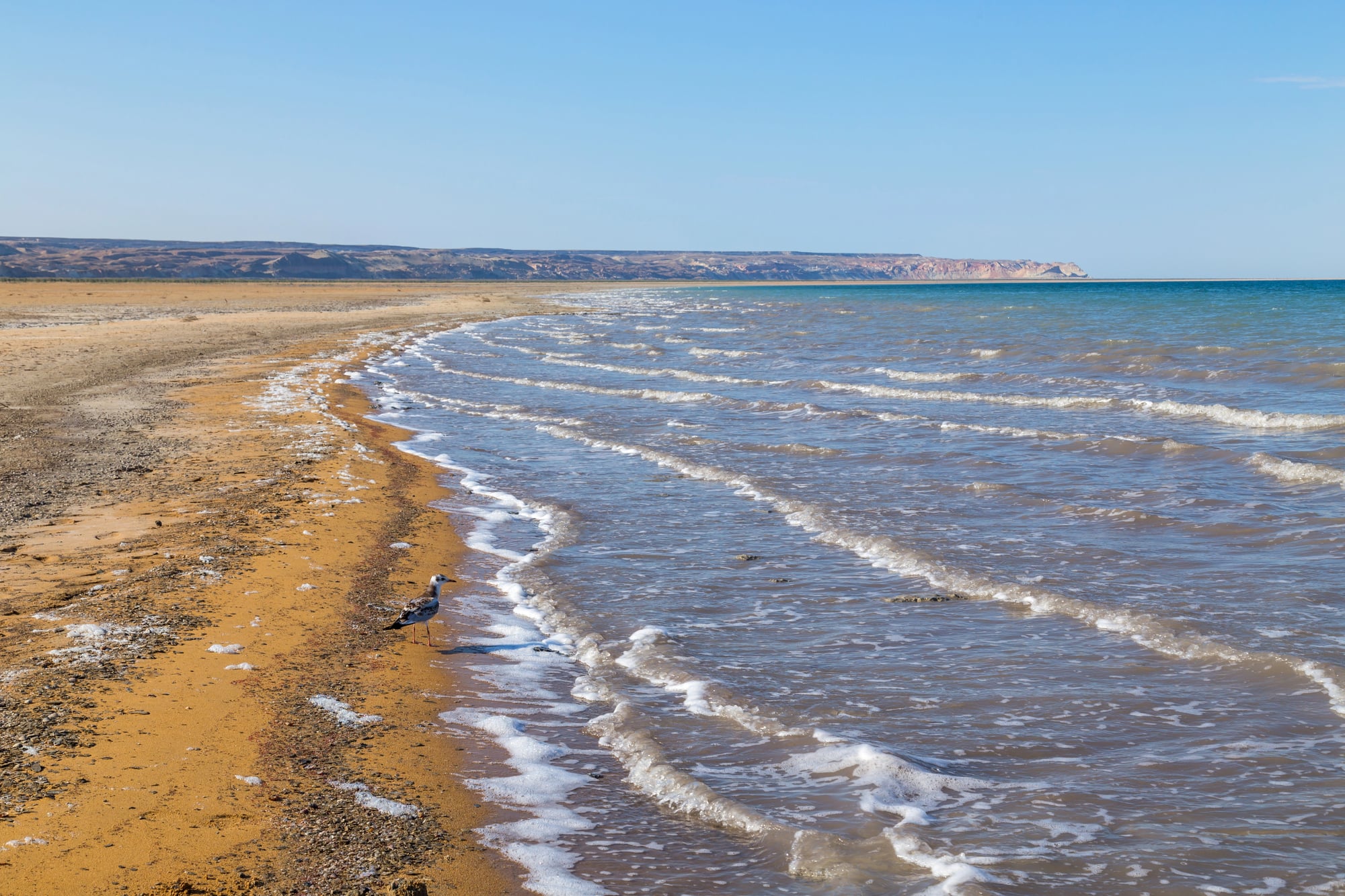
Once the world’s fourth-largest lake, the Aral Sea now exists mainly as a cautionary tale — except officials are still lying about what really happened here. Yes, Soviet irrigation projects drained the lake, but the environmental disaster goes deeper than admitted.
The exposed lakebed contains decades of agricultural pesticides, industrial waste, and biological weapons testing residue from a secret Soviet facility on Vozrozhdeniya Island. Dust storms now carry these toxins across Central Asia, creating health crises that governments prefer to attribute to other causes.
Loch Ness
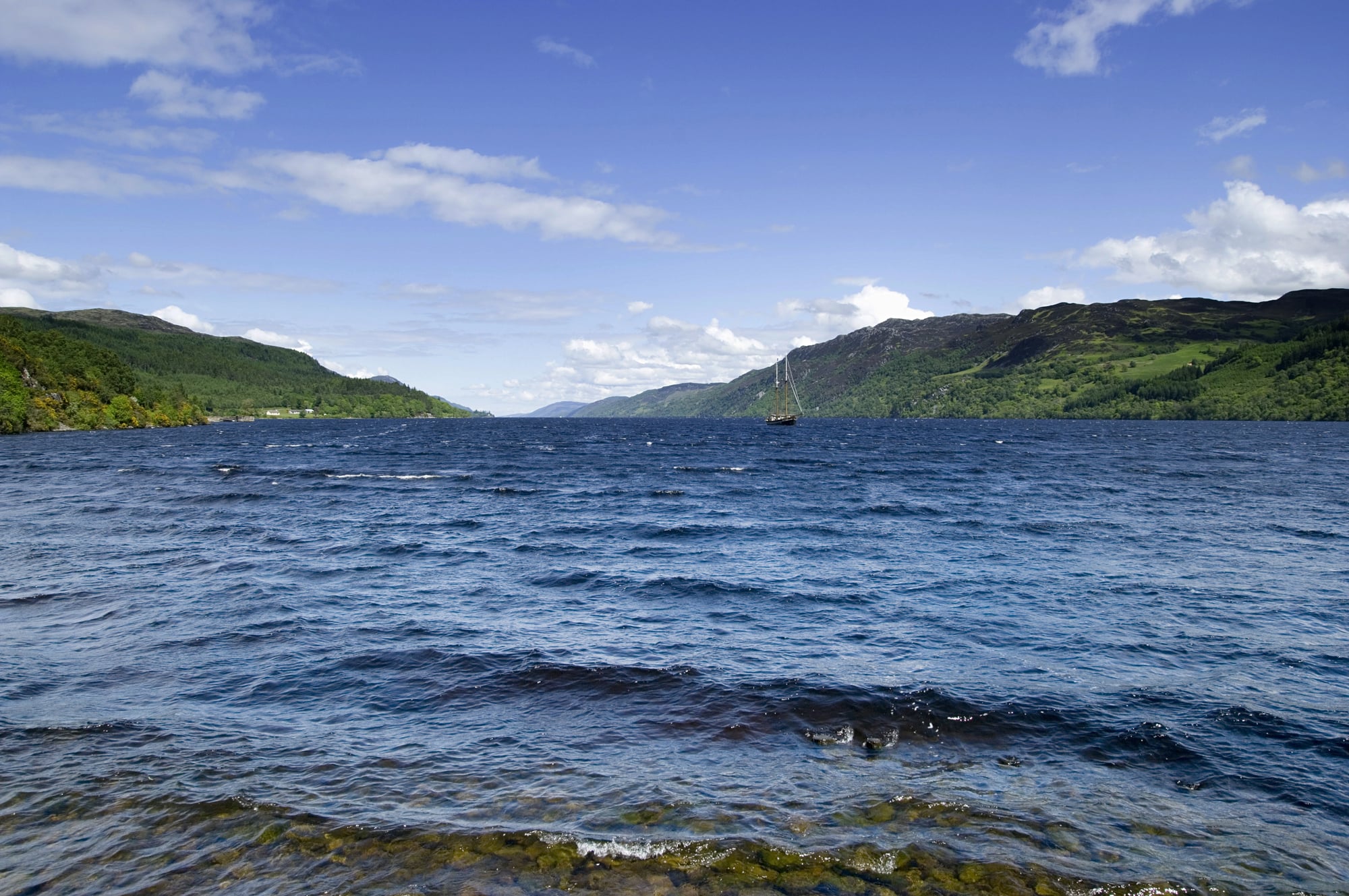
Everyone knows about Nessie, but the real secrets of Loch Ness have nothing to do with monsters. The loch served as a testing ground for experimental submarines during World War II, and some of those vessels never surfaced.
Military records remain classified, but local fishermen occasionally snag equipment that doesn’t belong to any known vessel. The loch’s extreme depth and near-freezing temperatures preserve everything that sinks into it.
Medieval weapons, crashed aircraft, and bodies from clan battles centuries past rest undisturbed in the depths, creating an underwater museum that no one is allowed to visit.
The Caspian Sea
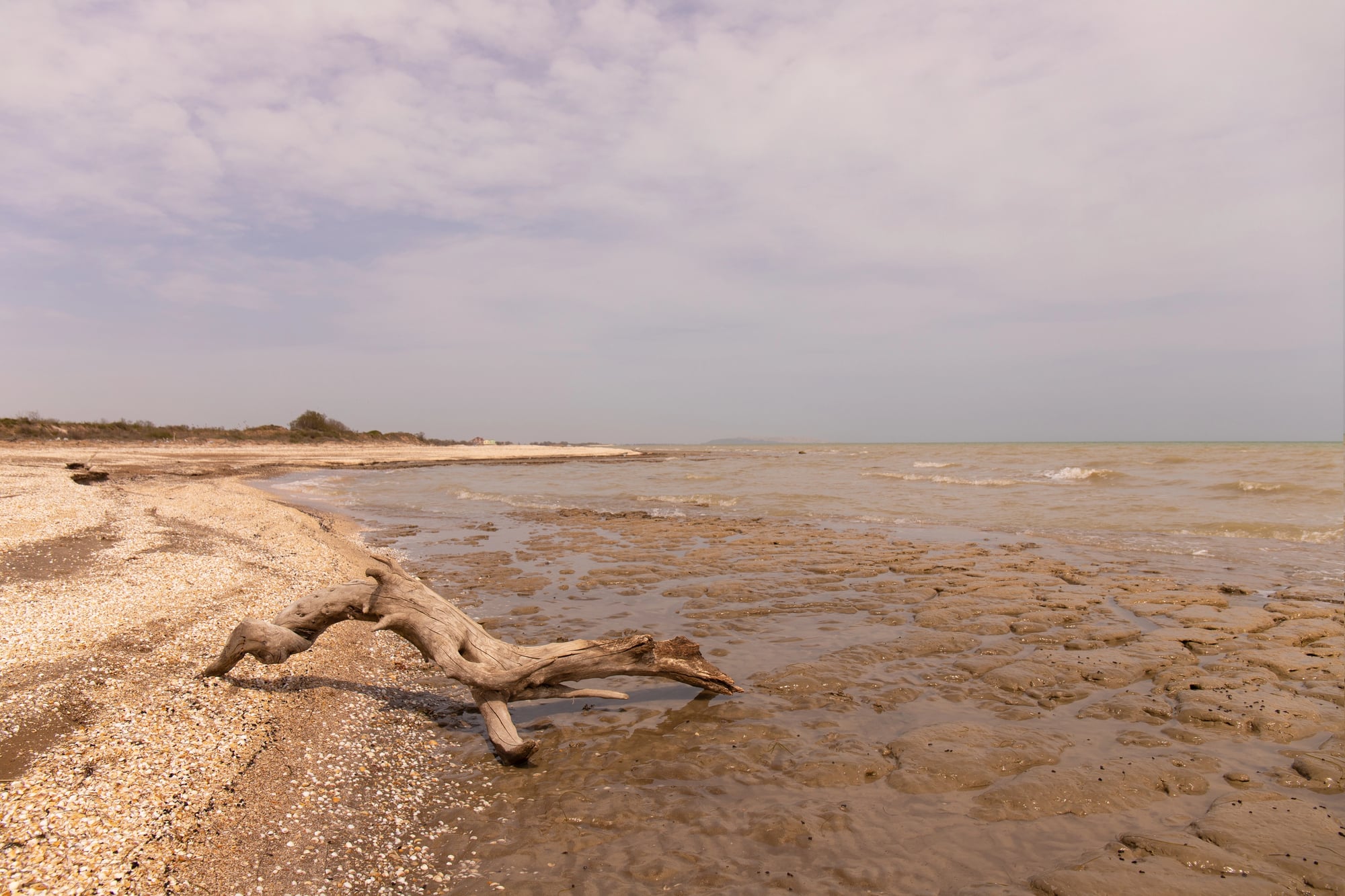
The world’s largest lake sits atop some of the richest oil reserves on Earth, which explains why environmental disasters here rarely make international news. Oil spills, chemical contamination, and industrial waste have been poisoning the Caspian for decades while surrounding governments profit from extraction rights.
The sea’s unique ecosystem includes the last remaining population of Caspian seals, now critically endangered due to pollution that officials insist isn’t happening. Meanwhile, illegal caviar harvesting has driven sturgeon populations to near extinction while authorities look the other way in exchange for the right bribes.
Lake Baikal
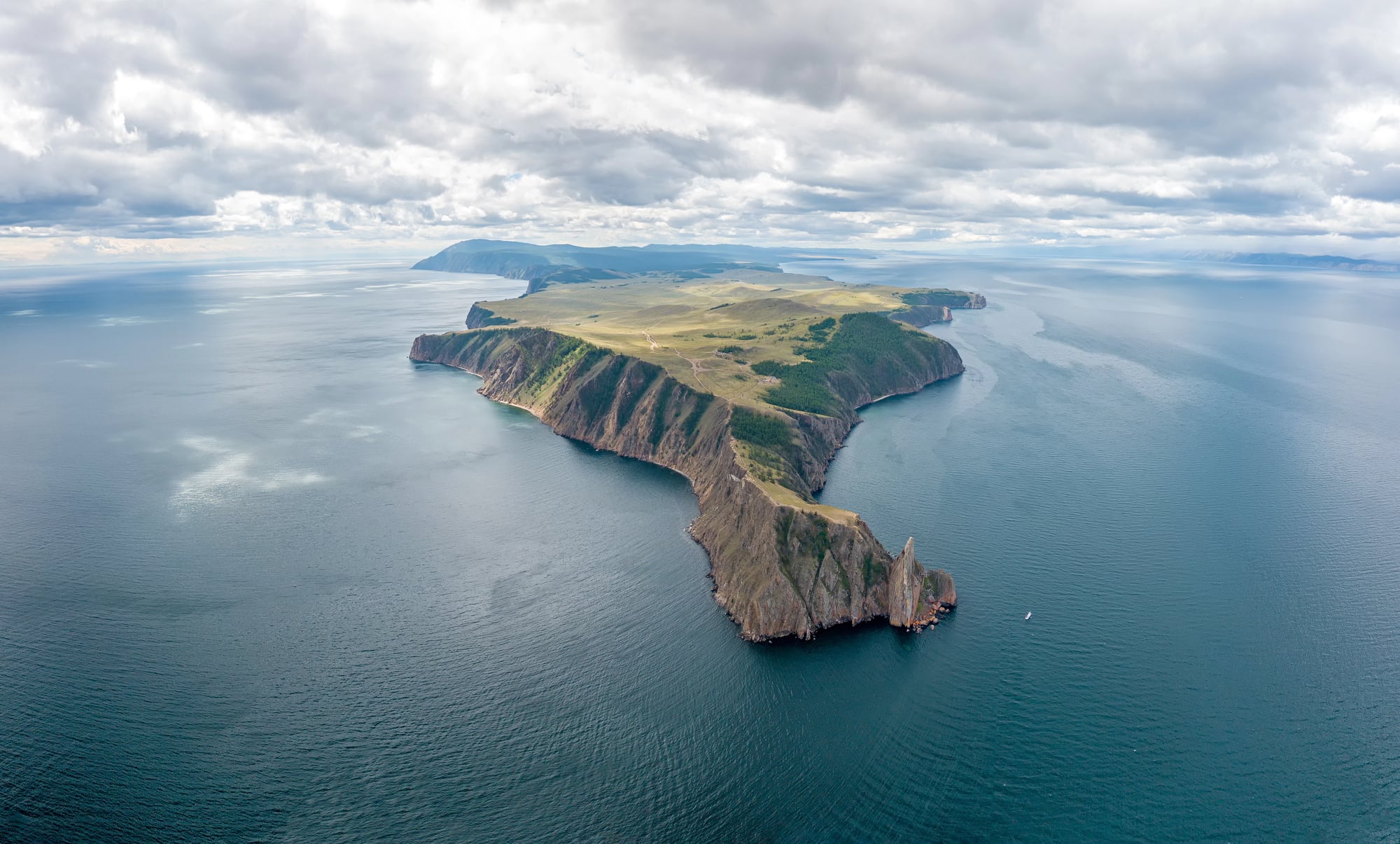
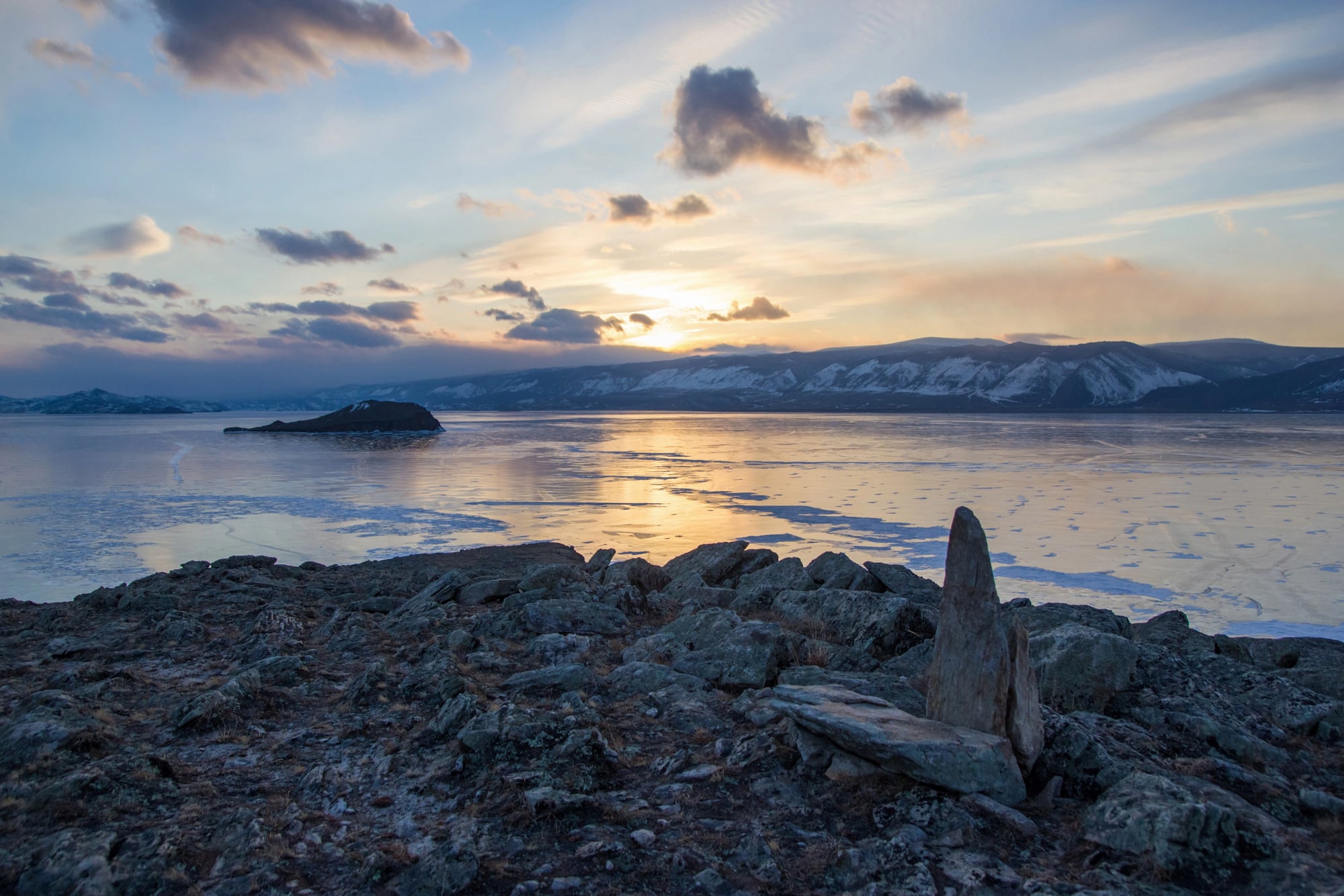
Siberia’s ancient lake holds 20% of the world’s fresh water, but it also holds evidence of Soviet environmental crimes that Russia prefers to forget. Decades of industrial waste from paper mills and chemical plants have contaminated sections of the lake despite its protected status.
More disturbing are the unexplained phenomena reported by local fishermen: areas where fish refuse to swim, underwater lights with no known source, and temperature variations that make no scientific sense. Scientists who study these anomalies often find their research funding mysteriously cut or their findings classified for “national security” reasons.
The Baltic Sea
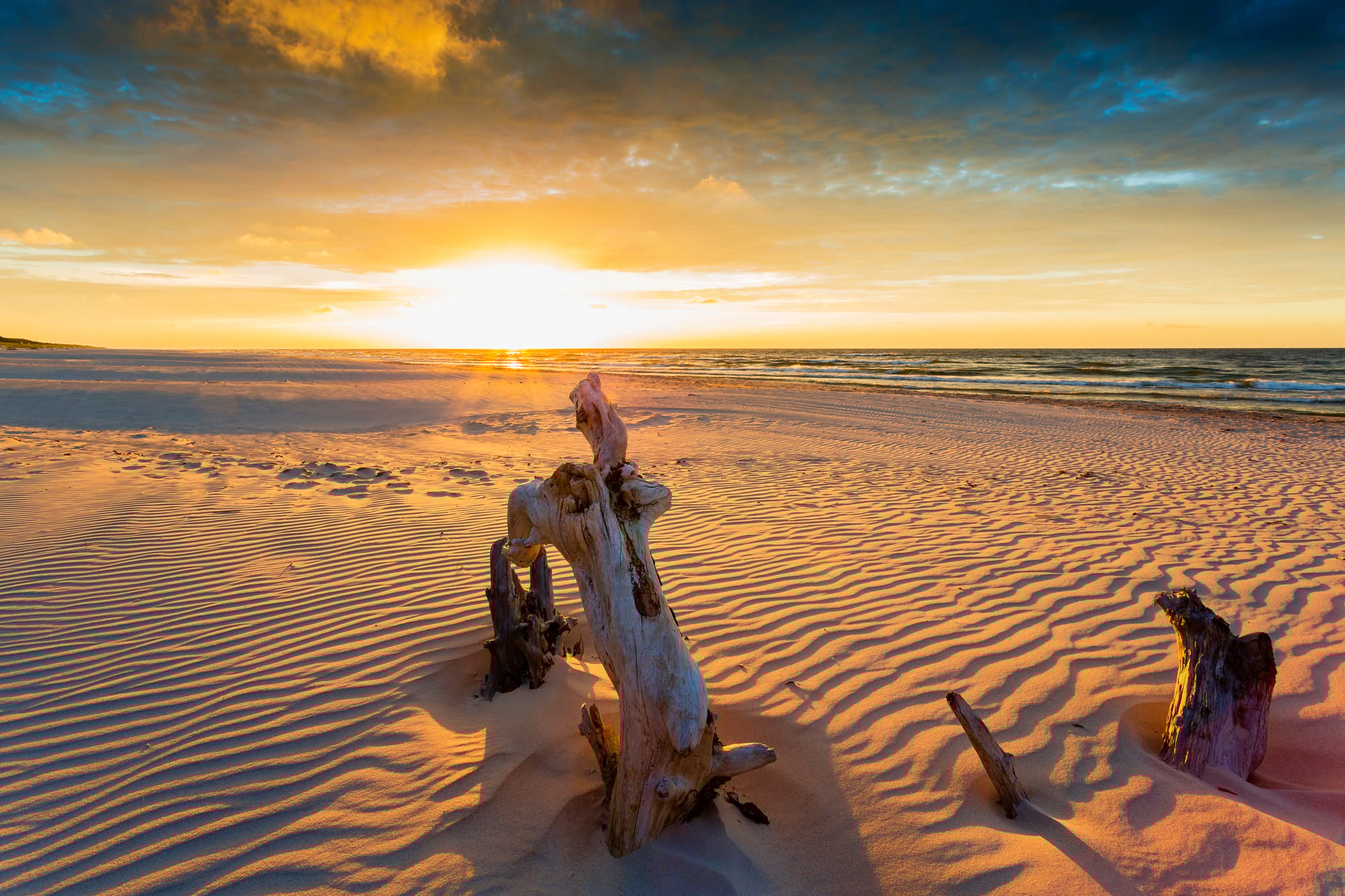
Northern Europe’s brackish sea conceals one of history’s largest underwater graveyards. Two world wars, countless naval battles, and centuries of maritime disasters have left the Baltic floor littered with shipwrecks — an estimated 100,000 vessels rest in these waters.
Many of these ships still contain human remains, unexploded ammunition, and toxic cargo that continues leaching into the water. Chemical weapons dumped here after World War II pose an ongoing threat, but salvage operations remain limited due to the political sensitivity of disturbing what amounts to a massive underwater cemetery.
When Waters Keep Their Secrets
These bodies of water share a common thread: they’ve all become repositories for truths that someone preferred to keep submerged. Whether through natural preservation, deliberate concealment, or simple human reluctance to confront uncomfortable realities, each of these waters holds evidence of events that challenge official narratives.
The secrets they guard remind us that some depths are better left unexplored — not because the truth isn’t there, but because we might not be prepared for what surfaces when it finally does.
More from Go2Tutors!

- The Romanov Crown Jewels and Their Tragic Fate
- 13 Historical Mysteries That Science Still Can’t Solve
- Famous Hoaxes That Fooled the World for Years
- 15 Child Stars with Tragic Adult Lives
- 16 Famous Jewelry Pieces in History
Like Go2Tutors’s content? Follow us on MSN.