14 Mass Poisonings That Changed Food Laws
Food safety wasn’t always the priority it is today. Throughout history, contaminated products, industrial accidents, and negligent practices have led to devastating public health crises that killed thousands and sickened countless more. These tragic events forced governments worldwide to establish stricter regulations, better testing procedures, and comprehensive oversight systems that protect consumers.
The following incidents serve as stark reminders of what happens when food safety takes a backseat to profit or convenience. Here is a list of 14 mass poisonings that fundamentally transformed how we regulate what ends up on our plates.
The Great Molasses Flood

In 1919, a massive molasses storage tank in Boston’s North End exploded, sending 2.3 million gallons of the sticky substance rushing through the streets at 35 miles per hour. The wave killed 21 people and injured 150 others, but the real tragedy came from the contaminated molasses that had been destined for rum production.
The incident revealed how industrial food storage facilities lacked proper safety standards and structural integrity requirements. This disaster led to stricter building codes for food storage facilities and mandatory engineering inspections for large-scale food processing infrastructure.
Spanish Toxic Oil Syndrome

Spain faced its worst food poisoning crisis in 1981 when contaminated rapeseed oil killed over 600 people and affected more than 25,000 others. The oil had been denatured with aniline, a toxic industrial chemical, but was illegally sold as cooking oil in street markets.
Victims suffered from severe lung damage, liver problems, and a mysterious wasting syndrome that doctors initially couldn’t identify. The crisis prompted Spain to overhaul its food import regulations and establish one of Europe’s most comprehensive food traceability systems.
Diethylene Glycol Elixir Tragedy
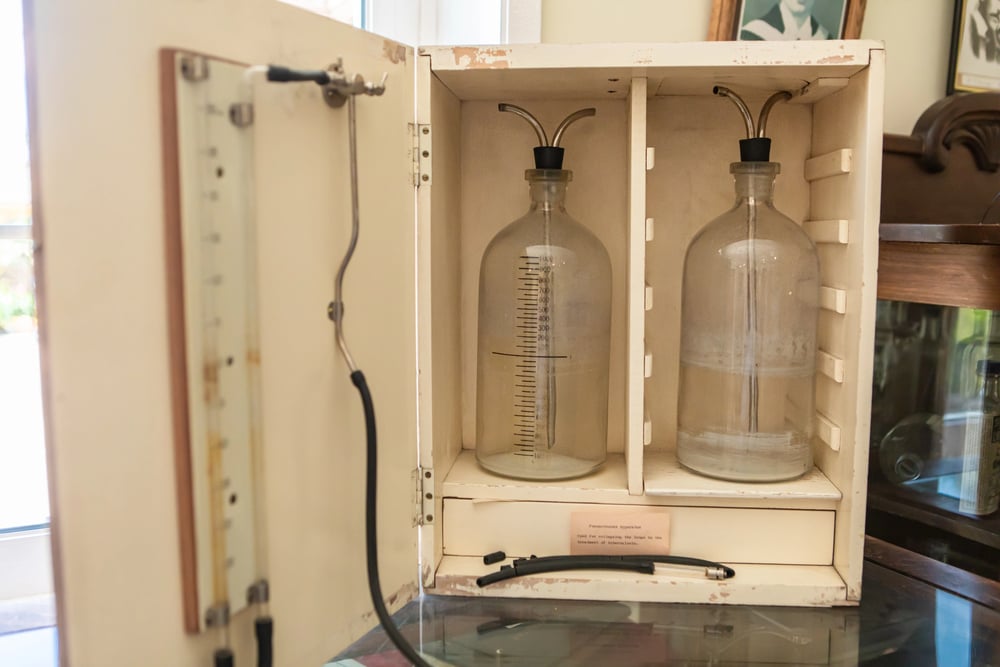
The 1937 sulfanilamide elixir disaster in the United States killed 107 people, including many children, when a pharmaceutical company used diethylene glycol as a solvent without testing its safety. While technically a medicine rather than food, this antifreeze-like substance was sweet-tasting and often found its way into food products.
The tragedy directly led to the Federal Food, Drug, and Cosmetic Act of 1938, which required safety testing before products could reach consumers. This law became the foundation for modern FDA oversight of both food and drug safety.
Methanol Poisoning in India

Between 2008 and 2012, several incidents of methanol poisoning in India killed hundreds of people who consumed illegally produced alcohol. The bootleg liquor was often mixed with industrial methanol instead of ethanol, causing blindness, organ failure, and death.
These tragedies highlighted the dangers of unregulated alcohol production and led to stricter licensing requirements for distilleries. India subsequently implemented better tracking systems for industrial alcohol and increased penalties for those who mix toxic substances into consumable products.
The Tylenol Murders

In 1982, seven people in Chicago died after taking Tylenol capsules that had been laced with cyanide. Someone had purchased the over-the-counter medication, added poison to the capsules, and returned them to store shelves.
This incident revolutionized product packaging across the food and pharmaceutical industries. Companies began using tamper-evident seals, safety caps, and other protective measures that are now standard on everything from medicine bottles to food jars.
Chinese Melamine Milk Scandal
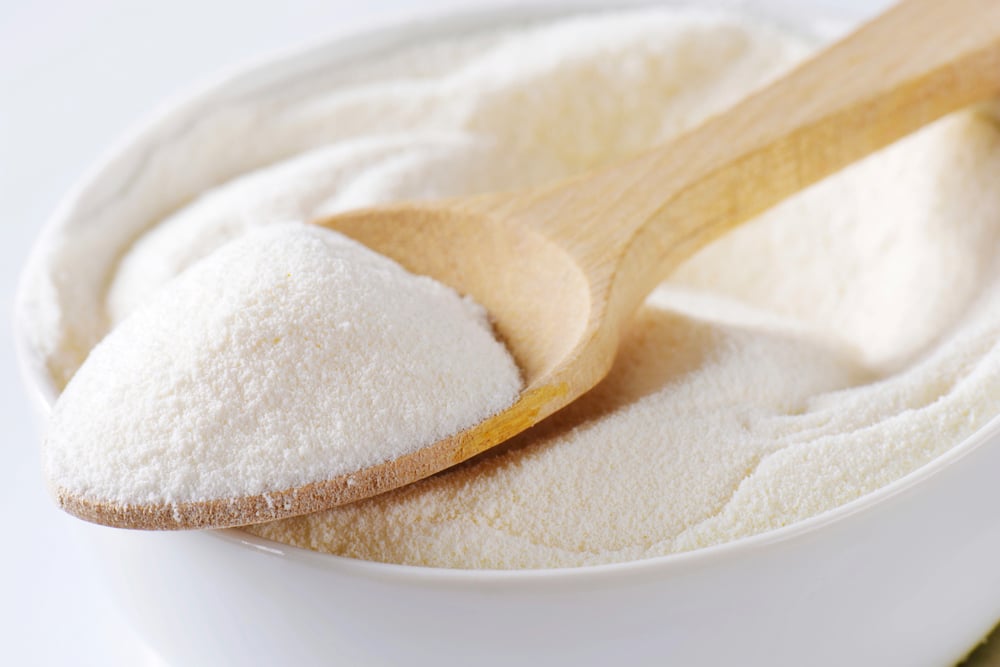
China’s 2008 melamine milk scandal affected nearly 300,000 children and killed at least six infants when manufacturers added the industrial chemical to milk powder to artificially boost protein readings. The chemical caused severe kidney damage and stones in babies who consumed the contaminated formula.
This crisis led to a complete overhaul of China’s food safety system, including the establishment of new regulatory agencies and much stricter penalties for food adulteration. The scandal also sparked global reforms in infant formula testing and international trade agreements.
The Bhopal Gas Tragedy

While not directly a food poisoning, the 1984 Bhopal disaster in India killed thousands when a pesticide plant leaked toxic gas into the surrounding community. The methyl isocyanate gas killed an estimated 3,800 people immediately and affected over 500,000 others.
The chemicals produced at the plant were used in food production and agriculture, making this one of the most significant industrial accidents affecting the food chain. The disaster led to stricter regulations on chemical plants that produce food additives and agricultural chemicals worldwide.
Italian Wine Methanol Poisoning

In 1986, Italian winemakers added methanol to increase the alcohol content of their wines, resulting in 23 deaths and dozens of cases of blindness. The scandal rocked Italy’s wine industry and led to immediate reforms in wine production oversight.
European Union wine regulations became much stricter, requiring extensive testing and certification processes. The incident also established international standards for wine imports and exports that are still in place today.
The Coca-Cola Contamination Crisis
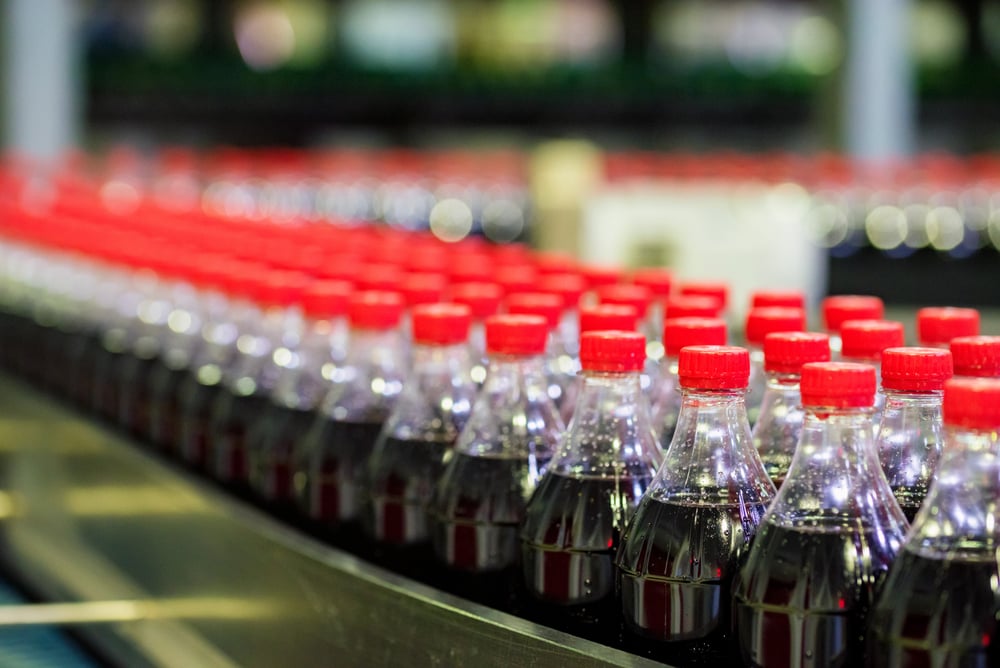
In 1999, hundreds of people in Belgium, France, and the Netherlands became ill after drinking Coca-Cola products contaminated with carbon dioxide that contained traces of carbonyl sulfide. The company initially downplayed the severity, but mounting cases of nausea, headaches, and dizziness forced a massive recall.
This incident led to stricter regulations on beverage production and mandatory contamination testing protocols. The European Union also established new requirements for rapid response systems when food safety incidents occur.
Sudan Red Dye Contamination
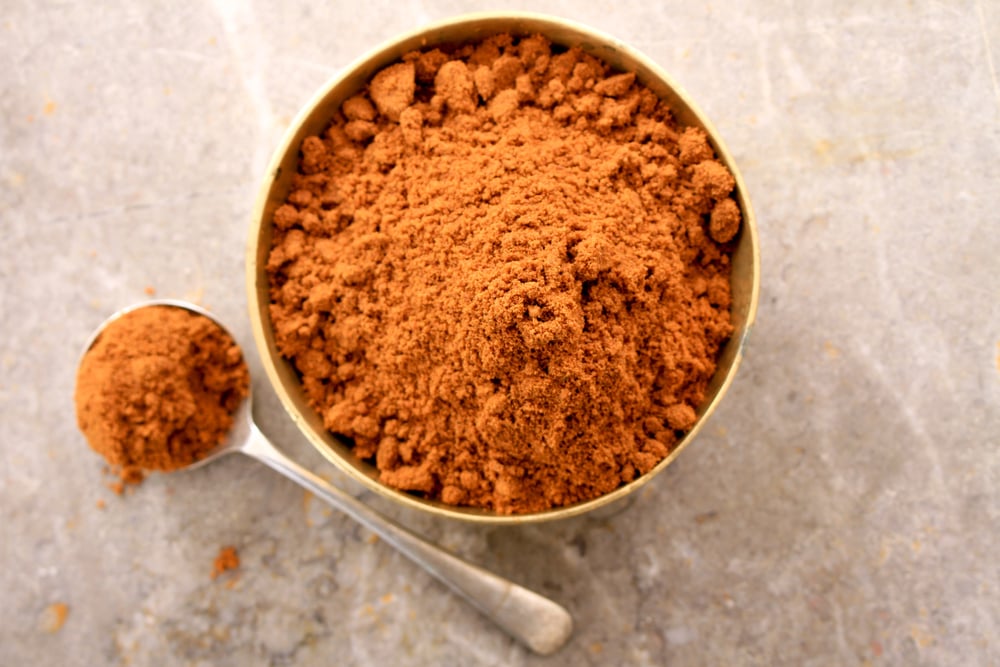
Between 2003 and 2005, Sudan red dyes were discovered in food products across Europe, particularly in Worcester sauce, chili powder, and other spice blends. These industrial dyes are known carcinogens that were never approved for food use but had been illegally added to enhance color.
The contamination affected thousands of products and led to massive recalls across multiple countries. The crisis resulted in stricter controls on food coloring agents and better supply chain monitoring systems.
The 2011 German E. coli Outbreak

A deadly strain of E. coli bacteria contaminated sprouts and other vegetables in Germany, killing 53 people and sickening over 4,000 others across Europe. The outbreak was initially blamed on Spanish cucumbers, causing massive economic losses for Spanish farmers before investigators identified the real source.
This crisis led to improved rapid testing methods for foodborne pathogens and better communication systems between European health authorities. The incident also strengthened regulations on fresh produce handling and distribution.
Monosodium Glutamate Incidents
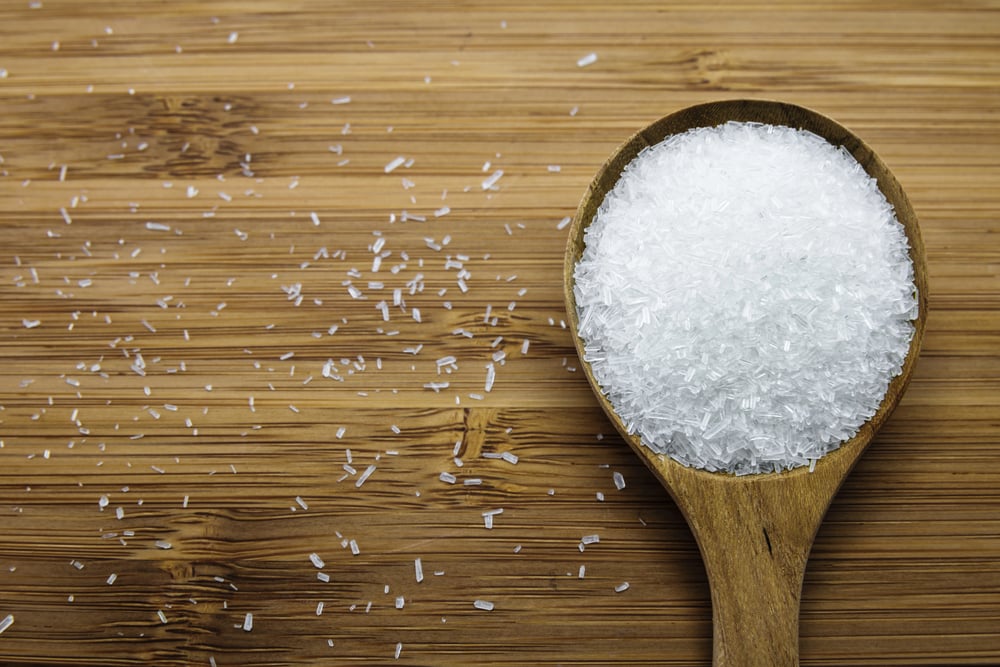
Throughout the 1960s and 1970s, numerous reports of adverse reactions to monosodium glutamate (MSG) in restaurant food led to widespread health concerns. While later research showed MSG to be generally safe, the initial reports of headaches, nausea, and other symptoms prompted restaurants to label their use of the additive.
This led to the establishment of ingredient disclosure requirements and clearer labeling standards for food additives. The MSG controversy also sparked broader discussions about food transparency and consumer right-to-know laws.
The Jack in the Box E. coli Outbreak

In 1993, undercooked hamburgers at Jack in the Box restaurants infected over 700 people with E. coli O157:H7, killing four children and causing permanent damage to many others. The outbreak revealed serious gaps in food safety protocols at fast-food restaurants and meat processing facilities.
This tragedy led to stricter cooking temperature requirements, better employee training programs, and mandatory hazard analysis systems in food service operations. The incident also strengthened federal oversight of ground beef production and distribution.
Peanut Corporation of America Salmonella

Between 2008 and 2009, contaminated peanut products from the Peanut Corporation of America caused a salmonella outbreak that affected over 700 people across 46 states. The company knowingly shipped contaminated products and falsified test results to hide the contamination.
This case resulted in criminal charges for company executives and stricter penalties for food safety violations. The outbreak also led to enhanced FDA inspection powers and mandatory food safety plans for high-risk facilities.
When Tragedy Becomes Progress

These devastating incidents remind us that food safety regulations aren’t just bureaucratic red tape—they’re written in the blood of those who suffered from preventable tragedies. Each crisis forced society to confront uncomfortable truths about corporate responsibility, government oversight, and the real cost of cutting corners.
The comprehensive food safety systems we rely on today exist because people demanded change after witnessing these preventable disasters. While we can’t undo the suffering these events caused, we can honor the victims by maintaining vigilance and never taking food safety for granted.
More from Go2Tutors!

- The Romanov Crown Jewels and Their Tragic Fate
- 13 Historical Mysteries That Science Still Can’t Solve
- Famous Hoaxes That Fooled the World for Years
- 15 Child Stars with Tragic Adult Lives
- 16 Famous Jewelry Pieces in History
Like Go2Tutors’s content? Follow us on MSN.